
Mayr's Sugar ant
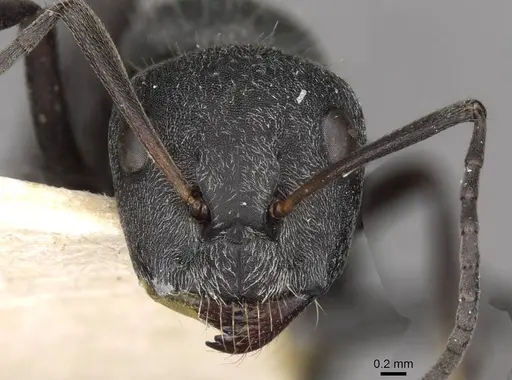
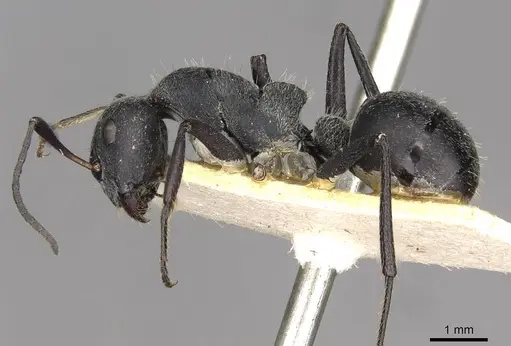
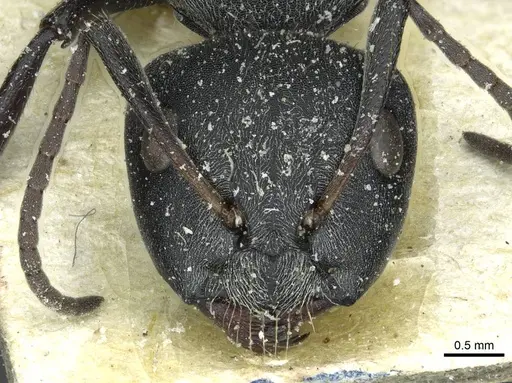
Camponotus mayri
- Sci. Name
- Camponotus mayri
- Subgenus
- Orthonotomyrmex
- Tribe
- Camponotini
- Subfamily
- Formicinae
- Author
- Forel, 1879
- Common Name
- Mayr's Sugar ant
- Distribution
- Found in 5 countries
Introduction
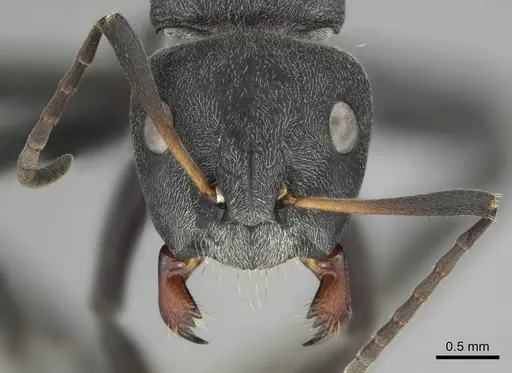
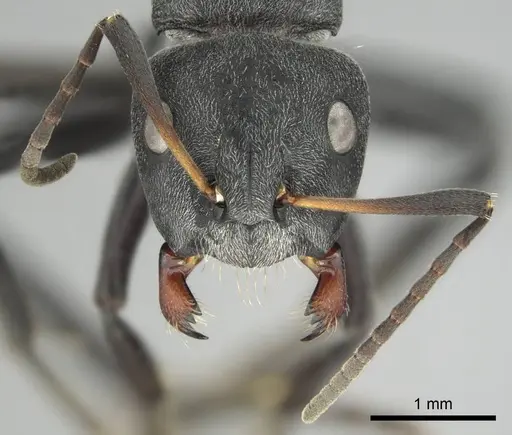
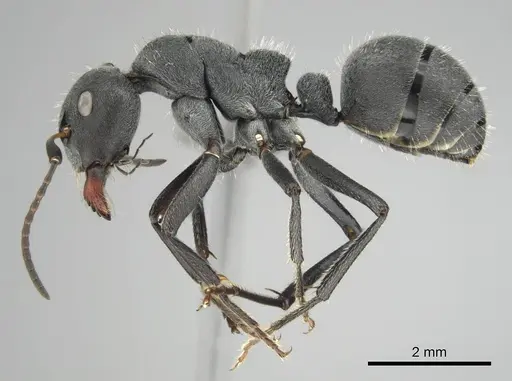
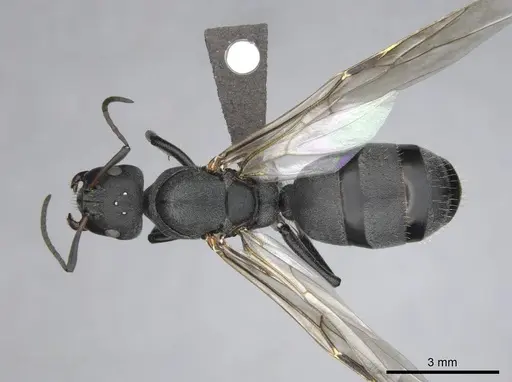
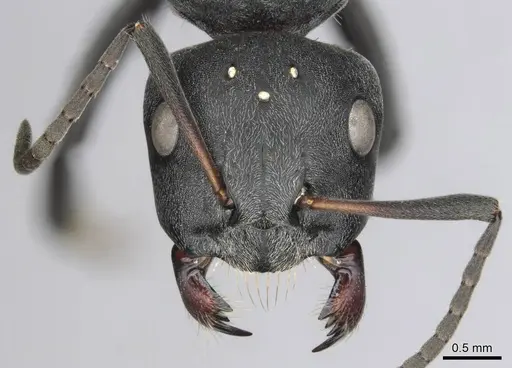
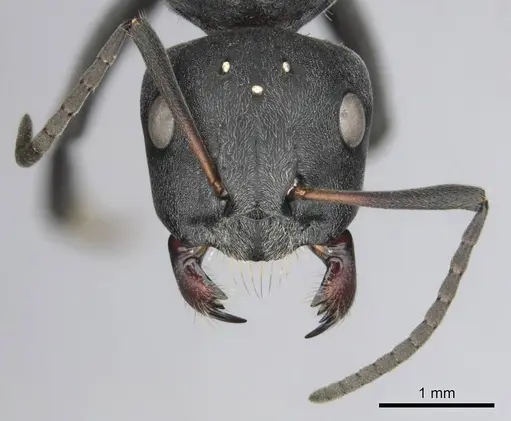
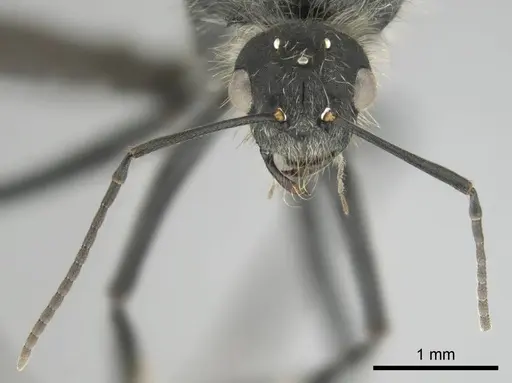
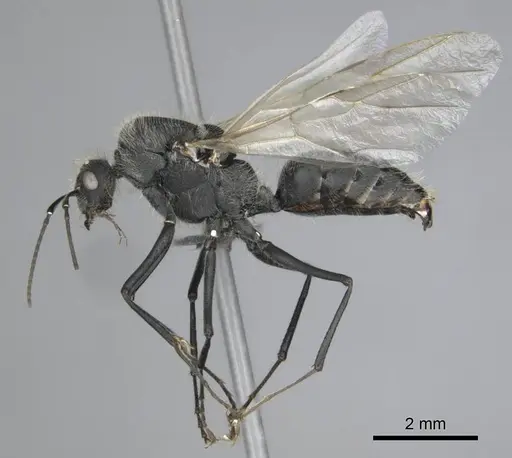
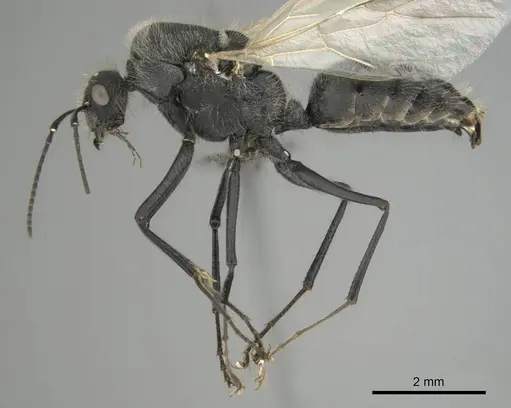
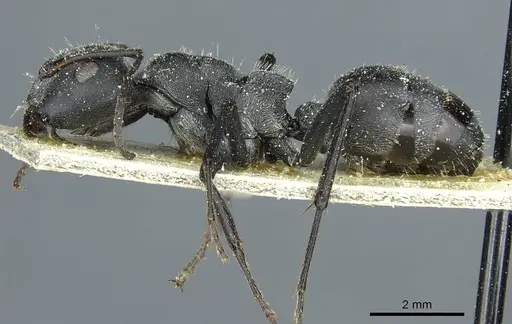
Camponotus mayri is a medium-sized carpenter ant native to the Afrotropical region, found across southern and eastern Africa including South Africa, Zimbabwe, Mozambique, Kenya, Tanzania, Democratic Republic of Congo, Namibia, and Eswatini. Workers display the characteristic Camponotus body shape with a rounded thorax and constricted petiole. The species was first described by Forel in 1879 from specimens collected in South Africa's Transvaal region. It belongs to the subgenus Orthonotomyrmex. Available data indicates this species is localized to specific habitats, with specimens collected exclusively from lowveld natural grassland environments at approximately 1074m elevation .
Quick Summary
- Difficulty: Medium
- Origin & Habitat: Afrotropical region, found in southern and eastern Africa including South Africa, Zimbabwe, Mozambique, Kenya, Tanzania, Democratic Republic of Congo, Namibia, and Eswatini. Inhabits lowveld natural grassland habitats at approximately 1074m elevation [1][2].
- Colony Type: Colony structure is not directly documented for this species. Based on typical Camponotus patterns, likely single-queen colonies.
- Size & Growth:
- Queen: size data unavailable, no specific measurements found in research context
- Worker: size data unavailable, no specific measurements found in research context
- Colony: size data unavailable, no colony size data found in research context
- Growth: Moderate, based on typical Camponotus development patterns
- Development: estimated 6-10 weeks based on typical Camponotus development at optimal temperature (Development time is estimated from related Camponotus species. Queens likely seal themselves in during founding and live off stored fat reserves until first workers emerge.)
- Antkeeping:
- Temperature: Keep at 24-28°C based on African grassland habitat preferences. Provide a temperature gradient allowing workers to self-regulate.
- Humidity: Moderate humidity around 50-60%. Keep nest substrate slightly moist but not waterlogged. Provide a water source.
- Diapause: Not required, this is an Afrotropical species from warm African climates. Unlike temperate species, they do not need a cold winter dormancy period. Maintain consistent warm temperatures year-round.
- Nesting: Use a Y-tong (AAC) nest or test tube setup with compact chambers. Provide a small outworld for foraging. Keep nesting area dark and undisturbed.
- Behavior: Typical Camponotus temperament, generally calm and not overly aggressive. Workers are moderately active foragers, primarily hunting for honeydew and small insects. Escape risk is moderate due to medium worker size, standard barrier methods work well. They do not sting but may bite if threatened.
- Common Issues: colonies may grow slowly during the first year, avoid disturbing the nest prematurely, queen can die during founding if humidity fluctuates too much, keep founding chamber stable, escape prevention should still be used despite moderate size, they can climb smooth surfaces, wild-caught colonies may have parasites that are difficult to treat in captivity
Nest Preferences and Housing
Camponotus mayri adapts well to common antkeeping setups. A Y-tong (AAC) nest works excellently for this species, providing the dark, compact chambers these ants prefer. Test tube setups are also suitable for founding colonies. For founding colonies, a simple test tube with a water reservoir connected to a cotton plug provides adequate humidity control. As the colony grows, you can transition to a formicarium with multiple chambers. Keep the nest area relatively dark and avoid frequent disturbances, especially during the founding stage. The outworld should be small initially and expanded as the colony grows.
Feeding and Diet
Like other Camponotus species, Camponotus mayri is omnivorous with a preference for sugar sources and protein. Offer sugar water (1:1 ratio) or honey as a constant energy source. For protein, provide small insects such as fruit flies, small crickets, or mealworms. Frequency should be 2-3 times per week for protein, with sugar water always available. Workers will consume honeydew if available from aphids. During founding, the queen does not eat, she relies entirely on stored fat reserves. Once workers emerge, they will begin foraging and can be offered small prey items. Remove uneaten prey after 24 hours to prevent mold.
Temperature and Seasonal Care
Maintain temperatures between 24-28°C for optimal colony development. This species originates from African grasslands where temperatures are warm year-round. A heating cable or mat on one side of the nest can create a temperature gradient, allowing workers to regulate their own temperature by moving between warmer and cooler areas. Place heating on top of the nest to avoid excessive drying. Unlike temperate species, this Afrotropical ant does not require a winter diapause period. Maintain consistent warm temperatures throughout the year. Do not feed during any brief cooling period but maintain light humidity. [1][2]
Behavior and Colony Dynamics
Camponotus mayri exhibits typical carpenter ant behavior, calm temperament with moderate activity levels. Workers are primarily nocturnal or crepuscular foragers, though they will forage during the day if food is available. The colony starts slowly during founding, with the queen laying eggs and raising the first brood alone. These first workers (nanitics) are typically smaller than normal workers. As the colony grows, you'll see distinct size variations between minor and major workers. Major workers have larger heads and are tasked with seed processing and colony defense. The species does not sting but may bite if threatened. Escape prevention using Fluon on container edges is recommended.
Frequently Asked Questions
How long does it take for Camponotus mayri to have first workers?
Expect first workers (nanitics) to emerge around 6-10 weeks after the queen lays eggs, assuming temperatures around 25°C. This is typical for Camponotus species. The exact timing depends on temperature, warmer conditions slightly accelerate development, while cooler temperatures slow it down.
What do Camponotus mayri ants eat?
They are omnivorous. Offer sugar water or honey constantly as an energy source, and protein (small insects like fruit flies, crickets, or mealworms) 2-3 times per week. They will also collect honeydew from aphids if given access.
What temperature do Camponotus mayri colonies need?
Keep them at 24-28°C for optimal development. This species is from warm African climates and does not require winter diapause. Maintain consistent warm temperatures year-round.
How big do Camponotus mayri colonies get?
Colony size data is not available in the research context. Based on typical Camponotus patterns, colonies likely reach several hundred workers at maturity. Growth is moderate.
Can I keep multiple Camponotus mayri queens together?
Colony type is not documented for this species. Combining unrelated queens is not recommended as they will likely fight. Only keep one queen per colony.
Do Camponotus mayri need hibernation?
No, this is an Afrotropical species from warm African climates. Unlike temperate species, they do not require a winter dormancy period. Maintain consistent warm temperatures year-round.
What is the best nest type for Camponotus mayri?
Y-tong (AAC) nests work excellently, providing the dark, compact chambers they prefer. Test tubes are also suitable for founding colonies. They adapt well to most standard formicarium setups.
Are Camponotus mayri good for beginners?
They are rated as Medium difficulty. They are more forgiving than some species but require attention to temperature stability and proper feeding. Their moderate growth rate means beginners have time to learn before the colony expands rapidly.
When should I move my colony to a formicarium?
Transition from a test tube to a formicarium when the colony reaches 30-50 workers and the test tube setup becomes crowded. Ensure the formicarium has appropriately sized chambers and a connected outworld.
Report an Issue
The current care sheet is based fully on literature. See inconsistencies, or something that's incorrect? Please , it will be resolved after review from an admin. Contributing to the blogs tab also helps providing information, to make us be able to further improve the caresheets. Thank you for your support!
References

This caresheet is licensed under CC BY-SA 4.0 .
Community Blogs
CASENT0251384
View on AntWeb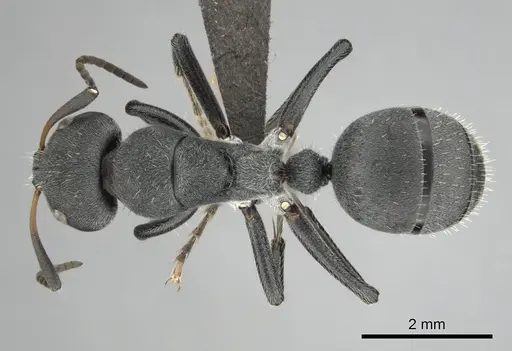
CASENT0251422
View on AntWeb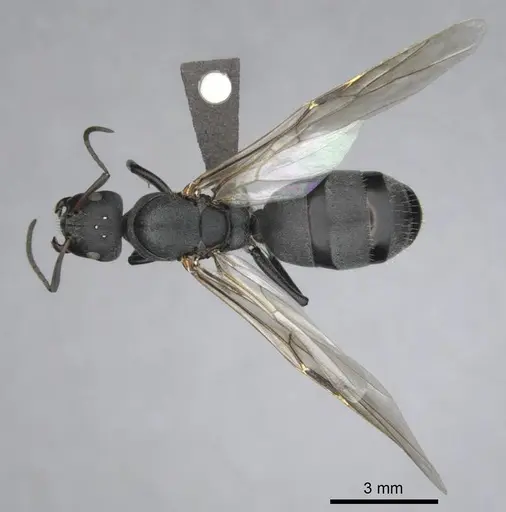
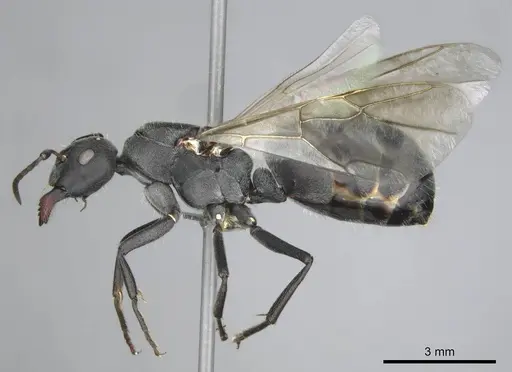
CASENT0251423
View on AntWeb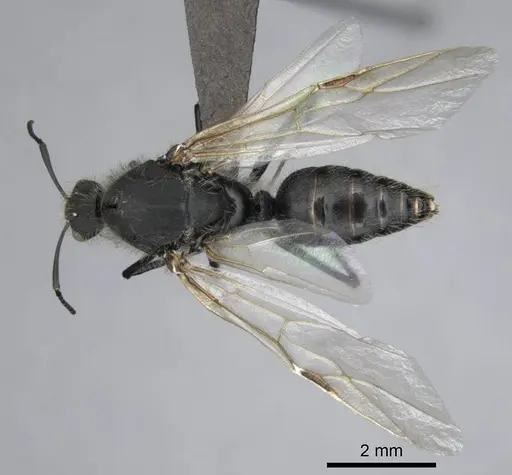
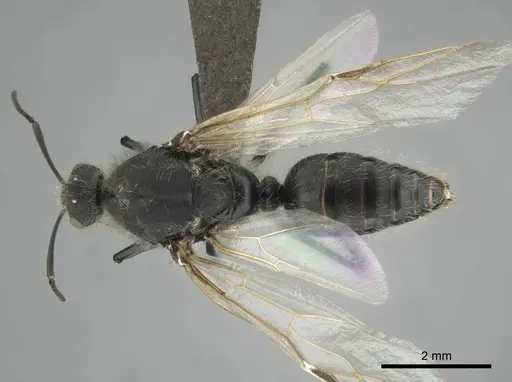
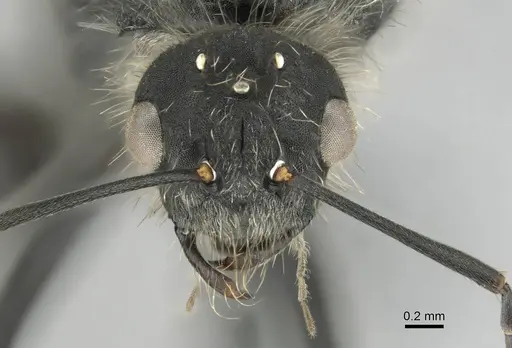
CASENT0910445
View on AntWeb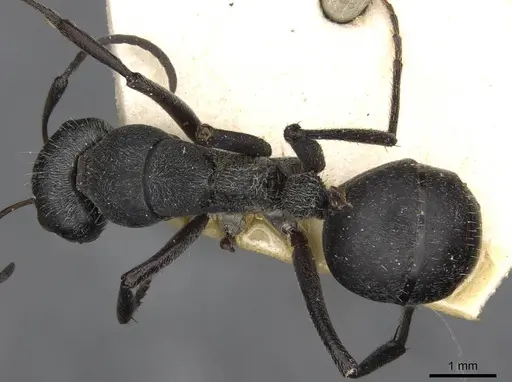
CASENT0911866
View on AntWeb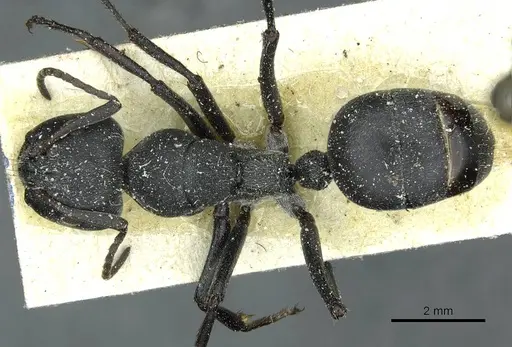
Literature
Loading distribution map...Loading products...