
Camponotus maritimus
- Sci. Name
- Camponotus maritimus
- Subgenus
- Tanaemyrmex
- Tribe
- Camponotini
- Subfamily
- Formicinae
- Author
- Ward, 2005
- Distribution
- Found in 1 countries
Introduction
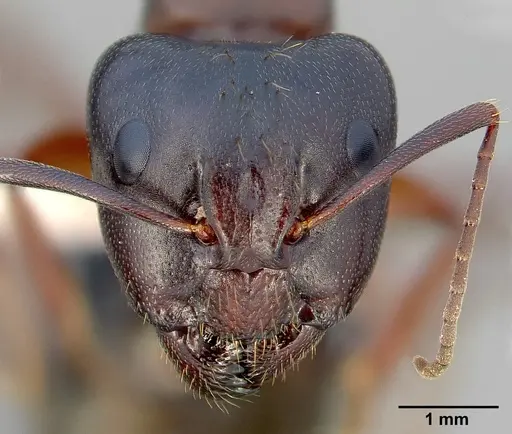
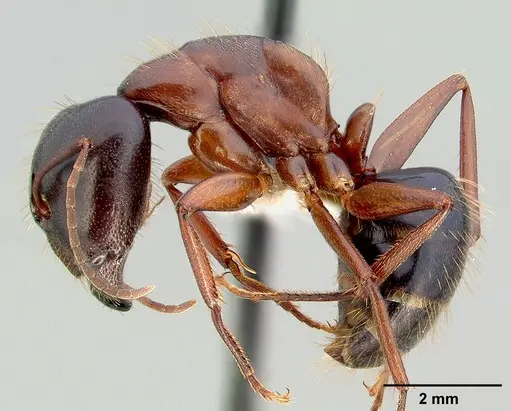
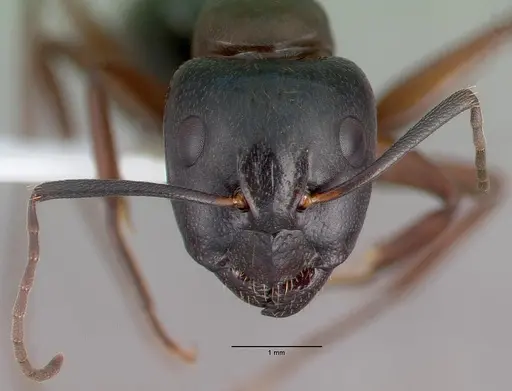
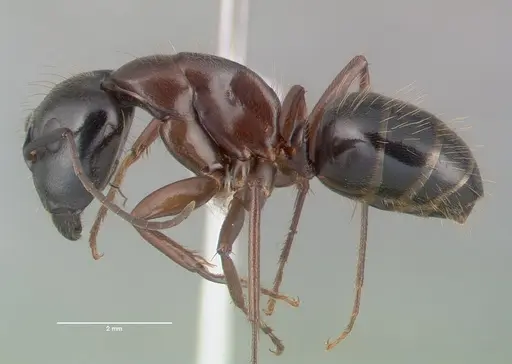
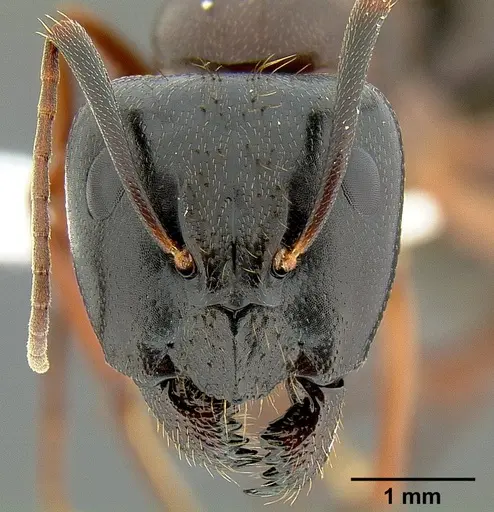
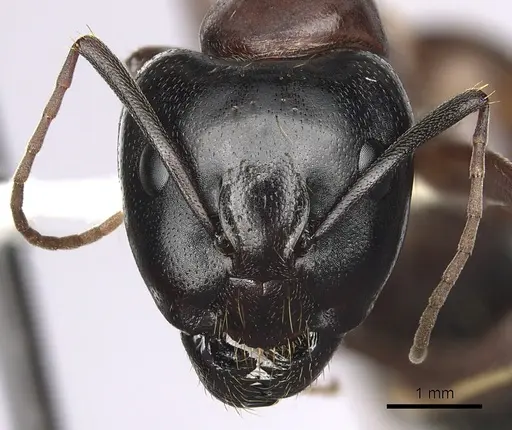
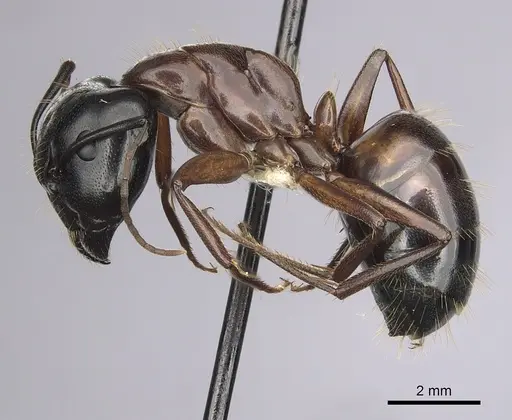
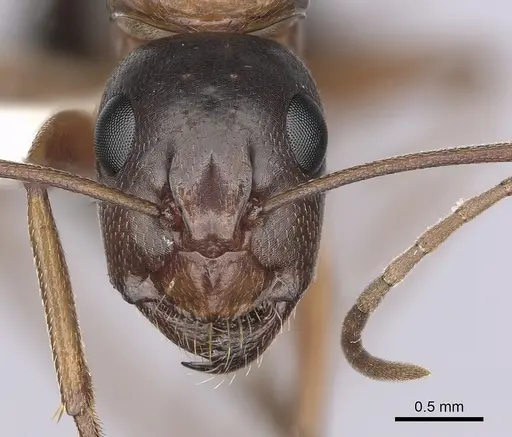
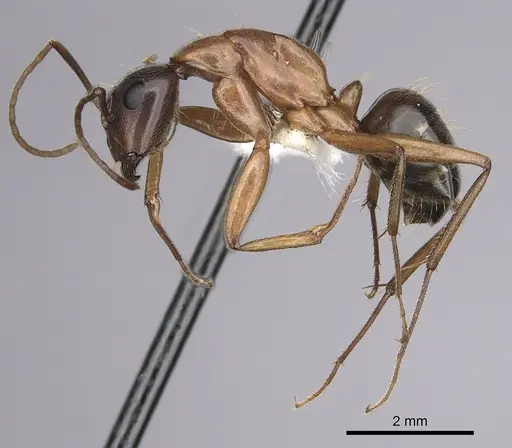
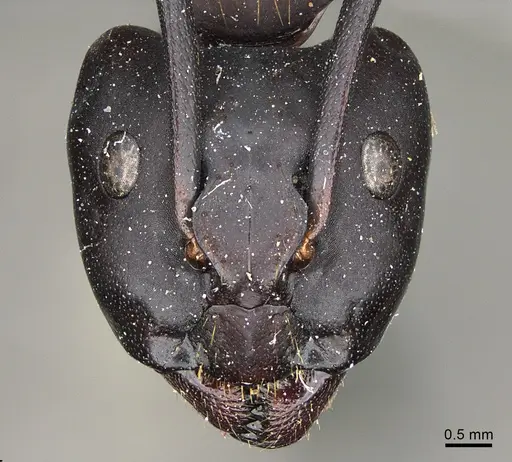
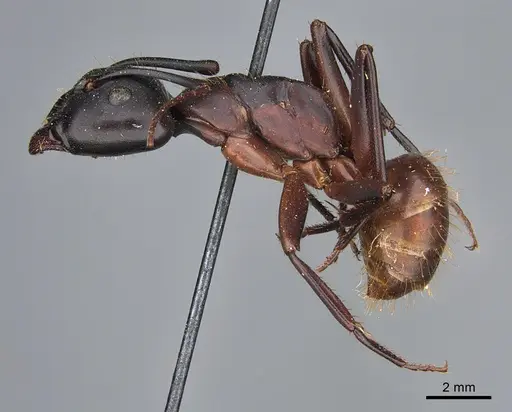
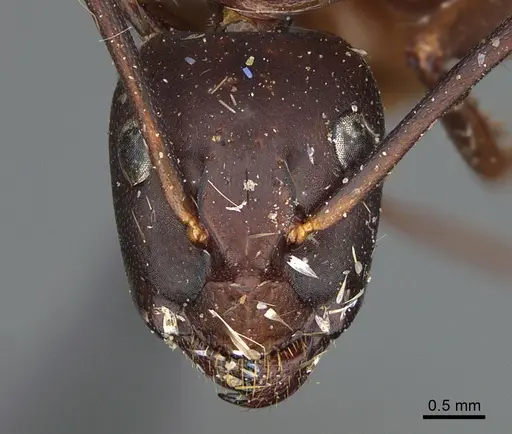
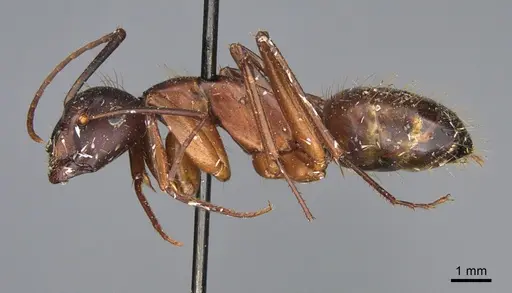
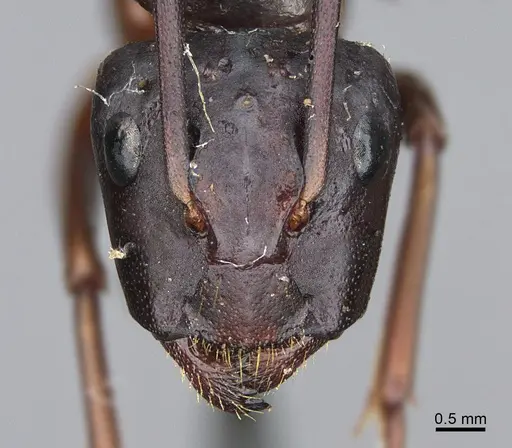
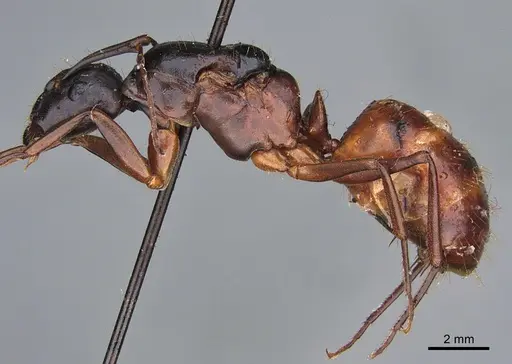
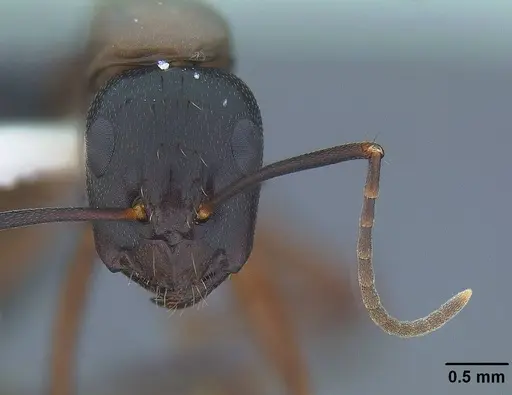
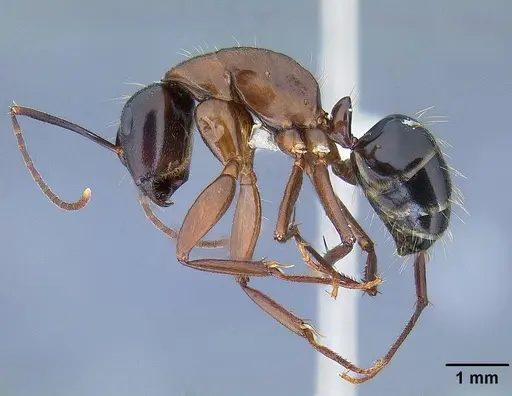
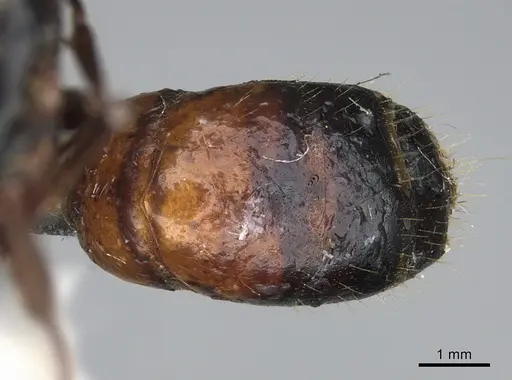
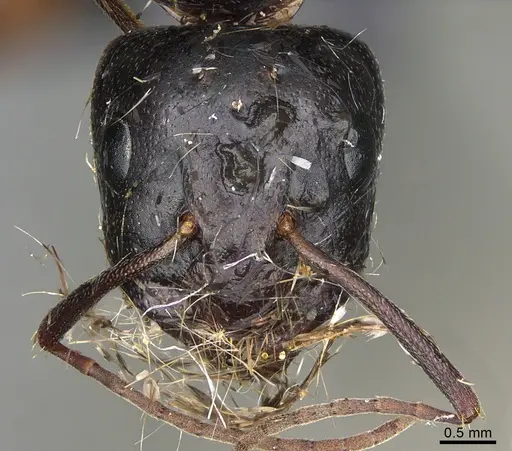
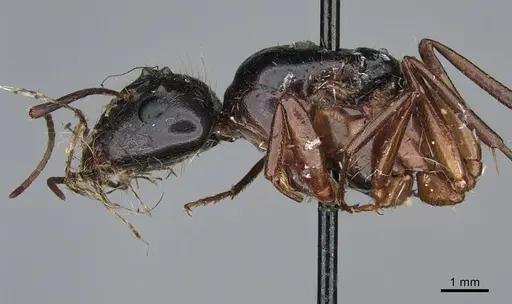
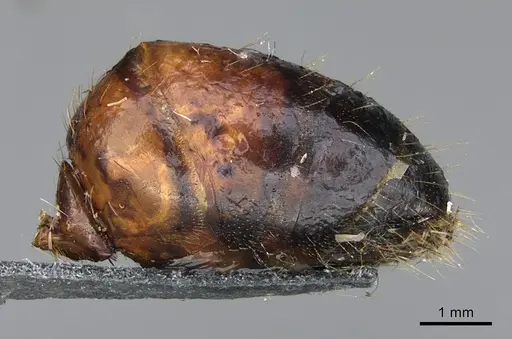
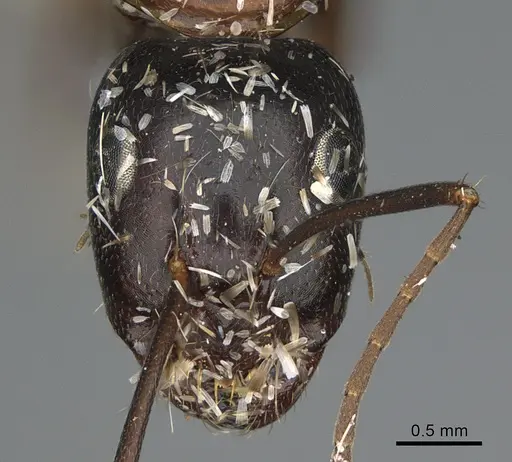
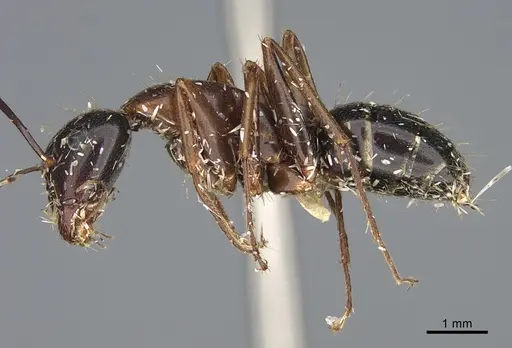
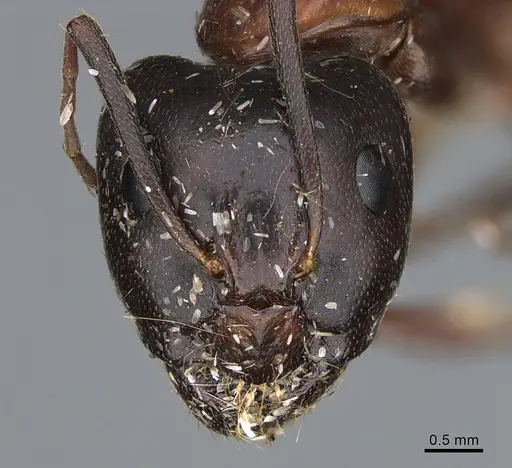
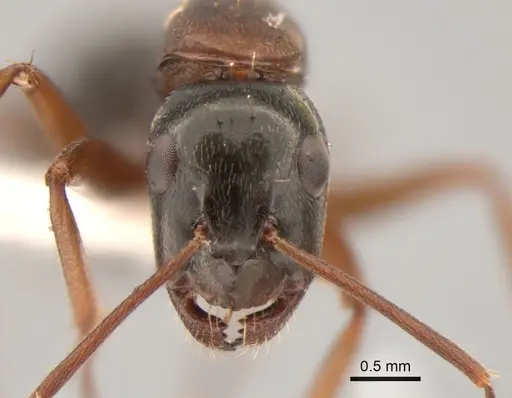
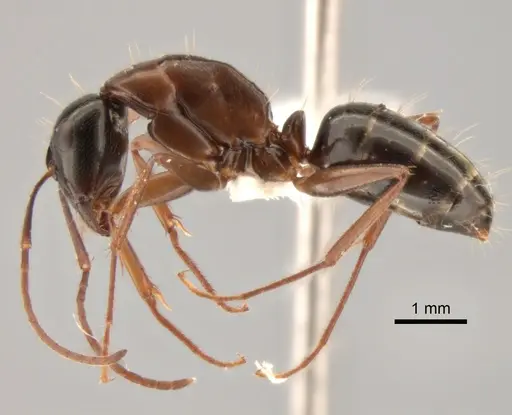
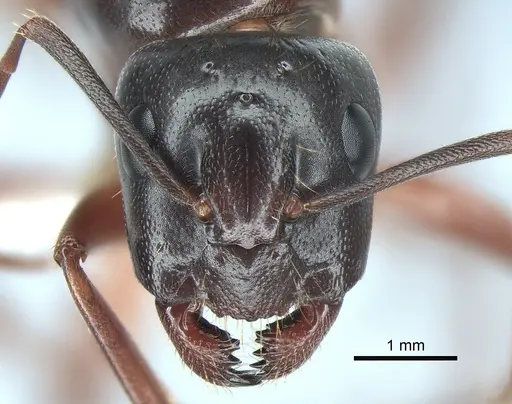
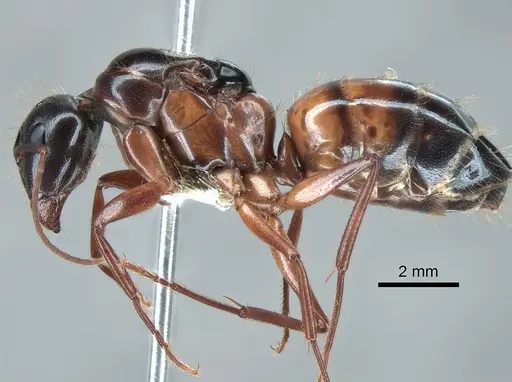
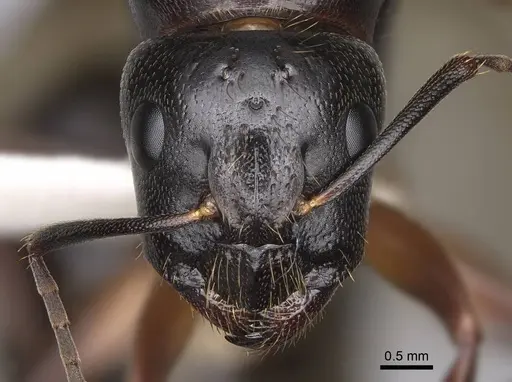
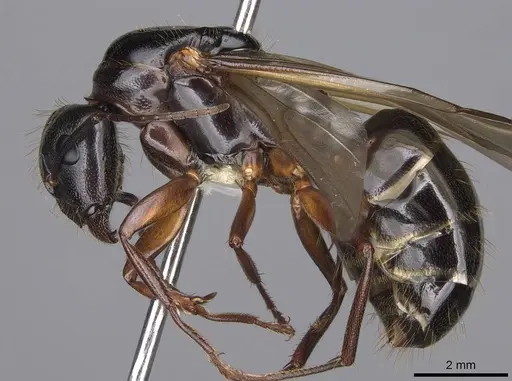
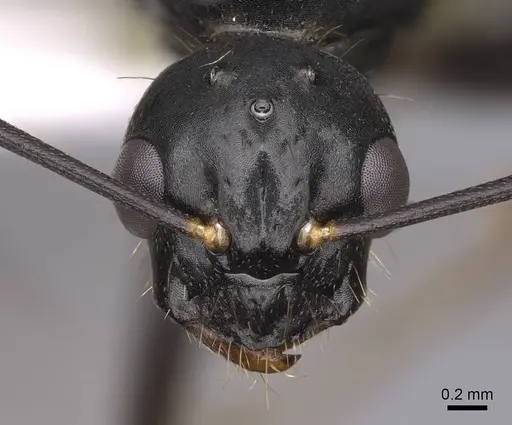
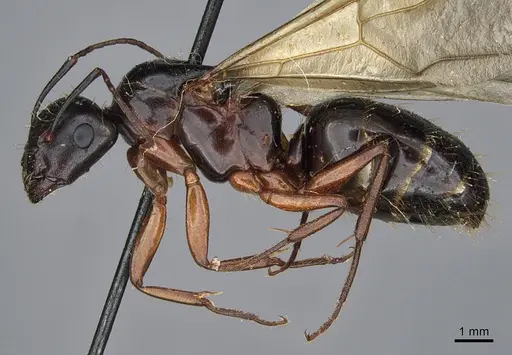
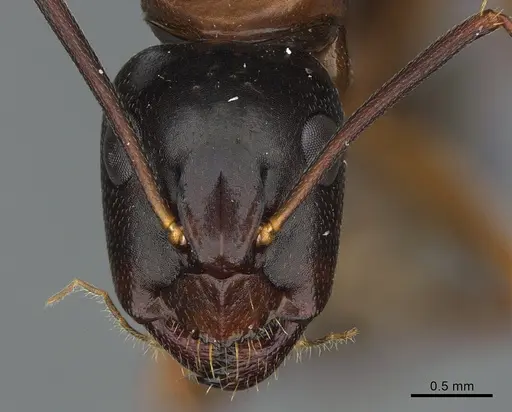
Camponotus maritimus is a medium-sized carpenter ant with a noticeably shiny appearance that distinguishes it from its close relative Camponotus vicinus. Workers vary dramatically in size, with minor workers around 5-7mm and major workers reaching 10-15mm in total length - inferred from Camponotus genus patterns . They wear a coat of medium to dark brown, with darker heads and abdomens contrasting against lighter legs and antennae . These ants make their home in coastal California, stretching from Mendocino County south to San Diego and including the Channel Islands, plus the western foothills of the Sierra Nevada . You will find them in chaparral, oak woodlands, mixed redwood forests, and coastal scrub . In the wild, they most often nest under flat stones, though they occasionally move into rotten wood . Like all carpenter ants in the tribe Camponotini, they host Blochmannia bacteria in their bodies that help them digest nutrients . Their defense mechanism involves biting and spraying formic acid from their acidopore, as they lack a functional stinger.
Quick Summary
- Difficulty: Medium
- Origin & Habitat: Coastal California and western Sierra Nevada foothills, in chaparral, oak woodland, redwood forest, and coastal scrub [1]
- Colony Type: Colony structure unconfirmed, typical Camponotus patterns suggest single-queen colonies
- Size & Growth:
- Queen: size data unavailable
- Worker: ~5-15mm total length (minors ~5-7mm, majors ~10-15mm), inferred from Camponotus genus [1]
- Colony: Unconfirmed, likely moderate to large based on Camponotus genus patterns
- Growth: Slow to moderate
- Development: Estimated 8-12 weeks at 25°C, unconfirmed for this species (Based on typical Camponotus development, slower at lower temperatures)
- Antkeeping:
- Temperature: 20-25°C during activity season, provide winter cooling to 10-15°C for 3-4 months (inferred from California climate patterns)
- Humidity: Moderate humidity, nest material should feel damp but not waterlogged (inferred from stone-nesting habitat)
- Diapause: Yes, requires winter rest period (inferred from temperate California climate)
- Nesting: Flat stones or tight-fitting chambers, they prefer narrow spaces under stones in nature [1]
- Behavior: Active foragers that hunt and collect honeydew. Not aggressive but can bite and spray formic acid. Minor workers are small and require excellent escape prevention.
- Common Issues: slow growth requires patience, do not overfeed while waiting for population increases., tiny minor workers squeeze through gaps in mesh or lids., lack of winter hibernation causes colony failure., vibrations and frequent nest disturbances cause stress.
Nest Preferences
In nature, Camponotus maritimus nests most frequently under stones and less commonly in rotten wood [1]. This means they prefer tight, flat spaces with moderate humidity. In captivity, you can replicate this with a naturalistic setup featuring flat stones or slate tiles, or use a Y-tong (AAC) nest with shallow chambers. The nest should have a humidity gradient, one side slightly damp, one side drier, so the colony can choose their preferred spot. Avoid tall, open chambers, they like to press against the roof of their nest. Provide a thin layer of soil or keep the chambers mostly bare with just a rough surface for grip.
Temperature and Seasonal Care
These ants come from coastal California and Sierra foothills where temperatures are mild but seasonal [1]. During the spring and summer activity period, keep them at 20-25°C. You can provide a gentle heat gradient with a heating cable on one side of the nest. In winter, they need a rest period (diapause) at cooler temperatures around 10-15°C for 3-4 months. This mimics the California winter where colonies slow down development. Do not let them freeze, but keep them cool and mostly undisturbed during this time.
Feeding and Diet
Like other carpenter ants, Camponotus maritimus hosts Blochmannia bacteria that help them process nutrients, particularly from sugary sources [2]. Feed them a mix of sugars and proteins. Sugar water (honey mixed with water) or fresh fruit should be available constantly. For protein, offer small insects like fruit flies, crickets, or mealworms. They are likely generalist predators and honeydew collectors like their relatives. Remove uneaten protein within 24-48 hours to prevent mold.
Behavior and Temperament
Camponotus maritimus shows typical carpenter ant foraging behavior, workers are active hunters and scavengers. They are not particularly aggressive but will defend their nest if disturbed. Major workers can bite, and like all Formicinae, they lack a stinger but can spray formic acid from their acidopore as a defense mechanism. Minor workers are very small and can squeeze through tiny gaps, so you must use excellent escape prevention like Fluon or fine mesh. They are not fast-moving escape artists like some species, but their small size makes accidental escapes likely without proper barriers. [1]
Frequently Asked Questions
Can I keep Camponotus maritimus in a test tube?
Yes, this is the standard method for founding colonies. The queen will need a test tube setup with a water reservoir blocked by cotton, giving her a humid chamber to seal herself in during the founding stage.
How long until Camponotus maritimus gets its first workers?
The exact timeline is unconfirmed for this species. Based on typical Camponotus development, expect around 8-12 weeks from egg to first worker at 25°C. This will take longer if kept cooler.
Do Camponotus maritimus need hibernation?
Yes. As a California species experiencing seasonal winters, they require a diapause period of 3-4 months at 10-15°C to maintain healthy colony cycles.
Can I keep multiple Camponotus maritimus queens together?
This is unconfirmed for this species. Based on typical Camponotus patterns, they are likely single-queen (monogyne). Combining multiple queens will usually result in fighting and death until only one remains.
Are Camponotus maritimus good for beginners?
They are medium difficulty. While they are hardy and do not have extreme requirements, their slow growth means you need patience, and their small minor workers require careful escape prevention.
What is the ideal temperature for Camponotus maritimus?
Keep them at 20-25°C during the active season. Provide a slight gradient so they can choose warmer or cooler spots within the nest.
How big do Camponotus maritimus colonies get?
The maximum colony size is unconfirmed for this species. Based on Camponotus genus patterns, they likely reach several thousand workers over several years.
Why are my Camponotus maritimus dying?
Common causes include lack of winter hibernation, dehydration, overfeeding leading to mold, or stress from frequent disturbances. Ensure your nest has proper humidity and the colony is not overheating.
Report an Issue
The current care sheet is based fully on literature. See inconsistencies, or something that's incorrect? Please , it will be resolved after review from an admin. Contributing to the blogs tab also helps providing information, to make us be able to further improve the caresheets. Thank you for your support!
References

This caresheet is licensed under CC BY-SA 4.0 .
Community Blogs
CASENT0005357
View on AntWeb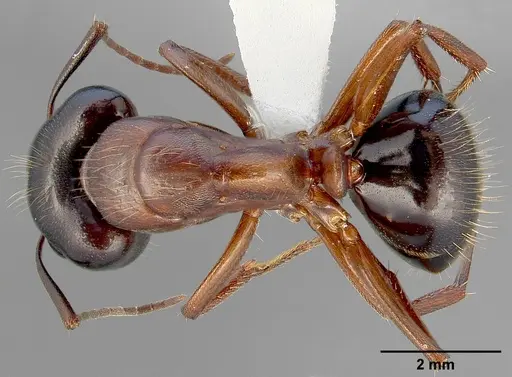
CASENT0010700
View on AntWeb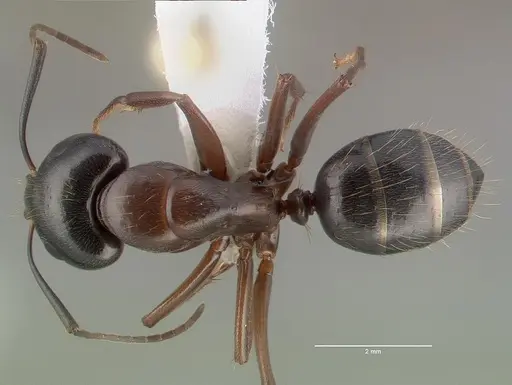
CASENT0106083
View on AntWeb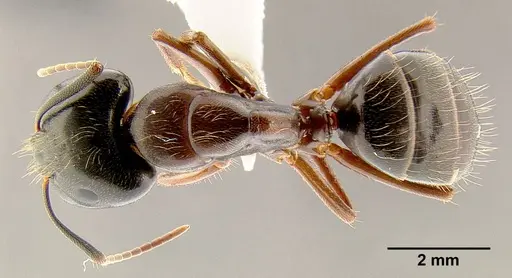
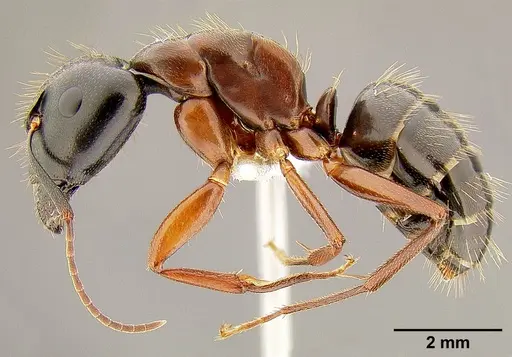
CASENT0217716
View on AntWeb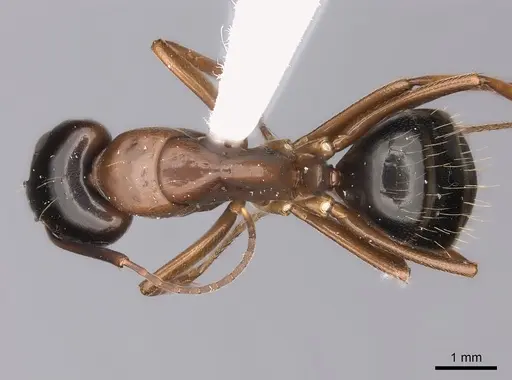
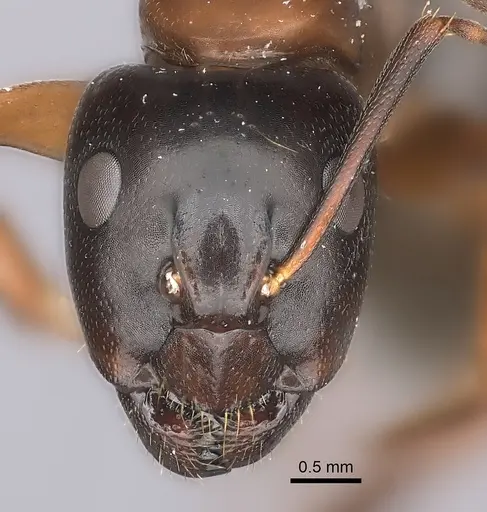
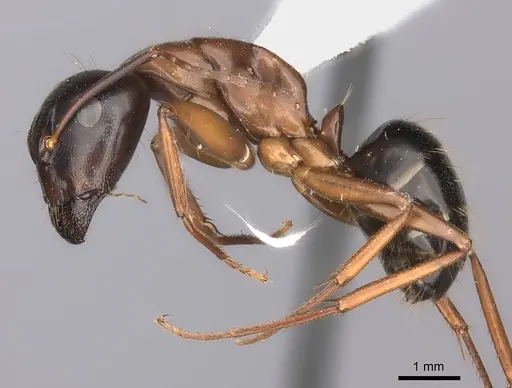
CASENT0280045
View on AntWeb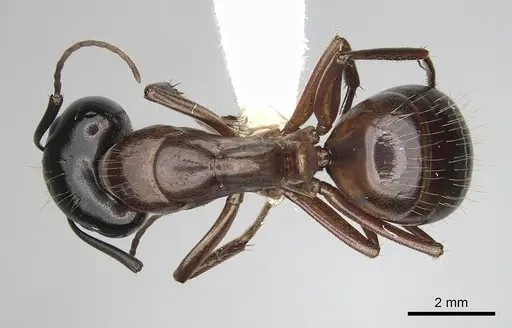
CASENT0280046
View on AntWeb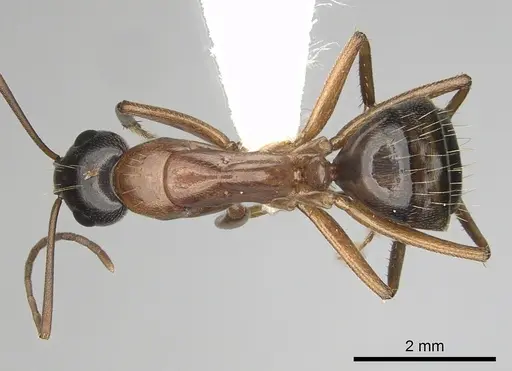
CASENT0840922
View on AntWeb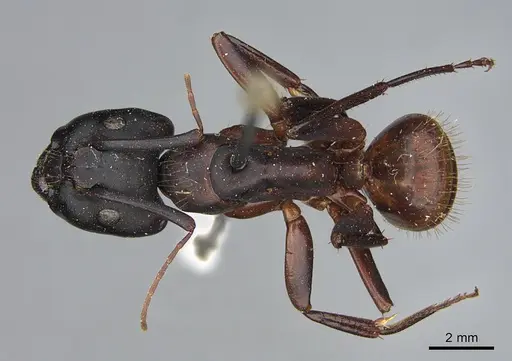
CASENT0840928
View on AntWeb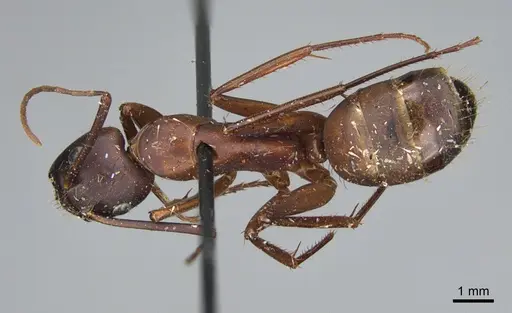
CASENT0840933
View on AntWeb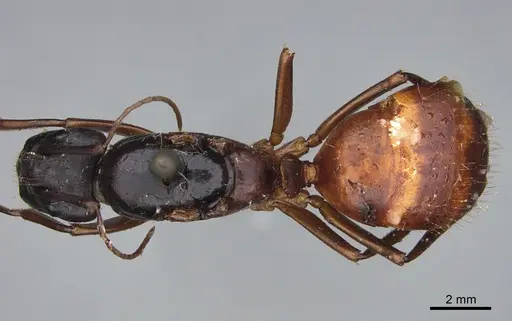
CASENT0844079
View on AntWeb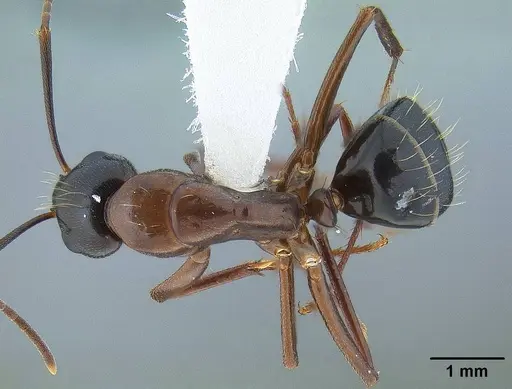
CASENT0876857
View on AntWeb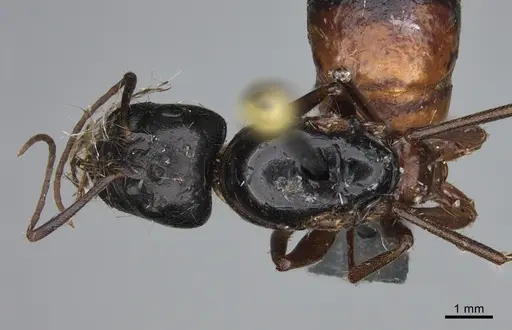
CASENT0876858
View on AntWeb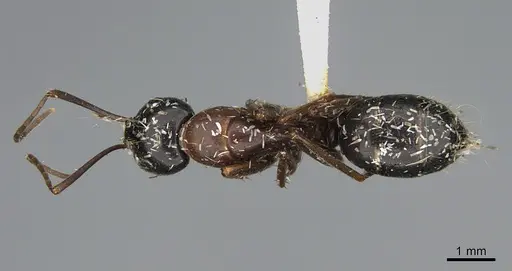
CASENT0876859
View on AntWeb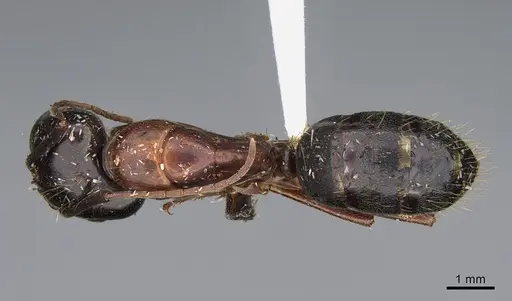
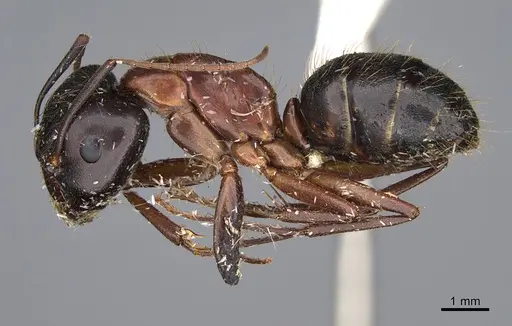
CASENT0882267
View on AntWeb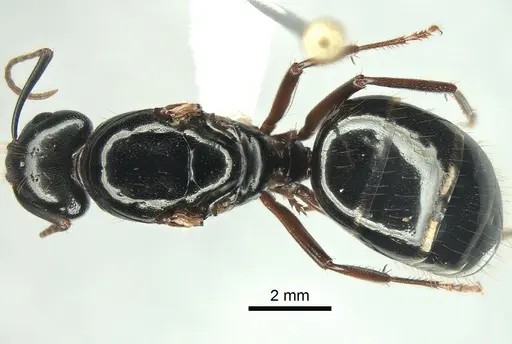
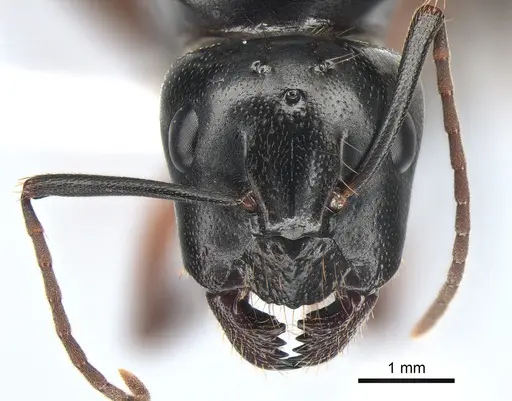
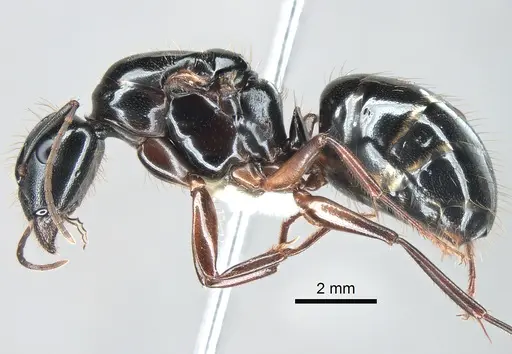
CASENT0882280
View on AntWeb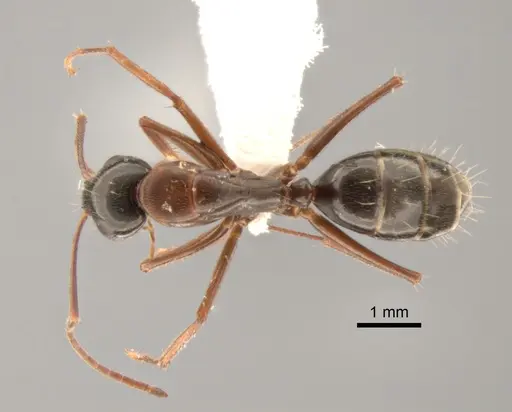
CASENT0882296
View on AntWeb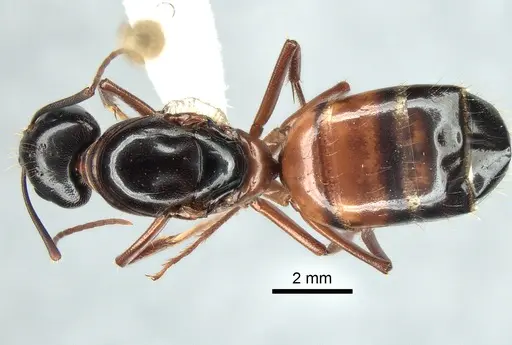
CASENT0923093
View on AntWeb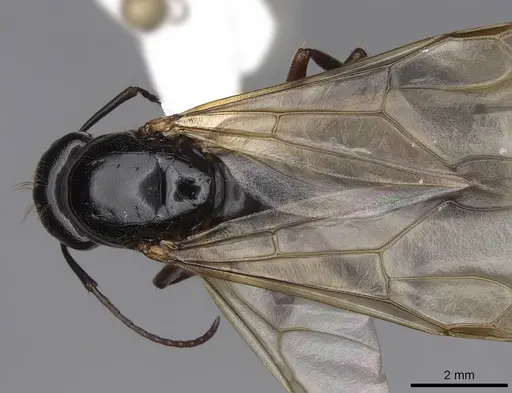
CASENT0923094
View on AntWeb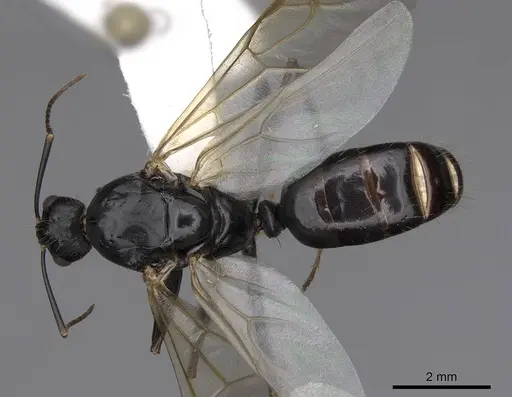
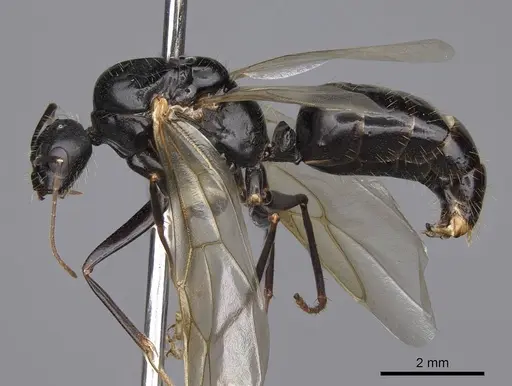
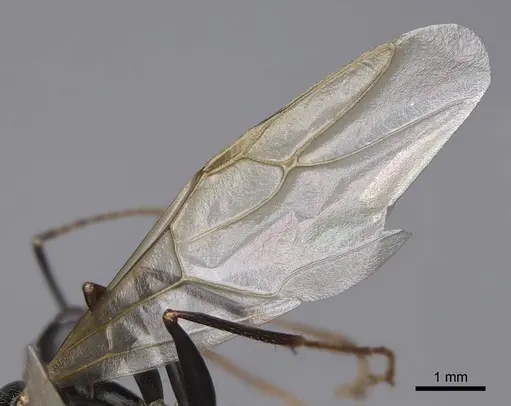
CASENT0923690
View on AntWeb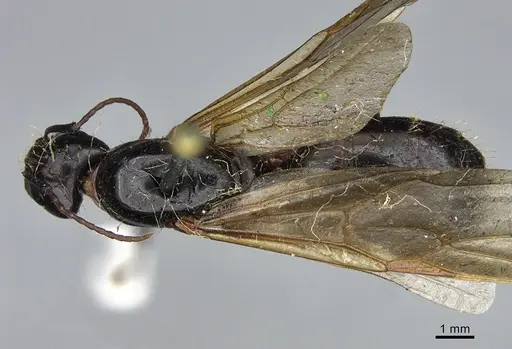
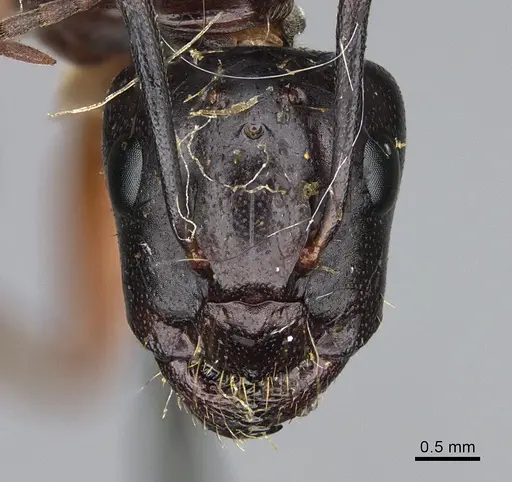
CASENT0923691
View on AntWeb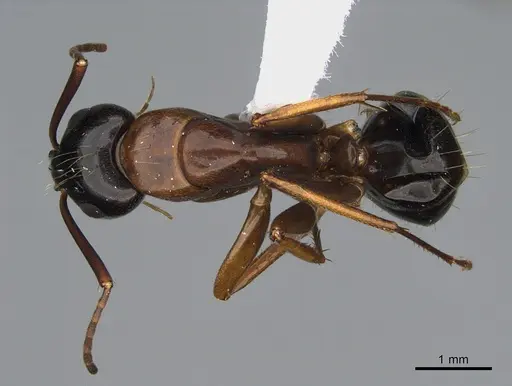
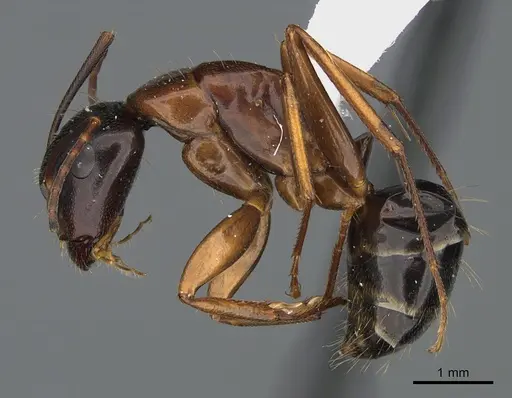
CASENT0923692
View on AntWeb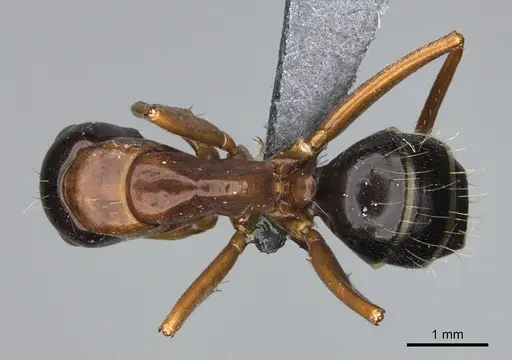
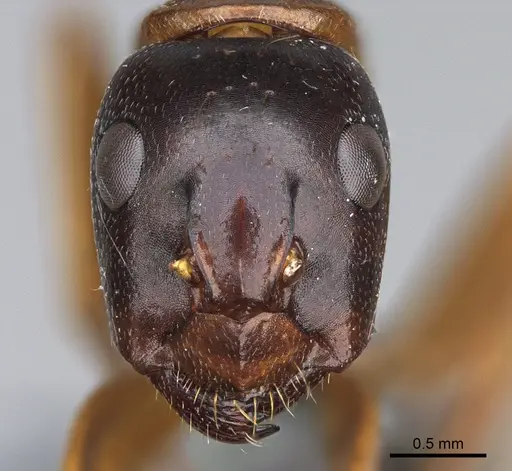
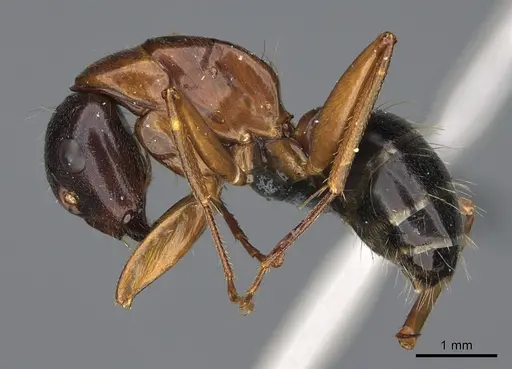
Literature
Loading distribution map...Loading products...