
Camponotus marcens
- Sci. Name
- Camponotus marcens
- Subgenus
- Myrmophyma
- Tribe
- Camponotini
- Subfamily
- Formicinae
- Author
- Forel, 1907
- Distribution
- Found in 1 countries
Introduction
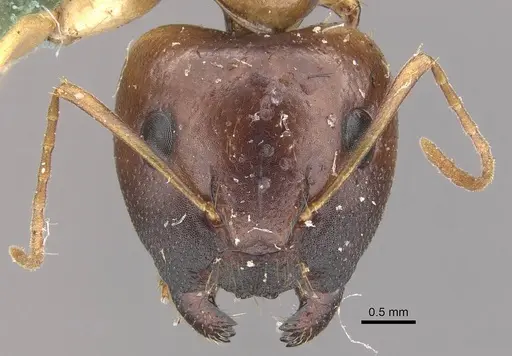
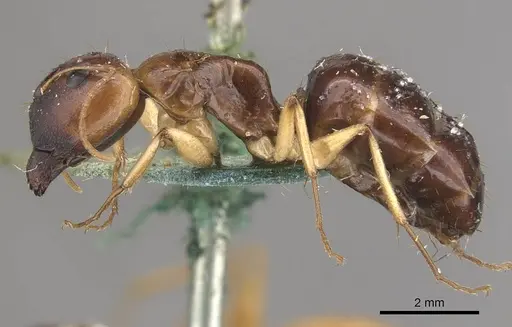
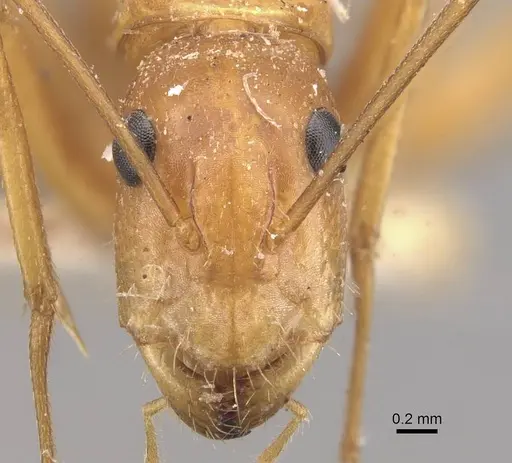
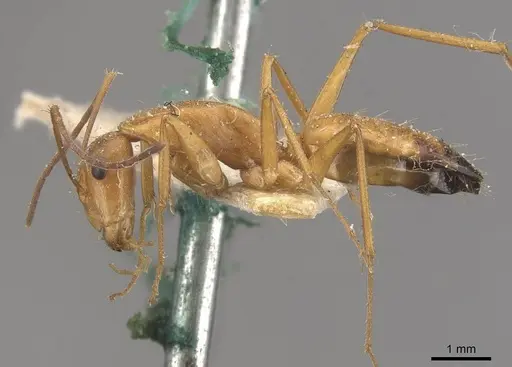
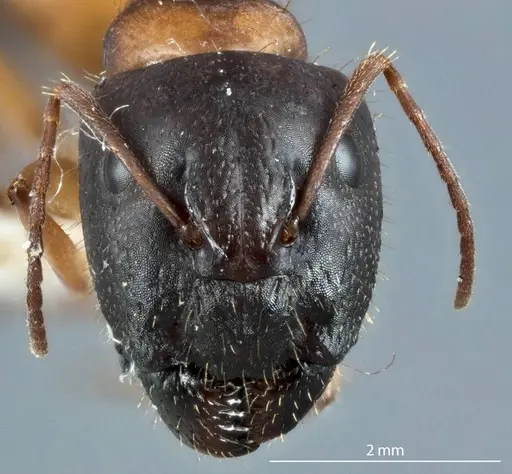
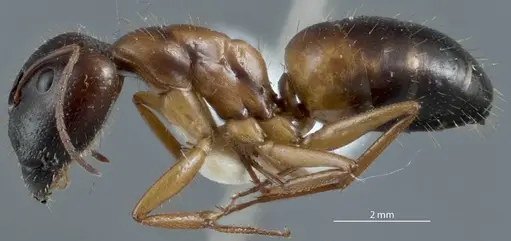
Camponotus marcens is a medium-sized carpenter ant native to Western Australia. The minor workers display a distinctive bright reddish-yellow coloration with a yellow-and-black banded abdomen, while major workers are larger with reddish-brown heads and gasters contrasting against a yellow-brown mesosoma. This species is arboreal by nature - you'll find them rapidly running up and down the trunks of Jarrah and Marri trees in their limited range across the Darling Range and southern wheatbelt of Western Australia . They are remarkably shy and evasive, always keeping to the opposite side of the tree trunk from any potential threat .
Quick Summary
- Difficulty: Medium
- Origin & Habitat: Western Australia, specifically confined to the Darling Range and southern wheatbelt region [1]. This is a tree-dwelling species found in Mediterranean woodland areas of southwestern Australia.
- Colony Type: Colony type is unconfirmed. Like most Camponotus species, queens likely found colonies independently.
- Size & Growth:
- Queen: Approximately 11-12mm (estimated from major worker proportions)
- Worker: Major workers: 6.5-11.5mm, Minor workers: approximately 6.5mm [2]
- Colony: Colony size data unavailable, typical for Camponotus genus
- Growth: Moderate, typical for Camponotus genus
- Development: Development time is unconfirmed. Based on typical Camponotus patterns, expect 6-10 weeks at optimal temperature. (Development time depends on temperature. First workers (nanitics) are smaller than normal workers.)
- Antkeeping:
- Temperature: Keep nest area around 22-26°C. These ants come from a Mediterranean climate in Western Australia, so they prefer warm but not extreme conditions. A gentle temperature gradient allows workers to regulate their own exposure.
- Humidity: Moderate humidity around 50-60%. Being an arboreal species from relatively dry woodland, they don't need high humidity. Allow the nest to partially dry between rehydrations.
- Diapause: Yes, Western Australian ants experience seasonal changes. Provide a winter rest period around 10-15°C for 2-3 months during winter months (Southern Hemisphere June-August).
- Nesting: Arboreal preferences, they naturally run up tree trunks. In captivity, provide a formicarium with vertical climbing structures or channels. Y-tong (AAC) nests work well, or you can create a naturalistic setup with bark or vertical surfaces. They do well with test tube setups initially, then move to more spacious formicaria as the colony grows.
- Behavior: These are shy, fast-moving ants that are excellent climbers. Workers will rapidly ascend and descend surfaces, making escape prevention important. They are not aggressive toward keepers but will flee rather than confront. Their natural behavior of running up tree trunks means they need vertical space in captivity. Minor workers are the most commonly encountered caste, actively foraging on tree surfaces. They lack a functional sting, as Formicine ants, they may bite and spray formic acid if provoked.
- Common Issues: escape prevention is critical, they are excellent climbers and will find any gap, shy nature means they may be less active in brightly lit setups, provide darker areas, slow founding phase can cause beginners to overcheck the queen and disturb the nest, arboreal nature requires vertical space and climbing surfaces in the outworld, limited range in the wild means captive stock may be uncommon, source from reputable breeders
Housing and Nest Setup
Camponotus marcens is an arboreal species, meaning they naturally live in and around trees. In the wild, they can be found running up and down tree trunks, particularly Jarrah and Marri trees in Western Australia [1]. For captive care, you'll want to replicate this vertical lifestyle. A Y-tong (AAC) formicarium works well, or you can use a plaster nest with vertical channels. The outworld should have climbing structures, cork bark positioned vertically, fake plants, or other surfaces they can ascend. Test tube setups work fine for founding colonies, but once the colony reaches 15-20 workers, consider moving to a proper formicarium with vertical space. These ants are excellent climbers, so apply fluon or use a barrier tape on the edges of any setup to prevent escapes.
Feeding and Diet
Like other Camponotus species, these ants are omnivores with a preference for sugar sources. In nature, they likely tend aphids or collect honeydew from sap-sucking insects on trees. In captivity, offer sugar water (1:1 ratio) or honey as a constant energy source. For protein, provide small insects like fruit flies, small mealworms, or crickets. Feed protein prey 2-3 times per week, and keep sugar water available at all times. Remove any uneaten prey after 24 hours to prevent mold. Minor workers are smaller, so adjust prey size accordingly, tiny insects or crushed mealworms work well for the minor caste.
Temperature and Seasonal Care
Being from Western Australia's Mediterranean climate, Camponotus marcens prefers warm conditions with a distinct winter rest period. Keep the nest area at 22-26°C during the active season (roughly September through May in the Southern Hemisphere). A heating cable on one side of the nest creates a temperature gradient that workers can regulate by moving between warmer and cooler areas. During winter (June-August), reduce temperature to 10-15°C to simulate their natural seasonal cycle. This diapause period is important for colony health and may trigger reproductive behavior in spring. Do not cool them below 5°C or expose them to freezing temperatures.
Behavior and Temperament
These ants have a distinctive shy and evasive personality. In the wild, they actively avoid detection by staying on the opposite side of tree trunks from observers [1]. This translates to captivity as a species that may be less visible than more bold ants. They are fast-moving and excellent climbers, so expect workers to quickly ascend any vertical surfaces in their enclosure. They are not aggressive and won't attack keepers. As Formicine ants, they lack a functional sting but may bite and spray formic acid if provoked. The minor workers, the most commonly seen caste, are brightly colored with yellow-and-black banded abdomens, making them quite attractive. Colonies tend to be moderately active, with workers patrolling the outworld and tending to any food sources.
Colony Development
Colony founding behavior is unconfirmed for this species. Like many Camponotus species, queens may seal themselves in a chamber and raise the first workers on stored fat reserves (claustral founding), but this has not been specifically documented. The queen uses stored fat reserves to produce eggs and feed the developing brood. This means you should not disturb a founding queen for at least 4-6 weeks, and ideally not at all until the first nanitics (first workers) emerge. The founding phase can be stressful for new antkeepers to watch, but patience is key. Once workers emerge, the colony enters a growth phase. Growth rate is moderate, not as fast as some tropical species, but faster than very slow-growing genera like Pheidole.
Frequently Asked Questions
How long does it take for Camponotus marcens to produce first workers?
Development time is unconfirmed for this species. Based on typical Camponotus patterns, expect 6-10 weeks from egg to first worker at optimal temperature (22-26°C). The queen will remain sealed in her chamber until the first nanitics emerge, do not disturb her during this time.
What do Camponotus marcens ants eat?
They are omnivores. Offer sugar water or honey constantly as an energy source, and protein prey like small insects (fruit flies, mealworms, crickets) 2-3 times per week. Remove uneaten prey after 24 hours.
What temperature do Camponotus marcens need?
Keep them at 22-26°C during the active season. Provide a temperature gradient so workers can regulate their own exposure. In winter, reduce to 10-15°C for a 2-3 month diapause period.
Are Camponotus marcens good for beginners?
They are rated as medium difficulty. The main challenges are their arboreal nature requiring vertical space, their shy behavior meaning they're less visible, and the need for escape prevention due to their climbing ability. Experienced antkeepers should have no trouble, but true beginners may find them less rewarding than more visible species.
How big do Camponotus marcens colonies get?
Colony size data is unavailable for this species. Based on typical Camponotus patterns, expect several hundred workers at maturity. The limited range in the wild suggests this is not a supercolonial species.
Do Camponotus marcens need hibernation?
Yes, they benefit from a winter rest period. Reduce temperature to 10-15°C for 2-3 months during winter (June-August in the Southern Hemisphere). This mimics their natural seasonal cycle in Western Australia.
What makes Camponotus marcens different from other carpenter ants?
Their limited geographic range sets them apart, they are only found in the Darling Range and southern wheatbelt of Western Australia. Their distinctive yellow-and-black banded abdomen on minor workers makes them visually striking. They are also notably shy and evasive compared to many other Camponotus species.
Can I keep Camponotus marcens in a test tube?
Yes, test tubes work well for founding colonies. However, once the colony reaches 15-20 workers, transition to a formicarium with vertical climbing space to accommodate their arboreal nature.
Why are my Camponotus marcens hiding?
This is normal behavior, they are naturally shy and evasive. They prefer darker areas and will hide on the underside of surfaces or in shaded corners. Provide plenty of hiding spots and avoid bright lighting directly on the nest area.
Report an Issue
The current care sheet is based fully on literature. See inconsistencies, or something that's incorrect? Please , it will be resolved after review from an admin. Contributing to the blogs tab also helps providing information, to make us be able to further improve the caresheets. Thank you for your support!
References

This caresheet is licensed under CC BY-SA 4.0 .
Community Blogs
CASENT0887689
View on AntWeb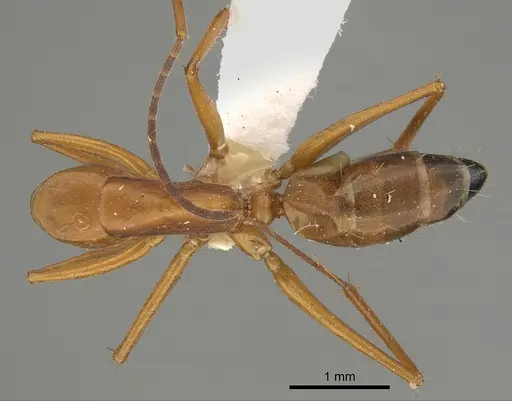
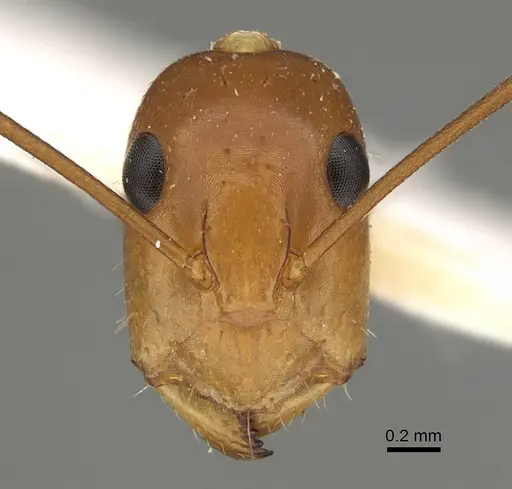
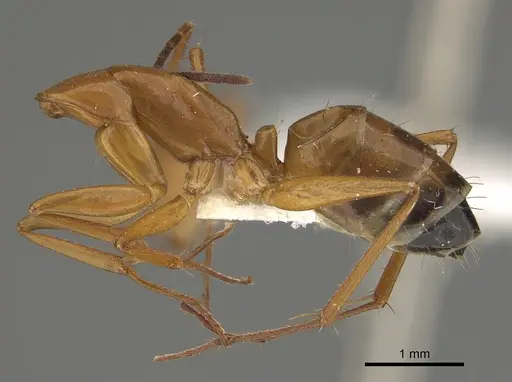
CASENT0910373
View on AntWeb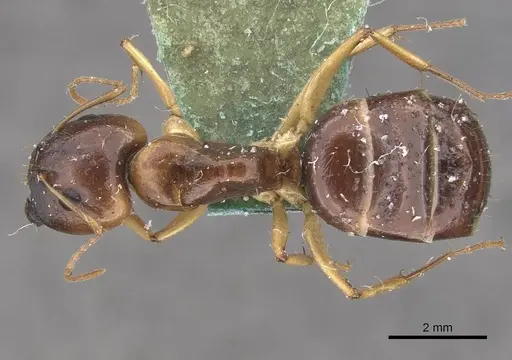
CASENT0910374
View on AntWeb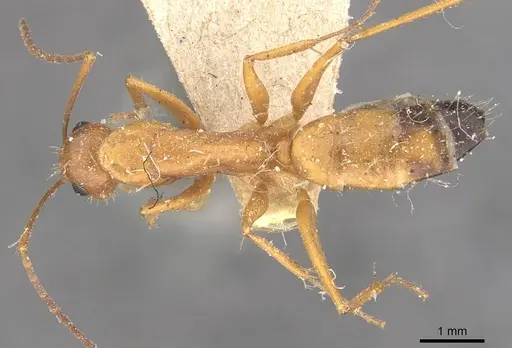
JDM32-001017
View on AntWeb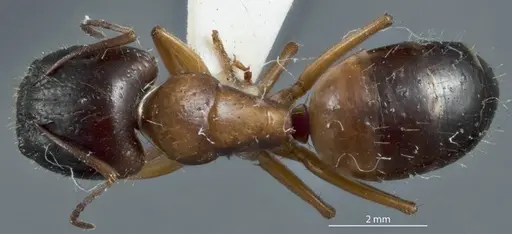
Literature
Loading distribution map...Loading products...