
Camponotus madagascarensis
- Sci. Name
- Camponotus madagascarensis
- Subgenus
- Mayria
- Tribe
- Camponotini
- Subfamily
- Formicinae
- Author
- Forel, 1886
- Distribution
- Found in 1 countries
Introduction
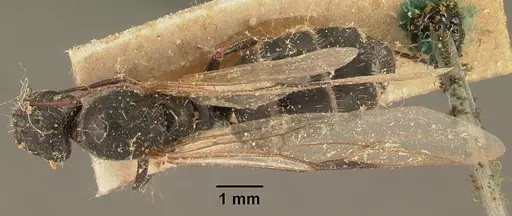
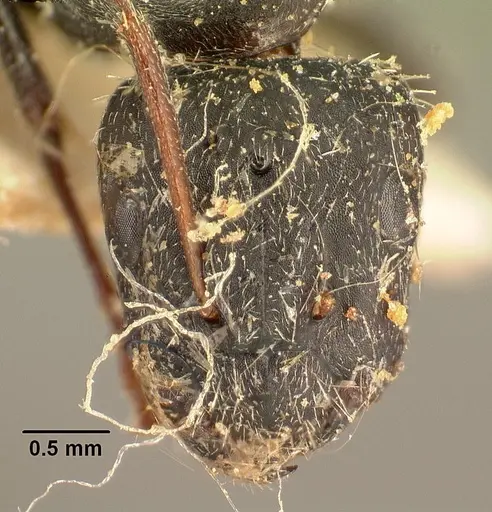
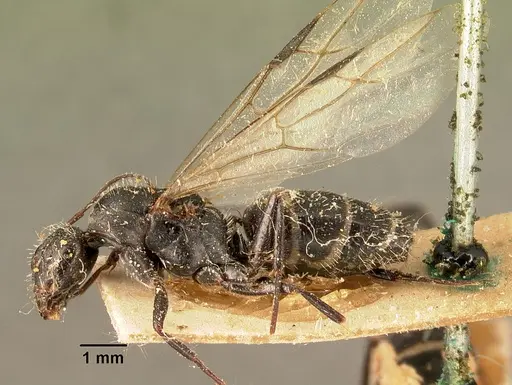
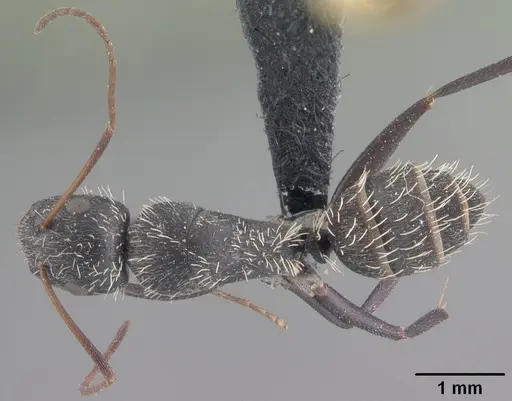
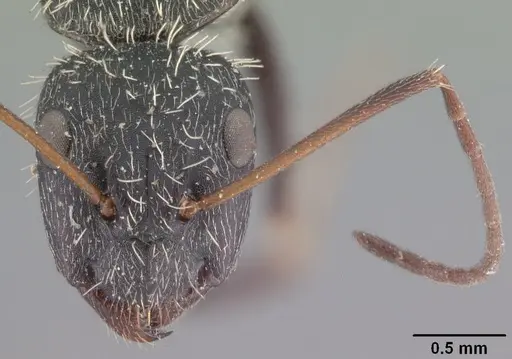
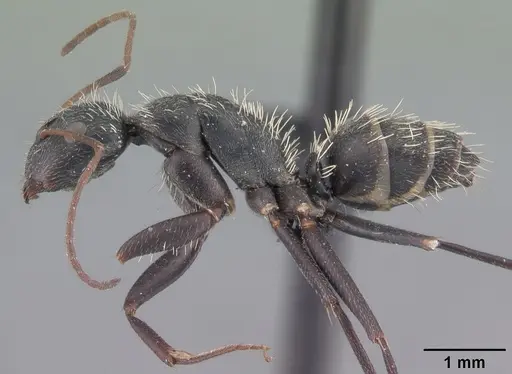
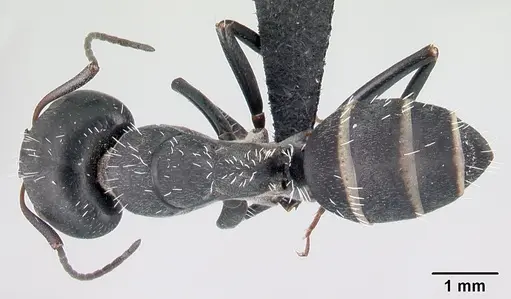
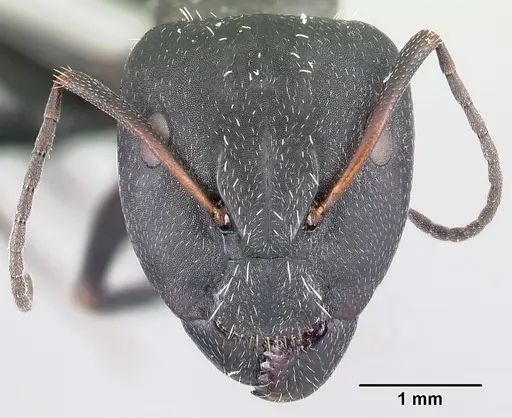
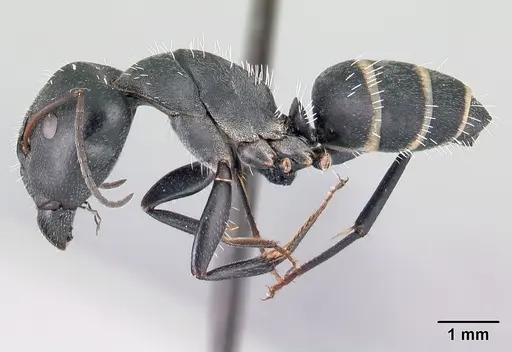
Camponotus madagascarensis is a striking black ant endemic to Madagascar, belonging to the Mayria subgenus. Workers display a distinctive appearance with randomly scattered whitish erect hairs on the head and mesosoma, and a prominent light-colored band across the rear of their abdomen. This species shows pronounced polymorphism - minor workers are slender, while major workers have large, rectangular heads. The species is widespread across Madagascar, inhabiting western dry forests, eastern rainforests, savannah woodland, and gallery forests, but is notably absent from the spiny bush thickets of the southwest. Workers forage on the forest floor through leaf litter and rotting wood, or on low vegetation, and nest in varied locations including under rocks, in dead wood, and in ground cavities .
Quick Summary
- Difficulty: Easy
- Origin & Habitat: Madagascar, endemic species found in western dry forest, eastern rainforests, savannah woodland, and gallery forests [1][2]
- Colony Type: Colony structure has not been specifically studied for this species
- Size & Growth:
- Queen: size data unavailable, inferred from Camponotus genus (~12-15mm)
- Worker: Minor workers ~3-4mm, major workers ~5-7mm with large heads [1]
- Colony: Likely up to several thousand workers based on typical Camponotus colony development
- Growth: Moderate, typical for tropical Camponotus species
- Development: Estimated 6-8 weeks at optimal temperature based on genus patterns (Development time inferred from related Camponotus species, exact timing unconfirmed for this species)
- Antkeeping:
- Temperature: Keep at 24-28°C, they come from a tropical island with warm, stable temperatures year-round
- Humidity: Moderate humidity around 50-70%. Provide a moist nest chamber but allow some drying areas
- Diapause: No true diapause, maintain warm conditions year-round. May show slight seasonal slowdowns
- Nesting: Use a nesting setup that allows for moisture retention, Y-tong, plaster, or acrylic nests work well. Provide dead wood or cork for them to potentially excavate
- Behavior: Workers are typically moderate in temperament, not particularly aggressive but will defend the nest if threatened. As Formicinae ants, they lack a functional sting and instead bite and spray formic acid from their acidopore into the wound. They are nocturnal foragers in nature, though captive colonies often adapt to keeper schedules. Escape risk is moderate, standard barrier methods work well against these relatively large ants.
- Common Issues: colonies may be slow to establish in the first few months, patience is key, major workers can be clumsy and may damage small colonies if housed improperly, wild-caught colonies may carry parasites or diseases that affect captive survival, overheating is a risk, avoid temperatures above 32°C, queen loss during founding is common, have backup plans
Housing and Nest Setup
Camponotus madagascarensis adapts well to various captive setups. Y-tong (acrylic) nests work excellently, the chambers should be appropriately scaled to ant size with moderate humidity retention. Plaster nests are also suitable, providing natural moisture control. For the outworld, use a simple foraging area with a water feeder and protein food dishes. These ants are not aggressive escape artists, but standard barrier methods still help. Include some formicaria options if you want them to have secondary nesting sites. A dark area for the nest is appreciated, these forest-floor foragers prefer dim conditions [1].
Feeding and Diet
As with most Camponotus species, C. madagascarensis is omnivorous with a preference for protein. Feed them protein sources like mealworms, small crickets, or other insects 2-3 times per week. They also readily accept sugar water, honey, or diluted syrup, provide a constant sugar source. In the wild, they forage through leaf litter and rotting wood, likely hunting small invertebrates and collecting honeydew. Fresh fruit can be offered occasionally but is not a primary food source. Remove uneaten protein within 24-48 hours to prevent mold [1].
Temperature and Seasonal Care
Maintain temperatures between 24-28°C for optimal colony health and development. Being from tropical Madagascar, they do not require any hibernation or cooling period. Room temperature within this range works well, if your space is cooler, use a heating cable on one side of the nest to create a gentle gradient. Avoid direct heat sources that could cause drying or overheating. They prefer stable temperatures rather than dramatic fluctuations. No diapause is required or recommended for this species [1].
Colony Development and Growth
Camponotus colonies grow progressively, expect the queen to remain laying eggs throughout the colony lifecycle. First workers will appear roughly 6-8 weeks after founding, though this is estimated based on genus patterns. The colony will remain small for the first several months as the queen focuses on producing an initial worker batch. Once established, growth accelerates. The pronounced polymorphism in this species means major workers appear as the colony reaches several hundred workers. Major workers develop from the same larval stage as minors when the colony has sufficient resources, this is a natural caste determination based on nutrition and colony needs, not a separate lifecycle [1].
Behavior and Temperament
Workers are moderately active and will explore the foraging area regularly. They are not particularly aggressive toward keepers but will defend the nest vigorously if disturbed. As members of the Formicinae subfamily, they lack a functional sting and instead defend by biting and spraying formic acid from their acidopore. They are primarily nocturnal foragers in the wild but often adjust their activity patterns to match feeding times in captivity. Workers communicate through chemical trails and will recruit nestmates to good food sources. The species shows typical Camponotus foraging behavior, systematic exploration of their territory [1].
Frequently Asked Questions
How long does it take for Camponotus madagascarensis to produce first workers?
First workers typically appear 6-8 weeks after the queen lays eggs, at optimal temperatures around 26°C. This is an estimate based on related Camponotus species, the exact timeline for this specific species has not been documented.
Can I keep multiple Camponotus madagascarensis queens together?
Not recommended. While some Camponotus species can have multiple queens, there is no documented evidence for this in C. madagascarensis. Keeping multiple unrelated queens will likely result in fighting.
What do Camponotus madagascarensis eat?
They are omnivorous. Feed protein (insects like mealworms, crickets) 2-3 times weekly, and provide a constant sugar source (sugar water, honey, or syrup). They will also accept occasional fruit but protein is the primary food for colony growth.
What temperature do Camponotus madagascarensis need?
Keep them warm at 24-28°C. They are tropical ants from Madagascar and do not require cooling or hibernation. Avoid temperatures above 32°C.
Are Camponotus madagascarensis good for beginners?
Yes, they are considered a good species for beginners. They are relatively hardy, adapt well to captivity, and have straightforward care requirements. The main challenges are their slow initial colony establishment and providing appropriate protein foods.
How big do Camponotus madagascarensis colonies get?
Based on typical Camponotus patterns, colonies likely reach up to several thousand workers at maturity. The pronounced polymorphism means you'll see major workers with large heads once the colony reaches several hundred workers.
Do Camponotus madagascarensis need hibernation?
No, they do not require hibernation. As tropical ants from Madagascar, they prefer consistent warm temperatures year-round. They may show slightly reduced activity during cooler periods but no special winter care is needed.
When should I move my colony to a formicarium?
Wait until the colony has at least 30-50 workers and is actively using the full test tube setup. Moving too early can stress the queen. Once the colony is established and you see workers regularly foraging in the outworld, you can offer a formicarium option.
Why is my Camponotus madagascarensis colony growing slowly?
Slow growth in the first few months is normal, the queen is raising her first batch of workers alone. Ensure proper temperature (24-28°C), adequate protein feeding, and minimal disturbances. Colonies often appear dormant while the queen develops eggs into larvae. If the queen appears healthy and alive, give it time.
Report an Issue
The current care sheet is based fully on literature. See inconsistencies, or something that's incorrect? Please , it will be resolved after review from an admin. Contributing to the blogs tab also helps providing information, to make us be able to further improve the caresheets. Thank you for your support!
References

This caresheet is licensed under CC BY-SA 4.0 .
Community Blogs
Literature
Loading distribution map...Loading products...