
Camponotus macrocephalus
- Sci. Name
- Camponotus macrocephalus
- Subgenus
- Pseudocolobopsis
- Tribe
- Camponotini
- Subfamily
- Formicinae
- Author
- Emery, 1894
- Distribution
- Found in 3 countries
Introduction
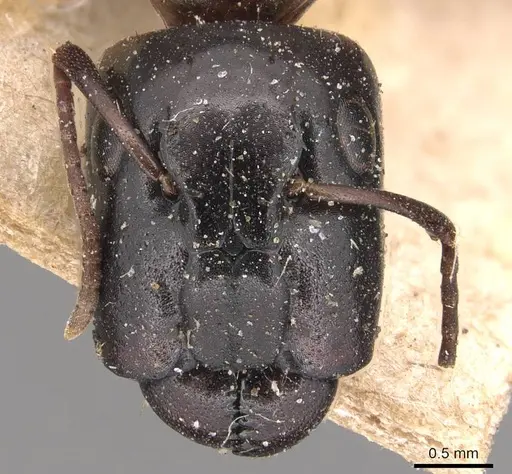
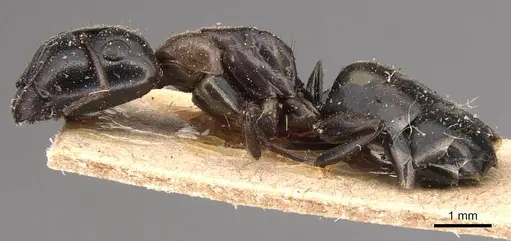
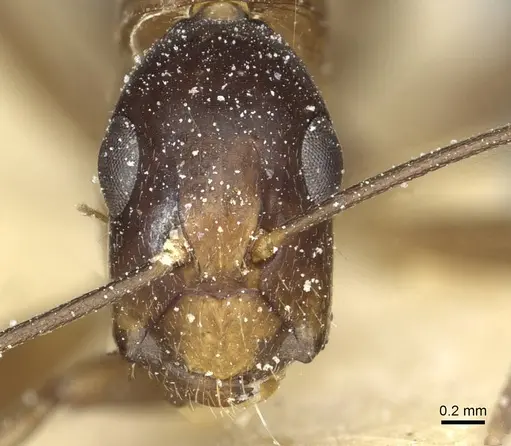
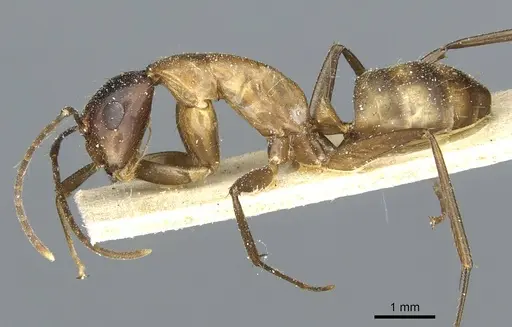
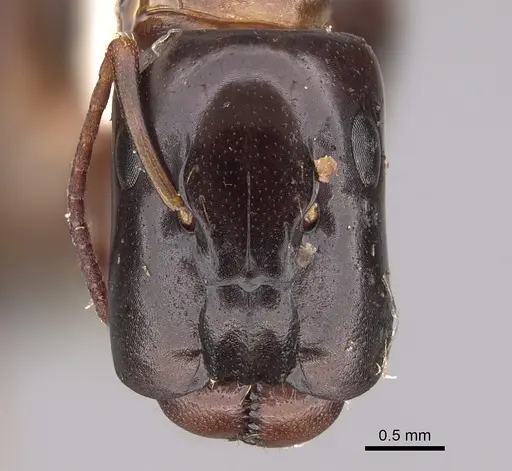
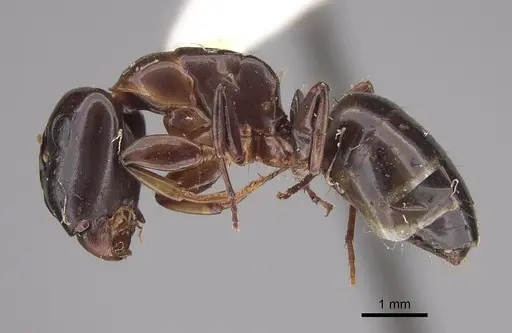
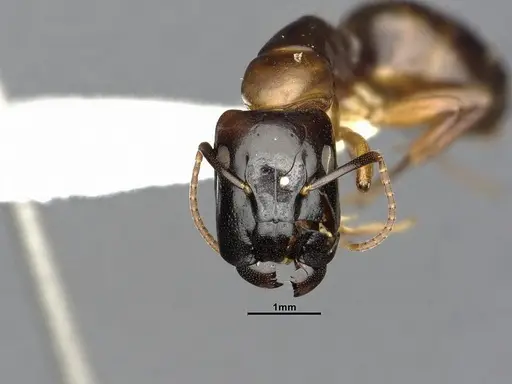
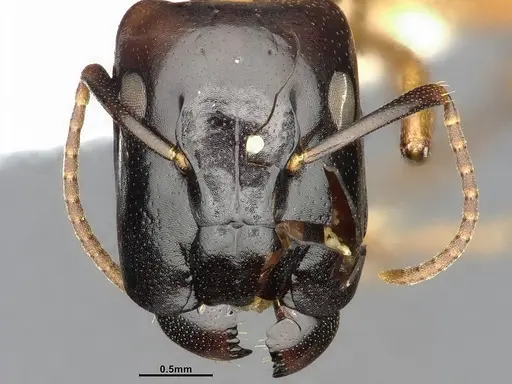
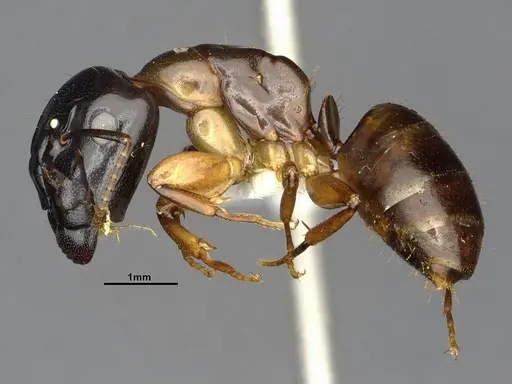
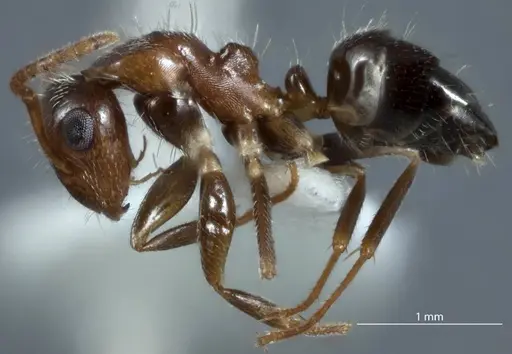
Camponotus macrocephalus is a Neotropical carpenter ant found across Argentina, Bolivia, Brazil, Paraguay, and Peru. Workers are polymorphic, with major workers having notably large heads. The species belongs to the subfamily Formicinae and is part of the Subordinate Camponotini functional group, meaning they are generalist foragers that patrol and recruit workers to abundant food sources. In the wild, they nest preferentially in rotten wood and decaying tree trunks. These ants are omnivorous, accepting both sugary liquids and protein sources like insects. Like other Formicinae, they lack a functional sting and instead bite and spray formic acid as their defense mechanism.
Quick Summary
- Difficulty: Medium
- Origin & Habitat: Neotropical region, found in Argentina, Bolivia, Brazil, Paraguay, and Peru. In the wild, they nest in rotten wood and decaying tree trunks in forest environments [1][2][3].
- Colony Type: Colony structure is unconfirmed. Based on typical Camponotus patterns, likely single-queen colonies.
- Size & Growth:
- Queen: size data unavailable, inferred from Camponotus genus patterns (~15-20mm)
- Worker: 5-15mm (polymorphic, major and minor workers), inferred from Camponotus genus patterns
- Colony: Colony size data unavailable for this species
- Growth: Moderate
- Development: development timeline unconfirmed for this species (Development is temperature-dependent. Based on typical Camponotus patterns, expect several months for first workers.)
- Antkeeping:
- Temperature: Keep at 24-28°C, these are tropical ants that need warmth. A heating cable on one side of the nest creates a temperature gradient they can choose from [1].
- Humidity: Moderate humidity (50-70%). Keep the nest substrate slightly moist but not waterlogged. They prefer conditions similar to rotting wood, damp but with good ventilation.
- Diapause: No, as a tropical species, they do not require hibernation. Keep them warm year-round.
- Nesting: Y-tong (AAC) nests or plaster nests work well. They prefer narrow chambers typical of wood-nesting Camponotus. Avoid overly wet substrates.
- Behavior: These are generalist patrolling ants, they actively forage and recruit nestmates to food sources using chemical trails. They are not particularly aggressive but will defend the nest if threatened. Workers are polymorphic, with major workers often serving as guards or helping process large food items. Escape risk is moderate, use standard Camponotus escape prevention (fluon on tube edges, tight-fitting lids).
- Common Issues: tropical species needs consistent warmth, cold drafts can weaken or kill colonies, nesting in rotten wood means they need moderate humidity but not saturation, avoid overly wet conditions, polymorphic workers mean varying sizes, ensure escape barriers work for both large majors and small minors, slow founding phase, new colonies may take months to establish, patience is required, wild-caught colonies may contain parasites, quarantine and observe new colonies
Housing and Nest Setup
Camponotus macrocephalus does well in Y-tong (AAC) nests or plaster nests that mimic their natural rotting wood habitat. They prefer narrow chambers and passages rather than large open spaces. A test tube setup works for founding colonies, use a water reservoir tube for humidity but ensure the nesting area stays relatively dry. Once the colony reaches 20-30 workers, you can move them to a formicarium. Provide an outworld for foraging with standard food dishes. Use a shallow water station for drinking and a sugar feeder. Escape prevention is important, apply fluon to tube edges and use tight-fitting lids, though they are not as prone to escaping as smaller ant species. [1]
Feeding and Diet
Like most Camponotus species, C. macrocephalus is omnivorous. They accept sugar sources readily, honey water, sugar water, or commercial ant nectar. For protein, offer insects like mealworms, small crickets, or fruit flies. They are generalist foragers and will recruit workers massively when they find abundant food. Feed them small prey items appropriate to worker size, minor workers can handle small insects while majors can tackle larger prey. Remove uneaten prey after 24-48 hours to prevent mold. A constant sugar source is recommended with protein offered 2-3 times per week for established colonies. [1]
Temperature and Seasonal Care
As a Neotropical species from Argentina, Bolivia, Brazil, Paraguay, and Peru, C. macrocephalus requires warm temperatures year-round. Keep the nest area at 24-28°C with a slight gradient if possible. A heating cable placed on top of the nest (never underneath to avoid drying) works well. They do not require hibernation or diapause, maintaining consistent warmth is key. Avoid temperature drops below 20°C, as this can slow development and weaken the colony. Room temperature in heated homes is often adequate, but monitor with a thermometer. Sudden temperature changes or cold drafts can stress or kill colonies, so position the nest away from windows and air conditioning vents. [2][1]
Colony Development and Growth
Colony growth follows typical Camponotus patterns. After the founding phase (queen seals herself in), eggs appear within a few weeks, followed by larvae and pupae. First workers emerge around 2-3 months at optimal temperature, though exact timing varies. The first workers are smaller than normal workers and help the queen expand the colony. Once nanitics arrive, the queen stops foraging and focuses entirely on egg-laying. Growth is moderate. Major workers (large-headed workers) typically appear once the colony reaches moderate size. Be patient during founding, queens can take months to establish, and disturbing them during this critical period can cause colony failure.
Behavior and Foraging
C. macrocephalus belongs to the Subordinate Camponotini functional group, meaning they are generalist foragers that actively patrol and recruit nestmates to food sources [2]. Workers forage individually but will lay chemical trails to recruit others when they find abundant food. This species is not particularly aggressive but will bite if the nest is threatened. Major workers often serve as guards or help process large food items. They maintain mutualistic relationships with membracids (planthoppers) in the wild, tending them for honeydew, in captivity, this translates to their strong attraction to sugary foods. Workers are polymorphic, with size variation between minor and major workers being pronounced in this species.
Frequently Asked Questions
How long does it take for Camponotus macrocephalus to raise first workers?
Development time is unconfirmed for this species. Based on typical Camponotus patterns, expect first workers to emerge around 2-3 months after founding when kept at warm temperatures (24-28°C).
What do Camponotus macrocephalus eat?
They are omnivorous. Offer a constant sugar source (honey water or sugar water) and protein sources like small insects (mealworms, fruit flies, small crickets). They are generalist foragers and will accept a variety of foods.
What temperature do Camponotus macrocephalus need?
Keep them warm at 24-28°C. As a Neotropical species, they do not tolerate cold well. Use a heating cable or place the nest in a warm room. Avoid temperatures below 20°C.
Are Camponotus macrocephalus good for beginners?
They are moderate difficulty, more challenging than common temperate species like Lasius but easier than some exotic ants. The main challenges are maintaining consistent warmth and being patient through the slow founding phase. They are rewarding once established.
Do Camponotus macrocephalus need hibernation?
No. As a tropical Neotropical species, they do not require hibernation or diapause. Keep them warm year-round at 24-28°C.
How big do Camponotus macrocephalus colonies get?
Colony size data is unavailable for this species. Based on typical Camponotus patterns, colonies can reach several hundred workers over 1-2 years under good conditions.
Can I keep multiple Camponotus macrocephalus queens together?
Colony structure is unconfirmed for this species. Based on typical Camponotus patterns, they are likely single-queen. Only keep one queen per colony unless you observe otherwise.
When should I move Camponotus macrocephalus to a formicarium?
Wait until the colony has 20-30 workers. Moving too early can stress the colony. Use a test tube setup for founding colonies, then transition to a Y-tong or plaster nest once they outgrow the tube.
Why is my Camponotus macrocephalus colony not growing?
Check temperature first, they need 24-28°C for proper development. Also ensure they have adequate protein food. Slow growth can also be normal during the founding phase. If the queen has died, the colony will not grow. Observe for signs of stress or disease.
Report an Issue
The current care sheet is based fully on literature. See inconsistencies, or something that's incorrect? Please , it will be resolved after review from an admin. Contributing to the blogs tab also helps providing information, to make us be able to further improve the caresheets. Thank you for your support!
References

This caresheet is licensed under CC BY-SA 4.0 .
Community Blogs
CASENT0905493
View on AntWeb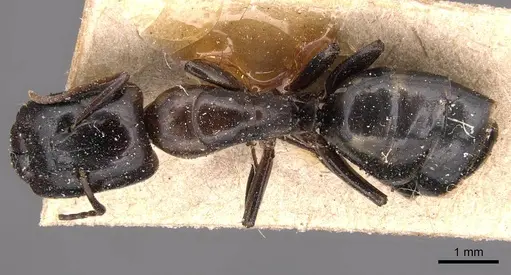
CASENT0905494
View on AntWeb
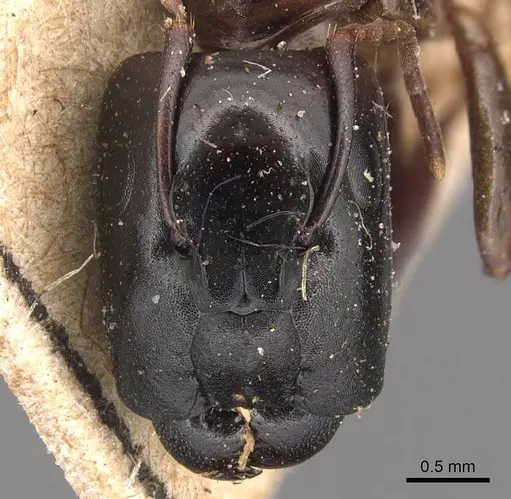
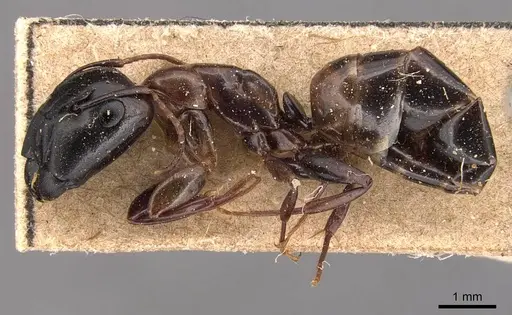
CASENT0905495
View on AntWeb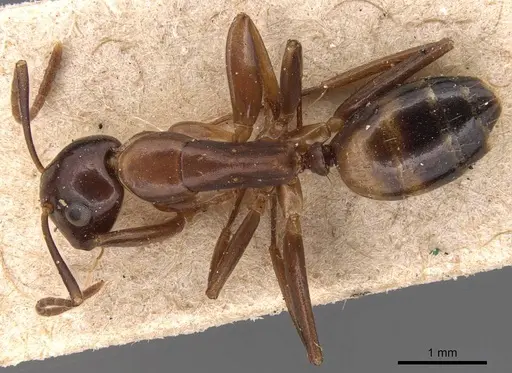
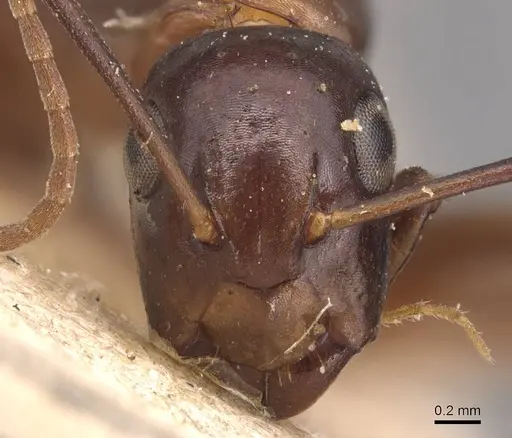
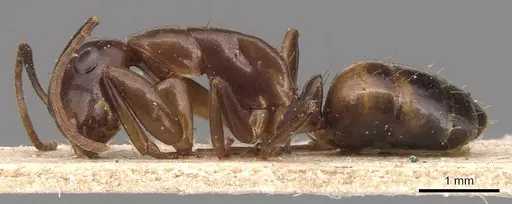
CASENT0911881
View on AntWeb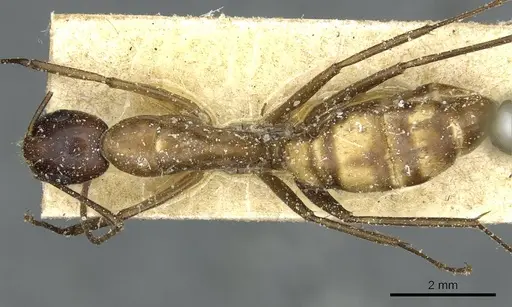
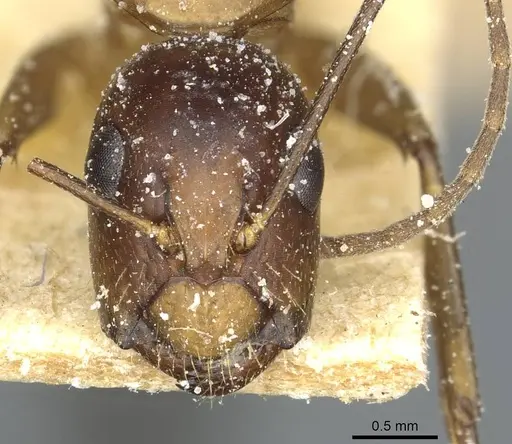
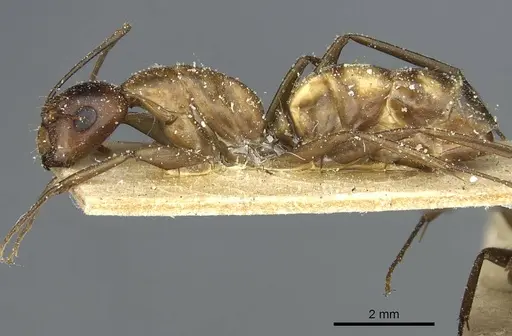
CASENT0911882
View on AntWeb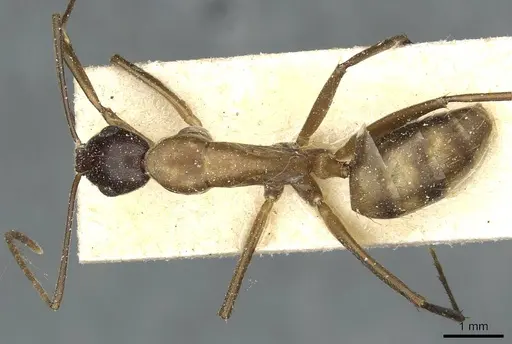
CASENT0923538
View on AntWeb
CASENT4032237
View on AntWeb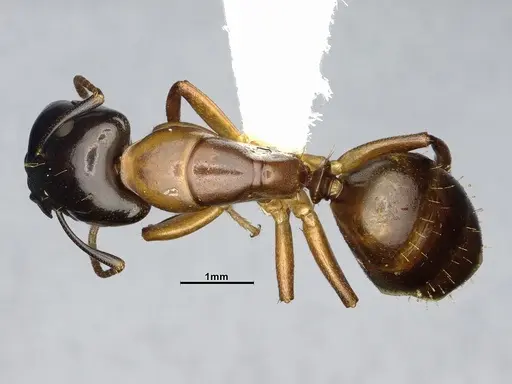
JDM32-001255
View on AntWeb
Literature
Loading distribution map...Loading products...