
Camponotus luctuosus
- Sci. Name
- Camponotus luctuosus
- Subgenus
- Myrmepomis
- Tribe
- Camponotini
- Subfamily
- Formicinae
- Author
- Smith, 1858
- Distribution
- Found in 0 countries
Introduction
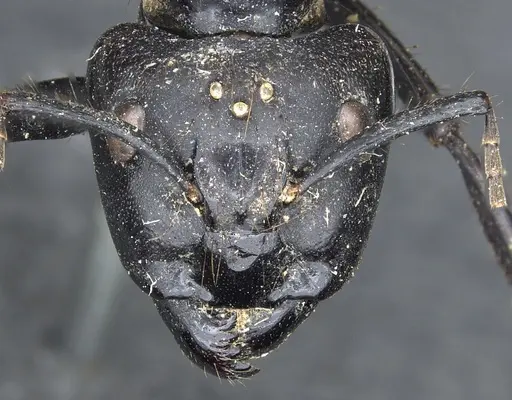
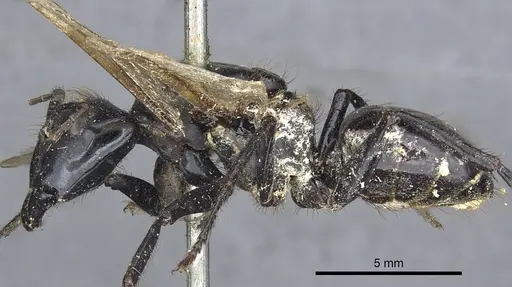
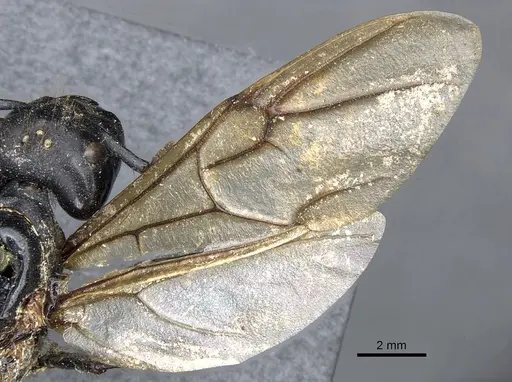
Camponotus luctuosus is a carpenter ant native to Southeast Asia, specifically found in Java and Sumatra in Indonesia . The queen is shining black and measures approximately 15mm (7 lines), giving her an impressive appearance . This species inhabits tropical forest environments in the Indonesian archipelago.
Quick Summary
- Difficulty: Medium
- Origin & Habitat: Southeast Asia, Java and Sumatra in Indonesia [1][2]. In nature, these ants likely nest in rotting wood or under bark in tropical forest habitats, typical of Camponotus species.
- Colony Type: Colony structure is not documented for this species. Based on typical Camponotus genus patterns, likely single-queen.
- Size & Growth:
- Queen: Approximately 15mm (7 lines) [2]
- Worker: Size data unavailable, inferred from typical Camponotus worker range (6-12mm)
- Colony: Maximum colony size is unknown for this species
- Growth: Moderate, based on typical Camponotus development patterns
- Development: Development time is unconfirmed for this species (Timing may vary based on temperature and conditions)
- Antkeeping:
- Temperature: Keep at 24-28°C. Being from tropical Java and Sumatra, they prefer warm conditions.
- Humidity: Moderate to high humidity. Tropical species that prefer damp but not waterlogged nest conditions.
- Diapause: No, tropical species from consistent climate does not require hibernation.
- Nesting: Y-tong (AAC) nests or plaster nests work well. They prefer tight, dark chambers typical of carpenter ants. Avoid overly wet substrates.
- Behavior: Carpenter ants are generally moderate in temperament, they defend their nest but are not overly aggressive. Workers are active foragers. Their large size makes them easier to contain but escape prevention is still important. They show typical Camponotus behavior of establishing central nest sites and foraging for protein and sugar sources.
- Common Issues: tropical species may struggle in cool or dry environments, colonies grow slowly in the first year which can frustrate beginners, wild-caught colonies may have parasites or disease, overfeeding can lead to mold problems in the nest, queens may abandon founding if disturbed too frequently
Housing and Nest Setup
Camponotus luctuosus does well in Y-tong (AAC) nests or plaster formicariums. These ants prefer tight, snug chambers that mimic their natural nesting in rotting wood. The nest should be dark and humid but not wet. A test tube setup works well for founding colonies, use a water reservoir with a cotton plug, keeping the tube humid but not flooded. Once the colony reaches 20-30 workers, you can consider moving to a larger formicarium. Ensure any setup has excellent escape prevention, while not the smallest ants, they are strong and will exploit any gaps.
Feeding and Diet
Like most Camponotus species, these ants are omnivorous. They need protein for brood development and sugar for energy. Offer protein sources like mealworms, crickets, or other insects 2-3 times per week. Sugar can be provided via honey water or sugar water, change these every few days to prevent mold. Remove uneaten prey after 24-48 hours. A varied diet helps ensure healthy colony development. Young colonies typically accept small prey items, larger colonies can handle bigger insects.
Temperature and Seasonal Care
Being from tropical Java and Sumatra, Camponotus luctuosus prefers warm conditions. Maintain temperatures between 24-28°C for optimal brood development. Room temperature in most homes (20-24°C) may be acceptable but warmer conditions will speed growth. A heating cable on one side of the nest can create a temperature gradient. Since they come from a tropical climate with minimal seasonal variation, they do not require hibernation or diapause. Avoid temperatures below 20°C for extended periods.
Colony Development
A newly mated queen will seal herself in a chamber and lay her first eggs without leaving to forage, this is claustral founding. She lives off stored fat reserves while raising the first brood. The first workers (nanitics) are typically smaller than normal workers and emerge within 6-10 weeks under optimal conditions. After nanitics appear, the queen stops foraging and the workers take over all colony tasks. Growth is moderate, expect the colony to reach 50-100 workers within the first year with good care. Larger colonies develop over 2-4 years.
Frequently Asked Questions
How long does it take for Camponotus luctuosus to produce first workers?
Exact development time is unconfirmed for this species. Based on typical Camponotus patterns, expect first workers in 6-10 weeks under warm conditions (24-28°C).
What do Camponotus luctuosus ants eat?
They need a balanced diet of protein and sugar. Offer insects like mealworms or crickets 2-3 times per week, and provide honey water or sugar water as a constant sugar source.
Can I keep multiple Camponotus luctuosus queens together?
Colony structure is unconfirmed for this species. Based on typical Camponotus patterns, they are likely single-queen. Combining unrelated queens is not recommended as they will likely fight.
What temperature do Camponotus luctuosus need?
Keep them warm at 24-28°C. Being from tropical Southeast Asia, they prefer warm conditions year-round.
Do Camponotus luctuosus need hibernation?
No. As a tropical species from Java and Sumatra, they do not require hibernation or winter rest.
Are Camponotus luctuosus good for beginners?
They are moderate difficulty. They are larger and more forgiving than tiny ants, but being a tropical species requires attention to temperature and humidity.
When should I move my colony to a formicarium?
Move to a larger nest once the colony reaches 20-30 workers or when the test tube becomes crowded. Y-tong or plaster nests work well for this species.
How big do Camponotus luctuosus colonies get?
Maximum colony size is unknown for this species. Based on typical Camponotus patterns, mature colonies may reach several hundred to a few thousand workers over 2-4 years.
Why is my colony growing slowly?
Slow growth is normal in the first year. Ensure temperatures are warm (24-28°C), humidity is adequate, and the queen is healthy and laying eggs. Check that you are not overfeeding which causes mold.
Report an Issue
The current care sheet is based fully on literature. See inconsistencies, or something that's incorrect? Please , it will be resolved after review from an admin. Contributing to the blogs tab also helps providing information, to make us be able to further improve the caresheets. Thank you for your support!
References

This caresheet is licensed under CC BY-SA 4.0 .
Community Blogs
CASENT0903558
View on AntWeb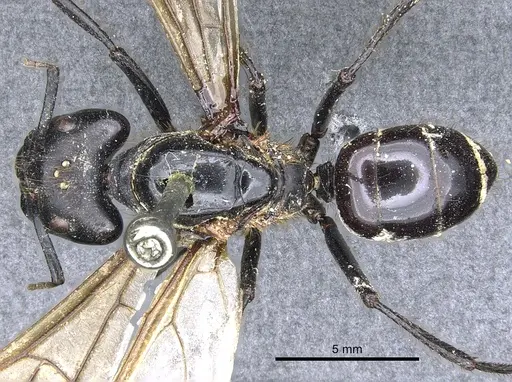
Literature
Loading distribution map...Loading products...