
Camponotus lubbocki
- Sci. Name
- Camponotus lubbocki
- Subgenus
- Myrmosaga
- Tribe
- Camponotini
- Subfamily
- Formicinae
- Author
- Forel, 1886
- Distribution
- Found in 2 countries
Introduction
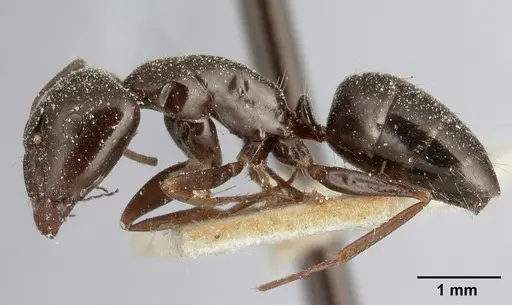
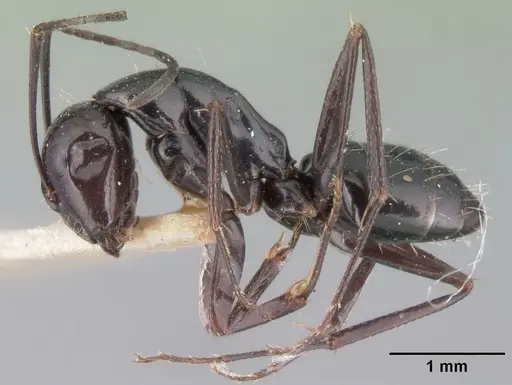
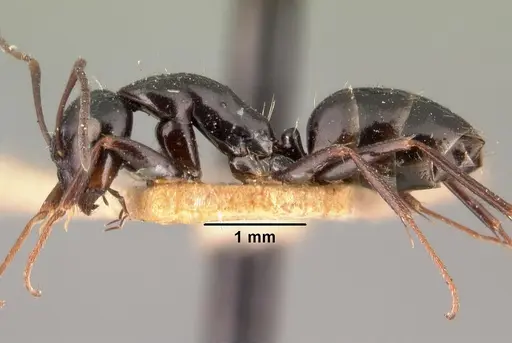
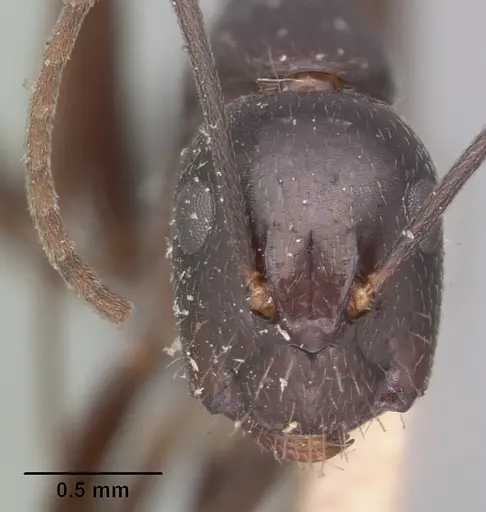
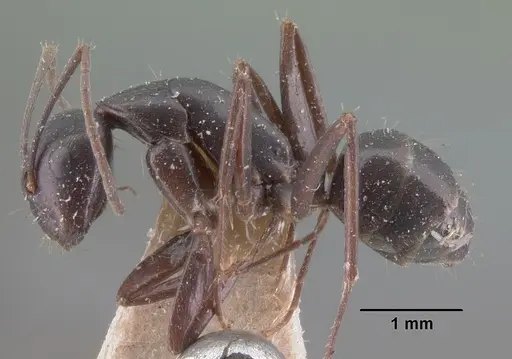
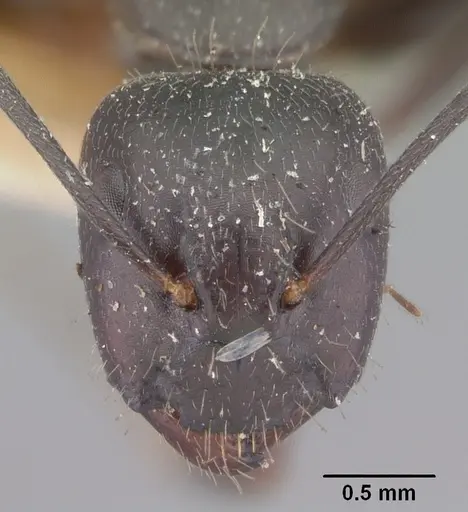
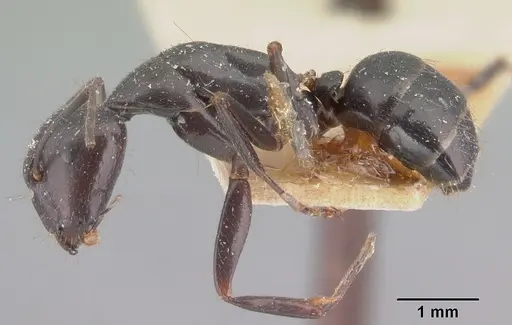
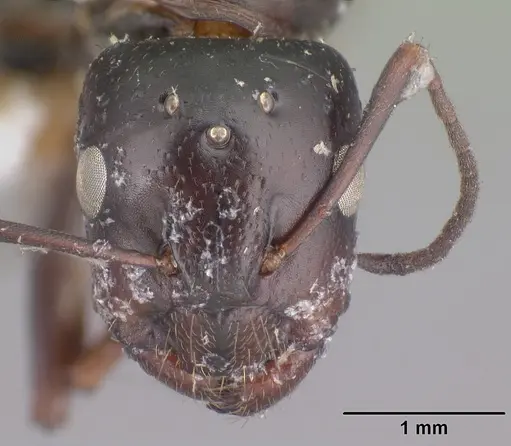
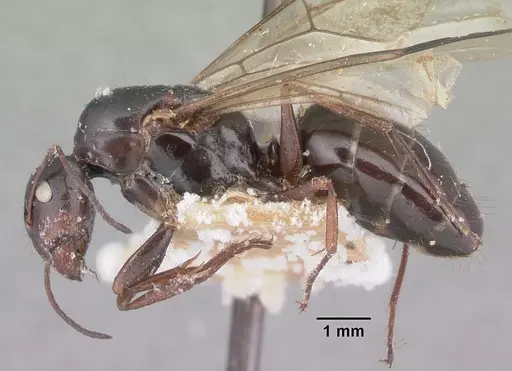
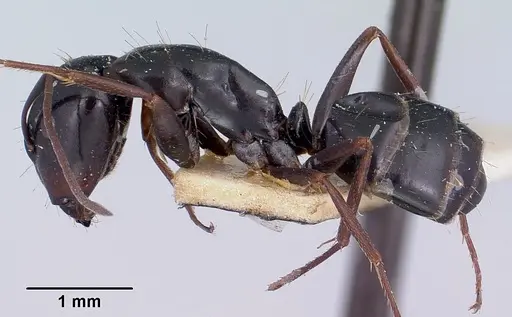
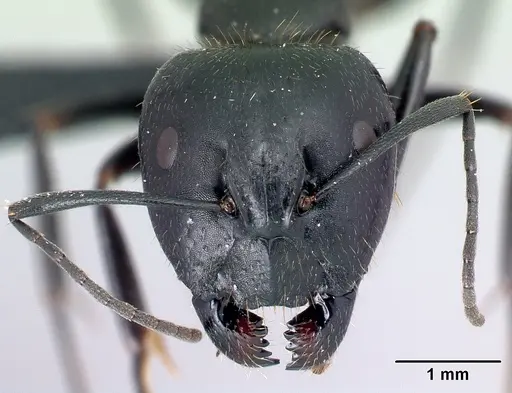
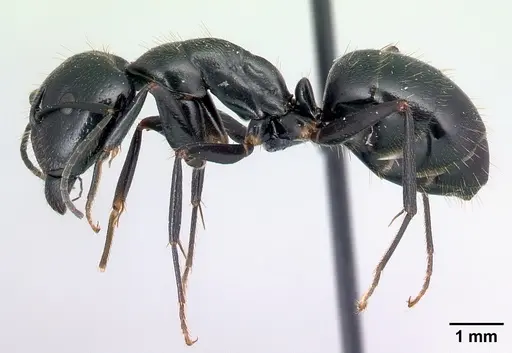
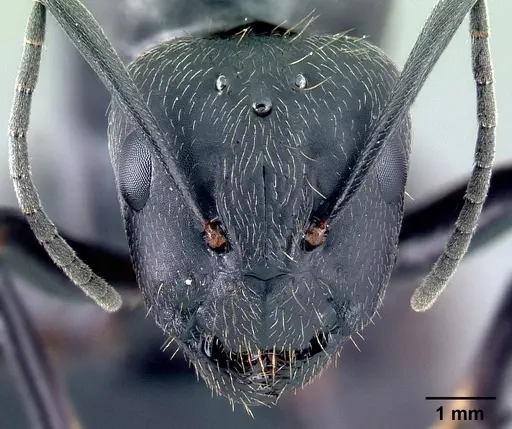
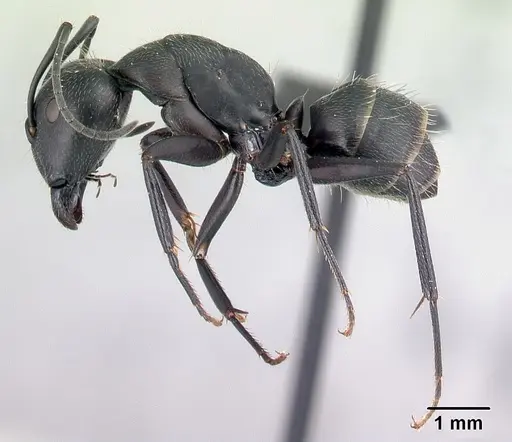
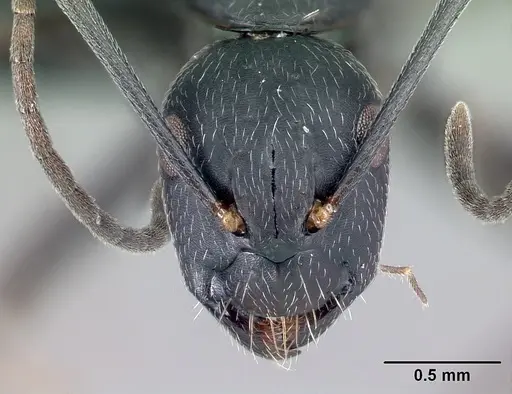
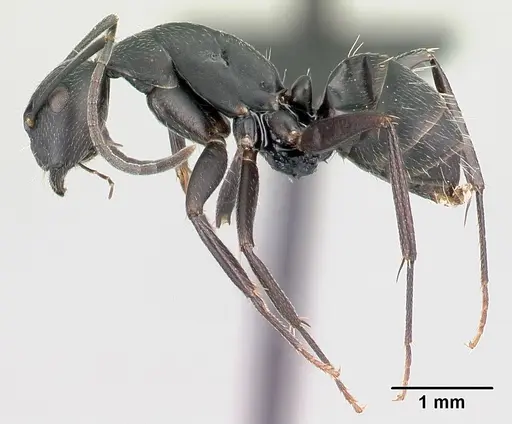
Camponotus lubbocki is a medium-sized black ant endemic to Madagascar. Workers are entirely black with no white spots on the second and third abdominal segments, which distinguishes them from similar species like Camponotus immaculatus and Camponotus kelimaso [AntWiki]. This species belongs to the subgenus Myrmosaga and is found in montane regions across the island, particularly in the northeast, central, and southern high plateau [AntWiki]. The species was originally described by Forel in 1886 and has undergone taxonomic revisions, including being moved between subgenera Mayria and Myrmosaga before being placed in Myrmosaga by Rakotonirina and Fisher in 2022 [AntWiki]. This is a montane species from Madagascar's highlands. In the wild, they nest in the ground, under moss, and sometimes in rotting logs or under stones [AntWiki].
Quick Summary
- Difficulty: Medium
- Origin & Habitat: Montane shrubland and montane rainforests in northeast, central, and southern high plateau of Madagascar [1]. Rarely found in rainforests and transitional forest between spiny and dry forests.
- Colony Type: Colony structure is not directly documented for this species.
- Size & Growth:
- Queen: Size data unavailable, no specific measurements exist for this species
- Worker: Size data unavailable, no specific measurements exist for this species
- Colony: Colony size is not documented in available literature
- Growth: Growth rate is not documented
- Development: Development time is not documented for this species (Specific development data for C. lubbocki is not available)
- Antkeeping:
- Temperature: Temperature requirements are not documented, provide room temperature conditions (20-25°C) and observe colony activity
- Humidity: Keep substrate moderately moist. In the wild they nest under moss and in root mats, indicating they need access to damp conditions.
- Diapause: Diapause requirements are not documented for this species
- Nesting: Use a nest that allows for moisture retention, Y-tong, plaster, or soil nests work well. Provide a damp substrate area.
- Behavior: Workers are active foragers. They are not particularly aggressive but will defend their nest. As with most Camponotus, they have a formic acid defense but are not considered dangerous to humans. Escape risk is moderate, standard barrier methods are sufficient for this medium-sized species.
- Common Issues: limited documented care information, this is a rarely kept species, specific temperature and humidity requirements are not well studied, slow colony growth may frustrate beginners, wild-caught colonies may have parasites or be stressed from collection
Natural History and Distribution
Camponotus lubbocki is endemic to Madagascar, where it inhabits the island's highland regions. You will find them in montane shrubland and montane rainforests across the northeast, central, and southern high plateau [1]. They are rarely encountered in lowland rainforests or the transitional zones between spiny and dry forests, indicating a preference for higher-elevation habitats. The type locality is recorded as Andrangoloaka in central Madagascar [2]. This species was originally described by Forel in 1886 and has undergone taxonomic revisions, including being moved between the subgenera Mayria and Myrmosaga before being placed in Myrmosaga by Rakotonirina and Fisher in 2022 [1]. In the wild, colonies nest in the ground, in root mats, under moss on the ground, and occasionally in rotten logs or under stones [1].
Identification and Distinguishing Features
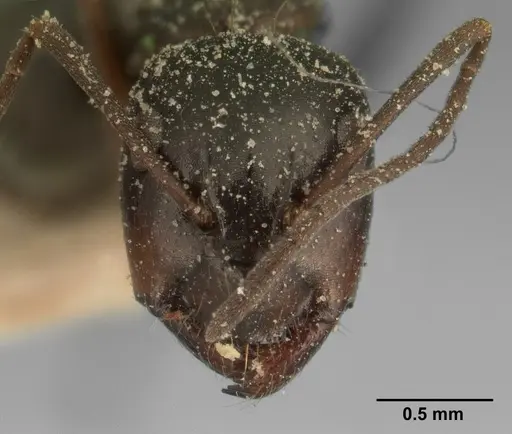
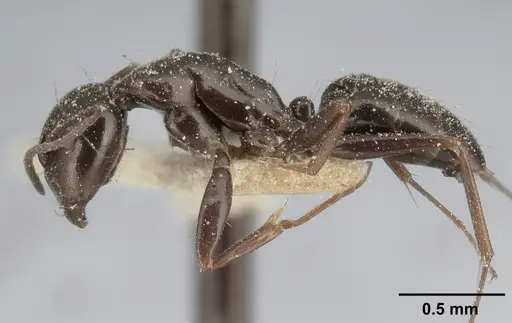
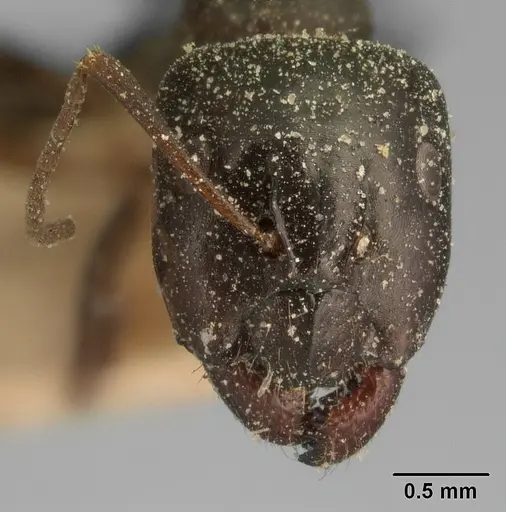
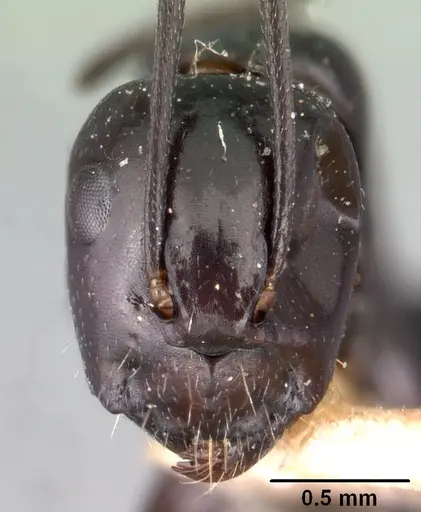
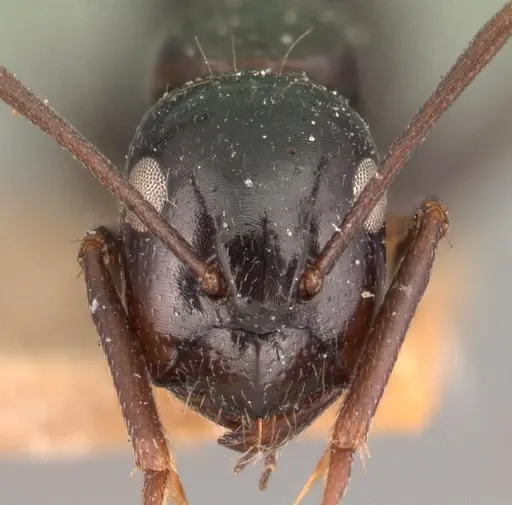
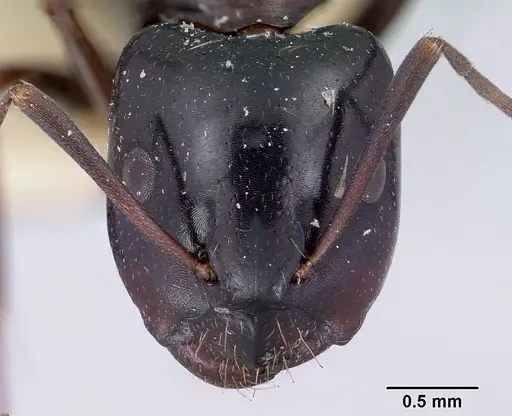
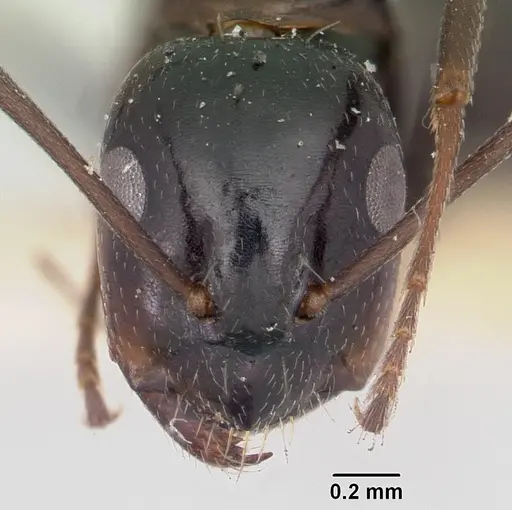
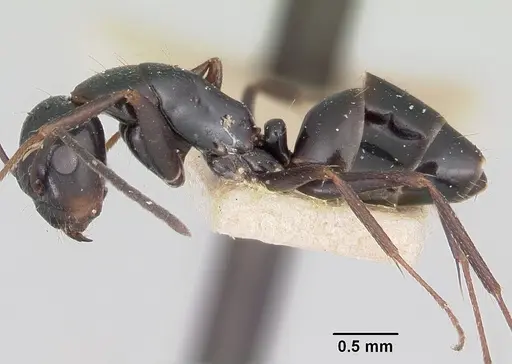
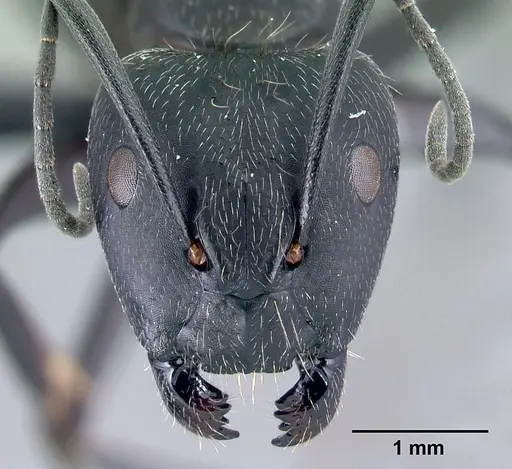
This is a medium-sized black ant with no white markings on the abdomen, specifically, there is no white spot on the dorsum of the second and third abdominal tergites [1]. The antennal scape lacks erect hairs, and the propodeal dorsum is slightly concave. These features help distinguish C. lubbocki from similar species. It can be confused with Camponotus liandia, but that species has a broadly convex anteromedian margin of the clypeus. It also resembles Camponotus immaculatus and Camponotus kelimaso, which also lack white abdominal spots, but C. immaculatus has a transversely concave propodeal dorsum and C. kelimaso has small eyes with an approximately straight posterior cephalic margin [1]. Workers occur in two size castes: minors and majors with enlarged heads.
Housing and Nest Preferences
In captivity, provide a nest that can maintain moderate humidity while allowing for some dry areas. Y-tong nests, plaster nests, or naturalistic setups with soil all work well for Camponotus species. The key is providing a moisture gradient so workers can regulate their own humidity preferences. Since their wild nests are under moss and in root mats, they appreciate having a damp area in part of the nest. Use a standard test tube setup for founding colonies, then transition to a formicarium once the colony reaches a moderate size. Ensure the outworld provides foraging space and a water tube. Ventilation is important to prevent mold, but avoid creating overly dry conditions.
Temperature and Seasonal Care
As a montane species from Madagascar's highlands, C. lubbocki may prefer cooler temperatures than many tropical ants. Keep the nest area at room temperature (20-25°C). Avoid placing nests in warm locations above 28°C, as this may stress the colony. Monitor colony activity, if workers consistently avoid a particular area, the temperature may be unsuitable. Specific temperature requirements are not documented for this species.
Feeding and Nutrition
Like other Camponotus species, C. lubbocki is an omnivore that accepts both sugar sources and protein. Offer sugar water, honey, or diluted syrup as a constant carbohydrate source. For protein, provide insects such as mealworms, crickets, or other small arthropods. Feed protein prey regularly, adjusting based on colony size and consumption. Remove uneaten prey after 24-48 hours to prevent mold. Colonies will also scavenge on dead insects they encounter. Ensure a constant supply of clean water.
Colony Development and Growth
Specific colony development data for C. lubbocki is not available. Queens likely seal themselves in a chamber and raise the first brood alone, but this is not confirmed for this species. The first workers, called nanitics, are often smaller than normal workers and help expand the nest and forage for food. After that, colony growth depends on temperature, feeding, and queen laying rate. Patience is required as this species is not well-documented in captivity.
Frequently Asked Questions
How long does it take for Camponotus lubbocki to produce first workers?
Specific development time is not documented for this species.
What temperature do Camponotus lubbocki ants need?
Specific temperature requirements are not documented. Keep them at room temperature (20-25°C) and avoid temperatures above 28°C.
Are Camponotus lubbocki good for beginners?
This species is rated as medium difficulty. There is limited documented care information available, which may make troubleshooting more difficult.
How big do Camponotus lubbocki colonies get?
Colony size is not directly documented in available literature.
What do Camponotus lubbocki eat?
They are omnivores. Offer sugar water or honey as a constant carbohydrate source, and protein prey like mealworms or crickets regularly.
Do Camponotus lubbocki need hibernation?
Diapause requirements are not documented for this species.
Can I keep multiple Camponotus lubbocki queens together?
Colony type is not documented for this species. Combining unrelated queens is not recommended as they would likely fight.
What type of nest is best for Camponotus lubbocki?
Y-tong, plaster, or naturalistic nests with soil work well. Provide a moisture gradient so workers can choose their preferred humidity level.
Where is Camponotus lubbocki found in the wild?
This species is endemic to Madagascar, specifically in montane shrubland and montane rainforests in the northeast, central, and southern high plateau.
Report an Issue
The current care sheet is based fully on literature. See inconsistencies, or something that's incorrect? Please , it will be resolved after review from an admin. Contributing to the blogs tab also helps providing information, to make us be able to further improve the caresheets. Thank you for your support!
References

This caresheet is licensed under CC BY-SA 4.0 .
Community Blogs
CASENT0101105
View on AntWeb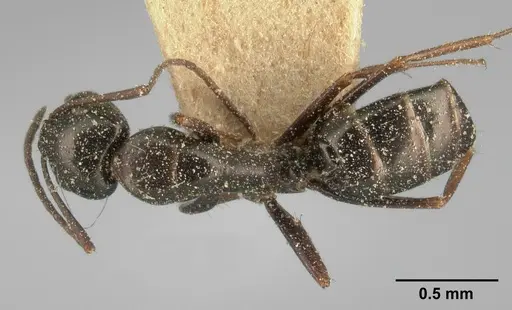
CASENT0101106
View on AntWeb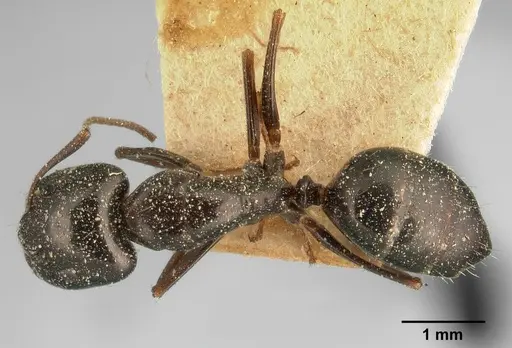
CASENT0101437
View on AntWeb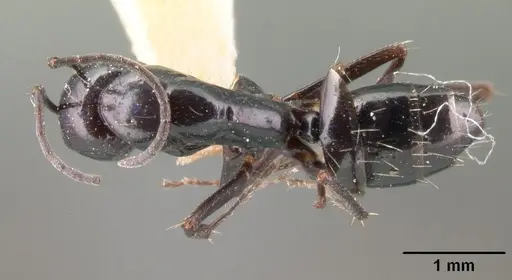
CASENT0101438
View on AntWeb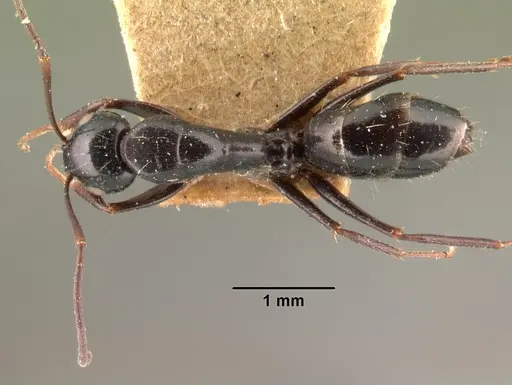
CASENT0101512
View on AntWeb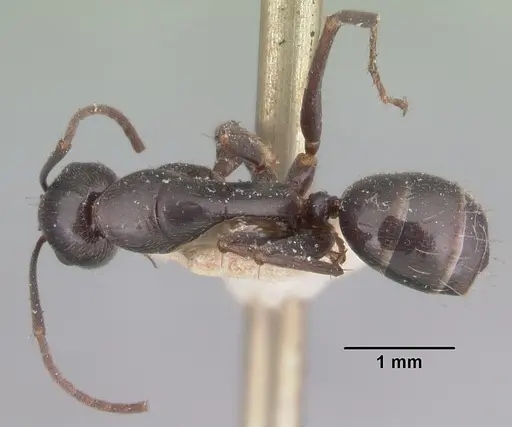
CASENT0101514
View on AntWeb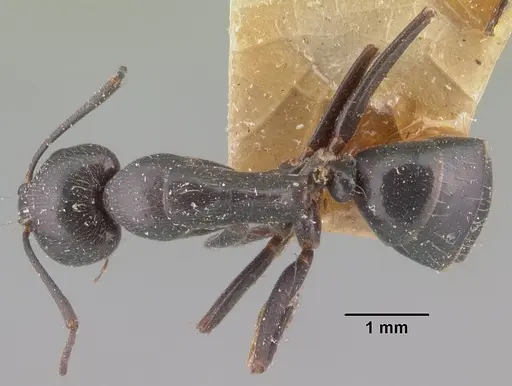
CASENT0101515
View on AntWeb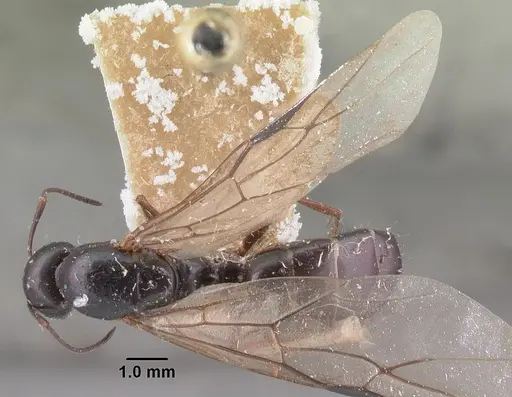
CASENT0101516
View on AntWeb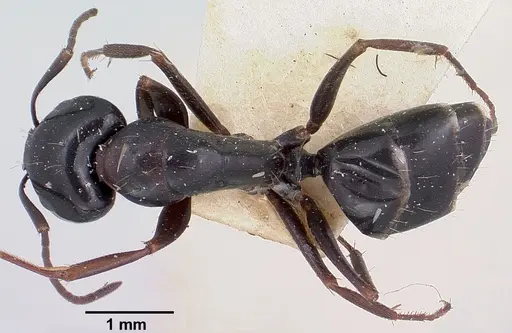
CASENT0101518
View on AntWeb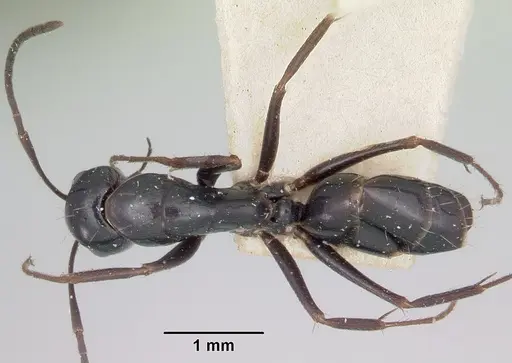
CASENT0140926
View on AntWeb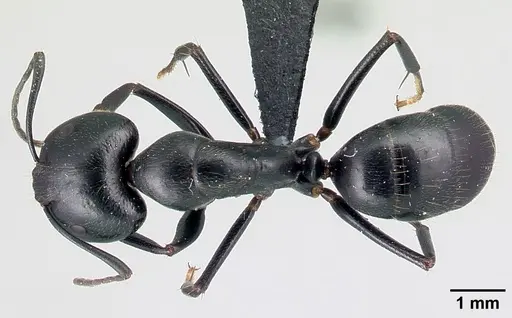
CASENT0217294
View on AntWeb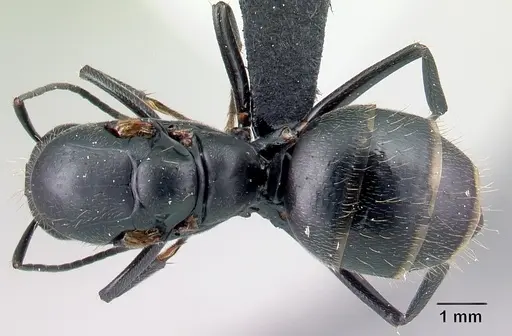
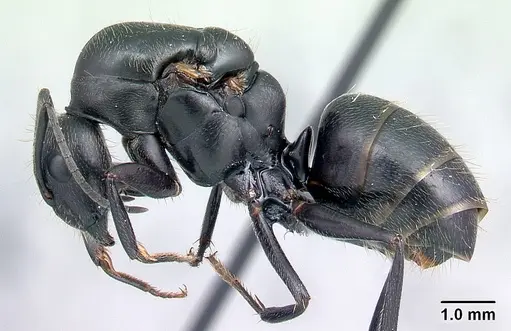
CASENT0217311
View on AntWeb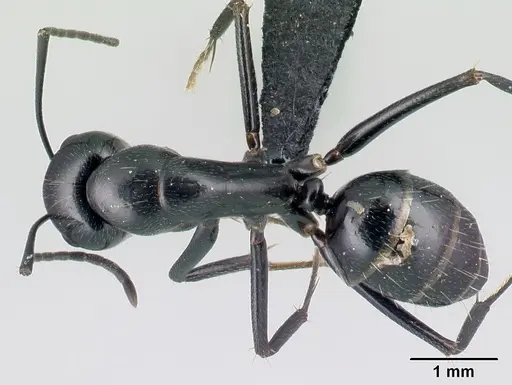
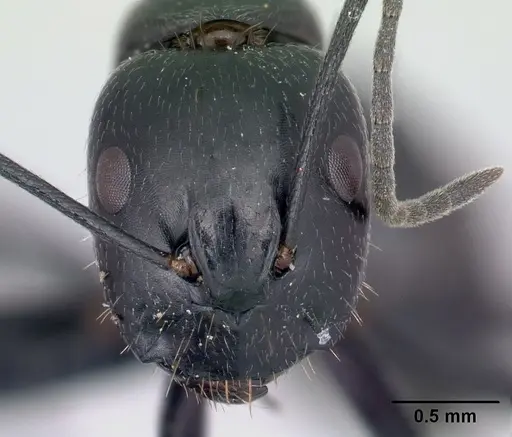
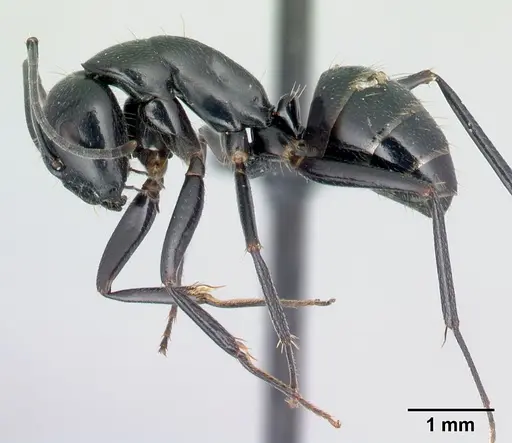
CASENT0486997
View on AntWeb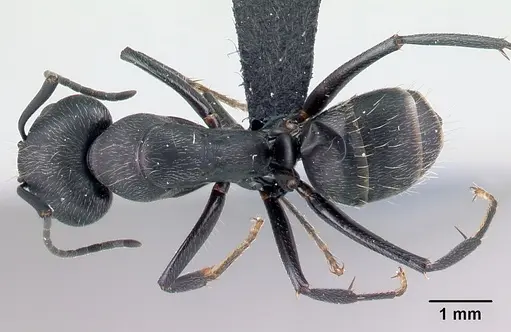
CASENT0486998
View on AntWeb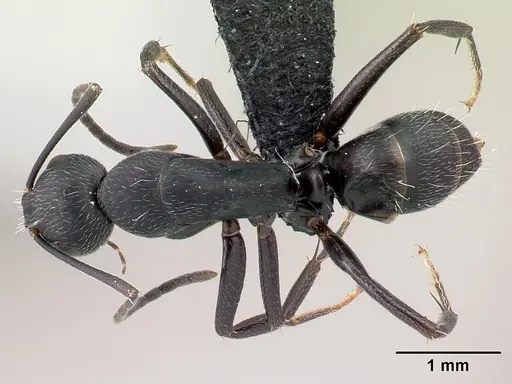
Literature
Loading distribution map...Loading products...