
Camponotus longipilis
- Sci. Name
- Camponotus longipilis
- Subgenus
- Myrmostenus
- Tribe
- Camponotini
- Subfamily
- Formicinae
- Author
- Emery, 1911
- Distribution
- Found in 1 countries
Introduction
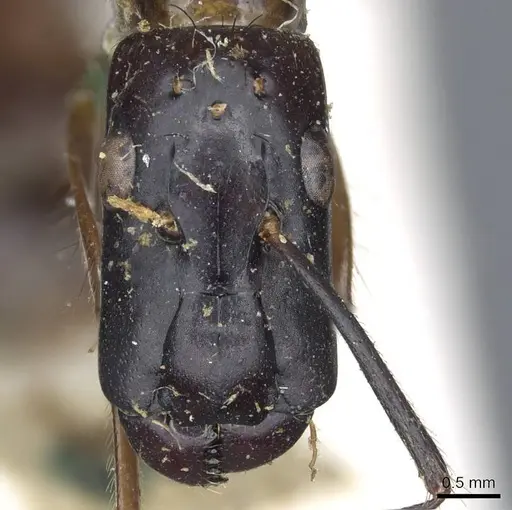
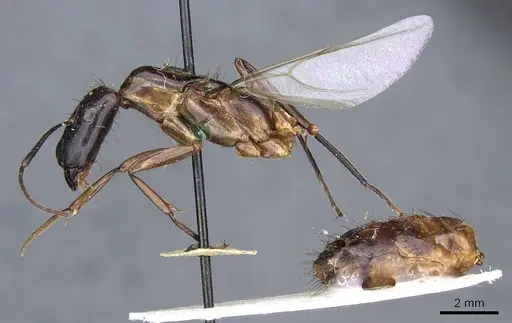
Camponotus longipilis is a distinctive Neotropical ant species known for its specialized bamboo-nesting habitat. Workers are medium-sized Camponotus ants with an elongate, rectangular head and a unique feature: the ventral surface of the head is covered with dense, long, erect, twisted hairs [Mackay 1997]. Queens measure approximately 10-12mm total length based on Camponotus genus patterns [Mackay 1997]. This species is native to the Amazon region of Peru and Bolivia, where it colonizes the stems of live bamboo (Guadua) [AntWiki]. What makes C. longipilis truly unique is its extreme specialization - it is one of the few ant species that exclusively nests inside living bamboo stems, making it a true bamboo specialist in the ant world [AntWiki].
Quick Summary
- Difficulty: Expert
- Origin & Habitat: Amazonia in Peru and Bolivia. This species exclusively colonizes stems of live bamboo (Guadua) in tropical rainforest canopies [1].
- Colony Type: Polydomous, colonies occupy multiple bamboo culms (stems) that are connected together. Established colonies grow and open entrances in young Guadua stems prior to lignification.
- Size & Growth:
- Queen: ~10-12mm, inferred from Camponotus genus patterns
- Worker: ~6-10mm, inferred from Camponotus genus patterns
- Colony: Likely hundreds to low thousands based on polydomous bamboo colony patterns
- Growth: Moderate, based on typical Camponotus development
- Development: 6-10 weeks estimated based on Camponotus genus patterns at tropical temperatures (Development time is inferred from related Camponotus species, direct measurements for this species are not available)
- Antkeeping:
- Temperature: Keep at 24-28°C, these are tropical Amazonian ants that need warm, stable conditions similar to their bamboo canopy habitat. A gentle gradient allowing workers to self-regulate is recommended.
- Humidity: Moderate to high, bamboo stems naturally maintain humid internal conditions. Provide a water source and keep nesting area moderately humid but not saturated.
- Diapause: No, as a tropical species from Amazonia, they do not require hibernation. Keep temperatures stable year-round.
- Nesting: This species presents unique challenges for captive care. In the wild, they exclusively nest inside living bamboo stems. In captivity, they may accept Y-tong (AAC) nests or plaster nests with narrow chambers, but success is uncertain. The key is providing enclosed, tunnel-like spaces that mimic bamboo internodes. Acrylic nests are not recommended.
- Behavior: These ants are relatively docile and not aggressive. Workers forage for honeydew from the coccids they tend inside the bamboo. They are arboreal and likely have moderate escape abilities, though not as prolific as some smaller Camponotus species. The polydomous colony structure means they may spread across multiple connected nest areas. They are not known to sting and are considered safe for handling.
- Common Issues: extreme nesting specialization makes captive care very difficult, they may refuse to establish in standard formicaria, humidity control is critical, too dry and colonies fail, too wet and mold becomes a problem, as a tropical species, temperature drops below 20°C can be harmful, wild-caught colonies may be stressed from their specialized bamboo habitat and difficult to establish, polydomous nature may require multiple connected nest sections for success, this species can be invaded by the social parasite Camponotus mirabilis
Nesting and Housing
Colobopsis longipilis presents one of the most challenging nesting scenarios in antkeeping due to its extreme specialization. In the wild, this species exclusively colonizes living Guadua bamboo stems in the Amazonian rainforest [1]. The ants colonize young bamboo stems before the walls lignify (harden), and workers cut entrances into the stems. Once the bamboo walls harden, the colony becomes confined to the internodes they can access. For captive care, you will need to replicate these conditions as closely as possible. Y-tong (AAC) nests or plaster nests with narrow, horizontal chambers may work, but success is not guaranteed. The key is providing enclosed, tunnel-like spaces that mimic bamboo internodes. Some keepers have had success with modified bamboo sections or custom-built 'bamboo-style' formicaria. This is absolutely not a species for beginners, expect a significant learning curve.
Feeding and Diet
In the wild, Colobopsis longipilis has a highly specialized diet. They tend large numbers of coccids (scale insects, specifically Cryptostigma guadua) that occur inside the bamboo nests. These coccids produce honeydew, which is a major source of nourishment for the ants [1]. This means C. longipilis is primarily a honeydew feeder in nature, though they likely also consume small insects and protein. In captivity, you should provide sugar water or honey as a constant food source. Protein should be offered regularly in the form of small insects (fruit flies, small mealworms, crickets). The key insight is that these ants are adapted to a steady, carbohydrate-rich diet from honeydew rather than sporadic large protein meals. Feed sugar sources constantly and offer protein 2-3 times per week.
Temperature and Humidity
As a tropical Amazonian species from Peru and Bolivia, Colobopsis longipilis requires warm and humid conditions. Keep the nest area at 24-28°C with minimal temperature fluctuations. A heating cable on one side of the nest can create a gentle gradient, but avoid direct heat that could dry out the nest. For humidity, aim for moderate to high levels (60-80%). The bamboo stems they inhabit naturally maintain humid internal conditions. Use a water reservoir in your setup and monitor substrate moisture, it should feel damp but not waterlogged. Avoid both drying out (which can kill the colony) and excessive moisture (which promotes mold). Good ventilation is essential to prevent stagnant air while maintaining humidity.
Colony Structure and Growth
Colobopsis longipilis forms polydomous colonies, meaning they occupy multiple connected nest sites. In the wild, established colonies grow and spread across multiple bamboo culms (stems). Workers open entrances in young Guadua stems before the walls lignify, allowing the colony to expand into new sections. Once bamboo walls harden, the ants cannot access unbreached internodes and must rely on entrances cut by other arthropods or cracks in damaged stems. This polydomous structure means that in captivity, you may need to provide multiple connected nest sections for the colony to truly thrive. Colony growth is likely moderate, typical for Camponotus species, with founding colonies starting slowly and accelerating once the first workers (nanitics) emerge. [1]
Behavior and Temperament
This species is relatively docile and not known for aggressive behavior. Workers are medium-sized and forage primarily for honeydew from their tended coccids, though they will also collect small insects and protein. As arboreal ants, they are adapted to moving through vertical spaces and may exhibit different activity patterns than ground-nesting species. They are not known to sting and are considered safe for careful handling. However, their specialized habitat requirements make them a challenge to observe in typical captive setups. Workers may live for several years, while queens can live for over a decade in optimal conditions.
Frequently Asked Questions
Can I keep Camponotus longipilis in a test tube?
Test tubes are not recommended for this species. Colobopsis longipilis is an extreme bamboo specialist that nests exclusively inside living bamboo stems. Standard test tube setups will likely be rejected. You would need to provide enclosed, tunnel-like spaces that mimic bamboo internodes, possibly modified bamboo sections or custom formicaria designed to replicate their natural nesting conditions.
What do Camponotus longipilis eat?
In the wild, they primarily feed on honeydew from coccid scale insects (Cryptostigma guadua) that they tend inside their bamboo nests. In captivity, provide constant sugar water or honey as their primary food source. Offer protein (small insects like fruit flies or mealworms) 2-3 times per week. They are not aggressive predators but will accept protein when offered.
How long does it take for Camponotus longipilis to produce first workers?
Exact development time has not been documented for this species. Based on typical Camponotus genus patterns at tropical temperatures (24-28°C), expect approximately 6-10 weeks from egg to first worker (nanitic). The queen seals herself in during founding and relies on stored fat reserves until the first workers emerge.
Are Camponotus longipilis good for beginners?
No. This species is absolutely not recommended for beginners. It is one of the most specialized ant species in the hobby due to its exclusive bamboo-nesting requirement. Even experienced antkeepers struggle with this species. If you are interested in Camponotus, consider easier species like Camponotus floridanus, Camponotus pennsylvanicus, or Camponotus chromaiodes first.
Do Camponotus longipilis need hibernation?
No. As a tropical species from the Amazon region of Peru and Bolivia, they do not require hibernation or winter cooling. Keep temperatures stable year-round at 24-28°C. Temperature drops below 20°C can be harmful to these ants.
How big do Camponotus longipilis colonies get?
Colony size is not well documented, but based on related bamboo-specialist ants and the polydomous nature of the species, colonies likely reach hundreds to possibly low thousands of workers. The polydomous structure (multiple connected nest sections) may make them appear larger as they spread across multiple bamboo stems in the wild.
Where does Camponotus longipilis live in the wild?
Colobopsis longipilis is found in the Amazonian regions of Peru and Bolivia. They exclusively nest inside the stems of living Guadua bamboo in tropical rainforests. This is one of the most specialized nesting habitats of any ant species, they are true bamboo specialists that cannot survive in other nest types [1].
Can I keep multiple queens together?
No. Colobopsis longipilis is monogyne, meaning colonies have a single queen. Multiple unrelated queens would fight. The polydomous structure refers to multiple nest sections (bamboo stems), not multiple queens.
Why is Camponotus longipilis so difficult to keep?
This species is difficult because it has evolved to live exclusively inside living bamboo stems, a habitat impossible to replicate with standard antkeeping equipment. They depend on specific humidity conditions inside bamboo internodes and feed primarily on honeydew from tended coccids. Even the most dedicated antkeepers struggle to establish this species in captivity. It is considered an expert-level species that most hobbyists should avoid.
Report an Issue
The current care sheet is based fully on literature. See inconsistencies, or something that's incorrect? Please , it will be resolved after review from an admin. Contributing to the blogs tab also helps providing information, to make us be able to further improve the caresheets. Thank you for your support!
References

This caresheet is licensed under CC BY-SA 4.0 .
Community Blogs
CASENT0905508
View on AntWeb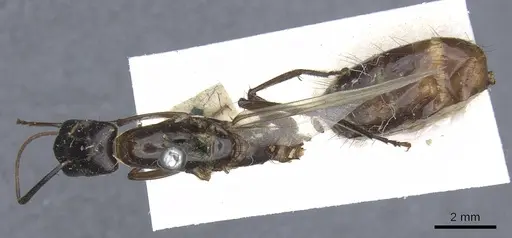
Literature
Loading distribution map...Loading products...