
Camponotus longifacies
- Sci. Name
- Camponotus longifacies
- Tribe
- Camponotini
- Subfamily
- Formicinae
- Author
- McArthur, 2003
- Distribution
- Found in 1 countries
Introduction
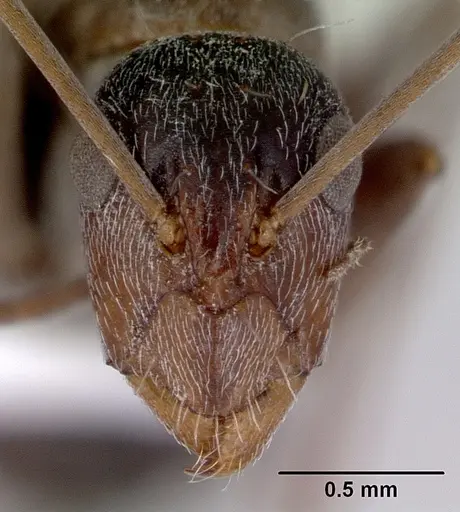
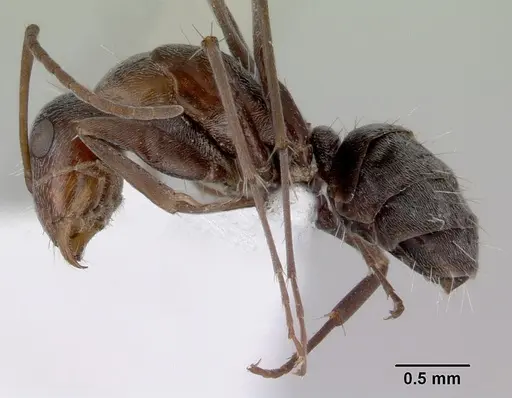
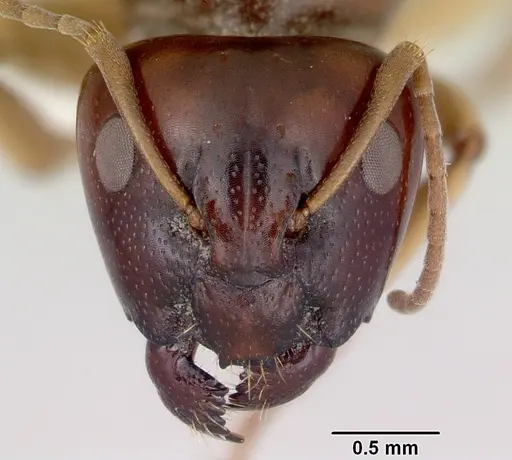
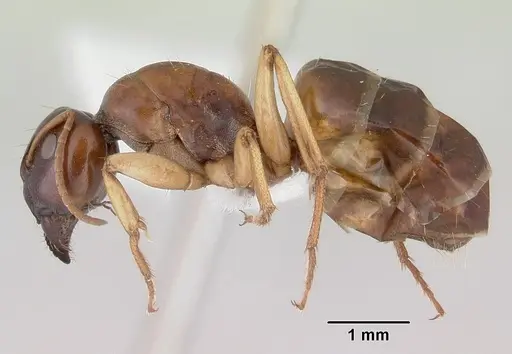
Camponotus longifacies is one of the smallest Camponotus species in Australia, first described in 2003 from Narrandera, New South Wales. Minor workers have a distinctly long face, while major workers have a more square-shaped face - an unusual trait among carpenter ants. Minor workers resemble small Iridomyrmex species due to their tiny size and similar body shape. This species nests in sandy soil in pastures and near Callitris trees, creating neat crater-shaped nest entrances [AntWiki].
Quick Summary
- Difficulty: Medium
- Origin & Habitat: Australia, originally described from New South Wales (Narrandera) and occurs in all mainland Australian states. Nests in sandy soil in pastures and Callitris areas [1][2].
- Colony Type: Single-queen colonies based on typical Camponotus patterns. Colony structure is not directly documented for this species.
- Size & Growth:
- Queen: Size data unavailable, likely smaller than typical Camponotus queens given this is one of the smallest species in the genus
- Worker: Very small for a Camponotus species, specific measurements unavailable [1]
- Colony: Unknown, not documented in available literature
- Growth: Moderate, typical for small Camponotus species
- Development: Estimated 6-10 weeks based on typical Camponotus development at warm temperatures (Development time is not specifically documented for this species.)
- Antkeeping:
- Temperature: Keep nest area around 22-26°C. Australian species from temperate regions can tolerate a range, but warmth aids development. Use a heating cable on one side of the nest if room temperature falls below 20°C.
- Humidity: Moderate, they nest in sandy soil which suggests they prefer drier conditions than many tropical ants. Keep substrate moderately moist but allow it to dry partially between waterings. Avoid waterlogging.
- Diapause: Likely required, Australian temperate species typically need a winter rest period. Consider reducing temperature to 10-15°C for 2-3 months during winter.
- Nesting: Y-tong (AAC) nests work well for their small size, or a plaster nest with sand-filled chambers. Test tube setups can work for founding colonies. Provide a small water tube for humidity. Their tiny size means chambers and passages should be appropriately scaled.
- Behavior: These ants are small and relatively docile. As carpenter ants, they lack a functional sting but may bite and spray formic acid if threatened. They are likely moderate foragers, searching for honeydew and small insects. Escape prevention is critical, their very small size means they can squeeze through standard barrier setups. Use fine mesh and tight-fitting lids.
- Common Issues: escape prevention is critical due to their very small size, they can slip through tiny gaps that larger ants cannot, limited available care information means keepers are essentially pioneers with this species, slow colony growth may lead to beginners losing patience and overfeeding, founding colonies are fragile, queens seal themselves in and must not be disturbed during claustral founding, wild-caught colonies may carry parasites that can decimate captive colonies
Nest Preferences
In the wild, Colobopsis longifacies nests in sandy soil in pastures and near Callitris trees, creating neat crater-shaped nest entrances. For captivity, Y-tong (AAC) nests work well for their tiny workers, or you can use a plaster nest with appropriately scaled chambers. Test tube setups are suitable for founding colonies, use a small water tube and fill the rest with cotton. The key is providing chambers and tunnels sized for their very small workers. Avoid large, open spaces in the nest as these small ants feel more secure in tight spaces. A small outworld area connected to the nest is sufficient for foraging [1][2].
Feeding and Diet
Like other Camponotus species, these ants are omnivorous. They likely feed on honeydew from aphids and scale insects in the wild, plus small insects for protein. In captivity, offer sugar water or honey water as a constant energy source. For protein, provide small prey items like fruit flies, pinhead crickets, small mealworms, or other appropriately sized insects. Feed protein 2-3 times per week, removing any uneaten prey after 24 hours. Since they are very small, prey items should be appropriately sized, nothing larger than their own body size. Fresh water should always be available.
Temperature and Seasonal Care
Keep the nest area at 22-26°C for optimal brood development. A heating cable placed on top of the nest can maintain warmth if your room is cooler. Australian species from temperate regions benefit from a temperature gradient so ants can choose their preferred zone. During winter, consider providing a diapause period by reducing temperature to 10-15°C for 2-3 months. This mimics their natural seasonal cycle and helps maintain colony health. Do not cool them suddenly, reduce temperature gradually over 1-2 weeks. Keep them at normal temperatures outside of the diapause period.
Behavior and Temperament
Colobopsis longifacies is a relatively docile species. As carpenter ants in the subfamily Formicinae, they lack a functional sting but can bite and spray formic acid from their acidopore if threatened. Their small size makes them less intimidating than larger carpenter ant species. Workers are likely moderate foragers, searching the outworld for food and carrying it back to the nest. The most critical husbandry concern is escape prevention, their very small size means they can slip through gaps that larger ants cannot. Use fine mesh, apply Fluon or another barrier to the rim of the outworld, and ensure all lids fit tightly. Check for escapes daily, especially in the first few weeks of establishing a colony [1].
Colony Founding
Like most Camponotus species, C. longifacies is claustral, the queen seals herself in a chamber and survives entirely on stored body fat until her first workers (nanitics) emerge. During founding, place the queen in a test tube setup with a small water reservoir. Keep the tube dark and undisturbed. Do not check on the queen daily, this stress can cause her to abandon or eat her brood. Wait at least 3-4 weeks before any inspection. Once nanitics appear, you can begin offering tiny amounts of sugar water, but the colony should be left mostly alone for the first few months. Only after the colony has several workers should you consider connecting an outworld.
Frequently Asked Questions
How long does it take for Camponotus longifacies to produce first workers?
Estimated 6-10 weeks from egg to first worker at optimal temperature (22-26°C). This is based on typical Camponotus development patterns since specific data for this species is not available. The queen will remain sealed in her chamber until her nanitics emerge.
What do Camponotus longifacies ants eat?
They are omnivorous like other carpenter ants. Offer sugar water or honey water constantly for energy, and small insects (fruit flies, pinhead crickets, small mealworms) for protein 2-3 times per week. Prey should be appropriately sized for their tiny workers.
Are Camponotus longifacies good for beginners?
This species is rated as Medium difficulty. While smaller than many carpenter ants, the main challenge is their very small size requiring excellent escape prevention. They also have limited documented care information, so keepers should be prepared to experiment with care parameters. Experienced antkeepers will have more success.
What size nest do Camponotus longifacies need?
Use nests with small, tight chambers scaled to their tiny workers. Y-tong nests or small plaster nests work well. For founding colonies, a standard test tube setup is sufficient. Avoid large, open spaces in the nest.
Do Camponotus longifacies need hibernation?
Likely yes, as an Australian temperate species, they benefit from a winter diapause. Consider reducing temperature to 10-15°C for 2-3 months during winter. This helps maintain natural seasonal rhythms and colony health.
How big do Camponotus longifacies colonies get?
Colony size is not documented in available literature. As one of the smallest Camponotus species, colonies likely stay moderate in size. Growth is moderate, expect several months before you see significant worker numbers.
Why are my Camponotus longifacies escaping?
Their very small size allows them to slip through gaps that larger ants cannot. Use fine mesh, apply barrier gel or Fluon to container rims, and ensure all lids fit tightly. Check connections between nest and outworld carefully.
Can I keep multiple Camponotus longifacies queens together?
Not recommended. Camponotus species are typically single-queen (monogyne) colonies. Combining unrelated foundresses has not been documented for this species and would likely result in fighting.
What temperature is best for Camponotus longifacies?
Keep nest area at 22-26°C. Use a heating cable on one side of the nest if room temperature is below 20°C. A temperature gradient allows ants to choose their preferred zone.
Report an Issue
The current care sheet is based fully on literature. See inconsistencies, or something that's incorrect? Please , it will be resolved after review from an admin. Contributing to the blogs tab also helps providing information, to make us be able to further improve the caresheets. Thank you for your support!
References

This caresheet is licensed under CC BY-SA 4.0 .
Community Blogs
CASENT0172130
View on AntWeb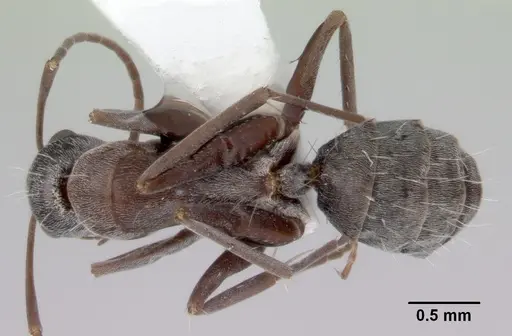
CASENT0172131
View on AntWeb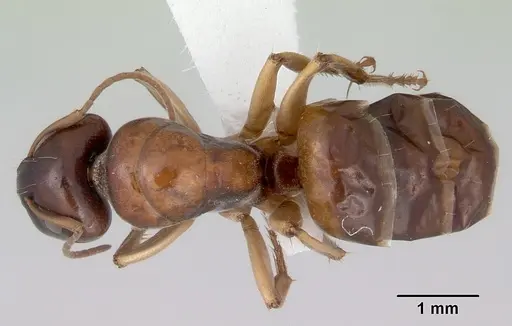
Literature
Loading distribution map...Loading products...