
Camponotus longicollis
- Sci. Name
- Camponotus longicollis
- Subgenus
- Myrmosaga
- Tribe
- Camponotini
- Subfamily
- Formicinae
- Author
- Rasoamanana <i>et al.</i>, 2017
- Distribution
- Found in 1 countries
Introduction
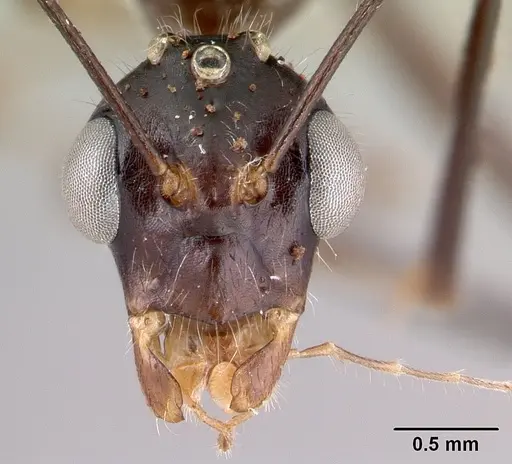
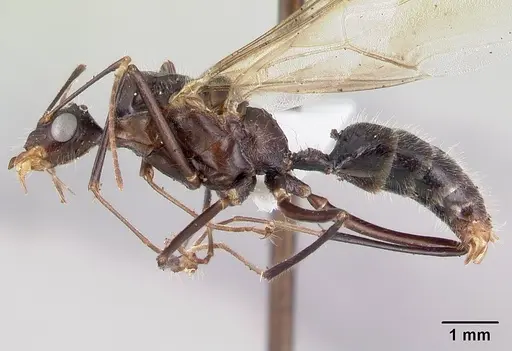
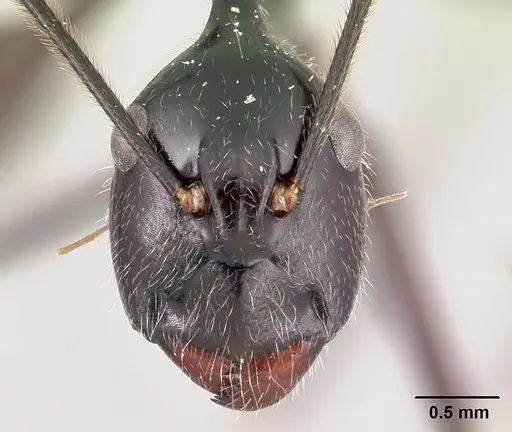
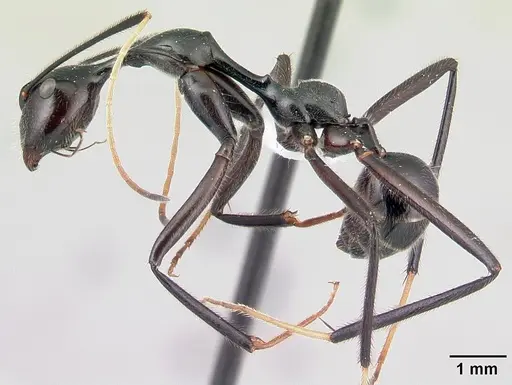
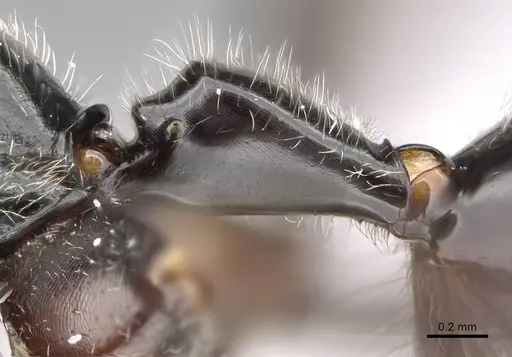
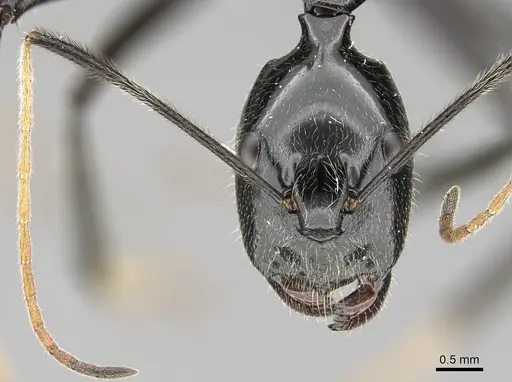
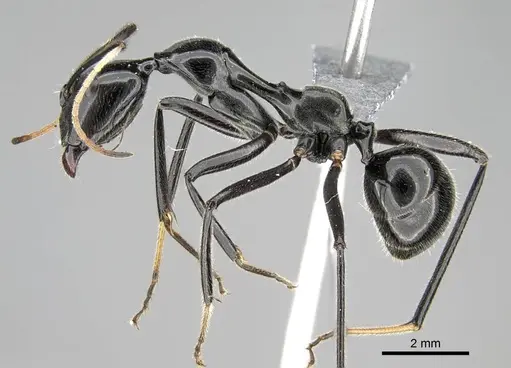
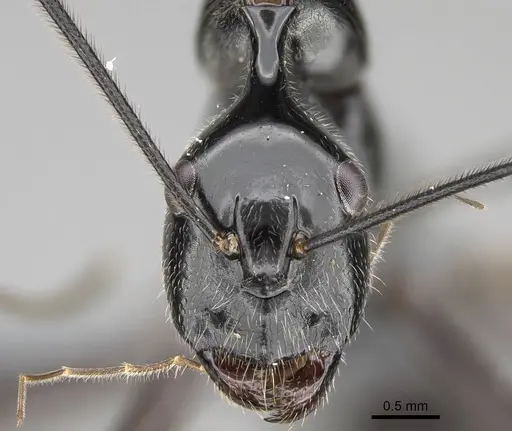
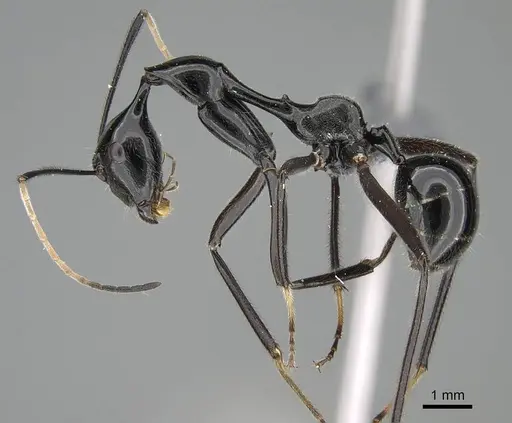
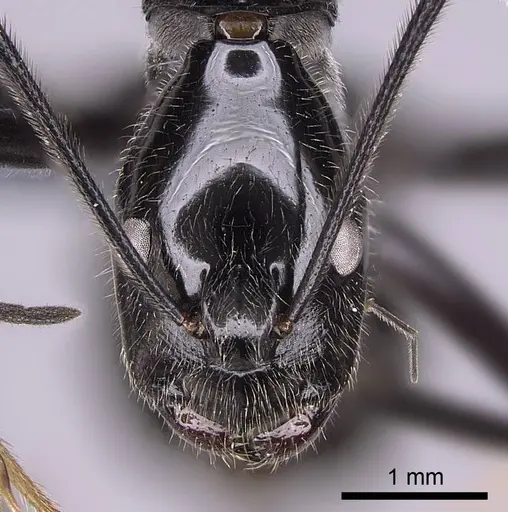
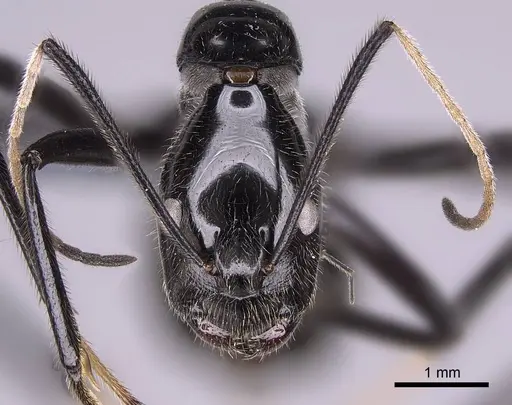
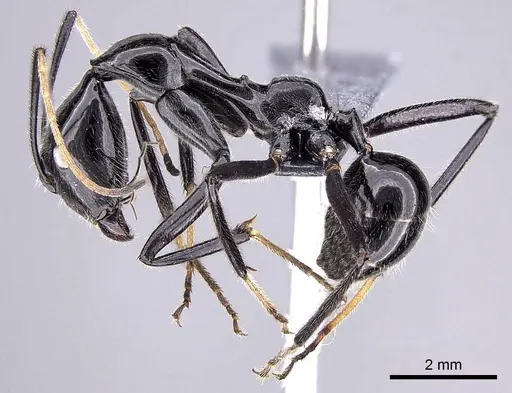
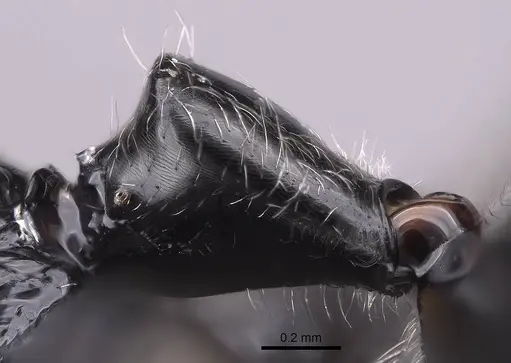
Camponotus longicollis is a small carpenter ant native to the rainforests of northwest Madagascar. Workers are small - minor workers around 4-5mm and major workers around 5-6mm in total length, inferred from Camponotus genus patterns. They get their name from their most distinctive feature - an elongated neck region that extends from the posterior part of the head . The body is dark brown to black, with lighter brown legs and antennae. The mesonotum is smooth and shiny while the head and pronotum have a microreticulate texture . This species has a fascinating behavioral trait: it mimics the appearance and foraging behavior of Aphaenogaster bressleri and related species in the Aphaenogaster swammerdami group. These Camponotus mimics are often seen foraging alongside their Aphaenogaster models, though the benefits of this mimicry have not been studied . This is one of four Camponotus species in Madagascar that have evolved to imitate these faster, more aggressive ants - a remarkable example of Batesian mimicry in the ant world.
Quick Summary
- Difficulty: Medium
- Origin & Habitat: Colobopsis longicollis is found only in the northwest Sambirano region of Madagascar, specifically at Réserve Spéciale de Manongarivo and the Mont Kalabenono and Mont Galoko mountain chains at elevations of 400-780 meters [7][8][9]. They live in rainforest habitats and have been collected from litter sifting and directly from rotten logs [10].
- Colony Type: Colony structure is unconfirmed. Queens have never been documented in the scientific literature [11].
- Size & Growth:
- Queen: Size data unavailable, queens have never been described in scientific literature [11].
- Worker: Minor workers: ~4-5mm total length (inferred from Camponotus genus). Major workers: ~5-6mm total length (inferred from Camponotus genus).
- Colony: Colony size data unavailable for this species.
- Growth: Growth rate is unconfirmed, no development data exists for this species.
- Development: Development timeline is unconfirmed for this species. (No direct development data exists. Camponotus species typically take several months from egg to first worker.)
- Antkeeping:
- Temperature: Keep around 22-26°C. This species comes from tropical rainforest Madagascar, so they need warmth. A heating cable on one side of the nest creates a temperature gradient they can choose from.
- Humidity: Keep substrate moderately moist. Since they nest in rotting wood in rainforest habitats, they prefer damp conditions. The nest material should feel damp but not waterlogged, with some drier areas available.
- Diapause: No, as a tropical species from Madagascar, they do not require hibernation. A slight temperature reduction during winter months (to around 18-20°C) may be beneficial but is not required.
- Nesting: In nature they nest in rotting wood logs [10]. In captivity, a Y-tong (AAC) nest or plaster nest works well. Keep the nest humid since they naturally live in damp rotten wood. Avoid completely dry setups.
- Behavior: These ants are relatively docile compared to many carpenter ants. They show classic Camponotus behavior, they are not aggressive but will defend if threatened. Workers are small so escape prevention is important, they can squeeze through small gaps. They forage both individually and in groups, and their mimicry of Aphaenogaster suggests they may be active foragers. They likely accept sugar sources and protein foods like most Camponotus species. As Formicinae ants, they lack a functional sting but can spray formic acid as a defense mechanism.
- Common Issues: queen status unknown, no documented queens means founding colonies may be challenging, escape risk due to small worker size, use fine mesh and tight-fitting barriers, limited scientific data, this is a newly described species with minimal research, humidity management is critical, they need damp nest conditions but not saturation, no development data available, growth expectations are uncertain
Nest Preferences
In the wild, Colobopsis longicollis nests in rotting wood logs in rainforest habitats [10]. The type specimen was collected from a rotten log in a rainforest at 498m elevation. This tells us they prefer damp, enclosed nesting spaces with some wood material.
For captive care, a Y-tong (AAC) nest or plaster nest works well. Keep the nest material consistently moist but not waterlogged, think damp forest floor, not swamp. You can provide a water reservoir connected to the nest to maintain humidity. Avoid completely dry setups since this species naturally lives in humid rainforest conditions.
Feeding and Diet
Like most Camponotus species, these ants are omnivorous. They likely collect honeydew from aphids and scale insects in nature, along with small insects and other protein sources. The fact that they mimic Aphaenogaster species suggests they are active foragers.
In captivity, offer sugar water or honey as a constant energy source. For protein, provide small insects like fruit flies, pinhead crickets, or mealworm pieces. Since workers are small, prey items should be appropriately sized. Most Camponotus species accept both sugar and protein, but since this specific species hasn't been studied, observe your colony's preferences and adjust accordingly. [6]
Temperature and Seasonal Care
As a tropical species from Madagascar, Colobopsis longicollis needs warm conditions. Aim for 22-26°C in the nest area. A heating cable placed on one side of the nest creates a gradient so workers can regulate their temperature by moving between warmer and cooler areas.
Regarding seasonal changes, this species comes from a tropical climate without harsh winters. They do not require a true hibernation diapause. However, a slight reduction in temperature during winter months (dropping to around 18-20°C) may help simulate natural seasonal cycles and could benefit colony health. Avoid cold drafts and keep them away from air conditioning vents that might drop temperatures too drastically. [6]
Behavior and Temperament
Colobopsis longicollis shows fascinating mimicry behavior, they imitate the appearance and foraging patterns of Aphaenogaster swammerdami group ants. This is one of four Malagasy Camponotus species that have evolved to look like these faster, more aggressive ants. In the wild, you may see them foraging alongside Aphaenogaster workers.
In captivity, they are relatively docile carpenter ants. They are not particularly aggressive but will defend their nest if threatened. Workers are small, so they pose minimal sting risk to humans. Their small size does mean they can escape through tiny gaps, use fine mesh and ensure all connections are sealed. They are moderately active and will explore their outworld regularly. [6]
The Mystery of the Queens
One of the most interesting aspects of Colobopsis longicollis is that queens have never been documented in the scientific literature. The original species description only covers workers (minor and major castes), and subsequent research has not described queen morphology [11]. This makes establishing colonies from wild-caught queens challenging since we don't know what to look for.
For antkeepers, this means founding colonies may require either finding dealate queens in the field (if you're in Madagascar) or obtaining established colonies from other keepers. If you do obtain a queen, provide a claustral founding setup with a small test tube setup, keep her warm (around 24-26°C), and leave her alone until workers emerge.
Frequently Asked Questions
How long does it take for Camponotus longicollis to produce first workers?
Direct development data doesn't exist for this species. Camponotus species typically take several months from egg to first worker, so expect a longer wait than faster-growing ant species. Patience is required.
Can I keep Camponotus longicollis in a test tube setup?
Yes, test tubes work well for founding colonies. Use a standard test tube setup with a water reservoir at one end, kept warm at 24-26°C. Once the colony reaches 20-30 workers, consider moving them to a Y-tong or plaster nest to accommodate their need for humidity.
What do Camponotus longicollis eat?
Like most carpenter ants, they are omnivorous. Offer sugar water or honey as a constant energy source, and protein foods like small insects (fruit flies, pinhead crickets, mealworm pieces) several times per week.
Are Camponotus longicollis good for beginners?
This species is rated as Medium difficulty. The limited scientific data and unknown queen morphology make it more challenging than established species like Camponotus floridanus or Lasius niger. Experienced antkeepers will have better success, but dedicated beginners can try with proper research.
Do Camponotus longicollis need hibernation?
No, as a tropical species from Madagascar, they do not require true hibernation. A slight temperature reduction during winter months (to around 18-20°C) may be beneficial, but avoid cold temperatures below 15°C.
Why do Camponotus longicollis look like different ants?
This species is a Batesian mimic, it has evolved to look like Aphaenogaster bressleri and related species in the Aphaenogaster swammerdami group. This mimicry likely provides protection from predators who avoid the faster, more aggressive Aphaenogaster ants. In the wild, you may see them foraging alongside their models.
How big do Camponotus longicollis colonies get?
Colony size data doesn't exist for this species. They are not among the largest carpenter ant species, but maximum colony size is unknown.
When should I move my colony to a formicarium?
Move them once they reach around 20-30 workers and the test tube is becoming crowded. A Y-tong (AAC) nest or plaster nest works well since they need humid conditions. Make sure the formicarium has appropriately sized chambers for their small workers.
Why is Camponotus longicollis so hard to find for sale?
This is a newly described species (2017) with a very limited range in northwest Madagascar. Few collectors work in that region, and the lack of described queens makes captive breeding challenging. Availability is rare compared to more established pet ant species.
Report an Issue
The current care sheet is based fully on literature. See inconsistencies, or something that's incorrect? Please , it will be resolved after review from an admin. Contributing to the blogs tab also helps providing information, to make us be able to further improve the caresheets. Thank you for your support!
References

This caresheet is licensed under CC BY-SA 4.0 .
Community Blogs
CASENT0191503
View on AntWeb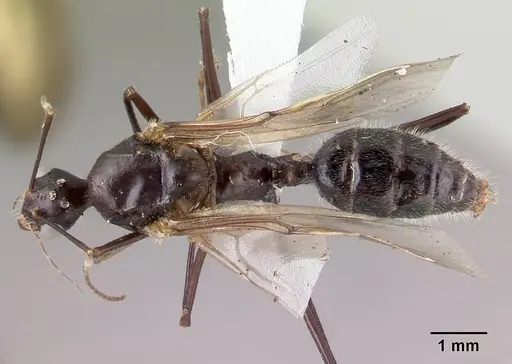
CASENT0191989
View on AntWeb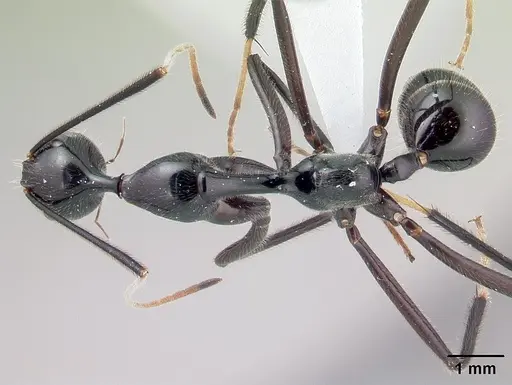
CASENT0300103
View on AntWeb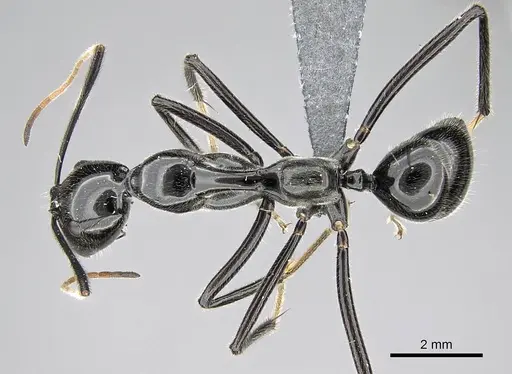
CASENT0370614
View on AntWeb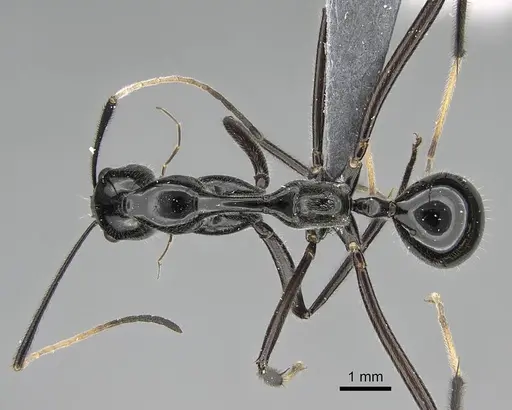
CASENT0763008
View on AntWeb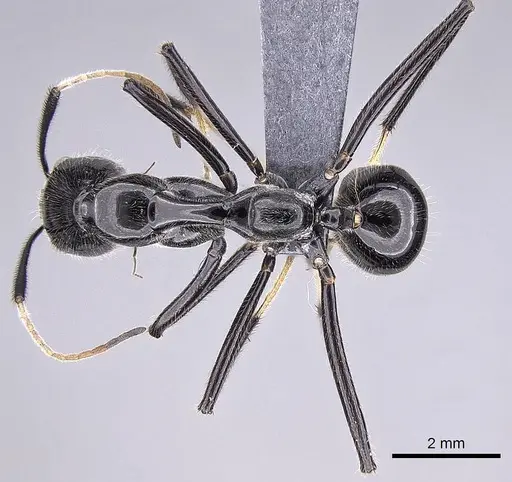
Literature
Loading distribution map...Loading products...