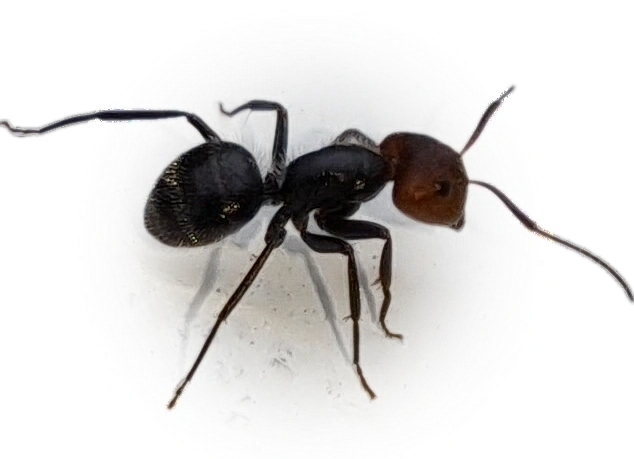
Camponotus lindigi
- Sci. Name
- Camponotus lindigi
- Subgenus
- Myrmobrachys
- Tribe
- Camponotini
- Subfamily
- Formicinae
- Author
- Mayr, 1870
- Distribution
- Found in 4 countries
Introduction
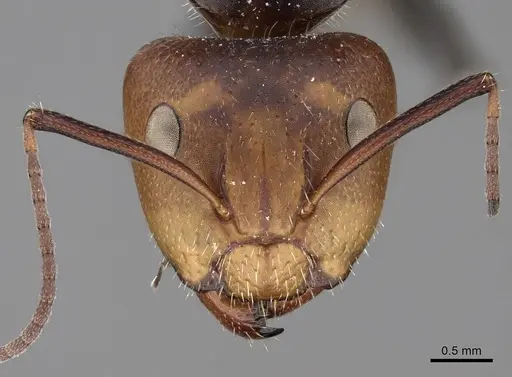
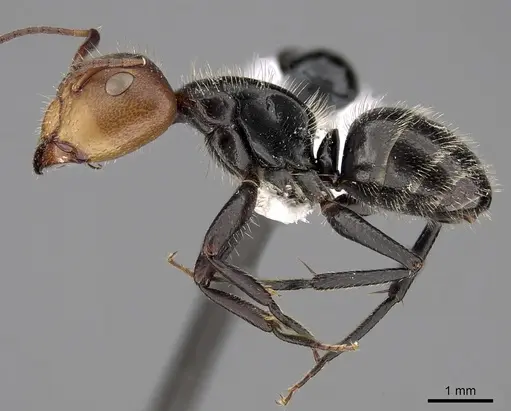
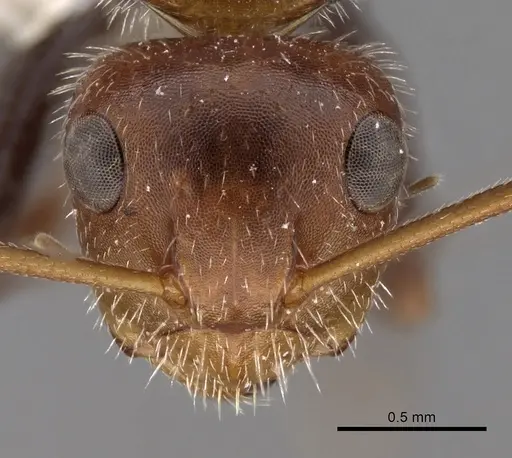
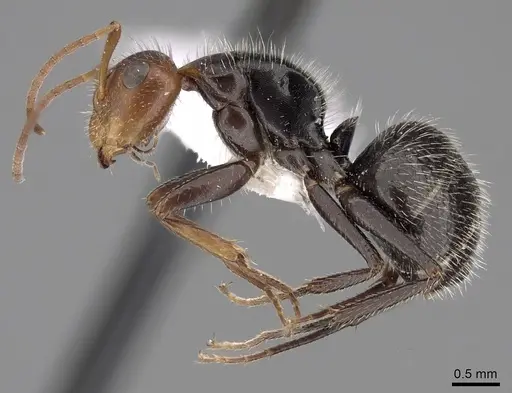
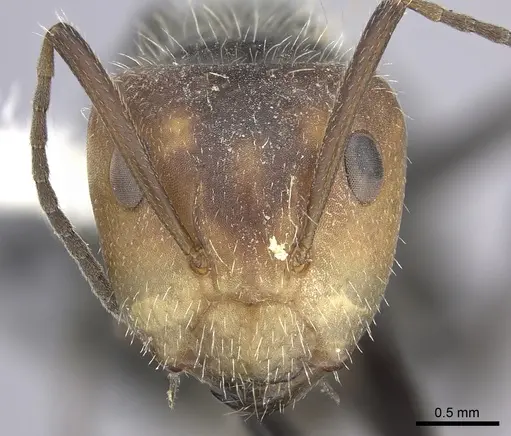
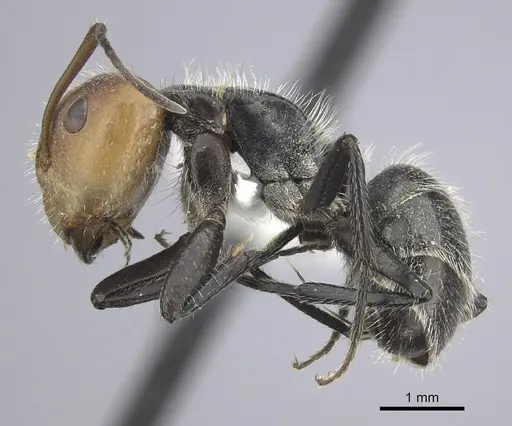
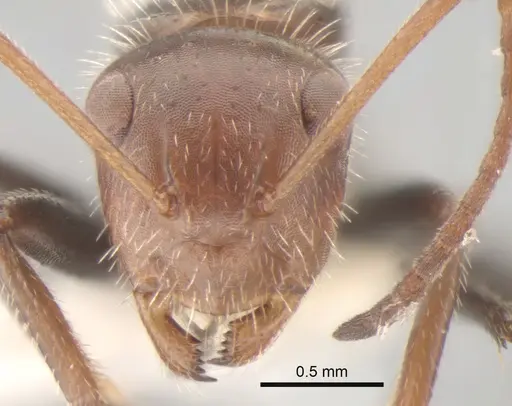
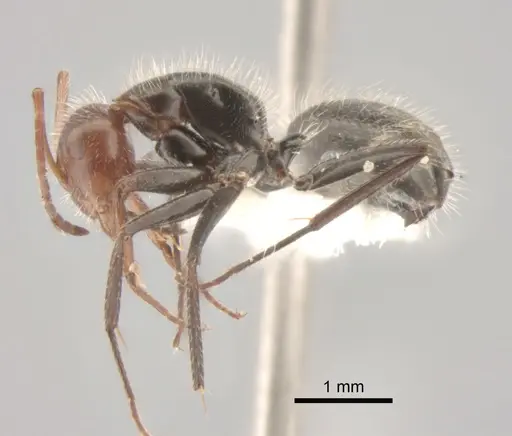
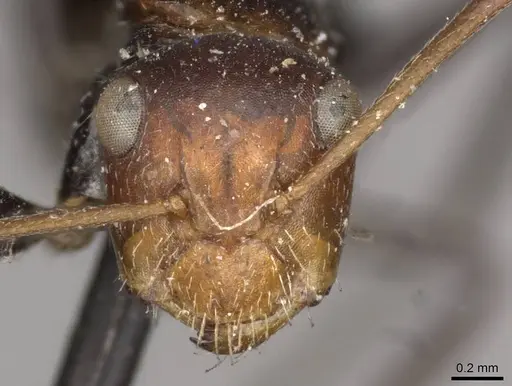
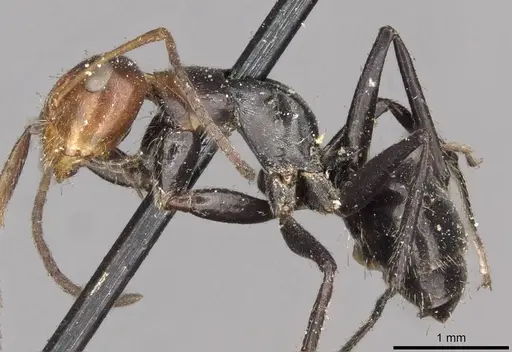
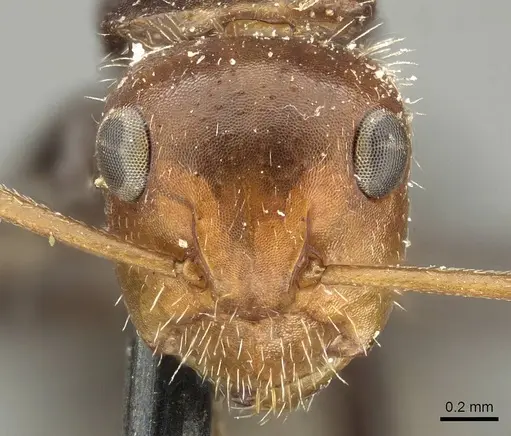
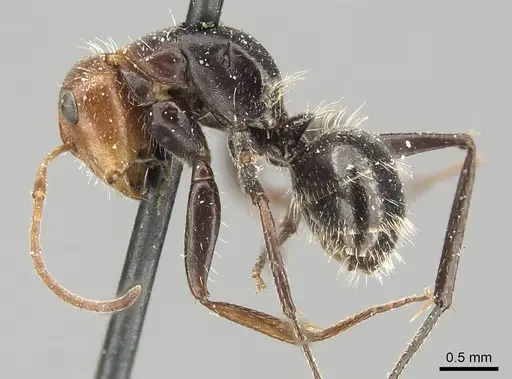
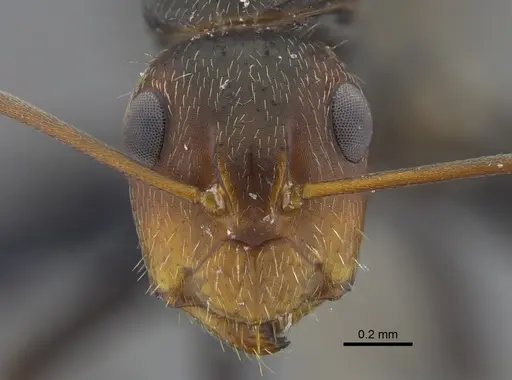
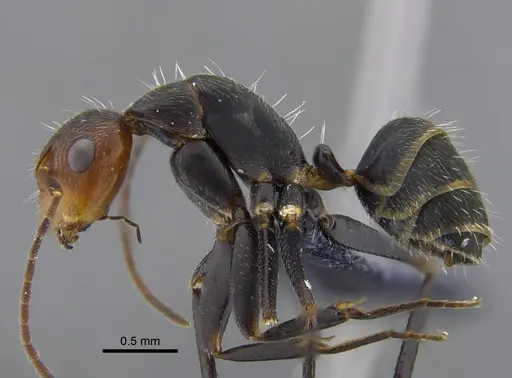
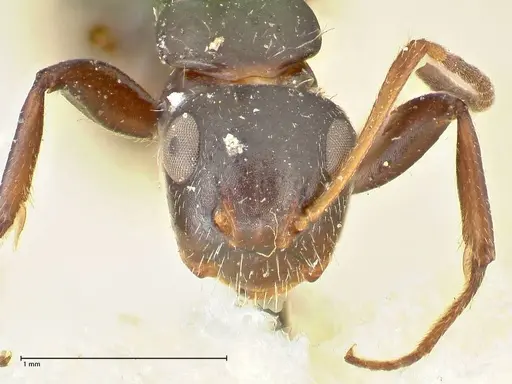
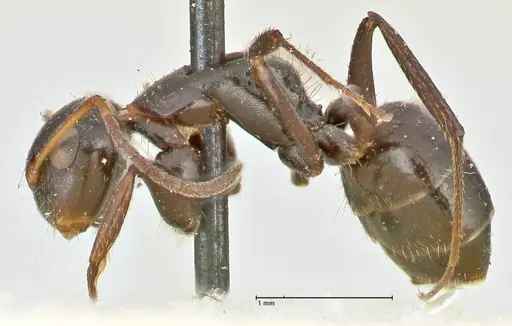
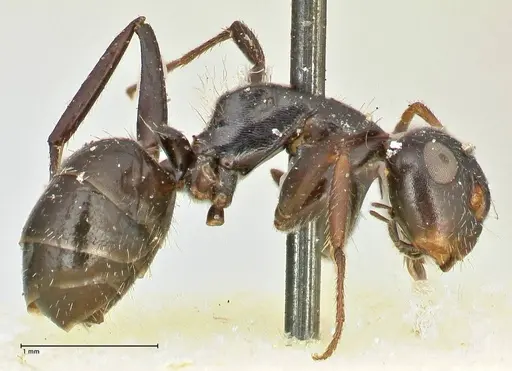
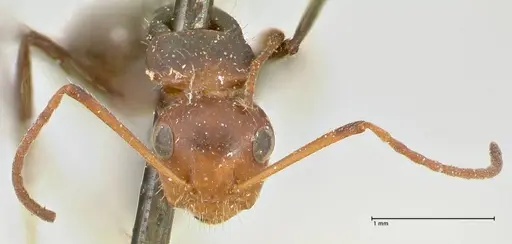
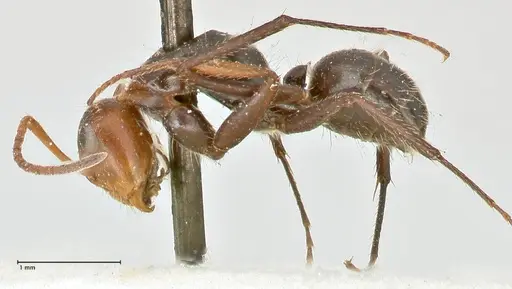
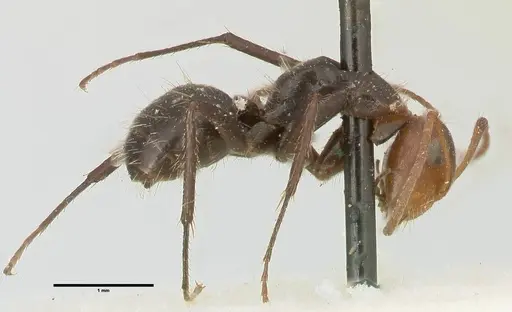
Camponotus lindigi is a small to medium-sized carpenter ant native to the Neotropical region, ranging from Mexico down to Brazil. Workers measure 3.4-6.5mm with a distinctive appearance - they have a red head and black body, with the largest workers (majors) showing red coloration extending onto part or all of the pronotum . This species belongs to the subgenus Myrmobrachys, which are typically arboreal ants. They are very common in Colombia where they are frequently found foraging on trees . In the wild, they nest in hollow twigs in arboreal vegetation and also make ground nests in shrubs and open areas . This is a patrol-type forager, actively searching for food along established routes .
Quick Summary
- Difficulty: Medium
- Origin & Habitat: Neotropical region, found from Mexico to Brazil, including Colombia, Costa Rica, Panama, Venezuela, Nicaragua, Honduras, Belize, and Caribbean islands like Trinidad and Tobago [2][3]. They inhabit tropical dry forests and are commonly found foraging on trees in both open areas and forest fragments [2][4].
- Colony Type: Colony structure is not extensively studied. Based on typical Camponotus patterns, this species likely forms single-queen colonies, but specific data is unavailable.
- Size & Growth:
- Queen: Size data unavailable, no specific measurements exist for this species
- Worker: 3.4-6.5mm, minor workers around 3.4mm, major workers up to 6.5mm [1]
- Colony: Estimated up to several hundred workers based on similar Myrmobrachys species
- Growth: Moderate, typical for tropical Camponotus
- Development: Estimated 6-8 weeks at optimal tropical temperatures (24-28°C) based on genus patterns (Development time is inferred from typical Camponotus patterns since specific data for this species is not available [4])
- Antkeeping:
- Temperature: Keep at 24-28°C. Being a tropical species, they need warm conditions year-round. A heating cable on one side of the nest creates a suitable gradient.
- Humidity: Moderate humidity around 60-70%. They tolerate some dryness but prefer slightly moist conditions. Provide a water tube as a moisture source.
- Diapause: No, being a tropical species, they do not require hibernation. Keep them warm year-round.
- Nesting: Use a Y-tong (AAC) or plaster nest with narrow to medium chambers. They naturally nest in hollow twigs and can adapt to these setups. Provide some damp substrate but avoid waterlogging.
- Behavior: These ants are moderately active foragers that patrol established routes. They are not particularly aggressive but will defend their nest if threatened. Workers vary significantly in size (3.4-6.5mm), with major workers serving as soldiers and foragers [1]. Escape prevention should be moderate, they are not strong climbers but can escape through small gaps. They accept sugar sources and protein prey.
- Common Issues: tropical species needs constant warmth, cold drafts can be fatal, arboreal nature means they prefer vertical space and climbing surfaces, limited specific biology data means keepers may need to adjust care based on colony behavior, major workers are large but still capable of escaping through standard barrier setups if gaps exist
Nest Preferences
Camponotus lindigi naturally nests in hollow twigs in trees and also makes ground nests in shrubs and open areas in their native Colombia [3][4]. For captivity, a Y-tong (AAC) or plaster nest works well. They prefer chambers that are appropriately scaled to their worker sizes, medium passages suit both minor and major workers. Since they are arboreal by nature, include climbing structures in the outworld. They do well in both naturalistic setups with twigs/branches and standard formicarium setups. Keep the nest slightly humid but ensure good ventilation to prevent mold.
Feeding and Diet
Like other Camponotus species, C. lindigi is omnivorous. They will accept sugar water, honey, or diluted maple syrup as an energy source. For protein, offer small insects like fruit flies, small crickets, or mealworms. In the wild, they forage on trees and likely collect honeydew from aphids and scale insects. Feed them protein prey 2-3 times per week and keep a constant sugar source available. Remove uneaten prey after 24-48 hours to prevent mold issues. Minor workers will handle food collection while major workers can tackle larger prey items. [2]
Temperature and Care
As a tropical Neotropical ant, C. lindigi needs warm temperatures between 24-28°C. Being found in Colombia, Costa Rica, Panama, and similar regions, they are accustomed to year-round warmth without cold winters [3]. Use a heating cable on one side of the nest to create a temperature gradient, placing it on top of the nest to avoid evaporating moisture. Room temperature may be sufficient if your home stays in the low-mid 20s°C, but monitor colony activity, if workers become sluggish, provide gentle heating. Do not allow temperatures to drop below 20°C for extended periods. No hibernation or diapause is required.
Behavior and Temperament
This species is classified as a 'Patrol Camponotine', they actively patrol established foraging routes rather than randomly searching [5]. Workers vary significantly in size, with majors reaching 6.5mm and minors around 3.4mm [1]. They are not particularly aggressive but will defend their colony if threatened. They are moderately active and will explore their outworld regularly. Provide them with a properly sized outworld with climbing surfaces since they naturally forage on vertical surfaces in trees.
Colony Development
Specific development data for C. lindigi is not documented in scientific literature [4], so care is based on typical Camponotus patterns. Expect the queen to lay eggs after mating, with eggs developing through larval and pupal stages over approximately 6-8 weeks at optimal temperatures. The first workers (nanitics) will be smaller than mature workers. Growth rate is moderate, colonies will expand gradually over months. Major workers appear as the colony grows and serve as soldiers and heavy-duty foragers. A well-established colony may reach several hundred workers over 1-2 years under good conditions.
Range and Distribution
Camponotus lindigi has a wide Neotropical distribution spanning from Mexico through Central America (Honduras, Nicaragua, Costa Rica, Panama) and into South America (Colombia, Venezuela, Brazil) [2][3]. They are particularly common in Colombia, found in multiple departments including Magdalena, Antioquia, Sucre, Boyacá, Cundinamarca, Chocó, Valle del Cauca, Tolima, and Huila [2]. They occur at various elevations from sea level up to at least 550m in Santafe de Antioquia [6]. This broad distribution across tropical regions indicates adaptability to different local conditions within the Neotropics.
Frequently Asked Questions
How long does it take for Camponotus lindigi to produce first workers?
Based on typical Camponotus development patterns, expect first workers (nanitics) to emerge in approximately 6-8 weeks after the queen lays eggs at optimal temperatures of 24-28°C. This timeline is estimated since specific development data for this species has not been documented.
What size nest should I use for Camponotus lindigi?
A Y-tong (AAC) or plaster nest with medium-sized chambers works well. They naturally nest in hollow twigs, so chambers should accommodate both small minors (3.4mm) and large majors (6.5mm). A formicarium with multiple connected chambers allows for expansion as the colony grows.
Do Camponotus lindigi ants need hibernation?
No, they do not require hibernation. Being a tropical species from the Neotropical region, they need warm temperatures year-round (24-28°C). Do not expose them to cold temperatures or simulate winter conditions.
What do Camponotus lindigi eat?
They are omnivorous like other carpenter ants. Offer sugar sources (honey, sugar water, maple syrup) constantly for energy, and protein prey (small insects like fruit flies, crickets, mealworms) 2-3 times per week. They likely also collect honeydew in the wild.
Are Camponotus lindigi good for beginners?
They are rated as medium difficulty. They are more challenging than beginner species like Lasius because they need constant warmth and have specific arboreal nesting preferences. However, they are not as difficult as some exotic species. Expect a learning curve if you are new to antkeeping.
How big do Camponotus lindigi colonies get?
Based on similar Myrmobrachys species, colonies likely reach several hundred workers over 1-2 years. The size variation in workers (3.4-6.5mm) means majors appear as the colony grows and serve as soldiers.
Can I keep multiple Camponotus lindigi queens together?
Specific colony structure data is not available for this species. Based on typical Camponotus patterns, single-queen colonies are most common. Combining unrelated queens is not recommended as they will likely fight. Only keep one queen per colony.
Where is Camponotus lindigi found in the wild?
They range from Mexico to Brazil, commonly found in Colombia, Costa Rica, Panama, Venezuela, and other Neotropical countries. They inhabit tropical dry forests and are often found foraging on trees in open areas and forest fragments.
Why is my Camponotus lindigi colony not growing?
Check temperature first, they need 24-28°C consistently. Also ensure they have adequate protein food and sugar sources. Poor growth can result from too-cold temperatures, insufficient feeding, or low humidity. Since specific biology data is limited for this species, observe your colony's preferences and adjust accordingly.
Report an Issue
The current care sheet is based fully on literature. See inconsistencies, or something that's incorrect? Please , it will be resolved after review from an admin. Contributing to the blogs tab also helps providing information, to make us be able to further improve the caresheets. Thank you for your support!
References

This caresheet is licensed under CC BY-SA 4.0 .
Community Blogs
CASENT0249615
View on AntWeb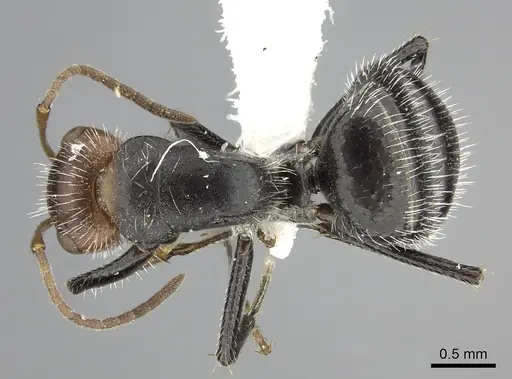
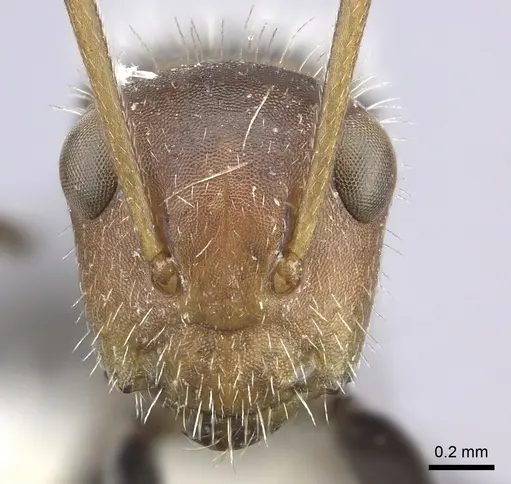
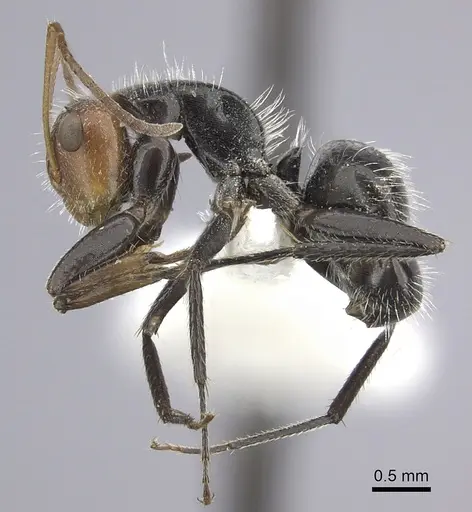
CASENT0280113
View on AntWeb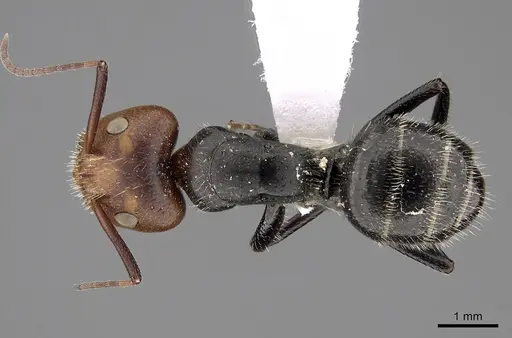
CASENT0280114
View on AntWeb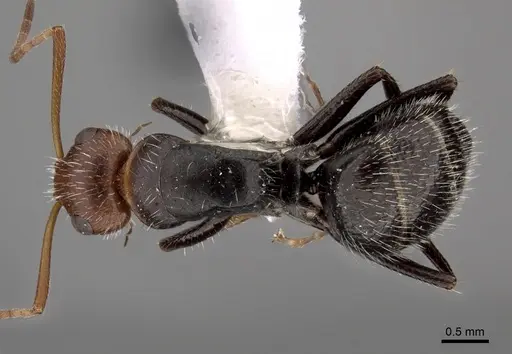
CASENT0619234
View on AntWeb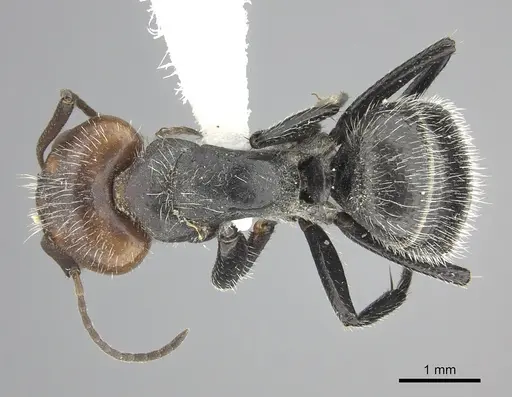
CASENT0882306
View on AntWeb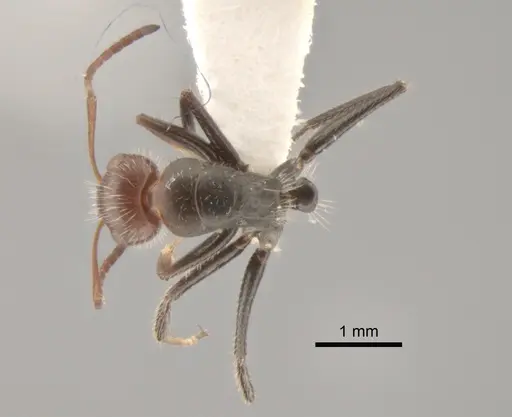
CASENT0910702
View on AntWeb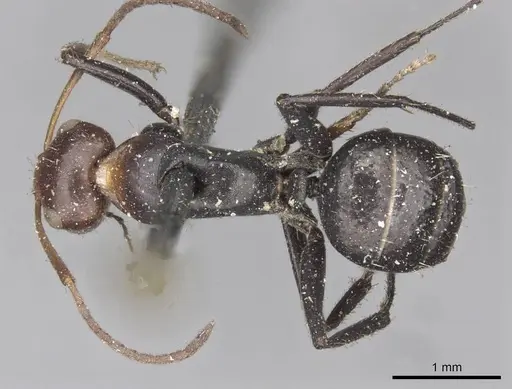
CASENT0915795
View on AntWeb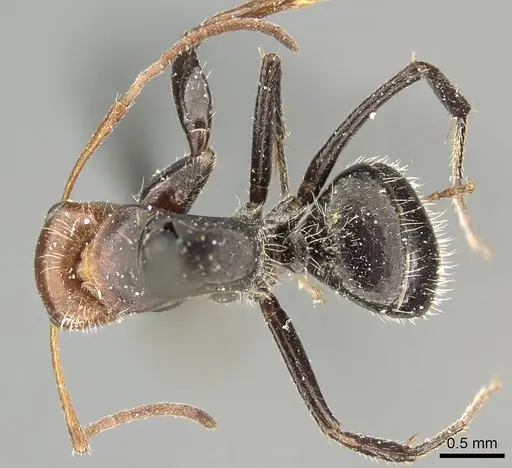
CASENT0923536
View on AntWeb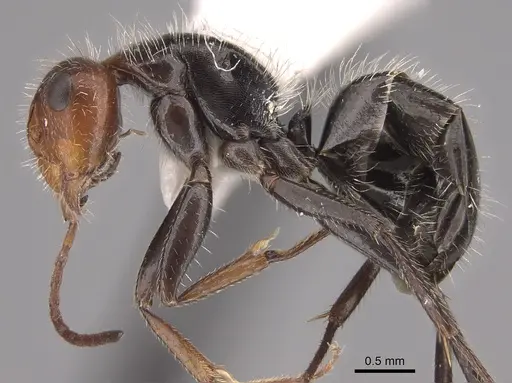
CBUMAGENT41782
View on AntWeb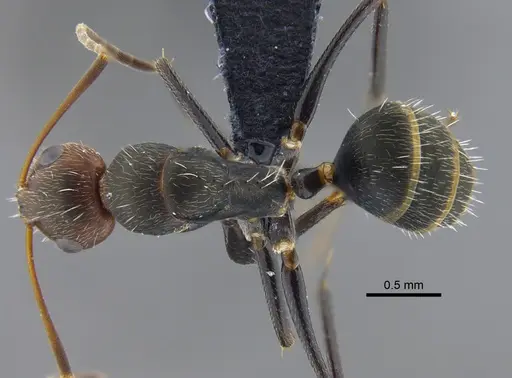
FOCOL2459
View on AntWeb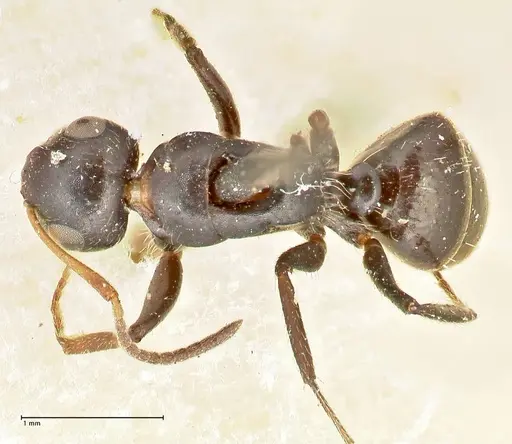
FOCOL2460
View on AntWeb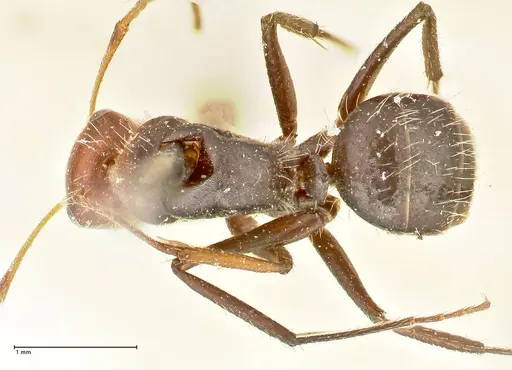
Literature
Loading distribution map...Loading products...