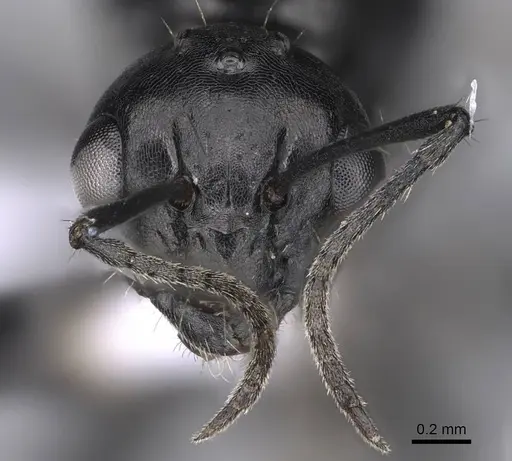
Camponotus lateralis exhibits a clear seasonal flight window. Peak flight activity is concentrated in May, with the overall period spanning April to May. The concentrated timeframe makes peak months critical for sightings.
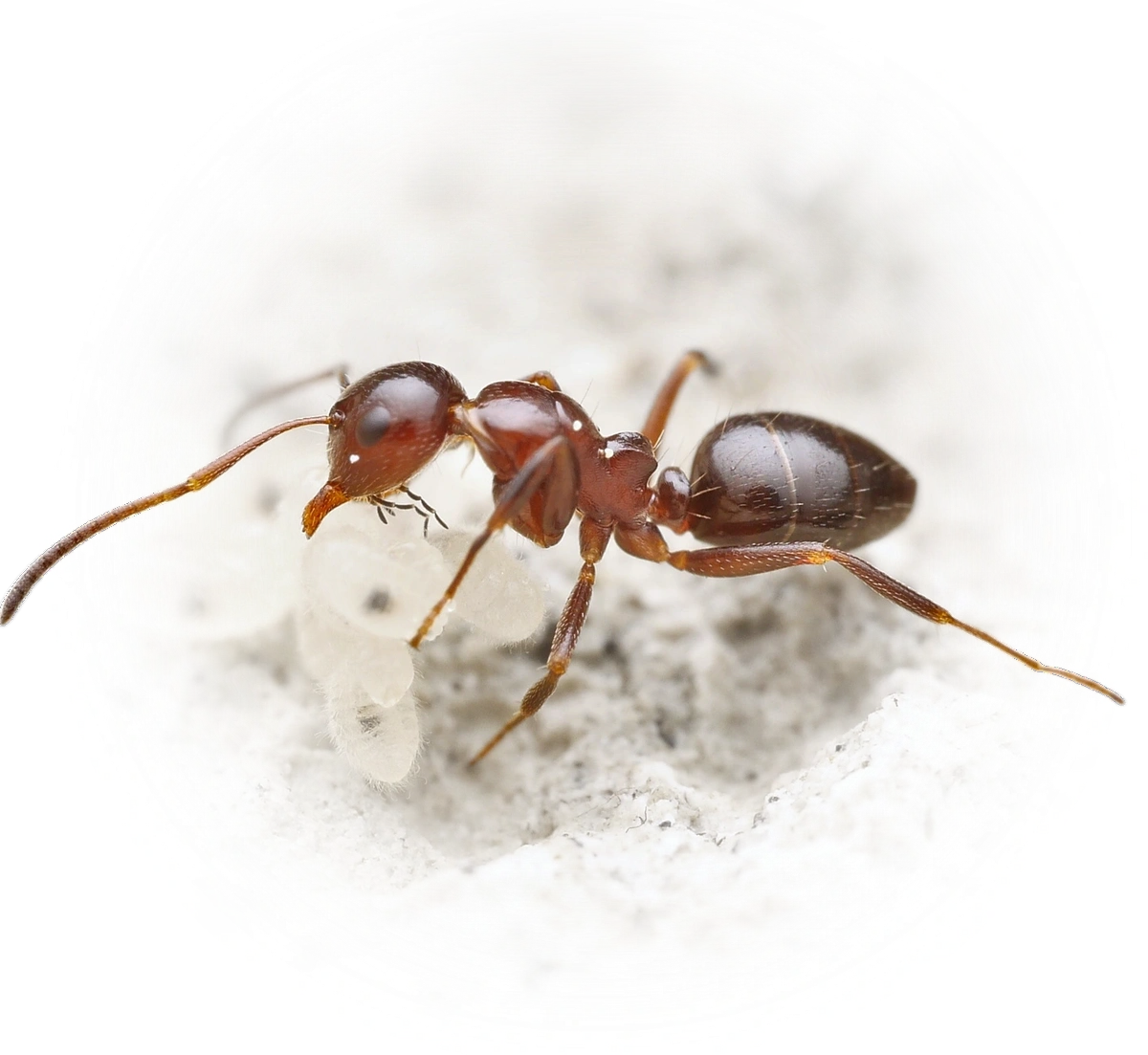
Camponotus lateralis
- Sci. Name
- Camponotus lateralis
- Subgenus
- Myrmentoma
- Tribe
- Camponotini
- Subfamily
- Formicinae
- Author
- Olivier, 1792
- Distribution
- Found in 10 countries
- Nuptial Flight
- From April to May
- Peak flight Time
- 13:00
AI Identifiable
try →
Introduction
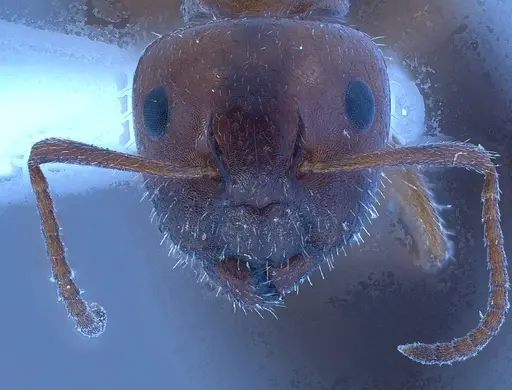
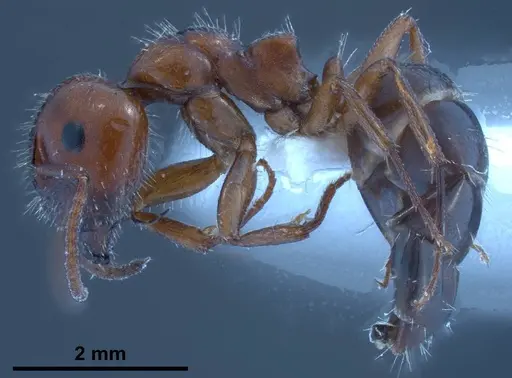
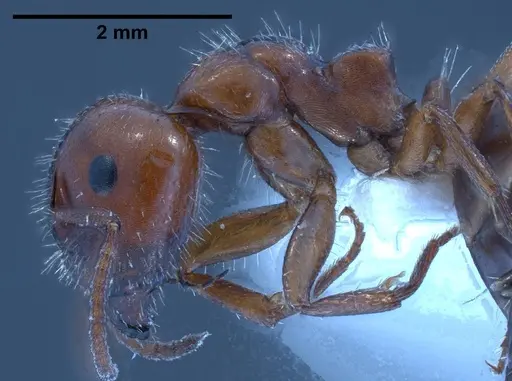
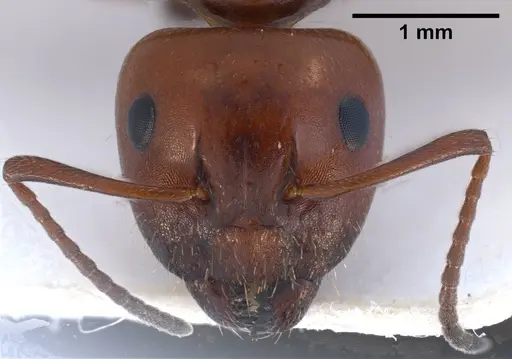
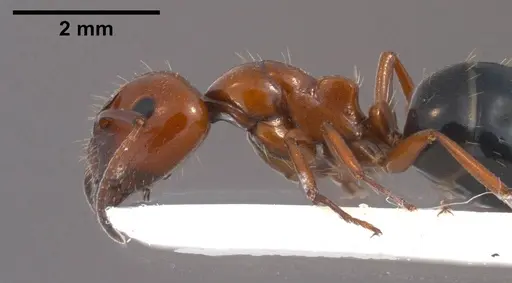
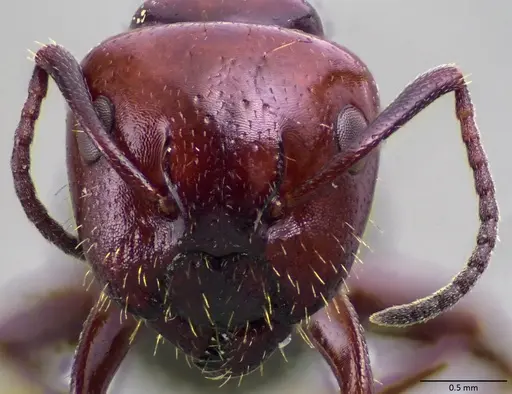
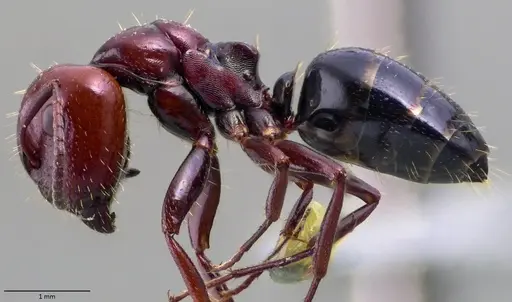
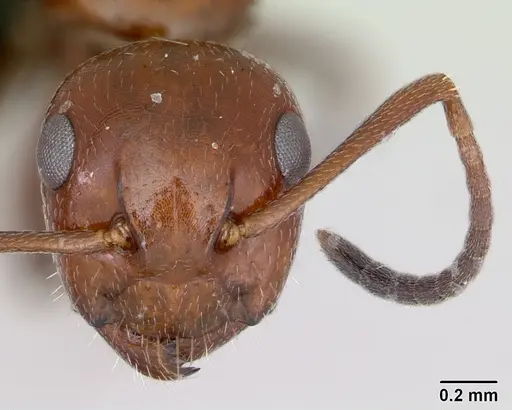
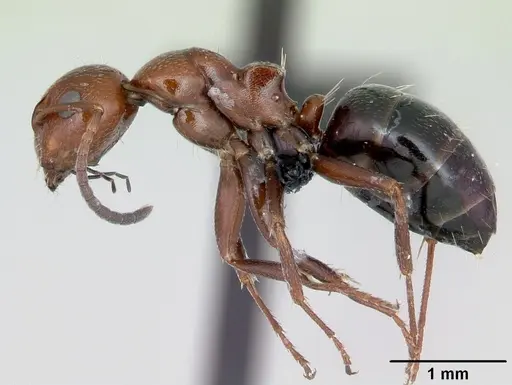
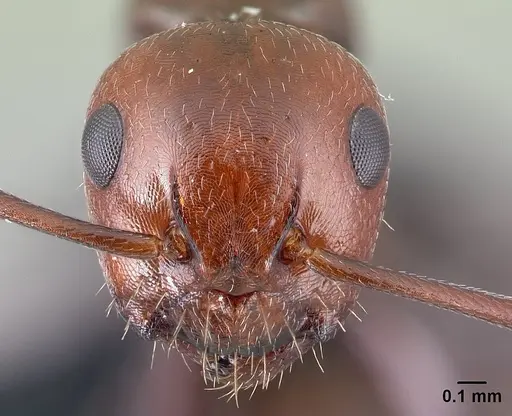
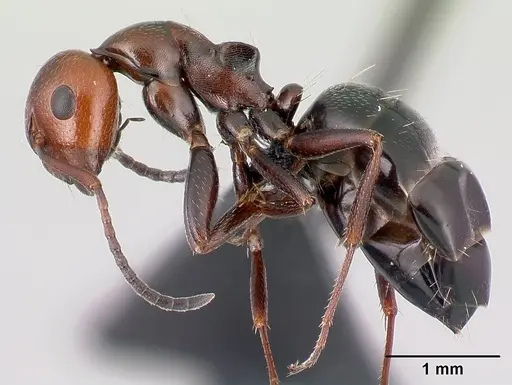
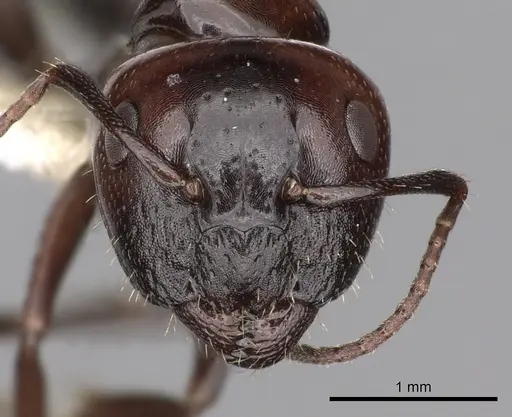
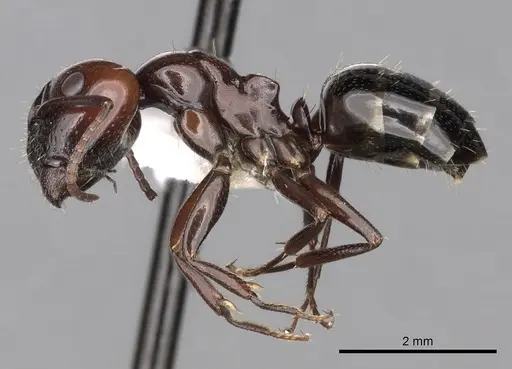
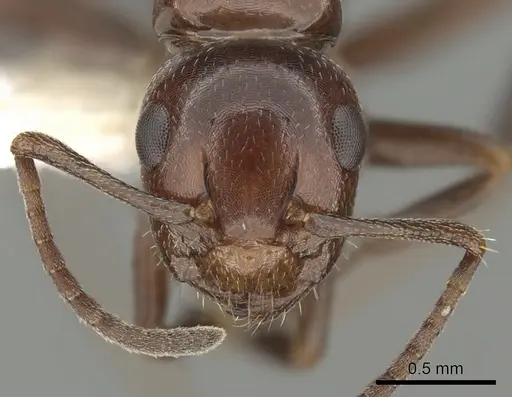
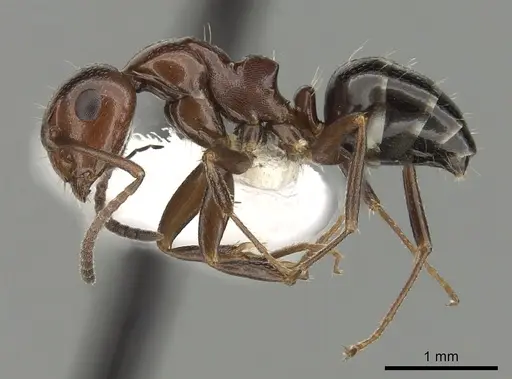
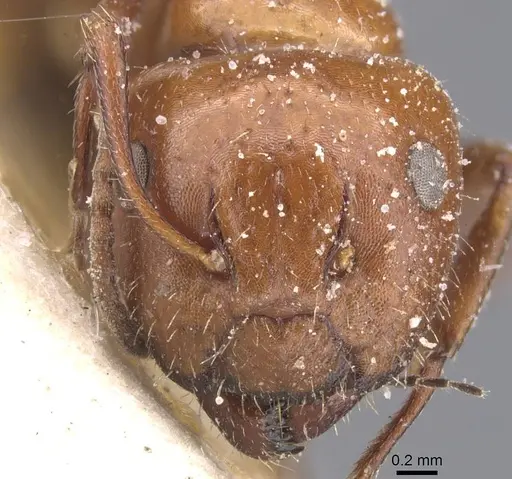
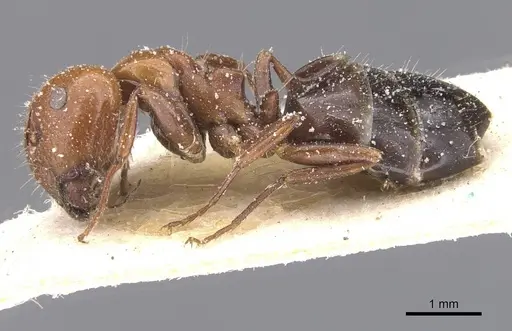
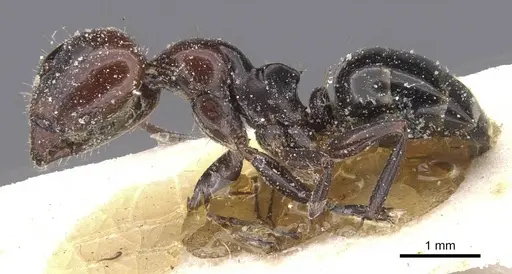
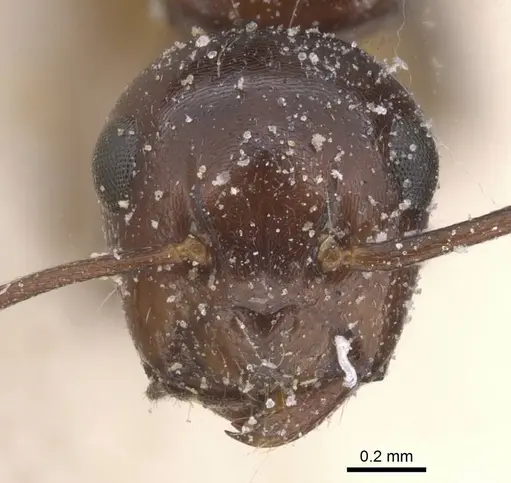
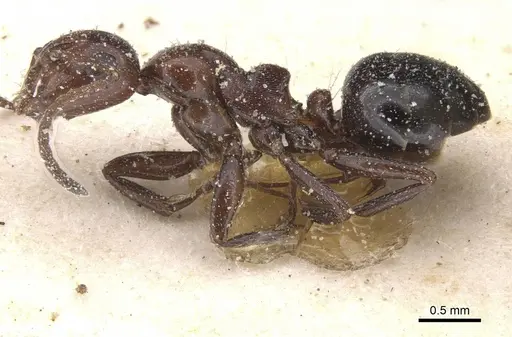
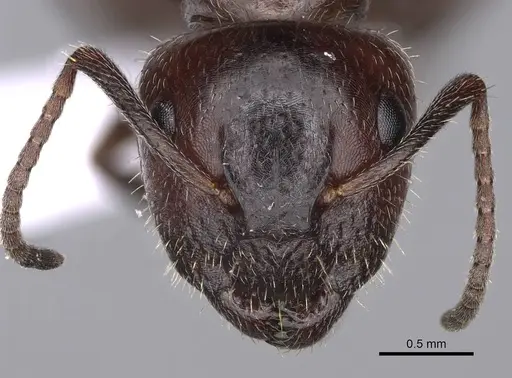
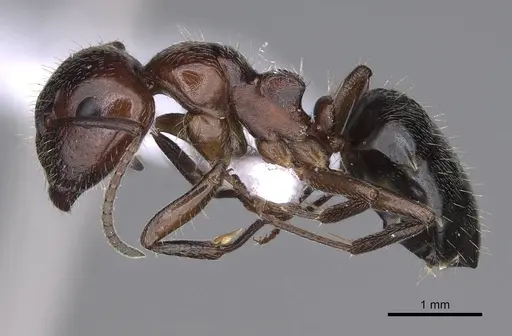
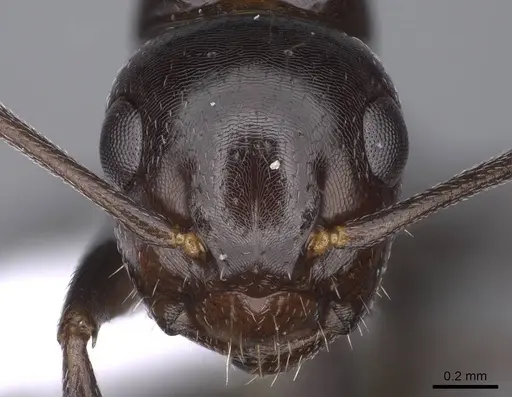
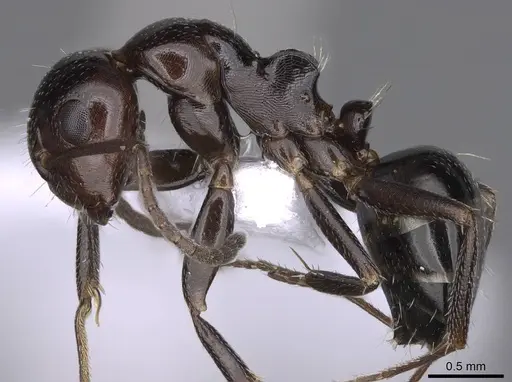
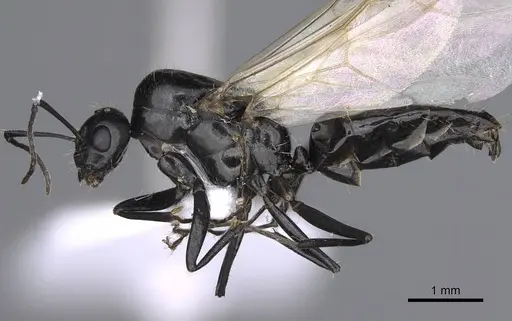
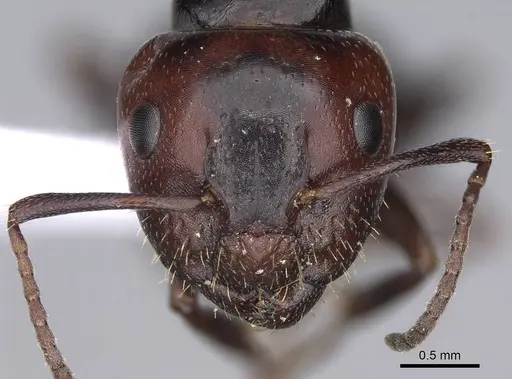
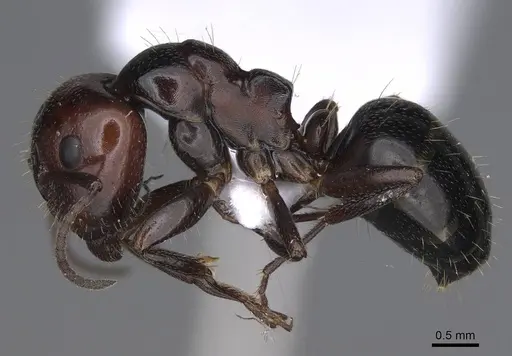
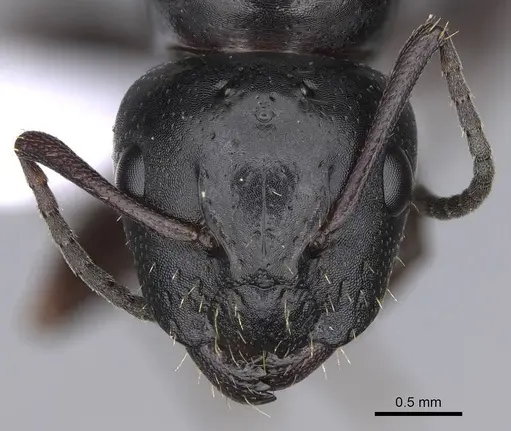
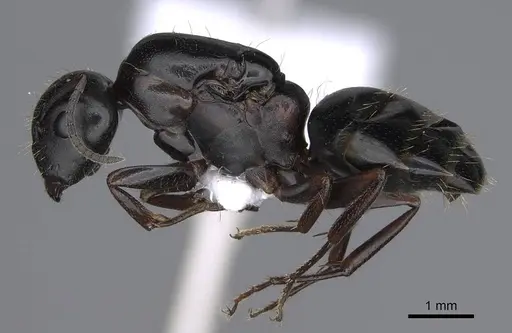
Camponotus lateralis is a moderately large, polymorphic carpenter ant found across the Mediterranean region and into central Europe, the Caucasus, and northwest Africa. Workers range from 3.9-7.0mm total length with distinct minor and major castes. The body shows striking color variation - the head and mesosoma range from yellowish-red to dark brown, while the gaster is always dark brown to black, creating a bicolored appearance that serves a crucial survival function. This species is famous for its Batesian mimicry, copying the coloration of the aggressive Crematogaster scutellaris to gain protection without doing the hard work of defending itself. These ants are arboreal foragers that nest primarily in dead wood, including fallen branches and tree stumps, though they also nest under stones and in rock crevices. They feed heavily on honeydew from aphids and scale insects, often climbing into trees and shrubs to tend these sap-sucking insects .
Quick Summary
- Difficulty: Easy
- Origin & Habitat: Mediterranean Europe, from Portugal and Spain east to Turkey, Crimea, and the Caucasus, also northwest Africa. Inhabits warm, dry areas with deciduous trees and shrubs, typically below 500m elevation but found up to 1100m. Nests in dead wood, under stones, and in rock crevices on sunny walls [2][4].
- Colony Type: Single-queen colonies (monogyne). Colonies are small to moderate, typically reaching a few hundred workers. The species is recorded as polygynous in some areas of Crete, where multiple queens have been observed in nests [5].
- Size & Growth:
- Queen: ~8-10 mm, size data unavailable for this species, inferred from related Camponotus species [6]
- Worker: ~3.9-7.0 mm total length [1]
- Colony: Up to 700 workers in mature colonies, with mean nest population around 105 workers [7]
- Growth: Moderate
- Development: Development timeline is unconfirmed for this species. Based on typical Camponotus patterns, expect 6-10 weeks at warm temperatures. (Development is temperature-dependent. First workers (nanitics) are smaller than normal majors.)
- Antkeeping:
- Temperature: Keep at 22-26°C. This is a warmth-loving Mediterranean species that tolerates high temperatures well. Room temperature (20-24°C) is acceptable but will result in slower growth [8][9].
- Humidity: Moderate humidity. Provide a water tube for drinking and maintain slight moisture in the nest. These ants naturally inhabit relatively dry Mediterranean environments but need access to water.
- Diapause: Not required. As a Mediterranean species from warm climates, they do not need hibernation. A slight winter slowdown at 15-18°C is optional but not necessary.
- Nesting: Prefers nests in dead wood, fallen branches, stumps, or wood inserts. In captivity, Y-tong nests with wood chambers work well, or test tubes with a wooden dowel insert. Avoid completely artificial setups without any wood element [7].
- Behavior: Extremely peaceful and submissive. This ant never shows aggression and always flees from confrontations with other species. It survives by mimicking the aggressive Crematogaster scutellaris and following their trails for protection, a classic example of Batesian mimicry. Workers are diurnal and actively forage during daylight hours, especially in the warmer parts of the day. They are excellent climbers and spend significant time in trees and shrubs tending aphids for honeydew. Escape risk is moderate, they are not particularly small but can climb well, so standard barrier methods work fine [10][3].
- Common Issues: colonies can fail if stressed by cold, keep warm, wild-caught colonies may carry parasites that affect survival in captivity, small colony size means slower population growth than more prolific species, may be displaced by aggressive invasive ants like Linepithema humile in captivity if housed in shared spaces, nests in wood can dry out, monitor moisture levels
Nuptial Flight Activity Analysis 285 observations
Flight Activity by Hour 285 observations
Camponotus lateralis nuptial flight activity peaks around 13:00 during the late morning to early afternoon. Activity is spread across a 13-hour window (08:00–20:00). A secondary activity peak occurs around 11:00. Times may be influenced by human observation patterns.
Housing and Nest Setup
Camponotus lateralis does best in nests that mimic their natural wood-dwelling preference. Y-tong (AAC) nests with wood insert or naturalistic setups with cork and dead wood work excellently. You can also use test tubes with a small wooden dowel or popsicle stick as an insert, which satisfies their preference for wood substrates. Studies show 94% of nests are in different kinds of wood (dead branches 1-10 cm thickness lying on ground), mostly in oak or pine trees. Only 6% are found in stone walls or soil. The colony does not need large spaces, these are modest colony size ants that prefer snug chambers. Provide a water tube connected to the nest for drinking water, as they need constant access. Since they are arboreal foragers, include an outworld with some vertical space or branches where they can forage. Escape prevention is straightforward, they are not tiny and cannot squeeze through gaps like some ant species. Standard fluon barriers on smooth surfaces work well [7].
Feeding and Diet
These ants are primarily honeydew feeders, they farm aphids and scale insects for the sweet secretions. In captivity, offer sugar water (1:3 ratio) or honey water constantly. They also readily accept protein foods like small crickets, mealworms, or other insects. Fruit flies and fruit pieces are also taken. Unlike some Camponotus species, C. lateralis is not particularly aggressive and won't take down large prey, keep prey items small and appropriate to worker size. Feed protein 2-3 times per week for growing colonies, and always have sugar water available. They are diurnal foragers, so offer food during daylight hours for best acceptance. Studies show they are associated with various aphid species including Aphis spiraecola and others [3][8][11].
Temperature and Seasonal Care
As a Mediterranean species, Camponotus lateralis thrives in warmth. Keep the nest area at 22-26°C, they can tolerate even higher temperatures better than most Camponotus species. Studies show this is the most thermophilic among Camponotus species in their range. A heating cable on one side of the nest creates a nice temperature gradient. Room temperature is acceptable but will result in slower growth. They do not require hibernation, this is a warm-climate species. If you want to simulate seasons, a brief cool period at 15-18°C in winter is optional but not necessary. Avoid temperatures below 15°C for extended periods. High humidity is not required, but they do need access to water [8][9].
Behavior and Colony Dynamics
This species is famous for its peaceful nature and clever survival strategy. Camponotus lateralis mimics the appearance of Crematogaster scutellaris, the aggressive acrobat ant, and follows their trails to access food sources while avoiding confrontation. Studies show about 27% of C. lateralis workers can be found on Crematogaster trails. When encountering Crematogaster workers, they sidestep and retreat rather than fight. Colonies are small, typically under 200 workers, with a single queen. Major workers have larger heads and serve as defenders, sometimes blocking nest entrances with their heads. Workers are diurnal and very active during warm parts of the day, studies show 95.2% diurnal activity. The colony grows moderately. Nest densities reach 1.7-2.4 nests per 100m² in suitable habitats [10][3][7][8].
Mimicry and Trail-Following
One of the most fascinating aspects of C. lateralis is its Batesian mimicry. The ant has evolved to resemble Crematogaster scutellaris in coloration, both have a reddish head and dark gaster. This mimicry allows C. lateralis workers to follow Crematogaster trails without being attacked. Studies show about 27% of C. lateralis workers can be found on Crematogaster trails, using their host's pheromone trails to find food. The mimicry is so effective that these two species can share trees without conflict. Research shows 79% of nests are putatively associated with Crematogaster, and colonies near Crematogaster nests have 2.2 times higher worker populations and are more likely to produce alates. Major workers are significantly underrepresented on trails compared to their proportion in the colony [1][10][3][7].
Frequently Asked Questions
How long does it take for Camponotus lateralis to go from egg to worker?
Development timeline is unconfirmed for this species. Based on typical Camponotus patterns, expect 6-10 weeks from egg to first worker at optimal temperatures (22-26°C). The first workers (nanitics) will be smaller. Growth is slower at room temperature.
Do Camponotus lateralis ants need hibernation?
No, they do not require hibernation. As a Mediterranean species, they prefer warm conditions year-round. A slight winter cooldown is optional but not necessary.
What do Camponotus lateralis eat?
They are primarily honeydew feeders. Offer sugar water or honey water constantly, plus protein sources like small insects (fruit flies, pinhead crickets, mealworms) 2-3 times per week.
Are Camponotus lateralis aggressive?
No, they are extremely peaceful and submissive. Studies show they never show aggression and always flee from conflicts. Their survival strategy is mimicry and trail-following rather than fighting.
How big do Camponotus lateralis colonies get?
Colonies are small to moderate. Most colonies reach 50-200 workers, with maximum recorded around 700 workers in optimal conditions.
What type of nest is best for Camponotus lateralis?
They prefer wood-based nests. Y-tong nests with wood insert, or test tubes with a wooden dowel work well. Avoid fully artificial setups without any wood element. Studies show 94% of natural nests are in dead wood.
Can I keep multiple Camponotus lateralis queens together?
This species is primarily monogyne, single queen colonies are standard. However, polygynous colonies have been recorded in Crete, so occasional multiple-queen colonies may be possible.
Why does my Camponotus lateralis follow other ants?
This is their natural behavior! They follow Crematogaster species to access food sources while benefiting from the aggressive species' protection, a clever survival strategy called Batesian mimicry. About 27% of workers can be found on Crematogaster trails.
Are Camponotus lateralis good for beginners?
Yes, they are beginner-friendly. They are peaceful, don't require hibernation, and have straightforward housing needs. Their main drawback is slower colony growth compared to some species.
When is the nuptial flight of Camponotus lateralis?
The nuptial flight of Camponotus lateralis typically occurs From April to May.
What time of day does Camponotus lateralis fly?
The nuptial flight of Camponotus lateralis peaks around 13:00 during the late morning to early afternoon, with most activity between 08:00 and 20:00. Times may be influenced by human observation patterns.
Report an Issue
The current care sheet is based fully on literature. See inconsistencies, or something that's incorrect? Please , it will be resolved after review from an admin. Contributing to the blogs tab also helps providing information, to make us be able to further improve the caresheets. Thank you for your support!
References

This caresheet is licensed under CC BY-SA 4.0 .
Community Blogs
ANTWEB1038013
View on AntWeb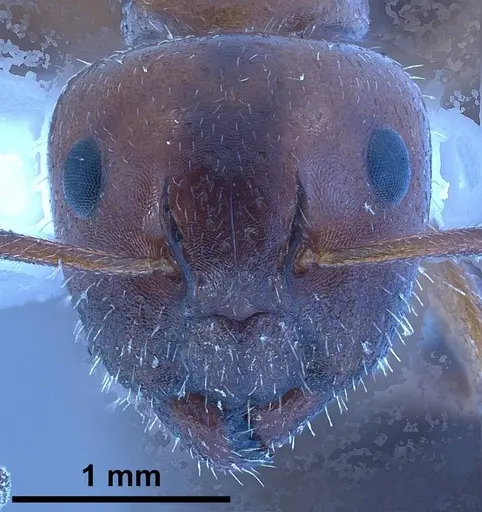
ANTWEB1038014
View on AntWeb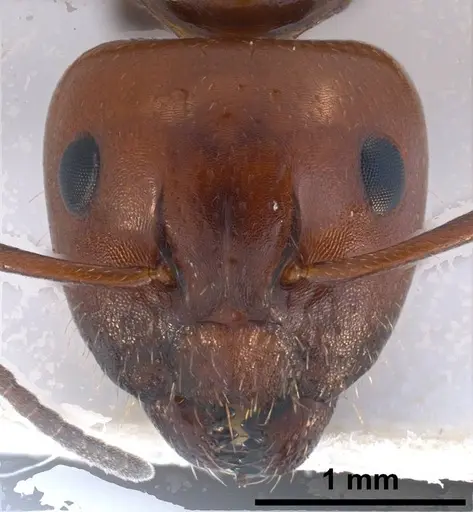
ANTWEB1060052
View on AntWeb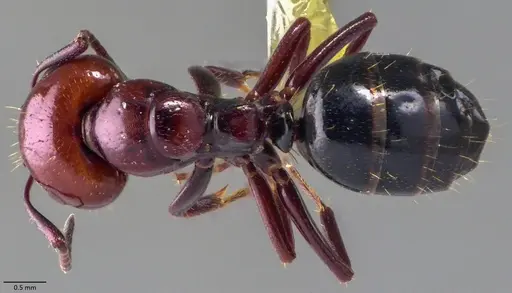
CASENT0080857
View on AntWeb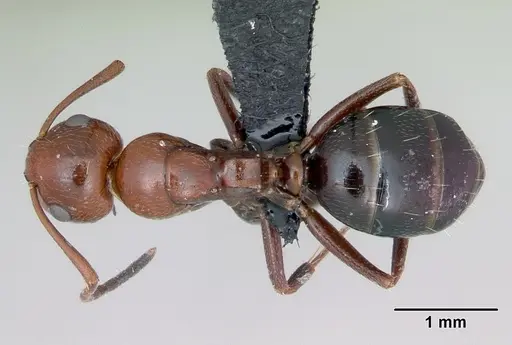
CASENT0179871
View on AntWeb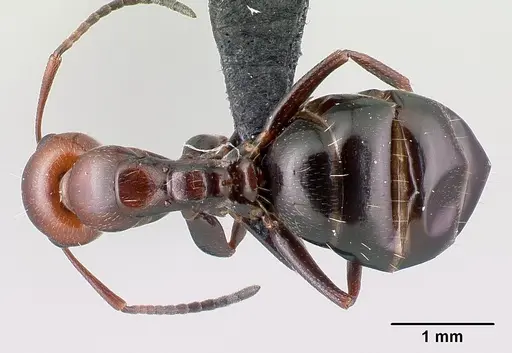
CASENT0249989
View on AntWeb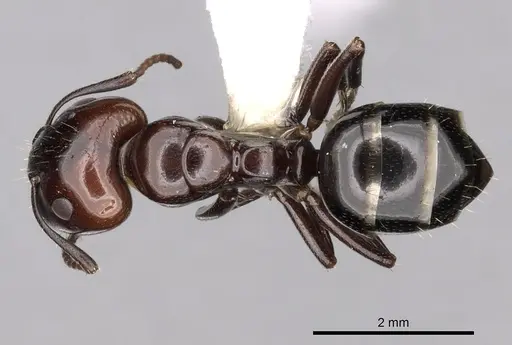
CASENT0249990
View on AntWeb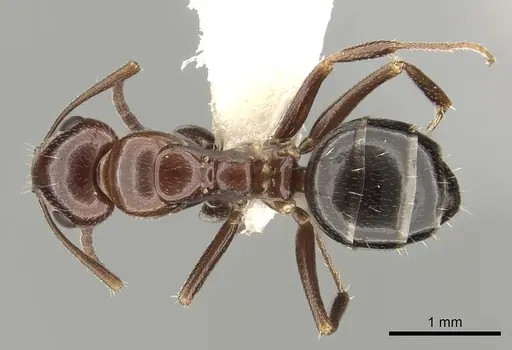
CASENT0882005
View on AntWeb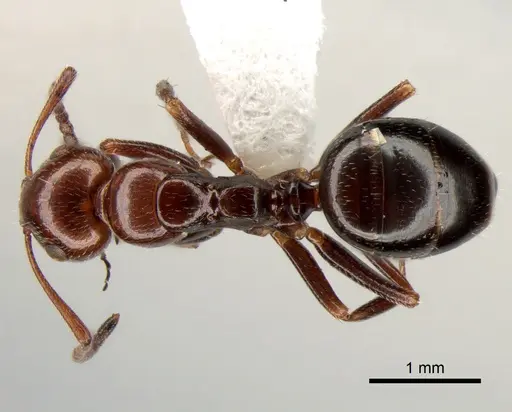
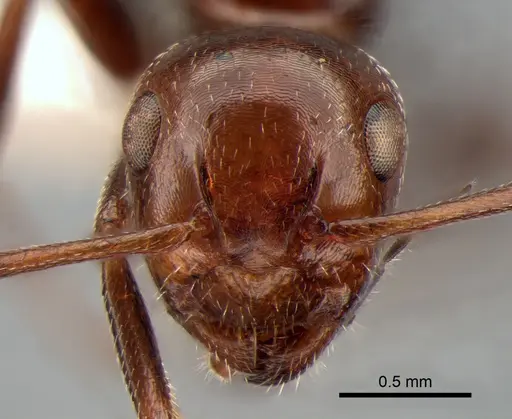
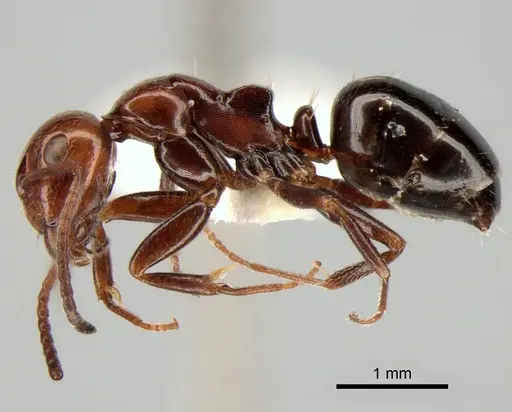
CASENT0903594
View on AntWeb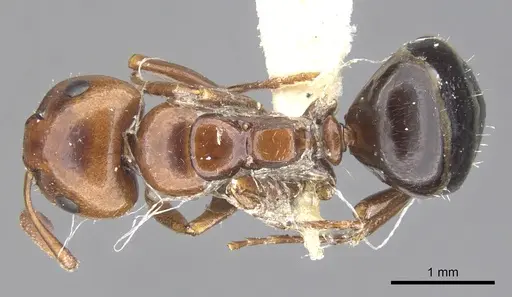
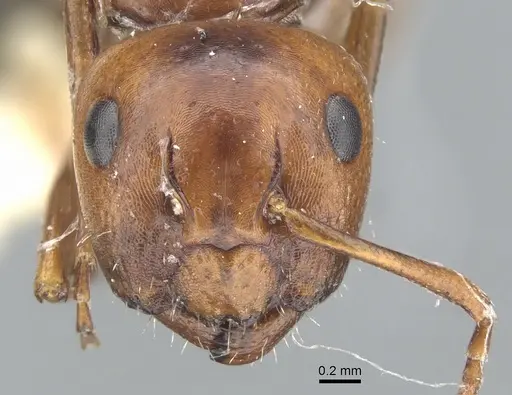
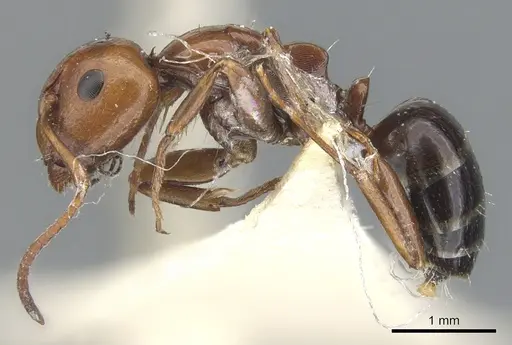
CASENT0903595
View on AntWeb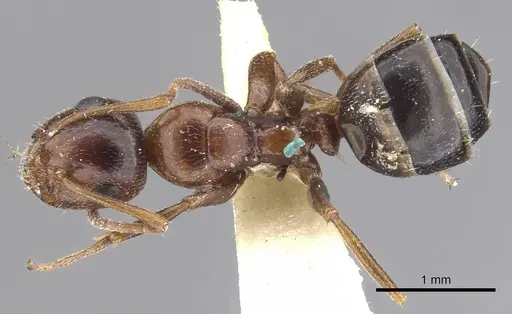
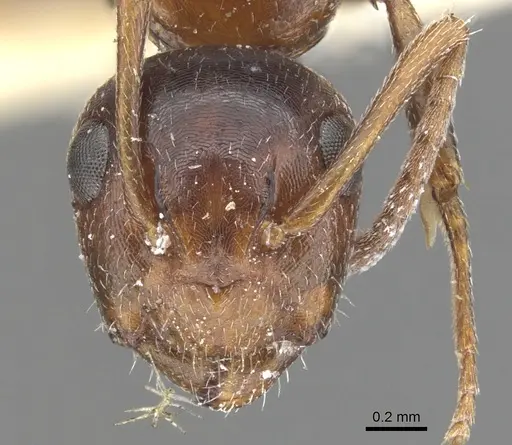
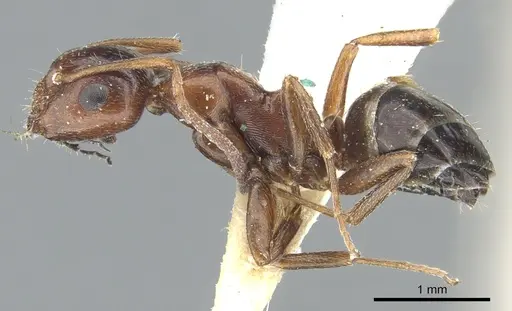
CASENT0911698
View on AntWeb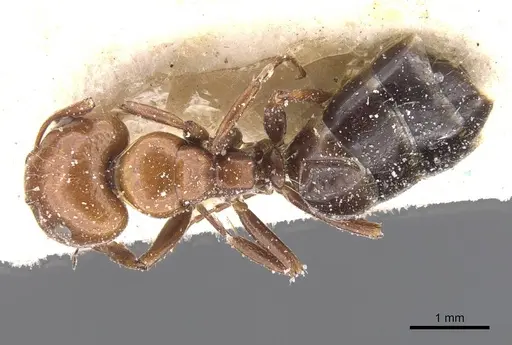
CASENT0911699
View on AntWeb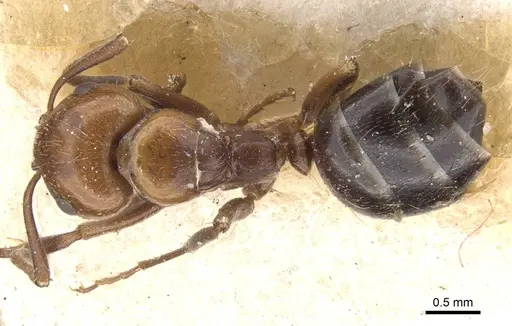
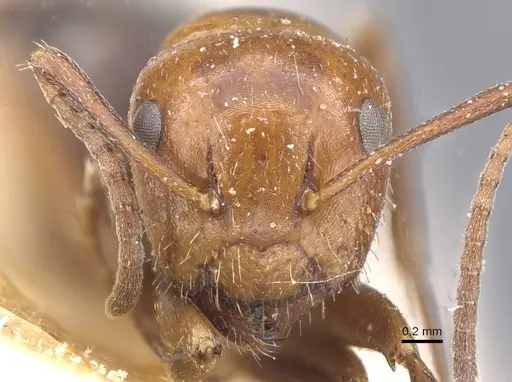
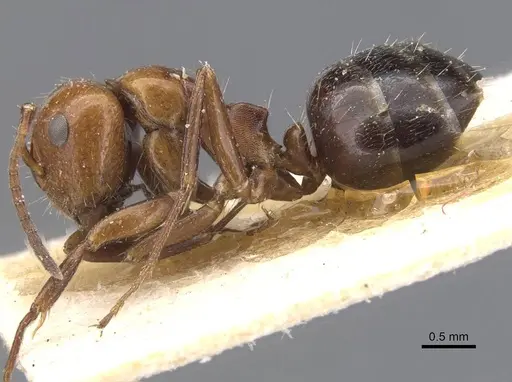
CASENT0912190
View on AntWeb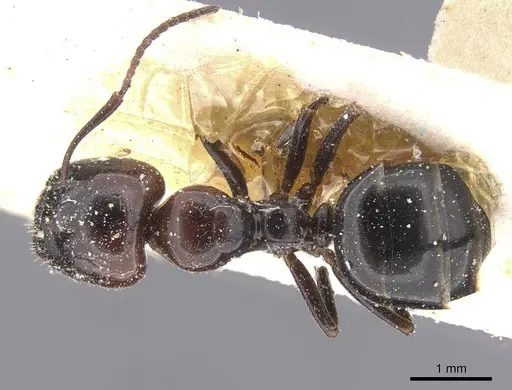
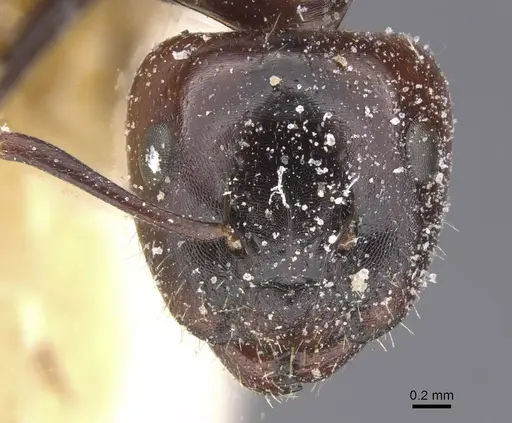
CASENT0912191
View on AntWeb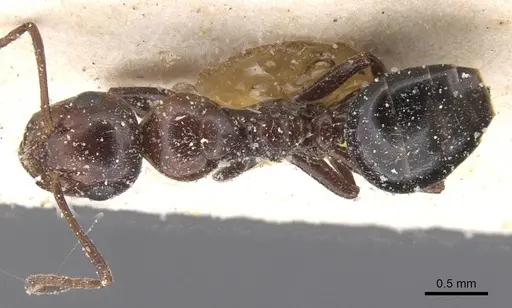
CASENT0914262
View on AntWeb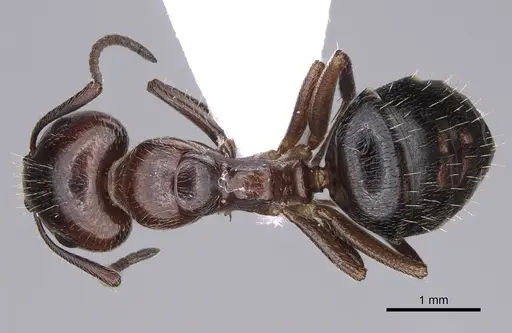
CASENT0914265
View on AntWeb
CASENT0914266
View on AntWeb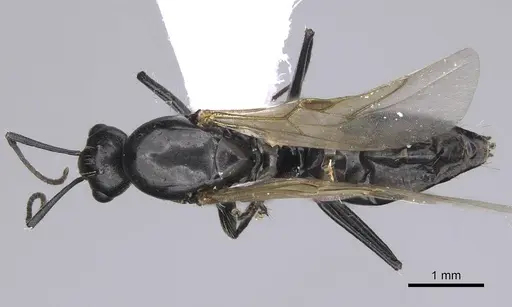
CASENT0914267
View on AntWeb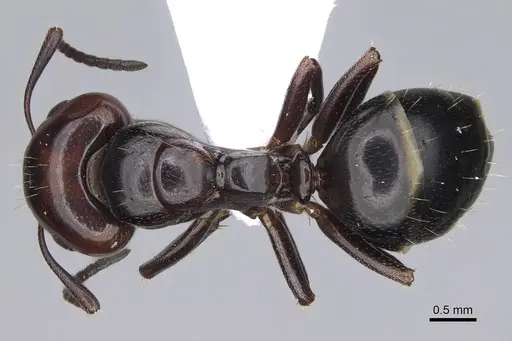
CASENT0914268
View on AntWeb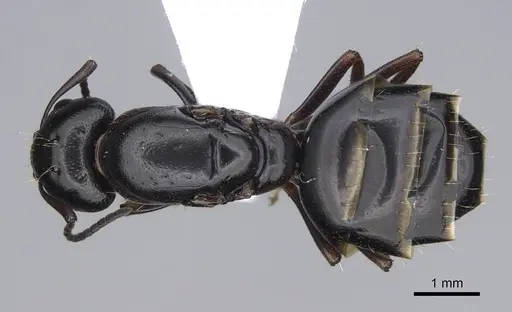
Literature
Loading distribution map...Loading products...