
Camponotus kugleri
- Sci. Name
- Camponotus kugleri
- Subgenus
- Tanaemyrmex
- Tribe
- Camponotini
- Subfamily
- Formicinae
- Author
- Ionescu-Hirsch, 2010
- Distribution
- Found in 0 countries
Introduction
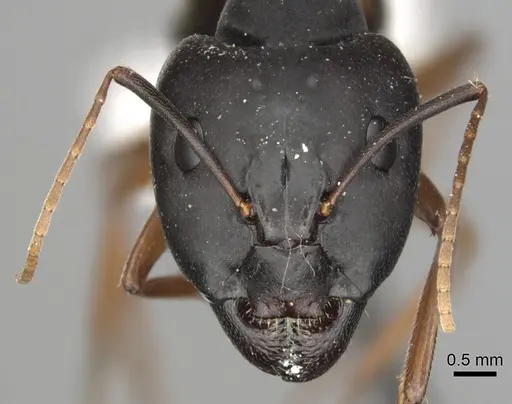
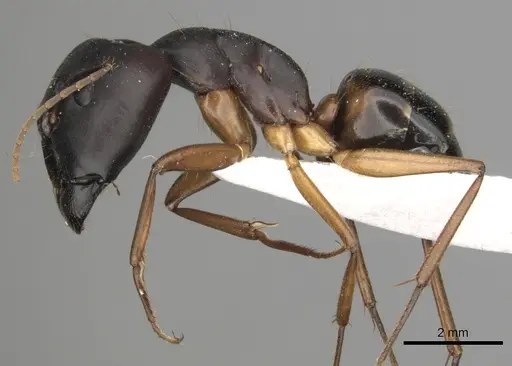
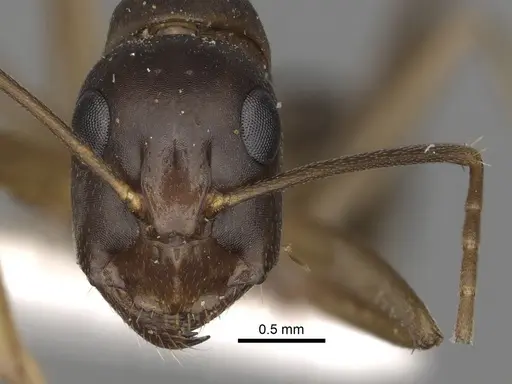
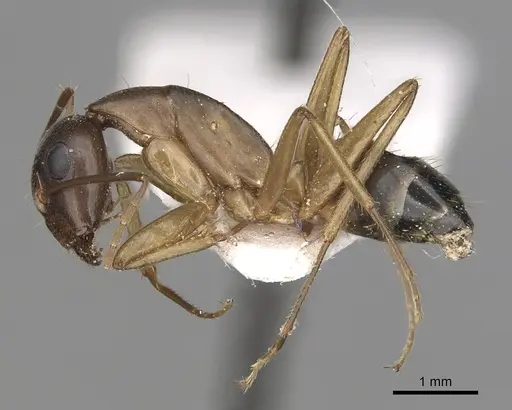
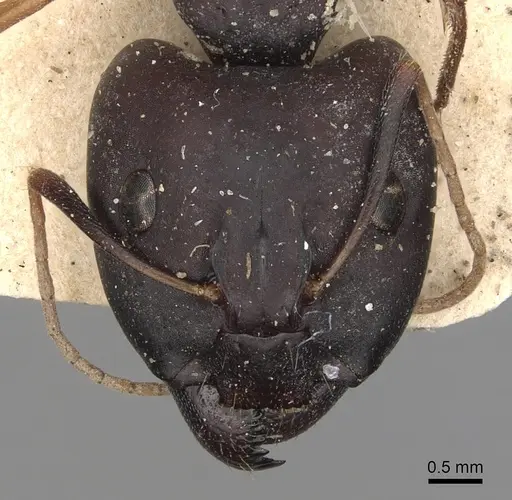
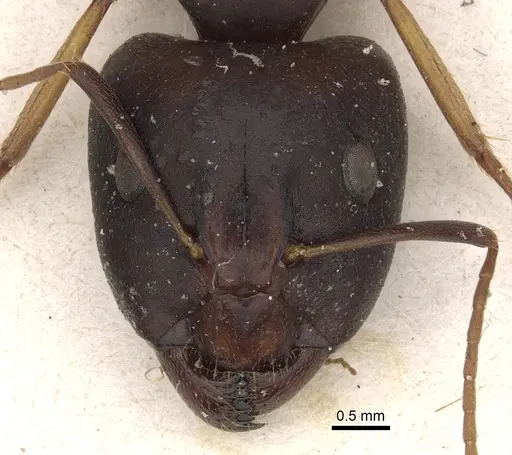
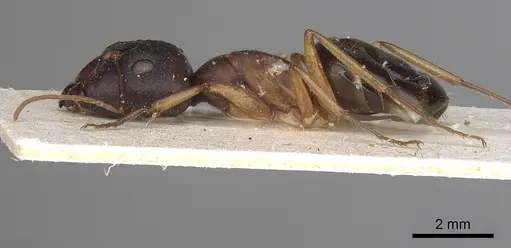
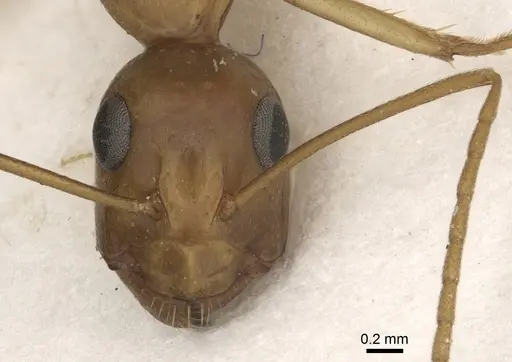
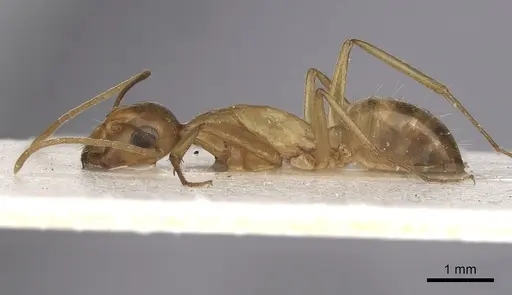
Camponotus kugleri is a small to medium-sized carpenter ant native to the Middle East, found in Israel and Egypt. Workers measure 5.6-11.7mm total length, with major workers having notably wide heads (nearly as wide as long) and minor workers being more slender. Queens reach 13.4-13.8mm total length. The species was formally described in 2010,previously being confused with the larger Camponotus fellah. Coloration is uniformly brown to black with yellowish legs, giving a distinctive two-toned appearance. This species inhabits desert and semi-arid regions around the Dead Sea area .
Quick Summary
- Difficulty: Medium
- Origin & Habitat: Desert and semi-arid regions of Israel and Egypt, particularly around the Dead Sea area [1][2]. This region experiences extreme heat in summer and mild winters.
- Colony Type: Unconfirmed, no specific colony structure data exists for this species.
- Size & Growth:
- Antkeeping:
- Temperature: Keep at 24-28°C. As a desert species from the Dead Sea region, they tolerate warm conditions. A heating cable on one side of the nest creates a temperature gradient.
- Humidity: Low to moderate. These are desert-adapted ants, keep the nest substrate relatively dry. Avoid damp conditions that would cause mold.
- Diapause: Diapause requirements are unconfirmed. Dead Sea area winters are mild (15-25°C). They may show reduced activity in cooler months but specific hibernation needs are unknown.
- Nesting: In nature they likely nest in soil under stones or in rotting wood. In captivity, a Y-tong (AAC) nest or plaster nest works well. Provide a dry nest chamber with access to a water tube.
- Behavior: Typical Camponotus temperament, generally calm and not overly aggressive. Workers are moderately active foragers. They are not known to be escape artists, but standard escape prevention is recommended. Like most Camponotus, they likely accept sugar water and protein foods.
- Common Issues: Mold is a significant risk in humid setups, overfeeding can lead to mold in the outworld, remove uneaten food promptly, cold temperatures may slow or stop development, biology is poorly studied, wild-caught colonies may have unknown parasites
Nest Preferences
Camponotus kugleri originates from one of Earth's hottest and driest regions, the Dead Sea area of Israel and Egypt [1][2]. This indicates they are adapted to arid conditions and prefer dry, warm nests. In captivity, avoid damp setups that work for forest-dwelling ants. A Y-tong (acrylic) nest or plaster nest with a small water chamber works well. The nest itself should be relatively dry, only the water tube area should provide humidity. Place a heating cable on one side of the nest to create a warm gradient (24-28°C). In the wild, they likely nest under stones or in compacted soil.
Feeding and Diet
As a Camponotus species, these ants are omnivorous. They will likely accept sugar water or honey as their carbohydrate source. For protein, offer small insects like fruit flies, small mealworms, or cricket pieces. Given their small minor workers (around 5-6mm), prey items should be appropriately sized. Feed protein several times per week, and keep a constant sugar water supply. Remove any uneaten prey within 24-48 hours to prevent mold, which is especially dangerous for these desert-adapted species.
Temperature and Seasonal Care
This species comes from an extreme environment, the Dead Sea region sees summer temperatures above 40°C and winters that rarely drop below 15°C [1][2]. They are warm-adapted and will thrive at 24-28°C. A heating cable under or beside the nest helps maintain these temperatures. Unlike temperate Camponotus species, specific hibernation requirements are unconfirmed. The key is avoiding cold temperatures, which may slow or halt brood development. If your room temperature stays above 22°C year-round, that should be sufficient.
Behavior and Colony Dynamics
Camponotus kugleri shows typical carpenter ant behavior, relatively docile workers that forage for food and tend any brood. The species has distinct worker castes: minor workers are smaller and more slender, while major workers have the wide heads typical of Camponotus soldiers. Colonies likely grow gradually, with the queen producing eggs that develop through larval and pupal stages into workers. The first workers will be smaller than mature workers. These ants are not particularly aggressive and rarely sting, making them manageable in captivity. Standard escape prevention is adequate for their size. [3]
Frequently Asked Questions
How long does it take for Camponotus kugleri to produce first workers?
Development time is unconfirmed for this species. No specific research exists on their colony development timeline.
Do Camponotus kugleri need hibernation?
Diapause requirements are unconfirmed. As a desert species from the Dead Sea region with mild winters (15-25°C), specific hibernation needs are unknown.
What temperature should I keep Camponotus kugleri at?
Keep them warm at 24-28°C. This desert species tolerates heat well. Use a heating cable on one side of the nest to create a gradient.
What do Camponotus kugleri eat?
They are omnivorous like other carpenter ants. Offer sugar water or honey constantly, and protein (small insects like fruit flies, mealworms, or cricket pieces) several times per week.
How big do Camponotus kugleri colonies get?
Colony size is unconfirmed. No specific data exists on maximum colony size for this species.
Are Camponotus kugleri good for beginners?
They are rated Medium difficulty. Their desert habitat requirements (warm, dry conditions) are specific but manageable. The main challenge is avoiding over-humid setups.
When should I move Camponotus kugleri to a formicarium?
Keep them in a test tube setup for the founding stage. Once the colony reaches a moderate size and you see consistent growth, you can move them to a formicarium. For this desert species, choose a dry nest setup like Y-tong or plaster.
Can I keep multiple Camponotus kugleri queens together?
Colony structure is unconfirmed for this species. Combining unrelated queens is not recommended as they would likely fight. If you start with a founding queen, she should be kept alone.
Why are my Camponotus kugleri dying?
The most common cause is mold from over-humid conditions. These desert ants need dry nests. Also check that temperatures are warm enough (24-28°C). Cold or damp conditions are the primary risks for this species.
Report an Issue
The current care sheet is based fully on literature. See inconsistencies, or something that's incorrect? Please , it will be resolved after review from an admin. Contributing to the blogs tab also helps providing information, to make us be able to further improve the caresheets. Thank you for your support!
References

This caresheet is licensed under CC BY-SA 4.0 .
Community Blogs
CASENT0281011
View on AntWeb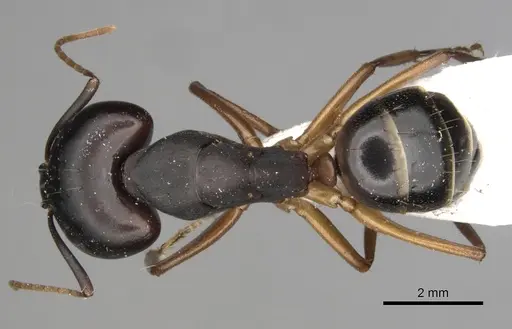
CASENT0281029
View on AntWeb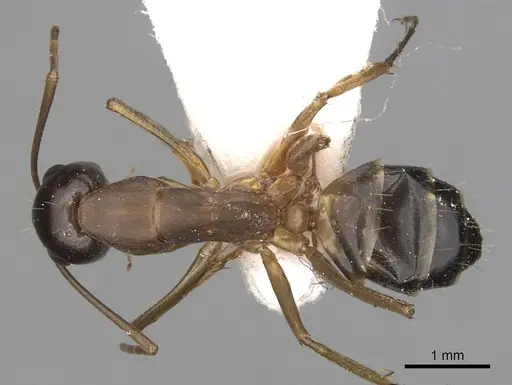
CASENT0281030
View on AntWeb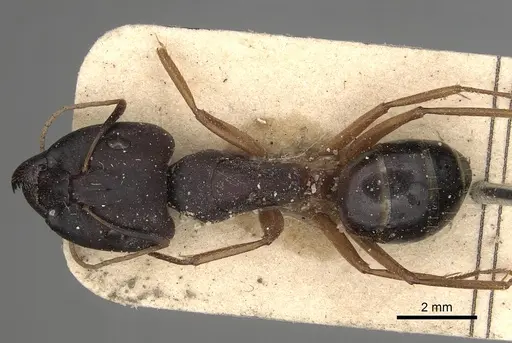
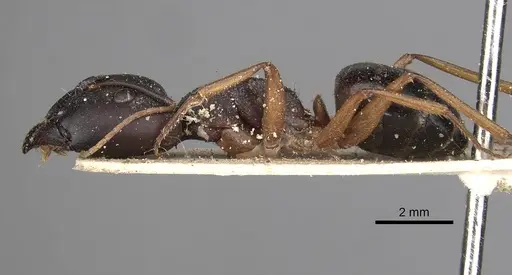
CASENT0281031
View on AntWeb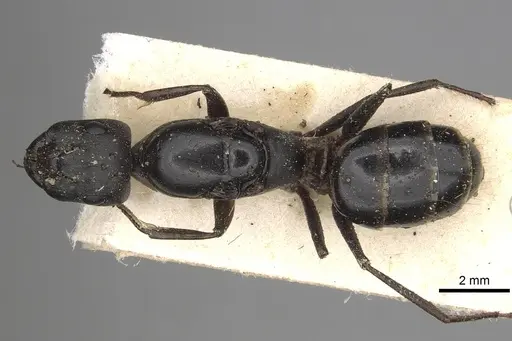
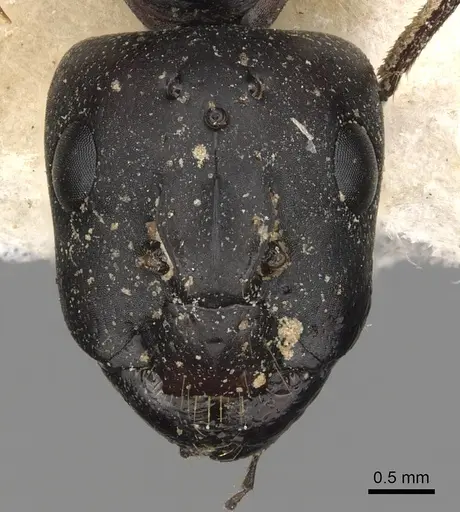
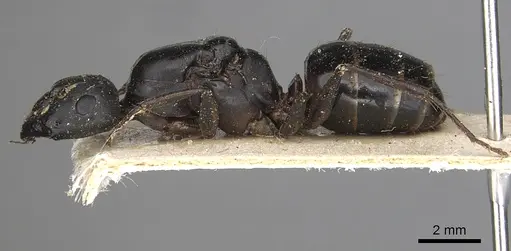
CASENT0281032
View on AntWeb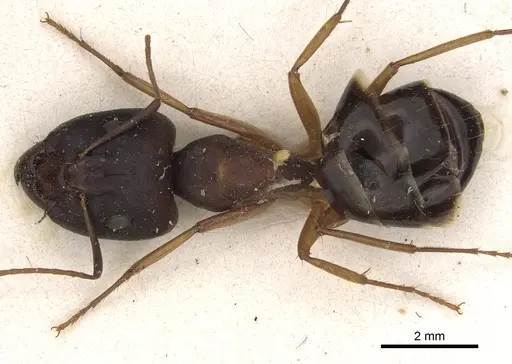
CASENT0281036
View on AntWeb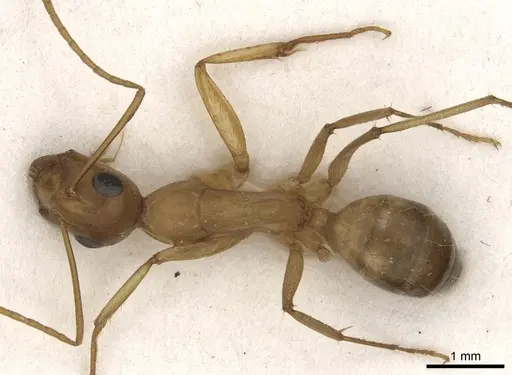
Literature
Loading distribution map...Loading products...