
Camponotus kopetdaghensis
- Sci. Name
- Camponotus kopetdaghensis
- Subgenus
- Myrmentoma
- Tribe
- Camponotini
- Subfamily
- Formicinae
- Author
- Dlussky & Zabelin, 1985
- Distribution
- Found in 1 countries
Introduction
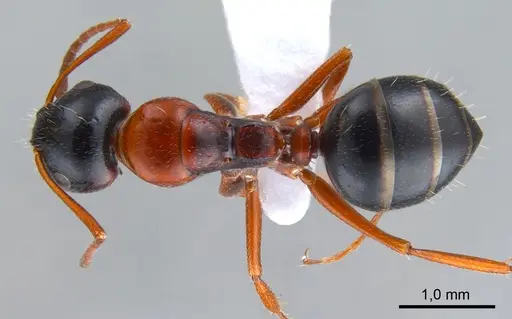
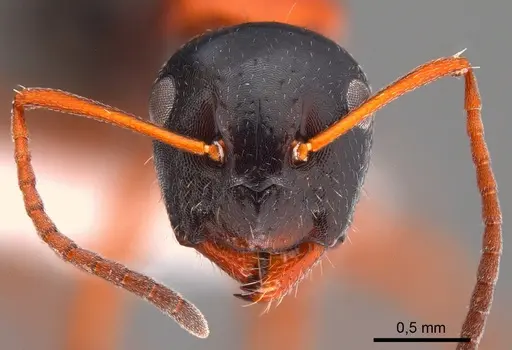
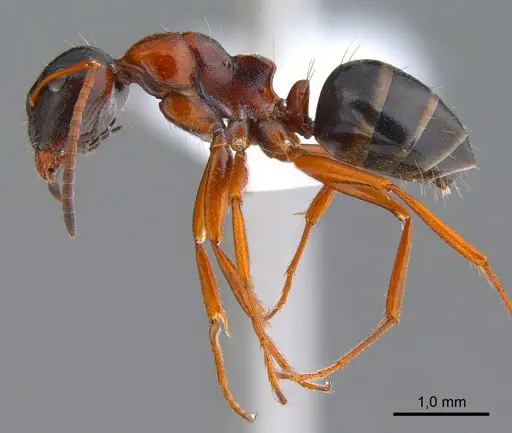
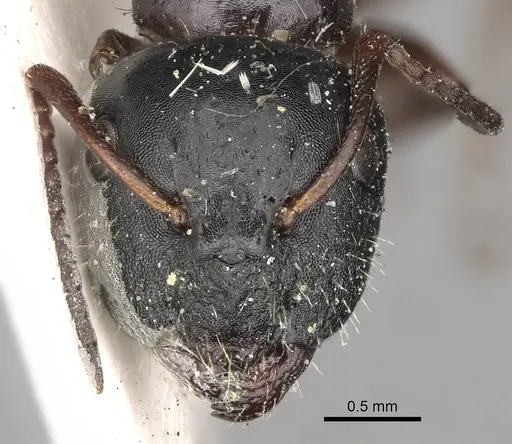
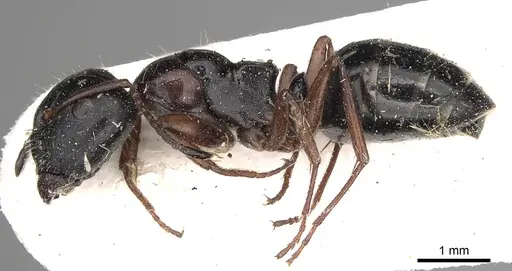
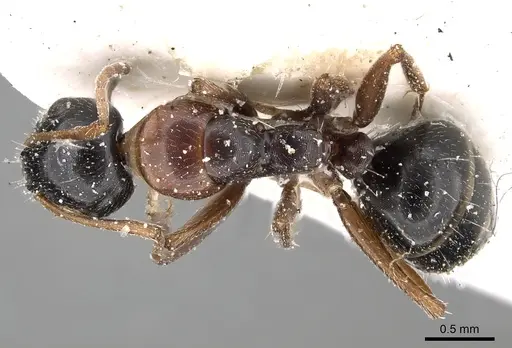
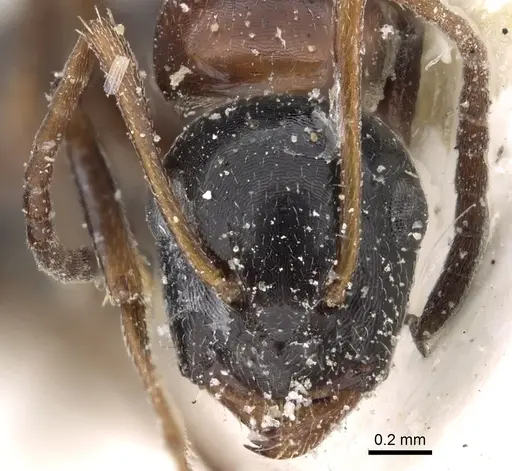
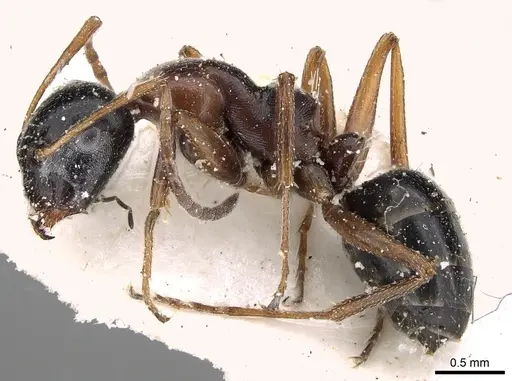
Camponotus kopetdaghensis is a medium-sized carpenter ant belonging to the lateralis species group. Workers are polymorphic, with major workers significantly larger than minors. They have the typical Camponotus body shape with a rounded thorax and a single node (petiole) between the thorax and abdomen. The species is native to the Kopet Dag mountain region spanning Turkmenistan, Iran, and Azerbaijan, where it inhabits gorges, mountain slopes, and plains with developed herbaceous vegetation . This ant is a key species in the mountain-steppe ecosystem of central Kopet Dag, active during the warm season from April through October, typically foraging during daylight hours .
Quick Summary
- Difficulty: Medium
- Origin & Habitat: Native to the Kopet Dag mountain region in Turkmenistan, northern Iran, and Azerbaijan. Found in gorges, mountain slopes, and plains with developed herbaceous vegetation. One of the key species of the mountain-steppe coadaptive complex in this region [1][2].
- Colony Type: Colony type is unconfirmed. Based on typical Camponotus patterns in the lateralis group, queens likely establish nests independently.
- Size & Growth:
- Queen: Size data unavailable, inferred from Camponotus genus patterns (~12-15mm for this group)
- Worker: Size data unavailable, the species is classified as a 4th size class zoonecrofage in the research, indicating relatively large ants [1]
- Colony: Colony size data unavailable
- Growth: Moderate, based on typical Camponotus patterns
- Development: Development timeline unconfirmed, likely 6-10 weeks at warm temperatures based on genus patterns (Development time depends on temperature. First workers (nanitics) are smaller than normal workers.)
- Antkeeping:
- Temperature: Keep nest area at 22-26°C during active season. Provide a temperature gradient so ants can self-regulate. Reduce to room temperature during winter rest period [1].
- Humidity: Moderate humidity around 50-60%. These ants naturally inhabit semi-arid mountain regions, so avoid overly damp conditions. Provide a water tube for drinking access.
- Diapause: Yes, colony enters winter rest from approximately November to March. Reduce temperature to 10-15°C during this period. Keep colony slightly moist but not wet during hibernation [1].
- Nesting: Y-tong (AAC) or plaster nests work well. Provide narrow chambers for the queen and brood. Allow space for colony expansion as it grows. Avoid overly humid conditions that can cause mold.
- Behavior: Workers are active foragers that collect honeydew from aphids and nectar in the tree and shrub layer, as well as scavenge small insects [1]. They are typically active during daylight hours in the warm season. Workers show moderate aggression when defending the nest but are not particularly aggressive toward keepers. Escape risk is moderate, use standard barrier methods (fluon on rim, tight-fitting lid). Major workers are large enough to be easily contained.
- Common Issues: colonies may fail if kept too warm during winter, they need a proper diapause period, mold can develop in nests if humidity is too high, especially with poor ventilation, wild-caught colonies may carry parasites that can decimate the colony in captivity, slow initial growth during founding phase can lead to overchecking by impatient keepers, honeydew and sugar water can attract mold in the outworld if not removed promptly
Nest Preferences and Housing
Camponotus kopetdaghensis does well in Y-tong (AAC) nests or plaster nests that provide dark, secure chambers. These ants naturally nest in soil and decaying wood in mountainous regions, so captive setups should mimic these conditions. Provide chambers sized appropriately for the colony, smaller chambers for founding colonies, larger spaces as the colony grows. A water tube connected to the nest helps maintain humidity without over-wetting the substrate. Keep the nest area relatively stable in temperature, avoiding direct sunlight that could cause overheating. The outworld should have space for foraging and a debris area where workers can dispose of waste. [1]
Feeding and Diet
In the wild, these ants are zoonecrophages (scavengers) that also collect honeydew from aphids and nectar from flowers in the tree and shrub layer [1]. In captivity, offer a varied diet: protein sources like small crickets, mealworms, or other insects 2-3 times per week, and sugar sources like honey water or sugar water constantly available. Fresh fruit occasionally is also accepted. Remove uneaten prey after 24-48 hours to prevent mold. The 4th size class classification in the research indicates these are relatively large ants that can tackle bigger prey items than tiny ants. Ensure constant access to clean water.
Temperature and Seasonal Care
These ants are active from April to October in their natural range and enter winter dormancy during the colder months [1]. During the active season, maintain nest temperatures around 22-26°C. A heating cable on one side of the nest creates a gradient allowing ants to regulate their own temperature. In autumn (around October-November), begin reducing temperature gradually to initiate hibernation. Overwinter at 10-15°C in a cool, dark location like an unheated garage or basement. Keep the colony slightly moist during hibernation, a damp cotton ball in the test tube, but not wet. Resume normal temperatures in spring when the colony becomes active again.
Behavior and Colony Dynamics
This species shows typical Camponotus behavior with polymorphic workers, minor workers handle most foraging and brood care, while major workers defend the nest and process larger food items. Workers forage during daylight hours in the warm season, patrolling vegetation for honeydew and scavenging small invertebrates. The colony establishes a single nest with one queen (likely monogyne). Major workers develop over time as the colony grows, appearing in larger numbers once the colony reaches several hundred workers. Queens are likely claustral, they seal themselves in a chamber and survive entirely on stored fat reserves until their first workers emerge, after which the workers take over foraging and brood care. [1]
Growth and Development
Colony development follows typical Camponotus patterns. After mating (nuptial flights occur in April [1]), the queen digs a small chamber and seals herself in. She lays eggs and tends them alone, surviving on her fat reserves. Eggs hatch into larvae, pupate, and emerge as nanitic workers (first generation) after several weeks depending on temperature. These first workers are smaller than normal workers but immediately begin foraging and caring for subsequent brood. The colony grows as more workers are produced. Major workers begin appearing once the colony reaches several hundred individuals.
Frequently Asked Questions
How long does it take for Camponotus kopetdaghensis to produce first workers?
Expect first workers (nanitics) to emerge several weeks after the queen lays eggs, assuming temperatures around 24-26°C. Cooler temperatures will slow development. Be patient during the founding phase, the queen does everything alone and checking the nest too frequently can disturb her.
What temperature do Camponotus kopetdaghensis need?
Keep the nest at 22-26°C during the active season. Provide a temperature gradient so ants can move between warmer and cooler areas. During winter hibernation (November-March), reduce to 10-15°C.
Can I keep multiple queens together?
This species is likely monogyne (single queen). Combining unrelated foundress queens is not recommended as they will likely fight. If you obtain a wild colony, it likely has only one functional queen.
When do Camponotus kopetdaghensis have nuptial flights?
Nuptial flights occur in April based on research from Turkmenistan [1]. This is typical for Camponotus species in temperate regions, queens and males emerge in spring to mate and establish new colonies.
How big do colonies of Camponotus kopetdaghensis get?
Colony size data is unavailable for this species. Based on typical Camponotus patterns, mature colonies likely reach several thousand workers. The polymorphic worker caste (majors and minors) helps the colony function efficiently at larger sizes.
Do Camponotus kopetdaghensis need hibernation?
Yes. In the wild, these ants are active from April to October and rest during winter [1]. Provide a diapause period of 3-4 months at 10-15°C to maintain colony health. Skipping hibernation can weaken the colony over time.
What do Camponotus kopetdaghensis eat?
They accept a varied diet: protein (insects like crickets, mealworms), sugar sources (honey water, sugar water), and occasionally fresh fruit. In nature they scavenge and collect honeydew from aphids [1]. Offer protein 2-3 times weekly and keep sugar water available at all times.
Are Camponotus kopetdaghensis good for beginners?
This species is rated Medium difficulty. They are hardier than some exotic species but require proper hibernation and have a slower founding phase than faster-growing ants. They are a good choice if you have experience with basic ant keeping and want a rewarding temperate species.
When should I move my colony to a formicarium?
Keep founding colonies in a simple test tube setup until you have 20-30 workers. Moving too early can stress the colony. Once the test tube becomes crowded and the colony is actively foraging, you can transition to a Y-tong or plaster formicarium.
Report an Issue
The current care sheet is based fully on literature. See inconsistencies, or something that's incorrect? Please , it will be resolved after review from an admin. Contributing to the blogs tab also helps providing information, to make us be able to further improve the caresheets. Thank you for your support!
References

This caresheet is licensed under CC BY-SA 4.0 .
Community Blogs
Literature
Loading distribution map...Loading products...