
Klug's Sugar ant
Camponotus klugii
- Sci. Name
- Camponotus klugii
- Subgenus
- Myrmosaga
- Tribe
- Camponotini
- Subfamily
- Formicinae
- Author
- Emery, 1895
- Common Name
- Klug's Sugar ant
- Distribution
- Found in 1 countries
Introduction
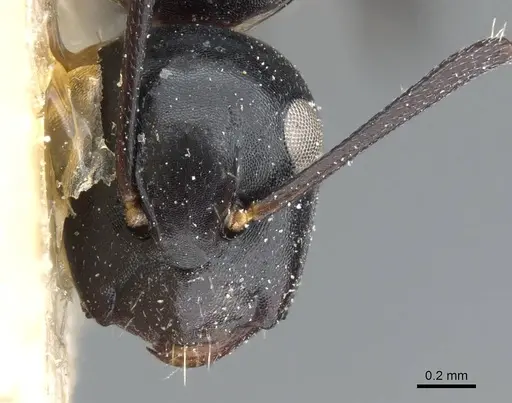
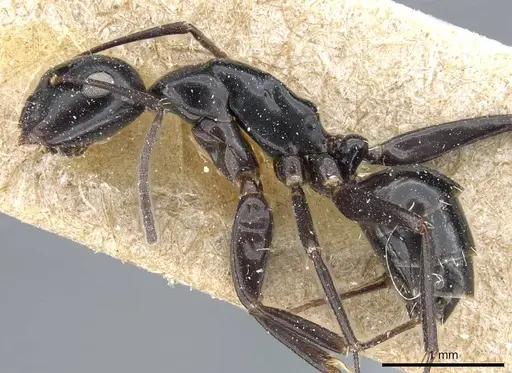
Camponotus klugii is a medium-sized carpenter ant species native to East Africa, specifically documented in Tanzania's Mkomazi Game Reserve. Workers are polymorphic, meaning they come in different sizes - this is typical of Camponotus ants and allows the colony to have specialized roles. The species has a concave propodeal profile and lacks the striations and erect hairs found on similar species like Camponotus mombassae . As a carpenter ant, they nest in wood but do not eat it - they hollow out galleries for their colony.
Quick Summary
- Difficulty: Medium
- Origin & Habitat: East Africa, specifically documented in Tanzania's Mkomazi Game Reserve. This is a savannah species associated with acacia trees (Vachellia) and other savannah trees [1]. Tropical climate with warm temperatures year-round.
- Colony Type: Colony structure is unconfirmed. Most Camponotus species are monogyne (single queen), but some can be polygynous.
- Size & Growth:
- Queen: ~12-16mm, inferred from Camponotus genus patterns
- Worker: Polymorphic, ~6-12mm for minor to major workers, inferred from Camponotus genus patterns
- Colony: Up to several thousand workers, estimated based on genus patterns
- Growth: Moderate, Camponotus species typically grow more slowly than smaller ants
- Development: ~6-8 weeks at optimal temperature, inferred from Camponotus genus patterns (Development is temperature-dependent, warmer conditions within safe range speed up development. Nanitic (first) workers are typically smaller than normal workers.)
- Antkeeping:
- Temperature: Keep at 24-28°C, tropical species requiring warm conditions. A heating cable on one side of the nest creates a gradient allowing workers to choose their preferred temperature.
- Humidity: Moderate humidity around 50-60%. Provide a water tube for drinking and occasional misting of the outworld. Avoid overly damp conditions.
- Diapause: No, tropical species do not require hibernation
- Nesting: Y-tong (AAC) nests or plaster nests work well. Provide nesting chambers scaled to colony size. As a savannah species associated with trees, they prefer dark, secure nesting areas.
- Behavior: Typical Camponotus temperament, generally calm and not overly aggressive. Workers are opportunistic foragers, collecting honeydew, small insects, and sugar sources. Escape risk is moderate due to their size, standard barriers work well but ensure lids are secure. They are primarily nocturnal or crepuscular, becoming more active during cooler parts of the day. As Formicinae, they lack a functional sting and instead bite and spray formic acid from their acidopore.
- Common Issues: colonies grow slowly which can frustrate beginners, patience is key with Camponotus species, queen mortality during founding is common, ensure founding setup is stable and undisturbed, tropical species may struggle if temperatures drop too low, monitor during winter months, wild-caught colonies may carry parasites, quarantine and observe new colonies carefully, overfeeding can lead to mold problems, remove uneaten food promptly
Housing and Nest Setup
For Camponotus klugii, a Y-tong (AAC) nest or plaster nest works well in captivity. These ants prefer dark, enclosed spaces for nesting, light exposure stresses them. Start your colony in a test tube setup for founding, then transition to a proper nest once the colony reaches 20-30 workers. The nest should have chambers scaled to colony size, too large spaces can stress small colonies. Provide an outworld (foraging area) connected to the nest via tubing. Ensure excellent escape prevention, while not the smallest ants, they can still squeeze through small gaps. Use fluon on tube connections and ensure all lids are secure.
Feeding and Diet
Camponotus klugii is omnivorous like most carpenter ants. Offer sugar sources regularly, honey water or pure honey is readily accepted. Protein is essential for brood development: offer small insects like fruit flies, small crickets, or mealworms. In nature, they tend aphids and feed on honeydew from sap-sucking insects, you can simulate this with sugar water. Feed every 2-3 days, removing uneaten prey within 24 hours to prevent mold. A varied diet leads to healthier colonies with faster growth.
Temperature and Heating
As a tropical East African species, Camponotus klugii requires warm conditions. Keep the nest area at 24-28°C for optimal brood development. A heating cable placed on one side of the nest creates a temperature gradient, this lets workers regulate their own temperature by moving between warmer and cooler areas. Avoid temperatures below 20°C for extended periods. Room temperature may be sufficient if your home is naturally warm, otherwise use a low-level heat source. Monitor with a thermometer placed near the nest.
Founding and Colony Establishment
The queen will seal herself into a founding chamber and not leave until her first workers emerge. Do not disturb the founding setup, vibrations and light can cause queen stress and abandonment. The queen uses stored fat reserves to survive and feed her first brood. First workers (nanitics) are typically smaller than normal workers. After nanitics emerge, the queen will resume egg-laying and the colony will begin growing. This phase is critical, ensure the setup remains stable. Only after workers are firmly established should you consider connecting an outworld.
Growth and Development
Camponotus colonies grow more slowly than many common ant species. Expect 6-8 weeks from egg to first worker at optimal temperature. The colony will remain small for the first few months as the queen slowly increases egg production. Growth accelerates once the colony reaches 50-100 workers. The polymorphic worker caste system means you'll see increasingly large major workers as the colony matures, these are specialized for defense and heavy lifting. Patience is essential with Camponotus species, a healthy colony can live for many years and eventually reach several thousand workers.
Frequently Asked Questions
How long does it take for Camponotus klugii to produce first workers?
Expect 6-8 weeks from egg to first worker at optimal temperature (24-28°C). This is typical for Camponotus species, they grow more slowly than smaller ants. The queen seals herself in, living off stored fat until her first nanitic workers emerge.
What do Camponotus klugii ants eat?
They are omnivorous. Offer sugar sources (honey water, pure honey) regularly and protein (small insects like fruit flies, mealworms, small crickets) every 2-3 days. Remove uneaten food promptly to prevent mold.
What temperature do Camponotus klugii need?
Keep them warm at 24-28°C. This tropical species requires consistent warmth. A heating cable on part of the nest creates a gradient. Avoid temperatures below 20°C for extended periods.
Are Camponotus klugii good for beginners?
They are rated as medium difficulty. They require more patience than smaller species due to slower growth, but their care requirements are straightforward. Beginners should be prepared for the slow founding phase.
When should I move Camponotus klugii to a formicarium?
Keep them in a test tube setup through the founding phase. Once the colony reaches 20-30 workers and you see consistent activity, you can connect them to a proper nest. Ensure the chambers are appropriately sized, too large spaces can stress small colonies.
Do Camponotus klugii need hibernation?
No, as a tropical African species, they do not require true hibernation. They may slow down during cooler periods, but a full diapause is not necessary.
How big do Camponotus klugii colonies get?
Up to several thousand workers based on typical Camponotus patterns. These are medium-to-large carpenter ants with polymorphic workers. A mature colony can live for many years.
Can I keep multiple Camponotus klugii queens together?
Colony structure is unconfirmed for this species. Most Camponotus are monogyne (single queen). Combining unrelated queens has not been documented and is not recommended.
Why is my Camponotus klugii colony not growing?
Common causes include: temperatures too low (below 24°C), insufficient protein in diet, overfeeding causing mold stress, or disturbing the nest too frequently. Ensure optimal conditions and be patient, Camponotus species naturally grow slowly.
Report an Issue
The current care sheet is based fully on literature. See inconsistencies, or something that's incorrect? Please , it will be resolved after review from an admin. Contributing to the blogs tab also helps providing information, to make us be able to further improve the caresheets. Thank you for your support!
References

This caresheet is licensed under CC BY-SA 4.0 .
Community Blogs
CASENT0905451
View on AntWeb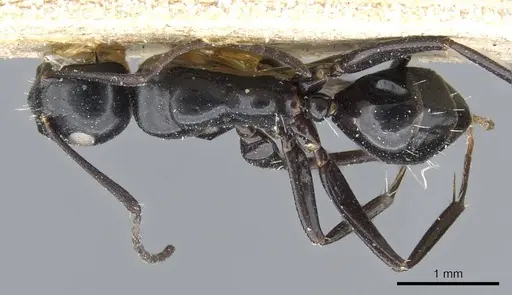
Literature
Loading distribution map...Loading products...