
Camponotus kaura
- Sci. Name
- Camponotus kaura
- Subgenus
- Pseudocolobopsis
- Tribe
- Camponotini
- Subfamily
- Formicinae
- Author
- Snelling & Torres, 1998
- Distribution
- Found in 1 countries
Introduction
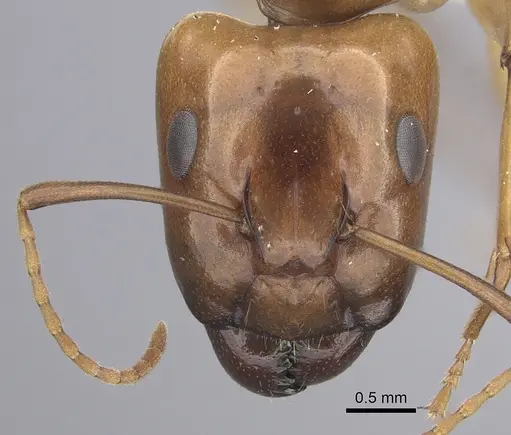
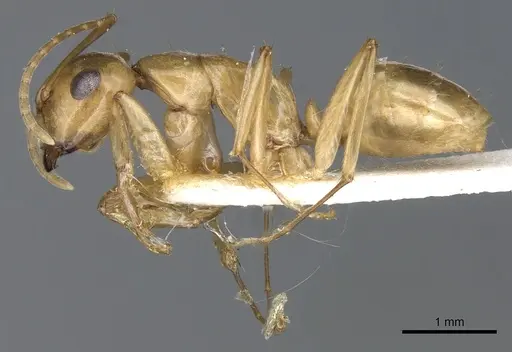
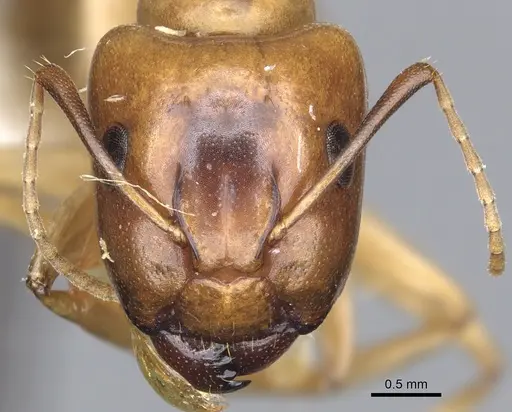
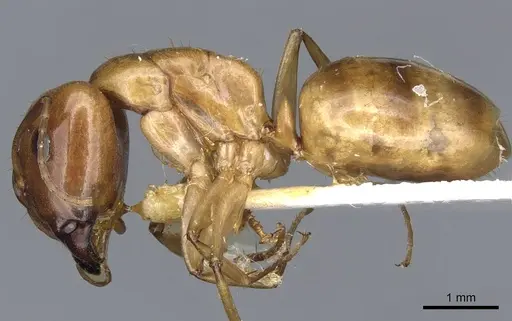
Camponotus kaura is a Caribbean carpenter ant species native to Puerto Rico and the British Virgin Islands. Workers are yellow to brownish-yellow in color, with major workers sometimes showing darker reddish or brownish markings on the head. This is a small to medium-sized Camponotus species - major workers reach 7.5-10.5mm while minor workers are 4.6-6.6mm, and queens are 8.8-9.7mm [AntWiki]. The species name comes from the Taino word for 'forest dweller' and they are known to nest in hollow twigs and dead stems, particularly in mangrove areas where they have been found in dead wood of black mangrove (Avicennia germinans) . This is the more common of two species previously misidentified as Camponotus ustus in the region [AntWiki].
Quick Summary
- Difficulty: Medium
- Origin & Habitat: Caribbean islands including Puerto Rico, Tortola, and Guana Island in the British Virgin Islands. Found in tropical coastal areas, particularly in mangrove thickets and dry forest zones at low elevations (0-20m) [1][2].
- Colony Type: Colony structure is unconfirmed from available research. Like most Camponotus species, they may be single-queen (monogyne) but this has not been documented.
- Size & Growth:
- Queen: 8.8-9.7mm [1]
- Worker: Major workers 7.5-10.5mm, minor workers 4.6-6.6mm [1]
- Colony: Unknown from research, typical for small Caribbean Camponotus species
- Growth: Moderate, inferred from typical Camponotus development patterns
- Development: 6-8 weeks, estimated based on typical Camponotus genus patterns at warm temperatures (Development time is estimated based on related Camponotus species. Tropical origin suggests faster development than temperate species.)
- Antkeeping:
- Temperature: Keep at 24-28°C. As a tropical Caribbean species, they prefer warm conditions. A heating cable on one side of the nest creates a suitable gradient.
- Humidity: Moderate humidity around 50-70%. They nest in dead wood which should remain slightly moist but not waterlogged. Provide a water source nearby.
- Diapause: No, as a tropical species from near-equatorial Puerto Rico, they do not require hibernation or winter rest. Keep temperatures stable year-round.
- Nesting: Naturalistic setup works best, they naturally nest in hollow twigs and dead stems. A Y-tong (AAC) nest with wood insert or a naturalistic formicarium with cork and twigs mimics their natural habitat. Avoid fully artificial acrylic nests unless they readily accept them.
- Behavior: Typical carpenter ant behavior, workers are moderately active and will excavate wood. They are not particularly aggressive but will defend the nest. Workers forage for honeydew and small insects. Escape risk is moderate due to their small size, use standard barrier methods. They are primarily nocturnal or crepuscular, matching their nuptial flight patterns which occur post-sunset [3].
- Common Issues: tropical species may struggle in air-conditioned rooms, maintain warm temperatures consistently, nesting in wood means they may chew through soft nest materials, monitor for escape routes, small colony size at founding makes them vulnerable to stress, give foundress queen complete peace, wild-caught colonies may carry parasites from their native habitat, quarantine and observe new colonies, dry conditions will cause colony decline, keep wood nesting material slightly moist
Nest Preferences and Housing
Camponotus kaura naturally nests in hollow twigs and dead stems, particularly in mangrove environments where they've been found in dead wood of black mangrove (Avicennia germinans) [2]. For captive care, a naturalistic setup works best, a formicarium with cork, twigs, or small wood pieces allows them to exhibit natural nesting behavior. A Y-tong (AAC) nest with a wood insert is also suitable. Test tubes can work for founding colonies but may need to be transitioned to more naturalistic housing as the colony grows. The key is providing wood-based nesting material that can be kept slightly moist. They do best in setups that mimic their natural hollow twig habitat rather than fully artificial acrylic nests.
Feeding and Diet
Like other Camponotus species, C. kaura is omnivorous with a preference for sugary foods and protein. In nature, they likely forage for honeydew from aphids and scale insects, plus small insects. In captivity, offer sugar water or honey regularly, along with protein sources like mealworms, crickets, or other small insects. Feed protein 1-2 times per week and keep sugar water available constantly. They are a small species so prey items should be appropriately sized, small mealworm pieces or fruit flies work well for minor workers.
Temperature and Seasonal Care
As a tropical species from Puerto Rico and the Virgin Islands, C. kaura requires warm temperatures year-round. Keep the nest area at 24-28°C (75-82°F). A heating cable on one side of the nest creates a temperature gradient allowing workers to self-regulate. Unlike temperate ant species, they do not require hibernation or diapause, maintaining stable temperatures throughout the year is important. Avoid placing the nest near air conditioning vents or in rooms with temperature fluctuations. Their native habitat in coastal Caribbean areas experiences minimal seasonal temperature variation.
Nuptial Flights and Reproduction
Research in Puerto Rico shows C. kaura has distinct nuptial flight patterns. Flights occur primarily post-sunset, with the largest flights happening from June to September (summer months) [3]. Queens fly individually or in small groups, with maximum of 10 queens per night recorded at Guánica. Males fly in larger numbers, with up to 265 males per night observed. Some pre-dawn flight activity also occurs. This timing means if you're breeding this species, you should watch for alates (reproductives) during summer evenings, they may be attracted to lights at night.
Behavior and Temperament
Camponotus kaura exhibits typical carpenter ant behavior, workers are moderately active and will excavate soft wood materials for nesting. They are not particularly aggressive toward keepers but will defend their nest if threatened. Workers are primarily nocturnal or crepuscular, matching their nuptial flight timing. Foraging occurs at night when humidity is higher and temperatures are cooler. They are a relatively calm species compared to some more active tropical ants. Escape prevention is important, while not extreme escape artists, their small size means they can slip through small gaps. Standard barrier methods like fluon on test tube rims work well. [3]
Frequently Asked Questions
How long does it take for Camponotus kaura to produce first workers?
Expect 6-8 weeks from egg to first worker (nanitic) at optimal warm temperatures. This is estimated based on typical Camponotus genus development patterns since specific development data for C. kaura is not available. The tropical origin of this species suggests relatively fast development compared to temperate species.
What do Camponotus kaura ants eat?
They are omnivorous like other carpenter ants. Offer sugar water or honey constantly, plus protein sources like small insects (mealworms, fruit flies, small crickets) 1-2 times per week. They will also likely accept honeydew if you keep aphids, but sugar and protein are the essentials.
Do Camponotus kaura ants need hibernation?
No. As a tropical species from Puerto Rico and the Virgin Islands near the equator, they do not require hibernation. Keep temperatures stable at 24-28°C year-round. Cold temperatures or air conditioning can stress and kill colonies.
What type of nest is best for Camponotus kaura?
A naturalistic setup with wood, cork, or twigs mimics their natural habitat in hollow stems. A Y-tong (AAC) nest with a wood insert works well. They naturally nest in dead wood in mangrove areas, so avoid fully artificial acrylic nests unless the colony readily accepts them.
Are Camponotus kaura good for beginners?
This is a medium-difficulty species. They are more challenging than common temperate species like Lasius because they require warm temperatures year-round and prefer naturalistic housing. However, they are not as difficult as some specialized tropical species. If you can maintain stable warmth and provide appropriate wood-based nesting, they are manageable for intermediate antkeepers.
How big do Camponotus kaura colonies get?
Colony size is not well documented in available research. Based on related small Camponotus species, they likely reach several hundred workers. Major workers can reach 10.5mm, making them visibly larger than minor workers. Growth is moderate, expect several months to a year to reach 50+ workers.
When do Camponotus kaura alates (reproductives) fly?
Nuptial flights occur during summer months (June-September) primarily after sunset [3]. If you're keeping this species, watch for alates during warm summer evenings, they may be attracted to indoor lights at night.
Can I keep multiple Camponotus kaura queens together?
Not recommended unless you observe successful pleometrosis (founding with multiple queens). Like most Camponotus species, they are thought to be single-queen (monogyne) but this has not been confirmed for this species. Combining unrelated foundress queens has not been documented for this species and typically leads to fighting. If you catch a queen during nuptial flight, house her alone until workers establish.
Why is my Camponotus kaura colony dying?
The most common causes are: 1) temperatures too cold, they need 24-28°C and may die in air-conditioned rooms, 2) too dry, their wood nesting material must stay slightly moist, 3) stress during founding, foundress queens need complete peace in a dark location, 4) wild-caught colonies may carry parasites. Check temperature and humidity first.
Report an Issue
The current care sheet is based fully on literature. See inconsistencies, or something that's incorrect? Please , it will be resolved after review from an admin. Contributing to the blogs tab also helps providing information, to make us be able to further improve the caresheets. Thank you for your support!
References

This caresheet is licensed under CC BY-SA 4.0 .
Community Blogs
CASENT0249613
View on AntWeb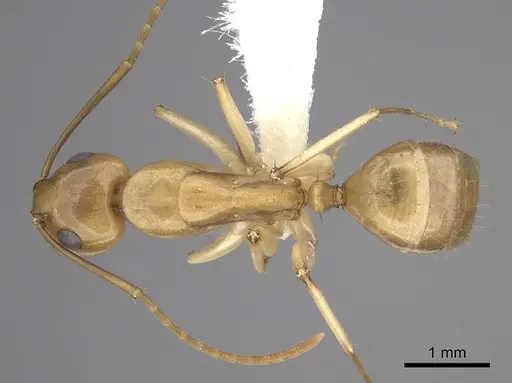
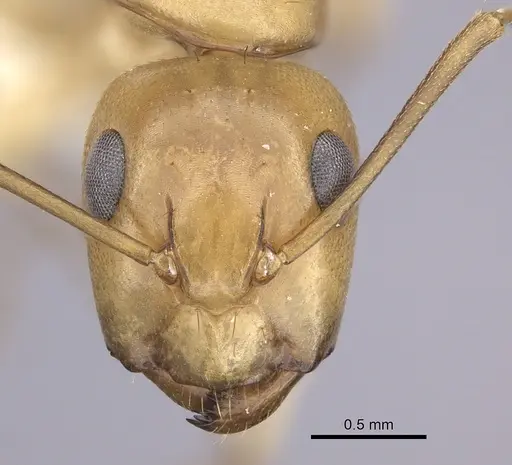
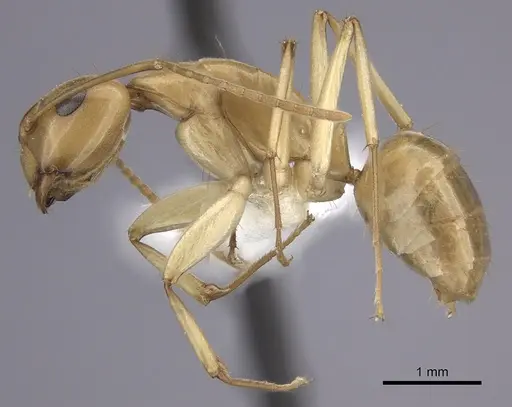
CASENT0249614
View on AntWeb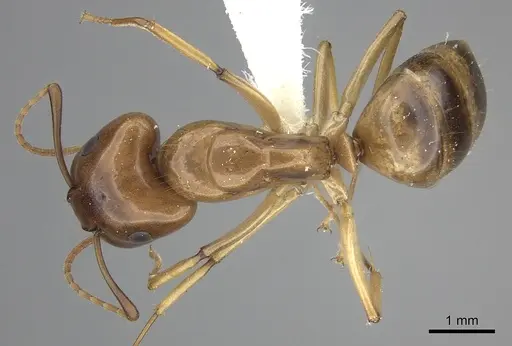
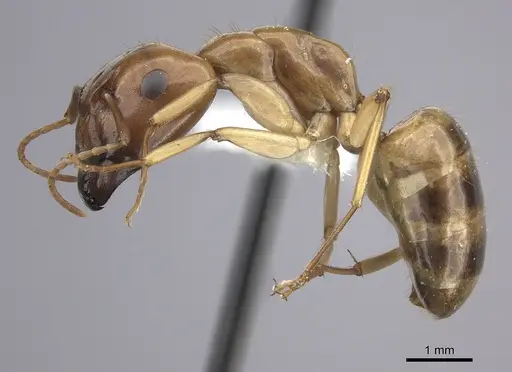
CASENT0903618
View on AntWeb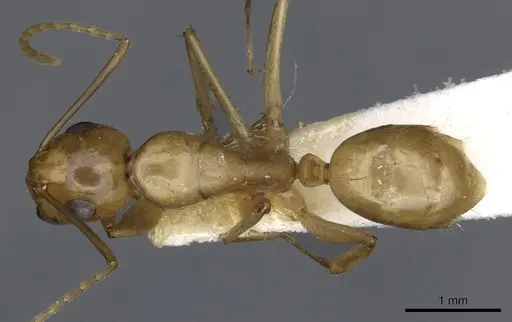
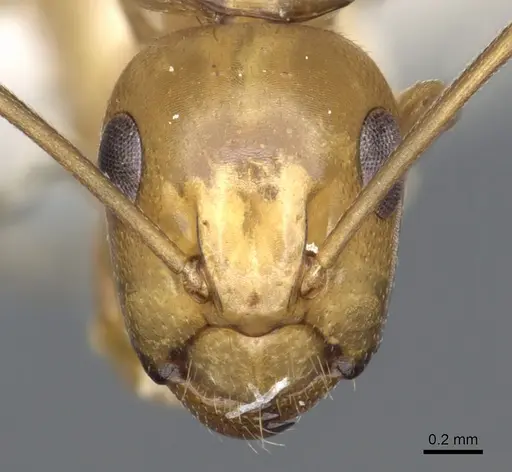
CASENT0903619
View on AntWeb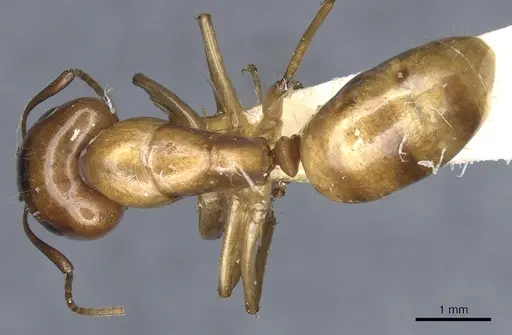
Literature
Loading distribution map...Loading products...