
Camponotus jaliensis
- Sci. Name
- Camponotus jaliensis
- Subgenus
- Tanaemyrmex
- Tribe
- Camponotini
- Subfamily
- Formicinae
- Author
- Dalla Torre, 1893
- Distribution
- Found in 2 countries
Introduction
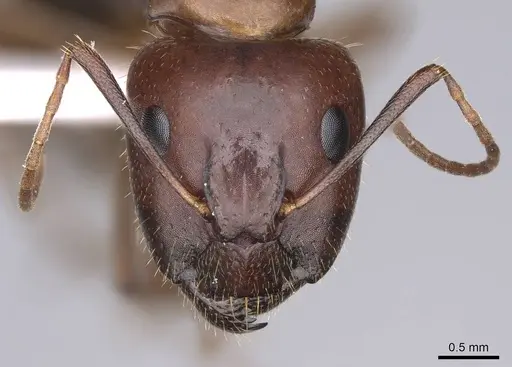
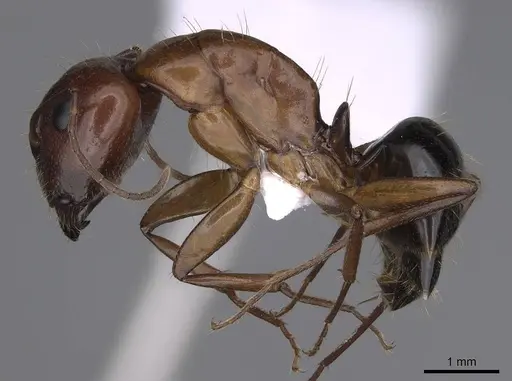
Camponotus jaliensis is a polymorphic carpenter ant belonging to the subgenus Tanaemyrmex. Workers range from 5.5-9.0mm in total length, with minor workers at 5.5-7mm and major workers reaching up to 9mm. This species is recognizable by the stiff erect hairs on the sides of its head (genae) and its hind legs that lack the row of spines typically found on related species. Body color is extremely variable - colonies can produce almost yellow ants while others are dark brown to nearly black, with all intermediate shades. This ant is native to the eastern Mediterranean region, found across Greece (including Crete, the Aegean Islands, and mainland), Cyprus, Turkey, Israel, and recently documented in Iran. It nests under stones in warm, open areas like agricultural land, urban gardens, and rocky slopes, typically below 500m elevation but recorded up to 1780m in Crete .
Quick Summary
- Difficulty: Easy
- Origin & Habitat: Eastern Mediterranean, Greece, Cyprus, Turkey, Israel, and Iran. Found in warm, open habitats including agricultural land, urban areas, forests, coastal zones, and riparian areas. Nests under stones in soil, typically below 500m elevation but recorded up to 1780m in Crete [1][2][4][3].
- Colony Type: Monogyne, colonies have a single queen [4].
- Size & Growth:
- Queen: Size data unavailable, queen measurements not documented in available literature
- Worker: Minor workers: 5.5-7mm, Major workers: 7-9mm (total length) [5]
- Colony: Colony size data unavailable from captive observations
- Growth: Growth rate data unavailable
- Development: Development time unconfirmed for this specific species (No species-specific development data available)
- Antkeeping:
- Temperature: Keep at 22-26°C. This is a warmth-loving Mediterranean species that thrives in warm conditions. A heating cable on one side of the nest creates a temperature gradient they can regulate themselves.
- Humidity: Moderate humidity, keep nest substrate slightly moist but allow some drying between waterings. These ants naturally nest under stones in soil that dries out periodically. Provide a water test tube as a permanent water source.
- Diapause: Yes, as a Mediterranean species from temperate Greece and Turkey, colonies require a winter rest period. Keep at 10-15°C for 2-3 months during winter. Reduce feeding and keep the colony slightly cooler but not cold.
- Nesting: Y-tong (AAC) nests work well for this species. They also do well in naturalistic setups with soil and flat stones. Provide narrow chambers suitable for their size, major workers are substantial at nearly 9mm. Avoid very wet substrates as they naturally nest in relatively well-drained soil under stones.
- Behavior: These ants are generally calm and not aggressive. Like most carpenter ants, they are primarily nocturnal or crepuscular, becoming more active in the evening. Workers are moderate foragers that search for sugar sources and protein. Major workers serve as defenders and can crack seeds or process larger prey. They have the typical Camponotus ability to squirt formic acid when threatened, though this is a minor defense. Escape risk is moderate, use standard barrier methods with test tube setups. They are not known for being particularly aggressive toward keepers.
- Common Issues: colonies may slow significantly or stall if temperature drops below 20°C for extended periods, overwatering can cause mold issues in nest setups, allow substrate to dry partially between waterings, wild-caught colonies may carry parasites that can decimate captive colonies, major workers are large enough to be noticed but small enough to squeeze through loose connections, check all seals, founding phase can be slow, queens may take extended time before first workers emerge, patience is essential
Housing and Nest Setup
Camponotus jaliensis does well in several nest types. Y-tong (acrylic and glass) nests are excellent because they allow you to observe the colony while providing appropriate chamber sizes. Naturalistic setups with a soil chamber and flat stone on top also work well, this mimics their natural preference for nesting under stones in soil. The chamber size should accommodate their polymorphic workers, minor workers at 5.5-7mm are small but major workers reach nearly 9mm, so avoid chambers that are too tight. A test tube setup works for founding colonies, but be prepared to move them to a larger formicarium once the colony reaches 30-50 workers. Always provide a water test tube connected to the outworld so workers can drink without drowning. [4][5]
Feeding and Diet
Like most Camponotus species, C. jaliensis is omnivorous with a preference for sugar sources and protein. Offer sugar water, honey, or diluted maple syrup as a constant food source, change it every 2-3 days to prevent fermentation. For protein, provide small insects like fruit flies, small crickets, or mealworms. Major workers can handle larger prey items. In the wild, they likely forage for honeydew from aphids and small invertebrates. Feed protein 2-3 times per week for growing colonies, less often for established colonies. Remove uneaten prey after 24-48 hours to prevent mold. This species is not known to be particularly picky, most captive Camponotus diets work well. [5]
Temperature and Seasonal Care
This is a warmth-loving species from the Mediterranean region. Keep the nest area at 22-26°C for optimal growth and activity. A heating cable placed on one side of the nest creates a gradient that lets ants regulate their own temperature, they will move between warmer and cooler areas as needed. During winter, provide a diapause (winter rest) period of 2-3 months at 10-15°C. This mimics their natural seasonal cycle and helps maintain colony health. Reduce feeding during diapause, the colony will be less active and consume less. Do not diapause colonies that are still in early founding stages (queen with only nanitics), as this can stress them. Mature colonies handle winter rest well. [3][5]
Colony Founding and Growth
Founding behavior for this species is unconfirmed. The founding process may follow typical Camponotus patterns: the queen seals herself in a chamber, lays eggs, and raises the first workers on stored body reserves. After the first workers (nanitics) emerge, the queen typically focuses on egg-laying while workers handle foraging and brood care. Growth rate data is unavailable for this specific species. Major workers (soldiers) typically appear once the colony reaches significant size. Be patient during founding, disturbing the queen before nanitics emerge can cause her to abandon or eat the brood. [5]
Behavior and Temperament
Camponotus jaliensis has a calm temperament typical of most carpenter ants. They are not particularly aggressive and rarely bite unless directly threatened. When defending, they may use their formic acid spray as a deterrent, this is harmless to humans but can be irritating to eyes. Workers are primarily nocturnal or crepuscular, becoming more active in the evening and night hours. This matches their natural behavior of foraging when temperatures are cooler. Major workers serve as colony defenders and help process larger food items. The colony will establish predictable foraging routes once they settle into a routine. They are moderate escape artists, while not the smallest ants, they can squeeze through small gaps, so ensure all connections and barriers are secure. [5]
Handling and Observation
These ants are best observed rather than handled. While they are not aggressive, major workers can deliver a noticeable bite if provoked, and their formic acid spray can cause eye irritation. For observation, watch the workers as they forage in the outworld, tend to brood, or patrol their territory. The polymorphism is fascinating to observe, minor workers handle most daily tasks while major workers defend the nest and process tough food items. Their variable coloration means your colony may have ants ranging from yellowish to dark brown, which is normal for this species. Keep the formicarium in a quiet area with minimal vibration to reduce stress. [5]
Frequently Asked Questions
Is Camponotus jaliensis good for beginners?
Yes, this is a good beginner species. They are forgiving of minor care mistakes, not overly aggressive, and adapt well to various nest setups. The main challenges are providing proper warmth and remembering the winter diapause requirement. Their moderate size makes them easy to observe, and their relatively straightforward founding makes them manageable to start from a single queen.
How long does it take for the first workers to appear?
Development time is unconfirmed for this specific species. For related Mediterranean Camponotus species, expect approximately 6-8 weeks from egg to first worker (nanitics) at optimal temperature (24-26°C). Some variation is normal, cooler temperatures can slow development significantly.
Do Camponotus jaliensis need hibernation?
Yes. As a Mediterranean species from Greece, Turkey, and nearby regions, they require a winter rest period. Keep the colony at 10-15°C for 2-3 months during winter. Reduce feeding during this time and avoid disturbing them. This diapause helps maintain colony health and triggers proper seasonal cycles. Do not diapause newly founded colonies with only nanitics, wait until the colony is established with at least 20-30 workers.
What do Camponotus jaliensis eat?
They need a balanced diet of sugar and protein. Offer sugar water, honey, or maple syrup as a constant sugar source. For protein, feed small insects like fruit flies, small crickets, or mealworms. Major workers can handle larger prey. Change sugar sources every few days to prevent fermentation. Feed protein 2-3 times per week for growing colonies.
Can I keep multiple Camponotus jaliensis queens together?
No. This is a monogyne species, colonies naturally have only one queen. Unlike some ants that can form multi-queen colonies, C. jaliensis colonies are founded by a single queen and remain that way. If you find multiple queens, they would likely fight if kept together in captivity. Start with one queen per colony.
What size colony do they reach?
Colony size data is unavailable from captive observations for this species. Based on typical Camponotus patterns, major workers (soldiers) typically appear once the colony reaches significant size. Growth is moderate for Mediterranean species.
When should I move them from a test tube to a formicarium?
Move them once the colony reaches 30-50 workers or when the test tube water reservoir is getting low and you need better humidity control. A Y-tong or naturalistic formicarium with soil works well. Make sure the new nest has appropriately sized chambers, not too tight for the major workers that can reach 9mm.
Why is my colony not growing?
The most common reasons for slow growth are: temperatures below 20°C (they need warmth), insufficient protein in diet, too small nest chambers causing stress, or the queen may have died during founding. Check that your heating setup maintains 22-26°C in the nest area, offer protein-rich foods regularly, and ensure the nest size is appropriate. If the queen dies, the colony cannot recover, only replacement queens could restart.
Are Camponotus jaliensis invasive anywhere?
No. This species is native to the eastern Mediterranean (Greece, Cyprus, Turkey, Israel, Iran) and has not been documented as invasive in other regions. As with all ant species, never release captive colonies into non-native areas.
Report an Issue
The current care sheet is based fully on literature. See inconsistencies, or something that's incorrect? Please , it will be resolved after review from an admin. Contributing to the blogs tab also helps providing information, to make us be able to further improve the caresheets. Thank you for your support!
References

This caresheet is licensed under CC BY-SA 4.0 .
Community Blogs
CASENT0882043
View on AntWeb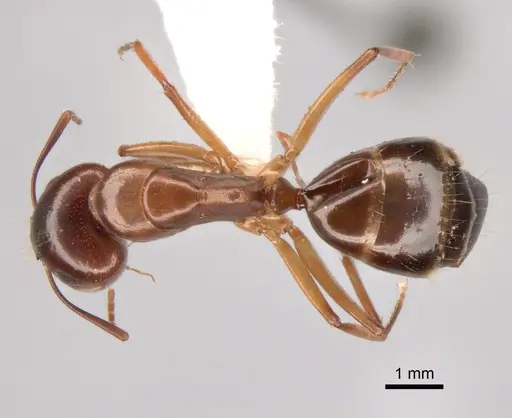
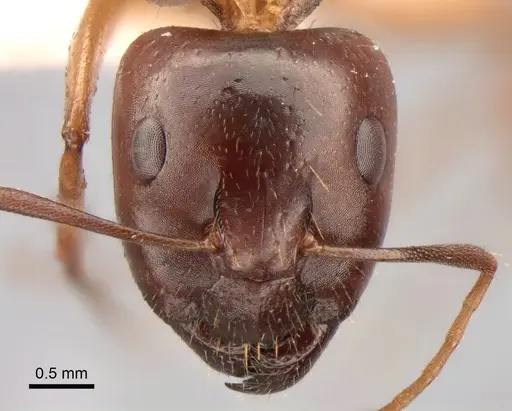
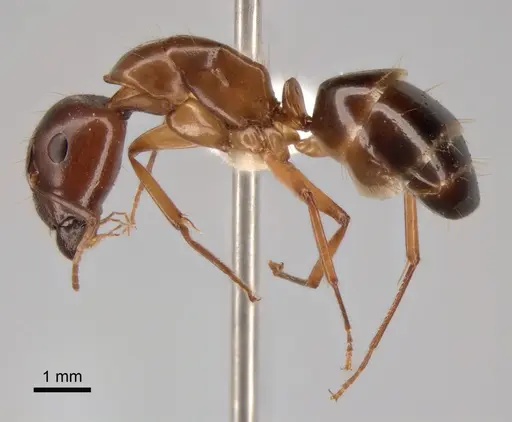
CASENT0906064
View on AntWeb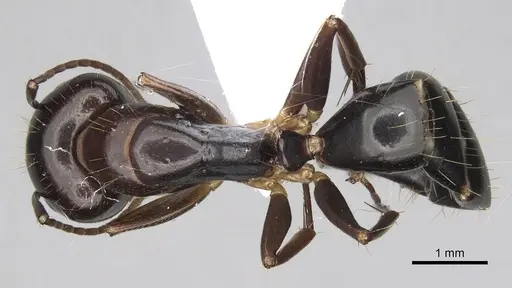
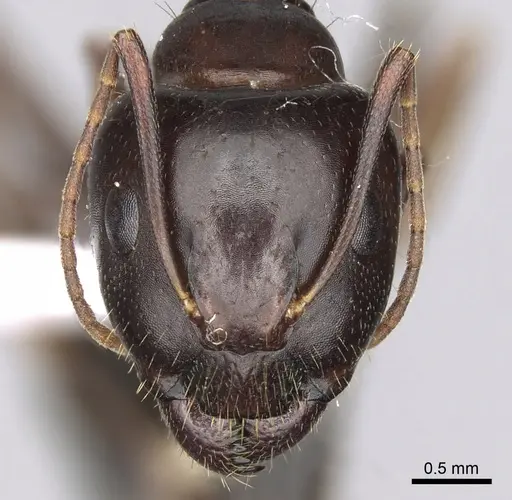
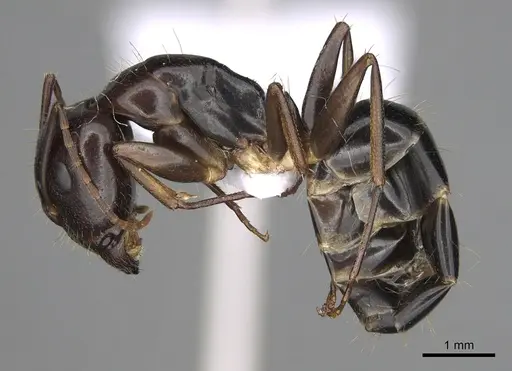
CASENT0906065
View on AntWeb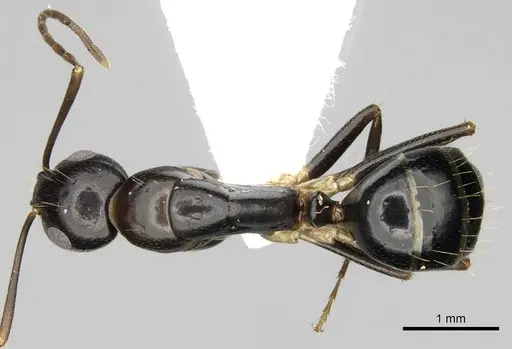
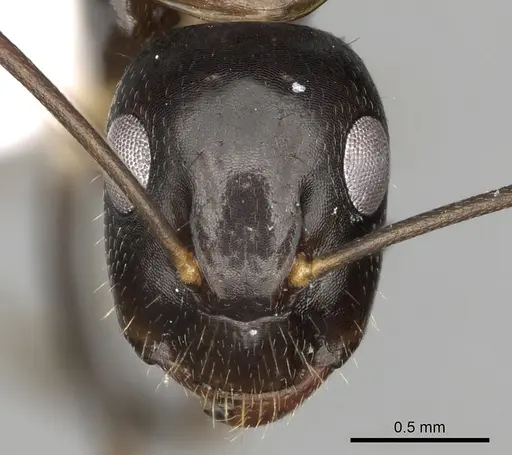
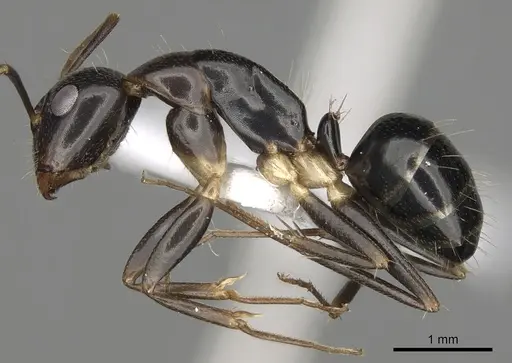
CASENT0910192
View on AntWeb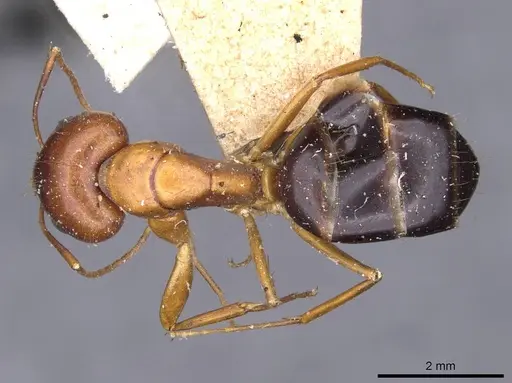
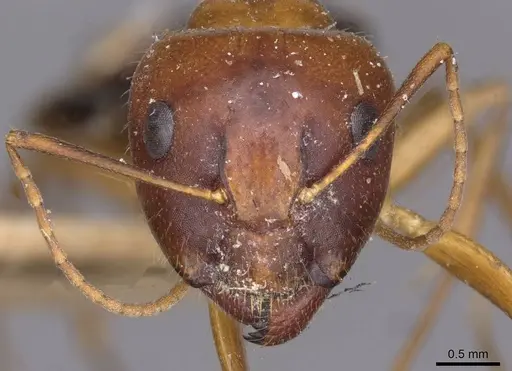
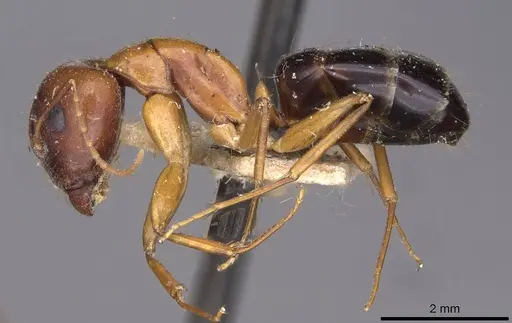
CASENT0910193
View on AntWeb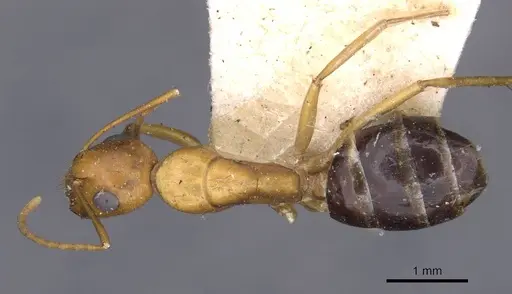
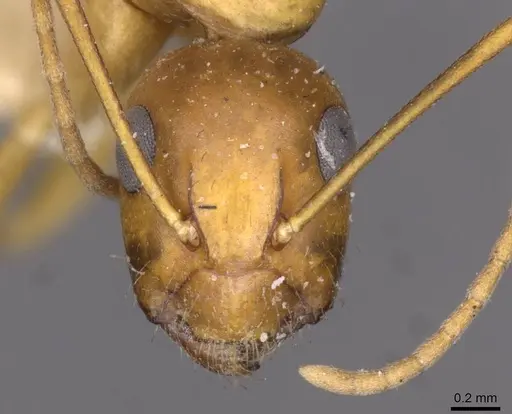
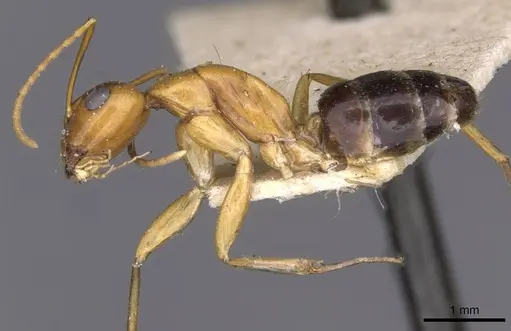
CASENT0914271
View on AntWeb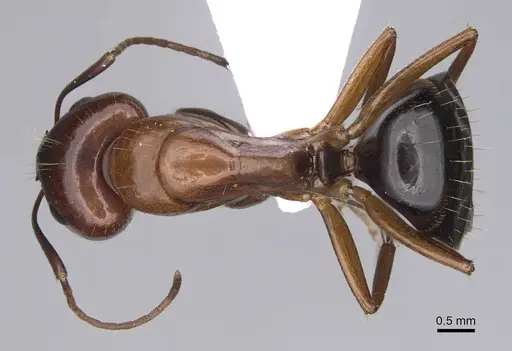
Literature
Loading distribution map...Loading products...