
Camponotus ilgii
- Sci. Name
- Camponotus ilgii
- Subgenus
- Myrmotrema
- Tribe
- Camponotini
- Subfamily
- Formicinae
- Author
- Forel, 1894
- Distribution
- Found in 2 countries
Introduction
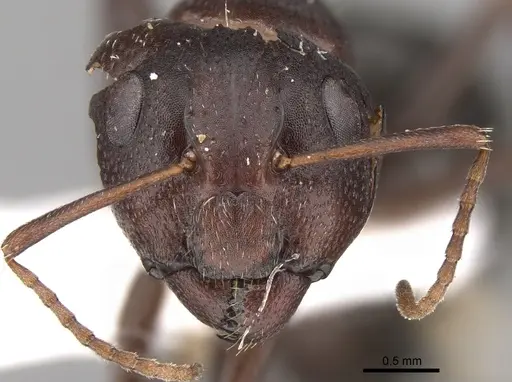
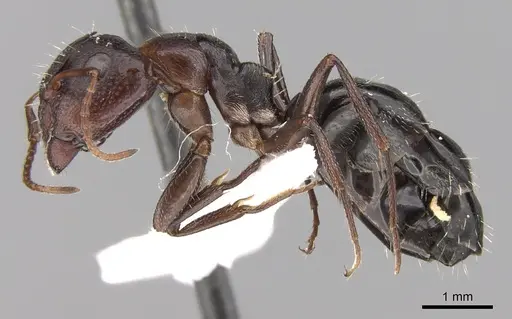
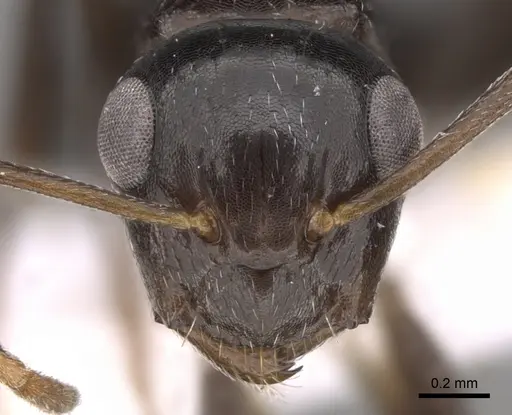
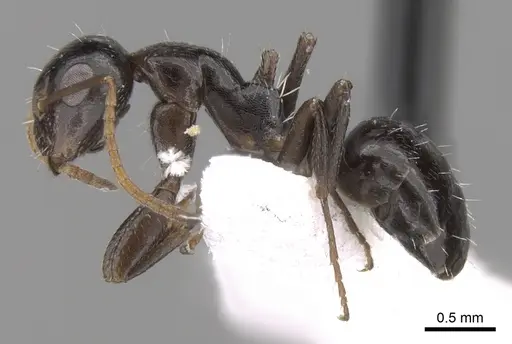
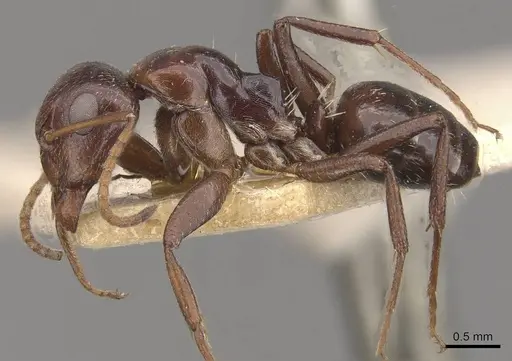
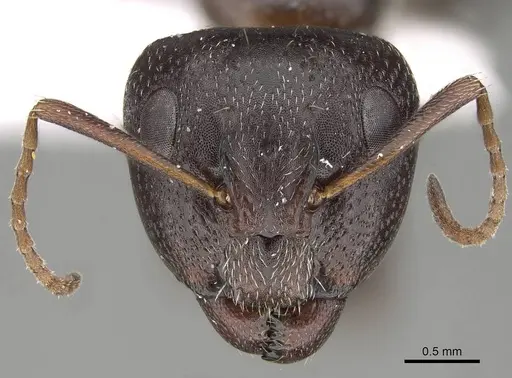
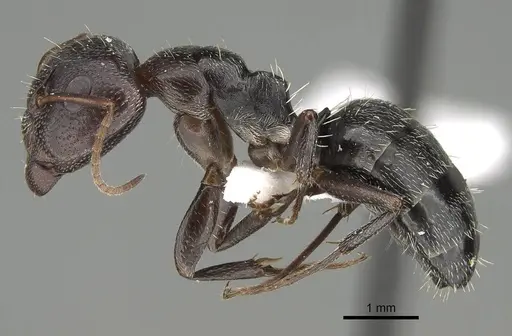
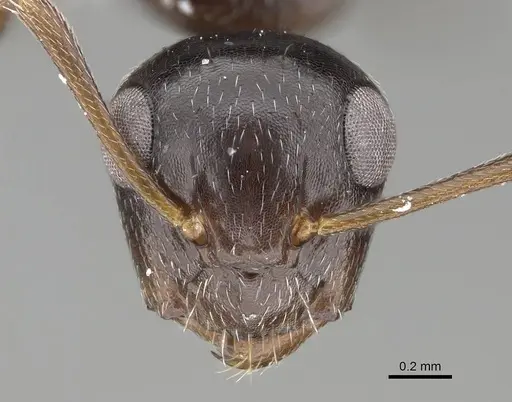
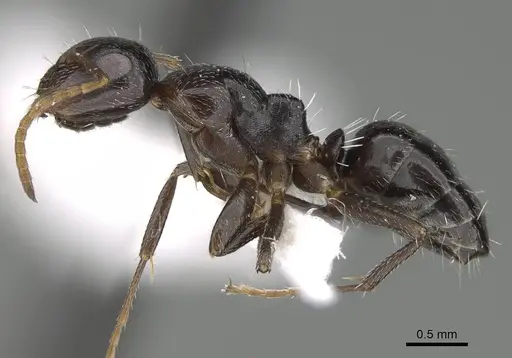
Camponotus ilgii is a medium-sized carpenter ant found across Africa and the Middle East. Workers measure approximately 4-7mm, with major workers being larger than minors. They have the typical Camponotus body shape with a rounded abdomen and are usually dark brown to black. This species belongs to the subgenus Myrmotrema, which often nests in trees or woody vegetation rather than in ground nests . In the wild, these ants are associated with savannah habitats and are commonly found on acacia trees (Vachellia species). They nest in hollow branches, twigs, or under bark, making them arboreal rather than ground-nesting. This makes them an interesting species for keepers who want something different from typical ground-nesting carpenter ants .
Quick Summary
- Difficulty: Medium
- Origin & Habitat: Camponotus ilgii ranges across the Afrotropical region (Ethiopia, Senegal, Tanzania) and extends into the Palaearctic through Oman, Saudi Arabia, Yemen, and Iran. They inhabit savannah environments and are strongly associated with Vachellia (acacia) trees, nesting in hollow branches or under bark [1][2].
- Colony Type: Likely single-queen colonies (monogyne), which is typical for most Camponotus species. Colony structure in this specific species has not been extensively studied, but the genus pattern suggests one queen per established colony.
- Size & Growth:
- Queen: size data unavailable, queen size has not been specifically documented for this species
- Worker: 4-7mm (majors 4.2-4.7mm) [2]
- Colony: Colony size is not well documented for this species, estimated up to several hundred workers based on typical Camponotus patterns
- Growth: Moderate, typical for Camponotus genus
- Development: Development time is unconfirmed for this specific species. Based on typical Camponotus patterns, expect 6-8 weeks at optimal temperature. (Development timing is inferred from genus patterns as specific data is not available for C. ilgii)
- Antkeeping:
- Temperature: Keep at 24-28°C. These are warm-climate ants from savannah and arid regions, so they prefer temperatures in the warm range. A heating cable on one side of the nest creates a gradient allowing workers to self-regulate.
- Humidity: Moderate humidity around 50-60%. Being arboreal nesters, they prefer drier conditions than ground-nesting ants. Allow the nest to dry out partially between water additions.
- Diapause: Likely reduced activity in winter but not a true hibernation. Based on their tropical/subtropical origin, they probably do not require a full diapause. Keep them slightly cooler (18-20°C) during winter months but maintain some warmth.
- Nesting: Arboreal species, they prefer nests in wood or cork. A Y-tong (AAC) nest with cork inserts works well, or a wooden formicarium. They do not need soil substrates. Provide narrow chambers scaled to their size.
- Behavior: Generally calm and not aggressive toward keepers. Like most Camponotus, they are primarily nocturnal or crepuscular, becoming more active in dim light. Workers are moderate foragers and will recruit nestmates to food sources. They are not known to be particularly defensive but can bite if threatened and may spray formic acid. Escape risk is moderate, they are not tiny ants but can squeeze through small gaps if motivated. Use standard barrier methods.
- Common Issues: arboreal nature means they may reject ground-level nests, provide elevated nesting options, dry conditions can kill brood, maintain humidity balance even though they prefer drier conditions, slow founding phase, claustral queens can take months to produce first workers, beginners may give up, queen mortality during founding is common, expect some loss during the claustral period, wild-caught colonies may have parasites or diseases that affect captive survival
Housing and Nest Preferences
Camponotus ilgii is an arboreal species, meaning it naturally nests in wood and vegetation rather than in soil. In captivity, they do best in wooden nests, cork nests, or Y-tong (AAC) formicariums with cork inserts. They will not accept test tube setups as readily as ground-nesting species. The nest should have chambers narrow enough that workers can touch the ceiling, roughly 5-8mm chamber height works for these medium-sized ants. Provide a small outworld connected to the nest where foragers can move about. Because they naturally live in trees, they prefer having their nest elevated rather than sitting directly on a surface. You can place a small spacer under one end of the nest to create a slight tilt. [2]
Feeding and Diet
Like other Camponotus species, these ants are omnivorous. They accept sugar sources readily, provide honey water, sugar water, or commercial ant nectar. For protein, offer insects such as mealworms, crickets, or other small arthropods. In the wild, they tend aphids and feed on honeydew from sap-sucking insects, so they will readily accept sweet liquids. Feed them a few times per week, offer protein prey 2-3 times weekly and keep a constant sugar source available. Remove uneaten prey after 24-48 hours to prevent mold.
Temperature and Seasonal Care
These ants come from warm regions (Africa, Middle East) and need temperatures in the 24-28°C range for optimal brood development. Use a heating cable or heat mat on one side of the nest to create a temperature gradient, this lets workers move between warmer and cooler areas as needed. Place the heating on top of the nest, not underneath, to avoid drying out the nest too quickly. During winter, you can reduce temperatures to around 18-20°C, but avoid cold temperatures below 15°C. They do not require true hibernation but will slow down in cooler conditions. Monitor colony activity, if workers become sluggish and cluster together, they may need more warmth.
Colony Founding
When a mated queen establishes a colony, she will likely seal herself into a small chamber (claustral founding). She relies on stored fat reserves to survive and feed her first brood without leaving to forage. This founding phase can take 4-8 weeks or longer before the first workers (nanitics) emerge. During this time, the queen needs complete darkness and minimal disturbance. Do not check on her frequently, excessive vibration or light can cause her to abandon or eat her brood. Once the first workers emerge, you can begin offering tiny amounts of food, but the colony will primarily rely on the queen's continued egg-laying for growth. Founding success rates are often low, so obtaining multiple queens improves your chances.
Defense Mechanism
Camponotus ilgii lacks a functional sting. When threatened, workers will bite the target and spray a stream of concentrated formic acid from an acidopore into the wound. This is the typical defense mechanism for ants in the subfamily Formicinae, tribe Camponotini. While not dangerous to humans, the bite can be painful and the formic acid may cause irritation.
Frequently Asked Questions
Can I keep Camponotus ilgii in a test tube?
No, test tubes are not recommended. This is an arboreal species that naturally nests in wood and hollow branches. They prefer wooden nests, cork nests, or Y-tong formicariums. Test tubes simulate ground-nesting conditions which this species typically rejects.
How long does it take for Camponotus ilgii to produce first workers?
Based on typical Camponotus patterns, expect 6-8 weeks from egg to first worker at optimal temperature (24-28°C). The claustral founding phase can take longer if temperatures are too cool or if the queen is disturbed.
What temperature is best for Camponotus ilgii?
Keep them at 24-28°C. These are warm-climate ants from savannah regions. Use a heating cable on one side of the nest to create a gradient, allowing workers to regulate their own temperature by moving between warmer and cooler areas.
Are Camponotus ilgii good for beginners?
They are rated as medium difficulty. While not as challenging as some exotic species, their arboreal nesting preferences and specific housing needs make them better suited for keepers who have some experience with ant keeping basics. Beginners may struggle with their housing requirements.
What do Camponotus ilgii eat?
They are omnivorous. Offer sugar water, honey, or commercial nectar regularly. For protein, provide insects like mealworms, crickets, or other small arthropods 2-3 times per week. They will also tend honeydew if you keep aphids.
Do Camponotus ilgii need hibernation?
No true hibernation is required. Since they come from tropical and subtropical regions, they do not need a cold winter period. You can reduce temperatures slightly to 18-20°C in winter to slow activity, but this is not necessary and they will do fine at room temperature year-round.
How big do Camponotus ilgii colonies get?
Colony size is not well documented for this specific species, but based on typical Camponotus patterns, they likely reach several hundred workers. Growth is moderate, expect several months to reach 50+ workers and a year or more for a mature colony.
Can I keep multiple Camponotus ilgii queens together?
This species is likely monogyne (single queen per colony). Combining unrelated queens is not recommended as they will likely fight. If you obtain multiple founding queens, house them separately until their colonies are established.
Why is my Camponotus ilgii queen not laying eggs?
Several factors can affect egg-laying: temperatures below 24°C, disturbance during founding, poor nutrition, or the queen may have died. Ensure optimal conditions (warm, dark, quiet) and be patient, some queens take weeks to begin laying after mating.
When should I move Camponotus ilgii to a formicarium?
Wait until the colony has at least 20-30 workers before moving them. They do better in proper nests than test tubes anyway, so consider using a wooden or cork-based nest from the start if you obtain a colony with workers. Moving too early can stress the colony.
Are Camponotus ilgii ants invasive?
No, Camponotus ilgii is not considered invasive. It is a native species to its natural range in Africa and the Middle East. However, always check your local regulations before acquiring any ant species.
Report an Issue
The current care sheet is based fully on literature. See inconsistencies, or something that's incorrect? Please , it will be resolved after review from an admin. Contributing to the blogs tab also helps providing information, to make us be able to further improve the caresheets. Thank you for your support!
References

This caresheet is licensed under CC BY-SA 4.0 .
Community Blogs
CASENT0906450
View on AntWeb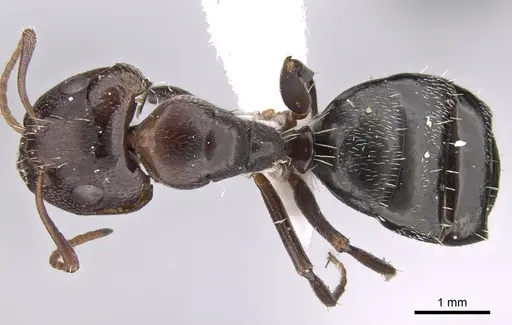
CASENT0906451
View on AntWeb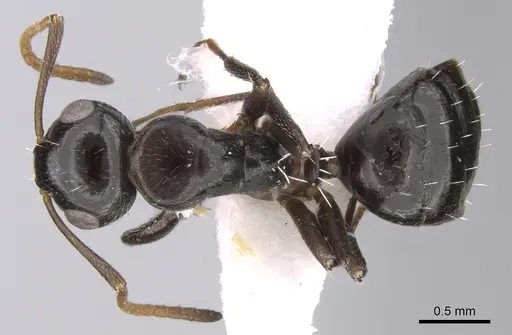
CASENT0910497
View on AntWeb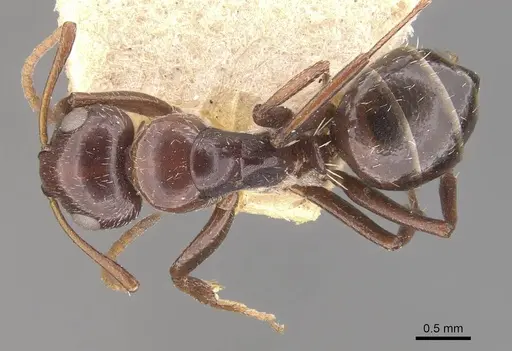
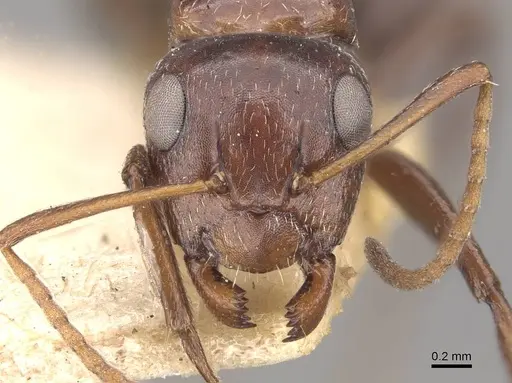
CASENT0919817
View on AntWeb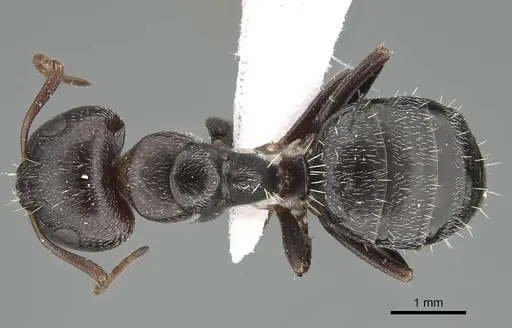
CASENT0919818
View on AntWeb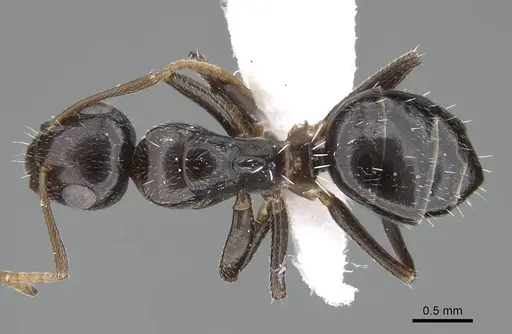
Literature
Loading distribution map...Loading products...