
Camponotus iheringi
- Sci. Name
- Camponotus iheringi
- Subgenus
- Myrmobrachys
- Tribe
- Camponotini
- Subfamily
- Formicinae
- Author
- Forel, 1908
- Distribution
- Found in 2 countries
Introduction
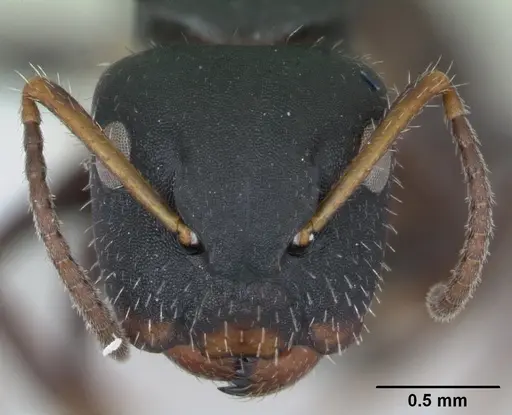
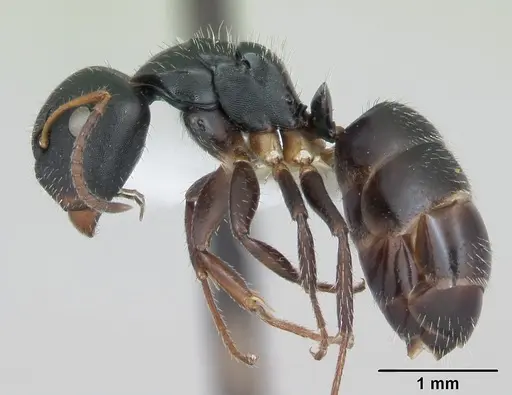
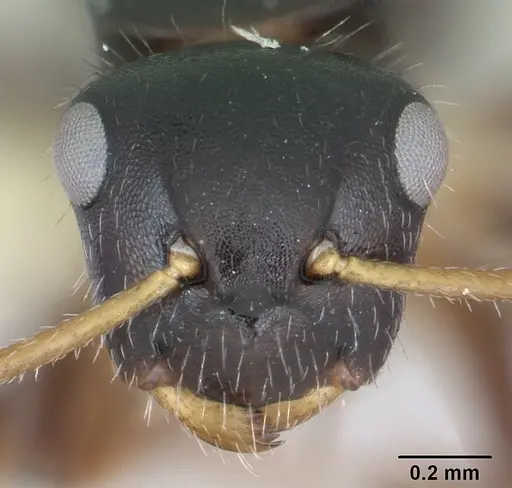
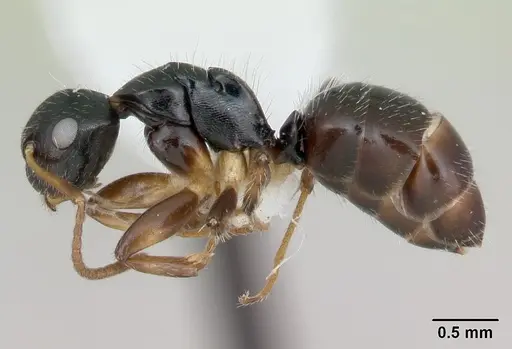
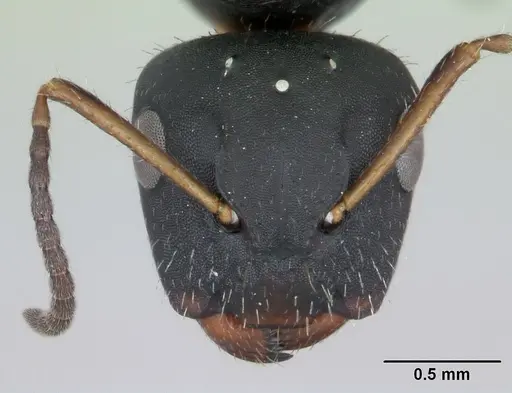
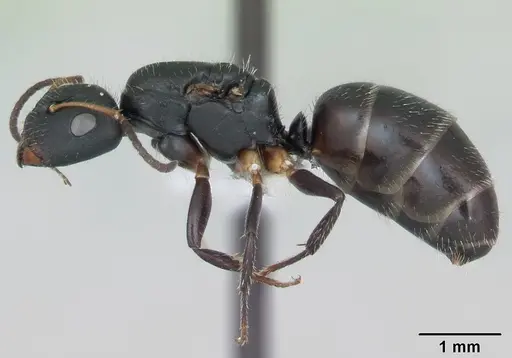
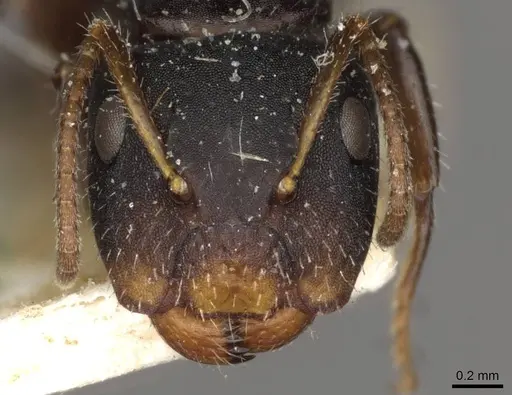
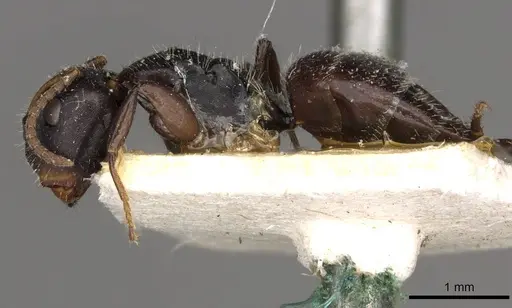
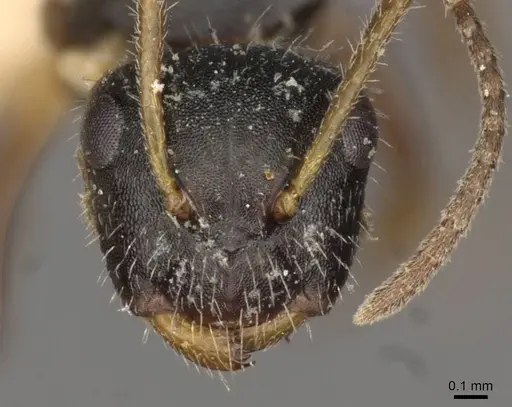
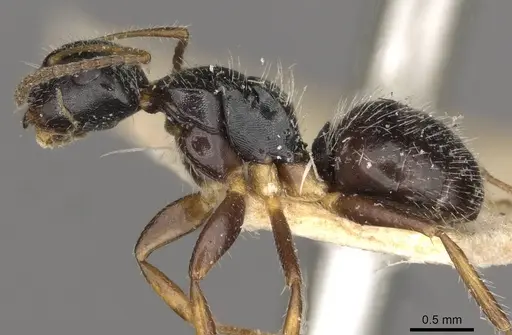
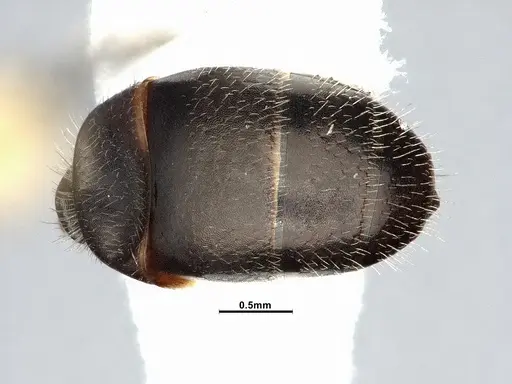
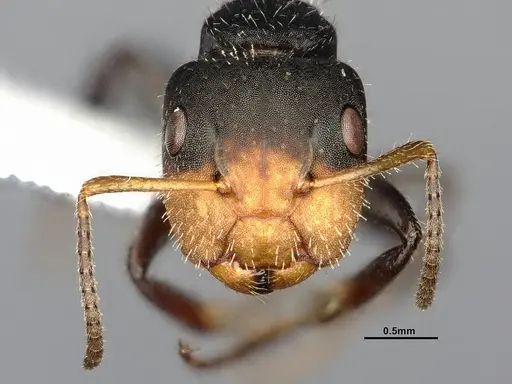
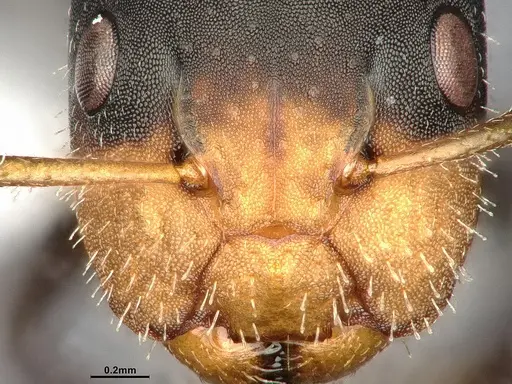
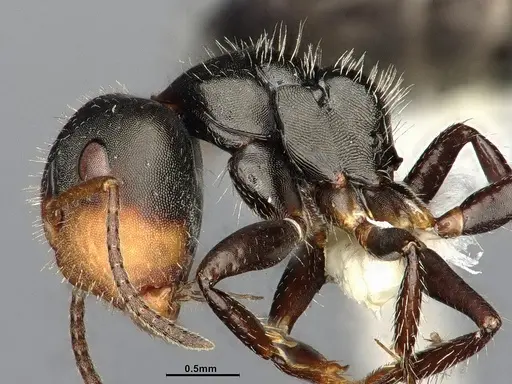
Camponotus iheringi is a medium-sized ant belonging to the subgenus Myrmobrachys, part of the dimorphus species group. Workers have a distinctive appearance with a subtriangular petiolar node in lateral view, and the pro- and mesonotum sit higher than the propodeum. The propodeum dorsum appears straight to slightly convex in profile . This species is native to the Neotropical region, found across Brazil, Paraguay, Peru, and northern Argentina (Misiones province) [AntWiki]. They belong to the Subordinate Camponotini functional group, meaning they are relatively peaceful ants that typically avoid conflict with other colonies. These ants are arboreal to semi-arboreal, nesting in rotting wood and under bark in tropical and subtropical forests.
Quick Summary
- Difficulty: Medium
- Origin & Habitat: Neotropical region, Brazil, Paraguay, Peru, and northern Argentina. Found in tropical and subtropical forest environments, typically nesting in rotting wood or under bark [3].
- Colony Type: Colony structure is not well documented in scientific literature. Based on typical Camponotus patterns, likely single-queen colonies, though this requires confirmation.
- Size & Growth:
- Queen: size data unavailable, inferred from Camponotus genus (~10-12mm)
- Worker: size data unavailable, inferred from Camponotus genus (~5-9mm)
- Colony: Estimated up to 1000 workers based on typical Camponotus colony development
- Growth: Moderate, typical for Camponotus species
- Development: Estimated 6-8 weeks at optimal temperature based on typical Camponotus development patterns (Development time is inferred from genus-level data, specific timing for this species has not been directly studied)
- Antkeeping:
- Temperature: Keep at 22-26°C. As a Neotropical species, they prefer warm conditions. A heating cable on one side of the nest can create a gentle gradient if room temperature falls below this range.
- Humidity: Moderate to high humidity. Keep the nest substrate slightly moist but not waterlogged. Myrmobrachys species prefer damp nesting material but not saturated conditions.
- Diapause: Likely a mild winter rest period given their range extends into southern Brazil and Argentina where temperatures drop seasonally. Monitor colony activity to determine if they require this rest.
- Nesting: Y-tong (AAC) nests or plaster nests work well. They prefer narrow chambers and tight spaces typical of their natural nesting in rotting wood and under bark. Avoid overly dry or overly wet conditions.
- Behavior: These are relatively calm, non-aggressive ants belonging to the Subordinate Camponotini group, they typically avoid confrontation rather than engage in territorial disputes [2]. Workers are moderately active foragers, searching for honeydew, nectar, and small insects. Major workers serve as defenders and help process larger food items. They are not known for being particularly escape-prone, but standard escape prevention is still recommended. They lack a functional sting but can bite and spray formic acid from their acidopore.
- Common Issues: colonies may develop slowly during the first year as the queen raises her first workers, patience is essential, humidity control is important, too dry and brood desiccates, too wet and mold becomes a problem, wild-caught colonies may carry parasites that can devastate captive populations, heating too aggressively can dry out the nest and kill the colony, major workers are large but not aggressive, they may deliver a mild sting combined with formic acid spray if threatened
Housing and Nest Setup
Camponotus iheringi does well in Y-tong (AAC) nests or plaster formicariums. They prefer tight, narrow chambers that mimic their natural nesting in rotting wood and under bark. The subgenus Myrmobrachys is adapted to more humid conditions, so choose a nest material that retains moisture well without becoming waterlogged. A test tube setup can work for founding colonies, use a water reservoir with a cotton plug, keeping it topped up to maintain humidity. Once the colony reaches 20-30 workers, consider moving to a proper formicarium. Always provide an outworld for foraging, connected via tubing. Escape prevention is straightforward, these are not particularly small ants, but apply Fluon to rim edges as standard practice. [3]
Feeding and Diet
Like most Camponotus species, these ants are omnivorous. They readily accept sugar sources, offer sugar water, honey, or diluted maple syrup every few days. For protein, provide small insects like fruit flies, small crickets, or mealworms. In the wild, they forage for honeydew from aphids and scale insects, so they may also accept aphid honey if available. Feed protein 1-2 times per week, adjusting based on colony size and brood development. Remove uneaten prey after 24-48 hours to prevent mold. Major workers will help process larger prey items for the colony.
Temperature and Seasonal Care
Maintain temperatures between 22-26°C for optimal brood development. This Neotropical species prefers warmth but not extreme heat. During winter months, if your room temperature drops significantly, provide a mild cooling period, this mimics the cooler winter conditions in their native range (southern Brazil, Argentina). Do not cool aggressively, a simple reduction to room temperature in a cool basement or garage is usually sufficient. Monitor the colony, if they remain active and continue foraging, they may not need a formal diapause. Reduce feeding during any cool period.
Colony Development and Growth
Camponotus colonies grow moderately fast once established. The claustral queen will seal herself in a chamber and not emerge until her first workers (nanitics) emerge, typically 6-8 weeks after founding at optimal temperature. These first workers are smaller than normal workers but will begin foraging to support further growth. Major workers appear as the colony matures, these larger workers serve as defenders and help with food processing. A healthy mature colony may reach several hundred workers over several years. Growth is fastest when the colony has consistent access to protein and sugar, proper humidity, and warm temperatures.
Behavior and Temperament
These ants are assigned to the Subordinate Camponotini functional group, which means they are relatively peaceful and non-confrontational compared to more aggressive Camponotus species [2]. They are not particularly territorial and typically avoid conflicts rather than engage in aggressive defense. Workers are moderately active and will forage both in the nest area and outworld. Major workers can deliver a mild bite and spray formic acid if threatened, but they are not aggressive toward keepers. They do not exhibit unusual behaviors like tandem running or slave-making, they are straightforward, manageable ants suitable for intermediate keepers.
Frequently Asked Questions
How long does it take for Camponotus iheringi to produce first workers?
Expect first workers (nanitics) to emerge 6-8 weeks after the queen lays eggs, assuming temperatures around 24°C. This timeline is based on typical Camponotus development patterns, specific timing for this species has not been directly studied.
What temperature should I keep Camponotus iheringi at?
Keep them at 22-26°C. This Neotropical species prefers warm conditions. A heating cable on part of the nest can help if your room temperature runs cooler.
Do Camponotus iheringi ants need hibernation?
They likely benefit from a mild winter rest period given their range includes southern Brazil and Argentina where temperatures drop seasonally. This is optional but recommended for colony health.
Are Camponotus iheringi good for beginners?
They are rated as medium difficulty. They are more forgiving than some species but require attention to humidity and temperature. Beginners should be prepared for the slow first year of colony growth.
What do Camponotus iheringi eat?
They are omnivorous. Offer sugar water, honey, or maple syrup regularly, and protein sources like small insects (fruit flies, mealworms) 1-2 times per week.
How big do Camponotus iheringi colonies get?
Estimated up to 1000 workers at maturity, based on typical Camponotus colony sizes. Growth takes several years from a single founding queen.
What size nest should I use for Camponotus iheringi?
Start with a test tube for the founding queen. Once the colony reaches 20-30 workers, move to a Y-tong or plaster formicarium with narrow chambers. They prefer tight spaces similar to their natural nesting in rotting wood.
Can I keep multiple Camponotus iheringi queens together?
This has not been documented for this species. Based on typical Camponotus behavior, it is not recommended to combine unrelated foundresses, they would likely fight.
Why is my Camponotus iheringi colony not growing?
Common causes include: temperatures too low (below 20°C slows development significantly), humidity too dry (causes brood death), or insufficient protein. Also ensure the queen is still alive and laying eggs. Colonies often appear stagnant during their first year.
Report an Issue
The current care sheet is based fully on literature. See inconsistencies, or something that's incorrect? Please , it will be resolved after review from an admin. Contributing to the blogs tab also helps providing information, to make us be able to further improve the caresheets. Thank you for your support!
References

This caresheet is licensed under CC BY-SA 4.0 .
Community Blogs
CASENT0173424
View on AntWeb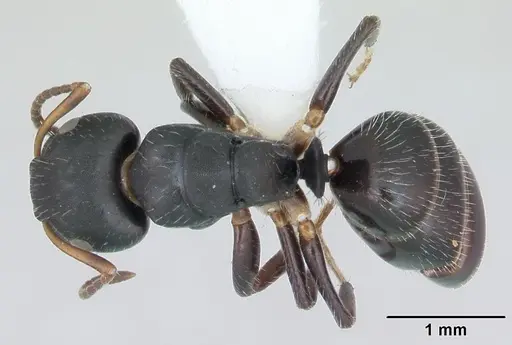
CASENT0173425
View on AntWeb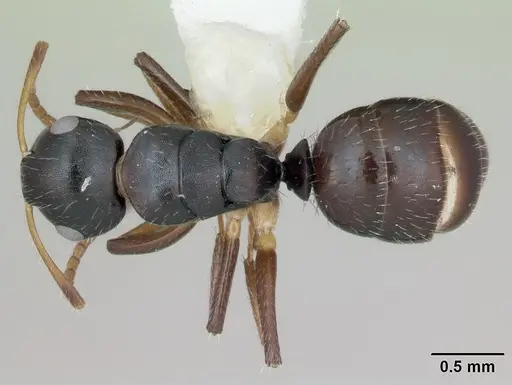
CASENT0173426
View on AntWeb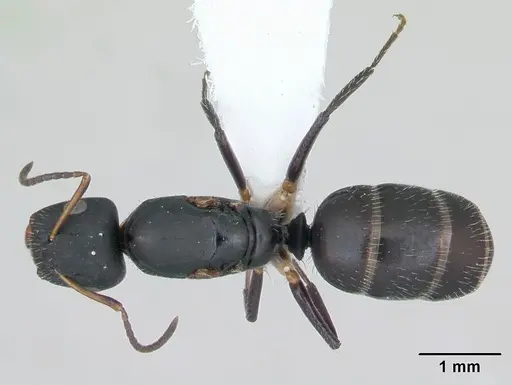
CASENT0910730
View on AntWeb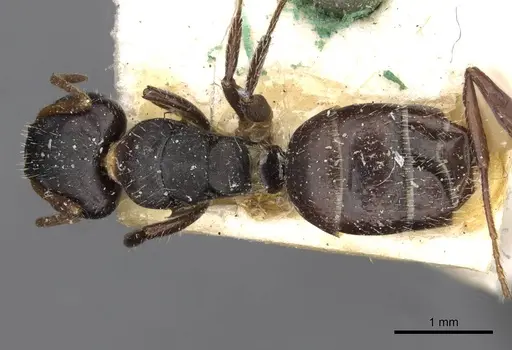
CASENT0910731
View on AntWeb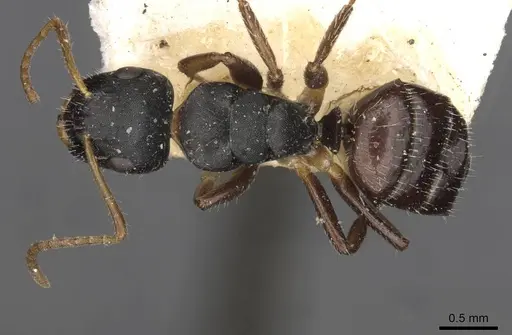
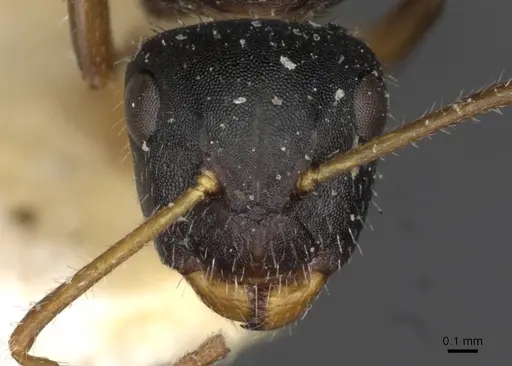
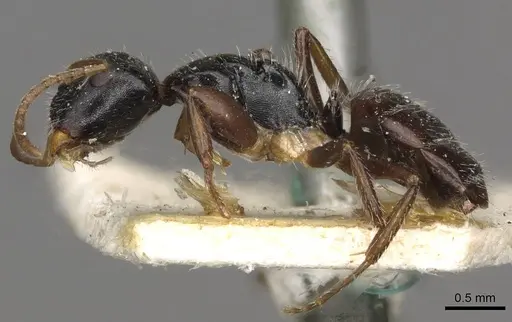
CASENT0910732
View on AntWeb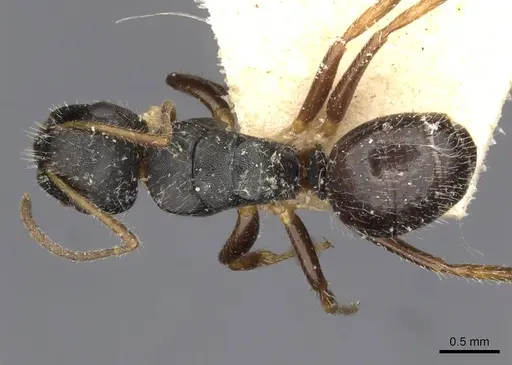
CASENT4031639
View on AntWeb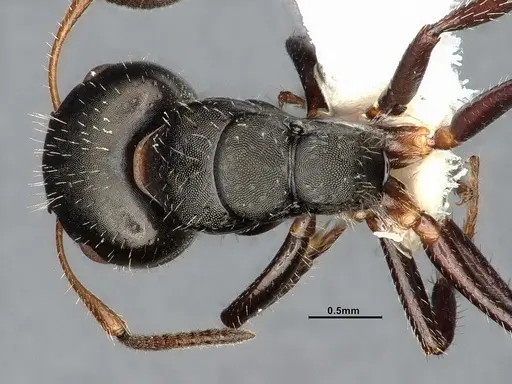
Literature
Loading distribution map...Loading products...