
Camponotus hova
- Sci. Name
- Camponotus hova
- Subgenus
- Myrmosaga
- Tribe
- Camponotini
- Subfamily
- Formicinae
- Author
- Forel, 1891
- Distribution
- Found in 5 countries
Introduction
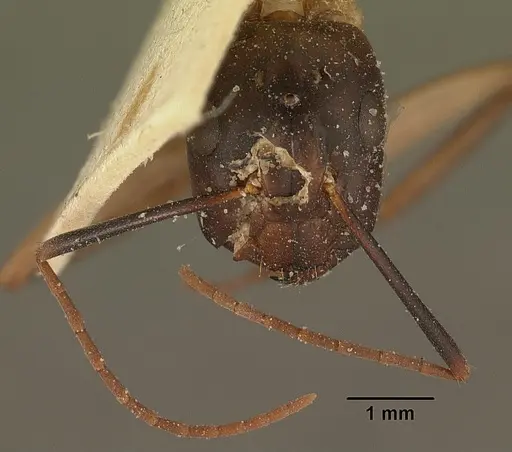
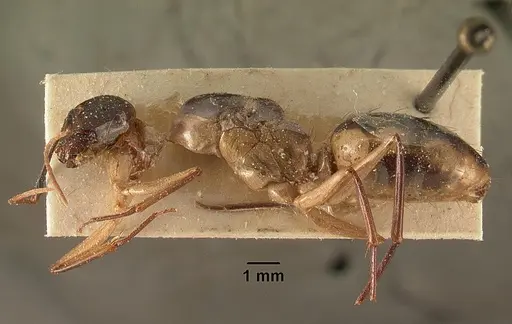
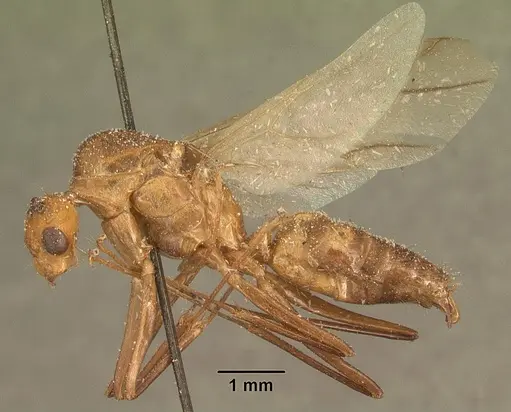
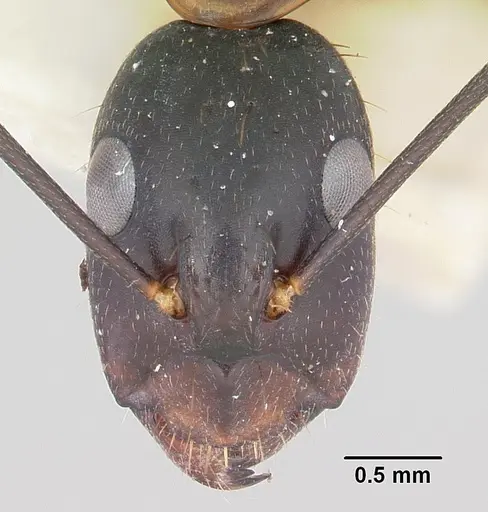
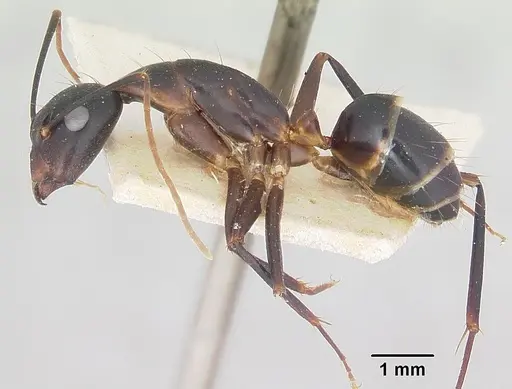
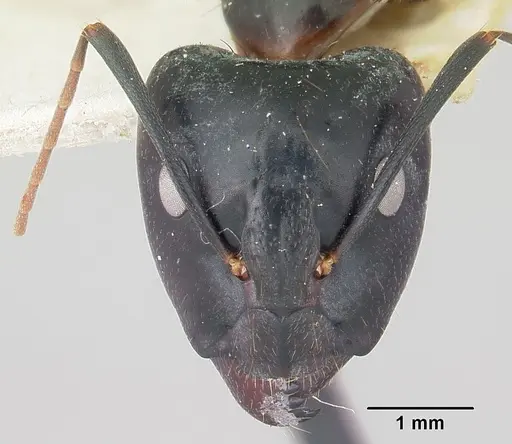
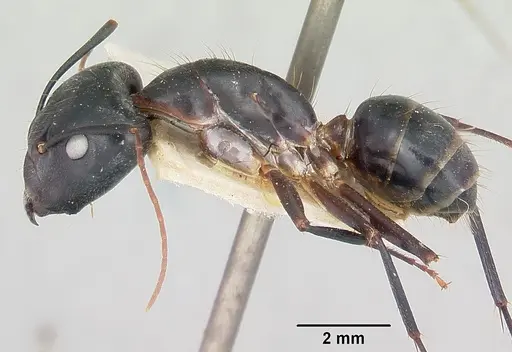
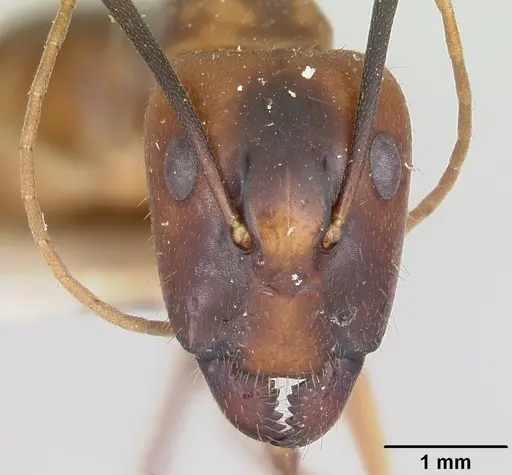
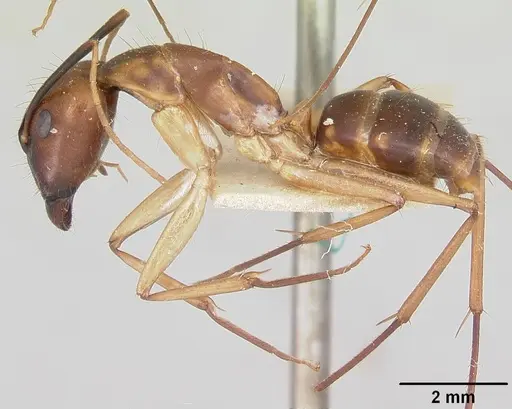
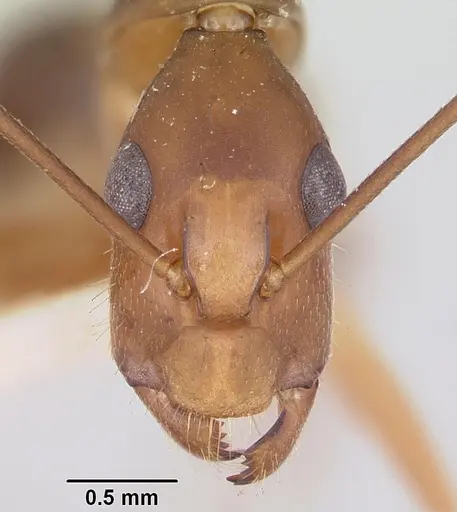
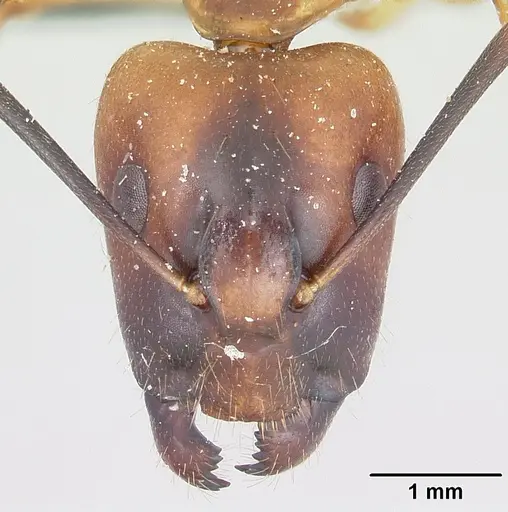
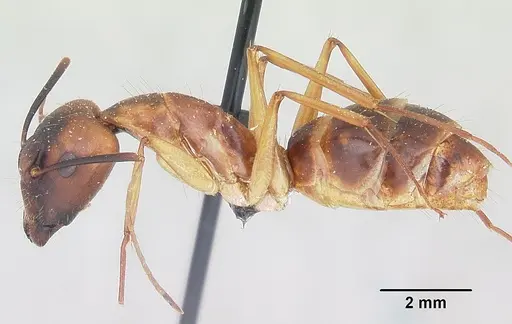
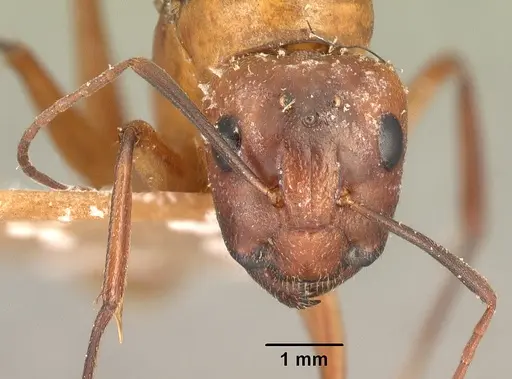
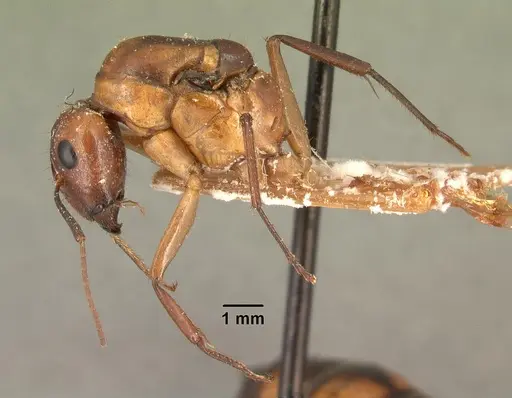
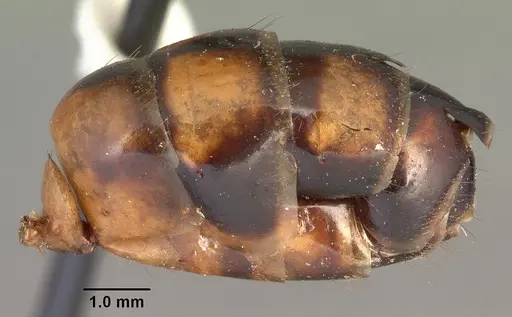
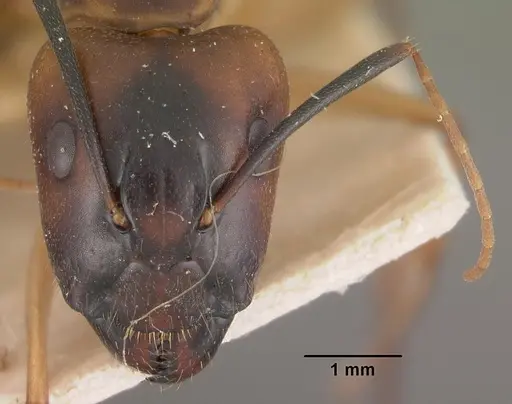
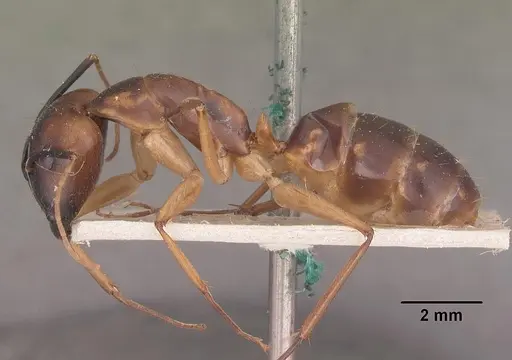
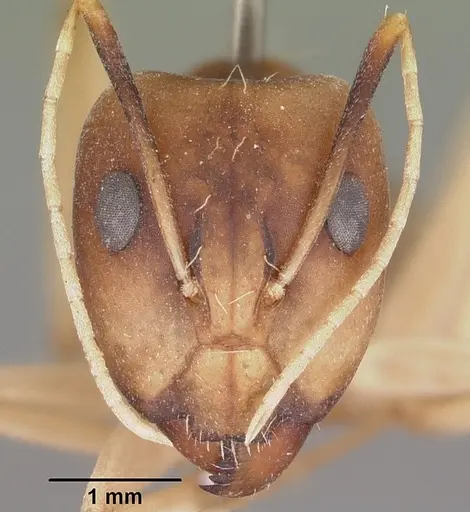
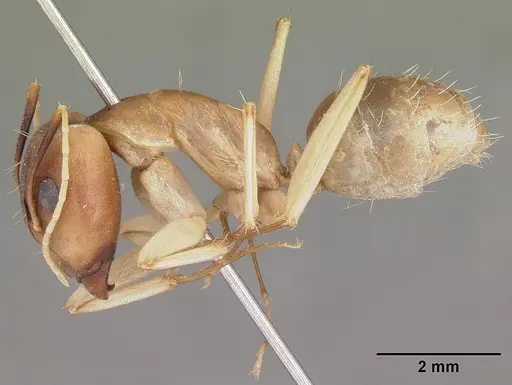
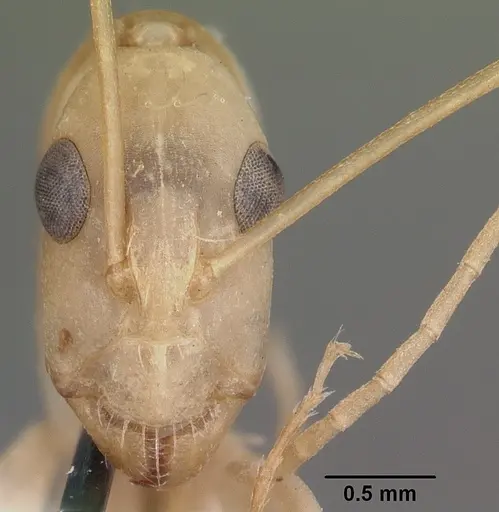
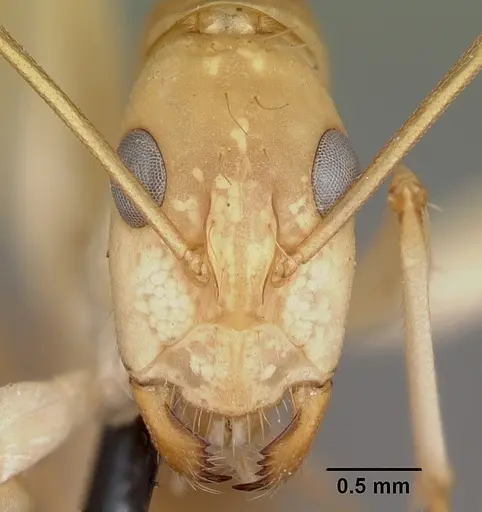
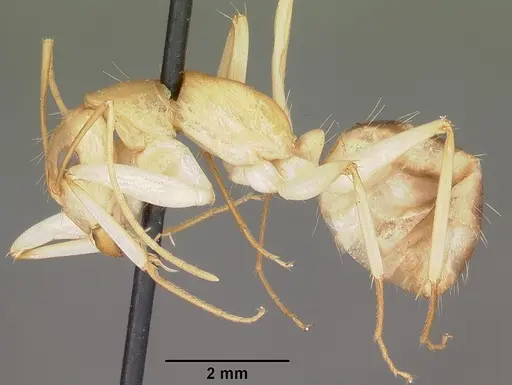
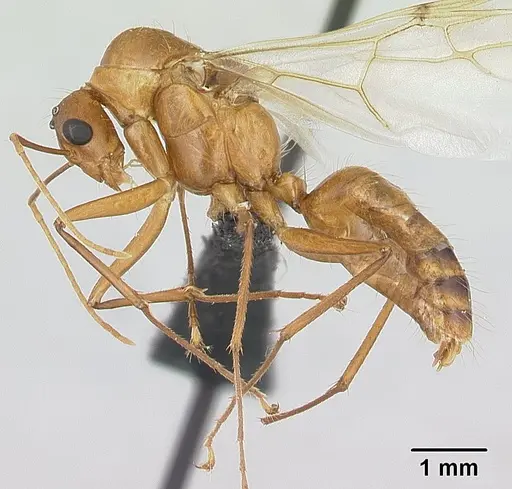
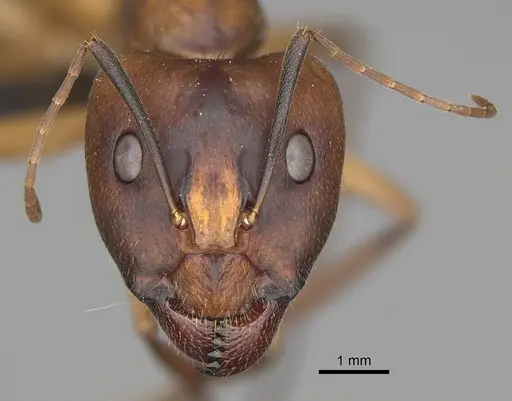
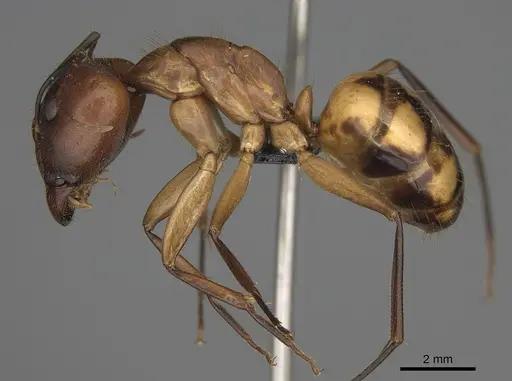
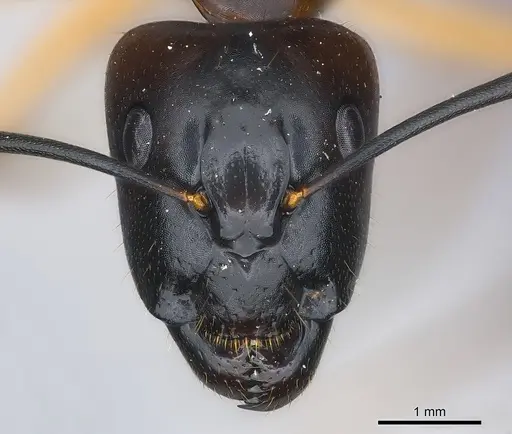
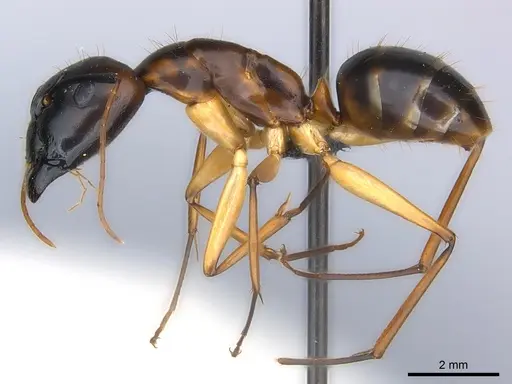
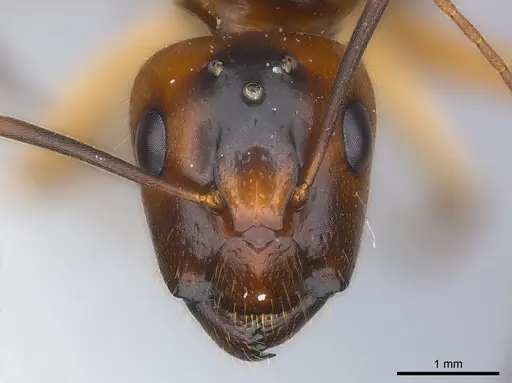
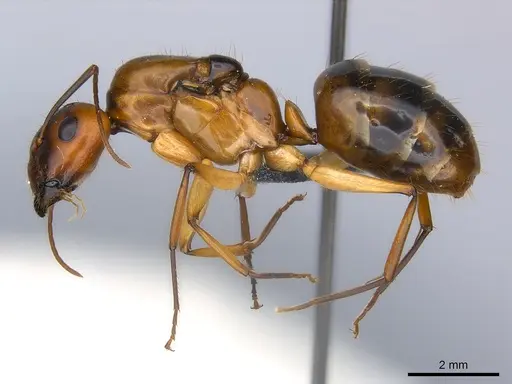
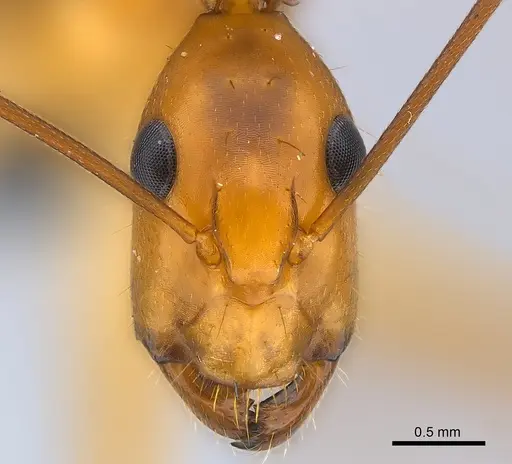
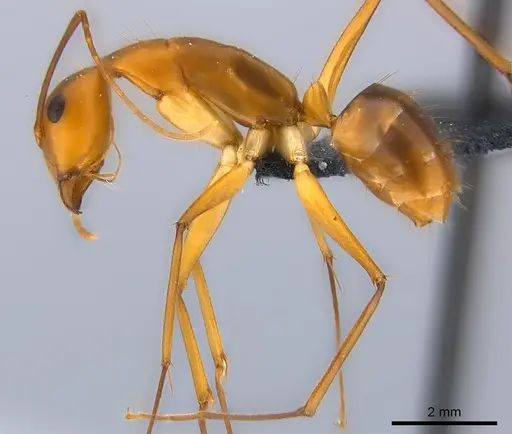
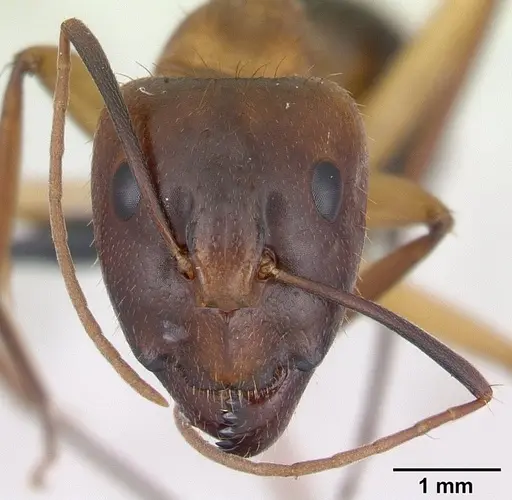
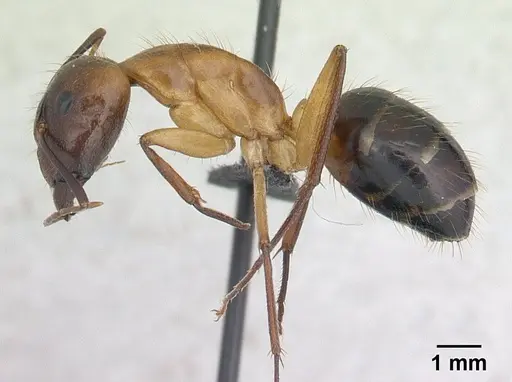
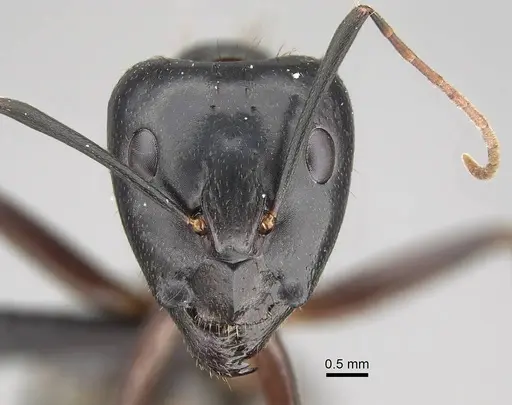
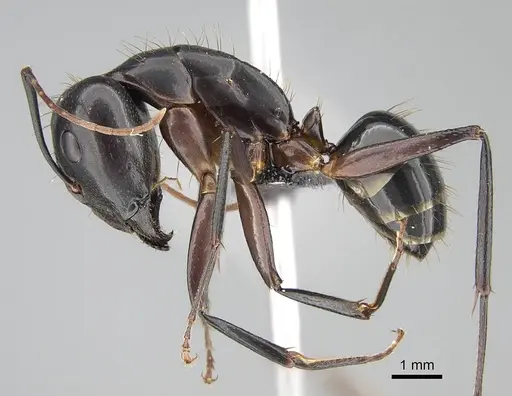
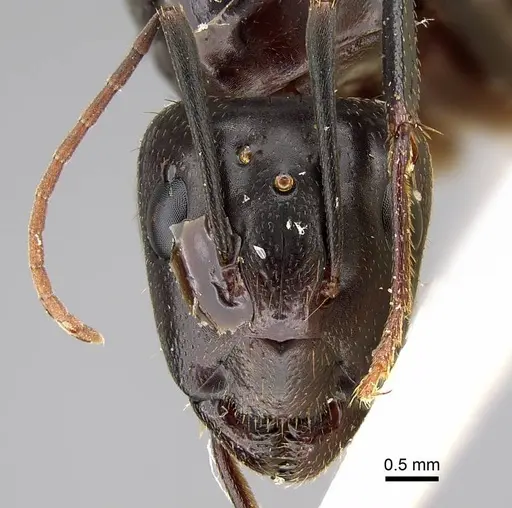
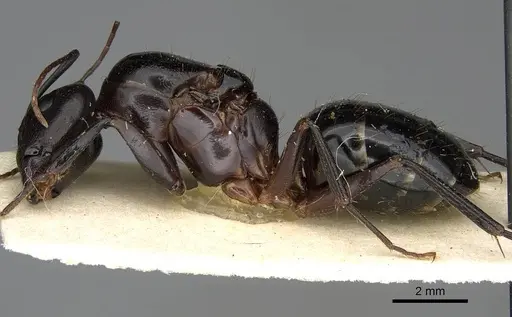
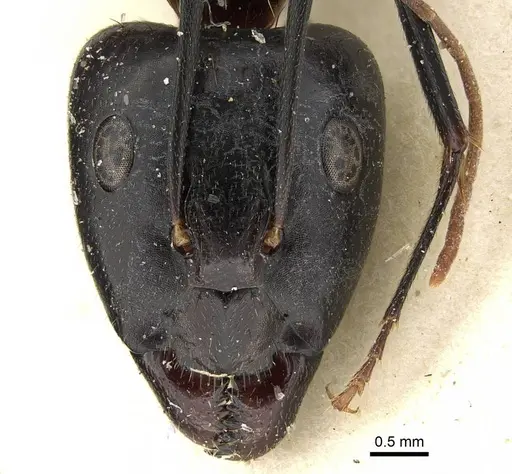
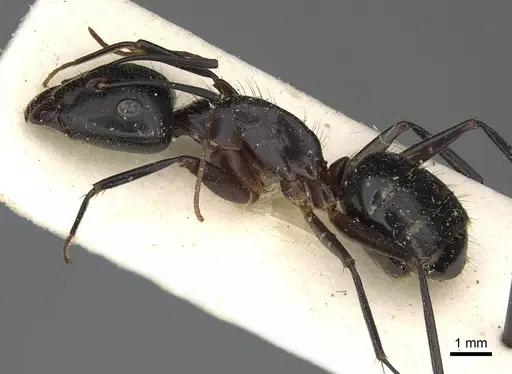
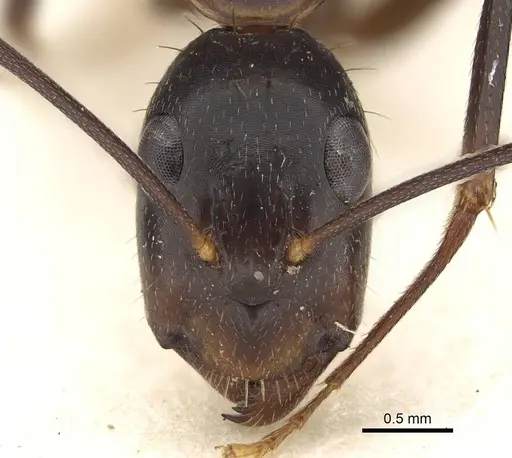
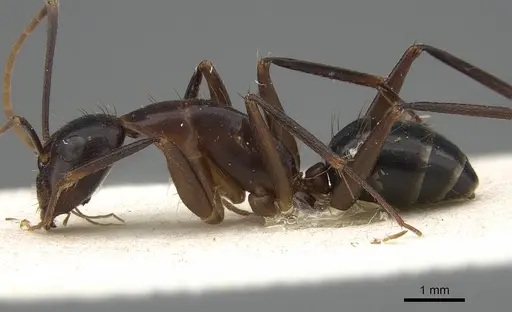
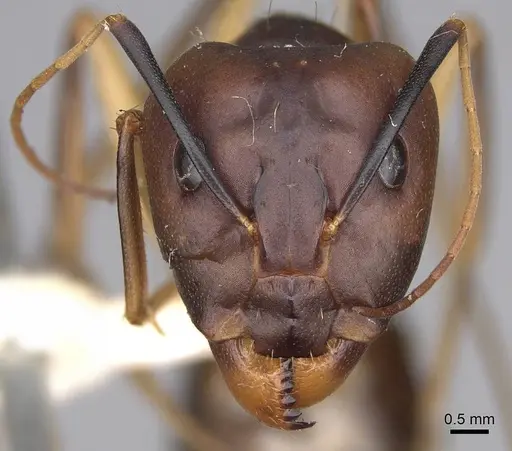
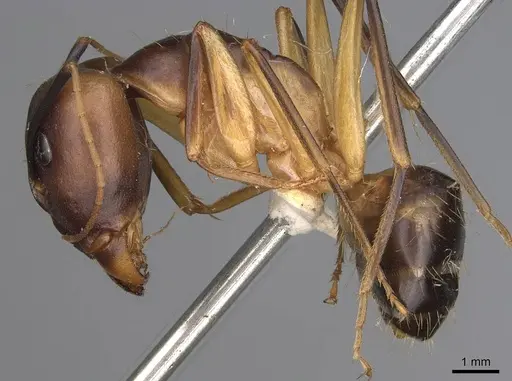
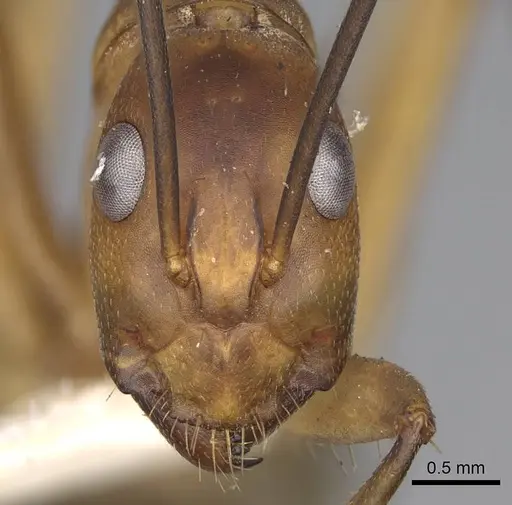
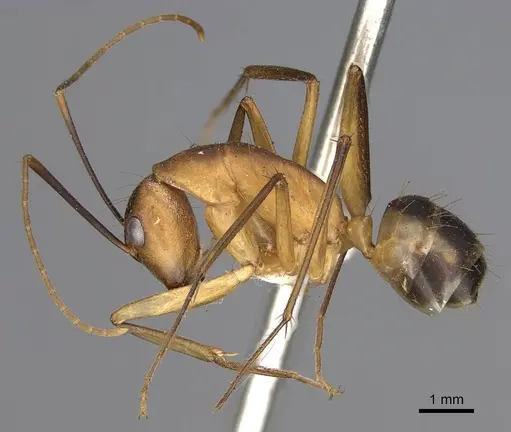
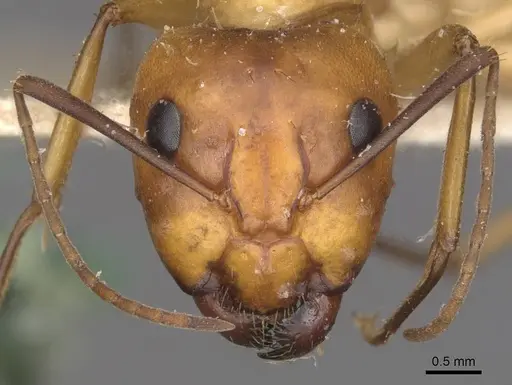
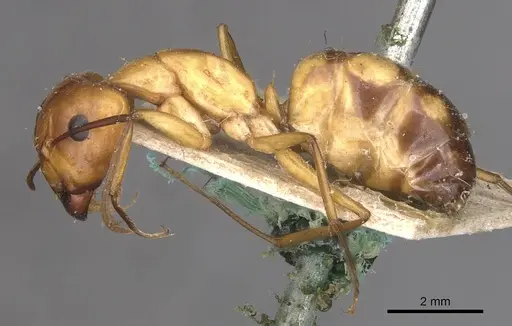
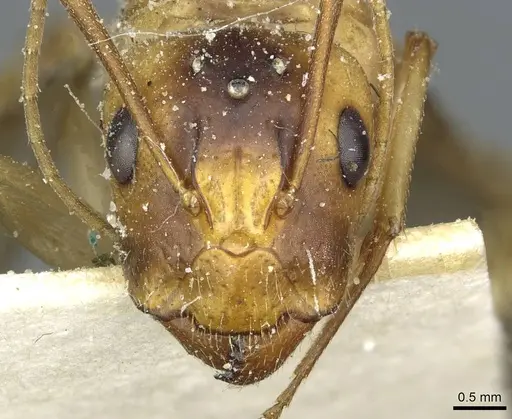
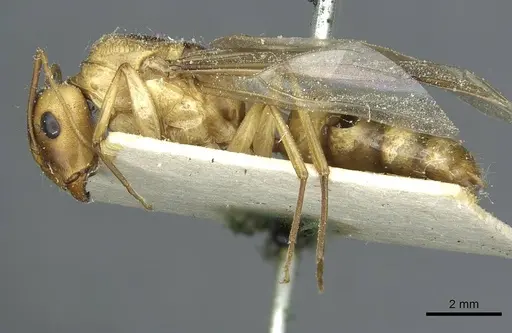
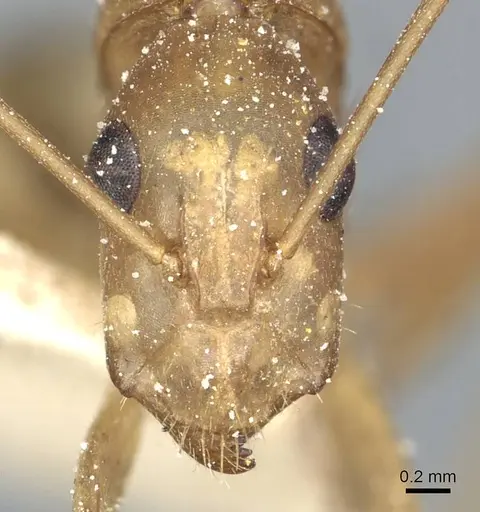
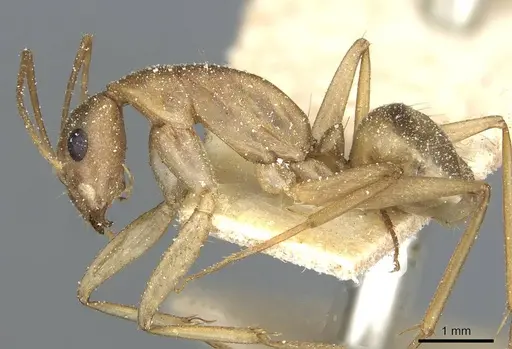
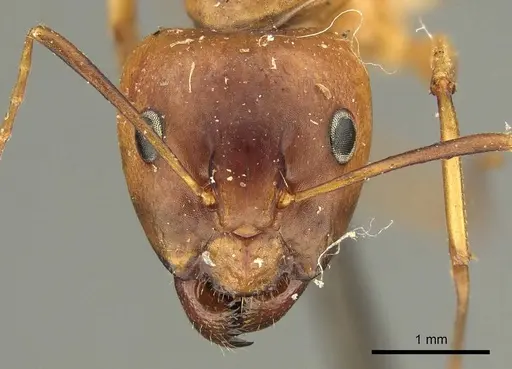
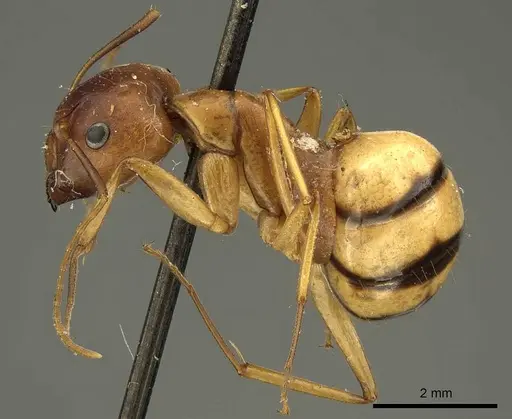
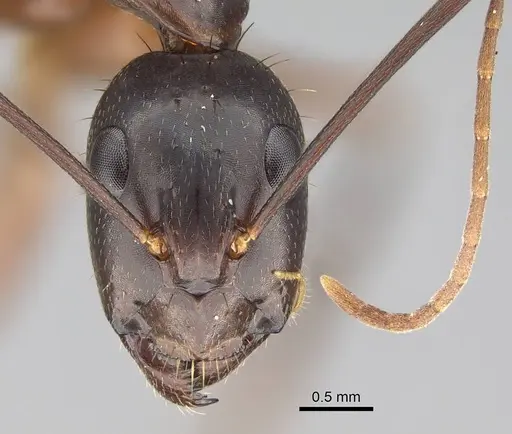
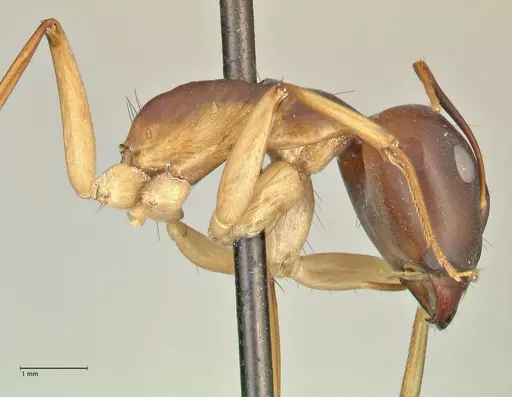
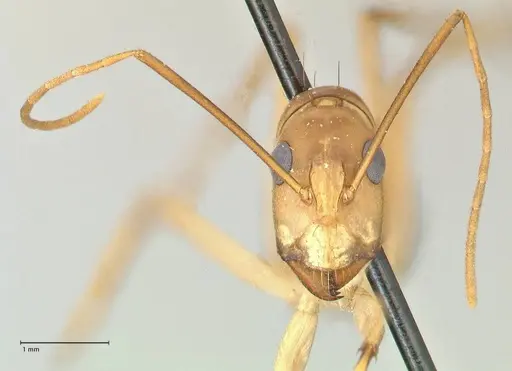
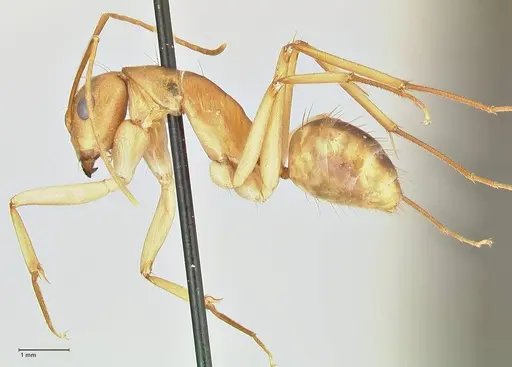
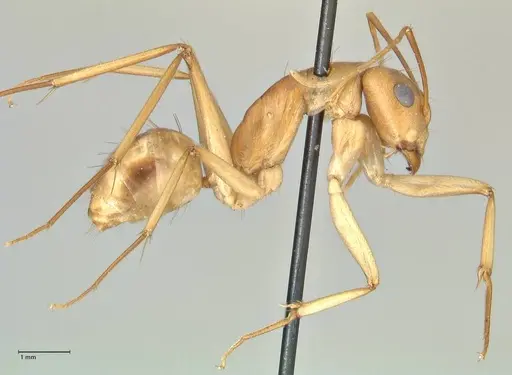
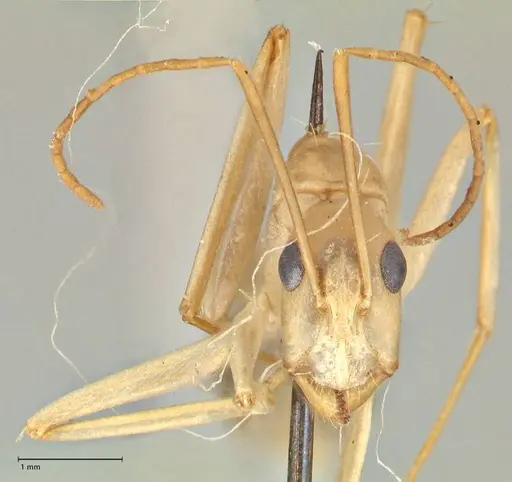
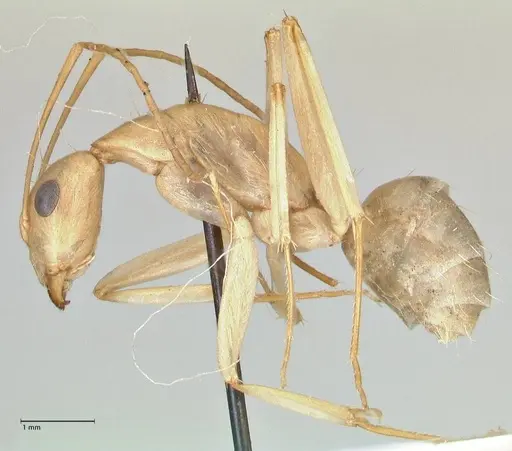
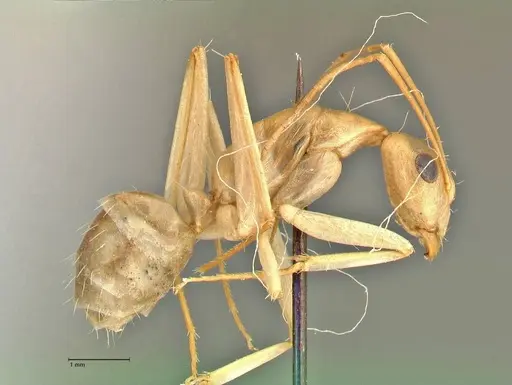
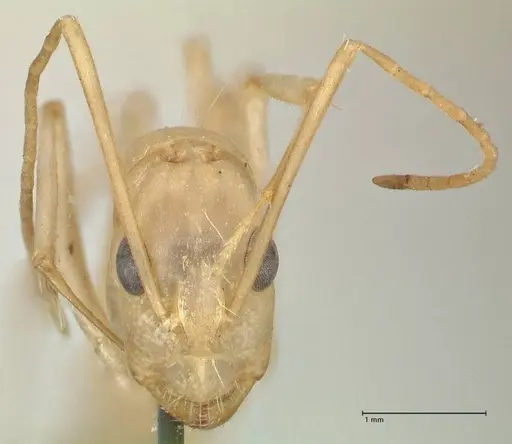
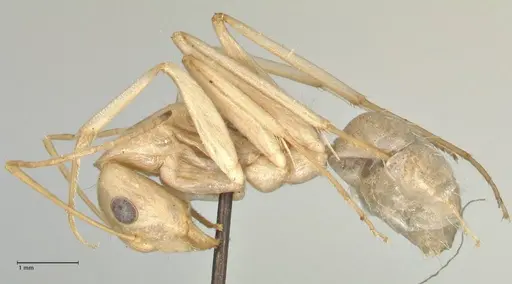
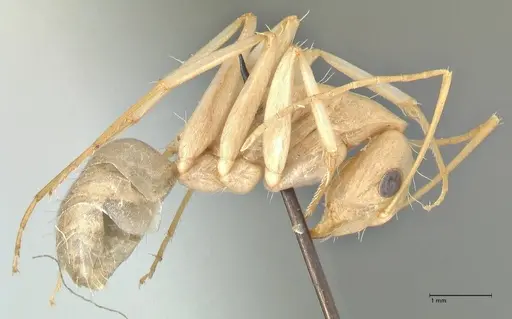
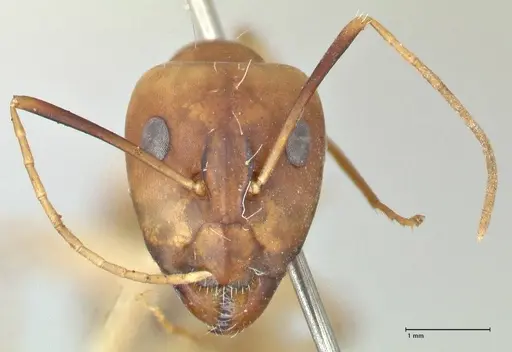
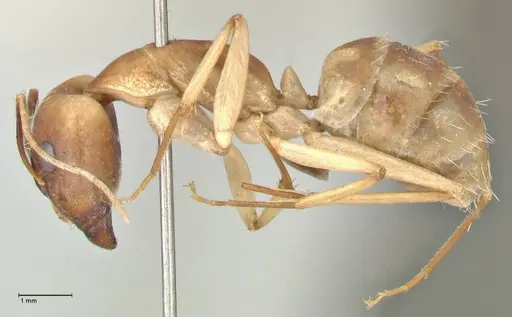
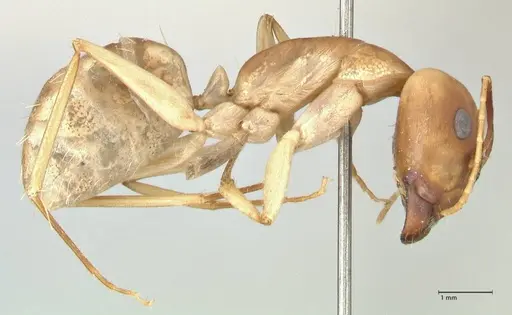
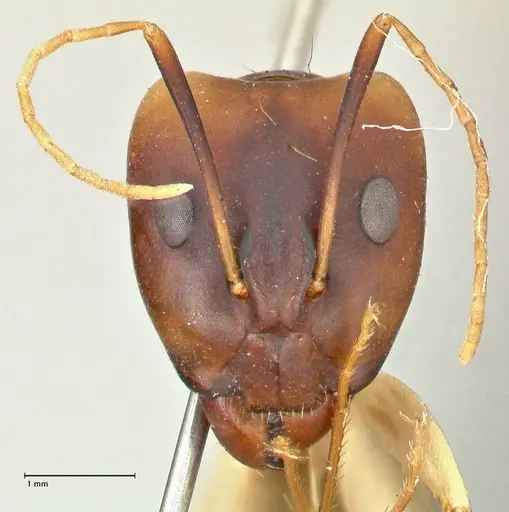
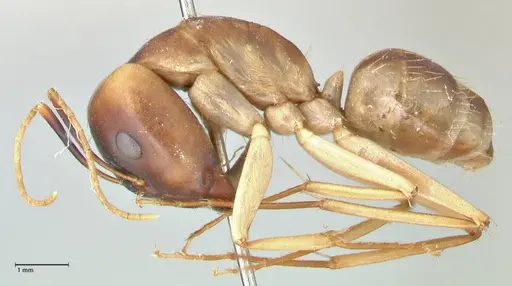
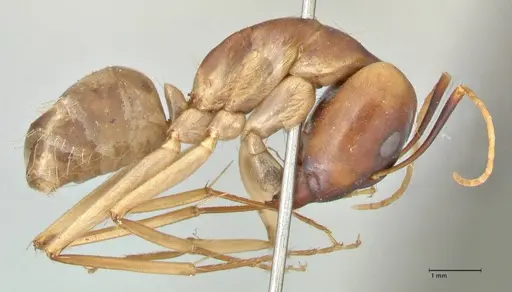
Camponotus hova is a large, polymorphic ant species native to Madagascar and surrounding Indian Ocean islands. Workers display two distinct color variants - dark brown to blackish brown in southwest populations, and pale yellow to reddish orange in the northwest. Major workers develop enlarged heads while minor workers remain more slender. This species is ground-nesting, foraging on the ground surface and nesting in rotten logs, soil, and elevated rot pockets. C. hova is highly adaptable, thriving in dry forests, coastal spiny bush, and human-modified habitats across its wide range [AntWiki].
Quick Summary
- Difficulty: Easy
- Origin & Habitat: Madagascar and adjacent Indian Ocean islands including Comoros, Seychelles, Mayotte, Socotra, Oman, and Yemen. Inhabits dry forests of western Madagascar, coastal spiny bush on sand, spiny forest on coral, and coastal dune vegetation. Also colonizes human-modified habitats [1][3][4][2].
- Colony Type: Colony structure is unconfirmed. Limited data suggests single-queen colonies may occur, but this requires verification.
- Size & Growth:
- Queen: ~12-15mm, inferred from Camponotus genus for large species
- Worker: Minor: ~5-8mm, Major: ~10-14mm, inferred from Camponotus genus patterns
- Colony: Colony size data unavailable
- Growth: Moderate
- Development: Development timeline unconfirmed, large Camponotus species typically require 6-10 weeks at warm temperatures (Development time depends on temperature. Larger Camponotus species generally take longer than smaller ants.)
- Antkeeping:
- Temperature: Keep at 22-26°C. They tolerate warmer conditions given their tropical origin but avoid temperatures above 30°C. A gentle heat gradient allows workers to regulate their temperature.
- Humidity: Moderate humidity (50-60%). As ground-nesting ants from dry forests, they prefer well-drained substrate that does not stay waterlogged. Provide a moist area in the nest but allow some drier zones for workers to self-regulate [5].
- Diapause: Not required. Being a tropical species from Madagascar and adjacent islands, they do not need hibernation.
- Nesting: Ground-nesting species that does well in naturalistic setups with soil substrate, or Y-tong/plaster nests. Provide rotten wood pieces or cork bark if using a naturalistic setup. Test tube setups work for founding colonies but transfer to formicarium once established [5][1].
- Behavior: Generally calm and non-aggressive foragers. Workers are active primarily during cooler hours and at night in the wild, but in captivity they'll adjust to your feeding schedule. They are polymorphic, major workers have enlarged heads for seed-crushing or defense, while minors handle brood care and foraging. They are not known to be particularly defensive but will bite if threatened. Escape risk is moderate, use standard Camponotus escape prevention (Fluon on container edges, tight-fitting lids) [3][4].
- Common Issues: queen isolation stress, ensure founding queen is left undisturbed in a dark location for several weeks after sealing, mold in nest from overwatering, maintain proper ventilation and avoid waterlogging the substrate, slow initial growth, founding takes time, do not disturb or overfeed during early stages, humidity management, too wet causes fungal issues, too dry causes brood death, aim for balanced moisture, colonies may abandon nests if conditions are unsuitable, provide proper temperature gradient and humidity levels
Housing and Nest Setup
Camponotus hova does well in several housing setups. For founding colonies, a test tube setup works well, fill a test tube one-third with water, plug with cotton, and place the queen in the humid chamber. Once the colony reaches 20-30 workers, transfer to a proper formicarium. Y-tong nests work excellently for this species, providing a dark chamber that mimics their natural ground-nesting preferences. Alternatively, a naturalistic setup with a soil-filled container, cork bark pieces, and some rotten wood fragments recreates their preferred nesting sites in rotting logs and soil. Ensure the nest has a temperature gradient, one side slightly warmer (around 26°C) and the other cooler (around 22°C) so workers can regulate their body temperature [5].
Feeding and Diet
As omnivorous Camponotus ants, C. hova accepts a varied diet. In captivity, offer protein sources like mealworms, small crickets, or other small insects twice weekly. They also readily accept sugar sources, a drop of honey water or sugar water should be available at all times. In the wild, they forage on the ground and likely consume honeydew from aphids and other small invertebrates. Major workers can handle larger prey items and may crack seeds, while minors focus on smaller prey and liquid foods. Remove uneaten prey after 24-48 hours to prevent mold growth. A varied diet promotes healthy colony growth and faster brood development [3].
Temperature and Seasonal Care
Being a tropical species from Madagascar and adjacent islands, C. hova prefers warm conditions between 22-26°C. They can tolerate temperatures up to 30°C briefly but prolonged heat stress can be harmful. Room temperature in most homes (around 22-24°C) is suitable without additional heating. A small heat cable or heating mat on one side of the nest creates a beneficial temperature gradient. Regarding seasonal care, these ants do not require true hibernation. They are adapted to year-round warm conditions in their native range. Avoid sudden temperature changes and keep the nest away from direct sunlight or cold drafts. [1]
Colony Development and Growth
Camponotus hova likely follows typical founding behavior, the queen seals herself in a chamber and survives on stored fat reserves while raising the first brood. After several weeks (temperature-dependent), the first nanitic workers emerge. These initial workers are smaller than normal workers but begin foraging for food to support further brood development. The colony grows gradually at first, then accelerates once the first workers are established. As the colony expands, you'll see more major workers developing, these larger workers have specialized roles in seed processing and colony defense. Patience is key during the founding stage, avoid disturbing the queen or overfeeding until the first workers arrive. [1]
Behavior and Temperament
This species is known for its adaptability and relatively calm temperament. Workers are primarily ground-foragers, searching for food along the substrate surface rather than climbing extensively. In the wild, they show nocturnal and diurnal activity patterns, adjusting to the coolest foraging hours. In captivity, they'll become active when you approach the colony, anticipating feeding. They are not particularly aggressive or defensive, major workers may investigate threats but rarely attack unless the nest is directly disturbed. Their polymorphic caste system means larger majors handle different tasks than smaller minors, creating an efficient division of labor within the colony. They communicate through chemical trails and will quickly recruit workers to food discoveries [3][4].
Frequently Asked Questions
How long does it take for Camponotus hova to have first workers?
First workers typically emerge 6-10 weeks after the queen lays eggs, depending on temperature. Keep the founding setup at 24-26°C for fastest development. The queen seals herself in during founding and should not be disturbed during this period.
Can I keep Camponotus hova in a test tube?
Yes, test tubes work well for founding colonies. Use a standard test tube setup with a water reservoir (cotton-stopped) for humidity. Once the colony reaches 20-30 workers, transfer to a larger formicarium to allow for growth.
What do Camponotus hova ants eat?
They are omnivorous. Offer protein (small insects like mealworms, crickets) twice weekly and keep a sugar source (honey water or sugar water) available at all times. They also forage for small invertebrates in captivity.
Are Camponotus hova good for beginners?
Yes, this is an excellent species for beginners. They are adaptable, tolerate a range of conditions, and are not overly aggressive. Their founding behavior is straightforward, and they accept a wide variety of foods.
Do Camponotus hova need hibernation?
No, as a tropical species from Madagascar and adjacent islands, they do not require true hibernation. They are adapted to year-round warm conditions.
How big do Camponotus hova colonies get?
Colony size data is unavailable for this species. They are polymorphic, with major workers developing as the colony grows. Colonies grow moderately fast once established.
When should I move Camponotus hova to a formicarium?
Transfer from test tube to formicarium once the colony reaches 20-30 workers or when the test tube becomes cramped. A Y-tong nest or naturalistic setup with soil works well for this ground-nesting species.
What temperature is best for Camponotus hova?
Keep them at 22-26°C. A slight gradient (warmer on one side) allows workers to regulate their temperature. Avoid temperatures above 30°C or sudden changes.
Why is my Camponotus hova queen not laying eggs?
Queens may delay egg-laying if stressed, too cold, or in unsuitable conditions. Ensure the founding setup is dark, undisturbed, and at 24-26°C. Some queens take several weeks to begin laying after being introduced to a new setup.
Report an Issue
The current care sheet is based fully on literature. See inconsistencies, or something that's incorrect? Please , it will be resolved after review from an admin. Contributing to the blogs tab also helps providing information, to make us be able to further improve the caresheets. Thank you for your support!
References

This caresheet is licensed under CC BY-SA 4.0 .
Community Blogs
CASENT0055710
View on AntWeb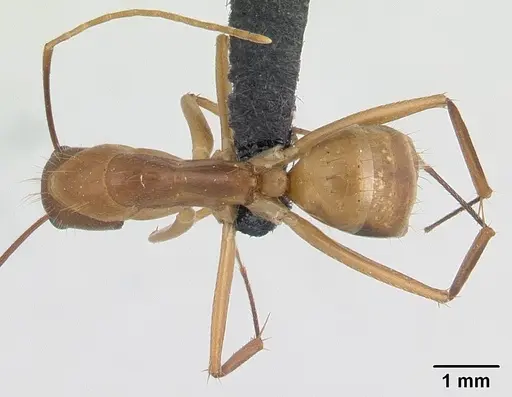
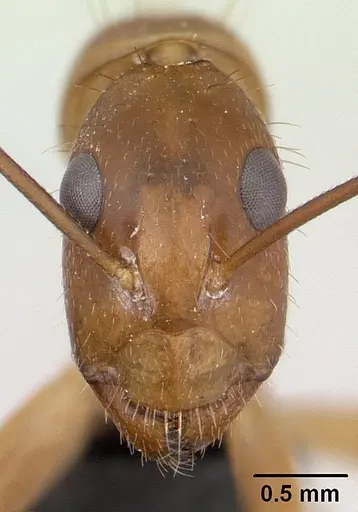
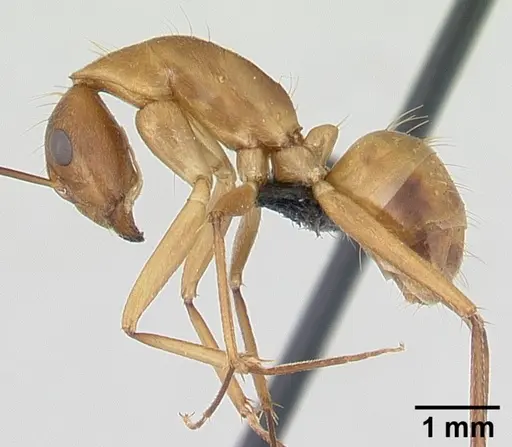
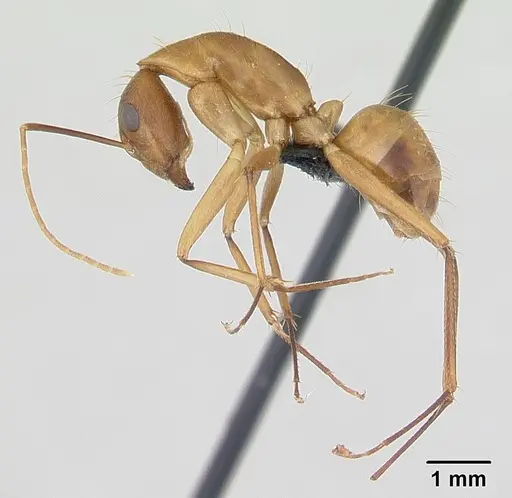
CASENT0101182
View on AntWeb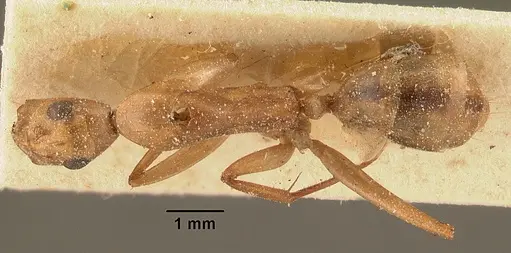
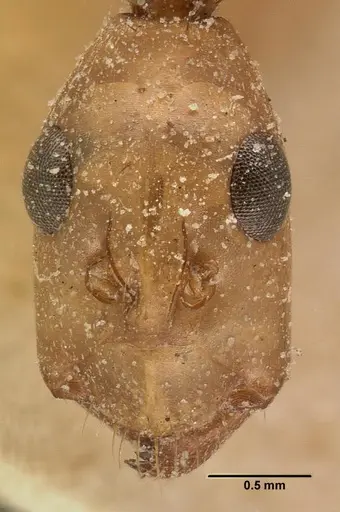
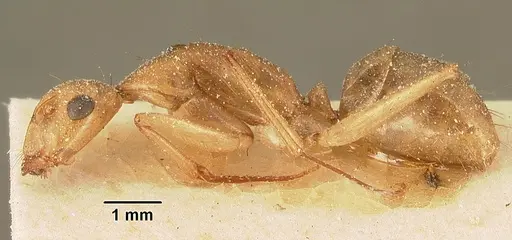
CASENT0101183
View on AntWeb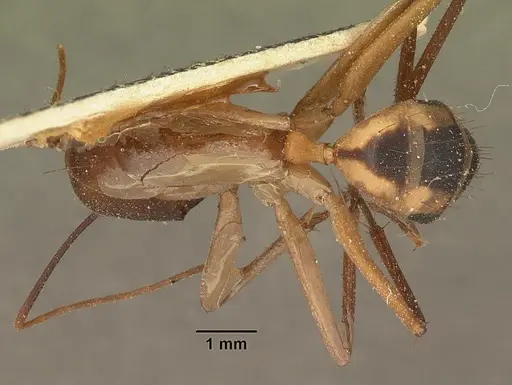
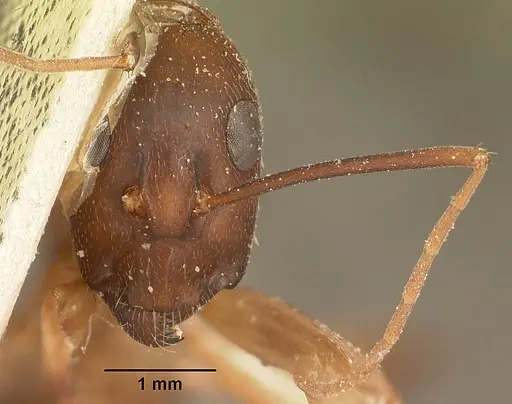
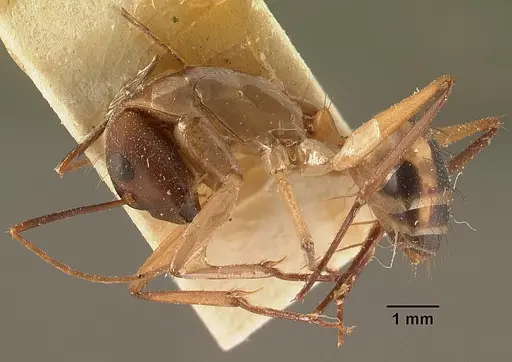
CASENT0101184
View on AntWeb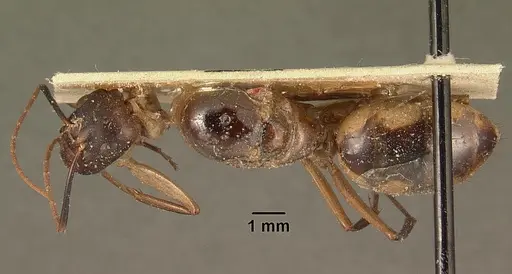
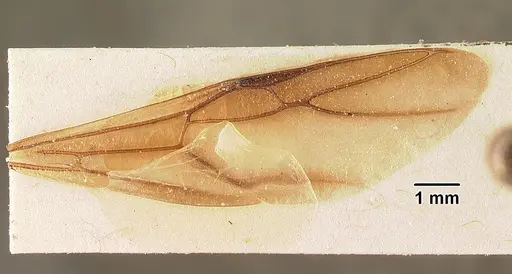
CASENT0101185
View on AntWeb
CASENT0101340
View on AntWeb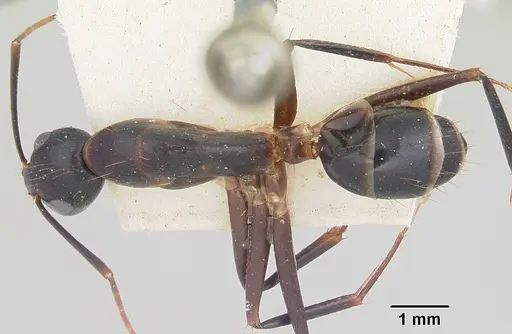
CASENT0101341
View on AntWeb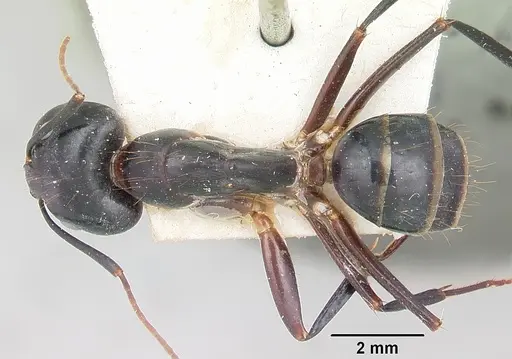
CASENT0101344
View on AntWeb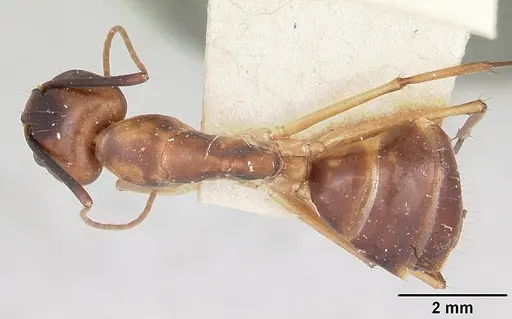
CASENT0101345
View on AntWeb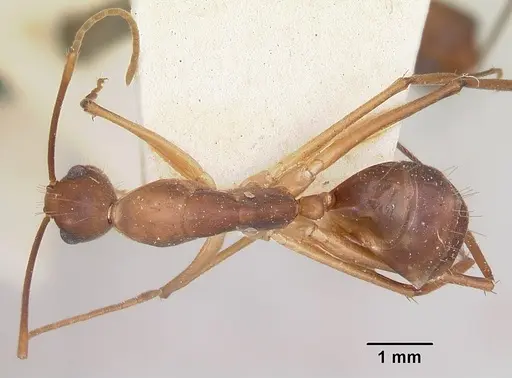
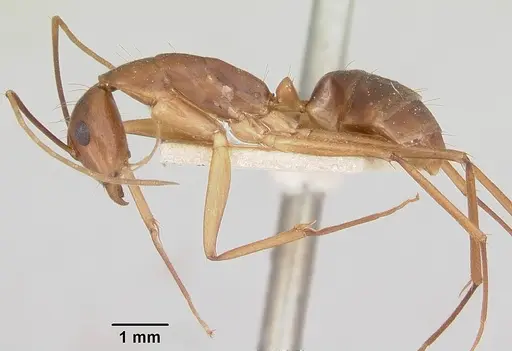
CASENT0101569
View on AntWeb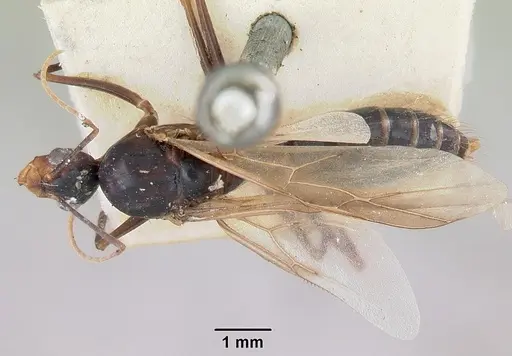
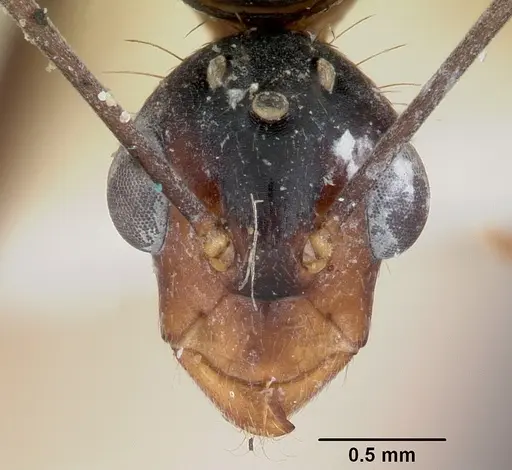
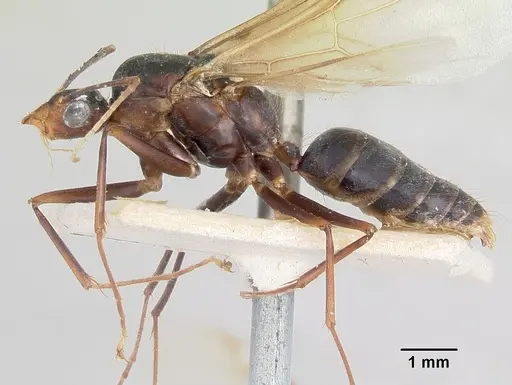
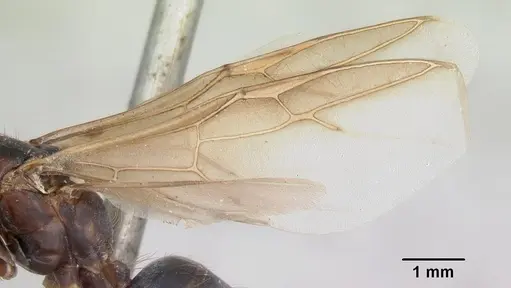
CASENT0101719
View on AntWeb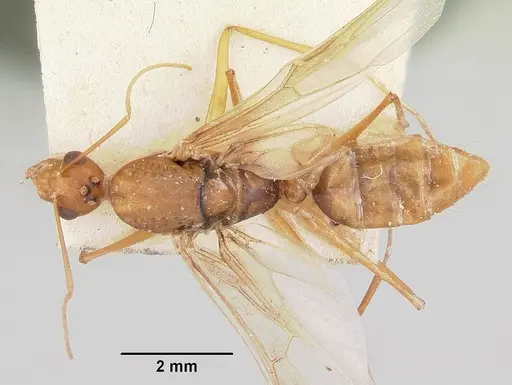
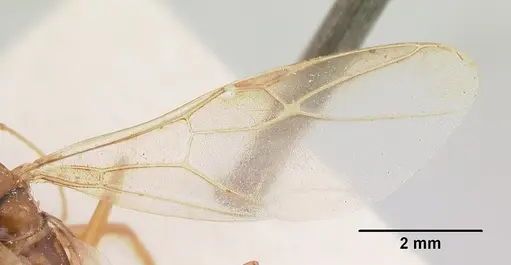
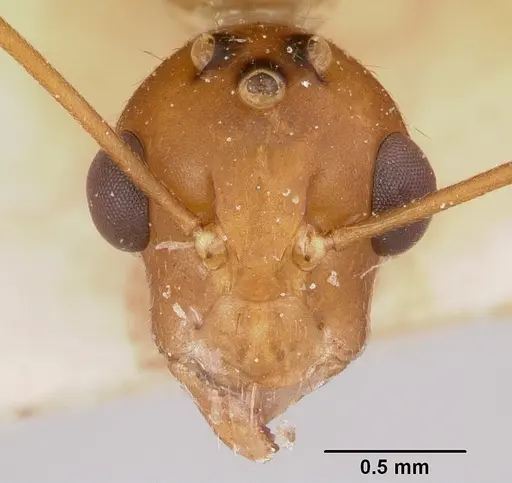
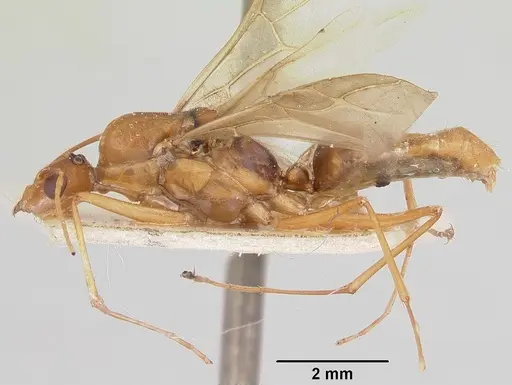
CASENT0101774
View on AntWeb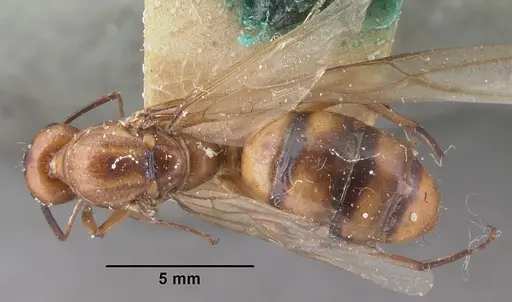
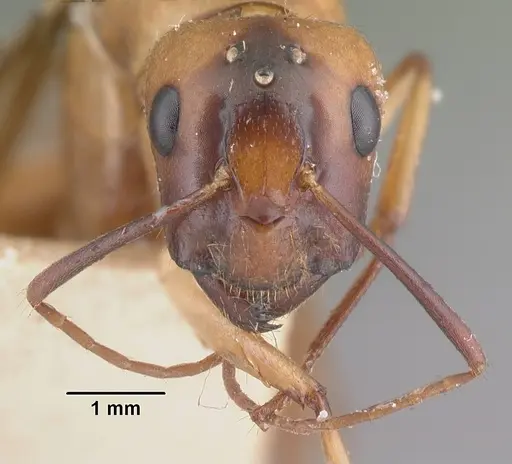
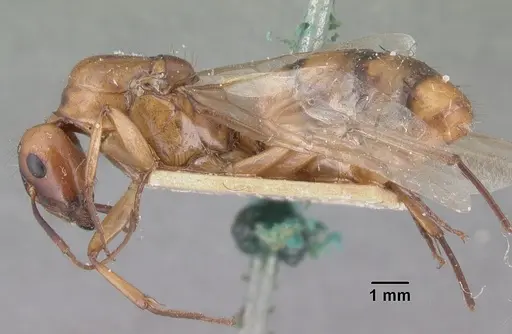
CASENT0101923
View on AntWeb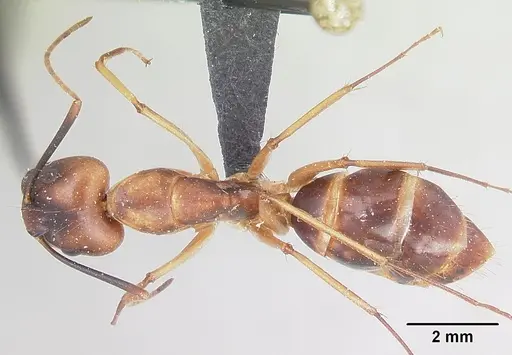
CASENT0101951
View on AntWeb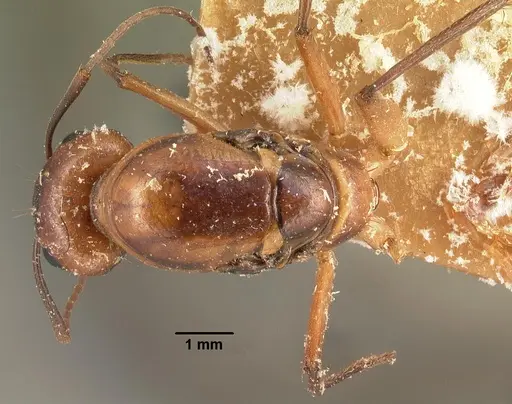
CASENT0101954
View on AntWeb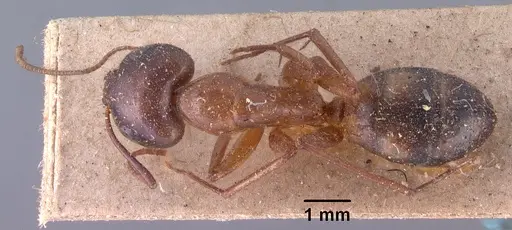
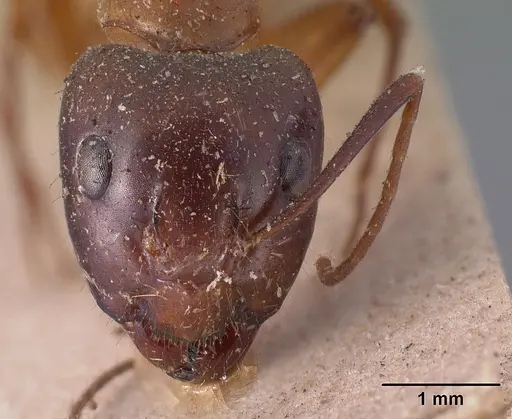
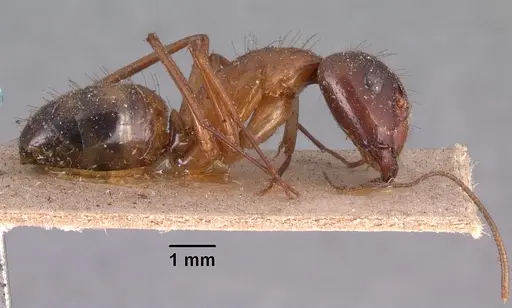
CASENT0102453
View on AntWeb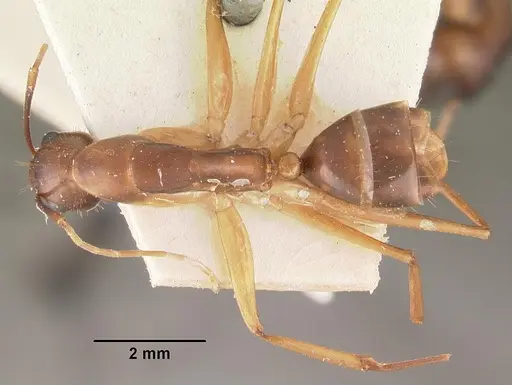
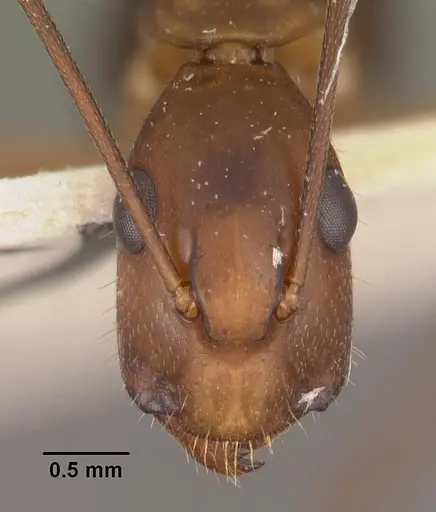
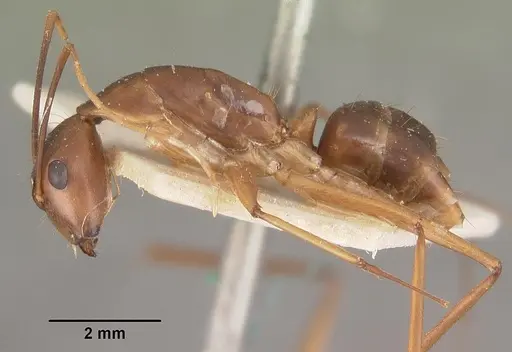
CASENT0102454
View on AntWeb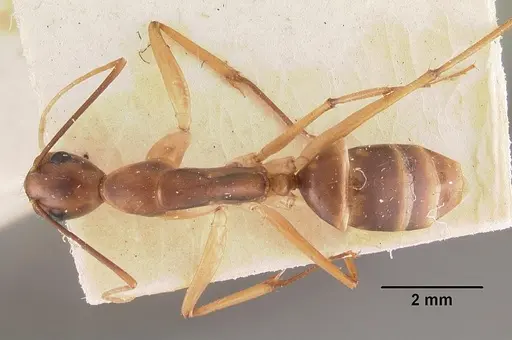
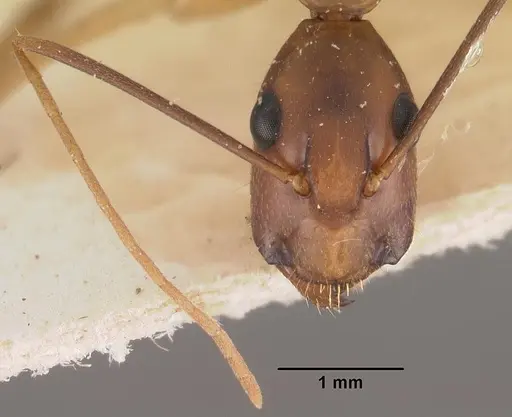
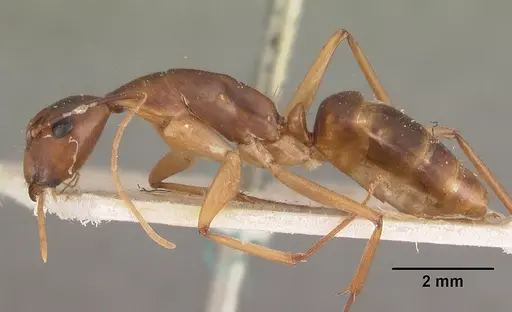
CASENT0102455
View on AntWeb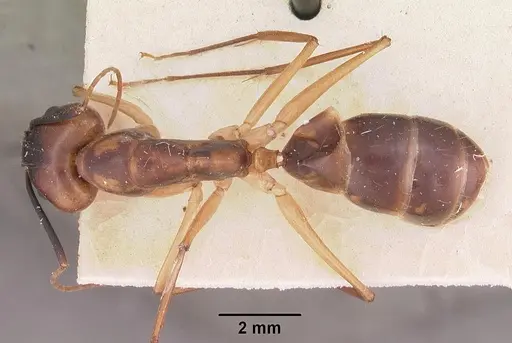
CASENT0104630
View on AntWeb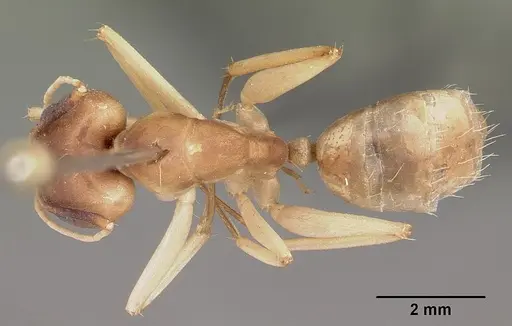
CASENT0104631
View on AntWeb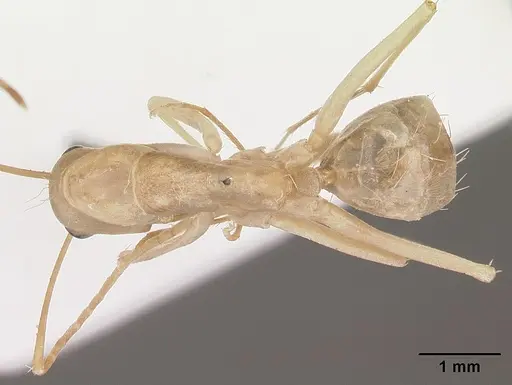
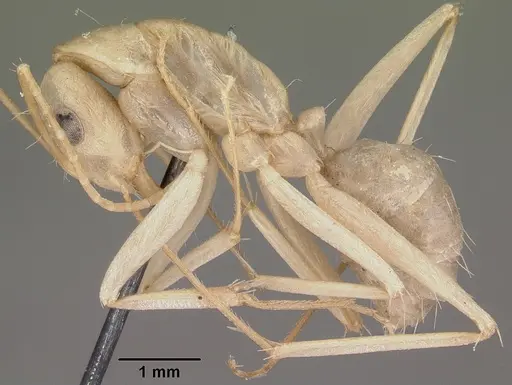
CASENT0104635
View on AntWeb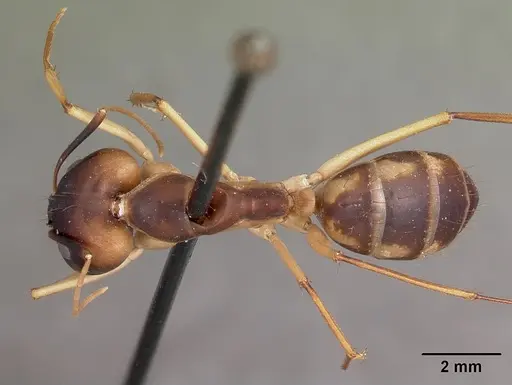
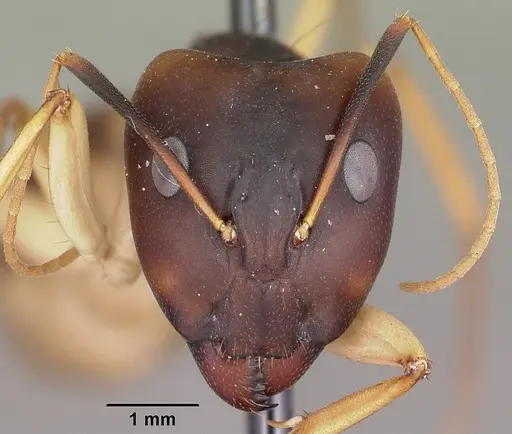
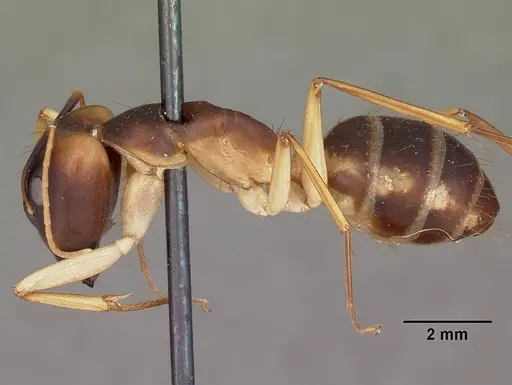
CASENT0104636
View on AntWeb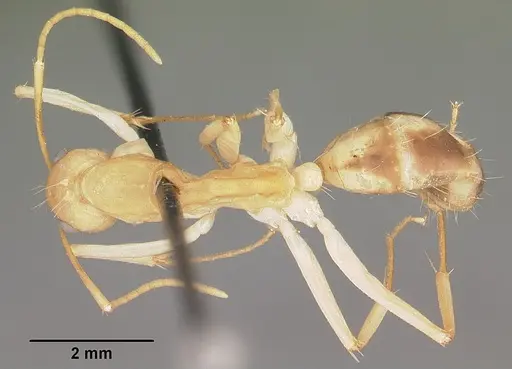
CASENT0132420
View on AntWeb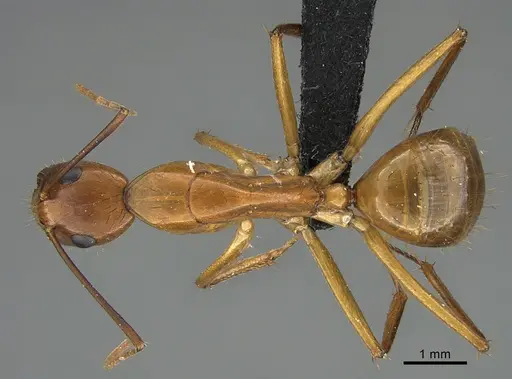
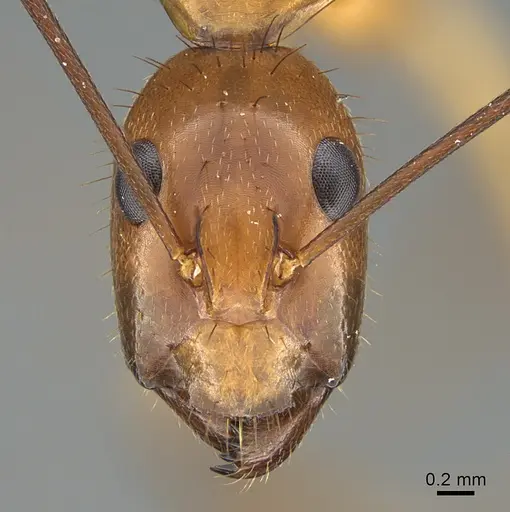
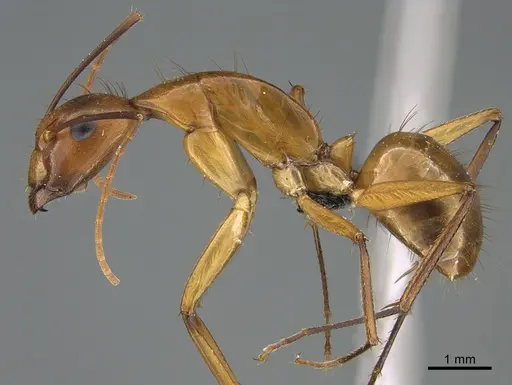
CASENT0132421
View on AntWeb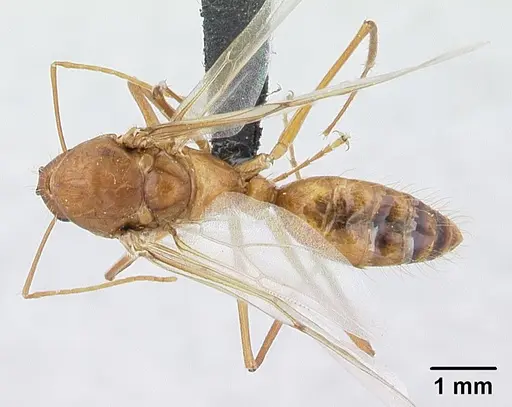
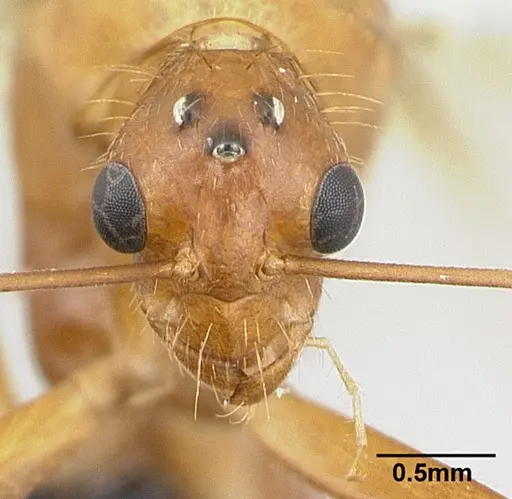
CASENT0150215
View on AntWeb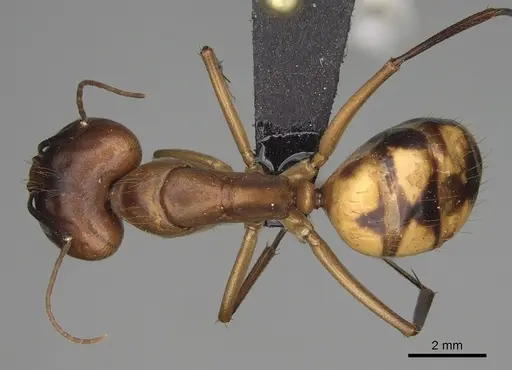
CASENT0157496
View on AntWeb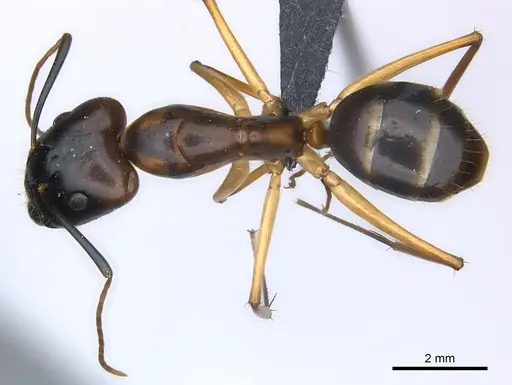
CASENT0160143
View on AntWeb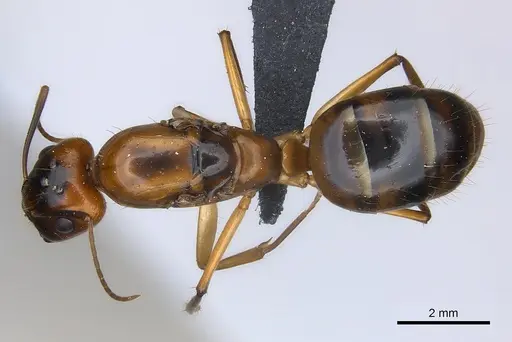
CASENT0160151
View on AntWeb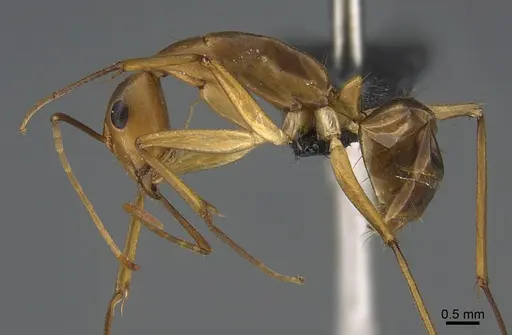
CASENT0160555
View on AntWeb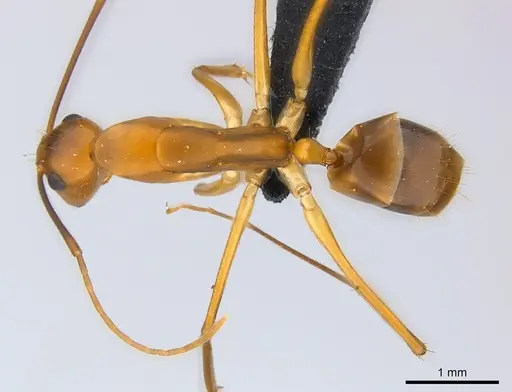
CASENT0188199
View on AntWeb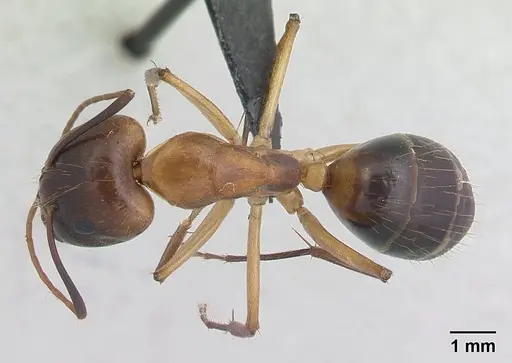
CASENT0229579
View on AntWeb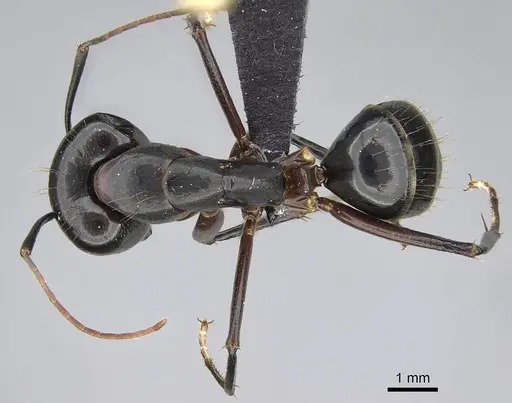
CASENT0752998
View on AntWeb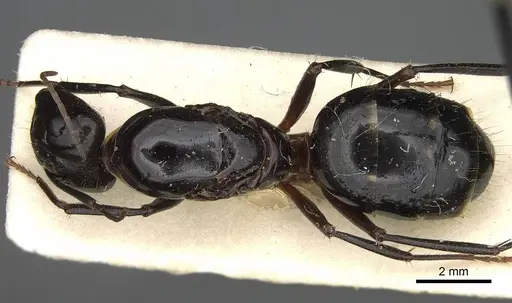
CASENT0752999
View on AntWeb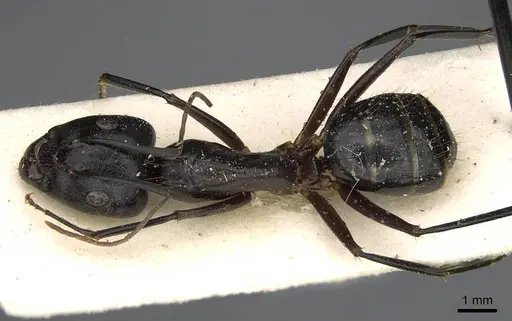
CASENT0810000
View on AntWeb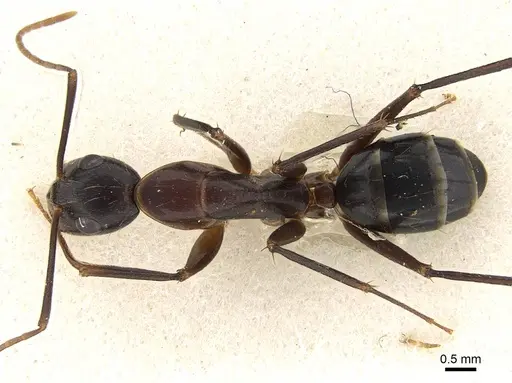
CASENT0906925
View on AntWeb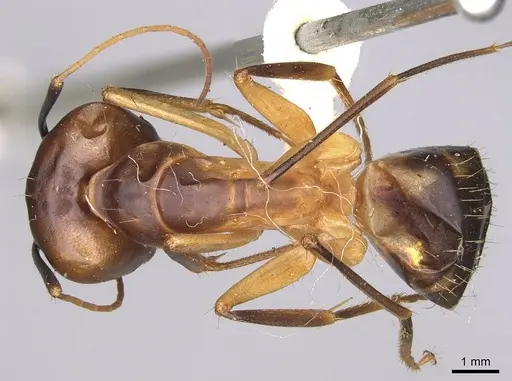
CASENT0906926
View on AntWeb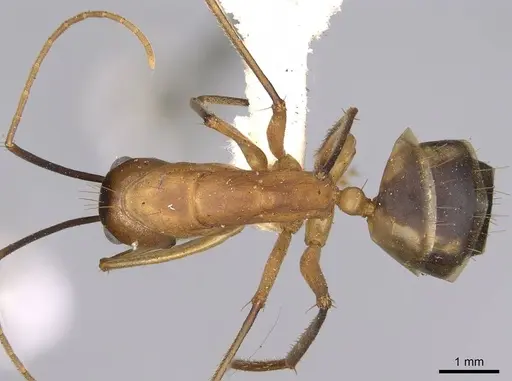
CASENT0910047
View on AntWeb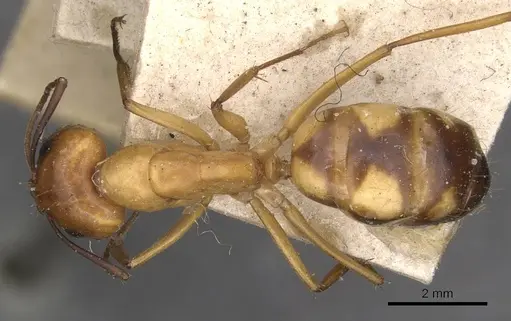
CASENT0910048
View on AntWeb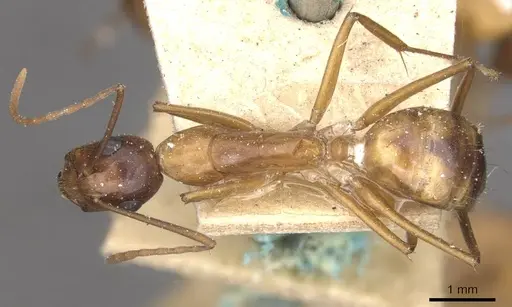
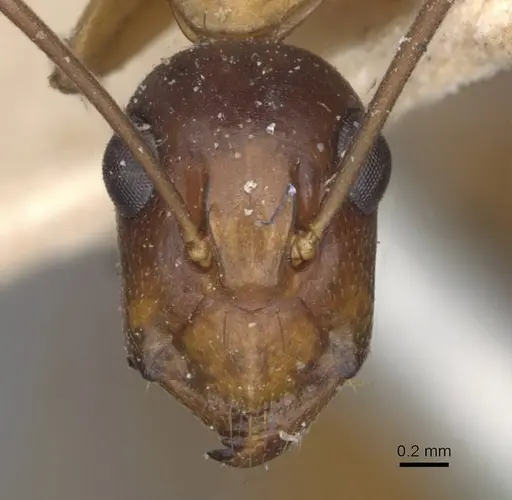
CASENT0911950
View on AntWeb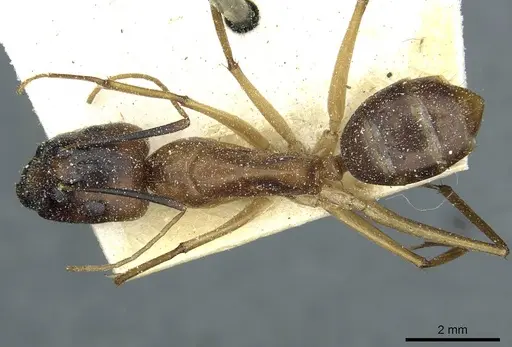
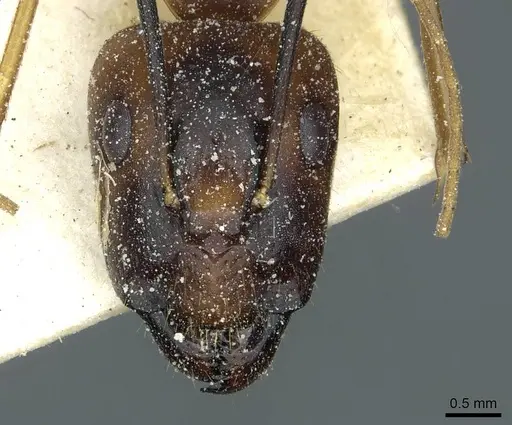
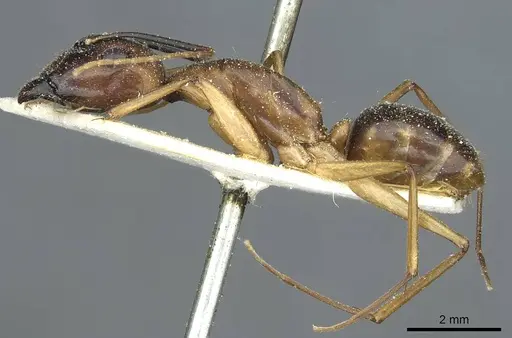
CASENT0911951
View on AntWeb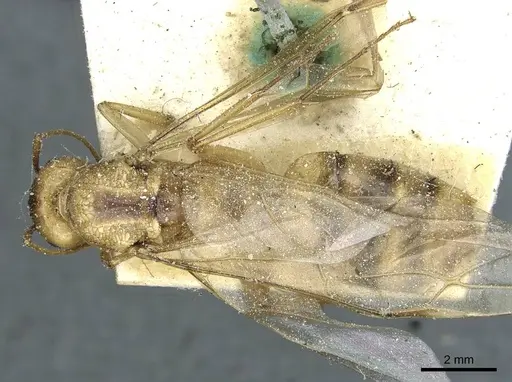
CASENT0911952
View on AntWeb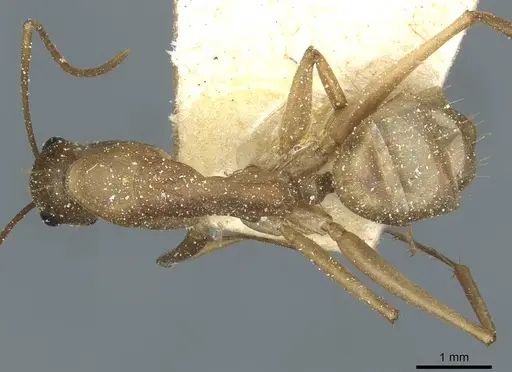
CASENT0915685
View on AntWeb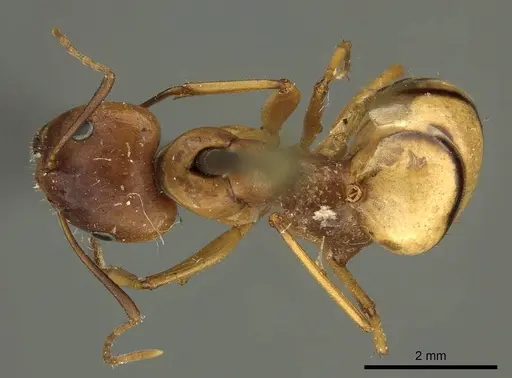
CASENT0919960
View on AntWeb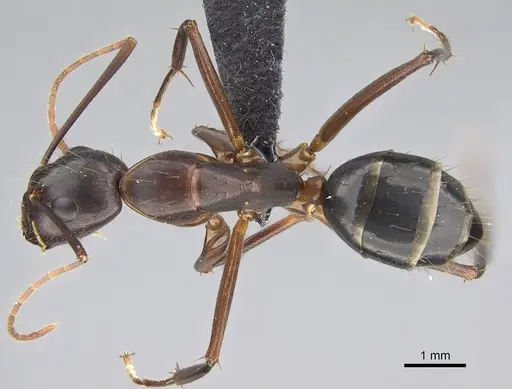
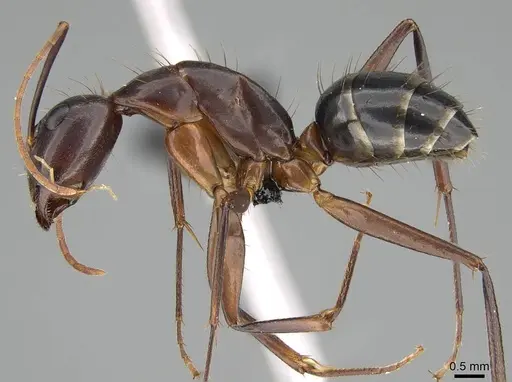
FOCOL2382
View on AntWeb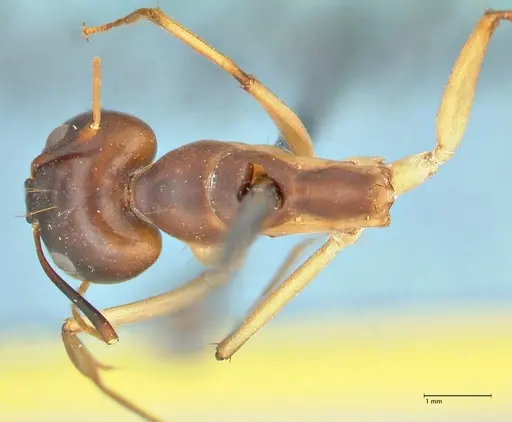
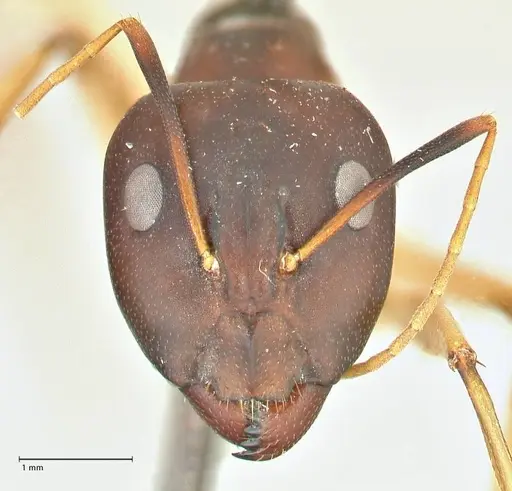
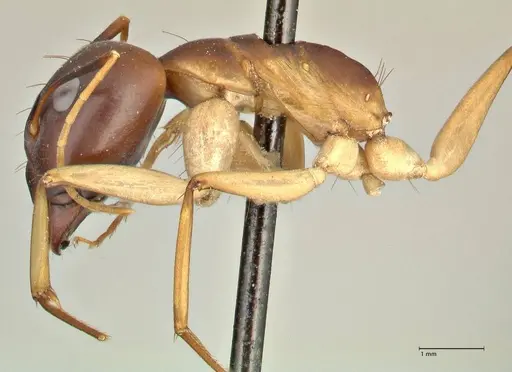
FOCOL2383
View on AntWeb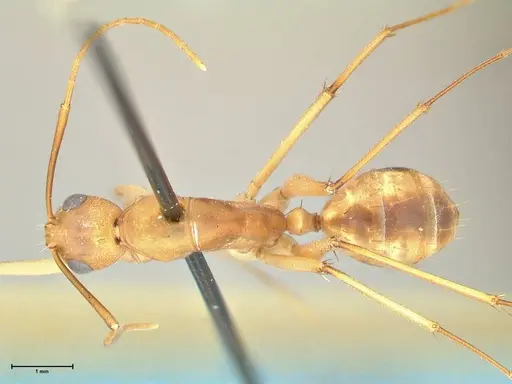
FOCOL2446
View on AntWeb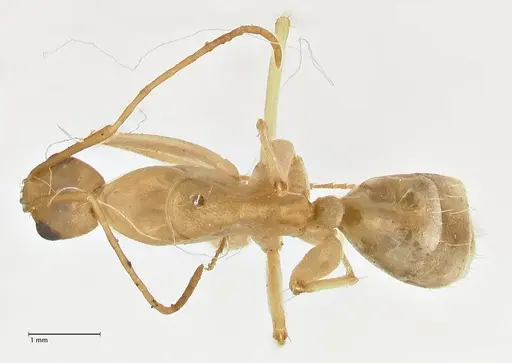
FOCOL2447
View on AntWeb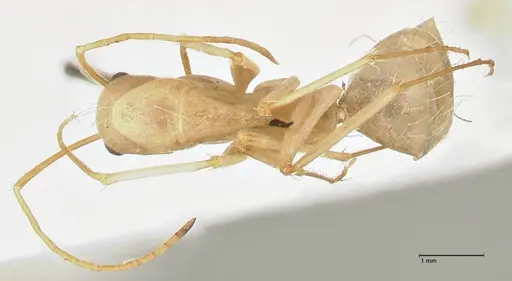
FOCOL2448
View on AntWeb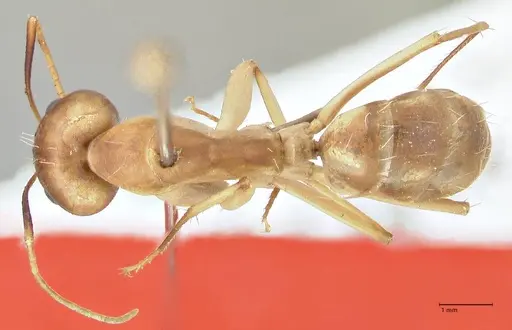
FOCOL2449
View on AntWeb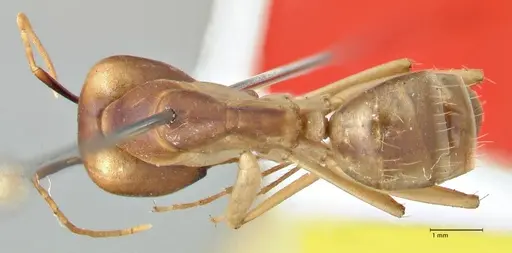
Literature
Loading distribution map...Loading products...