
Camponotus horrens
- Sci. Name
- Camponotus horrens
- Subgenus
- Myrmamblys
- Tribe
- Camponotini
- Subfamily
- Formicinae
- Author
- Forel, 1910
- Distribution
- Found in 1 countries
Introduction
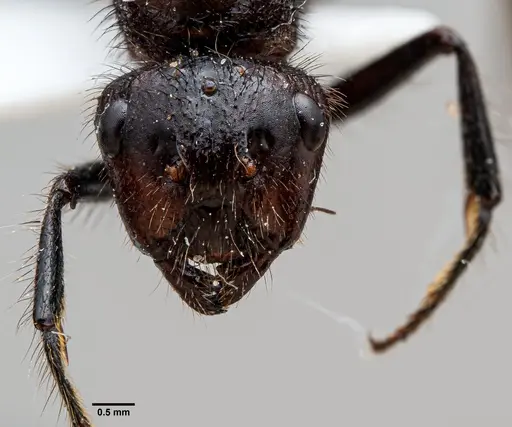
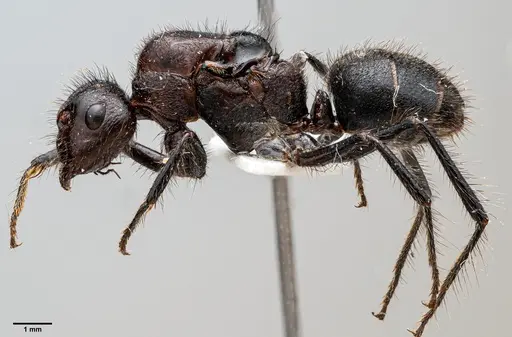
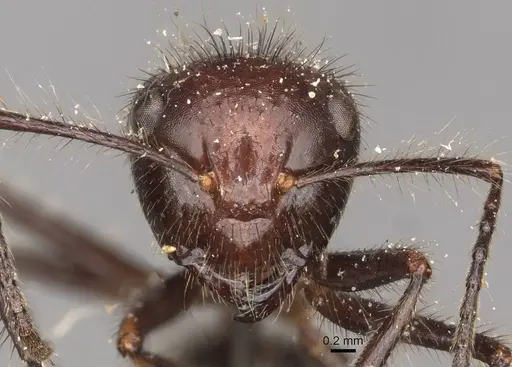
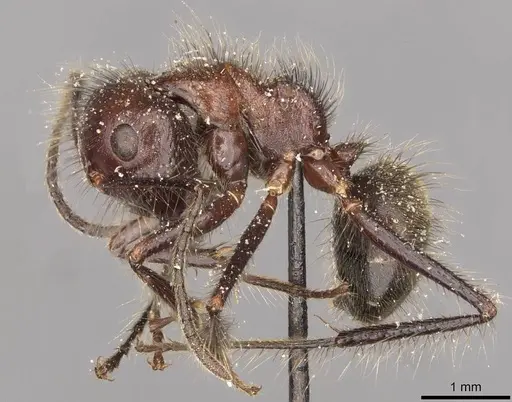
Camponotus horrens is a medium-sized carpenter ant native to the Philippines, specifically found on the islands of Luzon and Negros in the Indomalaya region. Workers display typical Camponotus dark coloration with a relatively robust build. This species was previously classified under Colobopsis but has been returned to Camponotus and placed in the subgenus Myrmamblys, closely related to the Camponotus reticulatus group . Notably, this ant appears to be a mimic of Myrmicaria brunnea - a larger, more aggressive species - which provides protection from predators through Batesian mimicry . In the wild, they are strictly diurnal, active during daylight hours and found in leaf litter and vegetation .
Quick Summary
- Difficulty: Medium
- Origin & Habitat: Philippines (Luzon and Negros islands) in the Indomalaya region. Found in tropical forest habitats, typically in leaf litter and vegetation [2].
- Colony Type: Likely single-queen (monogyne) colonies based on typical Camponotus patterns.
- Size & Growth:
- Queen: ~12-15mm, inferred from Camponotus genus patterns for reticulatus group species
- Worker: ~5-10mm (polymorphic, major and minor workers), inferred from genus patterns
- Colony: Up to several hundred workers, estimated based on related species in the reticulatus group
- Growth: Moderate, typical for tropical Camponotus
- Development: Estimated 6-8 weeks at optimal tropical temperatures (25-28°C), inferred from typical Camponotus patterns (Development time inferred from typical Camponotus genus patterns. Warm temperatures accelerate development.)
- Antkeeping:
- Temperature: Keep nest area at 25-28°C. Provide a gentle temperature gradient allowing workers to self-regulate. Tropical species, they need consistent warmth year-round.
- Humidity: Moderate to high humidity. Keep nest substrate consistently moist but not waterlogged. Provide a water tube for drinking.
- Diapause: No, as a tropical species from the Philippines, they do not require hibernation. Maintain warm temperatures year-round.
- Nesting: In captivity, they do well in Y-tong (AAC) or plaster nests. Provide narrow chambers scaled to their size. They will use provided spaces. Keep nest dark and quiet.
- Behavior: Generally calm and non-aggressive for a Camponotus species. Workers are diurnal and actively forage during daylight hours. They lack a functional sting but can bite and spray formic acid as defense. Major workers can deliver a mild bite if threatened. Escape prevention should be moderate, standard barriers (Fluon) are recommended.
- Common Issues: tropical species may struggle in air-conditioned rooms or cool climates, supplemental heating is often needed, colonies can stall if temperatures drop below 22°C consistently, overfeeding can lead to mold problems in enclosed nests, queen mortality during founding is common, ensure she has a quiet, dark location, wild-caught colonies may harbor parasites that can decimate the colony
Housing and Nest Setup
Camponotus horrens does well in standard formicarium setups. Y-tong (AAC) nests work excellently, the narrow chambers help them feel secure. Plaster nests with hydration chambers maintain appropriate humidity. The key is providing chambers scaled to their size with adequate darkness, these ants prefer quiet, dark spaces for their nest. A small outworld connected to the nest allows for foraging. Use standard escape prevention like Fluon on rim edges, though they are not particularly aggressive escape artists like some tiny species.
Feeding and Diet
Like other Camponotus species, they are omnivorous. Offer sugar water (1:1 ratio) or honey water as a constant energy source. Protein is essential for brood development, offer small insects like fruit flies, small mealworms, or crickets. Feed protein 2-3 times per week, adjusting based on colony size. They are diurnal foragers, so place food in the outworld during daylight hours when workers are most active. Remove uneaten prey after 24-48 hours to prevent mold. A constant water source (test tube with cotton) should always be available.
Temperature and Seasonal Care
As a tropical species from the Philippines, Camponotus horrens needs warm temperatures year-round. Keep the nest area at 25-28°C for optimal brood development. A heating cable on one side of the nest creates a gradient workers can self-regulate within. Place the heating on top of the nest, not underneath, to avoid excessive drying. Room temperature alone is often insufficient, monitor with a thermometer. They do not enter diapause or hibernation. Avoid cool rooms, air conditioning vents, or drafty locations. Consistent warmth is key to maintaining an active, growing colony.
Colony Founding
Camponotus horrens is likely claustral, the queen seals herself in a small chamber and raises her first brood without leaving to forage. She relies entirely on stored fat reserves (metabolic energy) to survive and feed the larvae. Provide a quiet, dark location for the founding chamber. Expect 6-10 weeks before the first nanitic (first) workers emerge. Do not disturb the queen during this period, vibrations or light can cause her to abandon or eat her brood. Once workers emerge, they will begin foraging and the colony enters the growth phase.
Behavior and Temperament
This species is relatively calm compared to some more aggressive Camponotus. Workers are diurnal and will actively search for food during daylight hours [2]. They are not particularly defensive, they lack a functional sting but can bite and spray formic acid as their defense mechanism. Major workers may bite if the nest is severely disturbed. The mimicry of Myrmicaria brunnea in the wild suggests they benefit from predator avoidance through appearance, which aligns with their generally non-confrontational temperament. They are moderate foragers and will establish regular trails once a food source is discovered.
Growth and Development
Colony growth follows typical Camponotus patterns. After founding, the queen lays eggs which develop through larval and pupal stages to become workers. The first workers (nanitics) are typically smaller than normal workers. As the colony grows, larger major workers develop. Growth rate is moderate, expect several months to reach 50 workers, and a year or more to reach several hundred. Brood development is temperature-dependent: warmer temperatures (within range) speed development, while cooler temperatures slow it. A healthy queen can live for 15+ years, producing workers continuously.
Frequently Asked Questions
How long does it take for Camponotus horrens to have first workers?
Expect 6-10 weeks from egg to first worker at optimal temperatures (25-28°C). This is typical for Camponotus species. The queen is likely claustral, she seals herself in and raises the first brood alone using stored fat reserves.
What do Camponotus horrens ants eat?
They are omnivorous. Offer sugar water or honey as a constant energy source. Feed protein like small insects (fruit flies, small mealworms, crickets) 2-3 times per week. Remove uneaten food after 24-48 hours to prevent mold.
What temperature do Camponotus horrens need?
Keep them warm at 25-28°C in the nest area. They are tropical and need consistent warmth year-round, no hibernation or diapause. A heating cable on top of the nest can provide the needed warmth.
Are Camponotus horrens good for beginners?
They are intermediate in difficulty. They require warm temperatures year-round. If you can provide consistent tropical conditions, they are a manageable species for those moving beyond beginner-level antkeeping.
How big do Camponotus horrens colonies get?
Based on related species in the reticulatus group, colonies likely reach up to several hundred workers. A healthy colony with a long-lived queen can grow this large over several years.
Can I keep multiple Camponotus horrens queens together?
This species is likely monogyne, single queen colonies. Combining unrelated queens is not recommended as they will likely fight. In the wild, only one queen heads each colony.
Do Camponotus horrens need hibernation?
No. As a tropical species from the Philippines, they do not require hibernation or winter cooling. Keep them warm year-round at 25-28°C.
When should I move Camponotus horrens to a formicarium?
Keep founding queens in a simple test tube setup until first workers emerge. Once you have 20-30 workers and the test tube is getting crowded, you can move them to a proper formicarium. Make sure the new nest has appropriately sized chambers.
Why is my Camponotus horrens colony not growing?
Check temperature first, they need 25-28°C for proper brood development. Also ensure the queen is healthy and laying eggs. Poor nutrition or low humidity can also slow growth. Avoid disturbing the nest frequently.
Report an Issue
The current care sheet is based fully on literature. See inconsistencies, or something that's incorrect? Please , it will be resolved after review from an admin. Contributing to the blogs tab also helps providing information, to make us be able to further improve the caresheets. Thank you for your support!
References

This caresheet is licensed under CC BY-SA 4.0 .
Community Blogs
ANTWEB1060649
View on AntWeb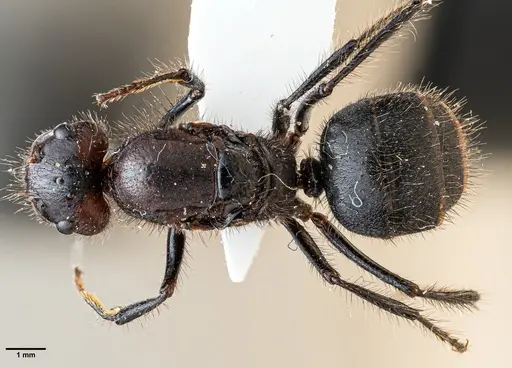
CASENT0910609
View on AntWeb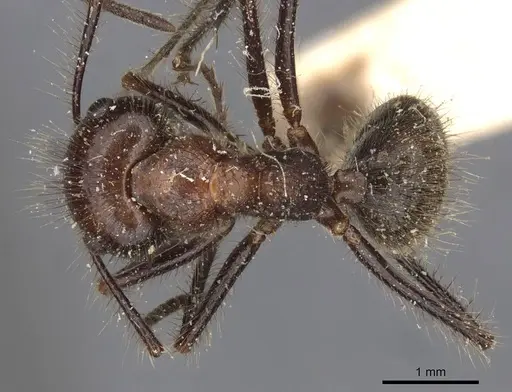
Literature
Loading distribution map...Loading products...