
Camponotus honaziensis
- Sci. Name
- Camponotus honaziensis
- Subgenus
- Myrmentoma
- Tribe
- Camponotini
- Subfamily
- Formicinae
- Author
- Karaman & Aktaç, 2013
- Distribution
- Found in 2 countries
Introduction
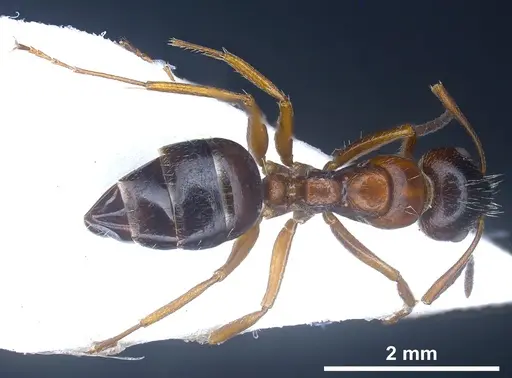
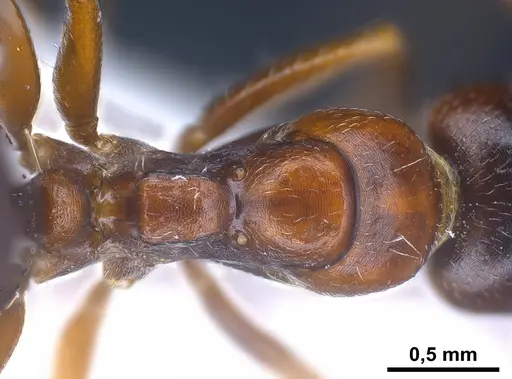
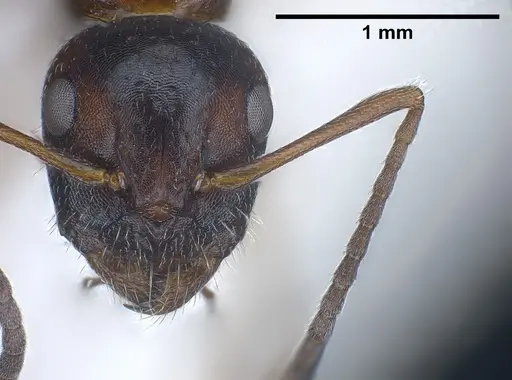
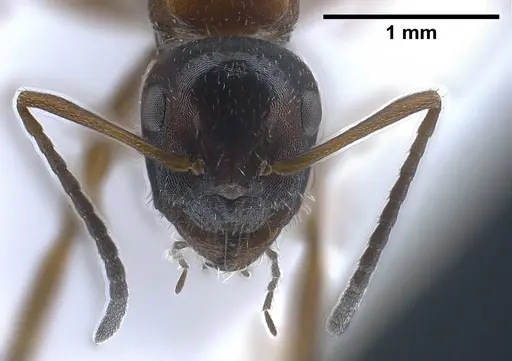
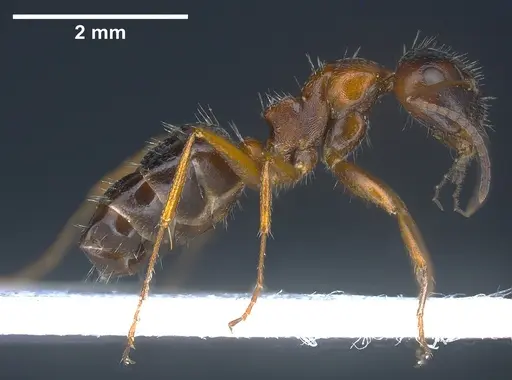
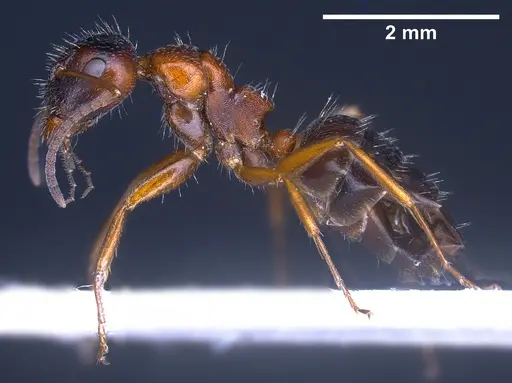
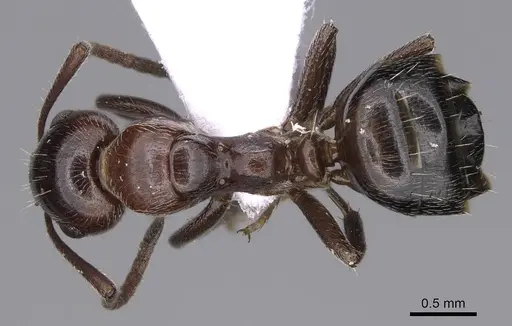
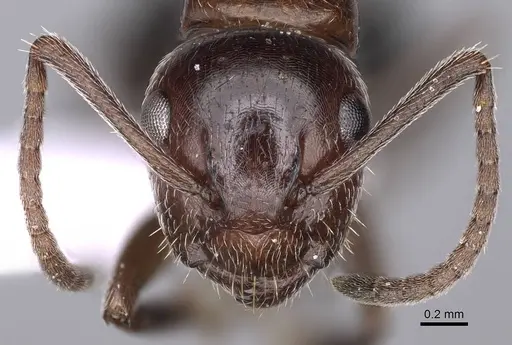
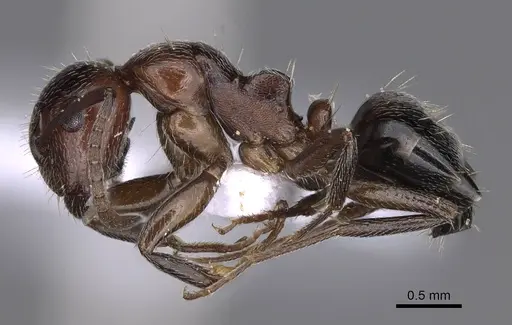
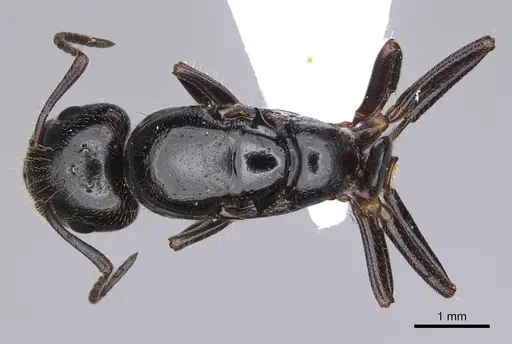
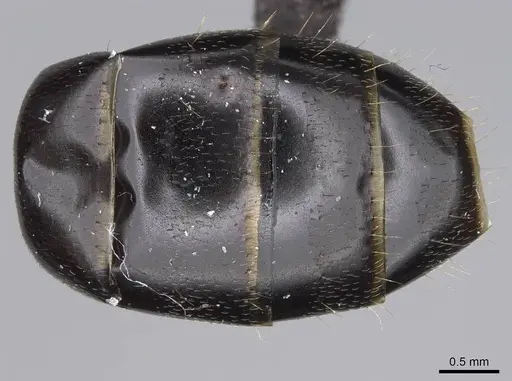
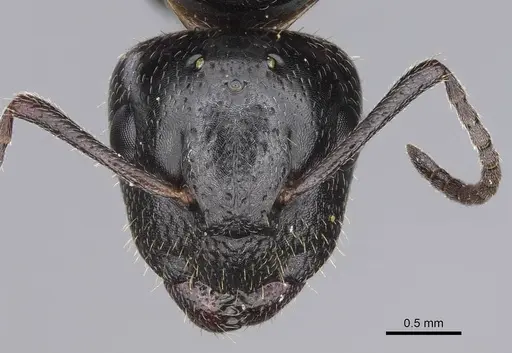
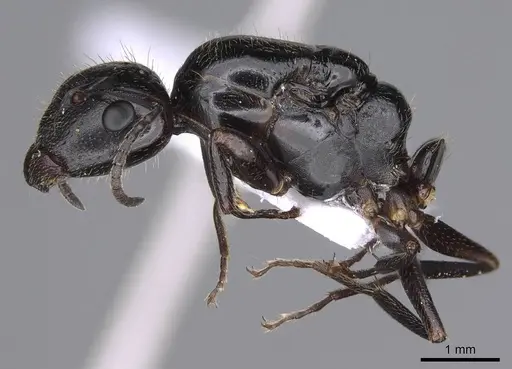
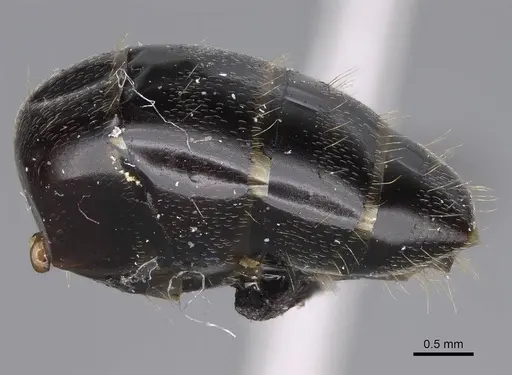
Camponotus honaziensis is a medium-sized carpenter ant belonging to the Camponotus lateralis species group, described from Turkey in 2013. Workers have a characteristic reddish-brown to reddish pigmentation on the head, mesosoma, and petiole, contrasting with a dark blackish gaster. The species is distinguished by its very strong scape base extension, long scape, and thick petiole. This ant inhabits mountain meadows and pine-juniper-oak forests at elevations between 800-1850m in southwestern Anatolia (Turkey), with populations also established in Greece, Croatia, Montenegro, and Spain .
Quick Summary
- Difficulty: Medium
- Origin & Habitat: Southwestern Anatolia (Turkey) at 800-1850m altitude, found in mountain meadows and Pinus nigra, Juniperus spp., and mixed Quercus coccifera forests [1][2]. Also recorded in Greece, Croatia, Montenegro, and Spain [3][4].
- Colony Type: Single-queen colonies (monogyne), typical for Camponotus species in this group.
- Size & Growth:
- Queen: Size data unavailable, inferred from Camponotus genus patterns (~12-16mm)
- Worker: Size data unavailable, inferred from Camponotus genus patterns (major workers ~10-14mm, minor workers ~6-9mm)
- Colony: Up to several hundred workers (estimated based on related species in lateralis group)
- Growth: Moderate, typical for Camponotus species
- Development: Estimated 6-8 weeks at optimal temperature based on Camponotus genus patterns (Development time inferred from related Camponotus species, direct measurements unavailable for this species)
- Antkeeping:
- Temperature: Keep at 22-26°C with a gentle gradient. This species originates from warm Mediterranean mountain habitats, so moderate warmth supports brood development [1]. Room temperature within this range is typically suitable.
- Humidity: Moderate humidity. Provide a water tube for drinking water. Keep nest substrate slightly moist but not wet, avoid the damp conditions preferred by some other Camponotus species.
- Diapause: Yes, recommend winter hibernation at 10-15°C for 2-3 months. This species comes from temperate Mediterranean regions with distinct seasons and will benefit from a winter rest period [2].
- Nesting: Y-tong (AAC) nests or plaster nests work well. Provide narrow chambers scaled to their medium size. They do well in naturalistic setups with soil substrates that mimic their forest floor habitat.
- Behavior: Generally calm and non-aggressive for a Camponotus species. Workers are moderately active foragers. They are not known escape artists but standard barrier precautions are still recommended. Foraging occurs primarily at night. Colonies establish quickly once the queen produces her first nanitic workers.
- Common Issues: colonies may fail if not given a proper hibernation period, this species benefits from winter rest, founding colonies are vulnerable to disturbance, minimize vibrations and light exposure during claustral founding, overheating is a risk, avoid temperatures above 28°C which can stress colonies, wild-caught colonies may carry parasites, quarantine and observe new colonies carefully, slow initial growth can cause keepers to overfeed, resist the urge to overfeed founding colonies
Housing and Nest Setup
Camponotus honaziensis does well in Y-tong (AAC) nests or plaster formicaria. Provide chambers scaled to their medium size, avoid overly large spaces. A water tube should always be available for drinking water. For founding colonies, use a simple test tube setup with a cotton ball providing water. Once the colony reaches 20-30 workers, you can move them to a proper formicarium. These ants prefer darker nesting areas, so cover the nest with a red film or keep it in a shaded location. A small outworld for foraging completes the setup. [1][2]
Feeding and Diet
Like most Camponotus species, C. honaziensis is omnivorous. Provide a constant source of sugar water or diluted honey. For protein, offer small insects like fruit flies, small mealworms, or crickets. Feed protein 2-3 times per week, adjusting based on colony size. Remove uneaten prey after 24 hours to prevent mold. They typically forage at night, so evening feeding aligns with their natural rhythm. A varied diet supports healthy brood development.
Temperature and Seasonal Care
Maintain temperatures between 22-26°C during the active season. A heating cable on one side of the nest creates a gentle gradient allowing ants to self-regulate. This species originates from Mediterranean mountain habitats with warm summers and cool winters. From late autumn through early spring, provide a hibernation period at 10-15°C for 2-3 months. During hibernation, reduce feeding to once every 2-3 weeks and keep the colony dark and undisturbed. This rest period supports long-term colony health and queen longevity. [1][2]
Colony Development
Claustral founding proceeds similarly to other Camponotus species. The queen seals herself in a chamber and does not leave to forage during founding. She relies on stored fat reserves to survive and raise the first brood. First workers (nanitics) typically appear after 4-8 weeks depending on temperature. Nanitics are smaller than normal workers but the colony quickly produces larger workers as the colony grows. Growth is moderate, expect several months before the colony reaches 50 workers. Patience is key with this species.
Behavior and Temperament
This is a calm, non-aggressive species that rarely stings. Workers go about their business methodically without excessive aggression toward keepers. They are moderately active foragers, primarily hunting at night. Major workers are larger and may defend the colony if threatened. Standard escape prevention (Fluon on rim edges) is sufficient, they are not particularly escape-prone compared to some tiny ant species. Colonies establish well and can live for many years with proper care. [1][2]
Frequently Asked Questions
How long does it take for Camponotus honaziensis to produce first workers?
First workers typically appear 6-8 weeks after the queen lays eggs, at optimal temperatures around 24-26°C. This timeline is based on typical Camponotus genus patterns since specific development data is not available for this species.
What temperature is best for Camponotus honaziensis?
Keep them at 22-26°C during the active season. A gentle gradient allowing them to choose their preferred temperature works best. Room temperature in this range is typically suitable.
Do Camponotus honaziensis need hibernation?
Yes, they benefit from a winter hibernation period. Provide 2-3 months at 10-15°C during winter (roughly November through February in the northern hemisphere). Reduce feeding and keep them undisturbed during this rest period.
What do Camponotus honaziensis eat?
They are omnivorous. Provide sugar water or honey constantly, and protein (small insects like fruit flies, mealworms) 2-3 times per week. Remove uneaten prey after 24 hours.
Are Camponotus honaziensis good for beginners?
They are rated as medium difficulty. They are more forgiving than some exotic species but require attention to hibernation and temperature. Beginners should be comfortable with basic antkeeping before attempting this species.
How big do Camponotus honaziensis colonies get?
Based on related species in the lateralis group, colonies likely reach several hundred workers over several years. Maximum colony size is not directly documented for this species.
Can I keep multiple Camponotus honaziensis queens together?
No, this species is monogyne (single-queen). Multiple unrelated queens will fight. Only keep one queen per colony.
When should I move Camponotus honaziensis from a test tube to a formicarium?
Move them once the colony reaches 20-30 workers and you see them producing brood consistently. Ensure the formicarium has appropriately sized chambers and a water source before moving.
Why is my Camponotus honaziensis colony not growing?
Common causes include: temperatures too low (below 20°C), improper hibernation, overfeeding leading to mold, or disturbance during founding. Check that temperature is in the 22-26°C range and that the queen is healthy and laying eggs.
Report an Issue
The current care sheet is based fully on literature. See inconsistencies, or something that's incorrect? Please , it will be resolved after review from an admin. Contributing to the blogs tab also helps providing information, to make us be able to further improve the caresheets. Thank you for your support!
References

This caresheet is licensed under CC BY-SA 4.0 .
Community Blogs
Literature
Loading distribution map...Loading products...