
Blackhead Sugar Ant
Camponotus havilandi
- Sci. Name
- Camponotus havilandi
- Subgenus
- Myrmespera
- Tribe
- Camponotini
- Subfamily
- Formicinae
- Author
- Arnold, 1922
- Common Name
- Blackhead Sugar Ant
- Distribution
- Found in 1 countries
Introduction
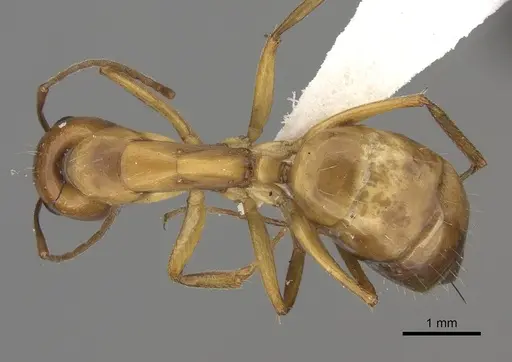
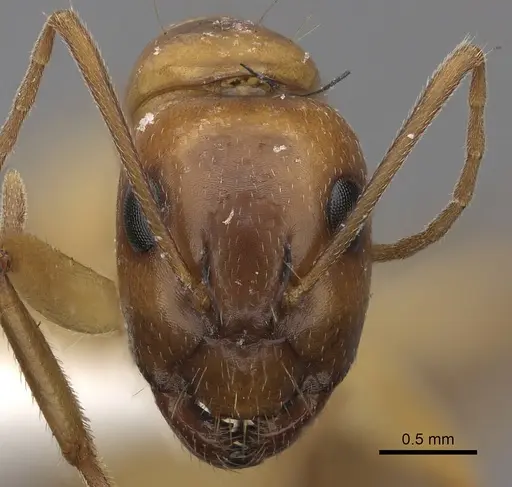
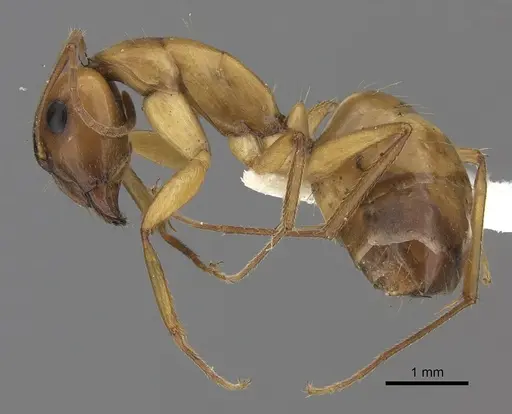
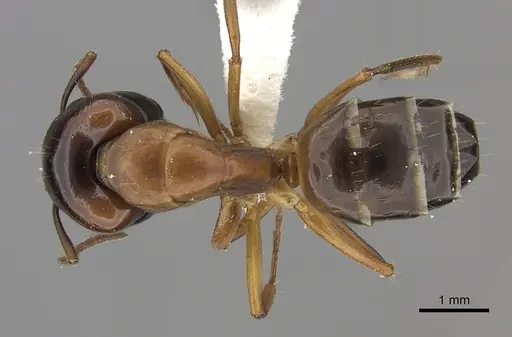
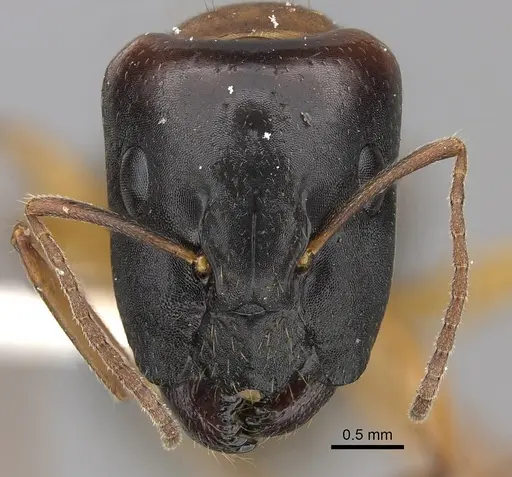
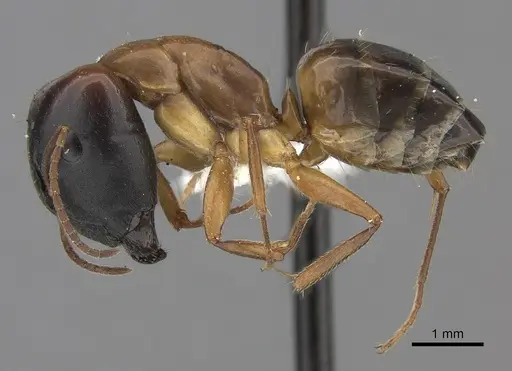
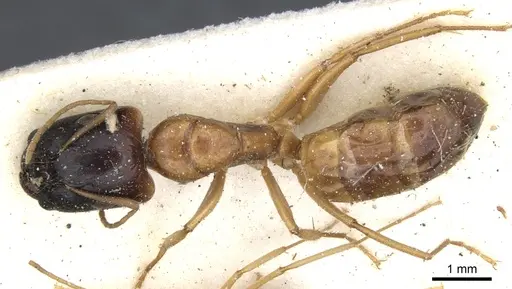
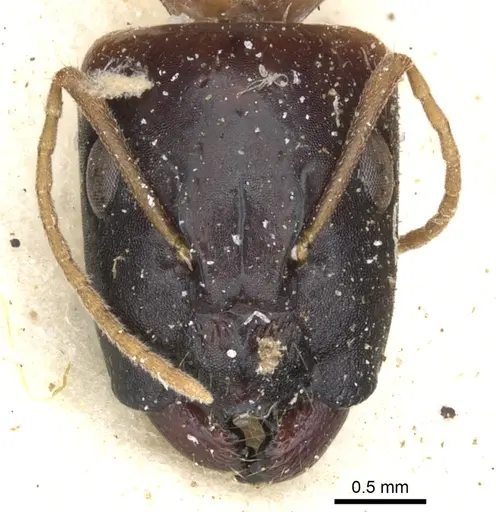
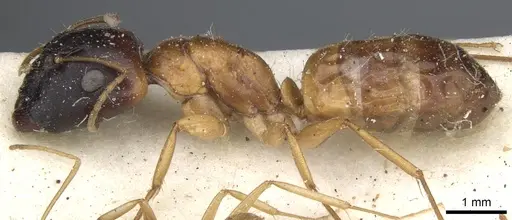
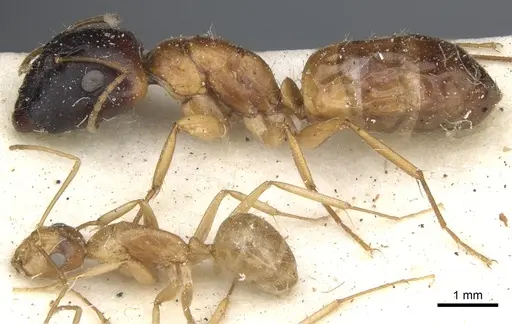
Camponotus havilandi is a carpenter ant species native to South Africa. Workers are polymorphic - major workers have larger heads and bodies while minor workers are smaller. This species typically nests in decaying wood or under stones in its native habitat. It has a commensal relationship with aphids and other honeydew-producing insects, tending them for sweet secretions. The species has been documented in both invaded areas (where the invasive Argentine ant Linepithema humile is present) and non-invaded areas, suggesting it can coexist with competitive ant species . As with other Formicinae ants, they lack a functional sting and instead bite targets while spraying formic acid from their acidopore into the wound.
Quick Summary
- Difficulty: Medium
- Origin & Habitat: Native to South Africa. Found in both natural and disturbed habitats, including areas invaded by the Argentine ant Linepithema humile [1][2].
- Colony Type: Likely monogyne (single queen colonies) based on typical Camponotus patterns. Colony foundation begins with a claustral queen who seals herself in a chamber and lives off stored fat reserves until her first workers emerge.
- Size & Growth:
- Queen: ~15-18mm, inferred from Camponotus genus patterns
- Worker: Minor workers: ~5-8mm, Major workers: ~8-12mm, inferred from Camponotus genus patterns
- Colony: Likely reaches several thousand workers over several years based on genus patterns
- Growth: Moderate, Camponotus colonies typically grow steadily but not rapidly
- Development: Estimated 6-8 weeks at optimal temperature based on typical Camponotus development (First workers (nanitics) are smaller than normal workers and may take additional time to develop into full-sized majors)
- Antkeeping:
- Temperature: Keep nest area at 24-26°C. Room temperature (20-24°C) is often suitable. Provide a temperature gradient so ants can choose their preferred spot. Reduce temperature during winter months to simulate natural seasonal cycle.
- Humidity: Moderate humidity (50-60%). Carpenter ants prefer slightly drier conditions compared to tropical species. Ensure nest substrate doesn't dry out completely but avoid waterlogging. Provide a water tube for drinking access.
- Diapause: Yes, recommend a winter rest period of 8-12 weeks at 10-15°C. This mimics their natural seasonal cycle and helps maintain colony health.
- Nesting: Y-tong (AAC) nests work well, or plaster nests with carved chambers. They can also adapt to test tube setups. Provide nesting chambers scaled to colony size, not too large for founding colonies.
- Behavior: Generally calm and non-aggressive compared to some other ant genera. They are not particularly territorial and focus on foraging for honeydew and small insects. Workers are moderately active and will establish foraging trails. Escape risk is moderate, use standard barrier techniques. Major workers can defend the colony by biting and spraying formic acid if threatened.
- Common Issues: colonies grow slowly during first year, beginners may overfeed or disturb too often, queen can die during founding if conditions are too dry or unstable, winter diapause is essential, skipping it can weaken the colony over time, wild-caught colonies may have parasites that cause colony collapse, major workers are large but can still escape through small gaps, ensure barriers are secure
Housing and Nest Setup
Camponotus havilandi adapts well to various nest types. For founding colonies, a simple test tube setup works well, fill one tube with water reservoir and provide a second dry tube as the nesting chamber. Secure cotton between the tubes and place in a dark area. As the colony grows to 20+ workers, consider moving to a Y-tong (AAC) nest or a plaster formicarium. These provide better space for colony expansion and allow you to observe the ants. Ensure the nest has chambers scaled to colony size, too large spaces can stress small colonies. Add a shallow water dish or water tube for drinking access.
Feeding and Diet
Like other carpenter ants, Camponotus havilandi is omnivorous with a preference for sugar sources. Offer sugar water, honey, or diluted maple syrup regularly, this should be available at all times for established colonies. For protein, provide small insects like fruit flies, mealworms, or crickets. Feed protein 2-3 times per week, adjusting based on colony size and consumption. Remove uneaten prey after 24-48 hours to prevent mold. In nature, they also tend aphids for honeydew, so occasional sweet treats are appreciated. Minor workers will consume liquids while majors typically handle larger prey items.
Temperature and Seasonal Care
Maintain nest temperature around 24-26°C during the active season. Room temperature within this range is often sufficient. You can create a gentle gradient by placing a heating cable on one side of the nest, this allows ants to self-regulate by moving to warmer or cooler areas. During winter (roughly October to March in the Northern Hemisphere), reduce temperature to 10-15°C to provide a diapause period. This winter rest is important for colony health and mimics their natural seasonal cycle. Do not feed during diapause, the colony will be minimally active and stored fat reserves sustain them. Resume normal feeding when temperatures increase in spring.
Colony Development and Growth
A newly mated queen will seal herself in a chamber and lay eggs within a week. She tends these eggs alone, using stored fat reserves for energy. Eggs hatch into larvae after 2-3 weeks, then pupate. First workers (nanitics) emerge 6-8 weeks after the eggs were laid, though this varies with temperature. These initial workers are smaller than mature workers but immediately begin foraging to feed the colony and expand the nest. Growth is gradual, expect the colony to reach 50-100 workers by the end of the first year under good conditions. Major workers (soldiers) typically appear once the colony reaches several hundred workers. Full maturity, with colonies of several thousand workers, takes 3-5 years.
Behavior and Temperament
Camponotus havilandi is generally peaceful and not prone to excessive biting or stinging. Major workers may bite if threatened and can spray formic acid into the wound, this is the primary defense mechanism for Formicinae ants. Workers are active foragers, establishing trails to food sources. They are primarily nocturnal or crepuscular in the wild but often adjust to keeper schedules in captivity. The species shows typical carpenter ant behavior, they excavate wood or soft substrate to expand nesting space but do not cause structural damage like termites. Colonies are moderately defensive, they will alert and mobilize majors if the nest is disturbed, but they are not among the more aggressive ant species.
Frequently Asked Questions
How long does it take for Camponotus havilandi to have first workers?
Expect first workers (nanitics) to emerge 6-8 weeks after the queen lays eggs, assuming temperatures around 24-26°C. This timeline varies with temperature, cooler conditions slow development while warmer conditions speed it up slightly.
What do I feed Camponotus havilandi?
Provide a constant sugar source (sugar water, honey, or maple syrup) and protein prey (small insects like fruit flies, mealworms, or crickets) 2-3 times per week. Remove uneaten prey after 24-48 hours.
Do Camponotus havilandi need hibernation?
Yes, a winter diapause of 8-12 weeks at 10-15°C is recommended. This mimics their natural seasonal cycle and helps maintain colony health. Do not feed during this dormant period.
Are Camponotus havilandi good for beginners?
They are moderate difficulty, easier than many exotic tropical species but require attention to temperature and seasonal care. Their relatively calm temperament makes them manageable for those learning ant keeping.
How big do Camponotus havilandi colonies get?
Mature colonies can reach several thousand workers over 3-5 years. The colony grows gradually, with major workers appearing once the colony reaches several hundred workers.
Can I keep multiple Camponotus havilandi queens together?
This species is likely single-queen (monogyne). Combining unrelated queens is not recommended as they will likely fight. Only one queen should be kept per colony.
When should I move my colony to a formicarium?
Move to a larger nest (Y-tong or plaster formicarium) when the colony reaches 20-30 workers or outgrows the test tube. Ensure the new nest has appropriately sized chambers, too large spaces can stress small colonies.
Why is my Camponotus havilandi colony declining?
Common causes include: parasites from wild-caught colonies, too dry or unstable conditions, disturbance during founding, or skipping winter diapause. Check humidity levels, ensure the queen is alive and laying eggs, and review your seasonal care routine.
What temperature is best for Camponotus havilandi?
Keep the nest at 24-26°C during the active season. Room temperature (20-24°C) is often suitable. Provide a temperature gradient so ants can choose their preferred spot.
Report an Issue
The current care sheet is based fully on literature. See inconsistencies, or something that's incorrect? Please , it will be resolved after review from an admin. Contributing to the blogs tab also helps providing information, to make us be able to further improve the caresheets. Thank you for your support!
References

This caresheet is licensed under CC BY-SA 4.0 .
Community Blogs
Literature
Loading distribution map...Loading products...