
Twotone Sugar Ant
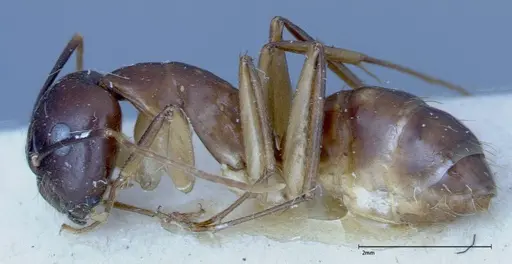
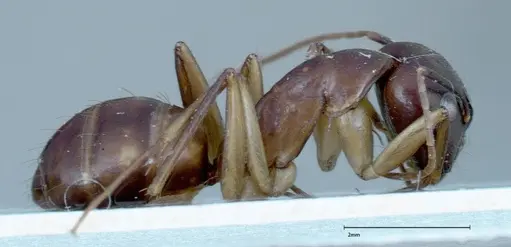
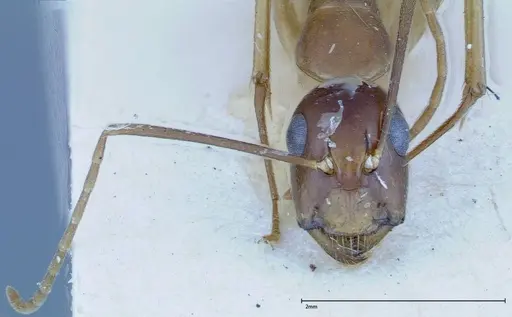
Camponotus guttatus
- Sci. Name
- Camponotus guttatus
- Subgenus
- Tanaemyrmex
- Tribe
- Camponotini
- Subfamily
- Formicinae
- Author
- Emery, 1899
- Common Name
- Twotone Sugar Ant
- Distribution
- Found in 3 countries
Introduction
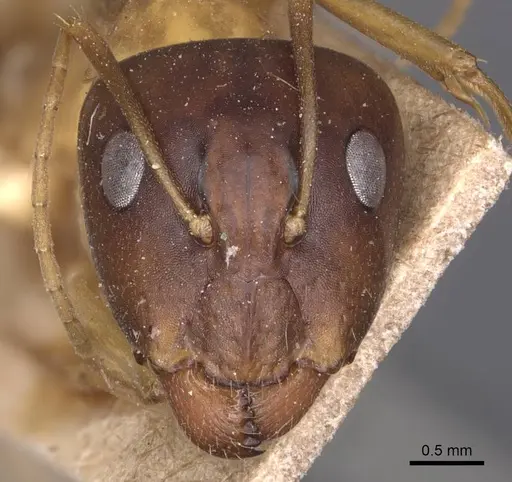
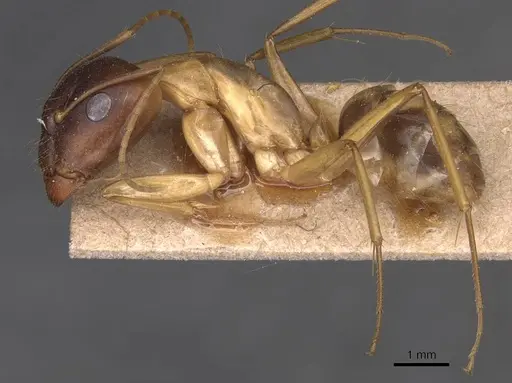
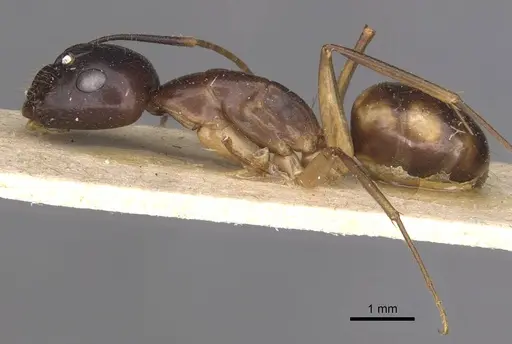
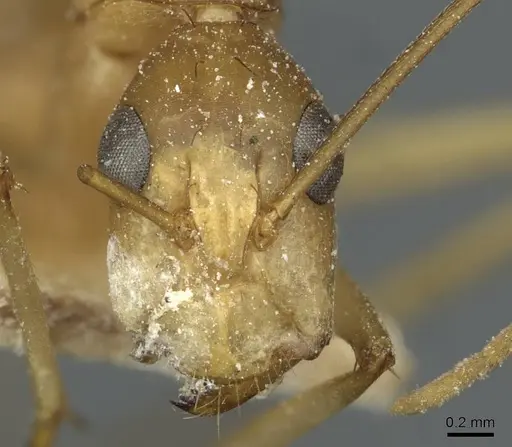
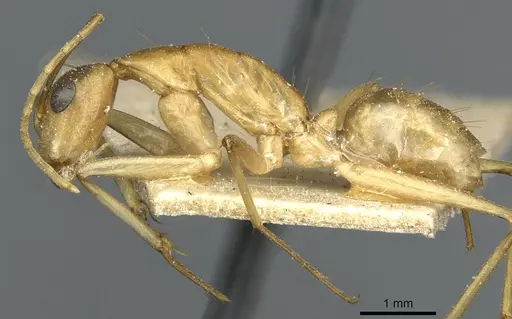
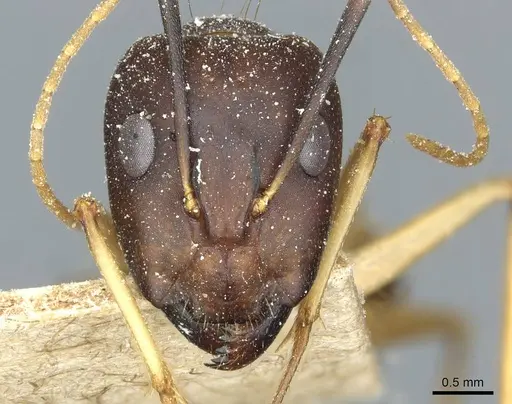
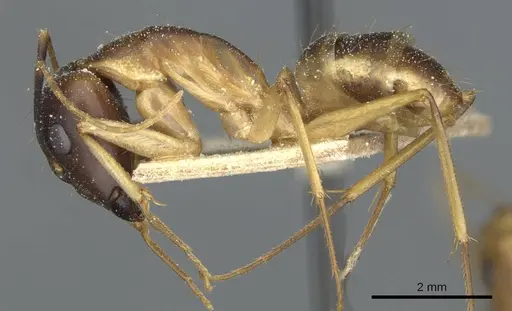
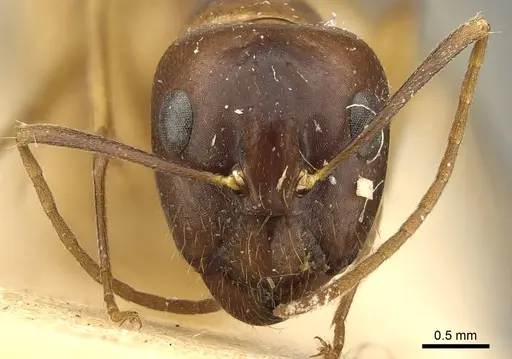
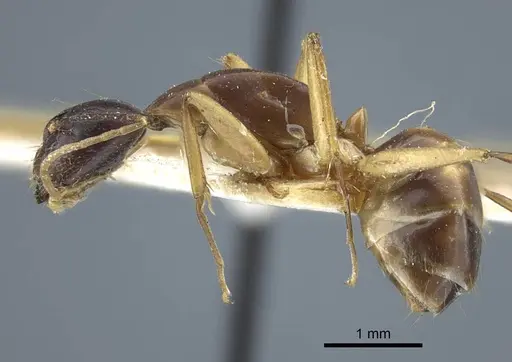
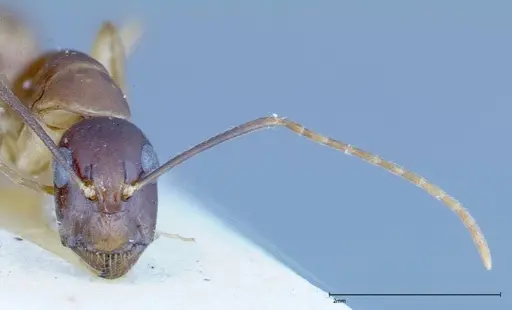
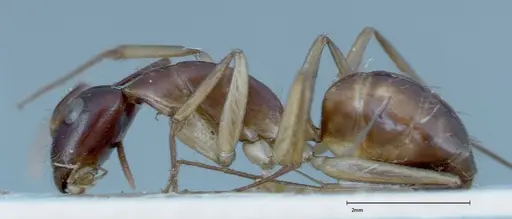
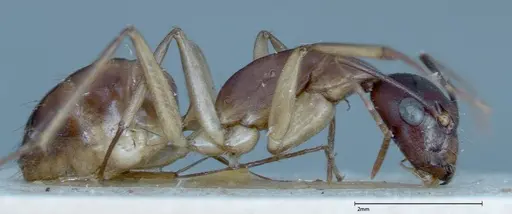
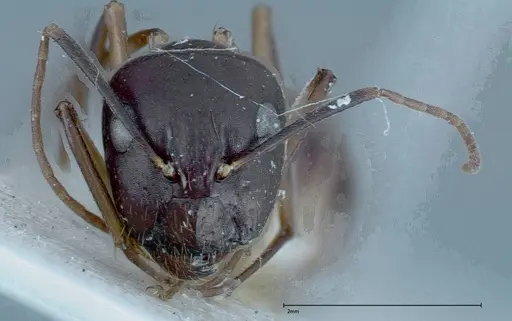
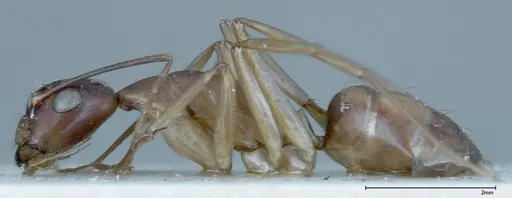
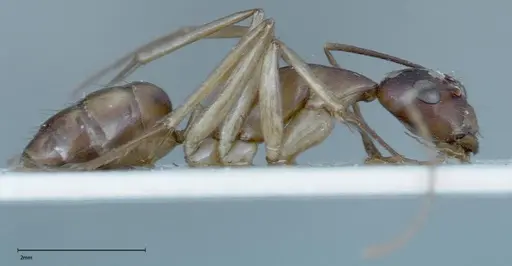
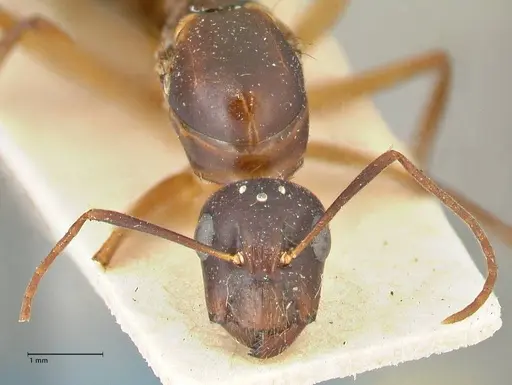
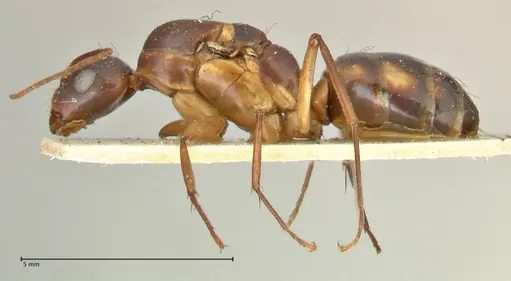
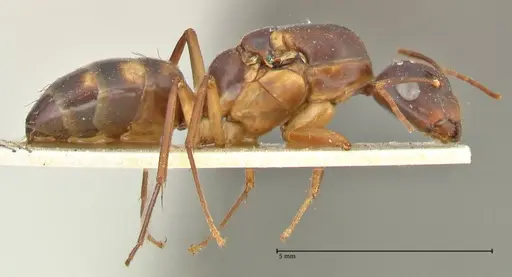
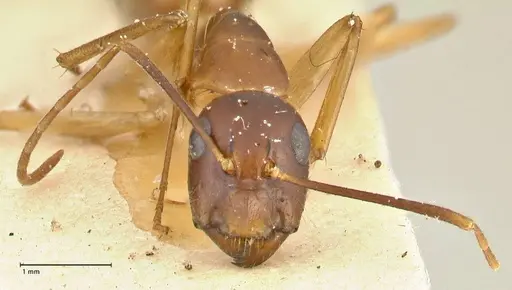
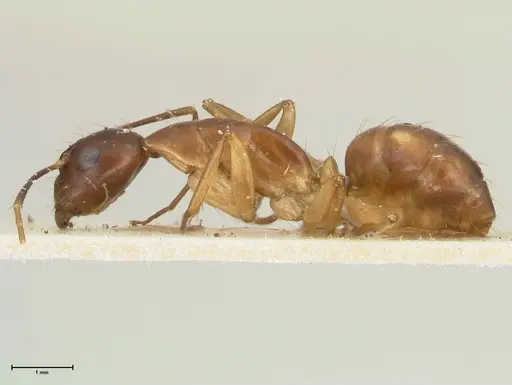
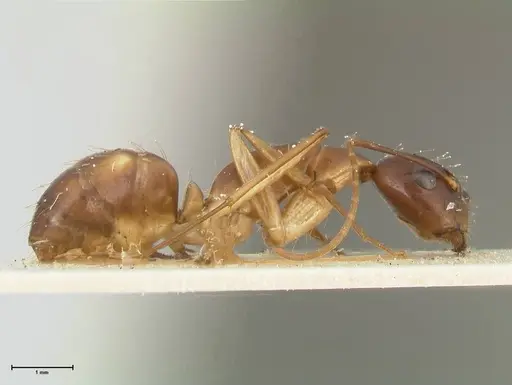
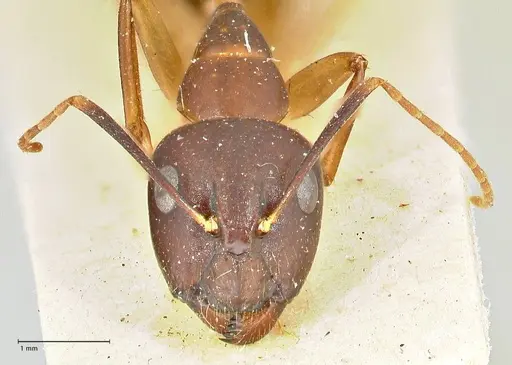
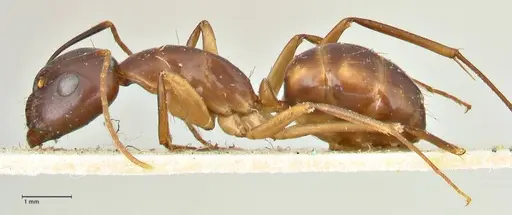
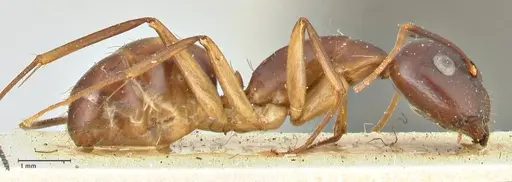
Camponotus guttatus is a medium-sized ant species native to West and Central Africa, found in Benin, Cameroon, Democratic Republic of Congo, Guinea, and Niger. Originally classified as a subspecies of Camponotus maculatus, it was elevated to full species status in 1920. Workers are bicolored with a dark head and mesosoma and a lighter gaster. The species belongs to the subgenus Tanaemyrmex. This species appears to be relatively rare in its range and has been documented in agricultural areas such as mango orchards in Benin, where it was recorded as prey of the weaver ant Oecophylla longinoda .
Quick Summary
- Difficulty: Medium
- Origin & Habitat: West and Central Africa, found in Benin, Cameroon, Democratic Republic of Congo, Guinea, and Niger. Inhabits tropical savanna and agricultural areas including mango orchards [1][2].
- Colony Type: Colony structure is unconfirmed for this species. Most Camponotus species are typically monogyne.
- Size & Growth:
- Queen: Size data unavailable for this species. Based on typical Tanaemyrmex patterns, queens likely fall in the 12-18mm range.
- Worker: Size data unavailable for this species. Based on typical Camponotus worker size ranges, workers likely measure 6-12mm.
- Colony: Likely reaches several thousand workers at maturity based on typical Camponotus colony development.
- Growth: Moderate, Camponotus species typically take several months to a year to establish strong colonies.
- Development: Development time is unconfirmed for this species. For related Camponotus species, this typically takes 6-10 weeks at warm temperatures. (Development time varies with temperature, warmer conditions within acceptable range accelerate development.)
- Antkeeping:
- Temperature: Keep around 24-28°C with a slight gradient. This species comes from tropical Africa so warmth is important.
- Humidity: Moderate humidity around 50-70%. Provide a water tube but allow portions of the nest to dry between rehydration.
- Diapause: No true diapause is required given African tropical origin. However, slight seasonal slowdowns may occur during cooler months, reduce feeding and lower temperatures slightly during winter if colony shows reduced activity.
- Nesting: In nature, Camponotus guttatus likely nests in rotting wood, under stones, or in soil cavities. In captivity, Y-tong (AAC) nests, plaster nests, or naturalistic setups with soil work well. Provide damp substrate in portions of the nest while allowing some drier areas.
- Behavior: Camponotus guttatus is likely a nocturnal forager, typical of the genus. Workers are moderately aggressive when defending the nest but not particularly territorial. They likely forage for honeydew, nectar, and small insects. Escape prevention should be moderate, while not among the smallest ants, they can still climb smooth surfaces. Use standard barrier methods like fluon on test tube rims.
- Common Issues: colonies may grow slowly initially, patience is required during the founding stage, test tube setups can dry out quickly in heated rooms, check water reserves regularly, wild-caught colonies may have parasites or diseases that cause colony failure, queens may abandon broods if disturbed too frequently during founding, overheating is a risk, direct sunlight or heating pads set too high can kill colonies
Nest Preferences and Setup
In the wild, Camponotus guttatus likely nests in rotting wood, under stones, or in soil cavities in tropical African habitats. For captive care, Y-tong (AAC) nests work well for this species, they provide proper humidity control while allowing you to observe the colony. Plaster nests are another good option, especially if you want to maintain consistent moisture levels. If using a naturalistic setup, provide a layer of damp soil or sand with pieces of rotting wood or cork bark for the ants to nest in. The key is providing a dark, humid chamber deep in the nest while allowing some drier areas for workers to forage. Test tube setups work for founding queens but become inadequate once the colony reaches 20-30 workers, plan to move to a larger formicarium within the first year. [1]
Feeding and Diet
Like most Camponotus species, these ants are omnivorous with a preference for sugar sources. Offer sugar water or honey water constantly, a small droplet in the outworld every few days is sufficient for established colonies. For protein, provide small insects like fruit flies, small crickets, or mealworms. Pre-kill larger insects to prevent them from escaping and potentially injuring ants. In nature, they likely tend aphids or collect honeydew from sap-sucking insects, so they are well-adapted to sugar-based diets. Feed protein roughly once or twice per week, adjusting based on colony size and activity. Remove uneaten prey after 24-48 hours to prevent mold. Queens and founding colonies may accept minimal food initially but will consume more once workers arrive. [1]
Temperature and Seasonal Care
As a tropical African species, Camponotus guttatus prefers warm conditions around 24-28°C. A heating cable or mat on one side of the nest creates a temperature gradient that allows ants to regulate their own temperature by moving between warmer and cooler areas. This is particularly useful during winter months when room temperatures might drop. Avoid temperatures above 32°C as this can stress or kill colonies. During the cooler months, you may notice reduced activity, this is normal and you should reduce feeding accordingly. Unlike temperate species, they do not require a true hibernation period, but a slight cooldown to around 20-22°C during winter months may simulate natural seasonal changes and promote colony health long-term. [1]
Colony Founding and Early Development
Camponotus guttatus founding behavior is unconfirmed for this specific species. Most Camponotus species are claustral founders, the queen seals herself in a small chamber and survives on stored fat reserves until her first workers emerge. This process typically takes 6-10 weeks depending on temperature. During founding, the queen will lay eggs and tend to them without any external food. Do not disturb a founding queen unnecessarily, checking too frequently can cause her to abandon or consume her brood. Once nanitics emerge, they will begin foraging for food, and the colony enters the claustral phase where the queen stops foraging and focuses on egg-laying. The first batch of workers will be smaller than mature workers but will grow with subsequent broods. Expect the colony to remain small for the first few months, this is normal and patience is key. [1]
Behavior and Handling
Camponotus guttatus workers are moderately active and will establish foraging trails once the colony is established. They are not particularly aggressive toward humans but will defend their nest vigorously if threatened. Workers can bite, though the bite is mild compared to some larger Camponotus species. They are primarily nocturnal foragers, so you will likely see most activity in the evening and morning hours. This species is not known for being particularly escape-prone, but they can climb smooth surfaces, so standard barrier methods like fluon on test tube rims or barrier tape on formicarium edges are recommended. They are generally peaceful toward other ant species when foraging but will defend their territory near the nest. [1]
Frequently Asked Questions
How long does it take for Camponotus guttatus to produce first workers?
Development time is unconfirmed for this species. For related Camponotus species, expect first workers to emerge around 6-10 weeks after the queen lays eggs, assuming temperatures around 24-28°C. The founding stage requires patience, do not disturb the queen during this period.
What do Camponotus guttatus ants eat?
They are omnivorous with a strong preference for sugar. Offer sugar water or honey water regularly, and provide small insects like fruit flies, small crickets, or mealworms for protein. Remove uneaten prey after 24-48 hours to prevent mold.
Do Camponotus guttatus ants need hibernation?
No true hibernation is required as this is a tropical African species. However, you may reduce temperatures slightly during winter months if the colony shows reduced activity, and reduce feeding accordingly. They remain active year-round at room temperature.
What temperature is best for Camponotus guttatus?
Keep them warm at 24-28°C. A temperature gradient is ideal, use a heating cable on one side of the nest so workers can choose their preferred temperature. Avoid temperatures above 32°C.
How big do Camponotus guttatus colonies get?
Based on typical Camponotus patterns, colonies likely reach several thousand workers at maturity. Growth is moderate, expect the first year to be slow while the colony establishes.
Can I keep multiple Camponotus guttatus queens together?
Colony structure is unconfirmed for this species. Most Camponotus species are monogyne, so combining unrelated queens is not recommended as they will likely fight. If you capture a queen, house her alone until a colony establishes.
When should I move Camponotus guttatus from a test tube to a formicarium?
Move to a larger nest once the colony reaches 20-30 workers or when the test tube water reservoir is running low. Y-tong (AAC) nests or plaster nests work well for this species. Make sure the new enclosure has proper humidity control and dark chambers.
Are Camponotus guttatus good for beginners?
This species is rated as medium difficulty. They are more forgiving than some exotic species but require warm temperatures and proper humidity. They grow more slowly than some beginner species like Lasius, so patience is required during the founding stage.
Why is my Camponotus guttatus colony not growing?
Common causes include temperatures that are too low, insufficient food, or disturbance during founding. Also check for parasites. If the queen dies, the colony cannot recover, only the queen can lay fertilized eggs.
Report an Issue
The current care sheet is based fully on literature. See inconsistencies, or something that's incorrect? Please , it will be resolved after review from an admin. Contributing to the blogs tab also helps providing information, to make us be able to further improve the caresheets. Thank you for your support!
References

This caresheet is licensed under CC BY-SA 4.0 .
Community Blogs
CASENT0905280
View on AntWeb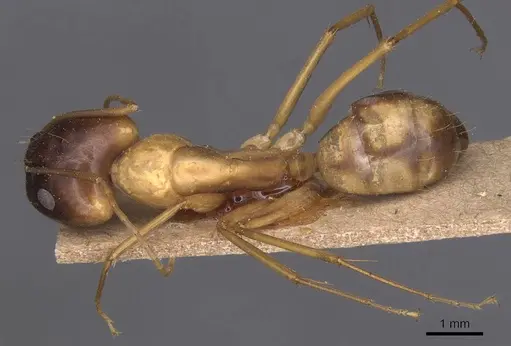
CASENT0905281
View on AntWeb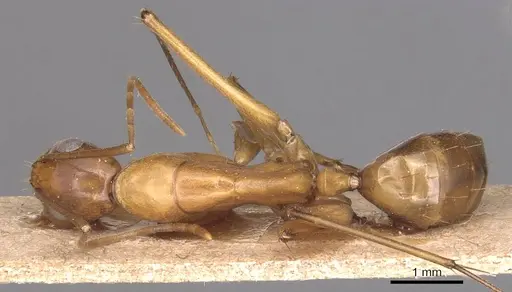
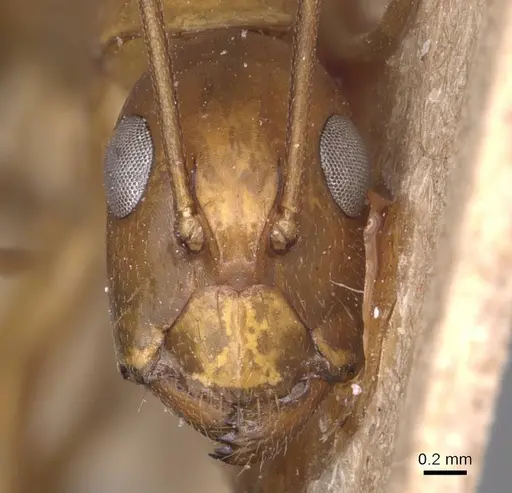
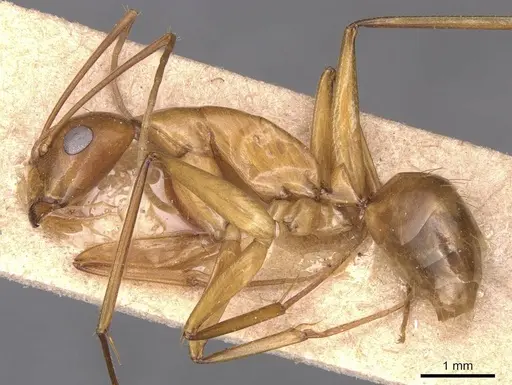
CASENT0910043
View on AntWeb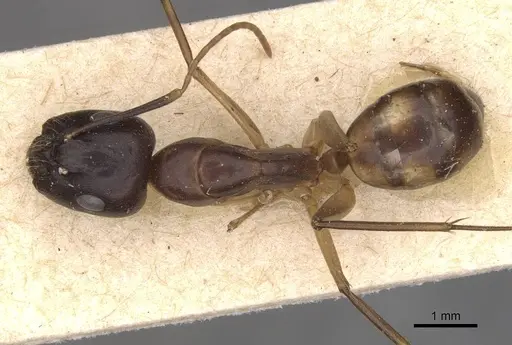
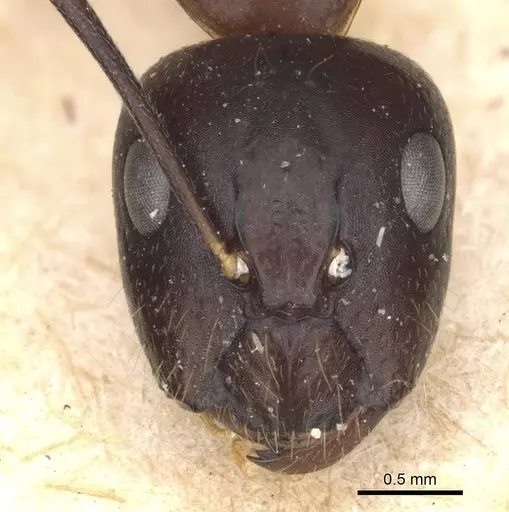
CASENT0910044
View on AntWeb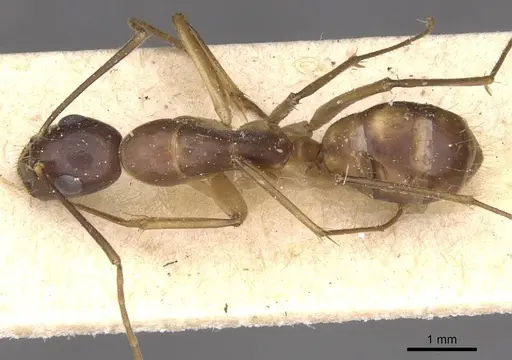
CASENT0911947
View on AntWeb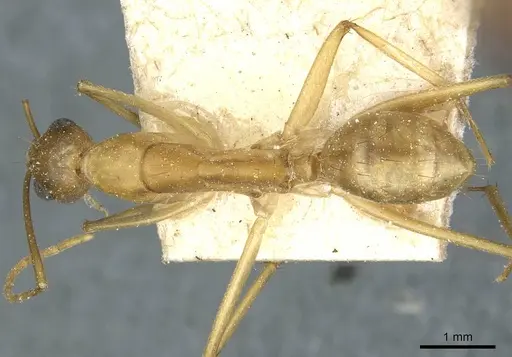
CASENT0911948
View on AntWeb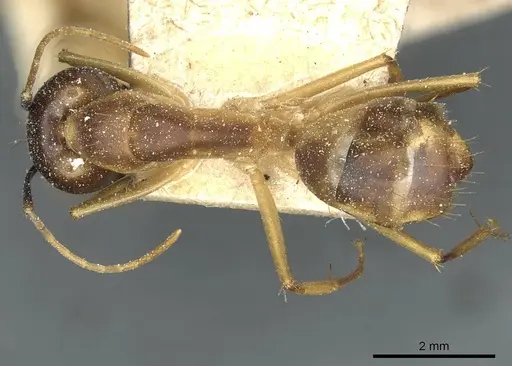
CASENT0915600
View on AntWeb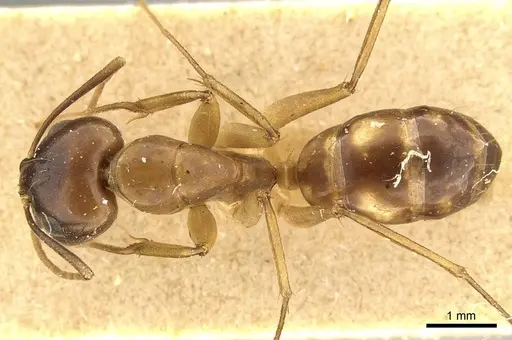
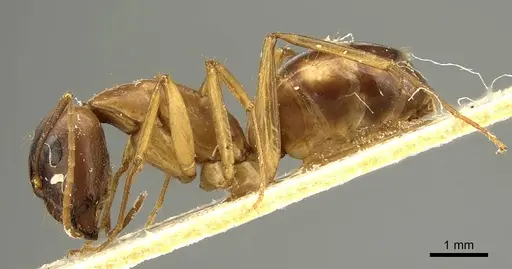
CASENT0917146
View on AntWeb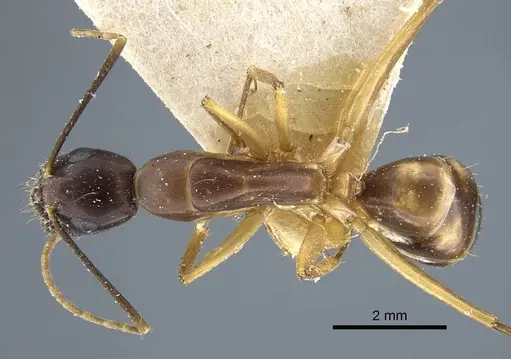
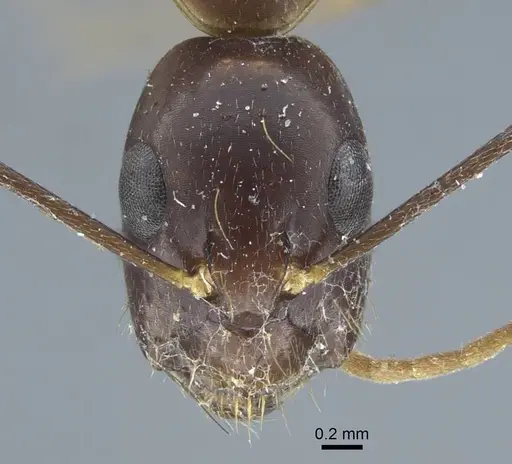
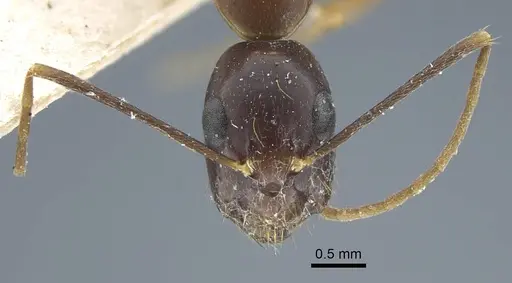
FOCOL0122
View on AntWeb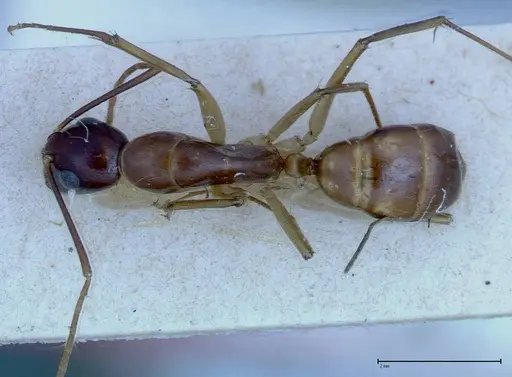
FOCOL0123
View on AntWeb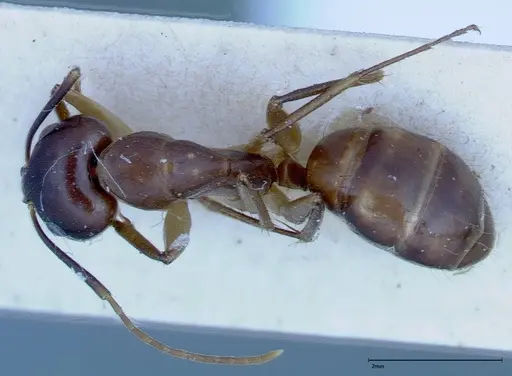
FOCOL0124
View on AntWeb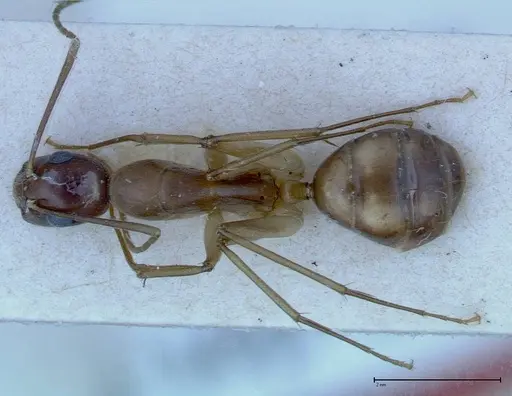
FOCOL2377
View on AntWeb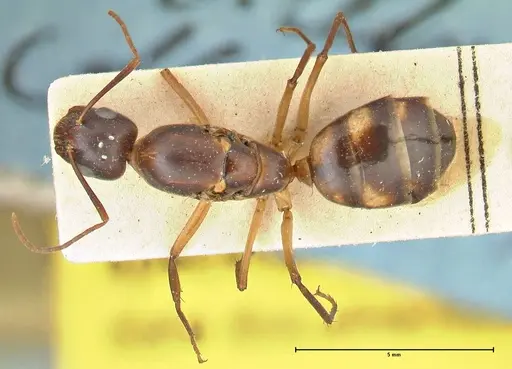
FOCOL2378
View on AntWeb
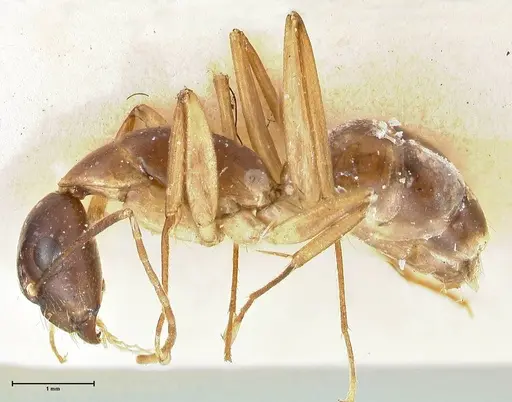
FOCOL2379
View on AntWeb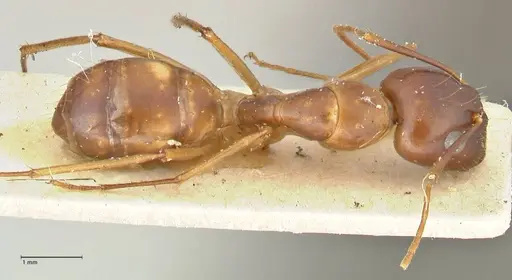
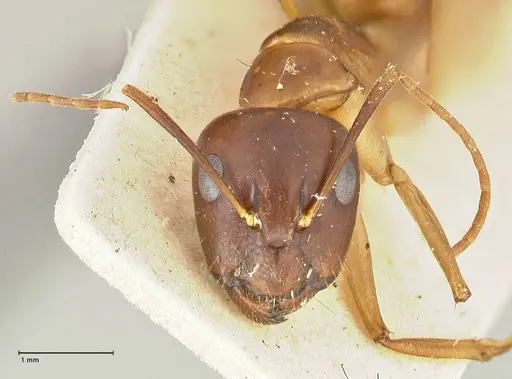
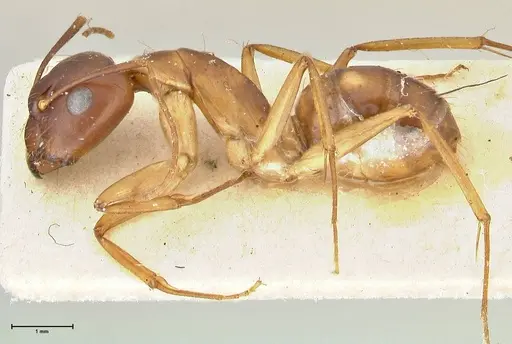
FOCOL2380
View on AntWeb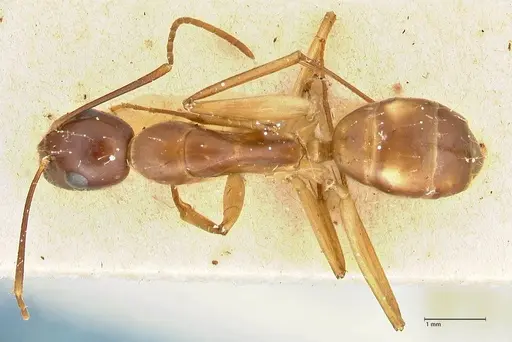
FOCOL2381
View on AntWeb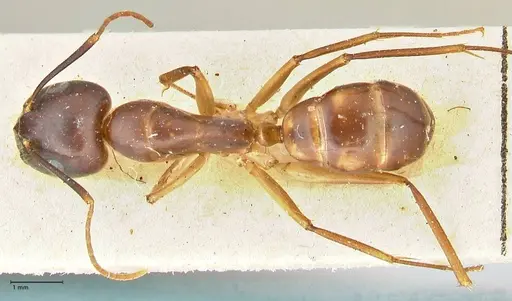
Literature
Loading distribution map...Loading products...