
Camponotus guidae
- Sci. Name
- Camponotus guidae
- Tribe
- Camponotini
- Subfamily
- Formicinae
- Author
- McArthur, 2007
- Distribution
- Found in 1 countries
Introduction
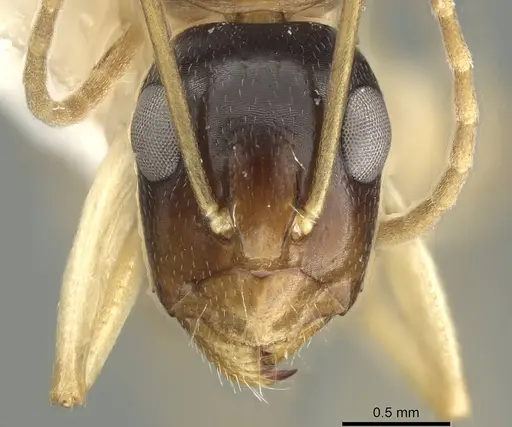
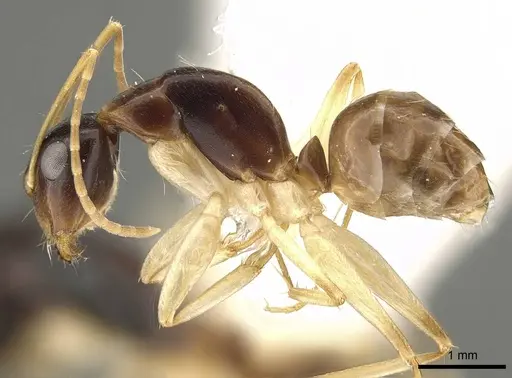
Camponotus guidae is a carpenter ant native to South Australia, described by McArthur in 2007. Workers are dark brown to black with distinctly lighter, yellowish legs - a key identification feature. The colony is dimorphic, meaning it has major and minor workers but no medium workers have been observed. This species was named after Guides Australia (the Girl Guides organization) because it was discovered on their property called Douglas Scrub. All four Camponotus species described in McArthur 2007 are ground-nesting, and this species has been found at multiple South Australian locations including McLaren Flat, Hatherleigh Hills, Innes National Park, Monarto, and Woakwine Range . No specific biological data exists for this species, so care recommendations are based on typical Camponotus patterns.
Quick Summary
- Difficulty: Medium
- Origin & Habitat: South Australia, found in temperate woodland and scrubland across multiple locations including McLaren Flat, Hatherleigh Hills, Innes National Park, Monarto, Piccaninny Road, Rockleigh, Western River, Woakwine Cutting, and Woakwine Range [1][2]. The species is ground-nesting [2].
- Colony Type: Presumed monogyne based on typical Camponotus patterns. Colonies are dimorphic with major and minor workers but no medium workers observed [1][2].
- Size & Growth:
- Queen: Size data unavailable for this species, inferred from Camponotus genus patterns to be approximately 12-15mm
- Worker: Size data unavailable, minor workers cannot be accurately measured from the provided morphometric data. The research provides head measurement equations but not total body length.
- Colony: Maximum colony size unknown, estimated several hundred workers based on typical Camponotus development
- Growth: Moderate, based on typical Camponotus development patterns
- Development: Development time unconfirmed for this species, estimates based on related Camponotus species suggest several months (Direct development data unavailable for this species)
- Antkeeping:
- Temperature: Keep at room temperature (18-24°C) with a warm area (around 25°C) available. Provide a temperature gradient so ants can choose their preferred zone. Inferred from South Australian temperate climate.
- Humidity: Moderate humidity, ground-nesting species from temperate South Australia prefer well-drained but not dry conditions. Keep nest substrate slightly moist but allow drying between waterings.
- Diapause: Yes, South Australian temperate climate requires winter hibernation. Reduce temperature to 10-15°C for 2-3 months during winter (May-August in Southern Hemisphere). Inferred from geographic range.
- Nesting: Ground-nesting species, will do well in Y-tong nests, plaster nests, or naturalistic setups with soil. Provide deep enough chambers for the queen and colony. Avoid overly humid conditions that can cause mold [2].
- Behavior: Generally calm and non-aggressive for a Camponotus species. Workers are moderate foragers, typically searching for honeydew and small insects. Major workers can deliver a pinch with their mandibles but are not particularly aggressive. Escape prevention should be moderate, standard barriers work well. Primarily nocturnal or crepuscular in foraging patterns, typical of Australian carpenter ants.
- Common Issues: lack of biological data means care is based on genus-level inference, monitor colony behavior and adjust conditions accordingly, winter hibernation is essential for this temperate species, skipping it can weaken or kill the colony, ground-nesting species needs proper substrate depth and moisture balance, too wet causes mold, too dry stresses the colony, slow founding phase is normal, Camponotus queens can take months to produce first workers, don't give up too soon, major workers may appear intimidating but are not aggressive, handle gently during nest transfers
Nest Preferences
Camponotus guidae is a ground-nesting species, which means they naturally excavate nests in soil or use existing cavities in the ground. In captivity, they adapt well to various nest types. Y-tong (AAC) nests work well, choose one with chambers at least 10-15mm deep to accommodate the queen and future brood. Plaster nests are another good option as they allow you to control humidity more precisely. For a naturalistic setup, use a deep container (at least 5cm) filled with a soil-sand mix that holds its shape when tunnels are dug. The nest should be kept in a dark or dimly lit area, as carpenter ants prefer sheltered, low-light conditions. Provide a water tube or moisture source connected to the nest area so workers can access water without flooding the brood chambers. [2]
Feeding and Diet
Like other Camponotus species, these ants are omnivorous with a preference for sugar sources and protein. Provide a constant supply of sugar water (1:3 ratio sugar to water) or honey (diluted slightly for easier access). For protein, offer small insects like fruit flies, small crickets, or mealworms, adjust size to match your worker ants. Minor workers can handle small prey, while major workers can tackle larger items. Feed protein 2-3 times per week, removing any uneaten prey after 24 hours to prevent mold. Some keepers report that Australian Camponotus species accept cat food or other prepared protein sources. Always ensure fresh water is available. During hibernation, reduce feeding significantly as metabolic activity slows.
Temperature and Seasonal Care
This species comes from temperate South Australia, so it needs distinct seasonal variation. Keep the nest at room temperature (18-24°C) year-round, with a warmer area around 25°C available on one side. During the active season (spring through autumn), this temperature range supports normal colony function and brood development. Come winter (May through August in the Southern Hemisphere), you must simulate hibernation by reducing temperatures to 10-15°C. This can be done by moving the colony to a cooler room, garage, or refrigerator (not freezer). Do not feed during hibernation, but keep a small water source available. Hibernation is critical for this temperate species, skipping it can weaken the colony and shorten the queen's lifespan. Resume normal feeding and temperatures gradually in spring.
Behavior and Colony Dynamics
Camponotus guidae forms dimorphic colonies with distinct major and minor worker castes. Minor workers handle most foraging, brood care, and nest maintenance, while major workers (soldiers) defend the colony and help process larger food items. The colony grows relatively slowly at first, the claustral queen seals herself in and raises the first brood (nanitic workers) entirely alone. This founding phase can take several months, so patience is essential. Once the first workers emerge, the colony typically grows steadily. Major workers appear as the colony matures, usually when the worker population reaches several dozen. These ants are generally calm and less aggressive than some other carpenter ant species, but they will defend if threatened. Workers are primarily nocturnal, so you may see more activity in the evening hours.
Frequently Asked Questions
How long does it take for Camponotus guidae to produce first workers?
The claustral founding phase typically takes several months under optimal conditions (around 24-25°C). Some Camponotus queens take 3-6 months to produce their first workers. Be patient and don't disturb the queen during this critical period. She seals herself in and survives on stored fat reserves until her first nanitic workers emerge.
What size colony does Camponotus guidae reach?
The maximum colony size is unknown for this specific species. Based on typical Camponotus patterns, colonies likely reach several hundred workers over several years. Growth is slow initially but accelerates once the colony establishes a worker population.
Can I keep multiple Camponotus guidae queens together?
This species is presumed to be monogyne (single queen) based on typical Camponotus patterns. Combining unrelated queens is not recommended as they will likely fight. In the wild, colonies are typically founded by a single queen.
Do Camponotus guidae need hibernation?
Yes. As a temperate species from South Australia, they require a winter rest period. Reduce temperatures to 10-15°C for 2-3 months during winter (May-August). This mimics their natural seasonal cycle and is essential for long-term colony health.
What should I feed Camponotus guidae?
Provide a constant sugar source (sugar water or diluted honey) and regular protein feedings (small insects like fruit flies or small crickets). Feed protein 2-3 times per week. Remove uneaten food after 24 hours to prevent mold. Adjust portion sizes as your colony grows.
Is Camponotus guidae good for beginners?
This species is rated Medium difficulty. The main challenges are the slow founding phase (queen can take months to produce first workers) and the requirement for winter hibernation. If you're patient and can provide seasonal temperature changes, this can be a rewarding species to keep.
When should I move Camponotus guidae to a formicarium?
Keep newly caught or purchased queens in a simple test tube setup for the founding phase. Move to a proper nest (Y-tong, plaster, or naturalistic) once the colony has 30-50 workers and the test tube becomes crowded. Make sure the new nest has appropriate humidity and chamber size before transferring.
Why is my Camponotus guidae colony not growing?
Common causes include: temperatures too low (below 18°C slows development significantly), humidity issues (too dry or too wet), insufficient protein in diet, or the queen has died. Check each parameter and adjust. Remember that founding colonies grow very slowly, this is normal, not necessarily a problem.
What does Camponotus guidae look like?
Workers are dark brown to black with distinctly lighter, yellowish legs, this contrast is a key identification feature. They are dimorphic: minor workers are smaller with a more uniform body shape, while major workers are larger with a more developed head and can appear robust. The species was described from South Australian specimens collected at McLaren Flat [1][2].
Report an Issue
The current care sheet is based fully on literature. See inconsistencies, or something that's incorrect? Please , it will be resolved after review from an admin. Contributing to the blogs tab also helps providing information, to make us be able to further improve the caresheets. Thank you for your support!
References

This caresheet is licensed under CC BY-SA 4.0 .
Community Blogs
CASENT0915759
View on AntWeb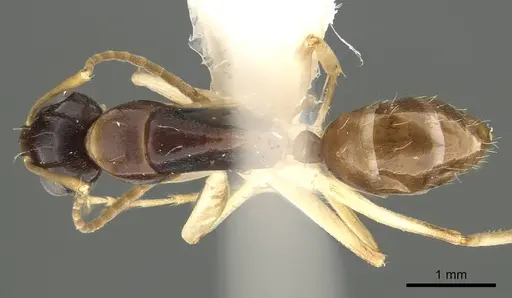
Literature
Loading distribution map...Loading products...