
Camponotus godmani
- Sci. Name
- Camponotus godmani
- Subgenus
- Myrmobrachys
- Tribe
- Camponotini
- Subfamily
- Formicinae
- Author
- Forel, 1899
- Distribution
- Found in 2 countries
Introduction
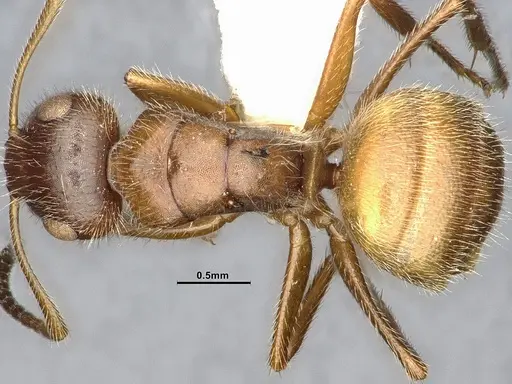
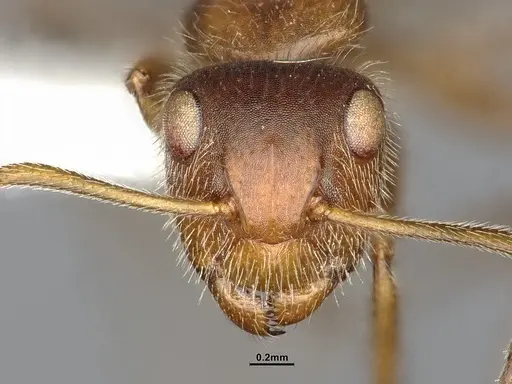
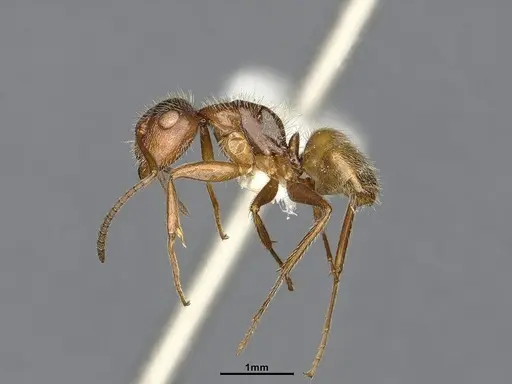
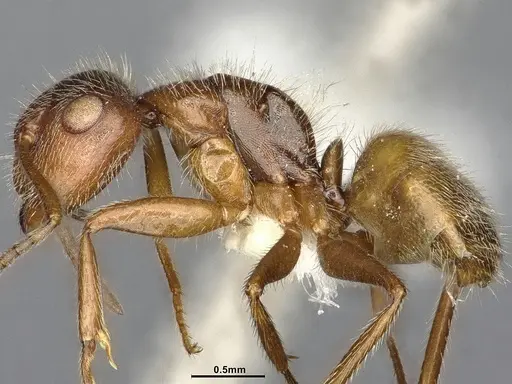
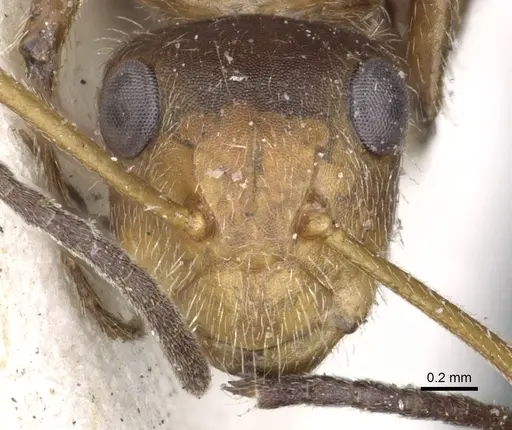
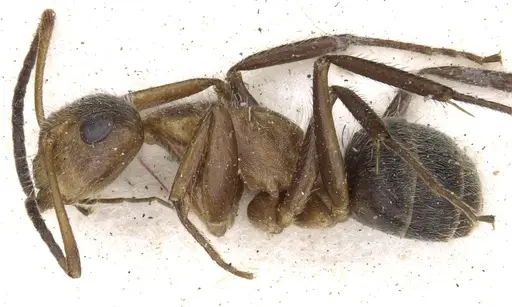
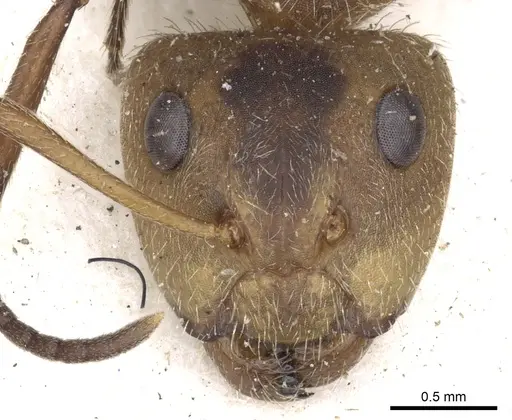
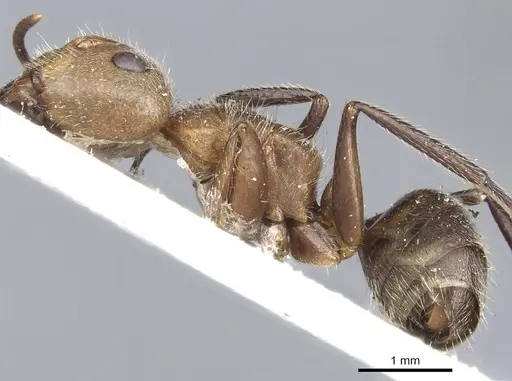
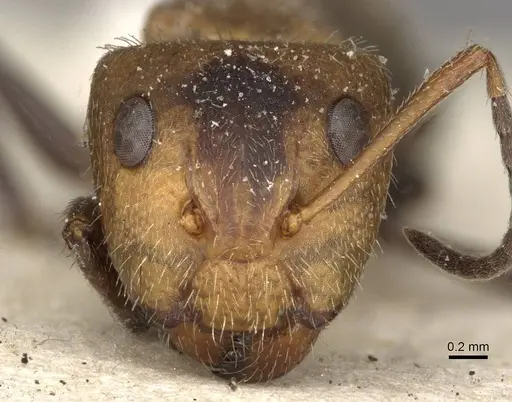
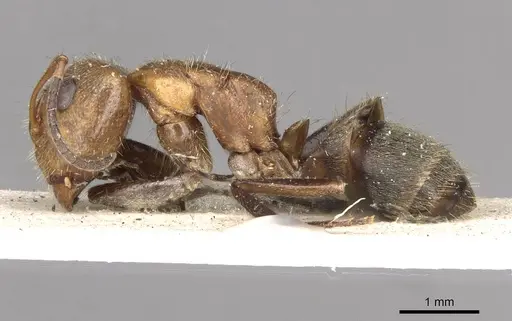
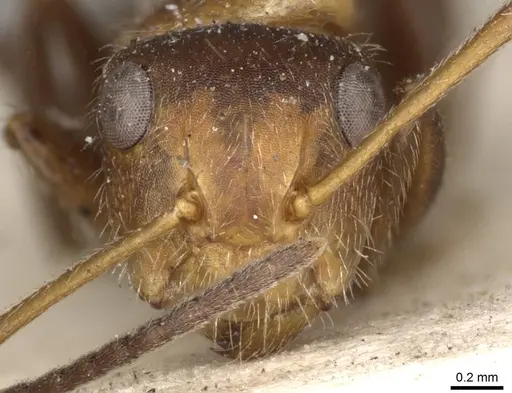
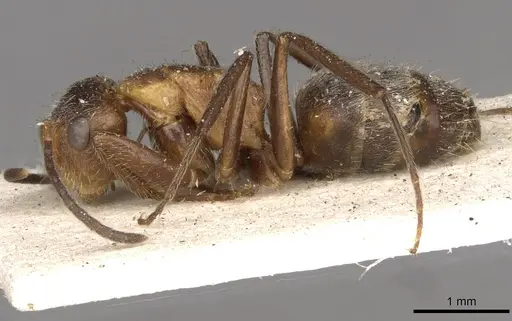
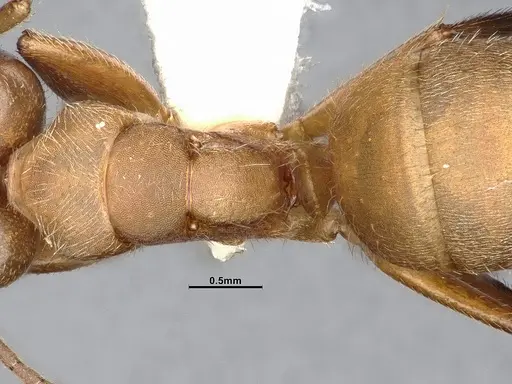
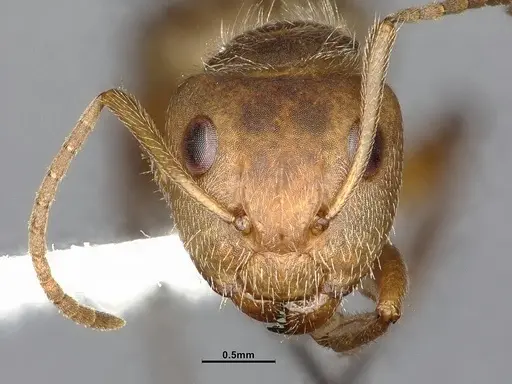
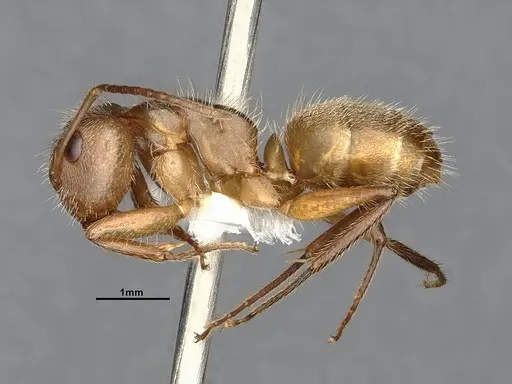
Camponotus godmani is a medium-sized ant from the Neotropical region, spanning from Mexico to Brazil . Workers measure 4-6.2 mm and have a yellow-brown to ferruginous red head and mesosoma with a darker gaster . The most distinguishing feature is the angulated posterior lateral corners of the head in major workers, which separates them from the similar Camponotus planatus (which has rounded corners) . Queens are larger at 9-10 mm . This species is part of the subgenus Myrmobrachys and is typically found in forests, often collected from trees . It may be synonymous with Camponotus planatus, with head shape being the only difference .
Quick Summary
- Difficulty: Medium
- Origin & Habitat: Neotropical region: Mexico (Nuevo León), Panama, Brazil, Guatemala, Colombia (Santander), and Trinidad. Found in forest environments, often in trees [1][2][4][3].
- Colony Type: Likely monogyne (single queen) based on typical Camponotus patterns, but this is not confirmed.
- Size & Growth:
- Queen: 9-10 mm [1]
- Worker: 4-6.2 mm [1]
- Colony: Unknown in the wild, estimated to reach a few hundred workers based on related species.
- Growth: Not documented, likely moderate based on genus patterns.
- Development: Estimated 6-8 weeks at optimal temperatures (Direct measurements for this species are not available.)
- Antkeeping:
- Temperature: 24-28°C, this tropical species needs warmth. Keep above 20°C
- Humidity: Moderate to high (60-80%). Keep the nest substrate slightly moist but avoid waterlogging
- Diapause: Unknown, unlikely to require true hibernation given its tropical origin, but a slight winter temperature drop may be tolerated.
- Nesting: Arboreal or semi-arboreal. Provide tight chambers in Y-tong (AAC), plaster, or naturalistic rotting wood setups
- Behavior: Generally calm. Lacks a functional sting, defends by biting and spraying formic acid. Workers are moderately active foragers. Escape risk is low for a 4-6 mm ant, but standard barriers should still be used.
- Common Issues: sensitive to cold, colony may weaken if temperatures drop below 20°C for extended periods, feeding and founding details are not well studied, adjust care based on colony response, unknown founding behavior means captive breeding may be unpredictable
Housing and Nest Setup
Camponotus godmani does well in Y-tong (AAC) nests, plaster nests, or naturalistic setups that include rotting wood. Since they naturally nest in trees or dead wood [2], provide chambers that are tight and scaled to their 4-6 mm size, this helps them feel secure. A test tube setup works well for founding colonies, with a cotton ball separating the water reservoir from the queen. Move them to a more elaborate formicarium only once the colony outgrows the test tube. Include both moist and dry areas inside the nest so the ants can self-regulate humidity.
Feeding and Diet
Like other Camponotus, Camponotus godmani is omnivorous. Offer constant access to sugar water, honey, or diluted maple syrup as a carbohydrate source. For protein, provide small insects such as fruit flies, small mealworms, or cricket pieces 2-3 times per week. In the wild, they likely forage for honeydew and small arthropods. Remove uneaten prey after 24 hours. This species is not an aggressive hunter, so offer dead or disabled prey.
Temperature and Seasonal Care
Camponotus godmani is a tropical species and needs stable warmth. Keep the nest area between 24-28°C with a slight gradient (use a heating cable on one side). Temperatures below 20°C for extended periods may stress the colony. Unlike temperate species, there is no evidence they require a true hibernation period, but you may notice reduced activity during cooler months. Room temperature (22-24°C) is acceptable short-term.
Colony Development and Growth
Founding behavior has not been documented, but based on typical Camponotus patterns, the queen likely seals herself in a claustral chamber and raises the first brood using stored fat reserves without leaving to forage. First workers (nanitics) are expected to appear after an estimated 6-8 weeks under optimal conditions. Growth rate is likely moderate, with the colony reaching a few hundred workers over 1-2 years. Minimize disturbance during founding to avoid stress.
Behavior and Temperament
Camponotus godmani is generally calm and rarely aggressive. Like all Formicinae, it lacks a functional sting, instead it bites and sprays formic acid at threats. Workers are moderately active foragers and communicate via chemical trails. Their 4-6 mm size means standard escape prevention (fluon barriers, tight-fitting lids) works well, but always remain vigilant. This species is suitable for keepers who prefer non-stinging ants.
Frequently Asked Questions
How long does it take for Camponotus godmani to produce first workers?
Based on typical Camponotus development, first workers appear after about 6-8 weeks at 24-28°C. Specific timing has not been documented for this species.
What temperature do Camponotus godmani ants need?
Keep them at 24-28°C. This tropical species prefers warm conditions and may struggle if temperatures drop below 20°C for extended periods.
How big do Camponotus godmani colonies get?
Colony size is not well documented in the wild. Based on related species, they likely reach a few hundred workers. They are not supercolonial.
Can I keep multiple Camponotus godmani queens together?
This is not recommended. The species is likely monogyne (single queen), so multiple queens would probably fight.
What do Camponotus godmani ants eat?
They are omnivorous. Offer constant sugar water or honey for carbohydrates, and small insects (fruit flies, mealworms, cricket pieces) for protein 2-3 times per week.
Do Camponotus godmani need hibernation?
No, as a tropical species they do not require true hibernation. A slight temperature reduction in cooler months may be tolerated but is not necessary.
Is Camponotus godmani good for beginners?
It is rated medium difficulty. More challenging than beginner species like Lasius niger, but manageable for intermediate keepers due to its calm temperament.
What size nest should I use for Camponotus godmani?
Use chambers scaled to their 4-6 mm worker size. Y-tong (AAC), plaster, or naturalistic setups with rotting wood work well. Tight chambers help them feel secure.
Where is Camponotus godmani found in the wild?
They range from Mexico through Central America to Brazil, including Guatemala, Colombia, and Trinidad. They live in forest environments and are often collected from trees.
Report an Issue
The current care sheet is based fully on literature. See inconsistencies, or something that's incorrect? Please , it will be resolved after review from an admin. Contributing to the blogs tab also helps providing information, to make us be able to further improve the caresheets. Thank you for your support!
References

This caresheet is licensed under CC BY-SA 4.0 .
Community Blogs
ANTWEB1053773
View on AntWeb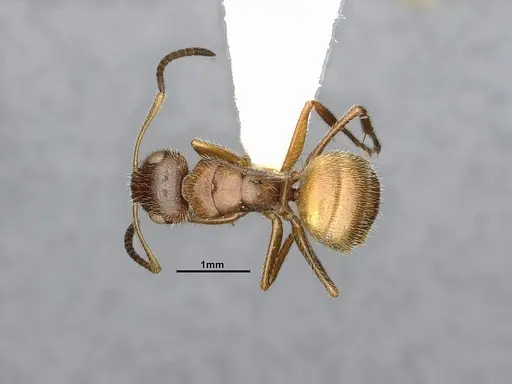
CASENT0903625
View on AntWeb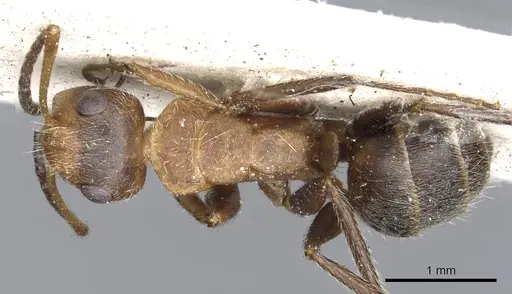
CASENT0903626
View on AntWeb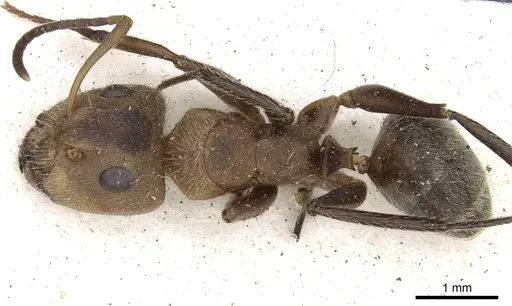
CASENT0910700
View on AntWeb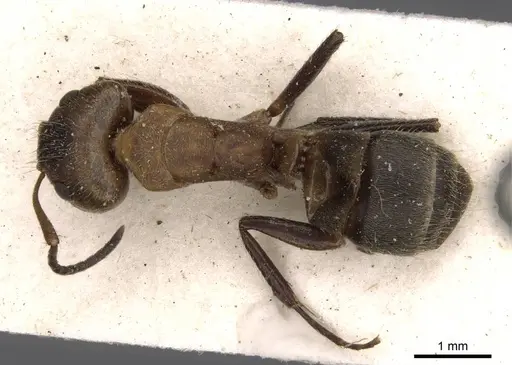
CASENT0910701
View on AntWeb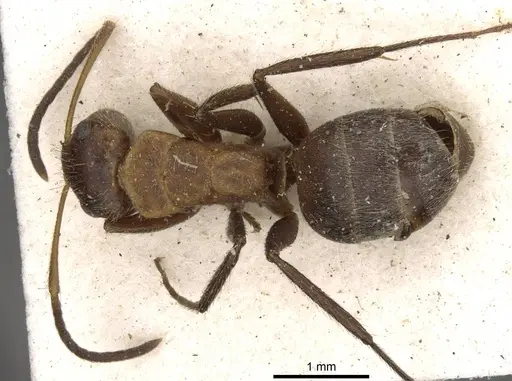
CASENT4032234
View on AntWeb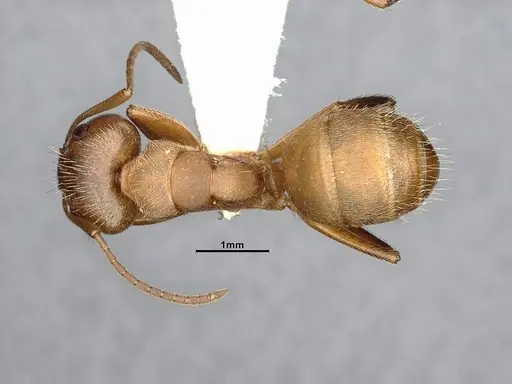
Literature
Loading distribution map...Loading products...