
Camponotus gilviventris
- Sci. Name
- Camponotus gilviventris
- Subgenus
- Myrmeurynota
- Tribe
- Camponotini
- Subfamily
- Formicinae
- Author
- Roger, 1863
- Distribution
- Found in 1 countries
Introduction
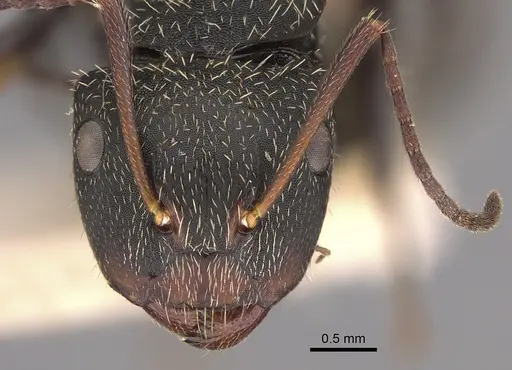
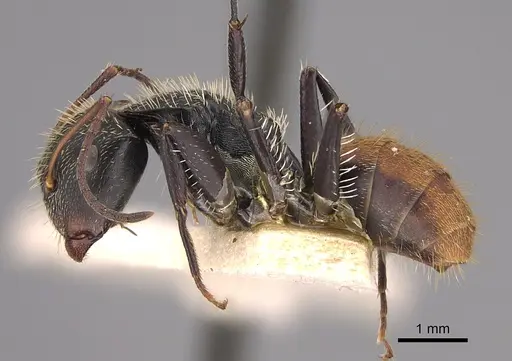
Camponotus gilviventris is a carpenter ant species endemic to Cuba. Workers are pale yellowish to light brown in color, which is distinctive among Cuban Camponotus species that typically appear darker. This is a medium-sized ant - minor workers measure approximately 5-7mm and major workers approximately 7-9mm, though exact sizes vary. The species has the typical Camponotus body shape with a rounded abdomen and relatively smooth body surface [AntWiki]. This species is only found in Cuba, where it nests in rotting wood and dead tree branches in tropical forests. The colony was first described in 1863 and has been documented primarily through museum specimens. Wild colonies are only found in specific Cuban habitats due to the species' limited geographic range [AntWiki].
Quick Summary
- Difficulty: Medium
- Origin & Habitat: Endemic to Cuba, found across the island in tropical forest habitats. They nest in rotting wood, dead branches, and under bark in forested areas. Cuba's climate is warm and humid year-round [1][2].
- Colony Type: Colony type is unconfirmed for this specific species. Most Camponotus species are monogyne (single queen), but this has not been documented for C. gilviventris.
- Size & Growth:
- Queen: Size data unavailable, inferred from Camponotus genus patterns to be approximately 10-14mm
- Worker: Approximately 5-9mm (minor workers 5-7mm, major workers 7-9mm), inferred from genus patterns
- Colony: Likely reaches several hundred workers based on typical Camponotus development
- Growth: Moderate
- Development: Estimated 6-8 weeks at optimal tropical temperatures based on genus patterns (Development is likely faster than temperate Camponotus due to the species' tropical origin. First workers (nanitics) will be smaller than normal workers.)
- Antkeeping:
- Temperature: Keep at 24-28°C. As a tropical species, they need consistent warmth year-round. A heating cable on one side of the nest creates a gradient allowing workers to self-regulate.
- Humidity: Moderate to high. Keep the nest substrate slightly moist but not waterlogged. Mist the outworld occasionally and provide a water source. The nest should have some damp areas but also drier zones for the ants to choose from.
- Diapause: No, this is a tropical species that does not require hibernation. Keep temperatures consistent year-round.
- Nesting: Y-tong (AAC) nests work well for this species. They also do well in plaster nests that allow for humidity control. Provide a dark nesting area as they prefer sheltered conditions. The nest chambers should be appropriately sized to the worker size, not too large, not too cramped.
- Behavior: Generally peaceful and not aggressive toward keepers. They will defend the nest if threatened but typically retreat rather than attack. Workers are moderately active and will forage for protein and sugar sources. Major workers serve as soldiers and can defend the colony effectively. They are not known to be particularly escape-prone, but standard barrier precautions are still recommended. As with other Formicinae ants, they can bite and spray formic acid as a defense mechanism.
- Common Issues: tropical species are sensitive to temperature drops, keep them warm year-round, colonies may develop slowly compared to faster-growing genera, wild-caught colonies may have parasites or diseases from their native habitat, overfeeding can lead to mold problems in the nest, queen mortality during claustral founding is possible, this is normal but heartbreaking
Housing and Nest Setup
Camponotus gilviventris does well in Y-tong (AAC) nests or plaster nests with humidity control. The nest should be dark, these ants prefer sheltered, dim conditions. Provide a small outworld for foraging with a water source and feeding area. Chamber sizes should accommodate the worker size, not too spacious, but enough room for the colony to move around. A test tube setup works well for founding colonies, then transition to a proper nest once the colony reaches 20-30 workers. Escape prevention is important, use fluon on edges and ensure lids fit tightly, though this species is not particularly escape-prone compared to tiny ants. [2]
Feeding and Diet
Like most Camponotus, this species is omnivorous. They accept sugar sources (honey water, sugar water, maple syrup) readily, and need regular protein in the form of insects. Offer small insects like fruit flies, small mealworms, or cricket pieces. Feed protein 2-3 times per week and keep sugar water available constantly. Remove uneaten prey after 24-48 hours to prevent mold. Some keepers report that Caribbean Camponotus species accept fruit and nectar sources as well. Adjust feeding based on colony size, growing colonies need more protein, established colonies can be fed less frequently. [2]
Temperature and Seasonal Care
As a tropical species from Cuba, Camponotus gilviventris needs consistent warmth. Keep the nest at 24-28°C year-round. Unlike temperate ants, they do not require diapause or hibernation. Temperature drops below 22°C can slow activity and may stress the colony. Use a heating cable on part of the nest if your room temperature runs cool, but create a gradient so ants can move to cooler areas if needed. Monitor colony behavior, if workers become sluggish, the nest may be too cold. Room temperature in most homes within the tropical/subtropical range is suitable. [2]
Colony Development
The founding behavior for this species is unconfirmed. In most Camponotus species, the queen seals herself in a chamber and does not leave to forage during founding. She relies on stored fat reserves and metabolic energy to survive and raise the first brood. This process takes approximately 6-8 weeks under optimal conditions. The first workers (nanitics) will be smaller than normal workers but will quickly begin foraging and caring for subsequent brood. Growth is moderate, expect the colony to reach 50 workers within 6-12 months with good care. Major workers (soldiers) typically appear once the colony reaches around 100 workers. Patience is key with Camponotus, they are not as fast-growing as some genera but can live for many years. [2]
Frequently Asked Questions
How long does it take for Camponotus gilviventris to produce first workers?
Expect first workers (nanitics) to emerge approximately 6-8 weeks after the queen lays eggs, assuming temperatures are in the optimal 24-28°C range. This is typical for Camponotus species. The queen will remain sealed in her chamber until the first workers hatch.
What temperature do Camponotus gilviventris need?
Keep them at 24-28°C year-round. This tropical species does not tolerate cool temperatures well. A heating cable on one side of the nest can help maintain optimal temperatures, but ensure there's a cooler zone so ants can regulate their own temperature.
Can I keep multiple Camponotus gilviventris queens together?
Colony type is unconfirmed for this species. Most Camponotus are single-queen (monogyne), but this has not been documented for C. gilviventris. Combining unrelated queens is not recommended and could result in fighting. If you have multiple foundress queens, house them separately until their colonies are established.
How big do Camponotus gilviventris colonies get?
Based on typical Camponotus patterns, colonies likely reach several hundred workers over several years. They can live for many years with a healthy queen, potentially a decade or more in ideal conditions.
Do they need hibernation or diapause?
No, as a tropical species from Cuba, they do not require hibernation. Keep temperatures consistent year-round. Unlike temperate ant species, they are active throughout the year in their native habitat.
What do Camponotus gilviventris eat?
They are omnivorous. Offer sugar water, honey, or maple syrup continuously for the workers. For protein, feed small insects like fruit flies, small mealworms, or cricket pieces 2-3 times per week. Remove uneaten food promptly to prevent mold.
Is Camponotus gilviventris a good species for beginners?
This is a medium-difficulty species. They are more forgiving than some tropical species but require consistent warmth year-round. They are not as challenging as some exotic species but require more attention to temperature than temperate ants. Their moderate growth rate and relatively docile nature make them suitable for intermediate keepers.
When should I move my colony to a formicarium?
Keep founding colonies in a test tube setup until they have 20-30 workers. At this point, they can be moved to a proper nest (Y-tong or plaster). Make sure the new nest has appropriate humidity and chamber sizes before transferring. Allow the colony to acclimate to the new setup before disturbing them.
Why is my queen not laying eggs?
Several factors can affect egg-laying: temperatures below optimal range (24-28°C), stress from disturbance, insufficient nutrition for the queen, or the colony is still in the founding phase. Ensure the queen is in a dark, quiet location and is being fed sugar water if workers have emerged. If she was recently caught, give her time to acclimate to captivity.
Report an Issue
The current care sheet is based fully on literature. See inconsistencies, or something that's incorrect? Please , it will be resolved after review from an admin. Contributing to the blogs tab also helps providing information, to make us be able to further improve the caresheets. Thank you for your support!
References

This caresheet is licensed under CC BY-SA 4.0 .
Community Blogs
CASENT0217662
View on AntWeb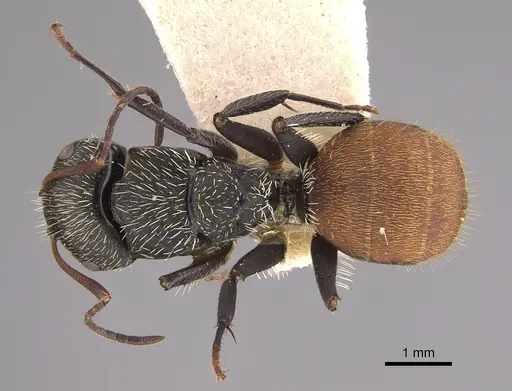
Literature
Loading distribution map...Loading products...