
Camponotus galoko
- Sci. Name
- Camponotus galoko
- Subgenus
- Mayria
- Tribe
- Camponotini
- Subfamily
- Formicinae
- Author
- Rakotonirina <i>et al.</i>, 2016
- Distribution
- Found in 1 countries
Introduction
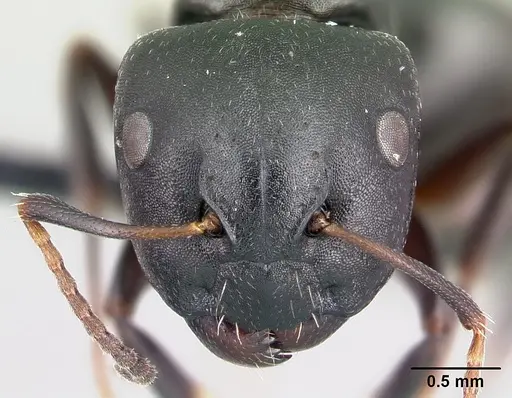
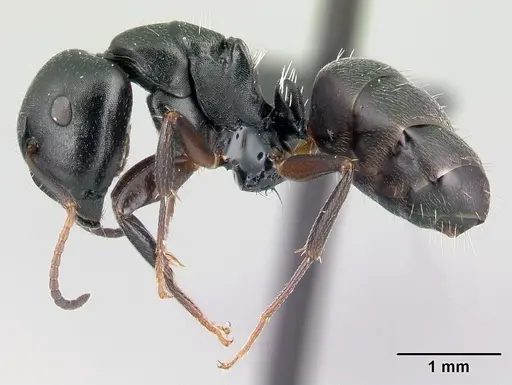
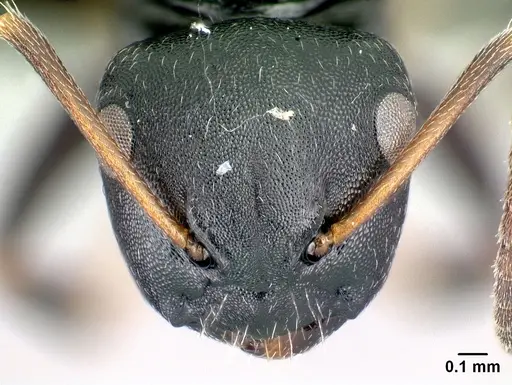
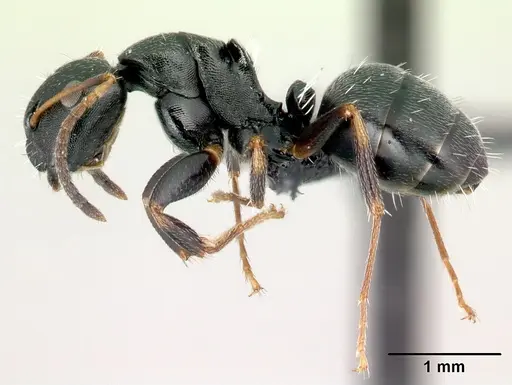
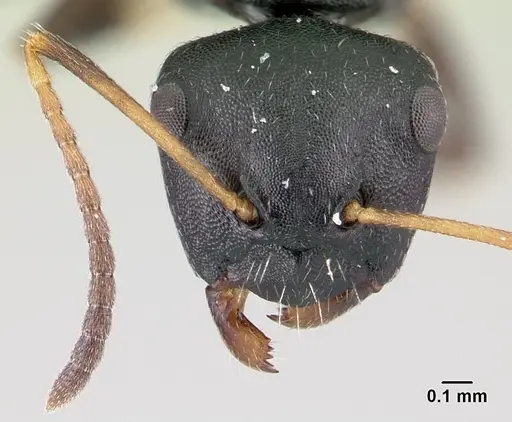
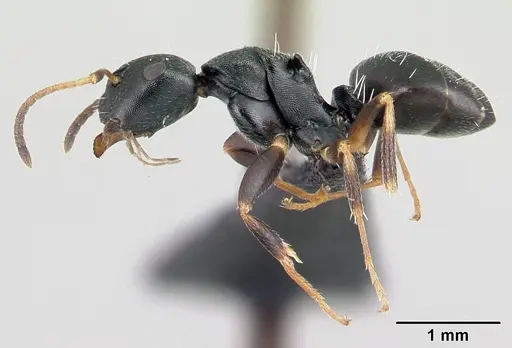
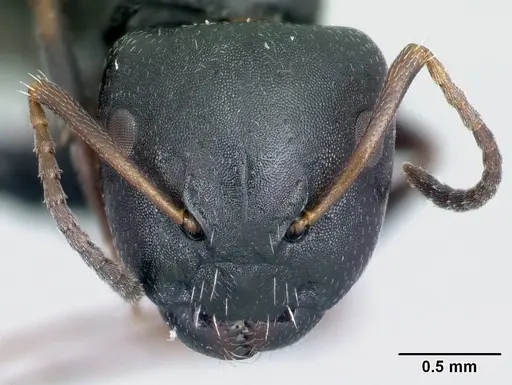
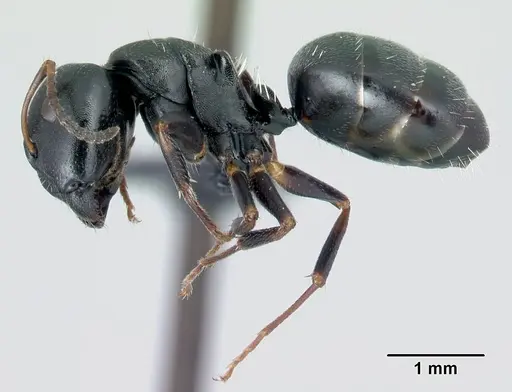
Camponotus galoko is a small to medium-sized ant belonging to the Camponotus edmondi species group, native only to the transitional humid forests of northern Madagascar. Workers are black with brownish antennae and legs, featuring a distinctly flattened propodeum that lacks a clear separation between the dorsal margin and declivity. Minor workers are around 4-6mm while majors are slightly larger with broader heads. The dorsum of the head and mesosoma has a characteristic densely reticulate texture. This species is part of the Mayria subgenus and was formally described in 2016 . This species is notable for its specialized arboreal nesting habits - unlike many Camponotus that nest in soil or wood, C. galoko primarily inhabits dead twigs found above ground, with workers foraging on lower vegetation. This arboreal preference influences how they should be housed in captivity. Their restricted distribution to just two forest areas in northern Madagascar also makes them a rare species for antkeepers interested in endemic Malagasy ants.
Quick Summary
- Difficulty: Medium
- Origin & Habitat: Northern Madagascar, transitional humid forests of Daraina and Galoko chain. Workers forage on lower vegetation, nests mostly in dead twigs above ground, rarely in rotten logs [1].
- Colony Type: Colony structure in the wild has not been specifically documented. Based on typical Camponotus patterns, likely single-queen (monogyne) colonies.
- Size & Growth:
- Queen: ~9-12mm, inferred from Camponotus genus patterns, direct measurements not available
- Worker: Minor workers ~4-6mm, major workers ~5-8mm, inferred from Camponotus genus patterns
- Colony: Estimated at several hundred workers based on typical Camponotus colony development
- Growth: Moderate, typical for Camponotus genus
- Development: Estimated 6-10 weeks at optimal temperature based on typical Camponotus development (Development time is estimated from genus-level data since species-specific studies are not available.)
- Antkeeping:
- Temperature: Keep around 24-28°C, mimicking tropical forest conditions. A gentle gradient allowing workers to self-regulate is ideal. Avoid temperatures below 20°C as this species is adapted to constant warmth in Madagascar's humid forests.
- Humidity: High humidity is essential, these ants come from humid transitional forests. Keep nest substrate consistently moist but not waterlogged. Aim for 70-85% humidity. Regular misting or a water reservoir in the nest helps maintain moisture.
- Diapause: No, as a tropical species from Madagascar, they do not require hibernation. Maintain consistent temperatures year-round.
- Nesting: Prefers small, tight chambers that mimic their natural dead twig nesting. Y-tong (AAC) nests with narrow passages work well, or a small test tube setup. Provide twigs or small wooden elements in a naturalistic setup. Avoid large open spaces, they prefer cozy, enclosed spaces.
- Behavior: Workers are moderately active and forage on vegetation, suggesting they may accept higher vantage points in the outworld. They are not particularly aggressive but will defend the nest if threatened. Escape risk is moderate, use standard Camponotus escape prevention. Major workers have larger heads for seed processing or defense. They likely communicate through chemical trails and may show tandem-running to food sources. As Formicinae, they possess formic acid for defense but rarely sting humans.
- Common Issues: high humidity requirements can lead to mold if ventilation is poor, balance is key, tropical species may struggle if room temperature drops below 20°C, small colony size at first means founding colonies are fragile and sensitive to disturbance, limited availability as a newly described species, source from reputable breeders, arboreal nesting preference means they may not adapt well to fully underground nests
Housing and Nest Setup
Camponotus galoko requires careful attention to nest design due to their natural preference for dead twigs above ground. In captivity, Y-tong (AAC) nests with tight, narrow chambers work well, the chambers should be sized appropriately for their worker size. Avoid large, open spaces that would make them feel exposed. A small test tube setup can also work for founding colonies, but ensure the cotton is packed snugly to prevent escape while allowing moisture through. For outworld space, provide a moderate area with some vertical elements since they naturally forage on vegetation. Include a water test tube as a hydration source and ensure the nest has some damp substrate to maintain humidity without flooding. [1]
Feeding and Diet
Like most Camponotus species, C. galoko is omnivorous with a preference for sugary liquids and protein. Offer sugar water, honey, or diluted maple syrup as a constant energy source. For protein, provide small insects like fruit flies, small mealworms, or cricket pieces. They may accept protein more readily than some other Camponotus due to their arboreal foraging behavior in the wild. Feed protein 2-3 times per week, removing any uneaten prey after 24 hours. Fresh water should always be available. Avoid overfeeding, excess food leads to mold in the humid conditions they require.
Temperature and Humidity Management
Maintaining proper temperature and humidity is critical for this tropical species. Keep the nest area at 24-28°C consistently, use a heating cable on one side of the nest if your room temperature is cooler, but always provide a temperature gradient so ants can move between warmer and cooler areas. Humidity should stay high at 70-85%, this can be achieved by keeping the nest substrate moist (not soaking wet) and using a water reservoir. Monitor for condensation, which indicates good humidity, but excessive condensation can drown colonies. Good ventilation is essential to prevent mold while maintaining humidity, small ventilation holes work better than fully open setups. [1]
Colony Development and Growth
Founding queens will seal themselves into a claustral chamber and raise their first workers (nanitics) without leaving the nest. This process typically takes 6-10 weeks at optimal temperature, but exact timing for C. galoko is estimated from genus-level data. The first workers will be smaller than mature workers, this is normal. Growth rate is moderate compared to other ants, expect the colony to reach 50-100 workers within the first year under good conditions. Colonies likely reach several hundred workers at maturity. Be patient during the founding stage, disturbing the queen or nest can be fatal. Once workers emerge, they will take over foraging and brood care while the queen focuses on egg-laying. [1]
Handling and Temperament
Camponotus galoko workers are not particularly aggressive but will defend their nest if provoked. They possess formic acid for defense through spraying, though the effect on human skin is minimal compared to some other ants. Major workers have larger heads and may be more defensive. When observing your colony, avoid sudden movements or vibrations near the nest. For colony transfers, wait until the colony is well-established with at least 20 workers. These ants are best observed through the nest walls rather than frequent handling. They are suitable for antkeepers who enjoy watching natural behaviors like foraging and brood care.
Frequently Asked Questions
How long does it take for Camponotus galoko to produce first workers?
Expect first workers (nanitics) to emerge in 6-10 weeks at optimal temperature (24-28°C). This is estimated from typical Camponotus development since species-specific data is not available. The exact timing depends on temperature and whether the queen was well-fed before founding.
What size nest should I use for Camponotus galoko?
Use a small to medium-sized nest with tight chambers scaled to their worker size. Y-tong nests work well, or a cozy test tube setup for founding colonies. Avoid large open spaces, they prefer enclosed, snug chambers that mimic their natural dead twig habitat.
Do Camponotus galoko ants need hibernation?
No, they do not require hibernation. As a tropical species from Madagascar, they need consistent warmth year-round. Keep temperatures between 24-28°C. Dropping below 20°C for extended periods can stress or kill colonies.
What do Camponotus galoko eat?
They are omnivorous. Offer sugary liquids (sugar water, honey, maple syrup) constantly as an energy source. For protein, provide small insects like fruit flies, small mealworms, or cricket pieces 2-3 times per week. Remove uneaten prey after 24 hours to prevent mold.
Are Camponotus galoko good for beginners?
This species is rated as medium difficulty. While not the hardest ant to keep, their high humidity requirements and need for consistent tropical temperatures make them better suited for keepers who already have some experience with humidity-sensitive species. Beginners should master easier ants first.
How big do Camponotus galoko colonies get?
Colony size is estimated at several hundred workers at maturity based on typical Camponotus patterns. The exact maximum is unknown as this is a newly described species with limited colony data. Expect moderate growth over 1-2 years to reach substantial numbers.
Can I keep multiple queens together in one colony?
This has not been documented for C. galoko. Most Camponotus species are single-queen (monogyne) in the wild. It is not recommended to combine unrelated foundress queens as they typically fight. If you obtain multiple founding queens, house them separately.
Why are my Camponotus galoko dying?
Common causes include: temperature too low (below 20°C), humidity too low or too high (aim for 70-85% balance), mold from excess moisture, disturbance during founding stage, or poor initial queen health. Check temperature and humidity first. Ensure the queen was healthy when acquired and was not disturbed during claustral founding.
When should I move Camponotus galoko to a formicarium?
Wait until the colony has at least 30-50 workers and the founding test tube is becoming crowded. Moving too early can stress the colony. Ensure the new setup matches their humidity and temperature needs. A gradual transition with the old nest material placed near the new one helps ants adapt.
Where is Camponotus galoko found in the wild?
This species is endemic to northern Madagascar, known only from the transitional humid forests around Daraina and Galoko chain. It was formally described in 2016 and is part of the Camponotus edmondi species group.
Report an Issue
The current care sheet is based fully on literature. See inconsistencies, or something that's incorrect? Please , it will be resolved after review from an admin. Contributing to the blogs tab also helps providing information, to make us be able to further improve the caresheets. Thank you for your support!
References

This caresheet is licensed under CC BY-SA 4.0 .
Community Blogs
CASENT0076246
View on AntWeb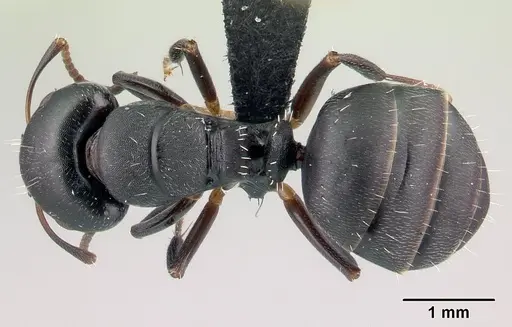
CASENT0077691
View on AntWeb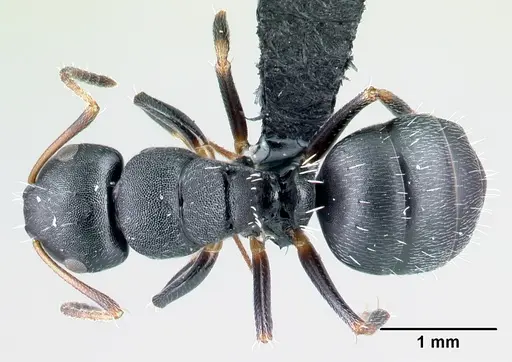
CASENT0178918
View on AntWeb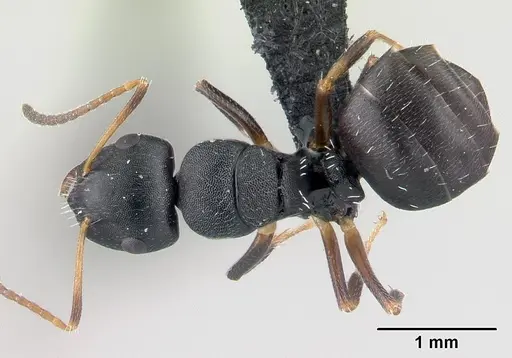
CASENT0217304
View on AntWeb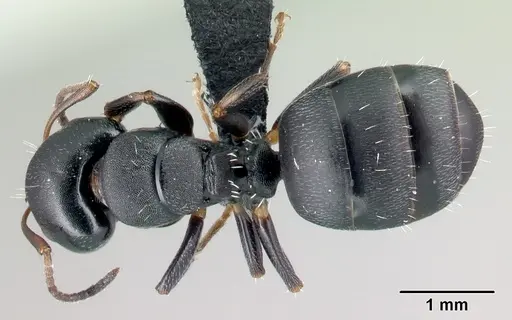
Literature
Loading distribution map...Loading products...