
Camponotus galla
- Sci. Name
- Camponotus galla
- Subgenus
- Myrmotrema
- Tribe
- Camponotini
- Subfamily
- Formicinae
- Author
- Forel, 1894
- Distribution
- Found in 0 countries
Introduction
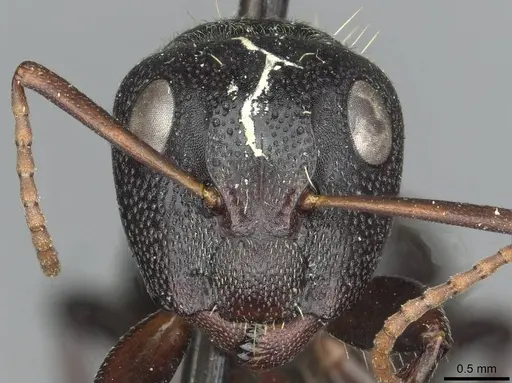
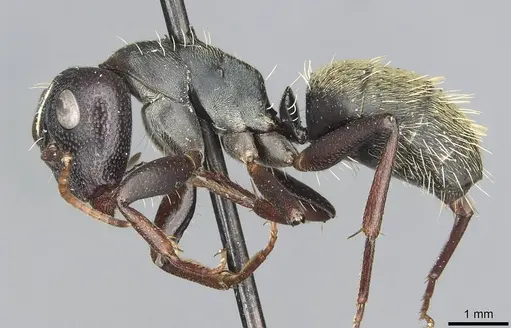
Camponotus galla is an African carpenter ant species native to the Horn of Africa region, specifically found in Eritrea, Ethiopia, and Kenya . Workers are typical of the Camponotus genus with a robust build, and the species was originally described from Ethiopia in 1894 by Forel. This ant belongs to the subfamily Formicinae and the genus Camponotus, which includes well-known carpenter ants worldwide. The species has historically been confused with related forms, with Camponotus foraminosus latinotus being synonymized with C. galla [AntWiki]. Distribution also includes Chad and Sudan [AntWiki]. Little specific biological data exists for this species, but it follows typical patterns for African Camponotus ants.
Quick Summary
- Difficulty: Medium
- Origin & Habitat: Camponotus galla originates from the Afrotropical region, specifically the Horn of Africa, Eritrea, Ethiopia, and Kenya [3][1][2]. Based on related species and the region's climate, these ants likely inhabit dry to semi-arid savanna and woodland habitats, typically nesting in soil under stones or in rotting wood.
- Colony Type: Colony structure is unconfirmed for this species. Based on typical Camponotus patterns, colonies are likely single-queen (monogyne) with major and minor worker castes.
- Size & Growth:
- Queen: Size data unavailable, inferred from Camponotus genus patterns to be approximately 12-16mm
- Worker: Size data unavailable, inferred from Camponotus genus patterns to be approximately 5-12mm (major and minor castes)
- Colony: Up to several thousand workers, estimated from typical Camponotus growth
- Growth: Moderate, based on typical Camponotus development patterns
- Development: Approximately 6-8 weeks at optimal temperature based on genus-level Camponotus data (Development time is inferred from related Camponotus species. Warmer temperatures within the acceptable range accelerate development.)
- Antkeeping:
- Temperature: Keep nest area at 22-26°C. These are warmth-loving ants from a warm climate. A heating cable on one side of the nest creates a suitable gradient.
- Humidity: Moderate humidity. Allow the nest to dry partially between water additions. Avoid overly damp conditions that can cause mold.
- Diapause: Unknown for this specific species. Many African ants do not require true hibernation but may slow down during cooler periods.
- Nesting: Based on typical Camponotus preferences, provide a nesting setup with chambers scaled to colony size. Y-tong (AAC), plaster nests, or test tube setups work well.
- Behavior: Camponotus galla will display typical carpenter ant behavior, workers are active foragers that search for sugar sources and protein. They are generally non-aggressive toward keepers but will defend the nest if threatened. Workers are capable climbers, so escape prevention is important. Major workers (soldiers) may be present in mature colonies for defense and seed processing. They are primarily nocturnal or crepuscular foragers in nature, so expect peak activity during evening hours.
- Common Issues: limited data means care recommendations are based on genus patterns rather than species-specific research, escape prevention is important, Camponotus workers climb well and will find gaps, colonies grow slowly initially, patience is needed during the claustral founding phase, wild-caught colonies may carry parasites that can cause colony failure, overfeeding can lead to mold problems in nest setups
Nest Preferences
Camponotus galla likely nests in soil with stone associations or in rotting wood in its native habitat, consistent with typical Camponotus behavior. For captive care, provide a nest with appropriately sized chambers, not too large for small colonies, as ants prefer tight spaces. Y-tong (acrylic and cotton) nests work well, as do plaster nests with water reservoirs to maintain humidity. Test tube setups are suitable for founding colonies. The nest should have some moisture-retention capability but allow for drying between water additions to prevent mold. A small outworld for foraging allows workers to exit and search for food.
Feeding and Diet
Like other Camponotus species, C. galla likely has a mixed diet. Offer sugar water or honey as a constant energy source, carpenter ants have a high sugar requirement. For protein, provide insects such as mealworms, crickets, or other small arthropods. Feed protein 2-3 times per week depending on colony size. Remove uneaten prey after 24 hours to prevent mold. Based on related species, they may also collect honeydew from aphids if kept in a naturalistic setup. Fresh water should always be available.
Temperature and Care
Maintain nest temperatures between 22-26°C. These ants come from a warm African climate and require consistent warmth for optimal brood development. Use a heating cable or heating mat on one side of the nest to create a temperature gradient, allowing workers to self-regulate by moving between warmer and cooler areas. Place heating on top of the nest, not underneath, to avoid evaporating moisture too quickly. Room temperature may suffice if your home stays in this range, but supplemental heating often benefits colony growth. Monitor for signs of stress, if workers cluster away from heat, reduce temperature slightly.
Behavior and Temperament
Camponotus galla displays typical carpenter ant behavior: workers are active foragers that search the outworld for food sources. They are generally calm and not prone to biting or stinging unless the nest is directly threatened. Workers are good climbers, so use fluon or other barriers on the rim of the outworld to prevent escapes. Major workers (when present) serve as defenders and may help process larger food items. Colony activity may peak during evening hours, reflecting their likely nocturnal foraging patterns in the wild. They are not aggressive toward keepers and make relatively calm pets.
Frequently Asked Questions
How long does it take for Camponotus galla to produce first workers?
Based on typical Camponotus development, expect first workers (nanitics) approximately 6-8 weeks after the queen lays eggs, assuming optimal temperatures around 24-26°C. Development is temperature-dependent, cooler temperatures will slow growth.
Can I keep Camponotus galla in a test tube?
Yes, test tubes work well for founding colonies. Use a water reservoir setup with a cotton ball, and provide a dark cover to reduce stress. Once the colony reaches 15-20 workers, consider moving to a proper nest setup.
What do Camponotus galla ants eat?
Feed a mixed diet: sugar water or honey constantly, plus protein sources like mealworms, crickets, or other insects 2-3 times weekly. Remove uneaten prey after 24 hours.
Are Camponotus galla good for beginners?
This species is rated Medium difficulty. While not as challenging as some exotic species, the limited species-specific data means keepers should have basic ant-keeping experience. The genus Camponotus is well-established in captivity, so general carpenter ant care guidelines apply.
Do Camponotus galla need hibernation?
Hibernation requirements are unconfirmed for this species. Many African ants do not require true hibernation but may slow down during cooler periods. If your colony becomes less active in winter, reduce feeding and keep them in a cool corner of the room rather than a full hibernation.
How big do Camponotus galla colonies get?
Based on typical Camponotus patterns, mature colonies likely reach several thousand workers. Growth is moderate, expect several years to reach maximum size.
When should I move my Camponotus galla colony to a formicarium?
Move to a larger nest when the test tube becomes crowded or the colony reaches 15-30 workers. Ensure the new nest has appropriately sized chambers, too large a space can stress the colony.
Why are my Camponotus galla dying?
Common causes include: temperature extremes (too hot or too cold), mold from overwatering or uneaten food, stress from too-large nesting space, or parasites from wild-caught colonies. Review your temperature, humidity, feeding practices, and ensure the nest setup is appropriate.
Can I keep multiple Camponotus galla queens together?
Colony structure is unconfirmed for this species. Based on typical Camponotus behavior, single-queen colonies are most common. Combining unrelated queens is not recommended without evidence that they form multi-queen colonies in the wild.
Report an Issue
The current care sheet is based fully on literature. See inconsistencies, or something that's incorrect? Please , it will be resolved after review from an admin. Contributing to the blogs tab also helps providing information, to make us be able to further improve the caresheets. Thank you for your support!
References

This caresheet is licensed under CC BY-SA 4.0 .
Community Blogs
CASENT0910480
View on AntWeb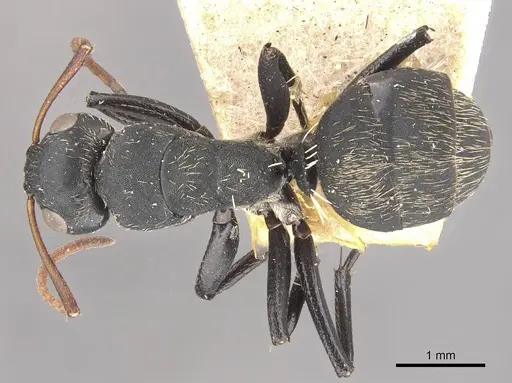
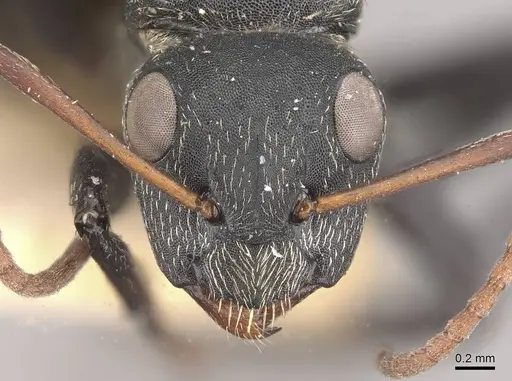
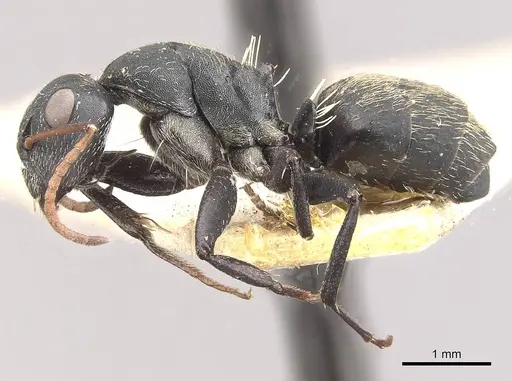
CASENT0913708
View on AntWeb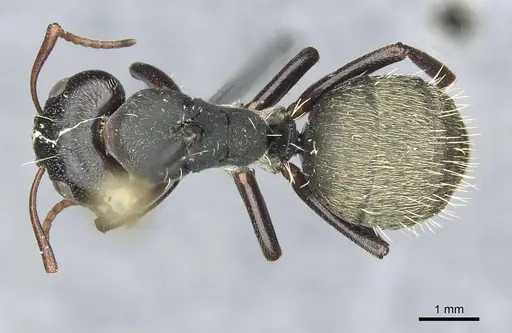
Literature
Loading distribution map...Loading products...