
Camponotus fumidus
- Sci. Name
- Camponotus fumidus
- Subgenus
- Tanaemyrmex
- Tribe
- Camponotini
- Subfamily
- Formicinae
- Author
- Roger, 1863
- Distribution
- Found in 6 countries
Introduction
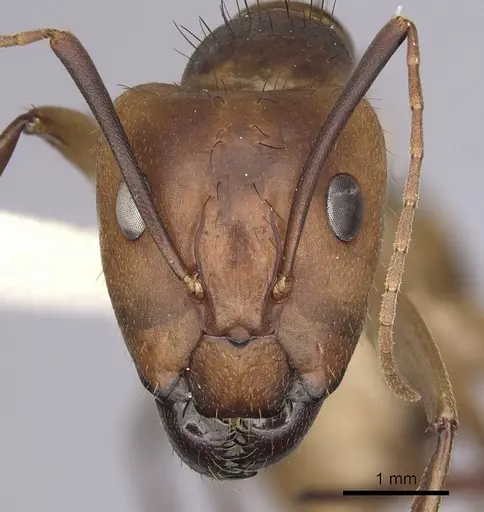
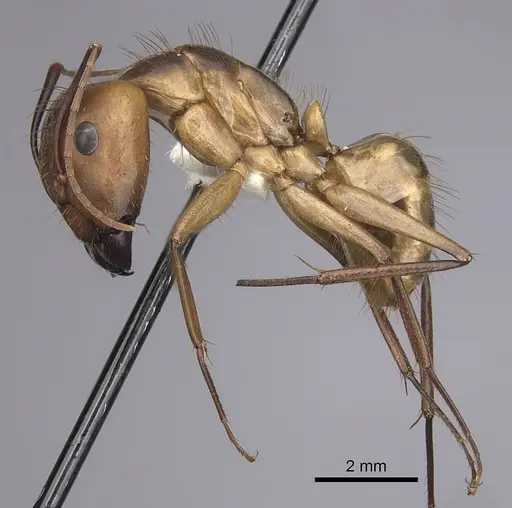
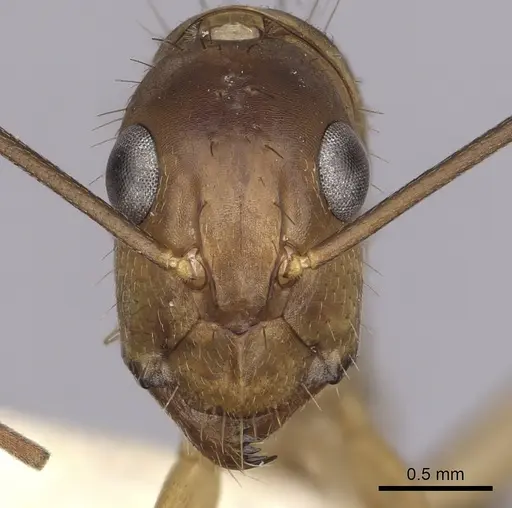
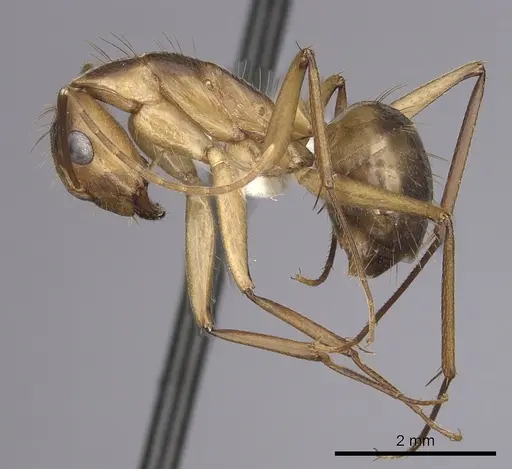
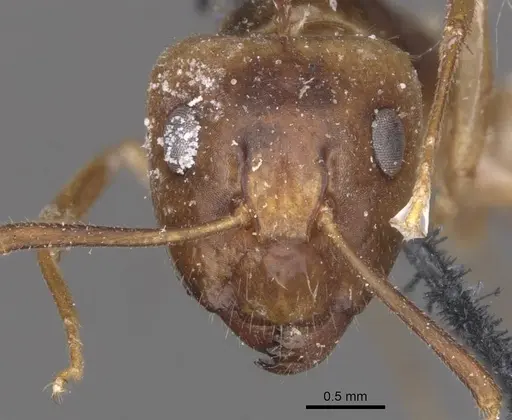
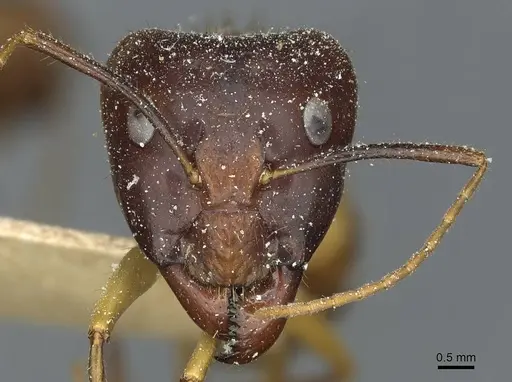
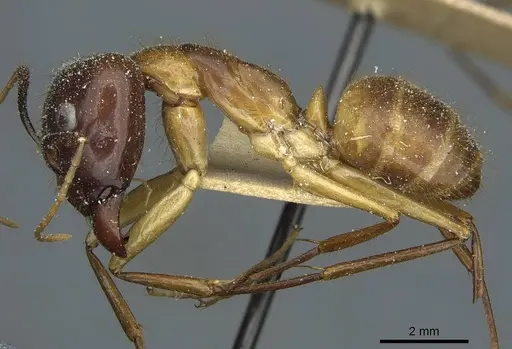
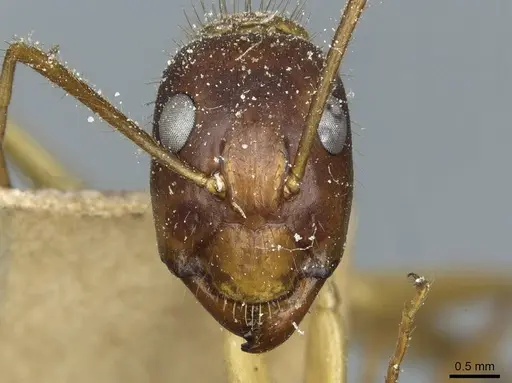
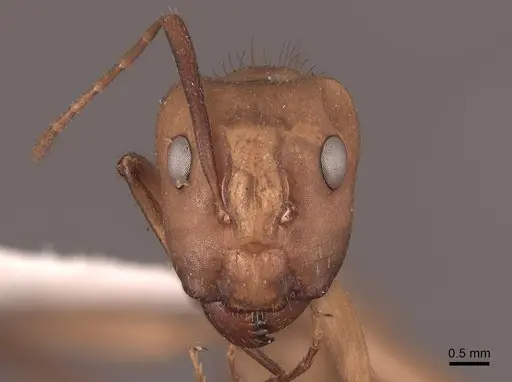
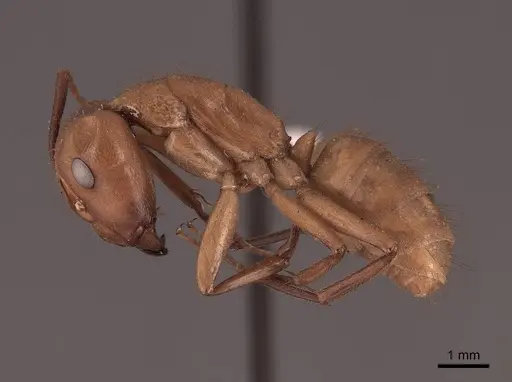
Camponotus fumidus is a Neotropical carpenter ant found across Mexico, the Caribbean, and South America. This species nests in the ground, creating crater-like nest entrances . Workers are medium-sized for the genus. A notable behavior is nocturnal foraging - one worker was observed actively hunting at night in a garden setting on Dominica . The species has several subspecies across its range, including populations on Haiti and various Caribbean islands that may represent distinct species .
Quick Summary
- Difficulty: Medium
- Origin & Habitat: Neotropical species found across Mexico, the Bahamas, Brazil, Venezuela, Argentina, and the Lesser Antilles [4]. In Mexico, recorded in Baja California Sur, Michoacán, Morelos, and Veracruz states [5]. Also found in Texas [6], Sinaloa [7], and Haiti [1][2]. Nests in the ground, creating crater-style nest entrances in tropical habitats [1][2].
- Colony Type: Colony structure is unconfirmed. Based on typical Camponotus patterns, likely single-queen colonies.
- Size & Growth:
- Queen: Size data unavailable, inferred from Camponotus genus patterns (~12-15mm)
- Worker: Size data unavailable, inferred from Camponotus genus patterns (~6-10mm)
- Colony: Estimated up to several thousand workers at maturity based on typical Camponotus development
- Growth: Moderate, Camponotus species typically grow steadily but not rapidly
- Development: Estimated 6-10 weeks at warm tropical temperatures (Estimated based on typical Camponotus development patterns. Warmer temperatures within the safe range will speed development, cooler temperatures slow it down.)
- Antkeeping:
- Temperature: Keep at 24-28°C. As a Neotropical species, they prefer warm conditions year-round. A heating cable on one side of the nest creates a temperature gradient they can regulate themselves.
- Humidity: Keep the nest substrate consistently moist but not waterlogged. As a ground-nesting species from tropical areas, they appreciate moderate humidity.
- Diapause: No, being a tropical species, they do not require hibernation. Keep temperatures stable year-round.
- Nesting: Ground-nesting species that does well in Y-tong (AAC) nests, plaster nests, or naturalistic setups with soil. They prefer dark, secure nesting sites. A test tube setup works well for founding colonies.
- Behavior: Generally calm and not aggressive toward keepers. Like most Camponotus, they are primarily nocturnal foragers in the wild, though they will forage during the day in captivity. Workers are moderately sized and can defend the colony if threatened. They are not known to be particularly escape-prone, but use standard barriers as with any ant species.
- Common Issues: tropical species are sensitive to temperature drops, keep them warm year-round, colonies may grow slowly initially, patience is needed during the founding phase, ground-nesting species needs appropriate nesting material that holds moisture without flooding, no specific diet studies exist for this species, offer varied protein and sugar sources to test preferences
Nest Preferences
Camponotus fumidus is a ground-nesting species. In the wild, they create nests in soil with characteristic crater-style entrances [1][2]. For captive care, they do well in Y-tong (AAC) nests, plaster nests with soil chambers, or naturalistic setups. The key is providing dark, secure nesting areas that hold moderate humidity. Test tube setups work perfectly for founding colonies, use a standard test tube with a water reservoir and cotton plug, placed in a dark container. Once the colony reaches 20-30 workers, you can transition to a more elaborate nest if desired. Avoid nests that dry out quickly, as this species appreciates consistent but not excessive moisture.
Feeding and Diet
As a Camponotus species, C. fumidus is omnivorous. They accept sugar sources (honey water, sugar water) and protein (insects, frozen fruit flies, small crickets). In the wild, workers have been observed actively hunting at night [3], suggesting they benefit from live prey opportunities. Offer a varied diet: a constant sugar water source and protein 2-3 times per week. Remove uneaten prey after 24-48 hours to prevent mold. Since this species hasn't been specifically studied for diet preferences, observe what your colony accepts best and adjust accordingly.
Temperature and Care
Being a Neotropical species, C. fumidus prefers warm temperatures between 24-28°C. Unlike temperate ants, they do not require hibernation or cooling periods. Keep them at room temperature within this range, if your home is naturally around 24-26°C, that's ideal. If needed, a small heating cable placed on part of the nest can raise temperatures slightly. Use a digital thermometer to monitor conditions. Avoid temperatures below 20°C for extended periods, as this species is adapted to consistently warm tropical environments. [4]
Colony Founding
Like all Camponotus, C. fumidus is a claustral founder. The queen seals herself in a small chamber and survives entirely on her stored fat reserves while raising the first brood. This means you do not need to feed the founding queen, she will produce workers from stored energy alone. The founding chamber should be dark and secure. First workers (nanitics) will be smaller than mature workers but will grow with subsequent broods. Founding typically takes 6-10 weeks at warm temperatures, though it may take longer if temperatures are on the cooler side. Do not disturb the queen during this critical period, excessive vibration or light can cause her to abandon or eat her brood.
Behavior and Temperament
This species has a generally calm temperament. Workers are not particularly aggressive and are unlikely to bite unless directly threatened. The notable nocturnal foraging behavior observed in the wild [3] may carry over to captivity, you might see more activity in evening hours. They are not considered escape artists, but standard ant-keeping precautions (fluon barriers, tight-fitting lids) should still be used. Colonies establish well and grow steadily once past the founding stage.
Frequently Asked Questions
How long does it take for Camponotus fumidus to produce first workers?
Expect 6-10 weeks from egg to first worker at optimal temperatures (24-28°C). This is typical for Camponotus species. The exact timing depends on temperature, warmer conditions speed development, cooler conditions slow it down.
Do Camponotus fumidus ants need hibernation?
No. As a Neotropical species from Mexico, the Caribbean, and South America, they are adapted to year-round warm conditions. Keep them at 24-28°C consistently without cooling periods.
What do Camponotus fumidus eat?
They are omnivorous like most Camponotus. Offer sugar water or honey water as a constant energy source. For protein, provide insects (fruit flies, small crickets, mealworms) 2-3 times per week. They may show preferences, experiment to see what your colony favors.
Are Camponotus fumidus good for beginners?
They are intermediate in difficulty. The main challenges are providing warm tropical temperatures year-round and being patient through the slower founding phase. If you can maintain stable warm conditions and have experience with other Camponotus species, this is a manageable species.
How big do Camponotus fumidus colonies get?
Based on typical Camponotus patterns, colonies likely reach several thousand workers at maturity. Growth is moderate, not the fastest but steady once established.
Can I keep multiple Camponotus fumidus queens together?
Colony structure is unconfirmed for this species. Based on typical Camponotus patterns, they are likely single-queen. Combining unrelated queens is not recommended as they would likely fight.
What type of nest is best for Camponotus fumidus?
They do well in Y-tong (AAC) nests, plaster nests, or naturalistic setups with soil. Test tubes work perfectly for founding colonies. The key is providing dark, humid nesting chambers. They are ground-nesters, so they appreciate substrate they can burrow into.
Where is Camponotus fumidus found in the wild?
This is a Neotropical species found across Mexico, the Bahamas, Brazil, Venezuela, Argentina, and the Lesser Antilles [4]. In Mexico specifically, recorded in Baja California Sur, Michoacán, Morelos, Veracruz [5], and Sinaloa [7]. Also found in Texas [6] and Haiti [1]. They nest in the ground in tropical habitats.
When is the best time to start a Camponotus fumidus colony?
You can start a colony anytime if you can maintain proper temperatures (24-28°C). Spring and summer are ideal because ambient temperatures naturally support faster development. If starting in winter, ensure your heating setup is reliable.
Report an Issue
The current care sheet is based fully on literature. See inconsistencies, or something that's incorrect? Please , it will be resolved after review from an admin. Contributing to the blogs tab also helps providing information, to make us be able to further improve the caresheets. Thank you for your support!
References

This caresheet is licensed under CC BY-SA 4.0 .
Community Blogs
CASENT0280051
View on AntWeb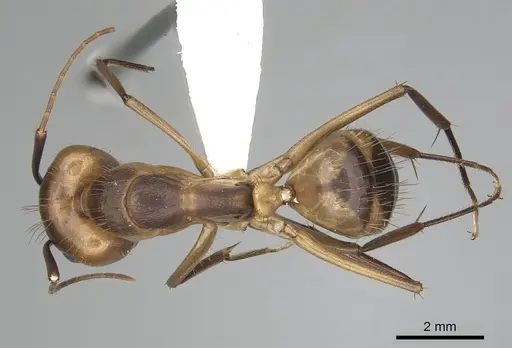
CASENT0280052
View on AntWeb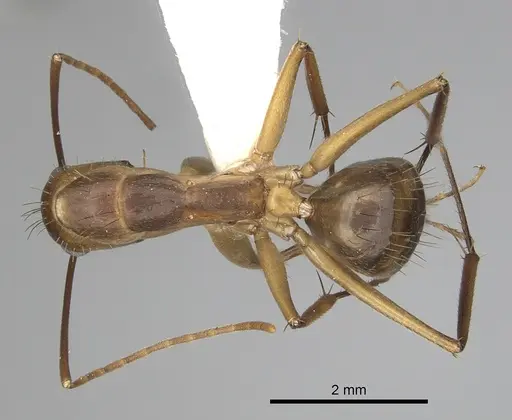
CASENT0909992
View on AntWeb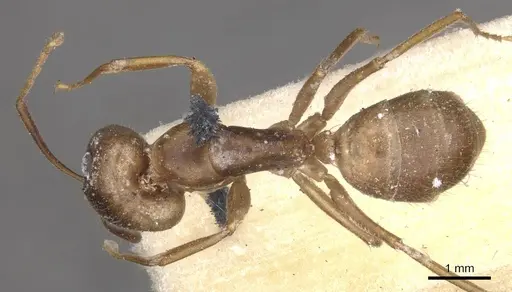
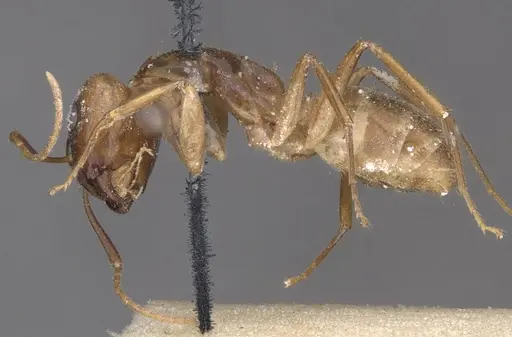
CASENT0909993
View on AntWeb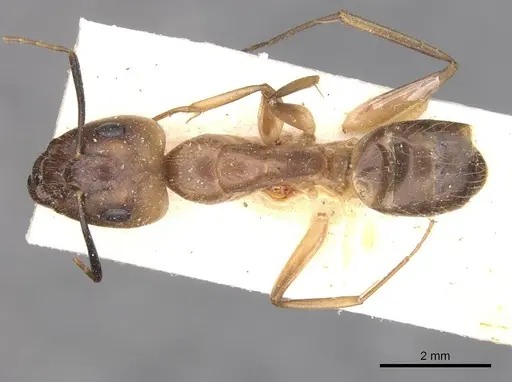
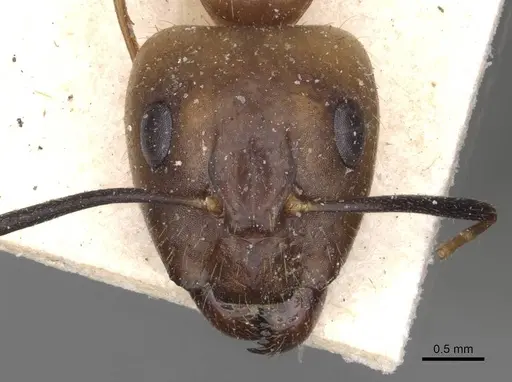
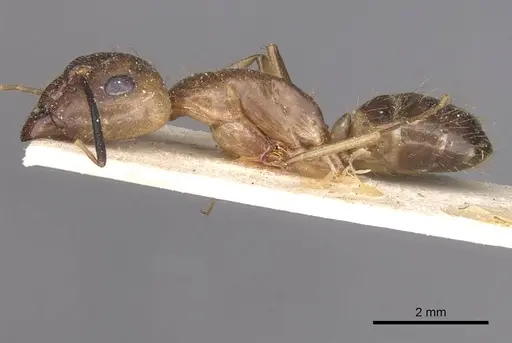
CASENT0911944
View on AntWeb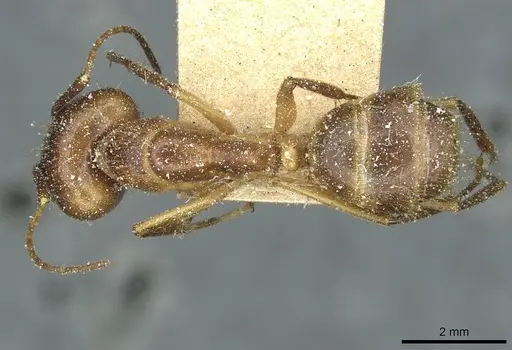
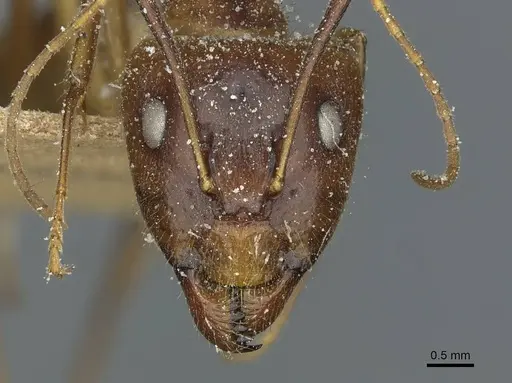
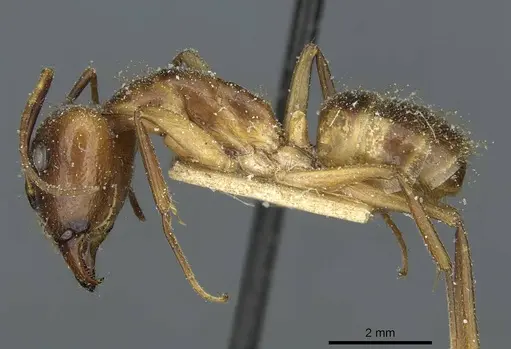
CASENT0911945
View on AntWeb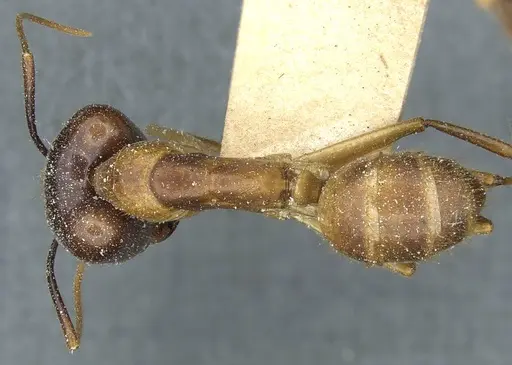
CASENT0911946
View on AntWeb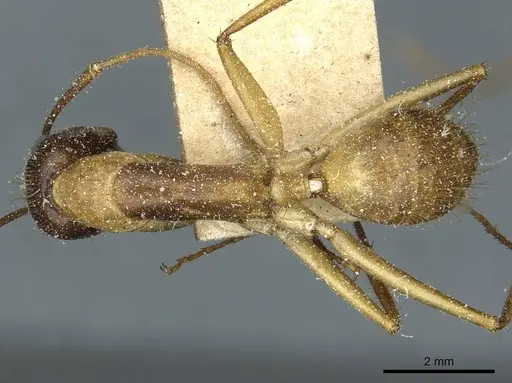
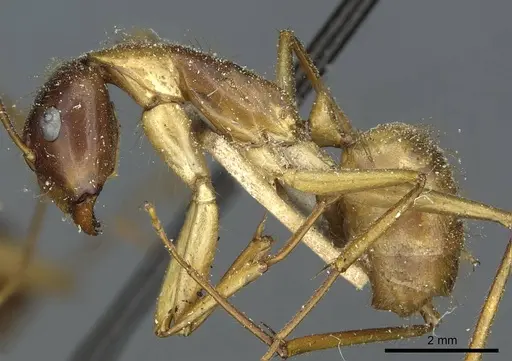
CASENT0923533
View on AntWeb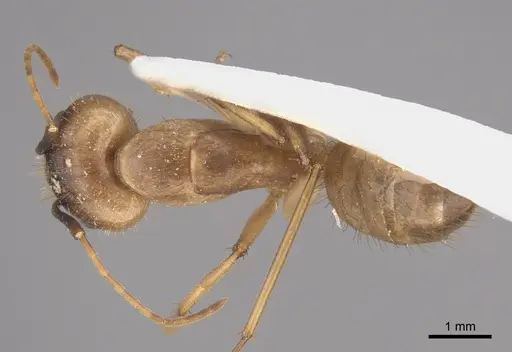
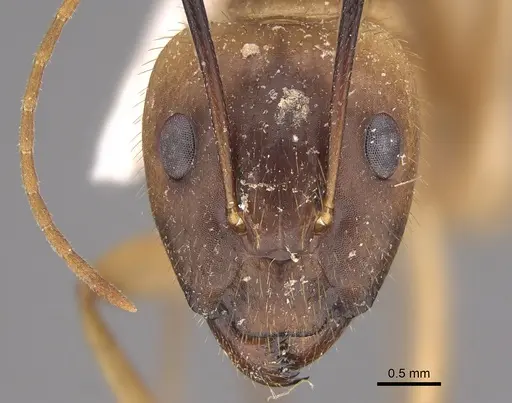
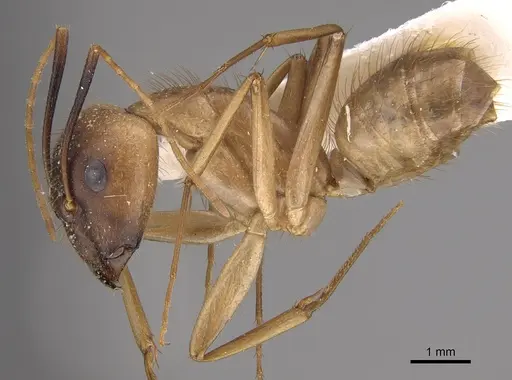
FMNHINS0000045749
View on AntWeb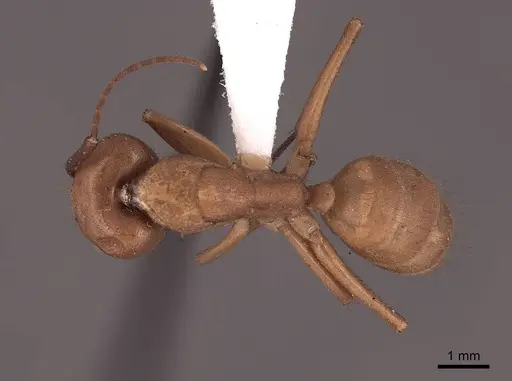
Literature
Loading distribution map...Loading products...