
Camponotus fornasinii
- Sci. Name
- Camponotus fornasinii
- Subgenus
- Tanaemyrmex
- Tribe
- Camponotini
- Subfamily
- Formicinae
- Author
- Emery, 1895
- Distribution
- Found in 1 countries
Introduction
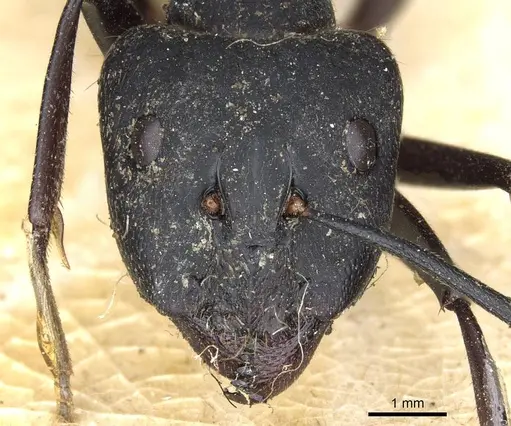
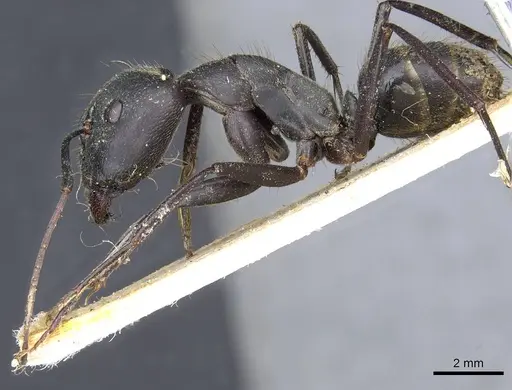
Camponotus fornasinii is a carpenter ant species originally described from Sumatra, Indonesia . These ants have the classic Camponotus body plan with a distinct metathorax, and workers come in different sizes - larger major workers and smaller minor workers. The genus Camponotus is known for nesting in wood or under stones. Workers are typically reddish-brown to dark brown.
Quick Summary
- Difficulty: Medium
- Origin & Habitat: Sumatra, Indonesia, a tropical island with warm temperatures year-round and high humidity typical of rainforest environments [1]
- Colony Type: Unconfirmed. Based on typical Camponotus patterns, likely single-queen colonies (monogyne), but specific data for this species is unavailable.
- Size & Growth:
- Queen: Size data unavailable, inferred from typical Camponotus genus patterns (~12-16mm)
- Worker: Size data unavailable, inferred from typical Camponotus genus patterns (minor workers ~4-6mm, major workers ~10-12mm)
- Colony: Likely several thousand workers at maturity, inferred from typical Camponotus colony development
- Growth: Moderate, Camponotus species typically grow steadily but not rapidly
- Development: Estimated 6-8 weeks at optimal temperature based on typical Camponotus development [2] (Development time depends on temperature, warmer conditions around 24-28°C accelerate development while cooler temperatures slow it down)
- Antkeeping:
- Temperature: Keep at 24-28°C. These are tropical ants from Sumatra, so they prefer warm conditions. A heating cable on one side of the nest can create a temperature gradient if your room is cooler [2].
- Humidity: High humidity is important, aim for 60-80% relative humidity. Keep the nest substrate consistently moist but not waterlogged. Mist occasionally and provide a water tube [2].
- Diapause: Likely minimal or no true diapause given their tropical origin. However, they may show reduced activity during cooler periods. Monitor colony behavior rather than forcing a hibernation period [2].
- Nesting: Camponotus fornasinii will likely accept most standard nest types, Y-tong (AAC) nests, plaster nests, or naturalistic setups work well. Provide nesting chambers scaled to colony size. They may prefer wood-based or soil-based substrates [2].
- Behavior: These ants are typically docile and not aggressive toward keepers. They do not have a functional sting, instead, they bite and spray formic acid from their acidopore. Workers are moderately active foragers, likely collecting honeydew and small insects. Escape prevention should be moderate, while not the smallest ants, they can still escape through gaps, so ensure your setup is secure.
- Common Issues: colonies may fail if kept too cold, tropical species need warm conditions, overfeeding can lead to mold problems in the nest, queens may abandon founding if disturbed too frequently during claustral period, wild-caught colonies may carry parasites that cause problems in captivity, slow initial growth during founding phase can lead to impatient keepers abandoning the colony
Housing and Nest Setup
Camponotus fornasinii can be kept in various nest types that suit their size and humidity needs. Y-tong (AAC) nests work well because they provide good humidity control and allow you to observe the colony easily. Plaster nests are another good option, especially if you keep the substrate moist. For a founding colony, a simple test tube setup with a water reservoir works perfectly, the queen will seal herself in a chamber and stay there until her first workers emerge. Once the colony grows to 20-30 workers, you can consider moving them to a larger formicarium. Make sure any nest you choose has chambers large enough for the major workers to move through comfortably. [2]
Feeding and Diet
Like other Camponotus species, these ants are omnivorous and will accept a variety of foods. Offer sugar water or honey as a constant energy source, they will readily drink from a soaked cotton ball or small dish. For protein, offer small insects like fruit flies, small mealworms, or cricket pieces. Camponotus fornasinii likely forages for honeydew in nature, so sugar sources are important. Feed them small prey items 2-3 times per week, and keep a sugar source available at all times. Remove any uneaten prey after 24-48 hours to prevent mold. [2]
Temperature and Seasonal Care
Since this species comes from Sumatra, a tropical environment, they need warm conditions to thrive. Keep the nest area at 24-28°C. You can use a heating cable placed on top of the nest (never underneath where it could dry out the substrate) to maintain warmth if your room temperature is lower. Unlike temperate species, they likely do not need a true hibernation period. However, they may slow down slightly during cooler periods, which is normal. Avoid sudden temperature changes and keep them away from cold drafts. [2]
Defense Mechanism
Camponotus fornasinii lacks a functional sting. Instead, these ants defend by biting the target and spraying a stream of concentrated formic acid from an acidopore into the wound. This is the standard defense mechanism for the subfamily Formicinae, which includes the tribe Camponotini.
Behavior and Handling
Camponotus fornasinii is generally a calm species that poses little threat to keepers. Workers are not particularly aggressive. The colony will be most active during warmer parts of the day. Major workers (the larger ants) are typically foragers and defenders, while minor workers tend to care for the brood and queen. When the colony is disturbed, you may see workers rushing to protect the queen and brood, but they will not attack aggressively. [2]
Frequently Asked Questions
How long does it take for Camponotus fornasinii to have first workers?
Based on typical Camponotus development, expect first workers (nanitics) around 6-8 weeks after the queen lays her first eggs, assuming optimal temperature around 24-28°C. The exact timing depends on temperature, warmer conditions speed up development while cooler conditions slow it down.
Can I keep Camponotus fornasinii in a test tube?
Yes, a test tube setup works perfectly for a founding colony. Use a test tube with a water reservoir separated by a cotton plug. The queen will seal herself in and stay there until her first workers emerge. Once the colony reaches 20-30 workers, consider moving them to a larger formicarium.
What temperature do Camponotus fornasinii need?
Keep them warm at 24-28°C. Since they come from tropical Sumatra, they prefer consistent warmth. A heating cable on the nest can help maintain these temperatures if your room is cooler.
How big do Camponotus fornasinii colonies get?
Based on typical Camponotus patterns, colonies can reach several thousand workers at maturity. This may take several years with good care.
Do Camponotus fornasinii need hibernation?
Probably not, as a tropical species from Sumatra, they likely do not require a true diapause period. They may show reduced activity during cooler periods, but forcing hibernation is not recommended for this species.
What do Camponotus fornasinii eat?
They are omnivorous. Offer sugar water or honey constantly for energy, and small insects like fruit flies or small mealworms 2-3 times per week for protein. They will also likely accept other sweet liquids.
Are Camponotus fornasinii good for beginners?
They are a medium-difficulty species. The main challenges are providing proper warmth and humidity, and being patient through the slow founding phase. They are more forgiving than some exotic species but require more attention than common temperate ants.
When should I move Camponotus fornasinii to a formicarium?
Move them when the test tube becomes crowded, typically when you see 20-30 workers and the queen is staying in the outworld more often. Make sure the formicarium has appropriately sized passages for their worker size.
Why is my Camponotus fornasinii colony not growing?
Common causes include temperatures that are too low (they need warmth), humidity that is too dry, or insufficient protein in their diet. Also make sure the queen is still alive and laying eggs. If the colony seems healthy otherwise, be patient, Camponotus growth is naturally slow during the founding phase.
Report an Issue
The current care sheet is based fully on literature. See inconsistencies, or something that's incorrect? Please , it will be resolved after review from an admin. Contributing to the blogs tab also helps providing information, to make us be able to further improve the caresheets. Thank you for your support!
References

This caresheet is licensed under CC BY-SA 4.0 .
Community Blogs
CASENT0905314
View on AntWeb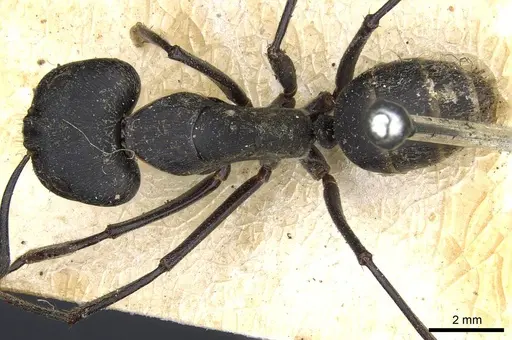
Literature
Loading distribution map...Loading products...