
Camponotus foersteri
- Sci. Name
- Camponotus foersteri
- Subgenus
- Myrmonesites
- Tribe
- Camponotini
- Subfamily
- Formicinae
- Author
- Forel, 1886
- Distribution
- Found in 1 countries
Introduction
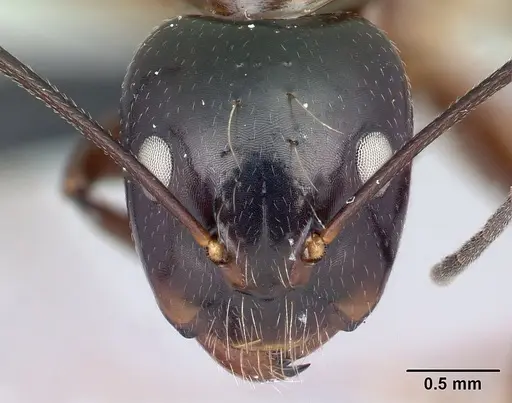
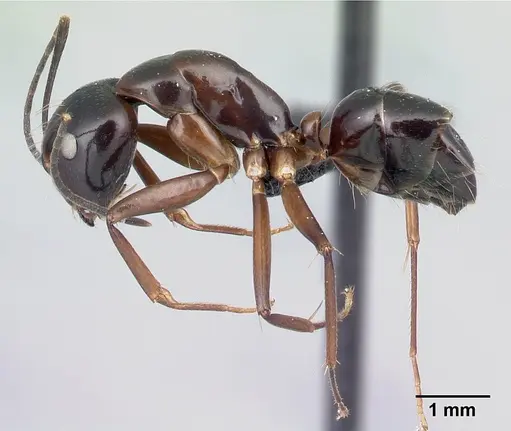
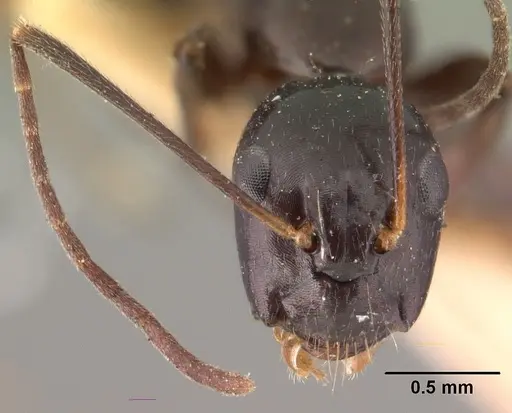
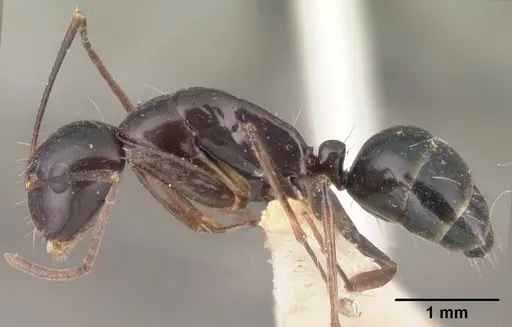
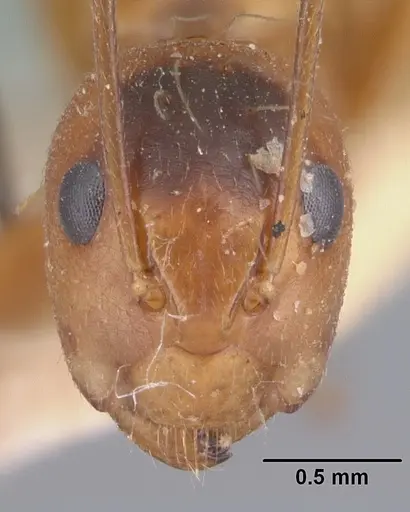
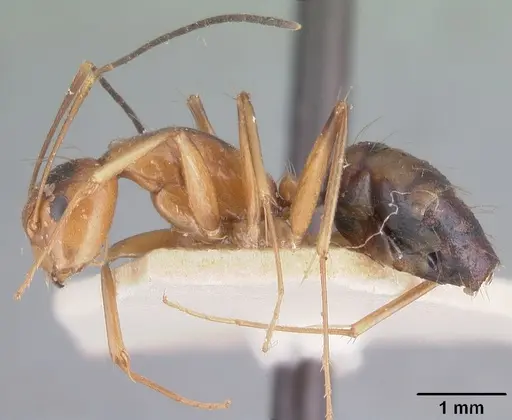
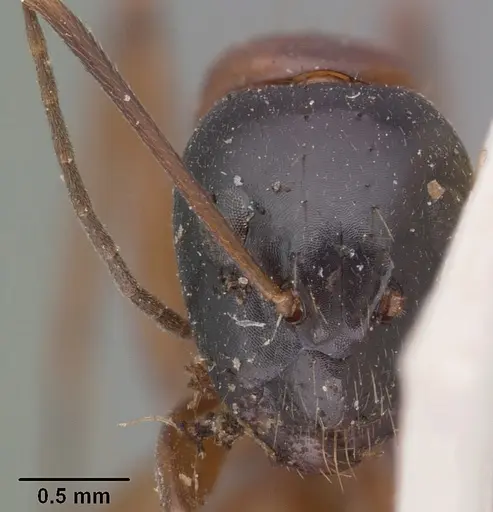
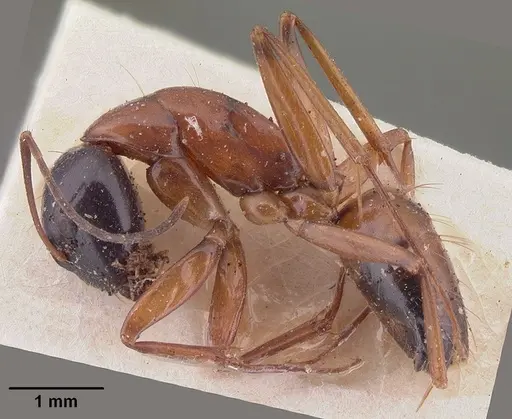
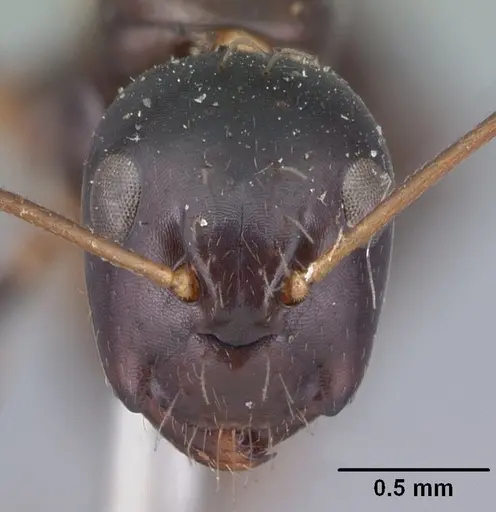
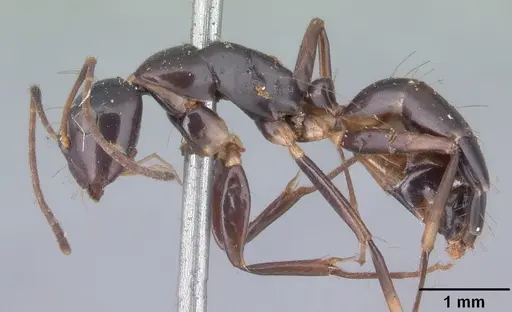
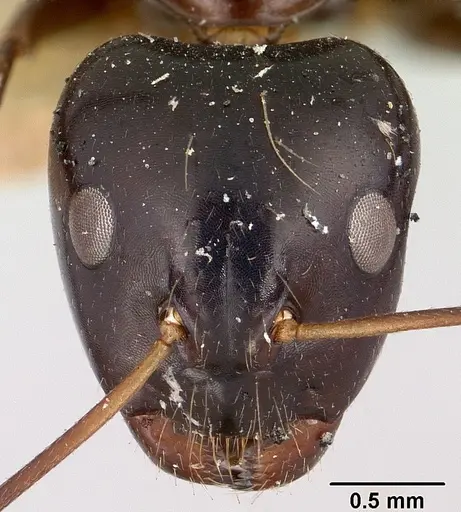
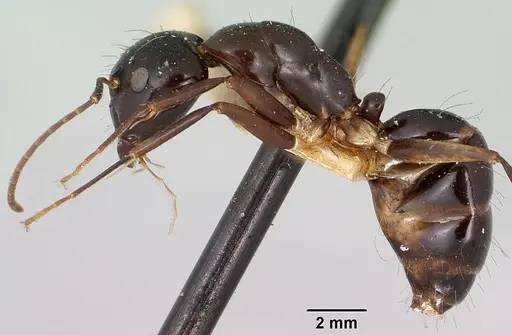
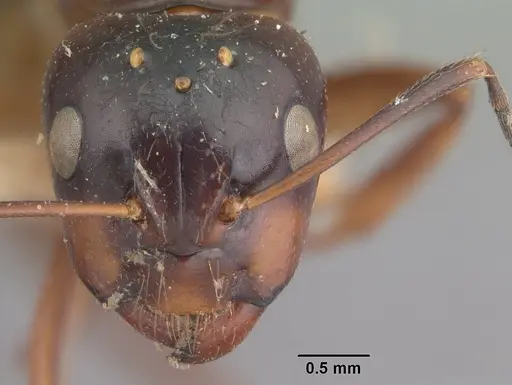
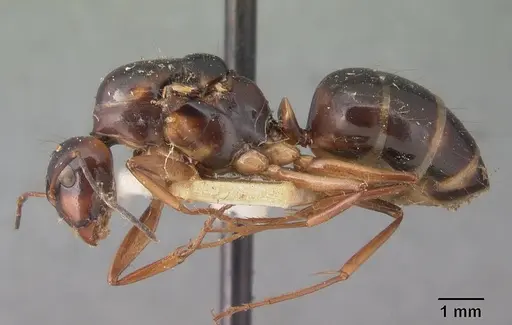
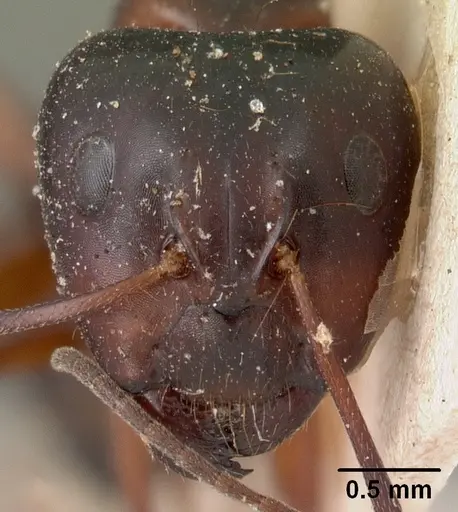
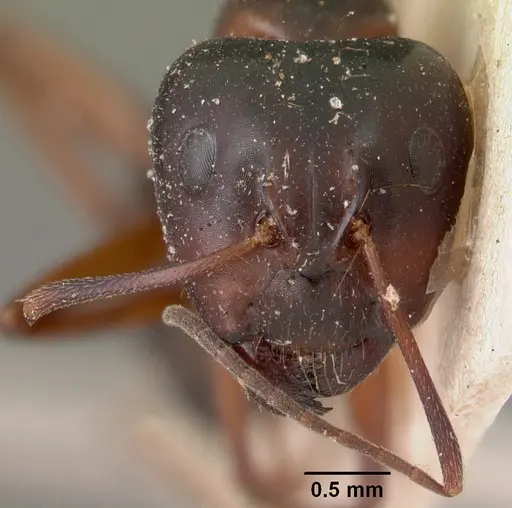
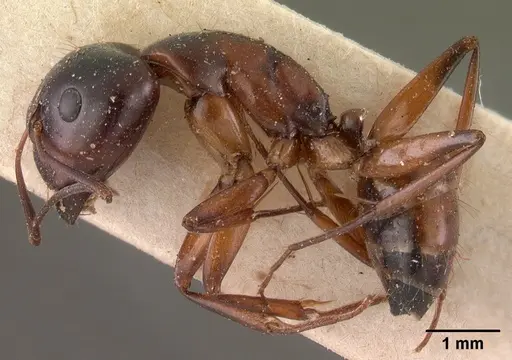
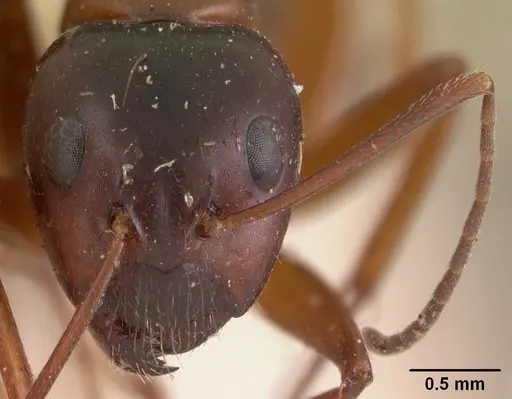
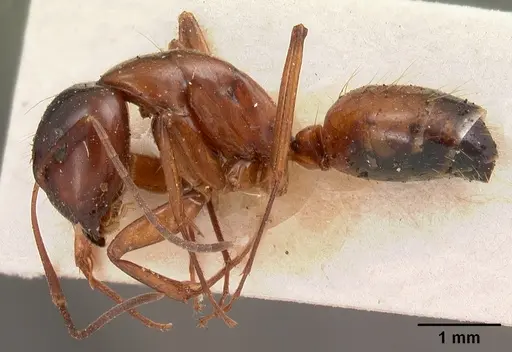
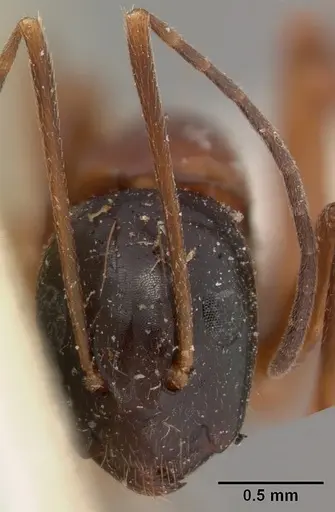
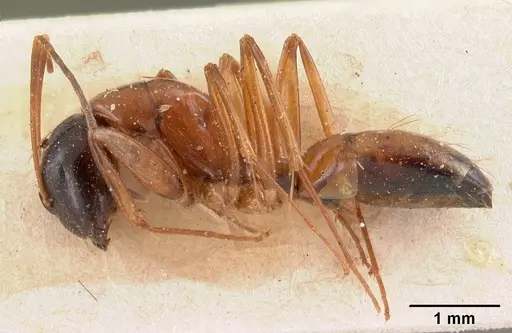
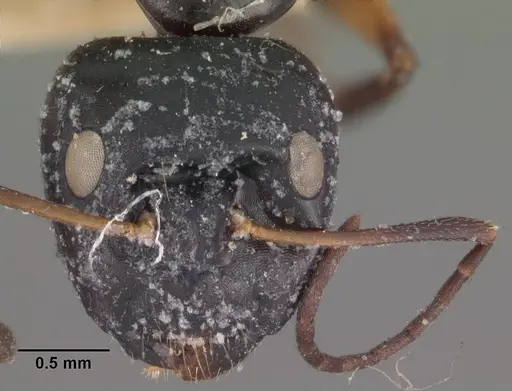
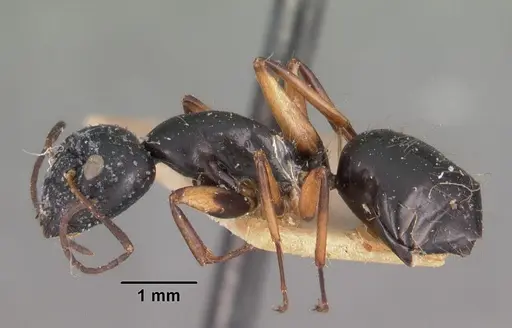
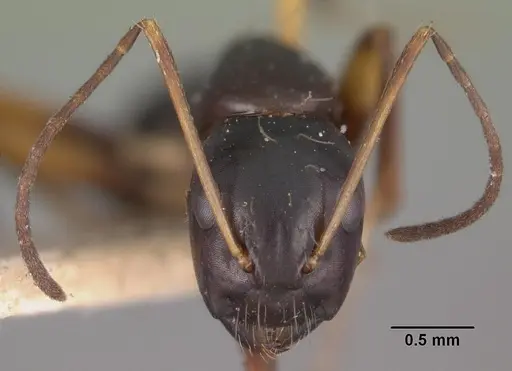
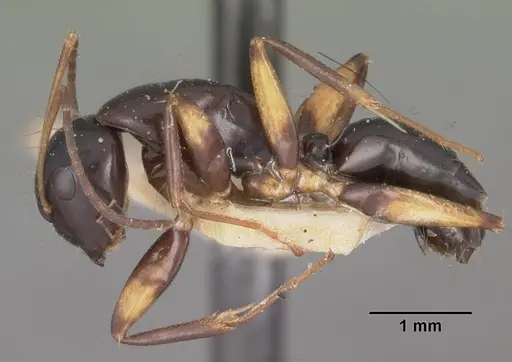
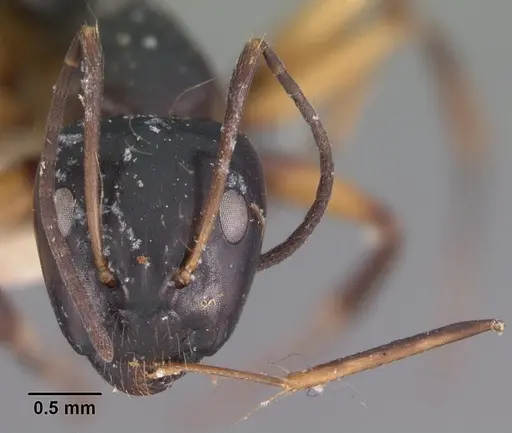
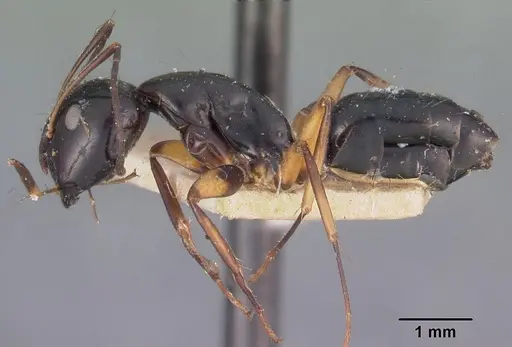
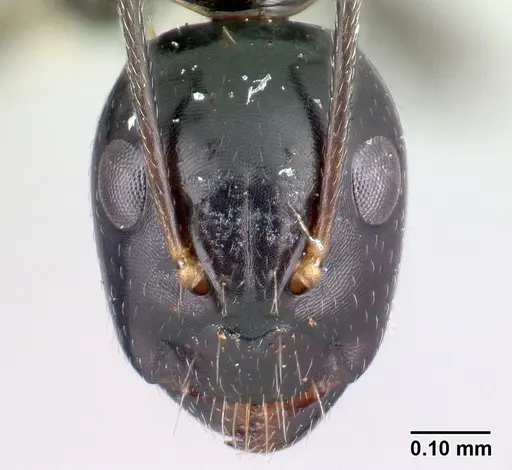
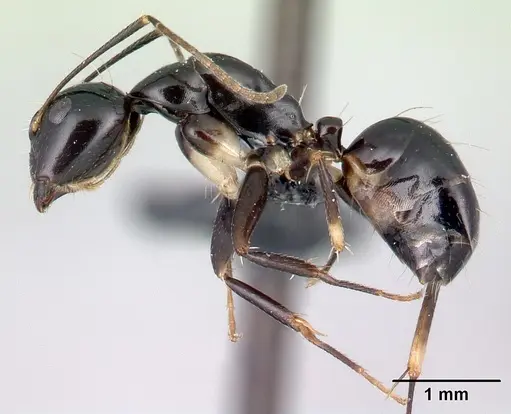
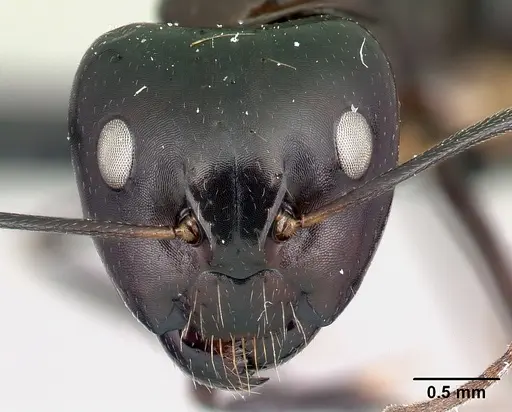
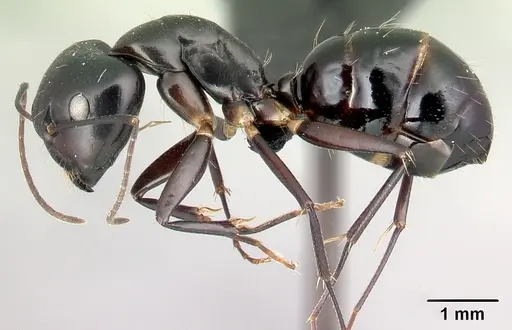
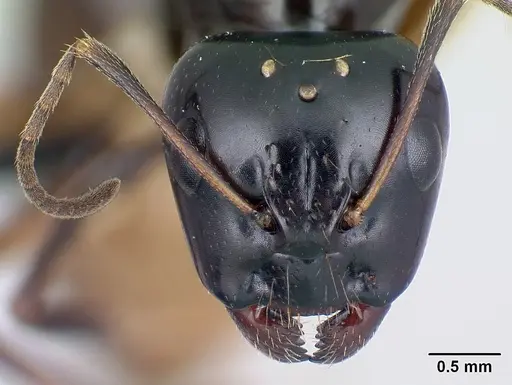
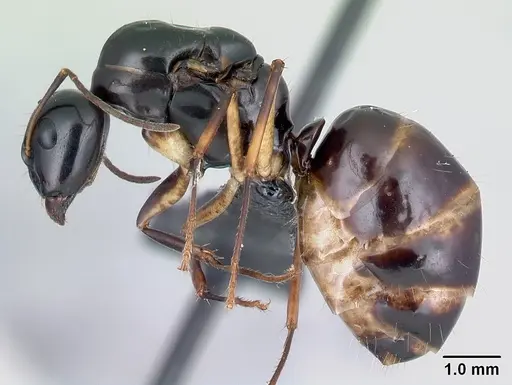
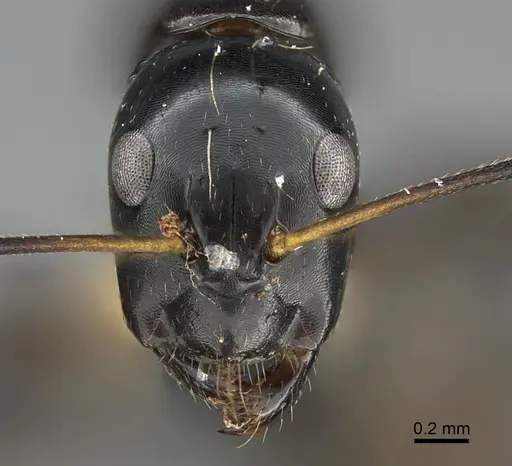
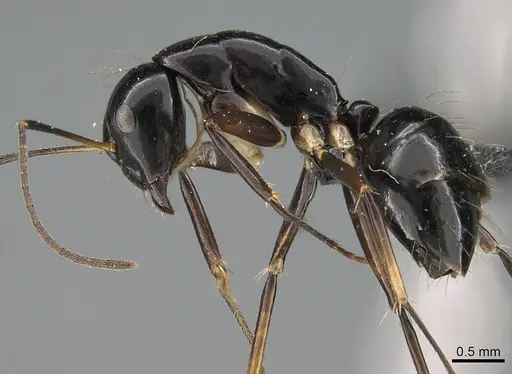
Camponotus foersteri is a medium-sized ant endemic to Madagascar, belonging to the subgenus Mayria. Workers come in two distinct sizes: minor workers and major workers with enlarged heads. They have a dark head and gaster contrasting with a lighter mesosoma ranging from brown to yellow-orange. Their most recognizable feature is the yellowish-white trochanters and distal portions of their coxae, which stand out against their darker legs. This species is widely distributed across Madagascar, found from tropical dry forests in the west to the humid littoral and montane rainforests of the east, and even the grasslands of the central high plateau [AntWiki]. These ants are versatile nesters - they establish colonies in root mats on the ground, inside rotting logs and tree stumps, under rocks, and in dead twigs or branches above ground. This flexibility in nesting sites reflects their ability to thrive in diverse habitats across the island. They forage through leaf litter and on low vegetation, typically in shaded, humid forest environments .
Quick Summary
- Difficulty: Medium
- Origin & Habitat: Madagascar, endemic species found across the island in diverse ecosystems including tropical dry forests, transitional humid forests, coastal scrub, littoral rainforests, montane rainforests, and central high plateau grasslands [1]. They prefer humid, shaded forest environments and are known to nest both in the ground (root mats, rotten logs, stumps) and above ground (dead twigs, branches) [1][2].
- Colony Type: Single-queen colonies (monogyne). Based on typical Mayria subgenus patterns, they likely form single-queen colonies.
- Size & Growth:
- Queen: size data unavailable, queen measurements not recorded in available literature
- Worker: Minor and major workers present, size data unavailable in literature
- Colony: colony size data unavailable
- Growth: Moderate, typical for Camponotus genus
- Development: development time unconfirmed for this species (Development time is inferred from genus-level data since species-specific measurements are not available.)
- Antkeeping:
- Temperature: Keep at 24-28°C (warm tropical conditions). Madagascar is a tropical island, so these ants expect warmth year-round. A heating cable on one side of the nest creates a temperature gradient allowing workers to regulate their exposure. Room temperature (22-25°C) is acceptable if your home runs warm.
- Humidity: High humidity required, they come from humid forest environments. Keep the nest substrate consistently moist but not waterlogged. Provide a water tube for drinking access. Mist the outworld occasionally but avoid constant dampness that promotes mold. The substrate should feel damp to the touch.
- Diapause: No, being a tropical species from Madagascar, they do not require hibernation or winter dormancy. Keep them warm year-round.
- Nesting: Use a nest that holds moisture well, Y-tong (AAC), plaster, or naturalistic setups work well. They accept test tubes for founding colonies. Provide nesting chambers scaled to their medium size. Since they nest in both rotten wood and above-ground locations in the wild, they adapt to various captive setups. A dark nesting area is preferred since they forage in shaded forest environments.
- Behavior: Generally calm and non-aggressive temperament. Like most Camponotus, they are not particularly defensive and rarely sting. Their main defense is spraying formic acid. Major workers may block nest entrances with their enlarged heads but this is a passive defense. They are moderate foragers that search through leaf litter and low vegetation. Escape risk is moderate, they are not particularly agile climbers but use standard barrier methods (fluon, petroleum jelly) to prevent escapes. Workers are active primarily during evening and night hours, reflecting their forest-floor foraging behavior in shaded conditions.
- Common Issues: humidity management is critical, too dry and colonies stall or die, too wet promotes mold that can devastate colonies, tropical species are sensitive to temperature drops, keep away from cold windows or air conditioning vents, slow founding phase, queens may take months before first workers appear, beginners often give up too soon, wild-caught colonies may carry parasites or diseases that manifest after collection, medium size means they can squeeze through standard test tube cotton if gaps form, use proper barrier methods
Housing and Nest Setup
Camponotus foersteri adapts well to various captive setups. For founding colonies, a simple test tube setup works perfectly, fill a test tube one-third with water, plug with cotton, and place the queen in. The cotton acts as both water reservoir and nest material. For established colonies, Y-tong (acrylic) nests or plaster nests work well because they hold humidity effectively. Naturalistic setups with rotting wood or soil chambers also suit this species since they naturally nest in rotten logs and root mats in the wild.
The outworld (foraging area) should be spacious enough for workers to patrol and bring back food. Provide a water source, a small test tube with a cotton plug or a shallow water dish works. Since they come from shaded forest environments, keep the nest area relatively dark or provide dark backgrounds on the formicarium. Standard escape prevention with fluon or petroleum jelly on container edges is sufficient for this medium-sized species. [1]
Feeding and Diet
Like other Camponotus species, Camponotus foersteri is omnivorous. They accept protein sources like small insects (fruit flies, small crickets, mealworms) and sugar sources (honey water, sugar water, ripe fruit). In the wild, they forage for honeydew from aphids and scale insects, plus insects and other small invertebrates in leaf litter.
Feed protein 2-3 times per week for established colonies, and keep a constant sugar source available. Remove uneaten prey after 24-48 hours to prevent mold. Queens in founding phase do not need food, they survive entirely on stored fat reserves until their first workers emerge. Once workers arrive, begin offering tiny amounts of sugar water and small insect pieces. [1]
Temperature and Seasonal Care
Being a Madagascar endemic, Camponotus foersteri requires warm, tropical conditions year-round. Maintain temperatures between 24-28°C in the nest area. A heating cable placed on one side of the nest creates a gradient, workers will move to their preferred temperature zone. Avoid temperatures below 20°C for extended periods.
No diapause or hibernation is required or recommended. These ants have evolved in a tropical climate without seasonal temperature swings. During winter months, ensure your heating setup maintains appropriate temperatures. Some reduction in activity is normal if temperatures drift lower, but they should remain active year-round. [1][2]
Colony Development and Growth
Camponotus foersteri follows the typical claustral founding pattern. After mating, the queen finds a suitable nesting chamber, seals herself in, and lays eggs. She survives on stored fat reserves while raising the first brood. This founding phase can take several months before the first workers (nanitics) emerge.
Initial worker batches are typically smaller (nanitics) but subsequent workers grow larger as the colony matures. Growth rate is moderate. Major workers (soldiers) with enlarged heads typically appear once the colony reaches moderate size.
Behavior and Temperament
This species has a calm temperament and is suitable for observation. Workers are primarily nocturnal or crepuscular, reflecting their natural foraging patterns in shaded forest environments. They are not aggressive and their primary defense mechanism is spraying formic acid rather than stinging.
Major workers serve as soldiers and defenders. They often position themselves at nest entrances, using their enlarged heads to block intruders. This is a passive defense, they do not actively attack but deter potential threats through their presence. Workers forage individually through leaf litter, searching for insects, honeydew, and other food sources.
They are moderate climbers but not particularly escape-prone. Standard barrier methods work well. Their medium size means they cannot squeeze through the tiny gaps that plague smaller species. [1]
Frequently Asked Questions
How long does it take for Camponotus foersteri to have first workers?
Expect several months from founding to first workers emerging. The queen seals herself in and raises the first brood alone using stored fat reserves. Be patient, checking the nest too frequently can stress the queen and delay development.
Can I keep multiple Camponotus foersteri queens together?
Not recommended. This species likely forms single-queen colonies. Multiple queens will fight until only one remains. If you capture a queen, house her alone in a test tube setup.
What temperature do Camponotus foersteri need?
Keep them warm at 24-28°C year-round. Being a tropical Madagascar species, they do not tolerate cool temperatures. Use a heating cable or heat mat on one side of the nest to maintain warmth.
Are Camponotus foersteri good for beginners?
They are moderate difficulty, easier than some tropical species but requiring more attention to humidity and temperature than temperate ants. Their slow founding phase requires patience. They are rewarding once established.
How big do Camponotus foersteri colonies get?
Colony size data is unavailable for this species. They are medium-sized Camponotus with distinct minor and major worker castes.
What do Camponotus foersteri eat?
They are omnivorous. Offer small insects (fruit flies, pinhead crickets, mealworms) 2-3 times weekly and keep a constant sugar source (honey water or sugar water) available. They also accept fruit and honeydew.
Do they need hibernation?
No. As a tropical species from Madagascar, they do not require diapause or winter rest. Keep them warm year-round at 24-28°C.
When should I move them to a formicarium?
Wait until the colony has a decent number of workers before moving to a formicarium. Test tube colonies can be maintained for extended periods, moving too early risks stressing the colony. A Y-tong or plaster nest works well once they outgrow the test tube.
Why is my queen not laying eggs?
Several factors can delay egg-laying: temperature too cool (below 24°C), disturbance from vibrations or light, or stress from previous handling. Ensure warm, dark, quiet conditions and give her time after founding to settle.
Report an Issue
The current care sheet is based fully on literature. See inconsistencies, or something that's incorrect? Please , it will be resolved after review from an admin. Contributing to the blogs tab also helps providing information, to make us be able to further improve the caresheets. Thank you for your support!
References

This caresheet is licensed under CC BY-SA 4.0 .
Community Blogs
CASENT0003672
View on AntWeb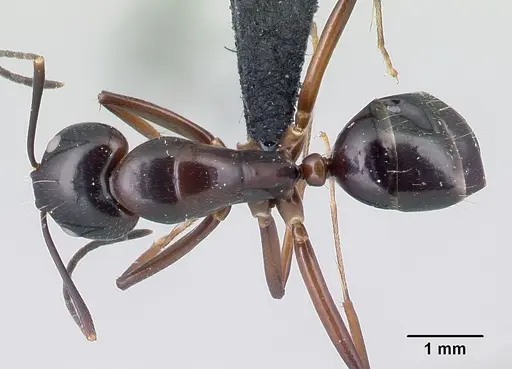
CASENT0003673
View on AntWeb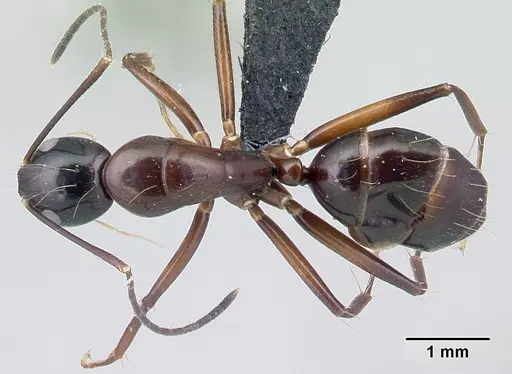
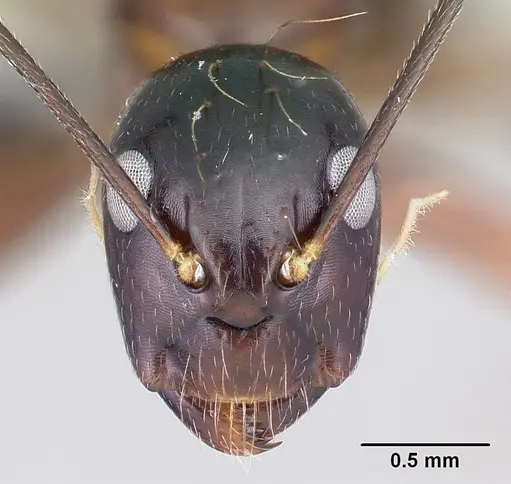
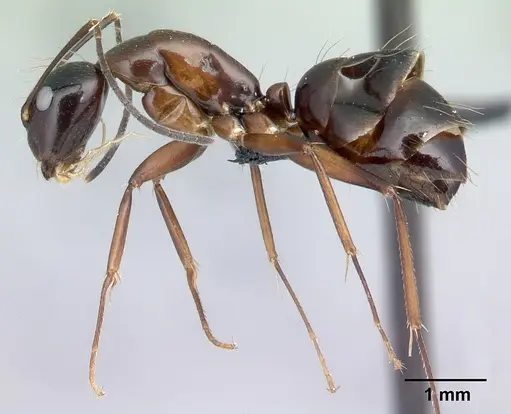
CASENT0052870
View on AntWeb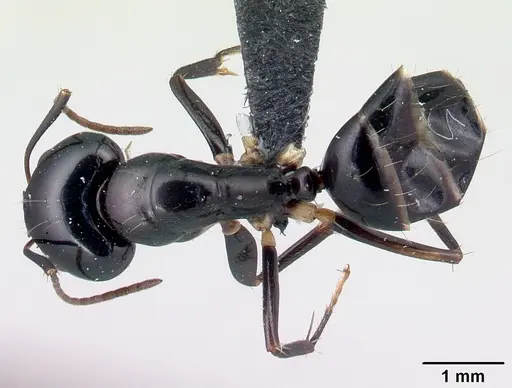
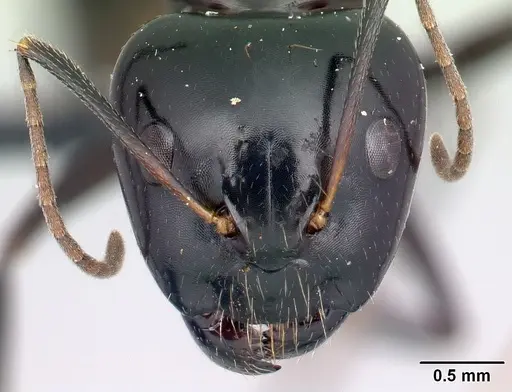
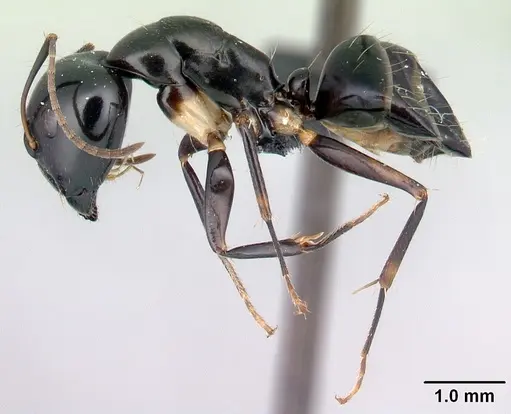
CASENT0101112
View on AntWeb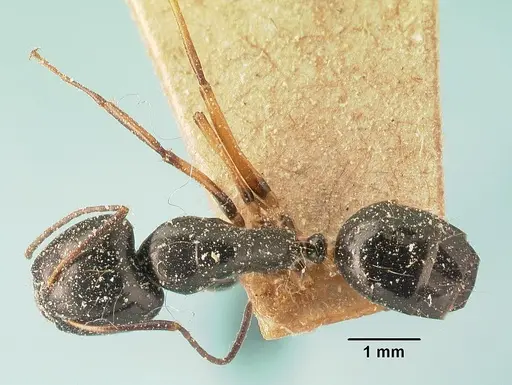
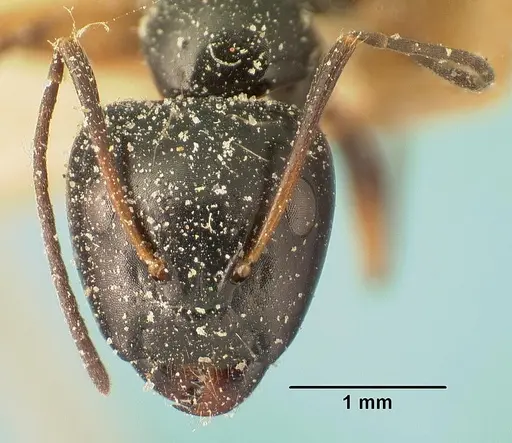
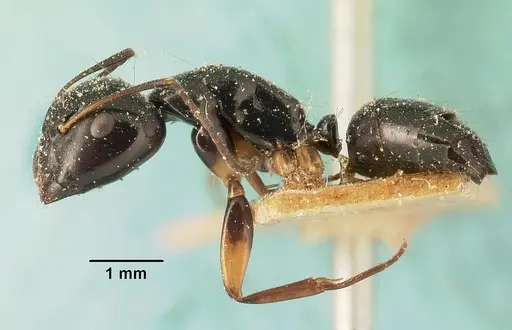
CASENT0101441
View on AntWeb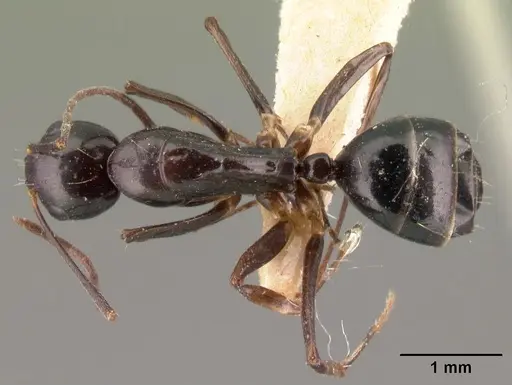
CASENT0101535
View on AntWeb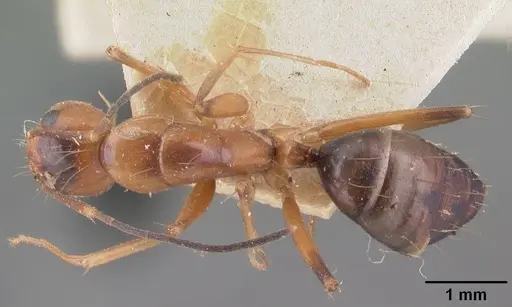
CASENT0101541
View on AntWeb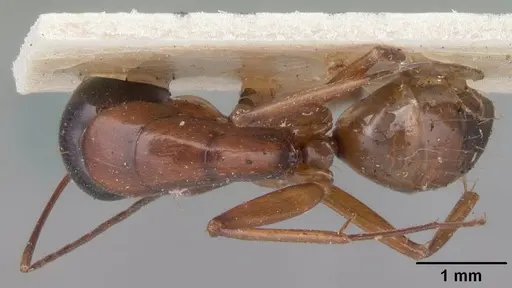
CASENT0101543
View on AntWeb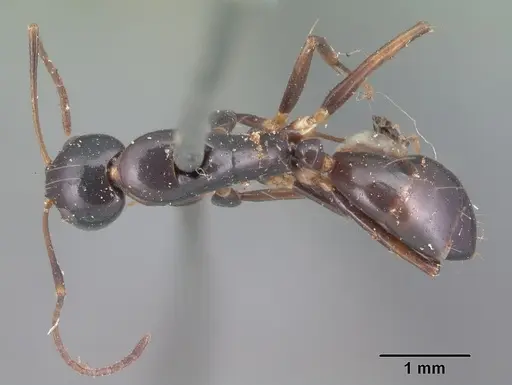
CASENT0101545
View on AntWeb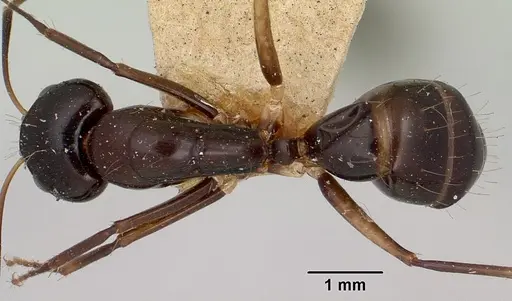
CASENT0101546
View on AntWeb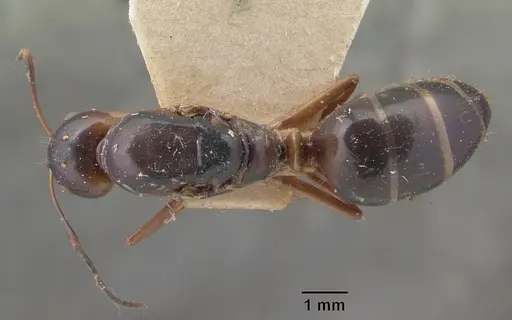
CASENT0102100
View on AntWeb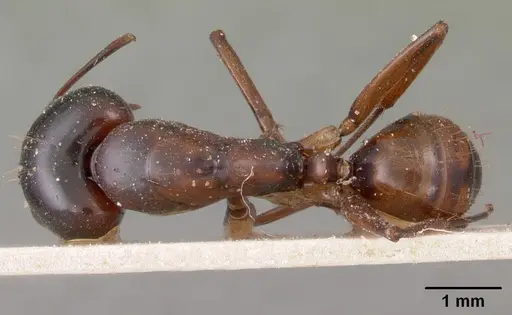
CASENT0102101
View on AntWeb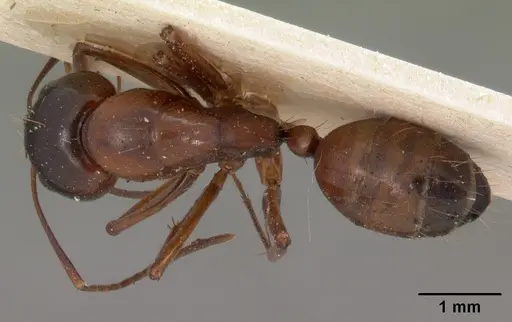
CASENT0102102
View on AntWeb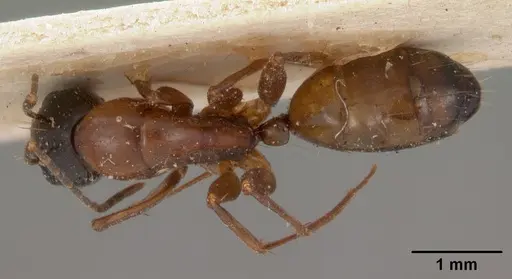
CASENT0102421
View on AntWeb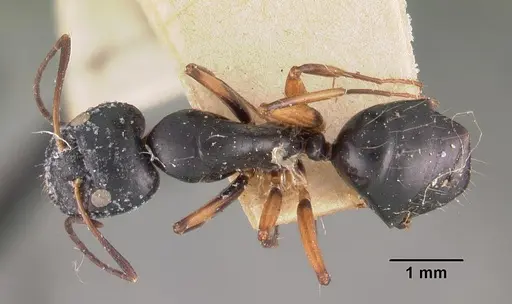
CASENT0102422
View on AntWeb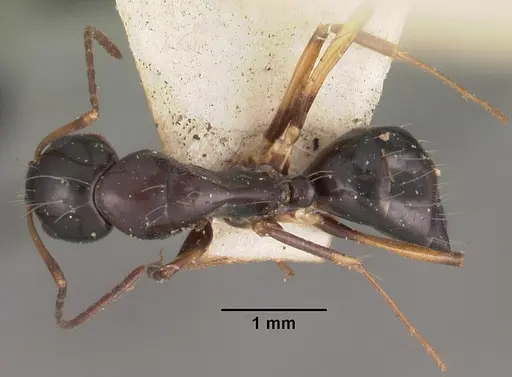
CASENT0102423
View on AntWeb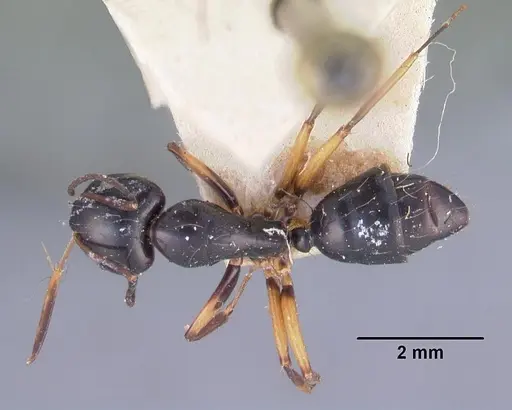
CASENT0217285
View on AntWeb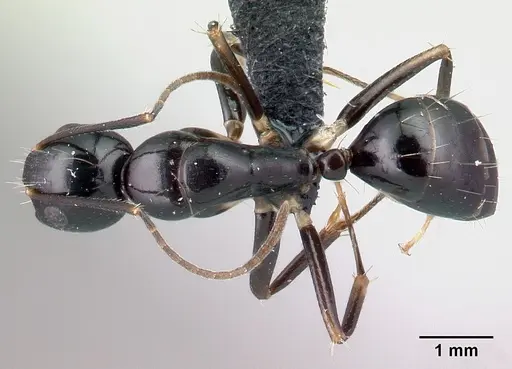
CASENT0217293
View on AntWeb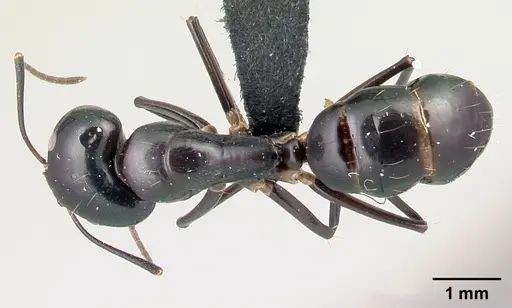
CASENT0486897
View on AntWeb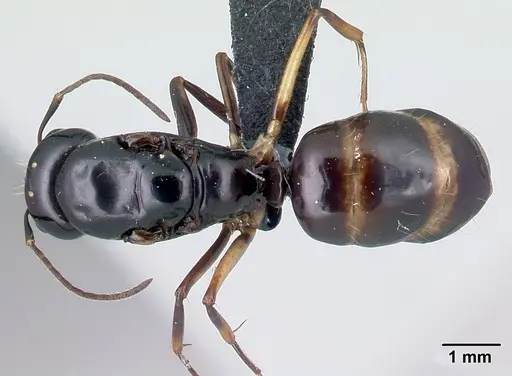
CASENT0486918
View on AntWeb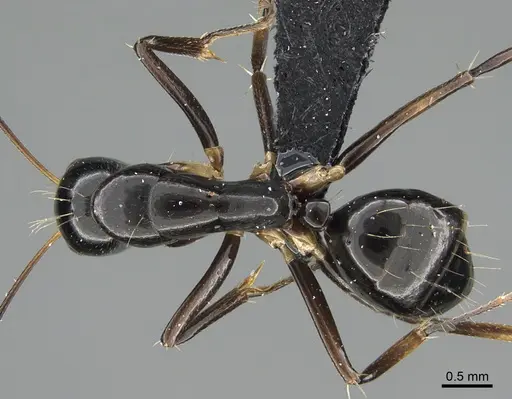
Literature
Loading distribution map...Loading products...