Camponotus floridanus has a tightly defined flight window centered on June. Most nuptial flights occur within just 2 months, making this a highly predictable species for collectors. The concentrated timeframe makes peak months critical for sightings.
Florida Carpenter Ant
Camponotus floridanus
- Sci. Name
- Camponotus floridanus
- Subgenus
- Myrmothrix
- Tribe
- Camponotini
- Subfamily
- Formicinae
- Author
- Buckley, 1866
- Common Name
- Florida Carpenter Ant
- Distribution
- Found in 1 countries
- Nuptial Flight
- From June to July
- Peak flight Time
- 21:00
AI Identifiable
try →
Introduction
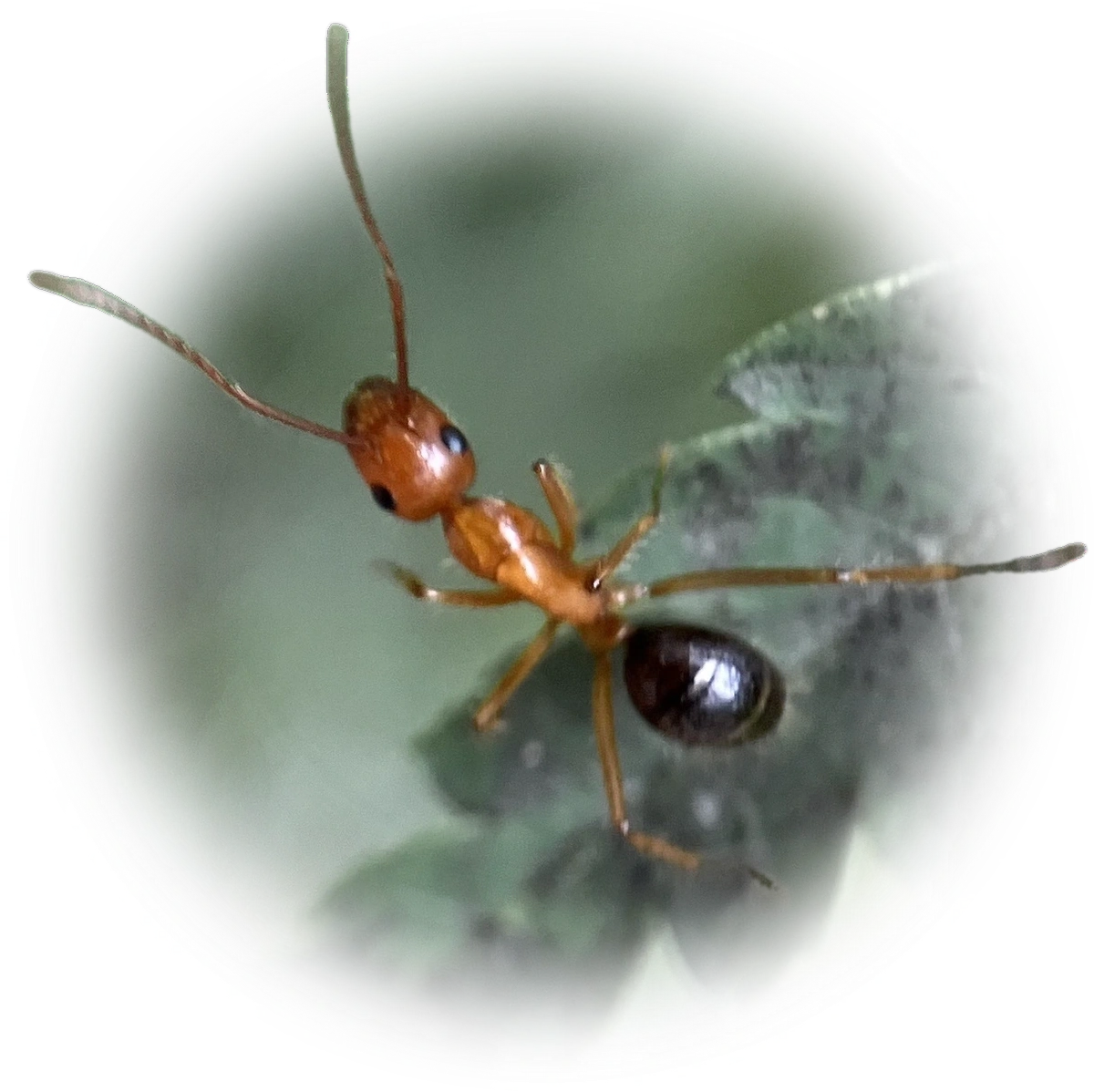
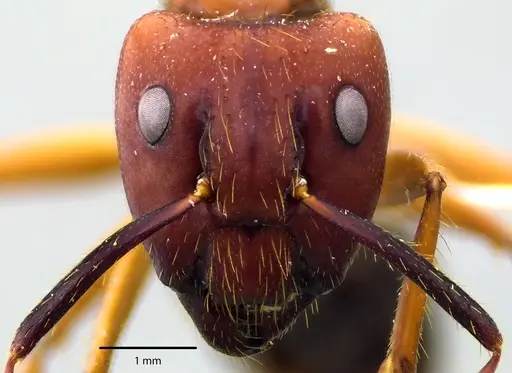
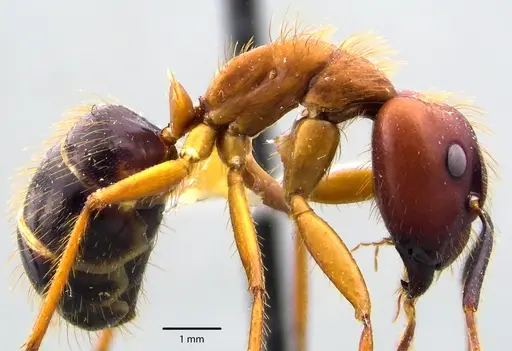
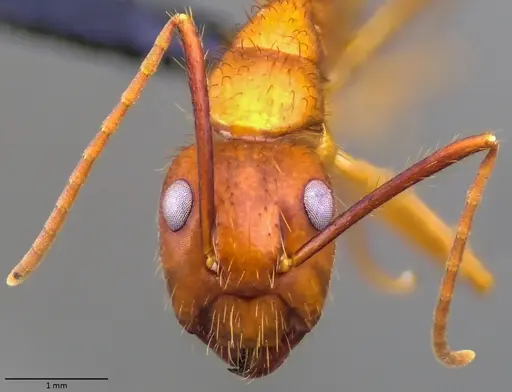
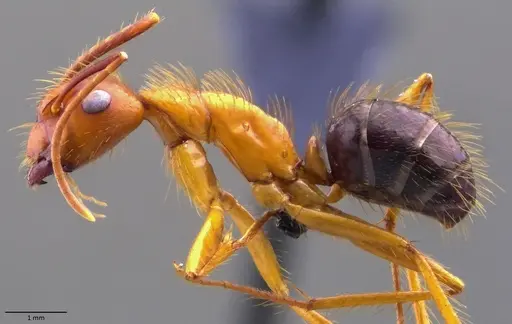
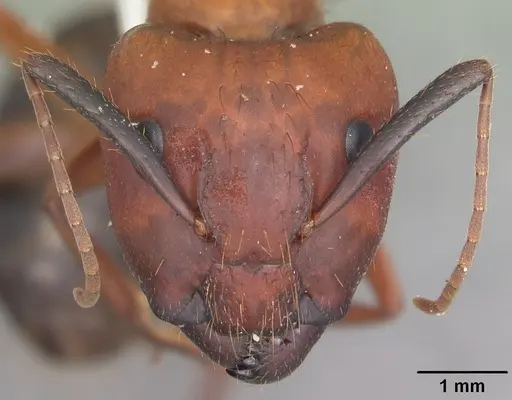
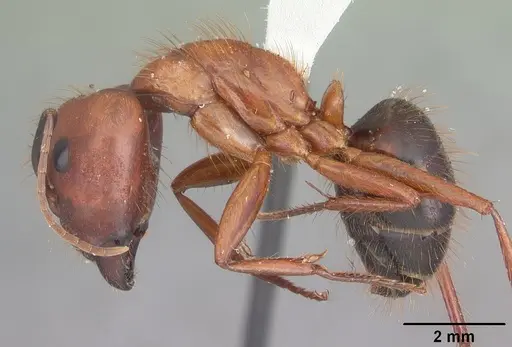
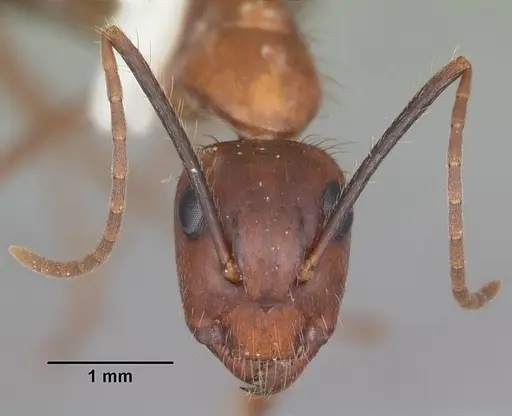
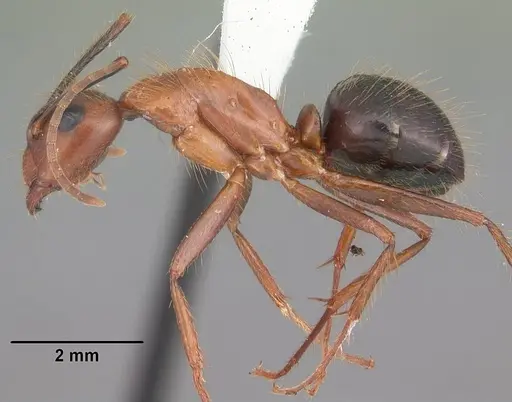
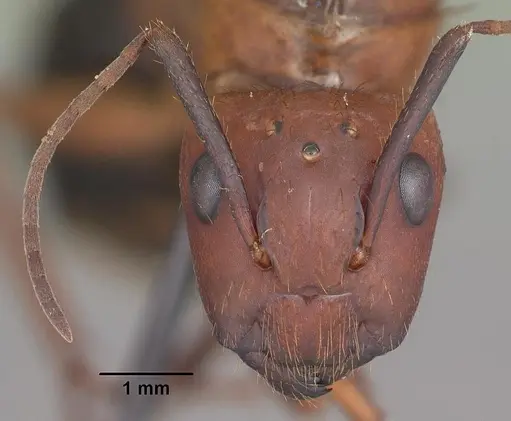
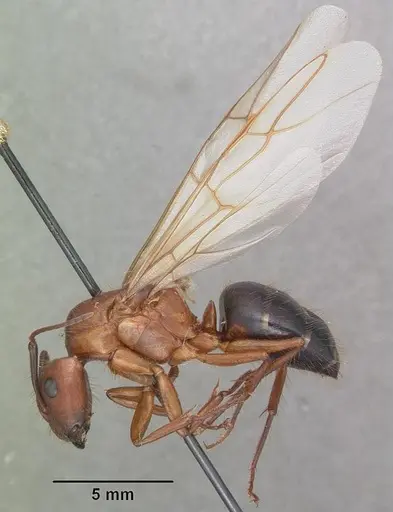
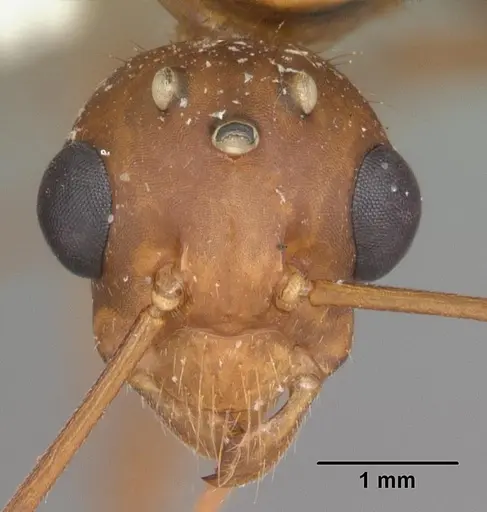
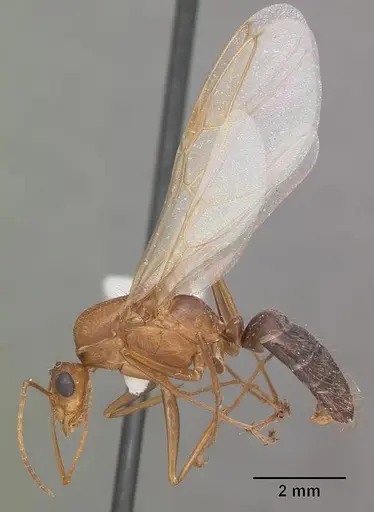
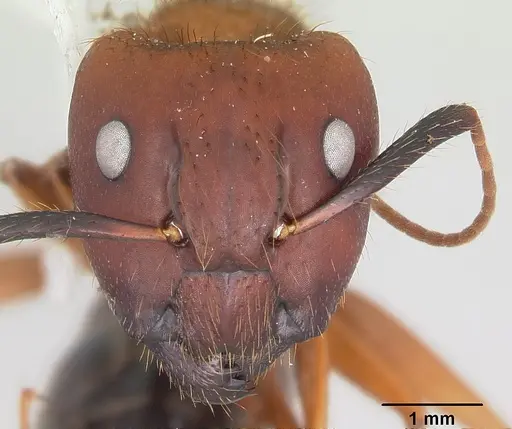
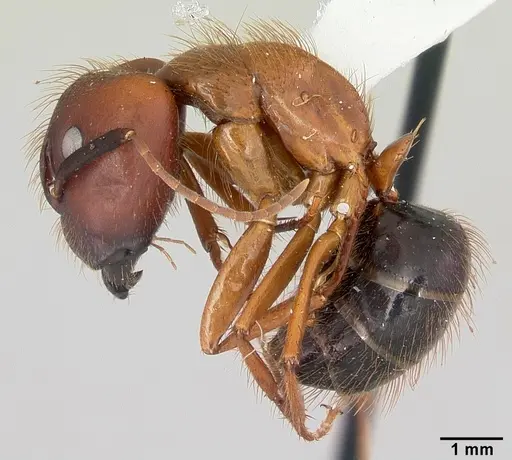
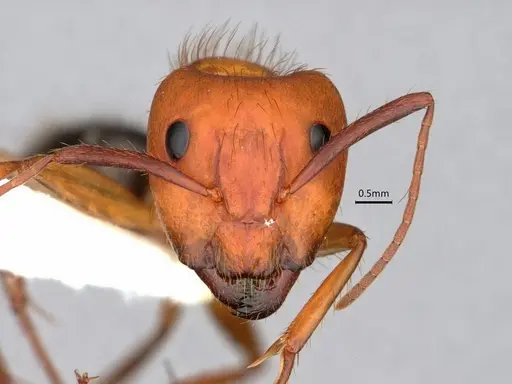
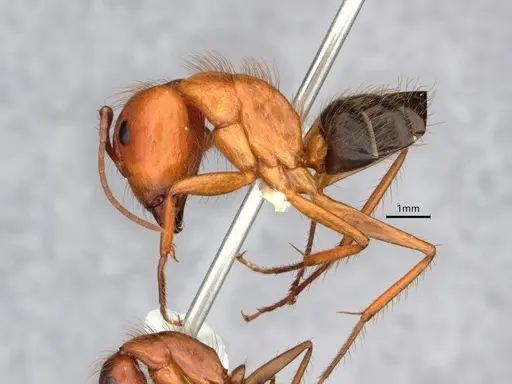
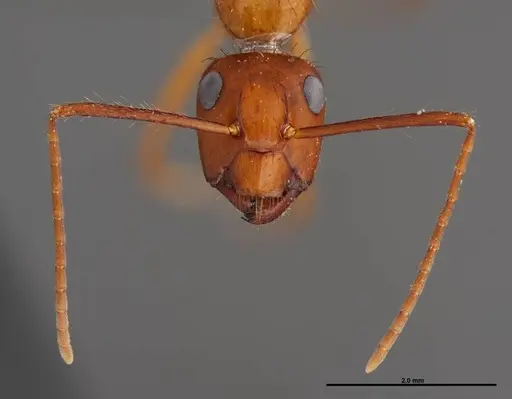
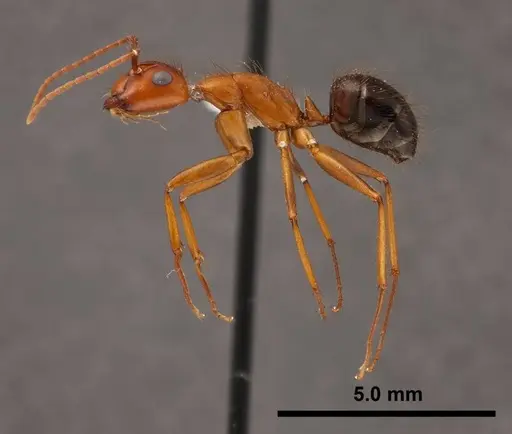
Camponotus floridanus workers are recognizable by their two-tone coloration: reddish-brown heads and thoraxes contrasting with shiny black abdomens . These are large ants, with minor workers reaching 5.5-7 mm and majors growing to 8-10 mm total length . Native to Florida and the southeastern United States, they naturally nest in rotting logs, stumps, and damp wood, though they readily invade houses . What makes this species stand out is their complex social biology. They harbor an obligate bacterial endosymbiont called Blochmannia floridanus that lives in their midgut and provides essential amino acids the ants cannot synthesize themselves . They are also one of the best-studied models of epigenetic caste determination, where environmental factors during larval development determine whether a worker becomes a small minor or a large major . Unlike many ants, they are strictly nocturnal, with most foraging activity occurring at night . This species is also notable for being a host of the zombie-ant fungus Ophiocordyceps camponoti-floridani, which manipulates infected ants to climb vegetation before killing them .
Quick Summary
- Difficulty: Medium
- Origin & Habitat: Native to Florida and the southeastern United States, found in rotting logs, stumps, and damp wooded areas [2][1].
- Colony Type: Strictly monogynous (single queen) colonies with polymorphic workers (majors and minors) [11][12].
- Size & Growth:
- Queen: Size data unavailable, inferred from Camponotus genus (~12-15 mm).
- Worker: Minors 5.5-7 mm, majors 8-10 mm total length [2].
- Colony: Up to 10,000 workers in mature colonies [12][13].
- Growth: Moderate
- Development: Approximately 2-3 months at 25°C [7][14]. (Development time varies with temperature. Nanitic workers (first generation) may emerge slightly faster.)
- Antkeeping:
- Temperature: Keep at 25°C (77°F) for optimal brood development [15][9]. They tolerate room temperature but grow slower.
- Humidity: Maintain 60-70% relative humidity with damp nest substrate [13][16].
- Diapause: Not required, being subtropical, they remain active year-round at stable temperatures [1].
- Nesting: Provide spacious nests with chambers sized for large majors. Plaster, Y-tong (AAC), or naturalistic wood setups work well [2][3].
- Behavior: Strictly nocturnal and aggressive [8][2]. Majors defend the colony while minors handle foraging and brood care [17]. They lay trail pheromones using nerolic acid to recruit nestmates to food sources [16][18]. As Formicine ants, they lack a stinger but can bite and spray formic acid from their acidopore as defense.
- Common Issues: colony size can reach thousands of workers, requiring frequent nest expansions and large outworlds., majors have powerful mandibles and can bite if disturbed, spraying formic acid., escape prevention must be excellent, despite their size, they climb well and will find gaps in lids., antibiotic treatments can kill their essential Blochmannia symbionts, leading to colony failure [5]., slow development means beginners may overfeed or disturb the colony too frequently., this species is susceptible to Ophiocordyceps fungus, keep colonies away from contaminated soil [10].
Nuptial Flight Activity Analysis 666 observations
Flight Activity by Hour 666 observations
Camponotus floridanus nuptial flight activity peaks around 21:00 during the night. Activity is spread across a 24-hour window (00:00–23:00). Times may be influenced by human observation patterns.
Nest Preferences and Setup
In nature, Camponotus floridanus nests in rotting logs, stumps, and damp wood [2][3]. Young colonies often start under stones or in clay-like mud near water [13]. For captive colonies, use plaster nests, Y-tong (AAC), or naturalistic setups with rotting wood. Chambers must be spacious enough to accommodate the large major workers. Keep the nest substrate consistently moist but not waterlogged, damp to the touch is ideal. Provide a temperature gradient if possible, with one side slightly warmer (25-27°C) and the other cooler.
Feeding and Nutrition
These ants are omnivorous scavengers [19]. In captivity, feed a varied diet of protein sources like mealworms, crickets, and scrambled eggs, along with sugar water or honey for carbohydrates [20][13]. They collect honeydew and nectar in the wild [21]. A unique aspect of their biology is the obligate endosymbiont Blochmannia floridanus, which lives in bacteriocytes in their midgut and provides essential amino acids that the ants cannot synthesize themselves [4][5]. This symbiosis is crucial for colony growth, workers cleared of Blochmannia via antibiotics raise significantly fewer brood [5]. Avoid using antibiotics in their food or water, as this can kill the bacteria and severely reduce the colony's ability to raise brood.
Temperature and Seasonal Care
Maintain colonies at approximately 25°C (77°F) with a 12-hour light cycle for optimal growth [15][9]. They are strictly nocturnal, so expect most foraging activity during the night [8][9]. Unlike temperate Camponotus species, Florida carpenter ants do not require a winter diapause and remain active year-round if kept warm [1]. However, you can reduce feeding slightly in winter if the colony slows down naturally. Ensure good ventilation while maintaining humidity to prevent mold growth.
Caste System and Worker Polymorphism
Colonies produce two distinct worker castes: minors (small-headed) and majors (large-headed) [17][19]. Minors handle nursing, foraging, and food collection, while majors specialize in defense and food storage [17][13]. Interestingly, caste determination is not purely genetic, it depends on epigenetic regulation during larval development. The Egfr gene shows differential methylation patterns that correlate with final worker size [6]. Researchers can even induce major workers to behave like minors by manipulating histone acetylation, demonstrating the plasticity of caste roles [7]. Minor workers have larger antennal lobes with more glomeruli than majors, making them more sensitive to odors and better suited for foraging [17][16].
Social Regulation and Worker Policing
Queens maintain reproductive control through chemical signals. They mark their eggs with specific cuticular hydrocarbons that signal high fertility [11]. Workers can detect these signals and will destroy eggs laid by other workers (worker policing), but only in large colonies with over 1000 workers [12]. In small colonies with fewer than 100 workers, worker policing is absent and workers tolerate each other's eggs [12]. This system ensures that only the queen's sons are raised in established colonies, though workers can lay male eggs if the queen dies [11]. The queen signal is so powerful that foreign queens from established colonies are accepted by workers, while new queens are attacked [12].
Communication and Foraging
These ants use nerolic acid as a trail pheromone to recruit nestmates to food sources [16][18]. They can detect these pheromones at extremely low concentrations (down to 10^-11 dilution) [16]. Minor workers have larger antennal lobes with more glomeruli (olfactory processing units) than majors, making them more sensitive to general odors and better suited for foraging [17][16]. Majors, despite having smaller antennal lobes, show higher aggression and are responsible for all lethal attacks on non-nestmates [17]. Nestmate recognition is mediated by cuticular hydrocarbons, and workers can discriminate between nestmates and non-nestmates from a distance of about 1 cm [22].
Health Risks and Predators
This species faces natural threats from the zombie-ant fungus Ophiocordyceps camponoti-floridani. Infected ants display summit disease behavior, climbing vegetation and biting down before dying, allowing the fungus to release spores [10]. Healthy ants recognize infected individuals and aggressively remove them from the colony [23]. In captivity, keep colonies away from outdoor soil to prevent infection. This species is also host to the parasitic wasp Horismenus floridensis, which parasitizes pupae [24].
Frequently Asked Questions
Can I keep Camponotus floridanus in a test tube?
Yes, for the founding stage. The queen will seal herself in a claustral chamber and raise her first workers there. However, move them to a proper nest once you have 10-20 workers, as they grow quickly into large colonies that need space [13].
How long until first workers for Camponotus floridanus?
Expect approximately 2-3 months from egg to first worker at 25°C [7][14]. This is slower than tropical species like Solenopsis, so patience is required.
Do Camponotus floridanus need hibernation?
No. Being native to Florida, they do not require a winter diapause and remain active year-round if kept at stable temperatures [1]. You can keep them at room temperature or slightly warmed.
Are Camponotus floridanus dangerous?
They can bite with their strong mandibles and spray formic acid, but they are not medically dangerous to humans [2]. Majors can break the skin if handled carelessly, so use caution during maintenance.
Can I keep multiple Camponotus floridanus queens together?
No. This species is strictly monogynous (single queen) [11][12]. If you introduce multiple queens, they will fight until only one survives.
How big do Camponotus floridanus colonies get?
Colonies can reach 10,000 workers in the wild [12][13]. In captivity, expect several thousand workers before the colony reaches maturity and produces sexuals.
What do Camponotus floridanus eat?
They are omnivorous scavengers. Feed them a mix of protein (mealworms, crickets, eggs) and carbohydrates (honey, sugar water) [20][13]. They do not eat wood despite being called carpenter ants.
Why are my Camponotus floridanus dying?
Common causes include: 1) Low humidity, keep the nest damp [13]. 2) Antibiotic exposure, never use antibiotics in their food as this kills their essential Blochmannia symbionts [5]. 3) Overcrowding, expand the nest before they become cramped. 4) Fungal infection, keep away from outdoor soil [10].
When do Camponotus floridanus have nuptial flights?
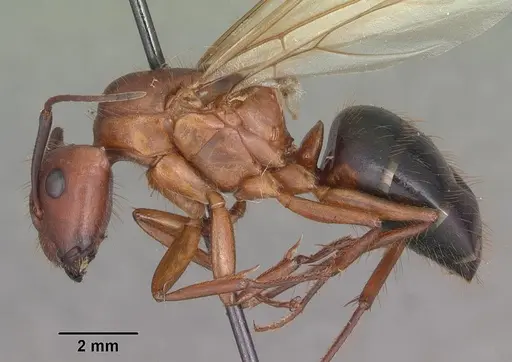
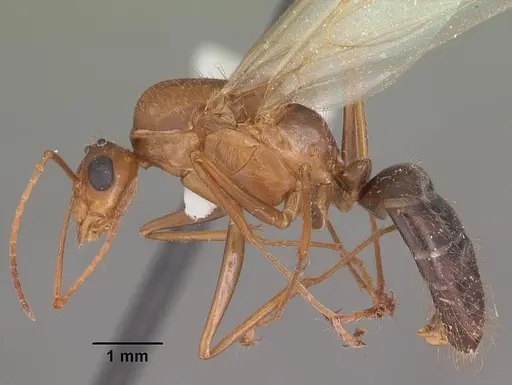
Alates (winged reproductives) are typically collected from May through June in Florida [2]. In captivity, mature colonies will produce sexuals after several years of growth [13].
Can Camponotus floridanus climb glass or plastic?
Yes, they are excellent climbers. Use Fluon or baby powder barriers on the upper walls of their outworld to prevent escapes, despite their large size [13].
When is the nuptial flight of Camponotus floridanus?
The nuptial flight of Camponotus floridanus typically occurs From June to July.
What time of day does Camponotus floridanus fly?
The nuptial flight of Camponotus floridanus peaks around 21:00 during the night, with most activity between 00:00 and 23:00. Times may be influenced by human observation patterns.
Report an Issue
The current care sheet is based fully on literature. See inconsistencies, or something that's incorrect? Please , it will be resolved after review from an admin. Contributing to the blogs tab also helps providing information, to make us be able to further improve the caresheets. Thank you for your support!
References

This caresheet is licensed under CC BY-SA 4.0 .
Community Blogs
ANTWEB1041695
View on AntWeb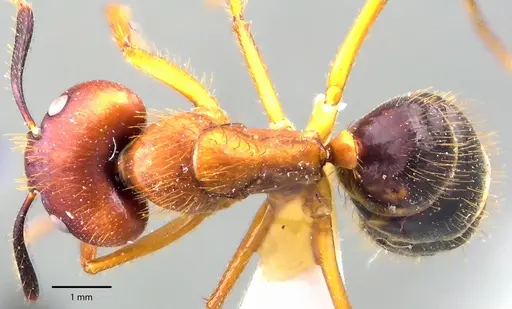
ANTWEB1060070
View on AntWeb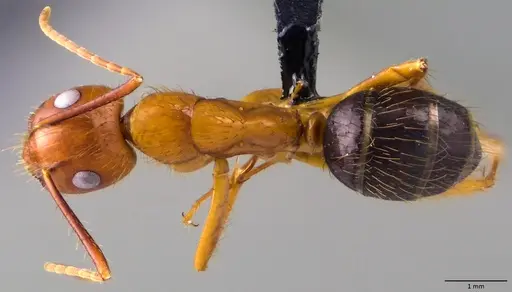
CASENT0103672
View on AntWeb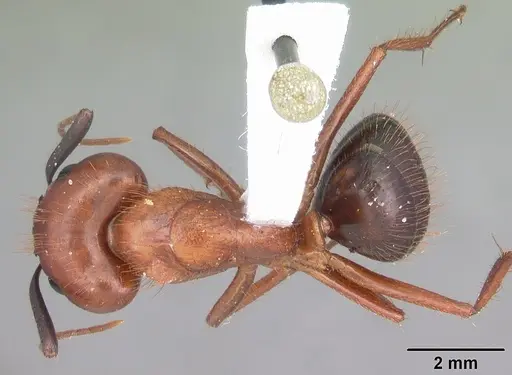
CASENT0103673
View on AntWeb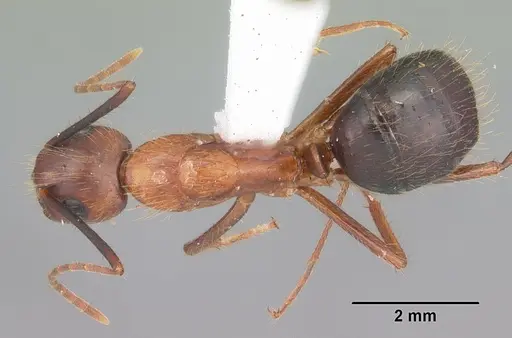
CASENT0103675
View on AntWeb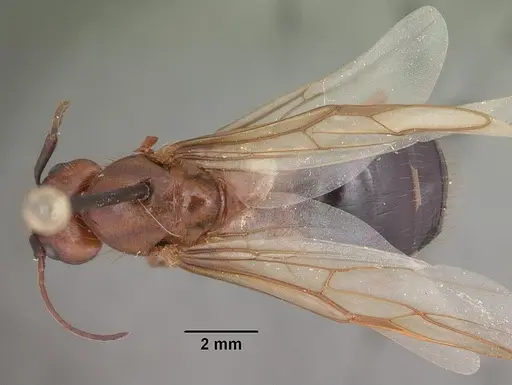
CASENT0103676
View on AntWeb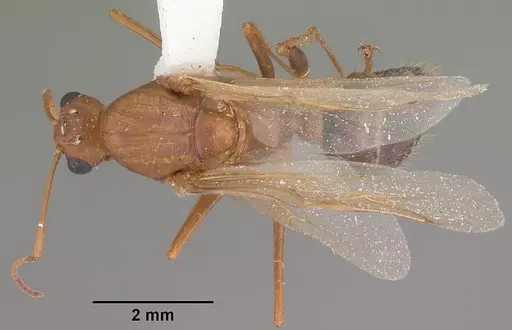
CASENT0104894
View on AntWeb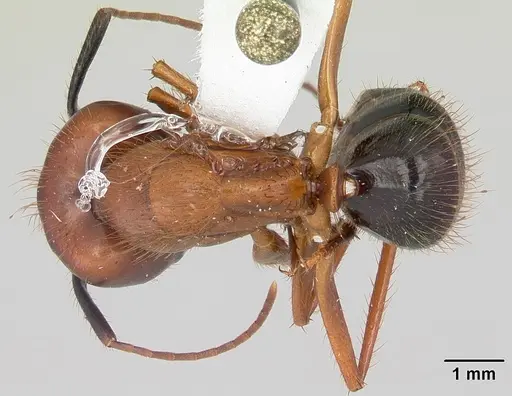
CASENT0842327
View on AntWeb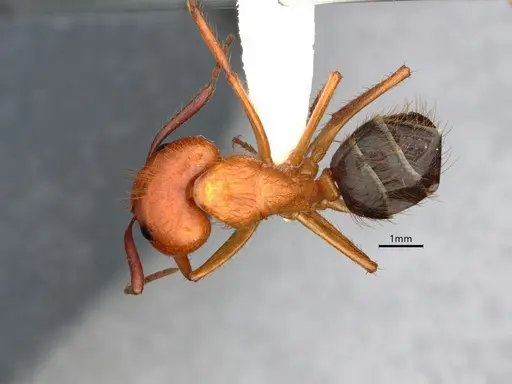
FMNHINS0000062856
View on AntWeb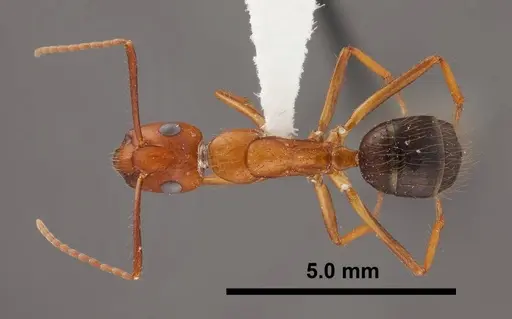
Literature
Loading distribution map...Loading products...