
Camponotus flavomarginatus
- Sci. Name
- Camponotus flavomarginatus
- Subgenus
- Myrmosericus
- Tribe
- Camponotini
- Subfamily
- Formicinae
- Author
- Mayr, 1862
- Distribution
- Found in 15 countries
Introduction
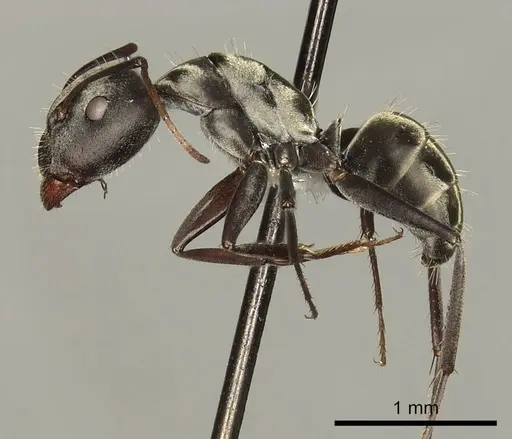
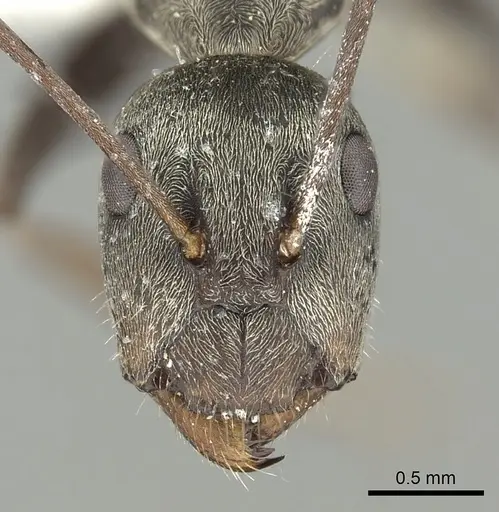
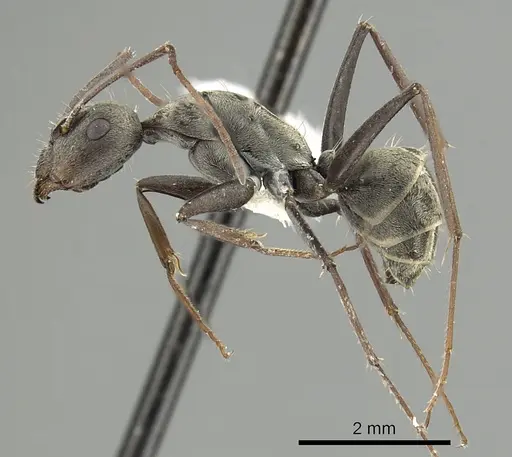
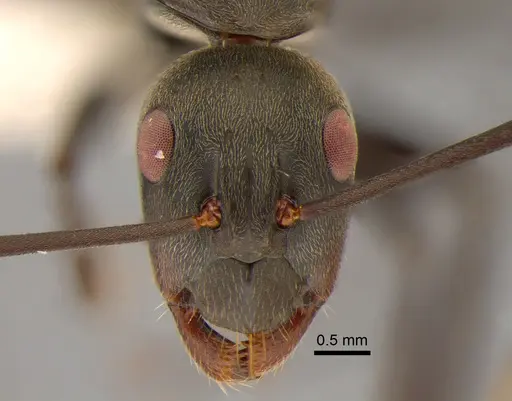
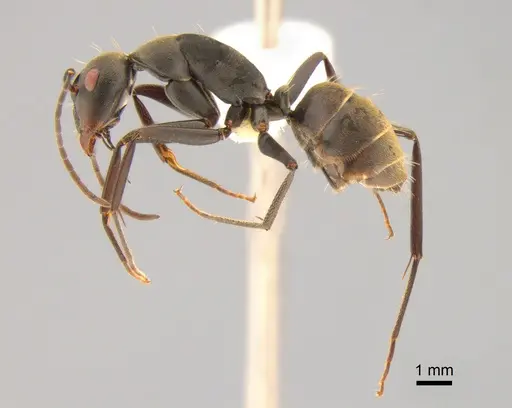
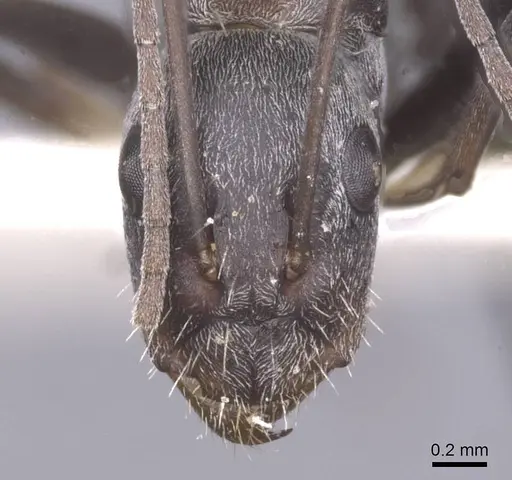
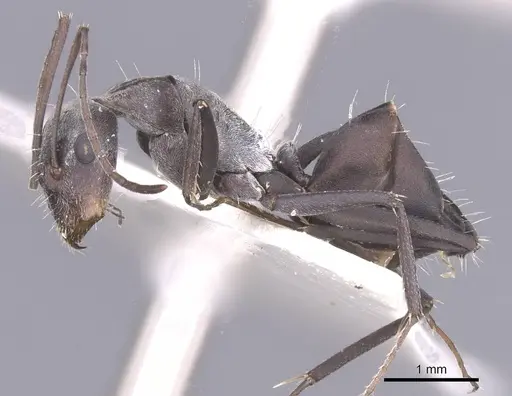
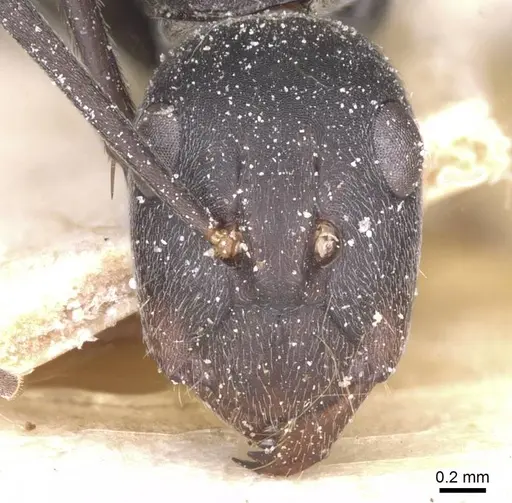
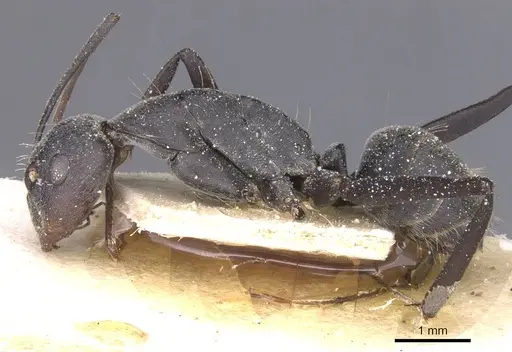
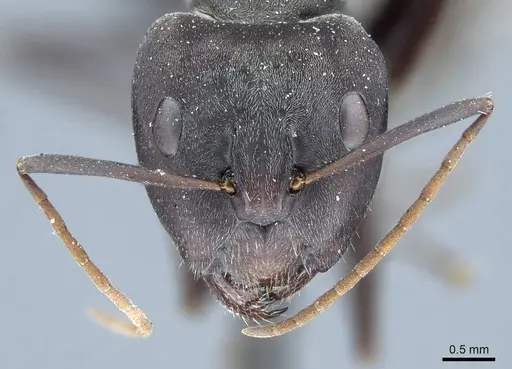
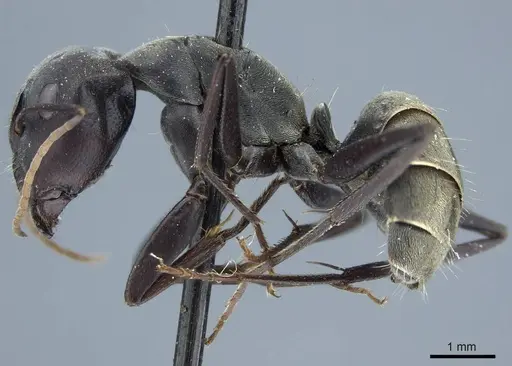
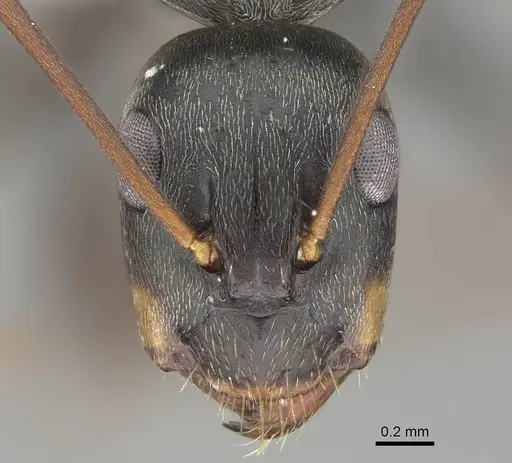
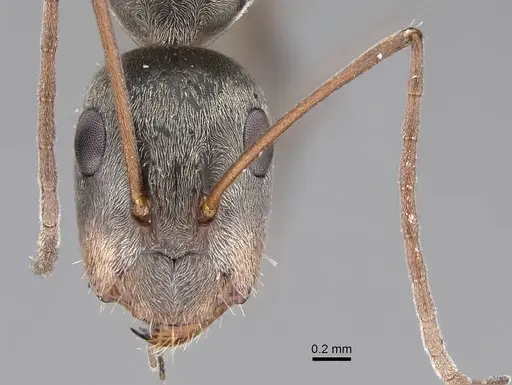
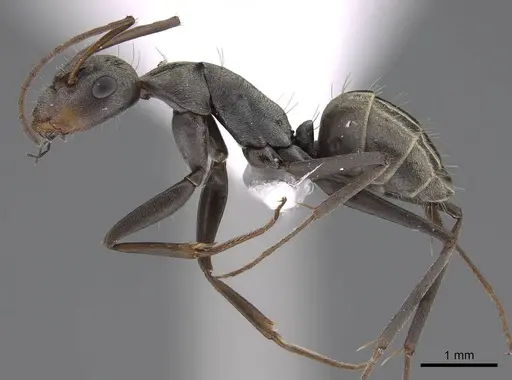
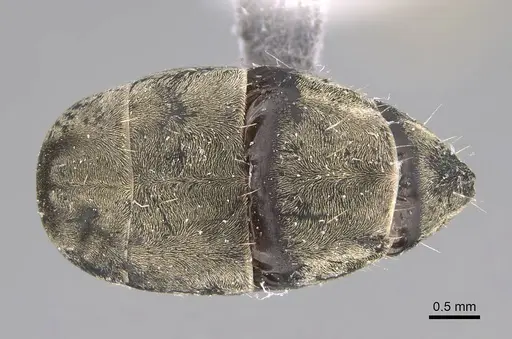
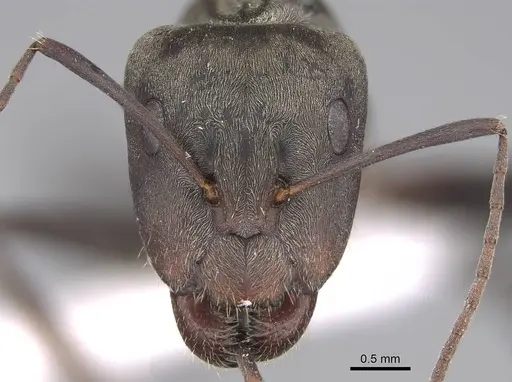
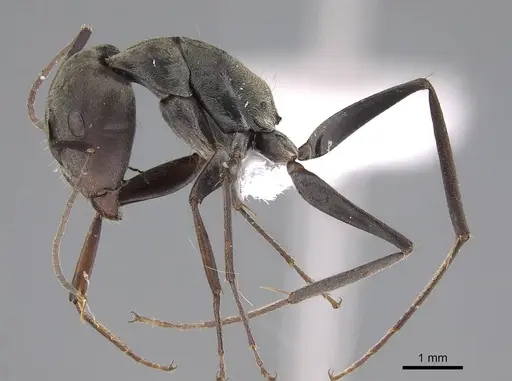
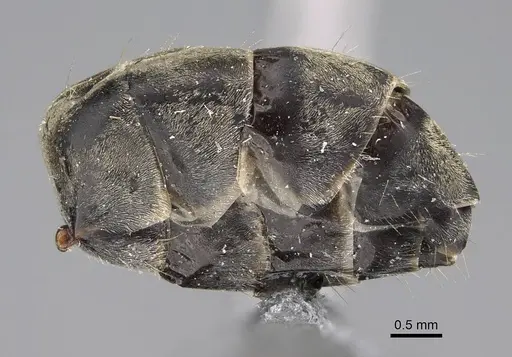
Camponotus flavomarginatus is a medium-sized ant species widespread across sub-Saharan Africa and the Arabian Peninsula. Workers measure approximately 6mm (minor) to 9mm (major) in total length, with a distinctive dense pale pubescence covering their body and a continuous curved mesosomal profile . This species nests in soil under stones and forages widely across the ground as well as on trees and herbaceous vegetation. It tends aphids on various crops including cocoa, cashew, coffee, and oil palm. The species was formally known as Camponotus jizani before being synonymized with C. flavomarginatus in 2022 . These ants are ground-nesting generalists found in warm climates across their range from West Africa to East Africa and the Arabian Peninsula.
Quick Summary
- Difficulty: Easy
- Origin & Habitat: Widespread across sub-Saharan Africa (Benin, Ghana, Nigeria, Kenya, Tanzania, Rwanda, South Africa, DRC) and the Arabian Peninsula (Saudi Arabia, Oman, UAE, Yemen). Found in grassland-forest zones, nesting in soil under stones on insolated ground. Forages on ground and trees in agricultural settings (cocoa, cashew, coffee, oil palm) and natural savannah [1][3][2].
- Colony Type: Single-queen colonies (monogyne), typical for Camponotus genus. Queens found nests in soil chambers and raise first workers alone.
- Size & Growth:
- Queen: Estimated 12-15mm based on Camponotus genus patterns
- Worker: Minor workers ~6mm, major workers ~9mm (total length) [1]
- Colony: Likely several hundred workers based on typical Camponotus colony development
- Growth: Moderate, typical Camponotus growth pattern
- Development: Estimated 6-8 weeks at optimal temperature based on genus Camponotus development patterns (Development time inferred from genus-level data, actual timing may vary with temperature)
- Antkeeping:
- Temperature: Keep at 24-28°C. This is a warm-climate African species that benefits from gentle heating. A heating cable on one side of the nest creates a gradient allowing workers to regulate their temperature.
- Humidity: Moderate humidity around 50-70%. In nature they nest in soil that can be loose and dry (Oman) or more moist (African forests). Provide a water tube and allow the nest area to maintain some moisture while providing drier areas for workers to choose.
- Diapause: Not required. As a tropical/subtropical species from Africa and Arabia, they do not experience cold winters. However, a slight cool period (around 18-20°C) during winter months may slow activity naturally.
- Nesting: Ground-nesting species. Works well with naturalistic setups using soil or sand, Y-tong (AAC) nests, or plaster nests. Provide substrate deep enough for queens to dig founding chambers. Accepts test tube clusters for founding colonies.
- Behavior: Generally calm and non-aggressive for a Camponotus species. Workers are active foragers that search both ground and vertical surfaces. They are generalists that will accept most protein and sugar sources. They tend aphids and will farm honeydew in captivity. This species lacks a functional sting, instead, workers may bite and spray formic acid as defense (typical Formicinae behavior).
- Common Issues: queen death during founding is common, ensure founding chamber is dark and undisturbed for 4-6 weeks, mold can develop in naturalistic setups if overwatered, maintain proper ventilation and balance moisture, slow initial growth can worry beginners, claustral Camponotus queens take time to raise first workers, wild-caught colonies may have parasites, quarantine and monitor new colonies, heating too aggressively can dry out the nest, use a gradient so ants can move to comfortable temperatures
Nest Preferences and Setup
Camponotus flavomarginatus is a ground-nesting species that naturally excavates nests in soil. In captivity, they adapt well to multiple setups. For founding colonies, a test tube setup works well, place the queen in a dark tube with a water reservoir at one end, separated by a cotton plug. The queen will seal herself in and remain there until her first workers emerge. For established colonies, you can use a Y-tong (AAC) nest, plaster nest, or naturalistic setup with soil/sand mixture. If using a naturalistic setup, provide enough depth (at least 5-10cm) for the colony to dig chambers. They do well with moderate humidity, the substrate should feel slightly damp but not waterlogged. In Oman, they have been found nesting under stones in loose, dry soil [2], showing they can tolerate drier conditions than many ants.
Feeding and Diet
These ants are generalist feeders, much like other Camponotus species. In the wild, they forage for honeydew from aphids and scale insects (they tend aphids on cocoa, cashew, coffee, and oil palm [4]) and hunt small invertebrates. In captivity, offer a varied diet: sugar water or honey as a constant energy source, and protein sources like mealworms, small crickets, or other insects 2-3 times per week. They will also accept fruit occasionally. Since they are active foragers, place food in the outworld where they can easily find it. Remove uneaten prey after 24-48 hours to prevent mold. Their generalist nature means they are not picky eaters, most captive ant foods will be accepted.
Temperature and Seasonal Care
Being a tropical/subtropical species from Africa and Arabia, Camponotus flavomarginatus prefers warm conditions. Keep the nest area at 24-28°C for optimal brood development. You can use a heating cable placed on top of the nest (never under it, as direct bottom heat can cause drying and condensation issues) to maintain warmth. Create a temperature gradient so workers can move between warmer and cooler areas. Unlike temperate species, they do not require a true hibernation or diapause period. During winter, you can allow room temperature (around 18-22°C) which will naturally slow their activity without harming them. Avoid temperatures below 15°C for extended periods. They are adaptable but clearly prefer warmth, in the wild they are found on insolated ground in warm climates [4].
Behavior and Colony Dynamics
Camponotus flavomarginatus workers are active foragers that search both horizontal and vertical surfaces. They are not particularly aggressive or defensive, colonies tend to be calm compared to some other ant species. Workers will readily forage for food in the outworld and will tend any aphids or scale insects you provide. The colony will grow from a single claustral queen (who seals herself in to raise her first brood) to a multi-hundred worker colony over the course of a year or two. Major workers (around 9mm) develop as the colony grows and take on tasks like defending the nest and cutting larger food items. Minors (around 6mm) handle most foraging and brood care. This species does not form supercolonies and each colony maintains its own territory. [1]
Frequently Asked Questions
How long does it take for Camponotus flavomarginatus to have first workers?
Expect first workers (nanitics) around 6-8 weeks after the queen lays eggs, assuming temperatures around 24-28°C. This is typical for Camponotus species, the queen raises the first brood alone in her sealed chamber. Be patient and avoid disturbing the founding setup during this time.
Can I keep Camponotus flavomarginatus in a test tube?
Yes, test tubes work well for founding colonies. Use a test tube with a water reservoir at one end, separated by a cotton plug. Place it in darkness and leave the queen undisturbed for 4-6 weeks. Once workers emerge, you can gradually transition them to a formicarium if desired.
What do Camponotus flavomarginatus eat?
They are generalist feeders. Offer sugar water or honey constantly, and protein sources like mealworms, small crickets, or other insects 2-3 times weekly. They will also accept fruit and will farm aphids if provided.
Are Camponotus flavomarginatus good for beginners?
Yes, this species is beginner-friendly. They are adaptable, generalist feeders, and not particularly aggressive. Their main requirements are warm temperatures and basic humidity management. The main challenge is patience during the founding stage when the queen is sealed in.
Do Camponotus flavomarginatus need hibernation?
No, they do not require hibernation. As a tropical/subtropical African/Arabian species, they do not experience cold winters. You can keep them at room temperature year-round, or slightly cooler (18-20°C) in winter to match natural seasonal slowdown.
How big do Camponotus flavomarginatus colonies get?
Based on typical Camponotus patterns, expect several hundred workers at maturity. Colonies grow gradually over 1-2 years from a single queen to full size.
When should I move my colony to a formicarium?
Move to a formicarium once the colony reaches 30-50 workers and the test tube is becoming cramped. Make sure the formicarium has appropriate humidity and nesting space. You can connect the test tube to the formicarium and let the ants move themselves.
Report an Issue
The current care sheet is based fully on literature. See inconsistencies, or something that's incorrect? Please , it will be resolved after review from an admin. Contributing to the blogs tab also helps providing information, to make us be able to further improve the caresheets. Thank you for your support!
References

This caresheet is licensed under CC BY-SA 4.0 .
Community Blogs
CASENT0068384
View on AntWeb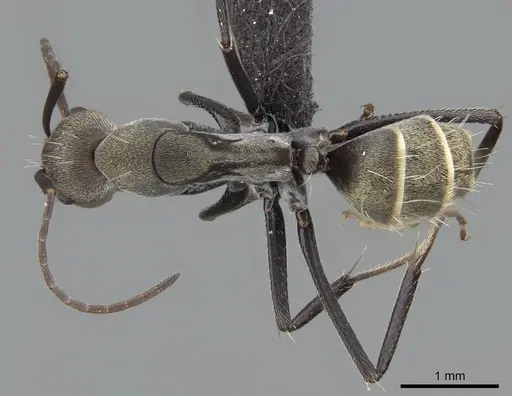
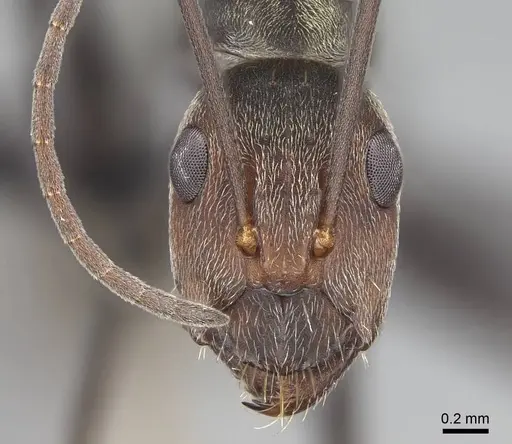
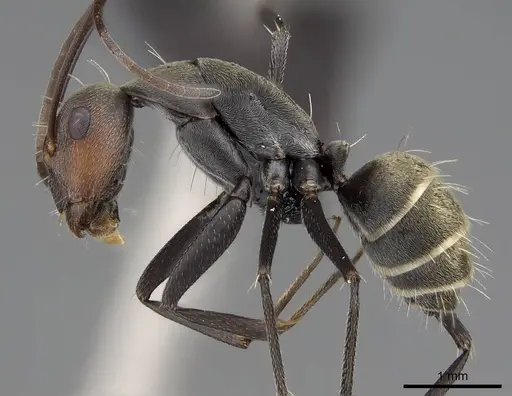
CASENT0264178
View on AntWeb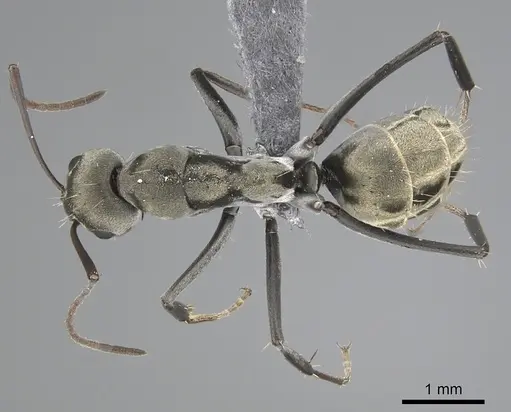
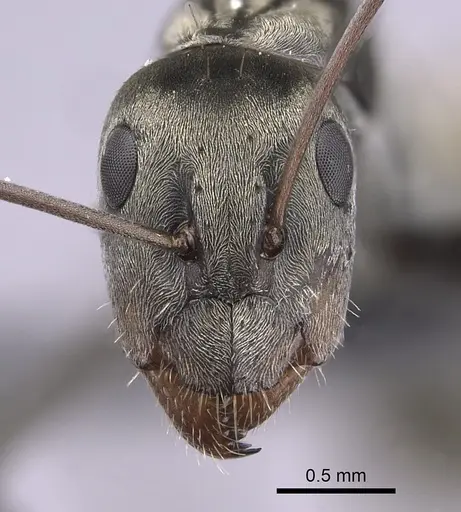
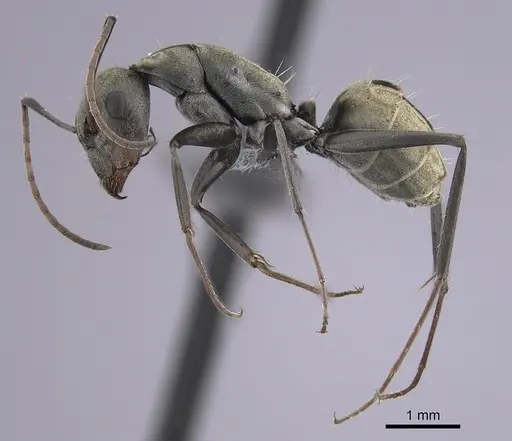
CASENT0280317
View on AntWeb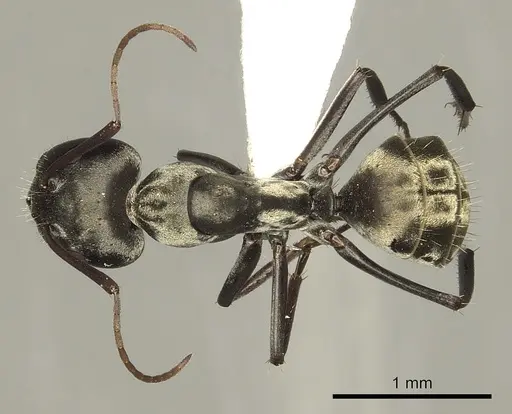
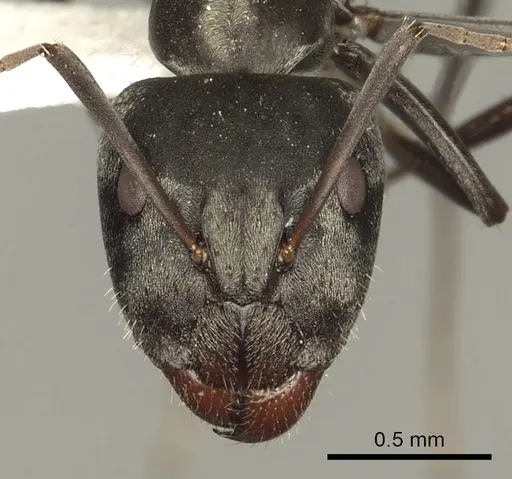
CASENT0280318
View on AntWeb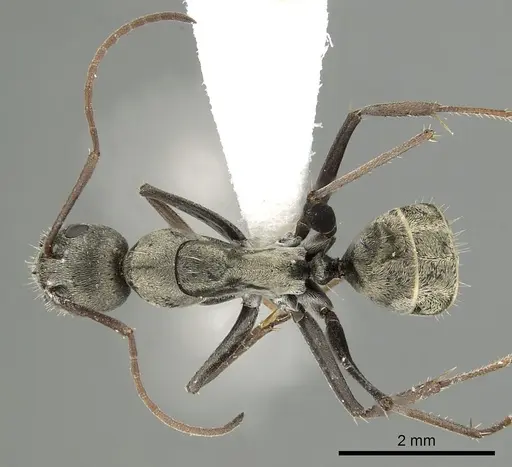
CASENT0882207
View on AntWeb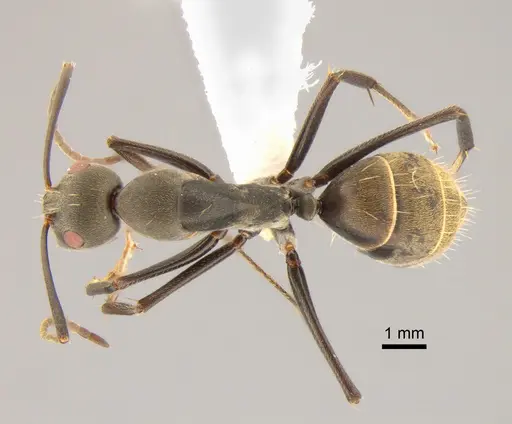
CASENT0903508
View on AntWeb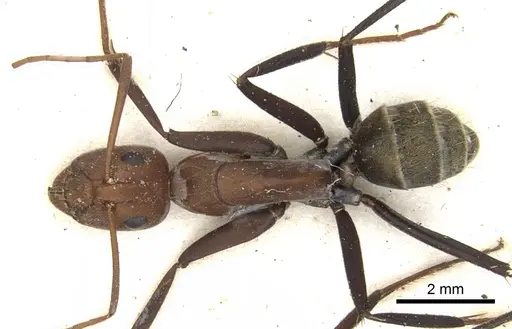
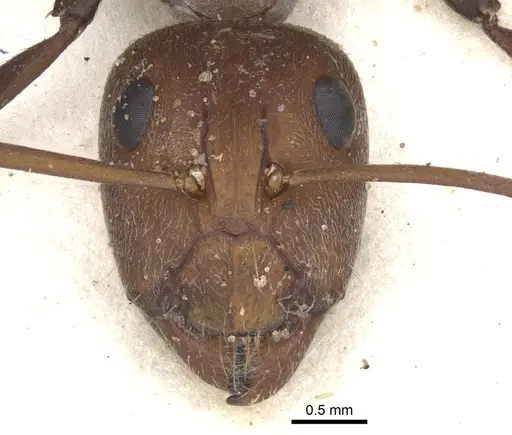
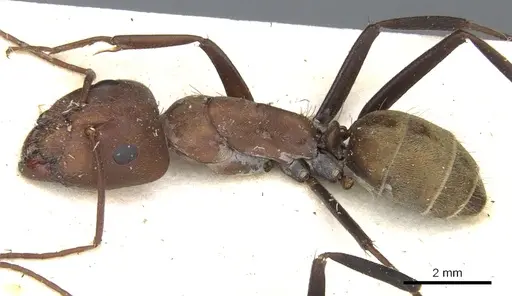
CASENT0905793
View on AntWeb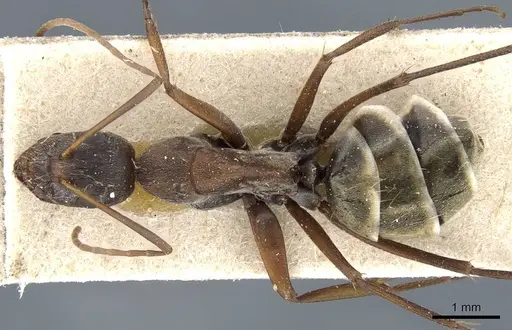
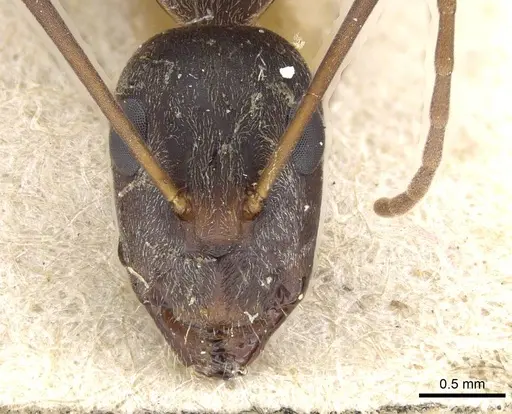
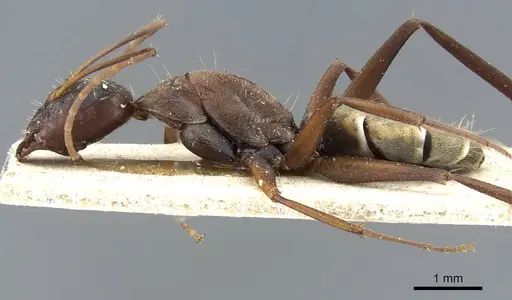
CASENT0906445
View on AntWeb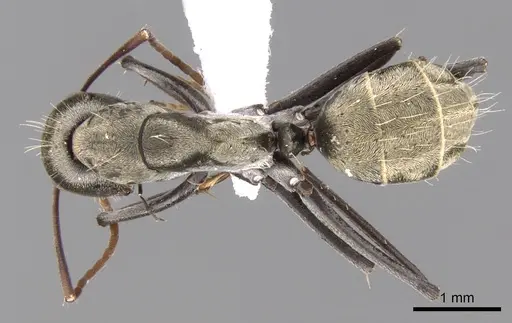
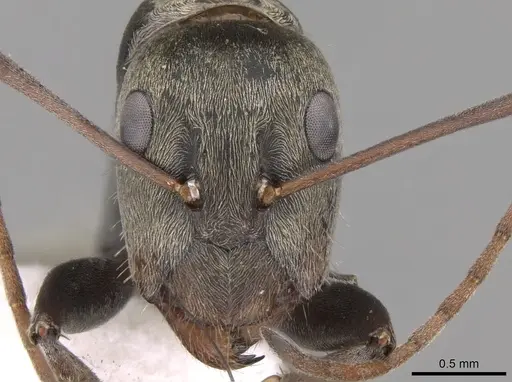
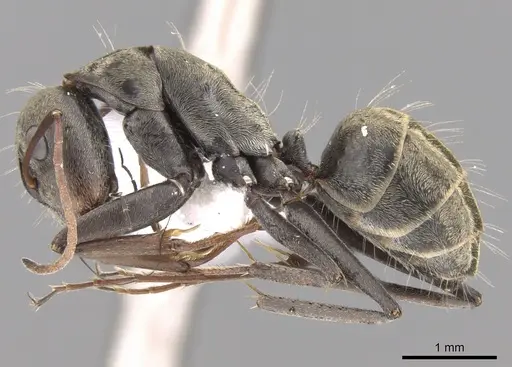
CASENT0911619
View on AntWeb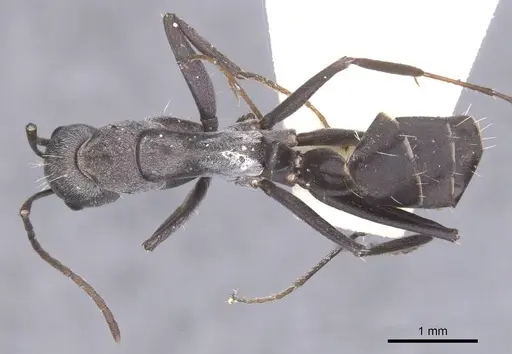
CASENT0911767
View on AntWeb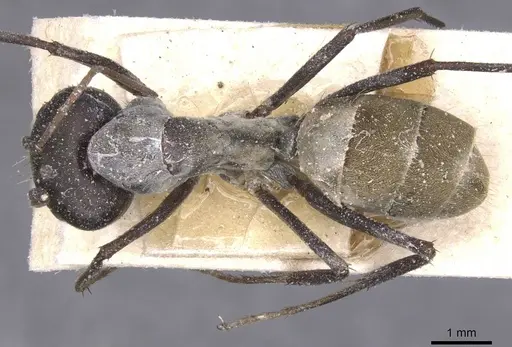
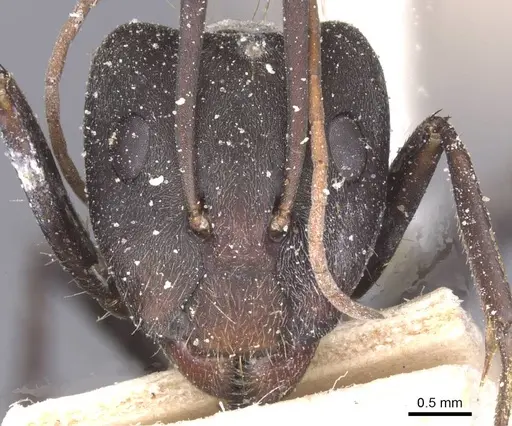
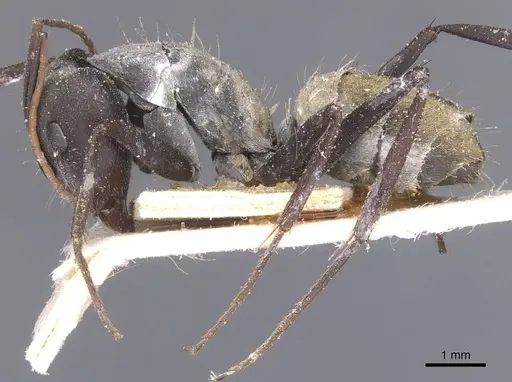
CASENT0911768
View on AntWeb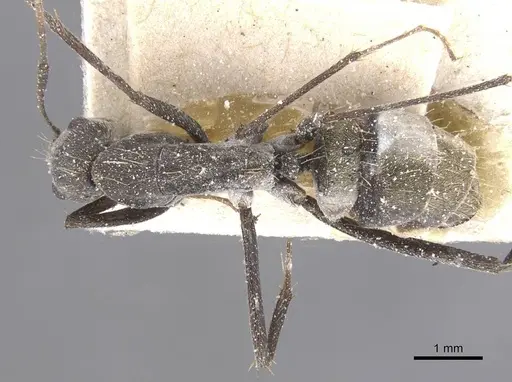
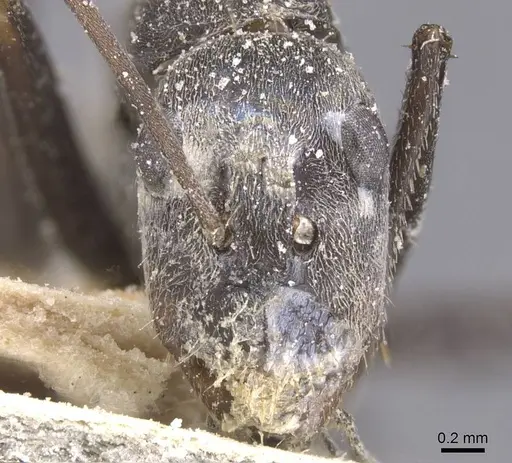
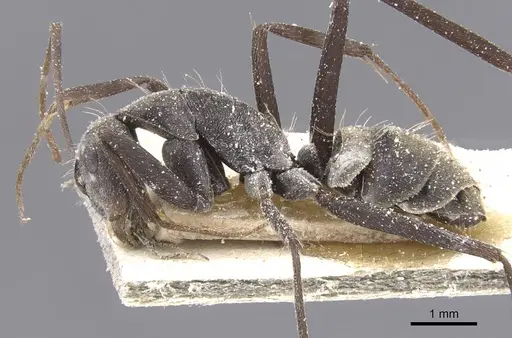
CASENT0911769
View on AntWeb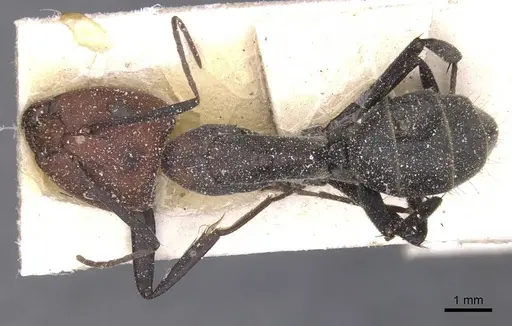
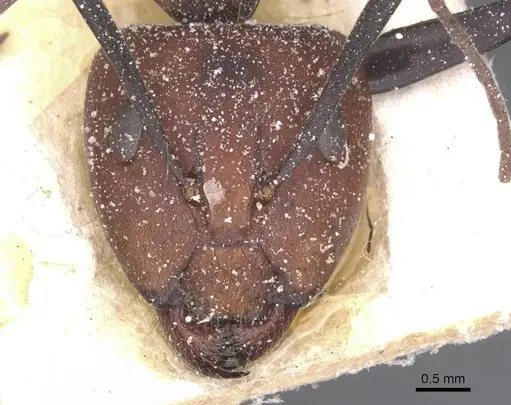
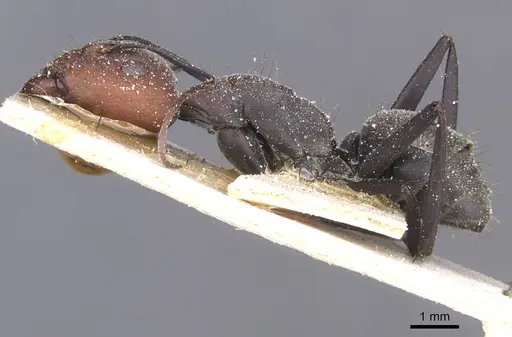
CASENT0911770
View on AntWeb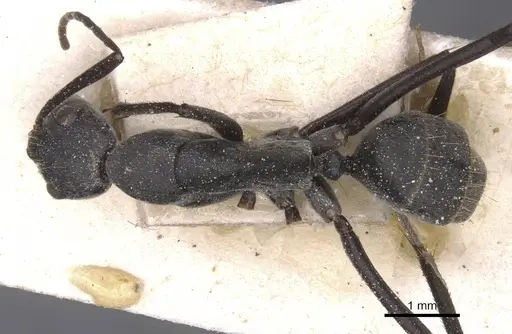
CASENT0915599
View on AntWeb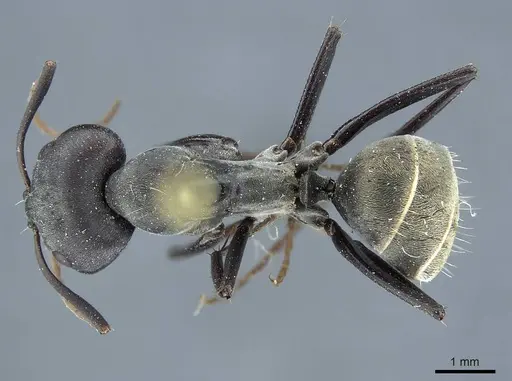
CASENT0919820
View on AntWeb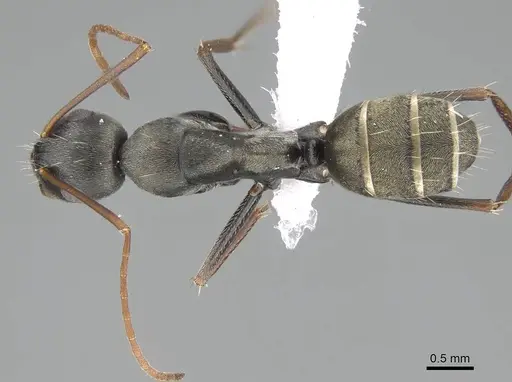
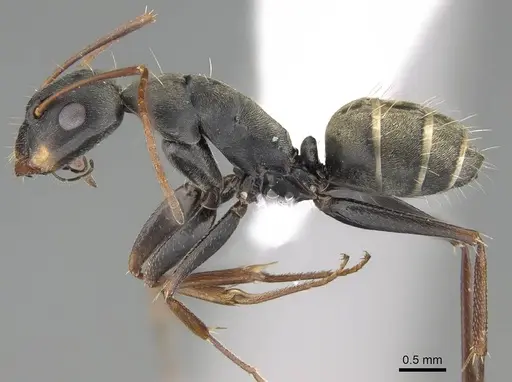
CASENT0922313
View on AntWeb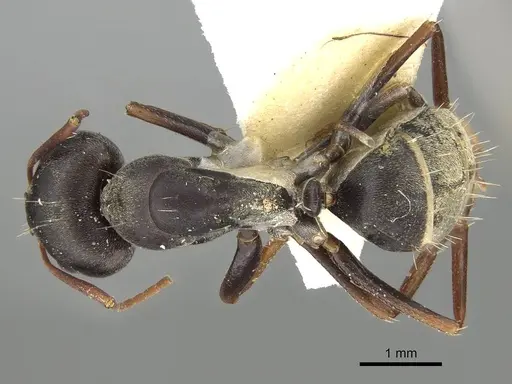
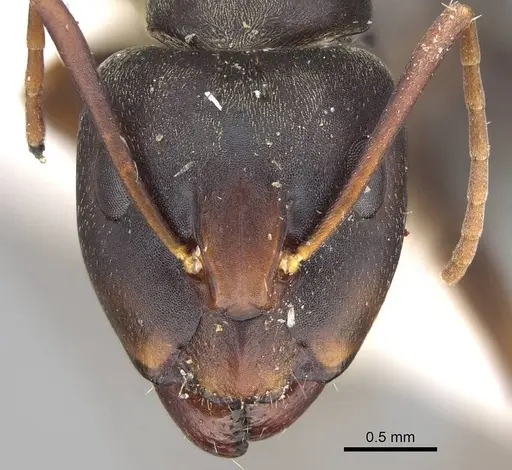
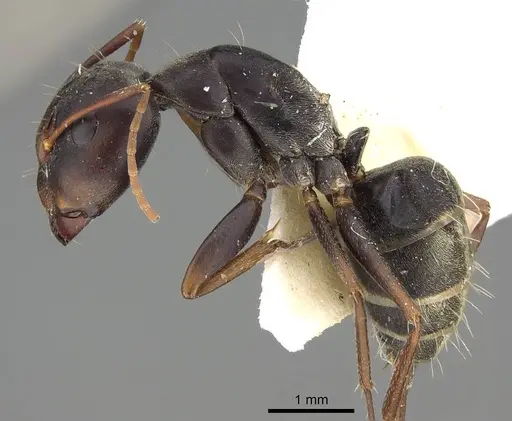
CASENT0922854
View on AntWeb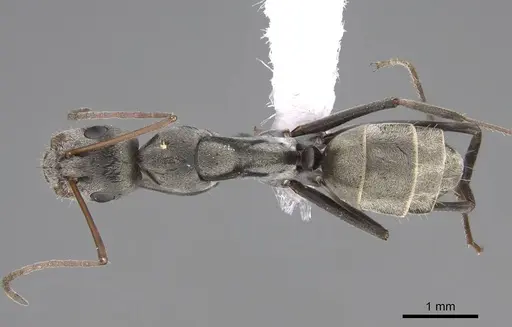
CASENT0922855
View on AntWeb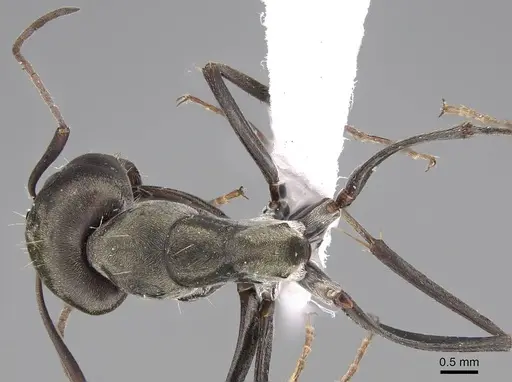
Literature
Loading distribution map...Loading products...