
Camponotus femoratus
- Sci. Name
- Camponotus femoratus
- Subgenus
- Myrmaphaenus
- Tribe
- Camponotini
- Subfamily
- Formicinae
- Author
- Fabricius, 1804
- Distribution
- Found in 8 countries
Introduction
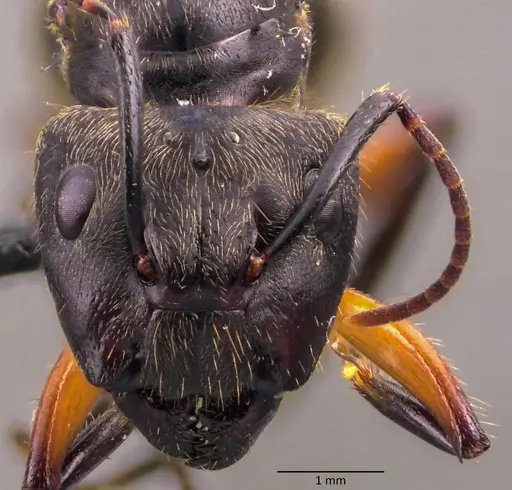
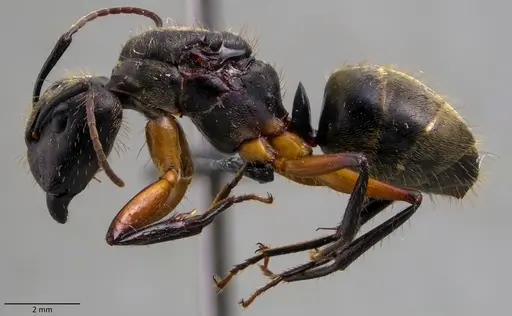
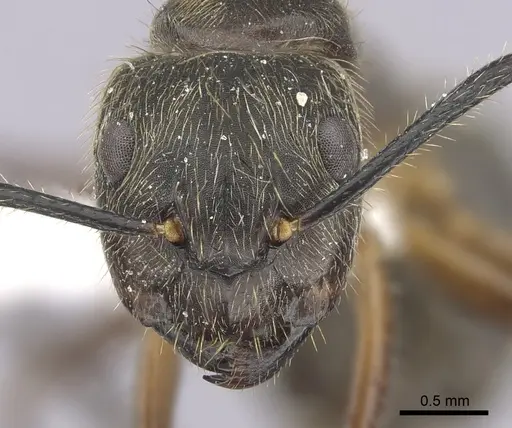
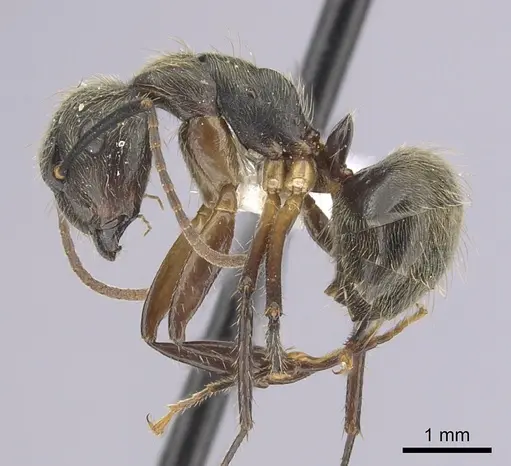
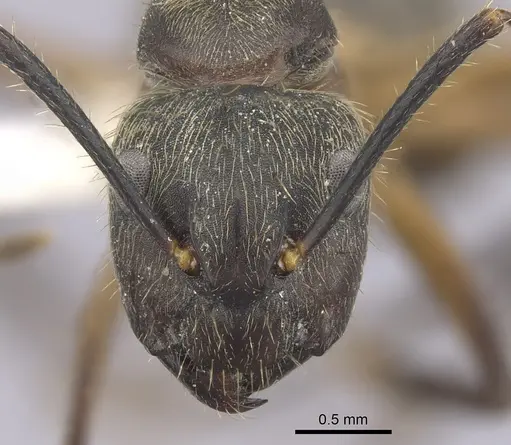
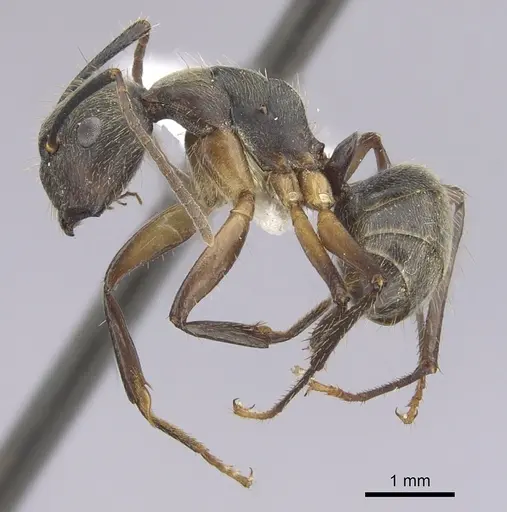
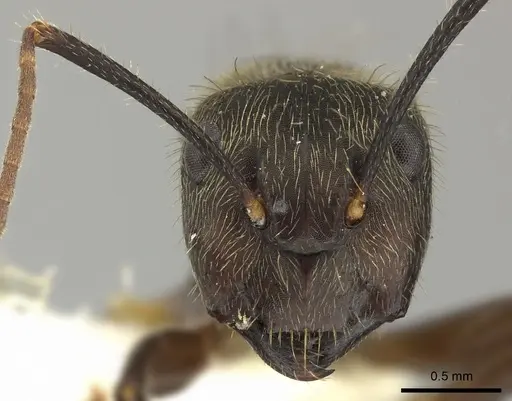
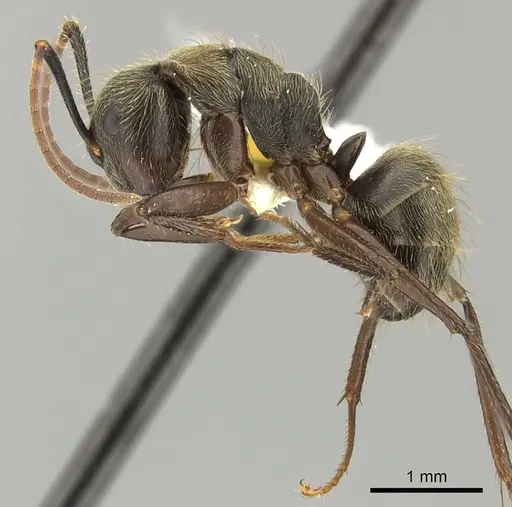
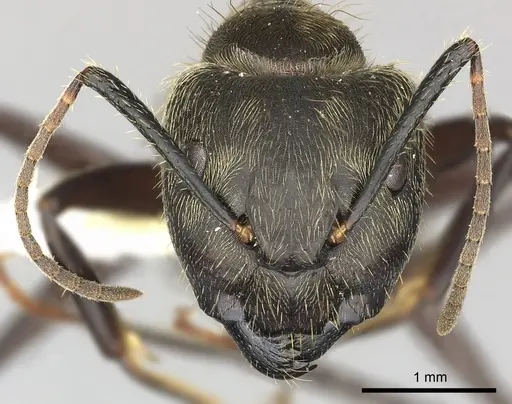
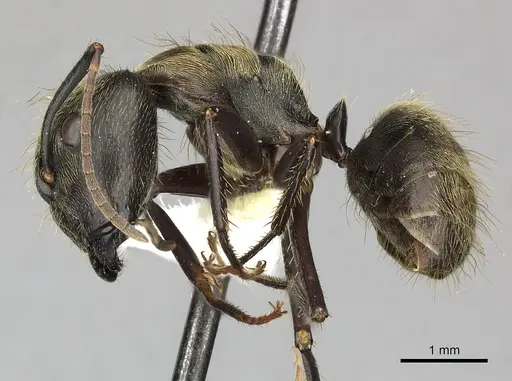
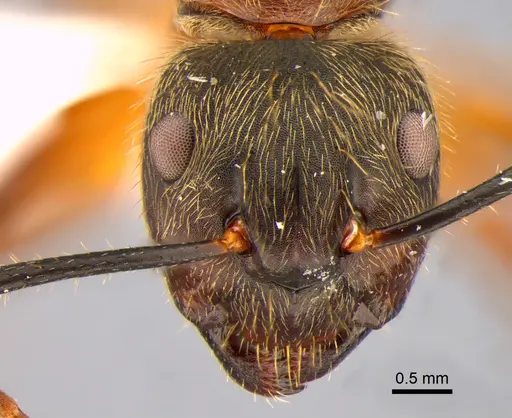
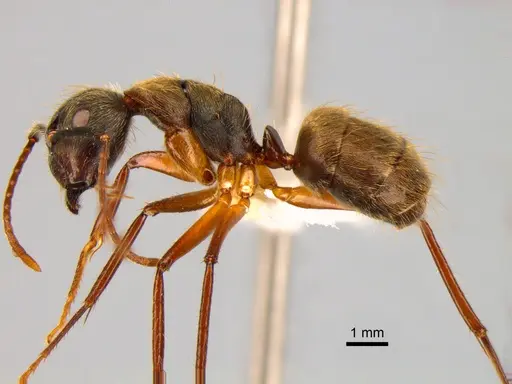
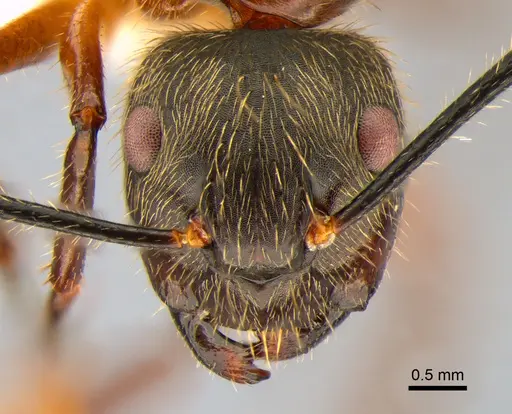
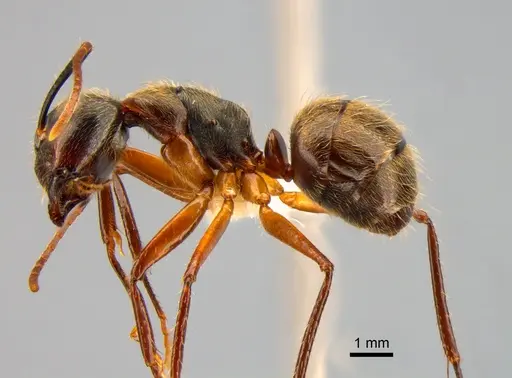
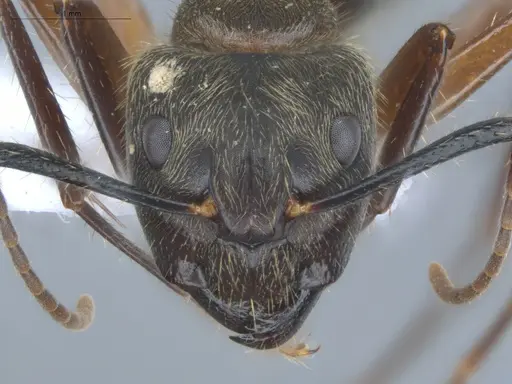
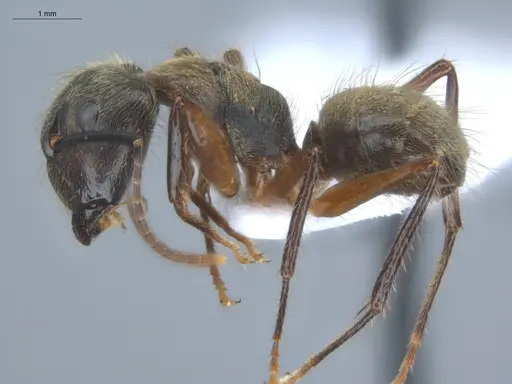
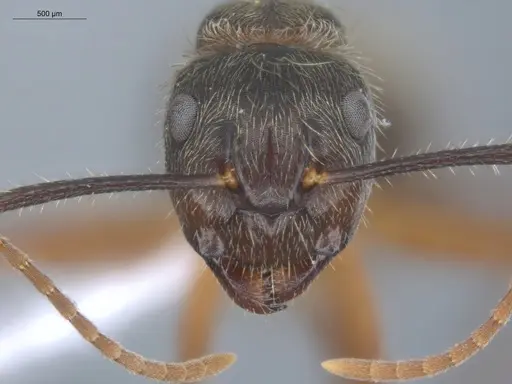
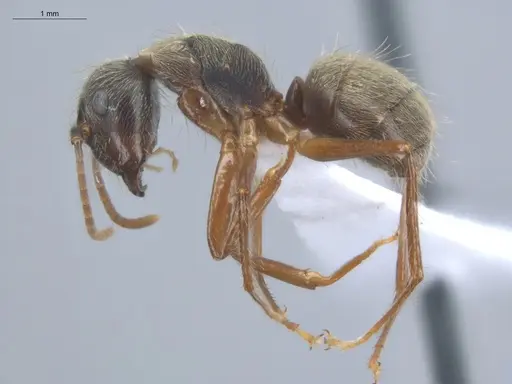
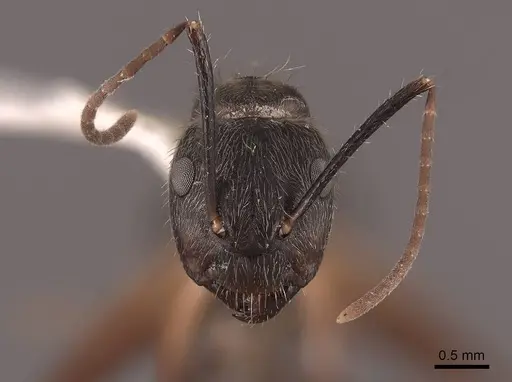
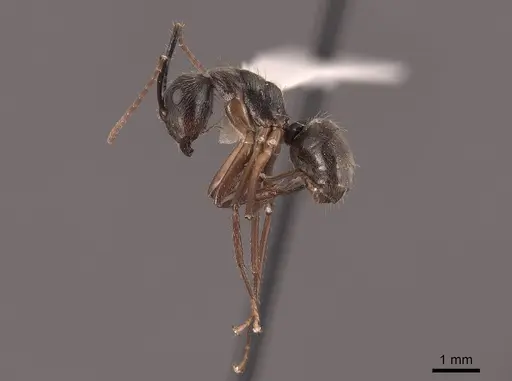
Camponotus femoratus is a medium-sized, aggressive arboreal ant native to the Amazon rainforest of South America. These ants are dark brown with reddish-brown legs and have abundant erect hairs on their scapes and tibiae. They are famous for building ant gardens - elaborate arboreal nests made of carton material that incorporate epiphyte plants. This species lives in a parabiotic relationship with Crematogaster levior, sharing the same nests and foraging trails while maintaining separate brood chambers. Colonies are polygynous (multiple queens) and polydomous (multiple connected nests), often spanning many trees in the forest canopy . This species is notable for its extreme aggression - it is one of the most aggressive ant species in the world. Workers deliver painful bites and spray formic acid onto the wound. Edward Wilson categorized them among the most aggressive ants globally .
Quick Summary
- Difficulty: Expert
- Origin & Habitat: Amazon rainforest of Brazil, Colombia, Ecuador, French Guiana, Guyana, Peru, Suriname, Trinidad, and Venezuela. They nest arboreally in carton nests within ant gardens, typically in partially shaded forest edges and understory areas [3][5].
- Colony Type: Polygynous (multiple queens) and polydomous (multiple connected nests). Colonies average 17 nests but can have up to 33. They live in parabiotic association with Crematogaster levior, sharing nests and trails but maintaining separate brood chambers [2][4].
- Size & Growth:
- Queen: ~10-12 mm, inferred from Camponotus genus patterns
- Worker: ~6-9 mm, inferred from Camponotus genus patterns
- Colony: Very large, polydomous colonies spanning multiple trees with thousands of workers [4][2]
- Growth: Moderate
- Development: ~6-8 weeks, inferred from typical Camponotus development at tropical temperatures (Development time is inferred from genus patterns, direct measurements are not available for this species)
- Antkeeping:
- Temperature: Keep at 24-28°C. They inhabit warm, humid rainforest environments and require consistent warmth year-round [2].
- Humidity: High humidity (70-85%). These ants naturally live in rainforest canopy conditions with high ambient moisture. Keep nest substrate consistently moist but not waterlogged.
- Diapause: No, this is a tropical species that does not hibernate. Maintain warm, stable conditions year-round [5].
- Nesting: Arboreal ants that build carton nests. In captivity, they do well in Y-tong (AAC) nests or naturalistic setups with vertical structures. Provide multiple chambers and climbing surfaces. They prefer partially shaded conditions similar to forest understory [2][1].
- Behavior: Extremely aggressive, one of the most aggressive ant species in the world. They deliver painful bites and spray formic acid. They are territorial dominants in rainforest canopies and will launch mass attacks on threats. Workers forage individually rather than recruiting nestmates, using chemical trails of their Crematogaster partners to find food. They are active foragers that search both on the ground and in vegetation. Escape prevention is critical, they are strong climbers and will exploit any gap [3][6][5].
- Common Issues: aggressive temperament makes them difficult to work with, expect painful bites and formic acid spray, tropical species requires constant warmth, cold temperatures can be fatal, polygynous colony structure means multiple queens must be kept together, large polydomous colonies need lots of space, single nests quickly become inadequate, escape risk due to their climbing ability, wild-caught colonies may carry parasites including zombie ant fungus (Ophiocordyceps) [6][7]
Housing and Nest Setup
Camponotus femoratus requires arboreal-style housing that mimics their natural canopy nesting habits. Y-tong (AAC) nests work well, providing multiple connected chambers with vertical orientation. You can also use naturalistic setups with cork bark, branches, or artificial plants for them to climb. These ants need space to expand, their colonies are polydomous in the wild, so a single chamber will quickly become cramped. Include a water tube for humidity and ensure the nest has good ventilation while maintaining moisture. Because they are aggressive and excellent climbers, all connections between the nest and outworld must be sealed with fluon or other barriers. The outworld should be spacious with multiple feeding stations since they forage individually rather than in groups. [1][2][5]
Feeding and Diet
As generalist foragers, C. femoratus accepts a wide variety of foods. They are part of the trophobiont-tending functional group, so they will readily consume honeydew from aphids and scale insects, along with sugar water or honey. Protein sources like insects should be offered regularly. In the wild, they also collect seeds from their host epiphytes and feed on extrafloral nectar. Unlike many ants, they typically forage individually rather than recruiting nestmates to food sources. Feed them every 2-3 days, removing uneaten prey to prevent mold. Always keep a sugar source available in the outworld. [6]
Temperature and Humidity
These are true tropical ants that need warm, humid conditions year-round. Maintain temperatures between 24-28°C using a heating cable or mat if your room temperature is below this range. Avoid any temperature drops below 20°C, prolonged cold can weaken or kill colonies. Humidity should be kept high (70-85%) by maintaining moist substrate in the nest and providing a water tube. Mist the outworld occasionally, but avoid creating standing water. Place the heating element on top of the nest to create gentle warmth without drying out the nest too quickly. Monitor condensation levels, some moisture is good, but excessive condensation can indicate too much humidity. [2][5]
Working with Aggressive Ants
Camponotus femoratus is notorious for its aggression, they are among the most aggressive ant species in the world. Workers have powerful mandibles that can break skin, and they follow bites by spraying formic acid onto the wound. When defending their nest, they attack in mass, making them dangerous to handle without proper protection. When working with this species, always use long forceps, wear gloves, and move slowly to avoid provoking attacks. Never open the nest without having escape prevention ready, once they escape, they will aggressively defend their territory and bites are painful. Their aggression also means they should be kept away from other ant colonies and pets. This species is not recommended for beginners or anyone uncomfortable handling aggressive insects. [4][5]
The Ant Garden Relationship
One of the most fascinating aspects of C. femoratus is their mutualistic relationship with epiphyte plants. In the wild, they build ant gardens by incorporating seeds and seedlings of specific plants into their carton nests. The ants benefit from increased nest stability through the plants' root systems, while the plants get protection from herbivores, nutrients from ant debris, and a growing substrate. The ants are so specialized that they can identify ant-garden plant seeds from a distance using volatile chemical cues, and will collect these seeds even without nutritional rewards like fruit pulp or elaiosomes. In captivity, you can simulate this by providing pieces of cork or other materials they can incorporate into their nests, though the full ant garden relationship is difficult to replicate.
Parabiosis with Crematogaster levior
C. femoratus lives in an obligate parabiotic relationship with Crematogaster levior, they share the same nests and foraging trails but maintain separate brood chambers. This relationship is characterized by high interspecific tolerance and low inter-colony discrimination. The two species benefit from each other: C. femoratus provides aggressive nest defense while C. levior provides food discovery through its pheromone trails. C. femoratus workers will follow C. levior chemical trails to find food sources. Interestingly, the two species have temporal niche partitioning, C. femoratus forages more during the day while C. levior is more active at night. In captivity, keeping C. levior with C. femoratus is not required but can replicate their natural association if you wish to observe this unique relationship. [2][4][6]
Seasonal Care and Health
As a tropical species, C. femoratus does not require hibernation or diapause. Maintain consistent warm, humid conditions year-round. Watch for signs of stress including workers appearing sluggish, avoiding the nest, or excessive mortality. These ants can be susceptible to fungal pathogens in overly humid or dirty conditions, keep the setup clean and remove uneaten food promptly. They can also be hosts of the zombie ant fungus Ophiocordyceps, though this is primarily a concern with wild-caught colonies. If you collect from the wild, quarantine and observe the colony carefully. Regular monitoring and clean husbandry practices will help keep your colony healthy.
Colony Growth and Expansion
C. femoratus colonies grow large and need space to expand. They are polygynous (multiple queens) and polydomous (multiple connected nests), so plan for expansion from the start. In the wild, colonies can have 3-33 nests spread across multiple trees. In captivity, you should be prepared to connect multiple formicaria or provide increasingly large setups as the colony grows. Growth rate is moderate, typical for Camponotus. First workers (nanitics) will be smaller but will grow in size as the colony establishes. With multiple queens, colony growth can be faster than single-queen species. Monitor for queen aggression, though polygynous colonies typically coexist peacefully. [2][4]
Frequently Asked Questions
Is Camponotus femoratus a good species for beginners?
No. This species is not recommended for beginners. They are one of the most aggressive ant species in the world, delivering painful bites combined with formic acid spray. They also require specific tropical conditions and need lots of space as their colonies grow very large. This species is best suited for experienced antkeepers who are comfortable handling aggressive species.
Can I keep multiple queens together?
Yes, this species is naturally polygynous (multiple queens). In the wild, colonies typically have multiple reproductive queens living together in the same nest. You can keep multiple foundresses together, though you should monitor for excessive aggression during the founding phase.
How long does it take for first workers to appear?
Based on typical Camponotus development, expect first workers (nanitics) in approximately 6-8 weeks at tropical temperatures (24-28°C). This is an estimate based on genus patterns, as specific development times have not been documented for this species.
Do Camponotus femoratus need hibernation?
No. This is a tropical Amazonian species that does not hibernate. They need warm, stable temperatures year-round (24-28°C). Cold temperatures can weaken or kill colonies.
What do Camponotus femoratus eat?
They are generalist foragers. Offer sugar sources (honey water, sugar water) constantly, along with protein sources like insects 2-3 times per week. They will also tend aphids for honeydew if given the opportunity.
How big do colonies get?
Very large. In the wild, colonies are polydomous with an average of 17 nests (up to 33) spread across multiple trees. Expect thousands of workers in established colonies. You will need to provide significant space or be prepared to expand their housing frequently.
Can I keep Crematogaster levior with Camponotus femoratus?
Yes, you can. These species naturally live in parabiotic association in the wild, sharing nests and trails while maintaining separate brood chambers. They show high interspecific tolerance. However, keeping both species is not required for successful husbandry of C. femoratus alone.
Why are my Camponotus femoratus dying?
Common causes include: temperatures below 20°C (tropical species cannot tolerate cold), low humidity causing desiccation, poor nutrition, fungal growth from dirty conditions, or stress from excessive disturbance. Check your temperature and humidity levels first. Also ensure they are not being exposed to vibrations or disturbances that stress the colony.
Are Camponotus femoratus invasive anywhere?
No. This species is native to the Amazon basin in South America and has not been documented as invasive in other regions. They are restricted to their natural tropical range in countries like Brazil, Colombia, Peru, and French Guiana.
What makes Camponotus femoratus special?
They are one of the few ant species that actively cultivate gardens by planting epiphyte seeds in their nests for mutual benefit. They also live in parabiosis with Crematogaster levior, one of the most stable ant-ant mutualisms known. Combined with their extreme aggression and dominance in Amazonian canopies, they represent a remarkable example of ant ecology.
When should I move them to a formicarium?
Wait until the colony has at least 50-100 workers before moving to a formicarium. They do well in Y-tong nests or naturalistic arboreal setups. Ensure the formicarium has multiple chambers and provides space for colony expansion, as they are polydomous in the wild.
Report an Issue
The current care sheet is based fully on literature. See inconsistencies, or something that's incorrect? Please , it will be resolved after review from an admin. Contributing to the blogs tab also helps providing information, to make us be able to further improve the caresheets. Thank you for your support!
References

This caresheet is licensed under CC BY-SA 4.0 .
Community Blogs
ANTWEB1060073
View on AntWeb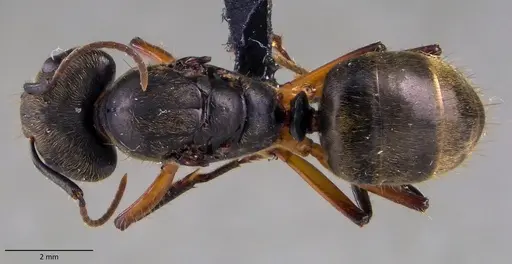
CASENT0249351
View on AntWeb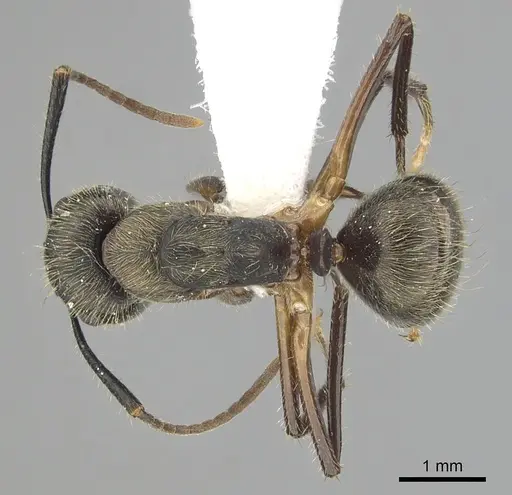
CASENT0249352
View on AntWeb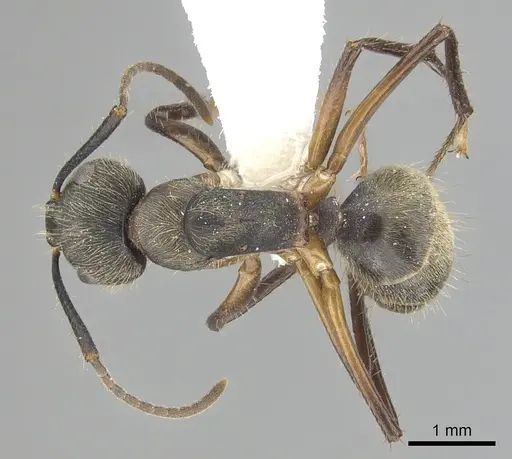
CASENT0249605
View on AntWeb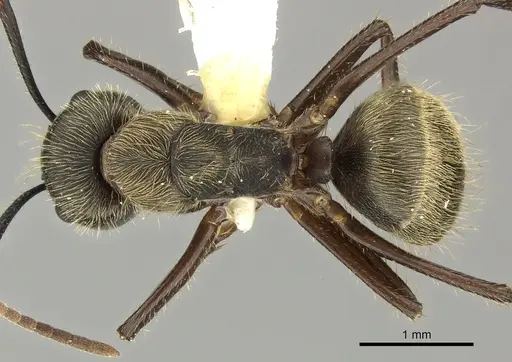
CASENT0619231
View on AntWeb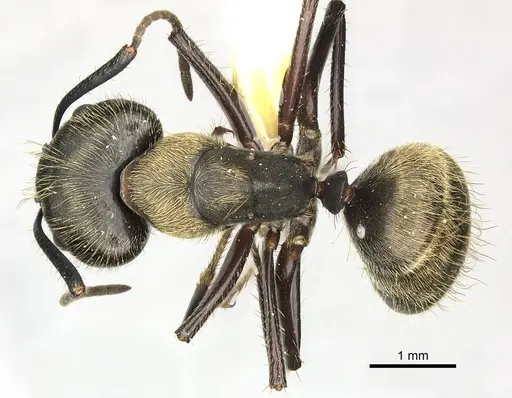
CASENT0882015
View on AntWeb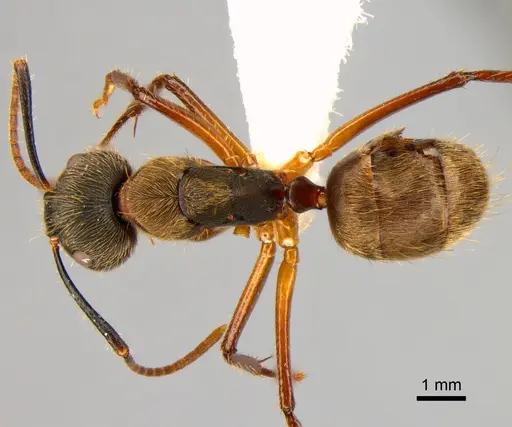
CASENT0882016
View on AntWeb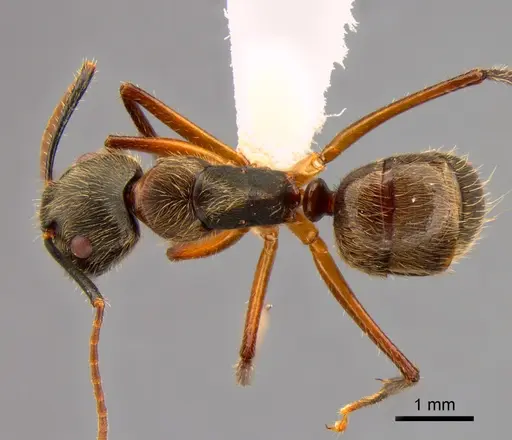
ECOFOG-MI15-0259-28
View on AntWeb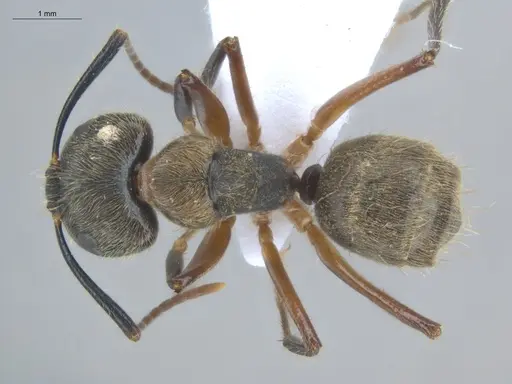
ECOFOG-SL13-1223-12
View on AntWeb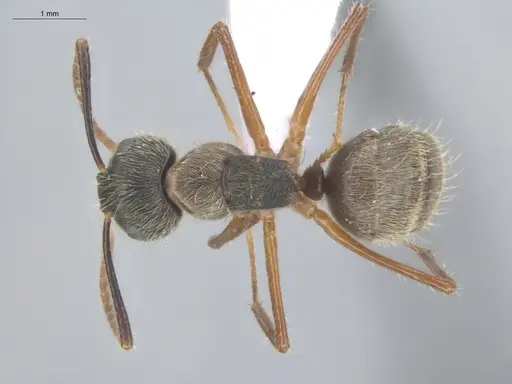
FMNHINS0000046088
View on AntWeb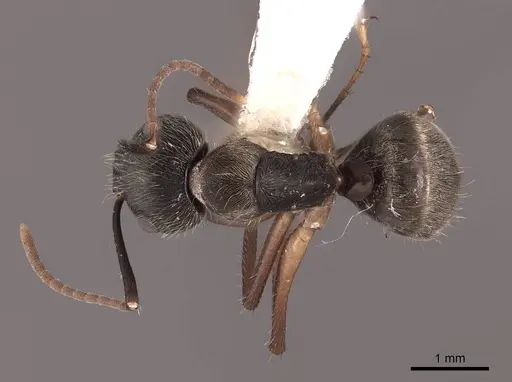
Literature
Loading distribution map...Loading products...