
Camponotus fellah
- Sci. Name
- Camponotus fellah
- Subgenus
- Tanaemyrmex
- Tribe
- Camponotini
- Subfamily
- Formicinae
- Author
- Dalla Torre, 1893
- Distribution
- Found in 3 countries
Introduction
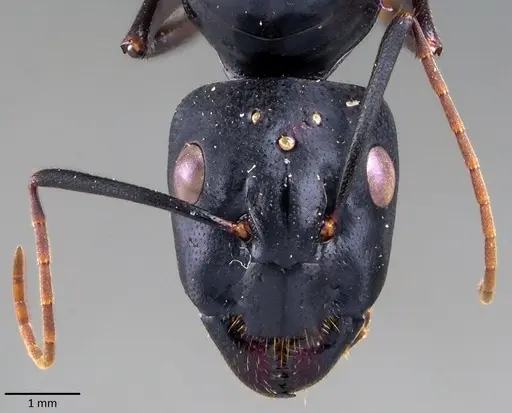
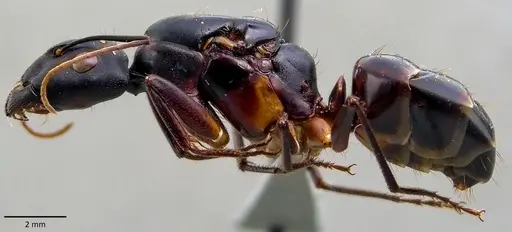
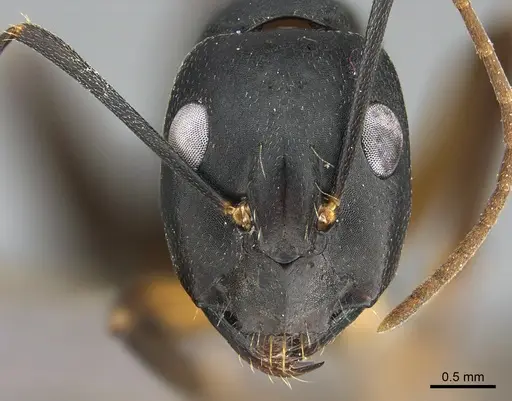
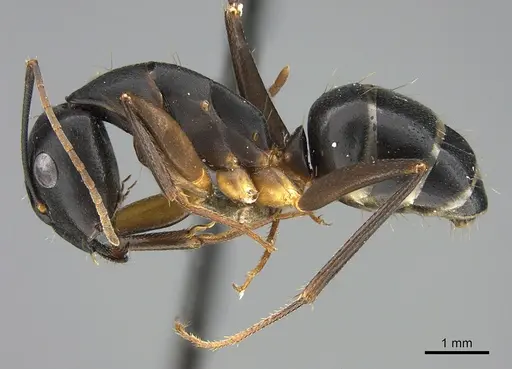
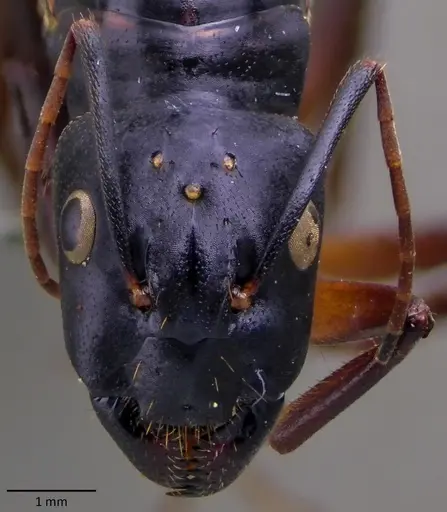
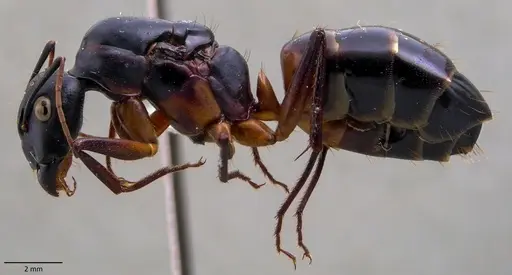
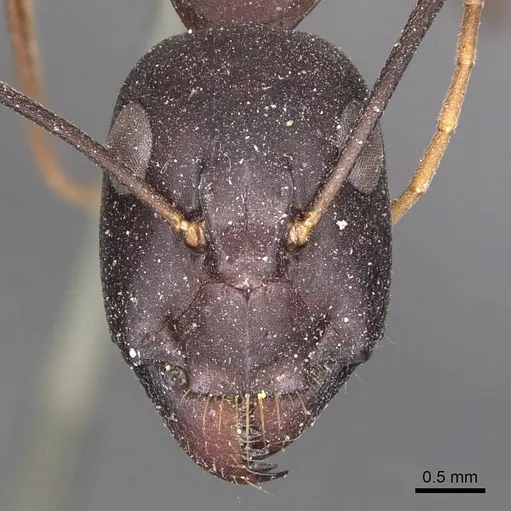
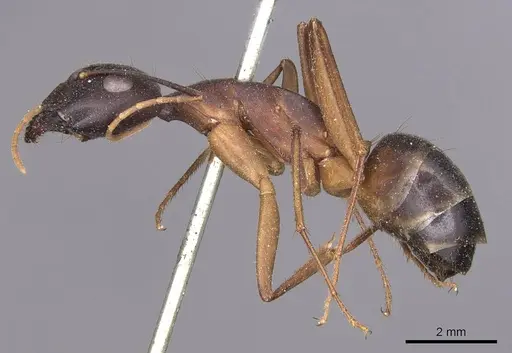
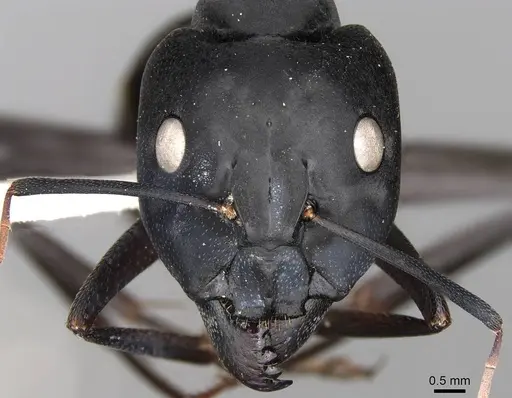
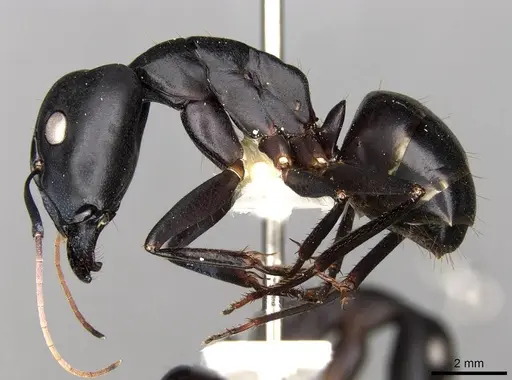
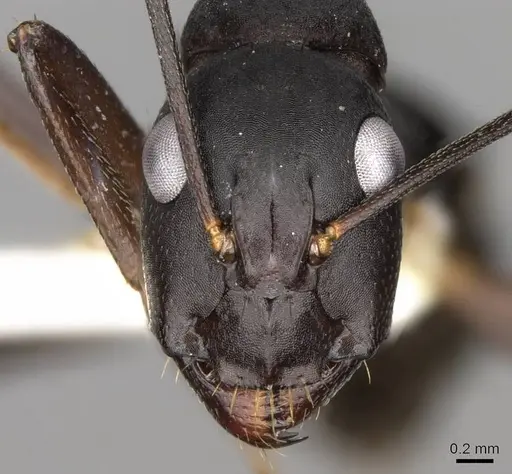
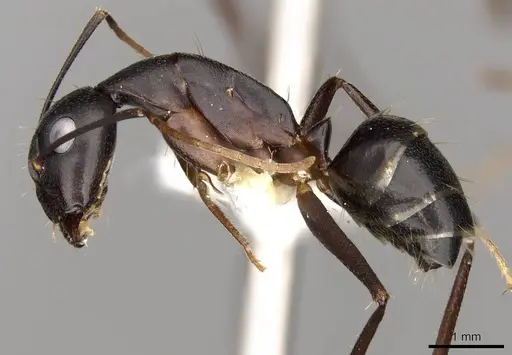
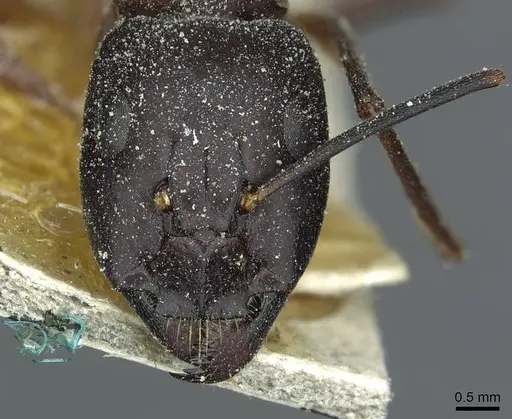
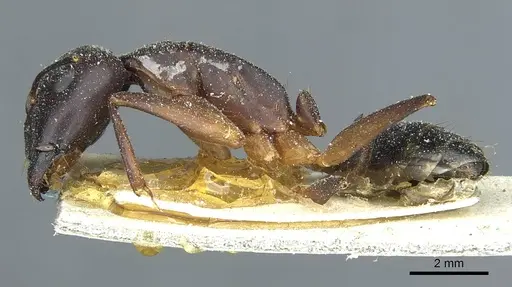
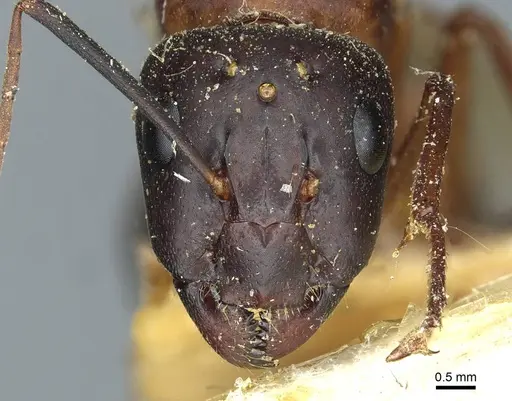
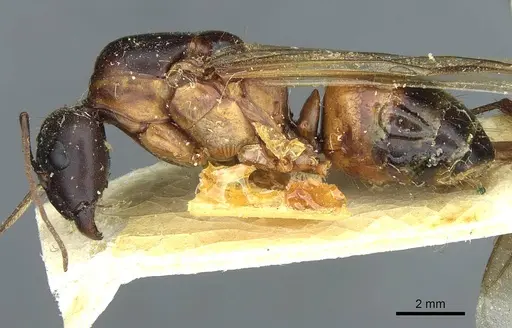
Camponotus fellah is a large carpenter ant native to the Middle East and North Africa, ranging from Egypt to Iran and the Arabian Peninsula . Workers measure 7.8-17.2 mm total length, with major workers significantly larger than minors, which stay under 8 mm . The species shows considerable color variation, with major workers ranging from reddish-ochraceous to completely black . It belongs to the Tanaemyrmex subgenus and is distinguished by erect setae on the ventral head surface, separating it from similar species like Camponotus xerxes and Camponotus oasium . What makes C. fellah notable is its sophisticated social organization: it forms large polydomous colonies with complex nestmate recognition based on cuticular hydrocarbons exchanged through trophallaxis .
Quick Summary
- Difficulty: Medium
- Origin & Habitat: Native to the Middle East and North Africa, found in Egypt, Israel, Jordan, Iraq, Iran, Kuwait, Lebanon, Oman, Saudi Arabia, Syria, Turkey, and Yemen [1][2]. In Iran, specimens are collected mostly on ground-level habitats in moderate rainfall and montane areas, with one desert collection [7]. The species prefers warm, arid to semi-arid climates.
- Colony Type: Monogyne (single-queen) colonies. Colonies can become very large and polydomous, occupying multiple connected nests near bushes where they tend aphids [8]. Queens mate only once, and all workers are full sisters [9].
- Size & Growth:
- Queen: Size data unavailable, no total length measurements provided in research context.
- Worker: Minor workers: under 8 mm, major workers: 7.8-17.2 mm total length [3][4]
- Colony: Up to 1000+ workers in laboratory colonies, with wild colonies being very populous and polydomous [10][8]
- Growth: Moderate
- Development: Unknown, no specific data provided in research context. (Workers transition from nursing to foraging around 4 months old. Development is temperature-dependent, with optimal conditions around 25-30°C.)
- Antkeeping:
- Temperature: Keep colonies at 25-30°C. Research colonies thrived at 25±3°C with 70±20% humidity [10] or at 27°C with 65% humidity [11].
- Humidity: Maintain moderate humidity, around 65% relative humidity as in research conditions [11]. Provide a water source always available.
- Diapause: No, this species is from warm climates and does not require hibernation.
- Nesting: In nature, they nest in soil and under stones, forming polydomous colonies [4]. In captivity, they do well in Y-tong (AAC) nests, plaster nests, or naturalistic setups with soil substrate. Provide dark, secure nesting areas with multiple chambers.
- Behavior: Mostly nocturnal in the wild [10]. Not aggressive toward humans, they can bite but lack a functional sting. Workers tend to forage alone but may use group recruitment for major food discoveries [10]. They have excellent olfactory memory and can learn to discriminate odors quickly [10]. Escape risk is moderate, larger workers cannot escape typical gaps, but small gaps should be avoided.
- Common Issues: social isolation stress, isolated workers experience increased aggression from nestmates after 20+ days and have shortened lifespans due to oxidative stress [5][3]. keep colony transfers gentle and avoid isolating workers., endosymbiont dependence, colonies harbor Blochmannia bacteria essential for growth and immunity. antibiotic treatment severely reduces larvae production and worker numbers [13]. avoid antibiotics unless absolutely necessary., queen loss is terminal, as a monogyne species, colony death is inevitable once the queen dies. workers cannot replace her., cold sensitivity, being from warm climates, they are sensitive to temperatures below 20°C. keep them warm year-round., overfeeding mold, their preference for sugary foods can lead to mold issues if excess food is not removed promptly.
Housing and Nest Setup
Camponotus fellah does well in a variety of nest types. Y-tong (AAC) nests work excellently, the porous material helps maintain appropriate humidity while providing dark chambers. Plaster nests are another good option, as they hold moisture well. For a naturalistic approach, use a soil-filled setup with flat stones or pieces of wood as nesting surfaces. The key is providing dark, secure chambers that mimic the underground nests they form in the wild. Because they are polydomous in nature, you can connect multiple formicaria with tubing if your colony grows very large. Ensure the outworld is spacious enough for their nocturnal foraging activities. Use a test tube setup for founding colonies, a simple test tube with a water reservoir works well for the claustral founding phase. [4]
Feeding and Diet
These ants are omnivorous with a strong preference for sugary liquids. In the laboratory, they readily accept 20% sugar water, honey, and protein sources like tuna, mealworms, and eggs [11][10]. Feed sugar water or honey constantly, this should be available at all times in the foraging area. Protein should be offered 2-3 times per week, especially for colonies with brood. Dead mealworms, small crickets, or commercial ant protein gels work well. They are nocturnal foragers, so place food in the evening and remove any uneaten portions after 24 hours to prevent mold.
Temperature and Seasonal Care
Maintain temperatures between 25-30°C for optimal colony health and development. Research colonies thrive at 27°C with 65% humidity [11] or at 25±3°C with 70±20% humidity [10]. They can tolerate slightly higher temperatures but avoid temperatures below 20°C for extended periods. Being from warm climates, they lack cold tolerance. No true diapause is required.
Social Structure and Colony Dynamics
Colonies are monogyne (single queen) and can grow very large with multiple connected nests (polydomous) [12][8]. The queen mates only once, so all workers are full sisters [9]. Nestmate recognition is based on cuticular hydrocarbons that must be continuously exchanged through trophallaxis and grooming to maintain the colony 'gestalt' odor [5][6]. Workers isolated for more than 20 days develop different hydrocarbon profiles and are attacked by their former nestmates [5]. The queen influences colony behavior by reducing worker social motivation, queenless workers are more tolerant of foreign ants [12]. Workers live approximately one year, with younger workers performing nursing duties and older workers transitioning to foraging [3].
Health and Symbionts
Camponotus fellah harbors an essential bacterial endosymbiont called Blochmannia located in bacteriocytes in the midgut and in queen oocytes [13][8]. This bacteria is crucial for colony growth, antibiotic treatment that reduces Blochmannia by 75% causes significantly fewer larvae and workers after 3 months [13]. The symbiont also aids immune defense: colonies with more Blochmannia have stronger encapsulation responses [13]. Antibiotics should be avoided unless absolutely necessary.
Behavior and Foraging
C. fellah is primarily nocturnal in the wild [10]. They do not use obvious trail pheromones, workers tend to forage individually, though they may use group recruitment for significant food discoveries [10]. They have excellent olfactory learning abilities and can form strong odor-food associations within just a few visits, with memory lasting at least 72 hours [10]. In the nest, they use chemical cues to organize space, different areas have different hydrocarbon signatures [14]. They are not aggressive toward keepers and lack a significant sting, making them safe to handle.
Frequently Asked Questions
How long does it take for Camponotus fellah to produce first workers?
First workers typically appear after 6-8 weeks at optimal temperature (25-30°C), based on typical Camponotus development patterns. This is estimated, as specific data for this species is not provided in the research context.
What do Camponotus fellah eat?
They are omnivorous with a strong preference for sugary foods. Offer constant access to sugar water (20%) or honey. For protein, feed dead mealworms, small crickets, or commercial protein gels 2-3 times per week.
Are Camponotus fellah good for beginners?
They are intermediate in difficulty. They require warm temperatures (25-30°C) and are sensitive to cold, making them more suitable for keepers with some experience.
How big do Camponotus fellah colonies get?
Laboratory colonies typically reach 1000+ workers. In the wild, they form large polydomous colonies with multiple connected nests.
Do Camponotus fellah need hibernation?
No, they do not require hibernation. Being from warm climates, they prefer consistent temperatures year-round.
Can I keep multiple Camponotus fellah queens together?
No, this is a monogyne (single-queen) species. Multiple unrelated queens will fight. Only keep one queen per colony.
Why are my Camponotus fellah workers dying?
Several factors could be involved: temperature too low (keep above 25°C), social isolation stress (avoid isolating workers), antibiotic exposure (avoid antibiotics due to Blochmannia dependence), or old age (workers live about one year).
When should I move my colony to a formicarium?
Keep founding colonies in a test tube setup until you have 20-30 workers. Once crowded, transfer to a small formicarium like Y-tong or plaster nests.
Are Camponotus fellah escape artists?
Moderate escape risk. Major workers are large and cannot fit through typical gaps, but minor workers are smaller. Use standard escape prevention like fluon on rim edges.
Report an Issue
The current care sheet is based fully on literature. See inconsistencies, or something that's incorrect? Please , it will be resolved after review from an admin. Contributing to the blogs tab also helps providing information, to make us be able to further improve the caresheets. Thank you for your support!
References

This caresheet is licensed under CC BY-SA 4.0 .
Community Blogs
ANTWEB1041848
View on AntWeb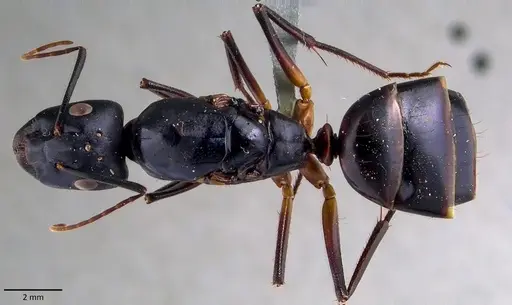
ANTWEB1041917
View on AntWeb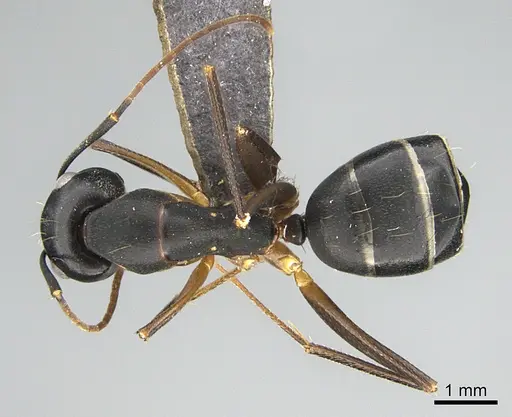
ANTWEB1060141
View on AntWeb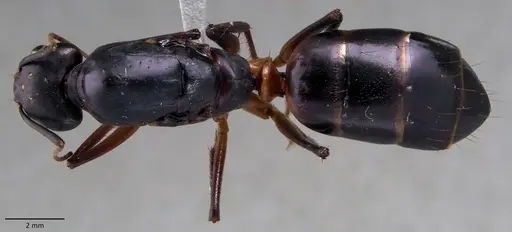
CASENT0905293
View on AntWeb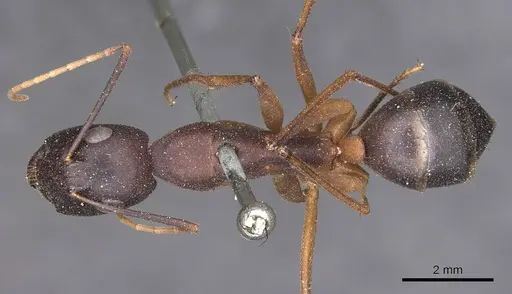
CASENT0906992
View on AntWeb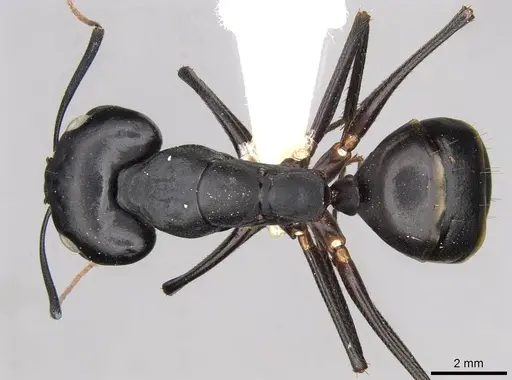
CASENT0906993
View on AntWeb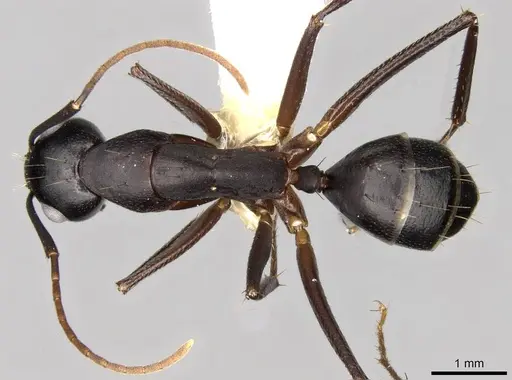
CASENT0911939
View on AntWeb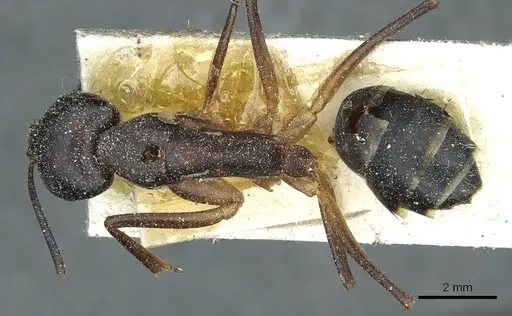
CASENT0911940
View on AntWeb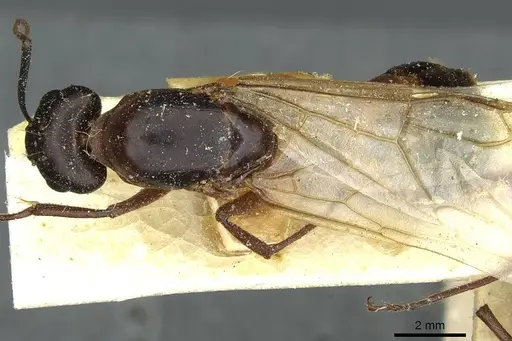
Literature
Loading distribution map...Loading products...