
Camponotus fastigatus
- Sci. Name
- Camponotus fastigatus
- Subgenus
- Myrmaphaenus
- Tribe
- Camponotini
- Subfamily
- Formicinae
- Author
- Roger, 1863
- Distribution
- Found in 5 countries
Introduction
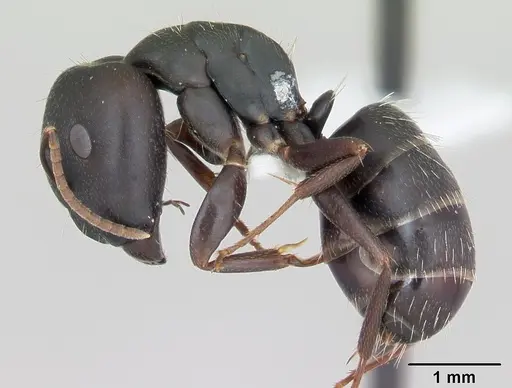
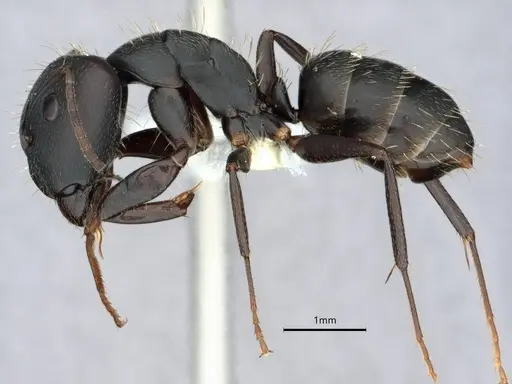
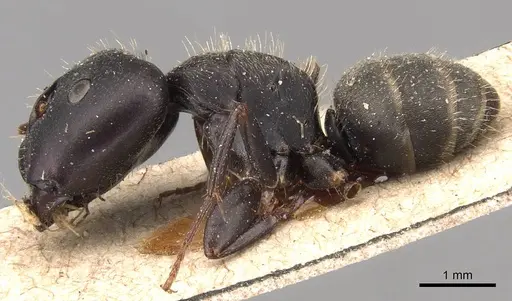
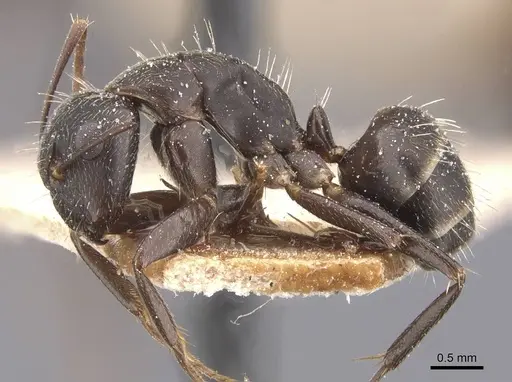
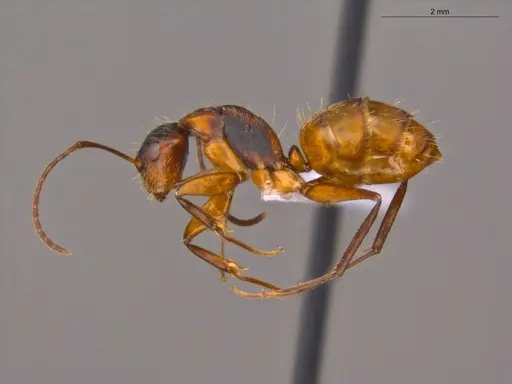
Camponotus fastigatus is a medium-sized arboreal ant species native to the Neotropical region, ranging from Colombia (Huila and Caquetá) to Argentina . Workers are dark reddish-brown with slightly lighter appendages, and can be identified by the distinctive white or translucent bands on the rear edges of each abdominal segment . This species belongs to the subgenus Myrmaphaenus and forms large colonies in tree canopies, creating extensive foraging trails that can cover around 10 square meters and persist for long periods . What makes C. fastigatus particularly interesting is its strong association with specific host plants, especially Inga vera, where it represents 89% of all ants recorded on this plant species . The species shows remarkable temporal synchrony with its host plant's leaf production. They nest opportunistically in Cecropia trees and are the dominant species building mounds in wetland areas of southern Brazil .
Quick Summary
- Difficulty: Medium
- Origin & Habitat: Native to the Neotropical region, found in Brazil, Colombia, Paraguay, Argentina, Bolivia, French Guiana, Guyana, Suriname, and Trinidad and Tobago [6][2]. Inhabits diverse ecosystems including cerrado, Caatinga, Amazon rainforest, Atlantic Forest, and Pantanal wetlands [7][8]. Primarily arboreal, nesting in tree cavities and hollow branches, but also builds mounds in wetland areas [5][6].
- Colony Type: Colony structure is not well-documented in scientific literature. Based on typical Camponotus patterns, likely single-queen (monogyne) colonies. Further research needed to confirm exact colony structure.
- Size & Growth:
- Queen: Size data unavailable, inferred from Camponotus genus patterns (~12-15mm)
- Worker: Medium-sized ant, approximately 6-10mm [1]
- Colony: Large colonies, forms extensive foraging trails and occupies canopy territories [3]. Estimated up to 1000+ workers based on typical Camponotus growth.
- Growth: Moderate, based on typical Camponotus development patterns
- Development: Estimated 6-8 weeks at optimal tropical temperatures (25-28°C), based on genus-level Camponotus data (Development time is inferred from related Camponotus species, specific data for C. fastigatus is not available.)
- Antkeeping:
- Temperature: Keep at 24-28°C (tropical species). A gentle temperature gradient allows workers to regulate their conditions. Room temperature within this range works well, use a heating cable on one side of the nest if needed [3].
- Humidity: Moderate to high humidity (60-80%). This species tolerates varying humidity but prefers conditions similar to its tropical forest habitat. Keep nest substrate moderately moist but not waterlogged. Provide a water tube for drinking water [3].
- Diapause: No true diapause required. As a tropical species, C. fastigatus does not need hibernation. However, activity may reduce slightly during cooler periods. Maintain consistent temperatures year-round [3].
- Nesting: Arboreal nester, prefers nests in wood or cork-based formicaria that mimic tree hollows. Y-tong (AAC) nests or wooden formicaria work well. Provide connections to an outworld with vertical climbing surfaces since they naturally forage in trees. Avoid fully enclosed test tube setups, they prefer more spacious nest chambers [5][6].
- Behavior: C. fastigatus is an arboreal forager with strong tree-climbing abilities. Workers are aggressive when defending their nest and territory, and they will readily bite if threatened. They form extensive foraging trails and show temporal synchrony with their host plants [4][3]. Escape prevention is important, while not tiny, they are active climbers and will escape if given the opportunity. Use fluon on container rims and ensure outworld connections are secure. They are primarily nocturnal foragers in some populations [3].
- Common Issues: tropical species may struggle in cool or dry environments, maintain warmth and humidity, colonies can be aggressive, use escape prevention and handle carefully, limited research means exact care requirements are estimated from genus patterns, wild-caught colonies may carry parasites including Ophiocordyceps fungus, quarantine and monitor new colonies [9][10], large colony size requires spacious outworlds and regular feeding
Housing and Nest Setup
C. fastigatus is an arboreal species that naturally nests in tree hollows and branches, so your setup should reflect this. Y-tong (AAC) nests or wooden formicaria with cork work well, these mimic the hollow tree cavities they use in the wild. The nest chambers should be moderately sized, not too tight. Connect the nest to a spacious outworld that includes vertical climbing surfaces like twigs, mesh, or cork bark since these ants naturally forage up in trees [5][6].
A water tube should always be available, these ants drink water droplets and will use a moist cotton ball or water tube. Keep the nest area humid but ensure ventilation prevents mold buildup. The outworld can be decorated with artificial plants, twigs, or other climbing structures to encourage natural foraging behavior.
Feeding and Diet
In the wild, C. fastigatus feeds on honeydew from aphids and scale insects, extrafloral nectar from plants like Inga vera, and small insects [4]. They are generalist foragers that exploit multiple food sources.
In captivity, offer a varied diet: sugar water or honey as a constant energy source, and protein sources like mealworms, small crickets, or other insects 2-3 times per week. Their association with Inga vera in the wild suggests they readily accept extrafloral nectar, you could offer diluted honey or sugar water regularly. Remove uneaten prey after 24-48 hours to prevent mold. Since they forager at night in some populations, evening feedings may be more readily accepted [3].
Temperature and Seasonal Care
As a tropical species from the Neotropical region, C. fastigatus requires warm conditions year-round. Keep the nest area at 24-28°C, this matches their natural habitat in Brazil and surrounding countries where temperatures remain consistently warm [3]. A slight temperature gradient allows workers to choose their preferred conditions.
Unlike temperate ants, this species does not require hibernation or diapause. However, avoid temperatures below 20°C for extended periods, as this could stress the colony. If your room temperature is within the 24-28°C range, no additional heating is needed. Use a heating cable only if necessary, placed on top of the nest to create gentle warmth without drying out the nest too quickly.
Behavior and Colony Dynamics
C. fastigatus forms large colonies with extensive foraging networks. Workers create trails that can cover approximately 10 square meters and persist over long periods, this indicates a mature, well-established colony [3]. They are primarily arboreal foragers, climbing up into tree canopies to access food sources.
The species shows strong temporal synchrony with host plant leaf production, meaning their foraging activity peaks when new leaves emerge [4]. This suggests they are responsive to environmental cues and may adjust their activity based on resource availability. Workers are aggressive defenders and will bite threats, handle with care during colony transfers.
In the wild, they are sometimes parasitized by Ophiocordyceps fungi (the 'zombie ant' fungus), so monitor wild-caught colonies for unusual behavior [9][10].
Growth and Development
Specific development data for C. fastigatus is not available, but based on typical Camponotus patterns, expect 6-8 weeks from egg to first worker (nanitic) at optimal temperatures of 25-28°C. The first workers will be smaller (nanitics) and the colony will grow gradually as more workers emerge.
Colony growth is moderate, Camponotus species typically grow more slowly than some other genera, but eventually produce large, long-lived colonies. A mature colony can contain several hundred to over a thousand workers. The queen can live for many years, with colonies persisting for a decade or more under good conditions.
Field Identification Tips
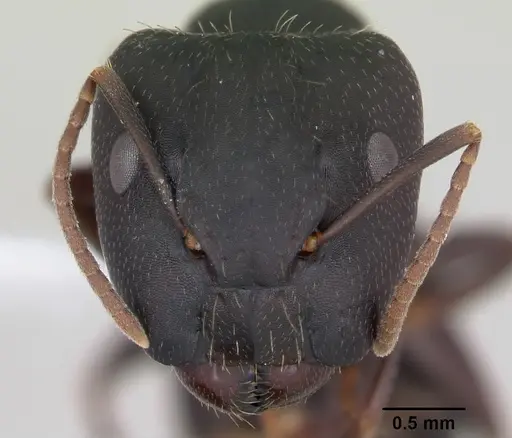
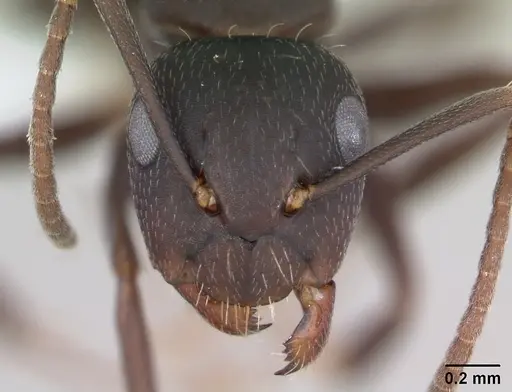
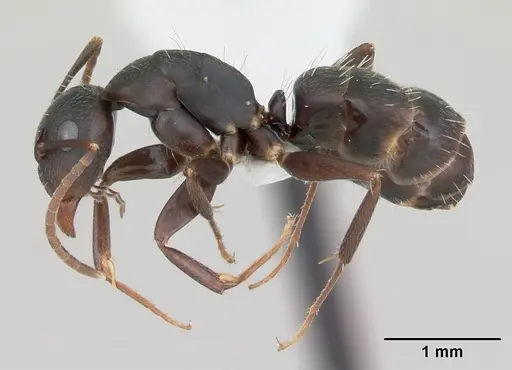
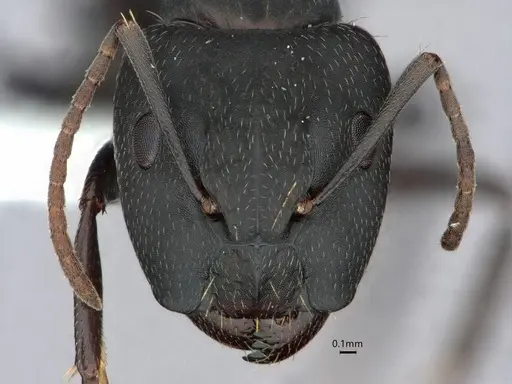
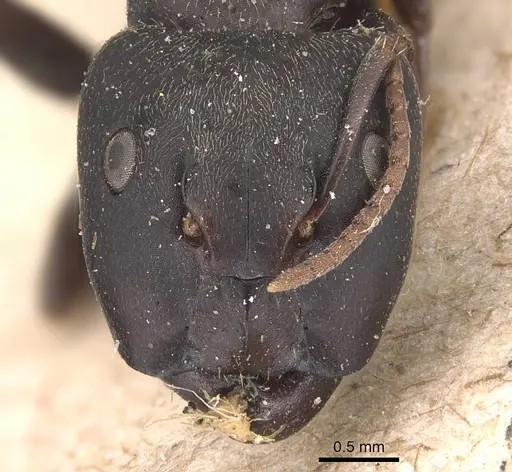
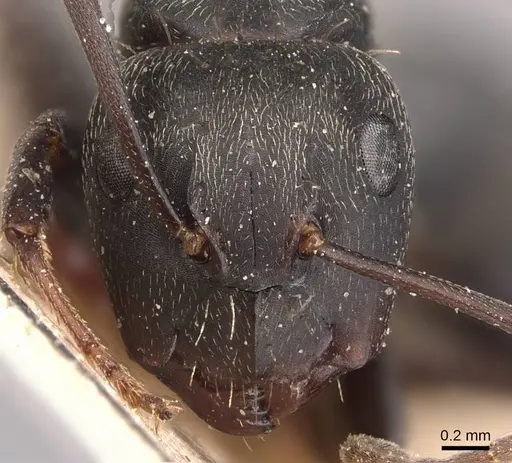
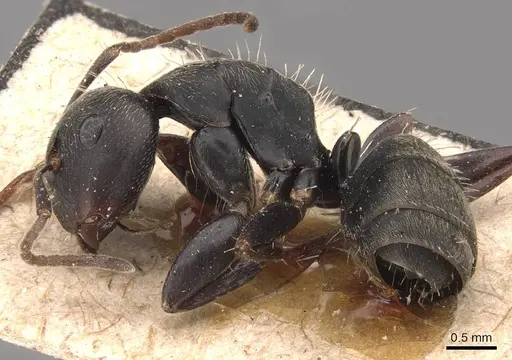
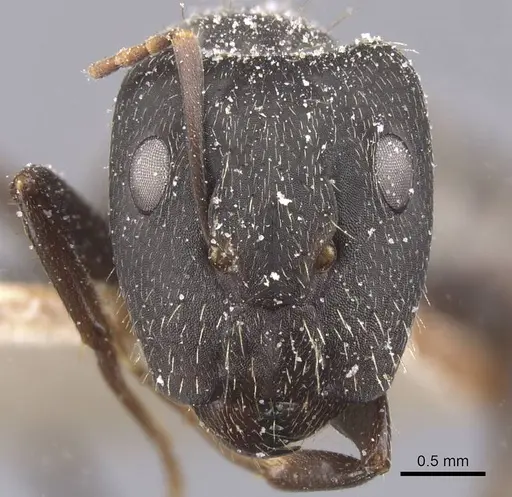
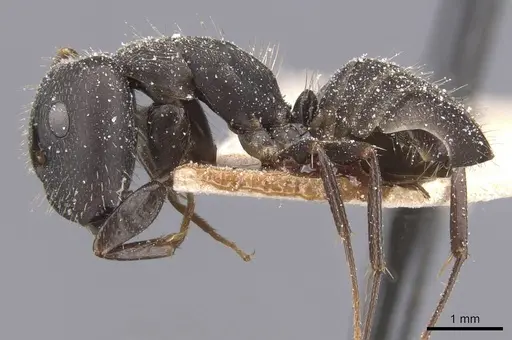
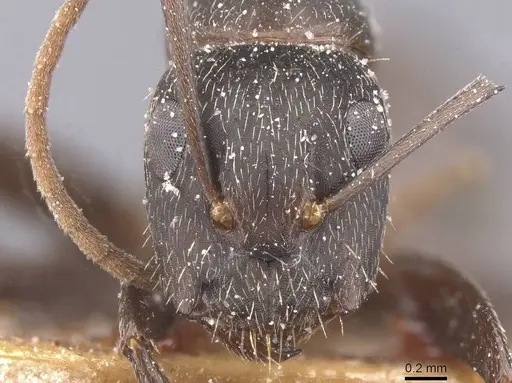
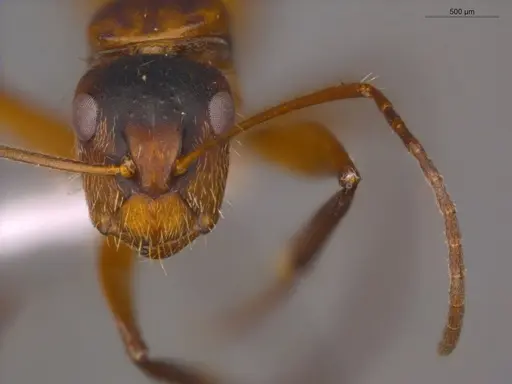
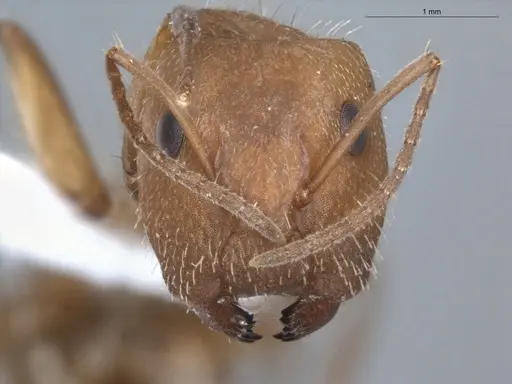
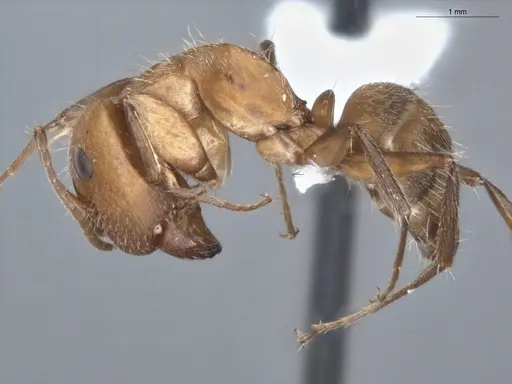
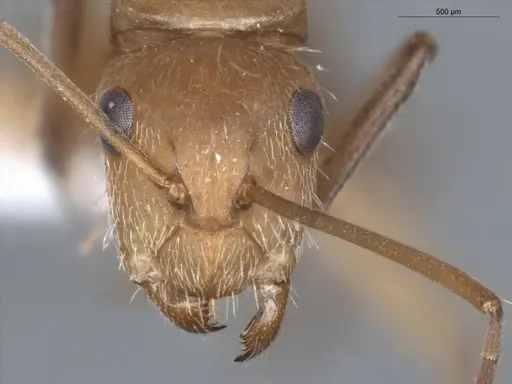
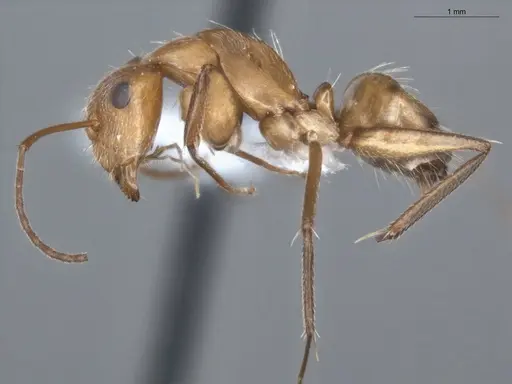
C. fastigatus workers can be identified by their medium size (6-10mm), dark reddish-brown coloration with slightly lighter appendages, and the distinctive white or translucent bands on the rear edges of each abdominal segment (gaster terga) [1]. The head has abundant erect hairs, but the sides of the head near the eyes and scape lack these hairs. The mesosoma and gaster have both erect hairs and appressed pubescence on dorsal surfaces.
They can be confused with Camponotus novogranadensis (which has a mostly black head), Camponotus cressoni (which has swollen areas behind the eyes), and Camponotus fasciatellus (which has similar white bands but less dense appressed pubescence) [1]. They are most commonly found foraging on trees, particularly on plants like Inga vera.
Frequently Asked Questions
How long does it take for Camponotus fastigatus to produce first workers?
Based on typical Camponotus development, expect 6-8 weeks from egg to first worker at optimal temperatures of 25-28°C. The exact timeline is not documented for this species, so this is an estimate from genus-level patterns.
Can I keep Camponotus fastigatus in a test tube setup?
Test tubes are not ideal for this species. C. fastigatus is arboreal and prefers more spacious nest conditions that mimic tree hollows. Use a Y-tong (AAC) nest, wooden formicarium, or cork-based setup instead.
Do Camponotus fastigatus ants need hibernation?
No. As a tropical species from the Neotropical region, they do not require hibernation. Keep them at warm temperatures (24-28°C) year-round.
What do Camponotus fastigatus eat?
They are generalists. Offer sugar water or honey as a constant energy source, and protein (mealworms, small crickets, or other insects) 2-3 times per week. They readily accept extrafloral nectar sources in the wild.
Are Camponotus fastigatus good for beginners?
They are rated Medium difficulty. While not the easiest species, they are generally hardy if kept warm and humid. The main challenges are providing proper arboreal-style housing and maintaining tropical conditions year-round.
How big do Camponotus fastigatus colonies get?
Large, they form extensive foraging networks and can reach over 1000 workers in mature colonies. They are among the larger Camponotus species in the Neotropics.
Why are my Camponotus fastigatus dying?
Common causes include: temperatures below 20°C (tropical species), low humidity, improper diet, or parasites. Check that your setup maintains 24-28°C and moderate humidity. Wild-caught colonies may carry Ophiocordyceps fungus, monitor for unusual behavior.
When should I move Camponotus fastigatus to a formicarium?
Move them when the colony reaches around 20-30 workers and the test tube or founding setup becomes cramped. For this arboreal species, ensure the formicarium has proper climbing structures and connections to an outworld.
Report an Issue
The current care sheet is based fully on literature. See inconsistencies, or something that's incorrect? Please , it will be resolved after review from an admin. Contributing to the blogs tab also helps providing information, to make us be able to further improve the caresheets. Thank you for your support!
References

This caresheet is licensed under CC BY-SA 4.0 .
Community Blogs
CASENT0173416
View on AntWeb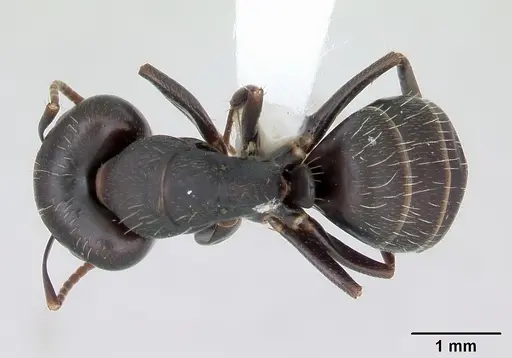
CASENT0173417
View on AntWeb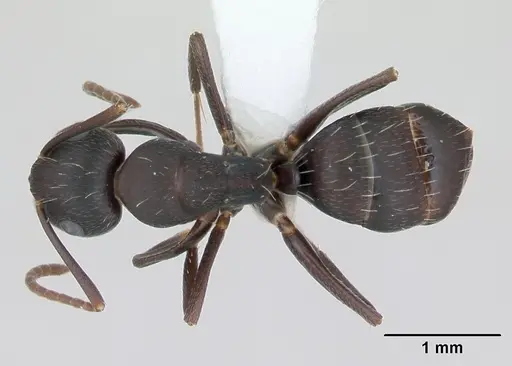
CASENT0882051
View on AntWeb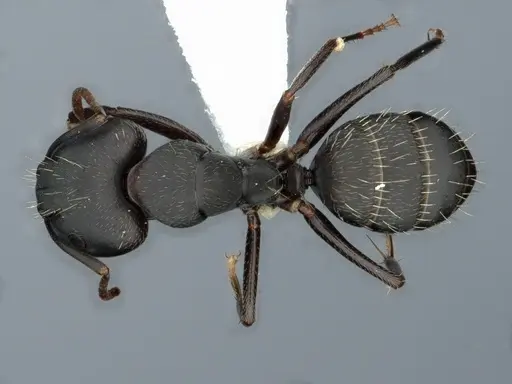
CASENT0905482
View on AntWeb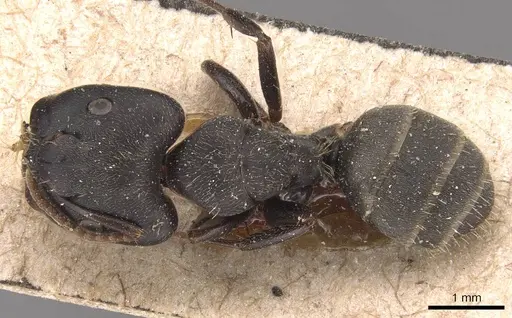
CASENT0905483
View on AntWeb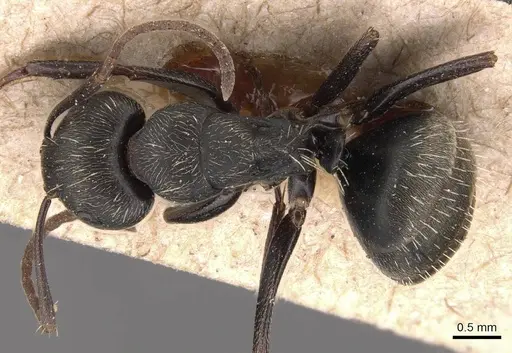
CASENT0911684
View on AntWeb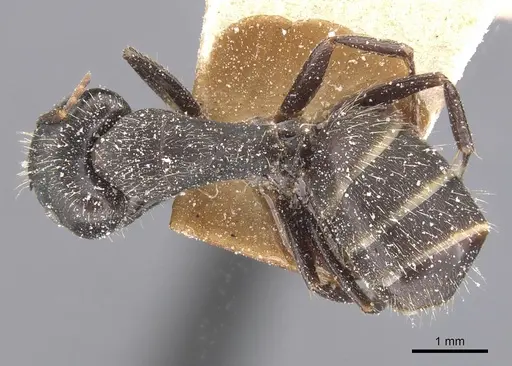
CASENT0911685
View on AntWeb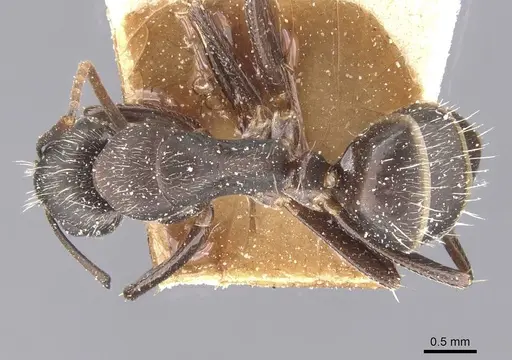
ECOFOG-CSG15-0289-04
View on AntWeb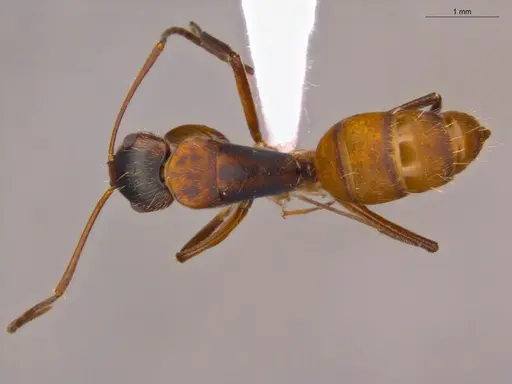
ECOFOG-PA14-0172-03-S
View on AntWeb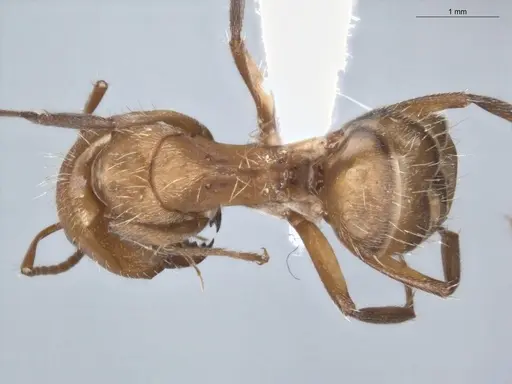
ECOFOG-PA14-0172-03
View on AntWeb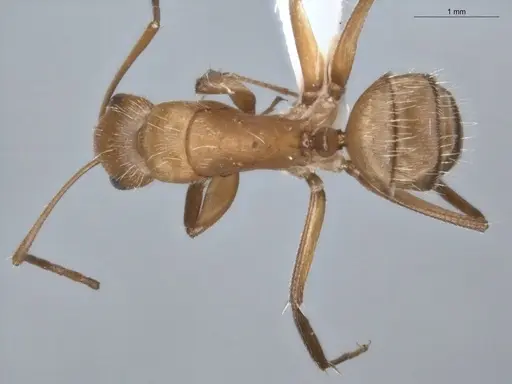
Literature
Loading distribution map...Loading products...