
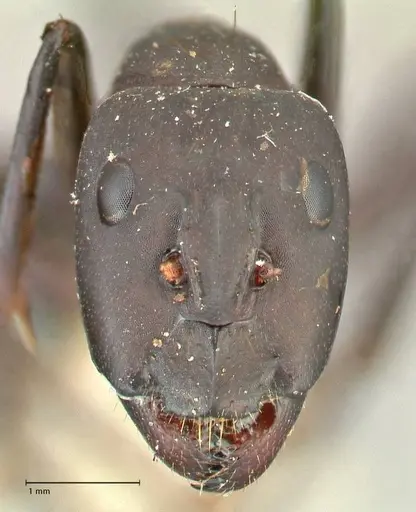
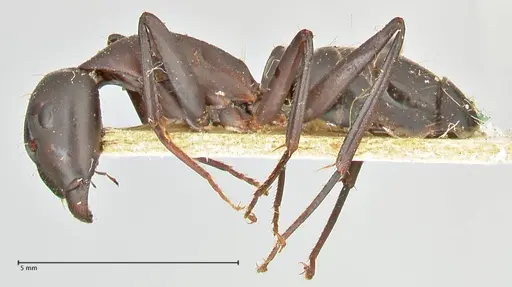
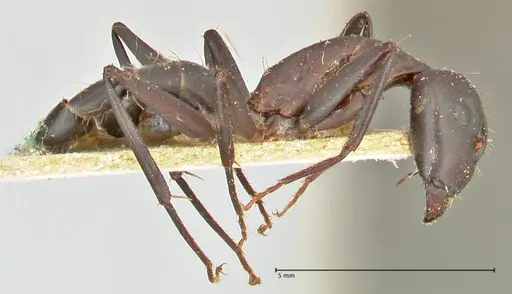
Camponotus erigens
- Sci. Name
- Camponotus erigens
- Subgenus
- Tanaemyrmex
- Tribe
- Camponotini
- Subfamily
- Formicinae
- Author
- Forel, 1894
- Distribution
- Found in 2 countries
Introduction
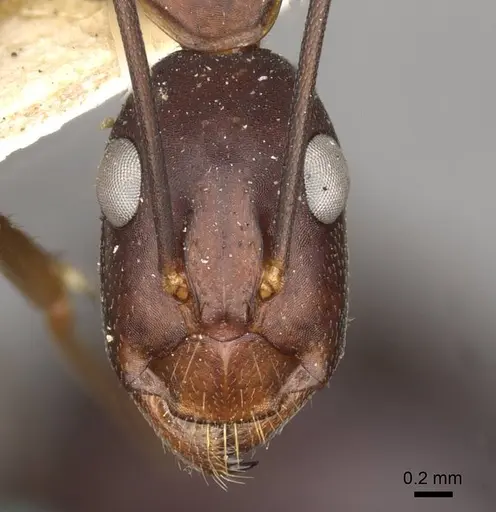
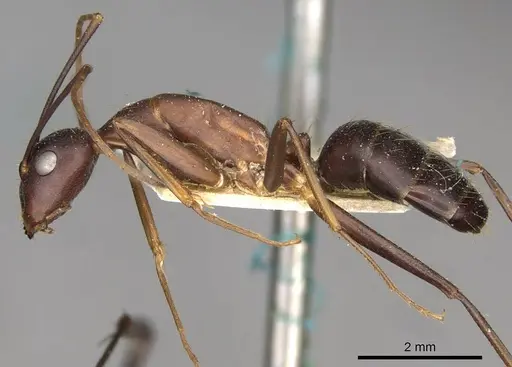
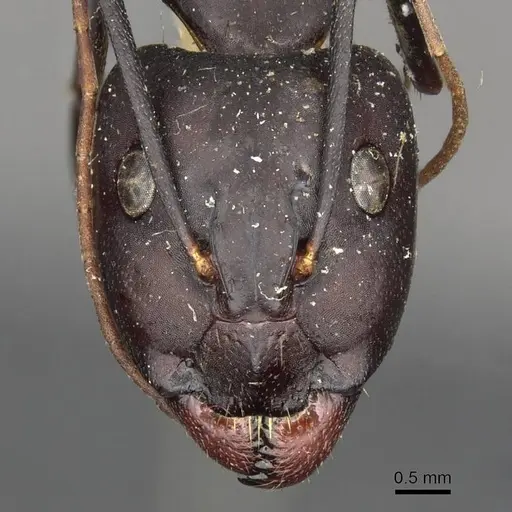
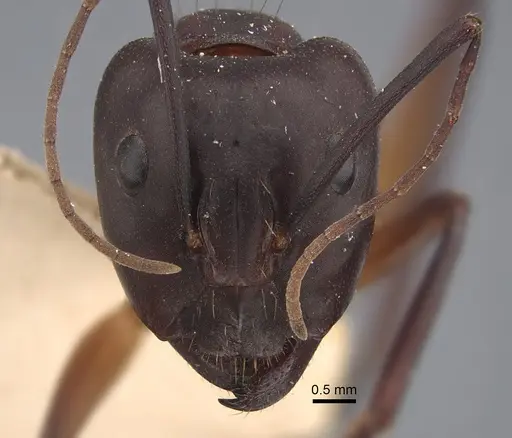
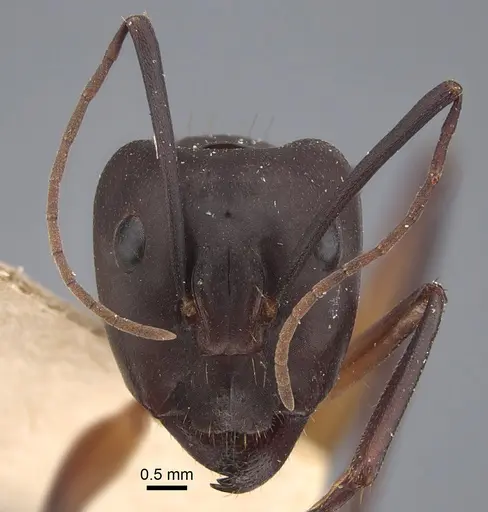
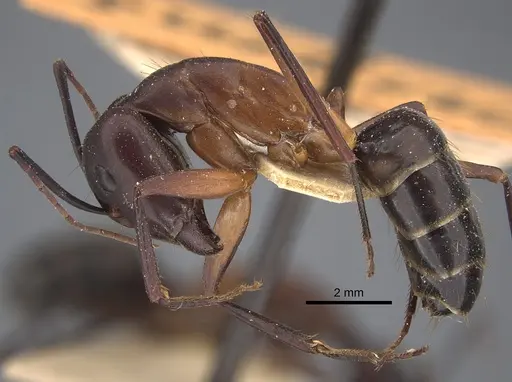
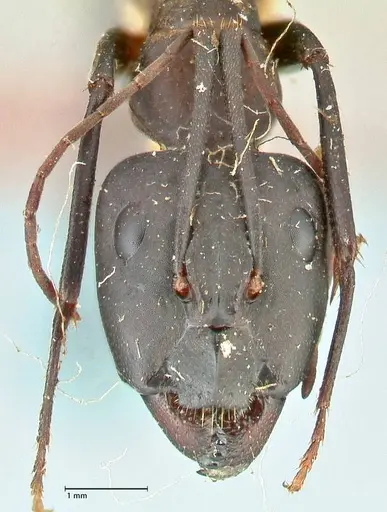
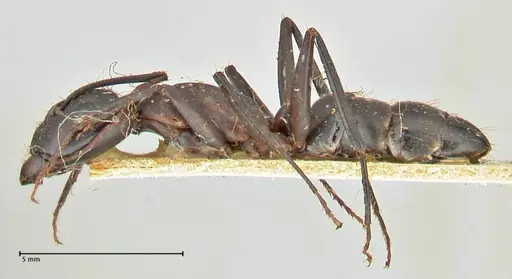
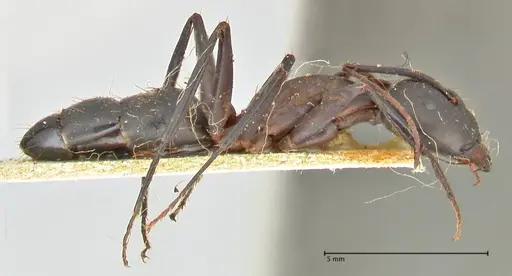
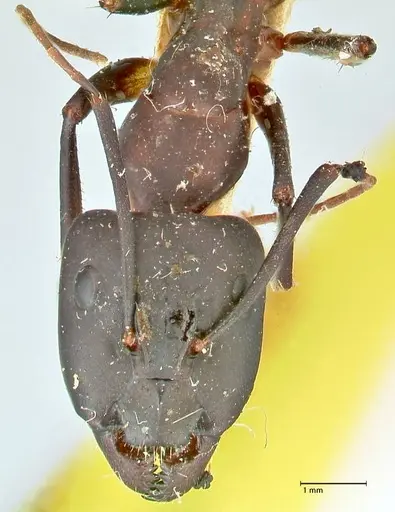
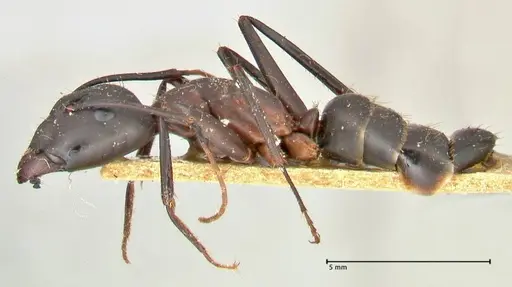
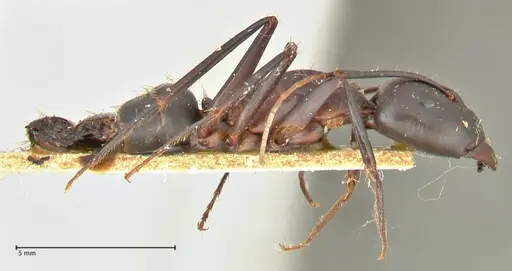
Camponotus erigens is a carpenter ant native to North Africa, specifically found in Algeria and Morocco in the Palaearctic region . Workers are polymorphic with major workers larger than minors. This species belongs to the Camponotus (Tanaemyrmex) subgenus, which includes desert and semi-arid adapted ants. They nest under stones and forage on the ground surface, contributing to the Argan forest ecosystem in southwestern Morocco . Foraging activity is higher during April-August compared to winter months . As with other Formicine ants, they lack a functional sting and defend by biting and spraying formic acid.
Quick Summary
- Difficulty: Medium
- Origin & Habitat: Native to Algeria and Morocco in the Palaearctic region. Found in Argan forest ecosystems where they nest under stones and forage on the ground surface [2][1].
- Colony Type: Colony structure is not well studied. Based on typical Camponotus patterns, likely single-queen colonies.
- Size & Growth:
- Queen: Size data unavailable for this species
- Worker: Size data unavailable for this species
- Colony: Likely reaches several thousand workers based on genus patterns
- Growth: Moderate, typical for Camponotus species
- Development: Development time is unconfirmed for this species (Development likely varies with temperature as with other Camponotus species)
- Antkeeping:
- Temperature: Keep nest area at 22-26°C with a gentle gradient. Room temperature within this range works well. They tolerate slightly warmer conditions during active foraging periods [2].
- Humidity: Moderate humidity,50-60%. Allow substrate to dry partially between water additions. Provide a water tube for drinking water.
- Diapause: Yes, they experience winter slowdown in Morocco and Algeria where temperatures drop significantly. Reduce temperature to 10-15°C for 2-3 months during winter.
- Nesting: Y-tong (AAC) nests or plaster nests work well. Provide tight chambers as they prefer snug spaces. Naturalistic setups with stones over soil also work since they naturally nest under stones.
- Behavior: Generally calm and non-aggressive foragers. Workers are active primarily during warmer months, with reduced activity in winter [2]. They forage on the ground surface and may travel moderate distances from the nest. Escape risk is moderate, use standard barrier methods but they are not particularly small or agile escape artists. They may be defensive if nest is disturbed. As Formicine ants, they lack a sting but can bite and spray formic acid.
- Common Issues: colonies may slow significantly or stop growth during winter if not given proper cooling period, test tube setups can dry out quickly in heated rooms, monitor moisture regularly, wild-caught colonies may be stressed from collection and require careful acclimatization, overheating can be fatal, avoid temperatures above 30°C, founding queens may abandon eggs if disturbed frequently
Housing and Nest Setup
Camponotus erigens adapts well to various nest types. Y-tong (acrylic) nests work excellently, the tight chambers mimic their natural preference for snug spaces under stones. Plaster nests also work well, providing stable humidity. For founding colonies, a standard test tube setup with a water reservoir works for the first few months. When the colony reaches 30-50 workers, consider moving to a formicarium. Naturalistic setups with a layer of soil and flat stones on top recreate their natural under-stone nesting preference. Ensure the nest area is dark and quiet, these ants prefer hidden nest sites. A small outworld for foraging allows workers to search for food away from the nest area. [2]
Feeding and Diet
Like most Camponotus species, C. erigens is omnivorous. Workers consume sugar sources readily, offer sugar water, honey, or diluted maple syrup. For protein, provide small insects like fruit flies, small crickets, or mealworms. Major workers can handle larger prey items. Feed protein 2-3 times per week for growing colonies, and always have sugar water available. Remove uneaten prey after 24 hours to prevent mold. These ants are ground foragers, so place food in the outworld rather than directly in the nest. They may take protein more actively during periods of brood development when the colony needs protein to feed larvae.
Temperature and Seasonal Care
Maintain nest temperatures between 22-26°C. They can tolerate brief periods slightly above or below this range. In their native Morocco and Algeria, they experience hot summers and cooler winters, this seasonal variation should be replicated in captivity. During winter (roughly November to February in the Northern Hemisphere), reduce temperatures to 10-15°C to simulate their natural cycle. This winter rest period is important for colony health and may trigger spring breeding activity. Do not cool below 5°C or warm above 30°C. A heating cable on one side of the nest creates a temperature gradient allowing workers to self-regulate. [2][1]
Colony Development and Growth
A claustral founding queen will seal herself in a chamber and lay eggs after 1-2 weeks. She feeds the first batch of larvae from her stored fat reserves. The first workers (nanitics) emerge smaller than mature workers but will begin foraging to feed subsequent broods. Growth rate is moderate, expect the first major workers to appear after 3-4 months in ideal conditions. Colony growth accelerates once the first major workers emerge, as they can tackle larger prey and the colony can expand faster. A mature colony may reach several thousand workers over several years. Patience is key with Camponotus, they grow slower than many tropical species but live longer.
Behavior and Observation
These ants are relatively calm ground foragers. Workers search for food on the substrate surface rather than climbing extensively. They are most active during warmer months and may reduce activity significantly in winter, this is normal behavior. Major workers serve as soldiers and can defend the colony against threats. The species shows seasonal variation in foraging patterns, with higher activity from April through August and reduced activity in winter months [2]. When the nest is disturbed, workers may emit alarm pheromones and the colony becomes more active defending the brood. They are not particularly aggressive toward keepers but will defend if threatened.
Frequently Asked Questions
How long does it take for Camponotus erigens to produce first workers?
Development time is unconfirmed for this species. For Camponotus generally, first workers (nanitics) typically appear in 6-8 weeks after the queen lays eggs at optimal temperatures. The queen is likely claustral and raises the first brood on her stored fat reserves.
What temperature do Camponotus erigens need?
Keep the nest at 22-26°C. They benefit from a temperature gradient so workers can choose their preferred spot. During winter, reduce to 10-15°C for a 2-3 month rest period.
Can I keep multiple Camponotus erigens queens together?
Colony structure is not well documented for this species. Based on typical Camponotus behavior, they are likely single-queen colonies. Combining unrelated queens is not recommended as they likely will fight. Only keep one queen per colony.
How big do Camponotus erigens colonies get?
Based on typical Camponotus patterns, colonies likely reach several thousand workers over several years. They are not supercolonial.
What do Camponotus erigens eat?
They are omnivorous. Offer sugar water, honey, or maple syrup as a constant energy source. Feed protein like small insects (fruit flies, mealworms, small crickets) 2-3 times weekly.
Do Camponotus erigens need hibernation?
Yes, they benefit from a winter rest period. Reduce temperatures to 10-15°C for 2-3 months during winter. This mimics their natural cycle in Morocco and Algeria.
Are Camponotus erigens good for beginners?
They are moderate difficulty, harder than some beginner species like Lasius but more forgiving than tropical ants. They require attention to temperature and seasonal cycles but are generally hardy once established.
When should I move Camponotus erigens to a formicarium?
Move from a test tube setup when the colony reaches 30-50 workers or when the test tube becomes crowded. A Y-tong or plaster nest works well for this species.
Why is my Camponotus erigens colony not growing?
Check temperature (should be 22-26°C), ensure protein is being offered regularly, and verify the queen is still laying eggs. Also ensure they had their winter rest period if applicable. Slow growth in the first few months is normal.
Report an Issue
The current care sheet is based fully on literature. See inconsistencies, or something that's incorrect? Please , it will be resolved after review from an admin. Contributing to the blogs tab also helps providing information, to make us be able to further improve the caresheets. Thank you for your support!
References

This caresheet is licensed under CC BY-SA 4.0 .
Community Blogs
CASENT0910255
View on AntWeb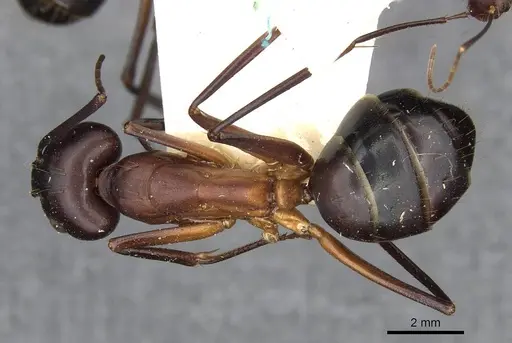
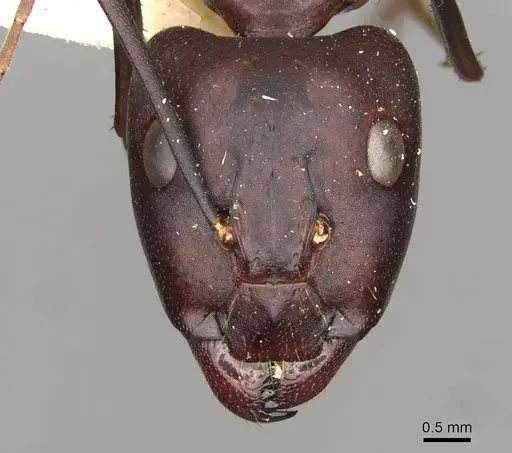
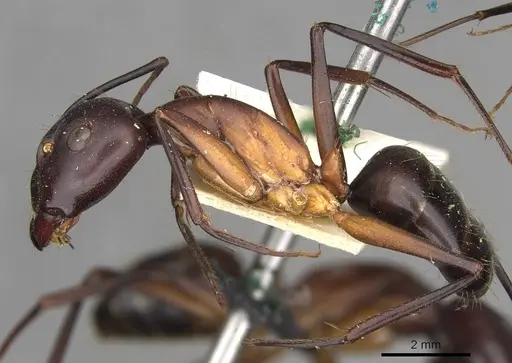
CASENT0910256
View on AntWeb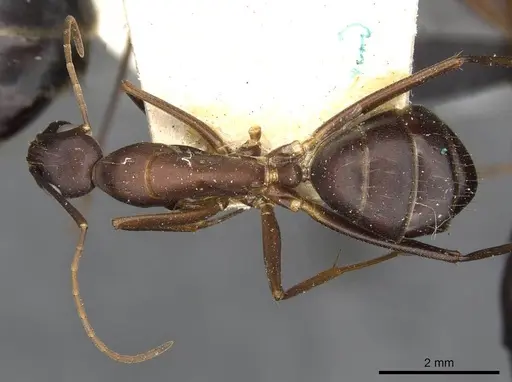
CASENT0910257
View on AntWeb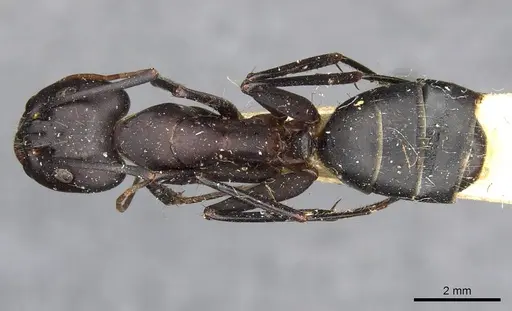
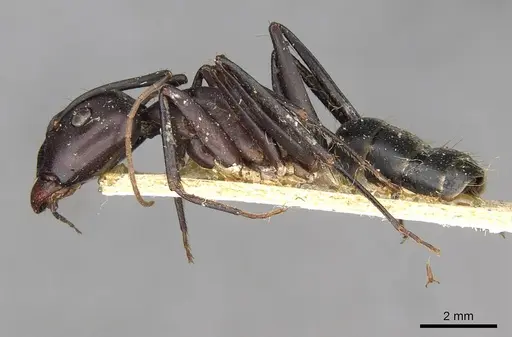
CASENT0914004
View on AntWeb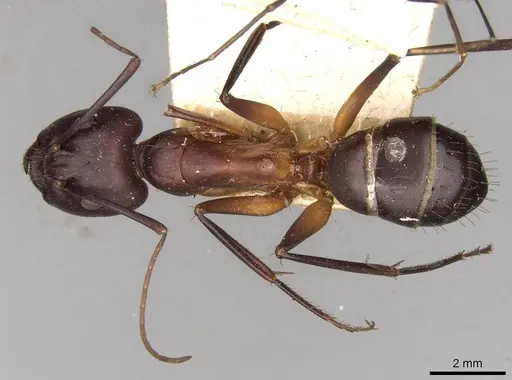
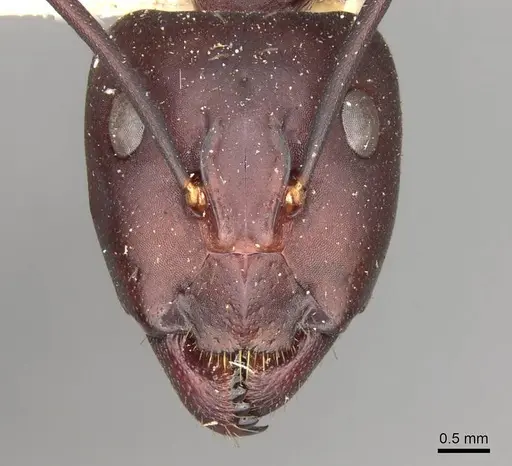
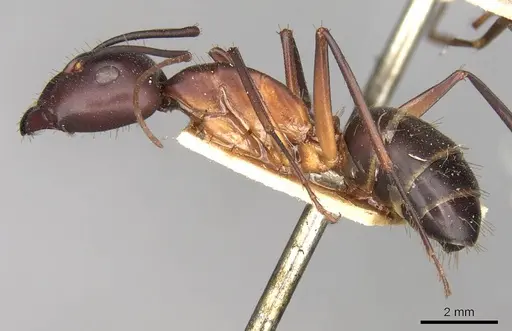
CASENT0914005
View on AntWeb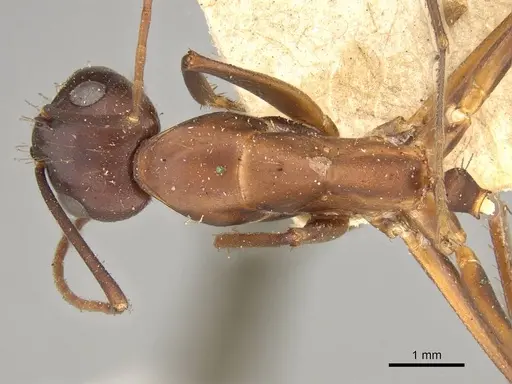
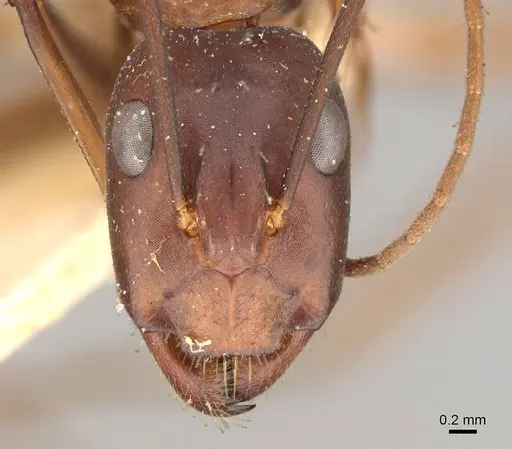
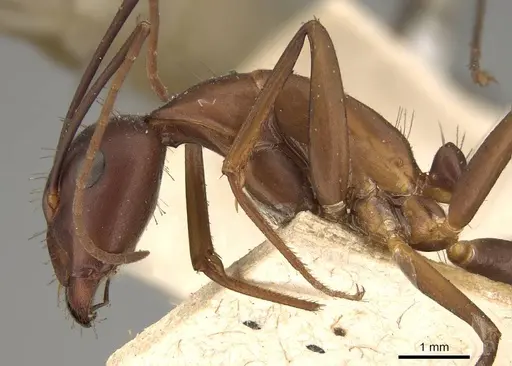
CASENT0917854
View on AntWeb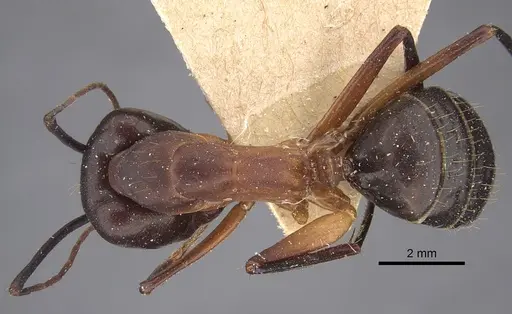
FOCOL2442
View on AntWeb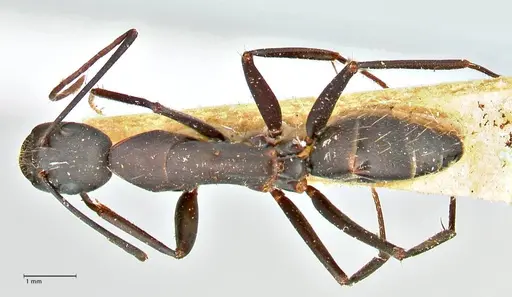
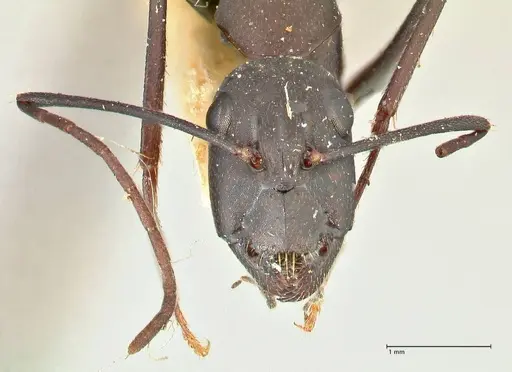
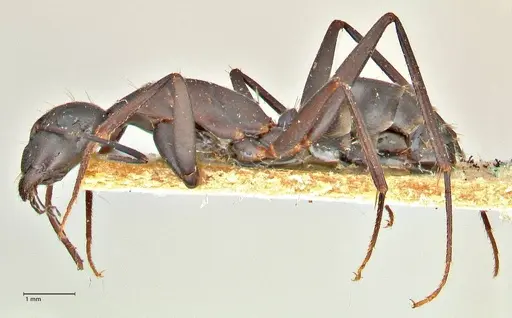
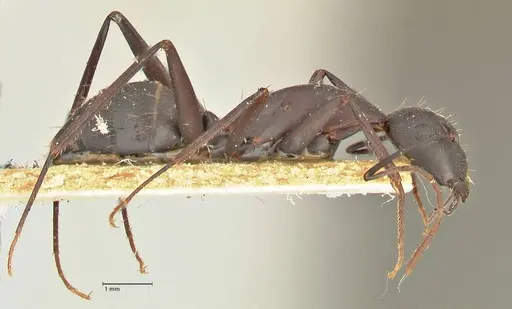
FOCOL2443
View on AntWeb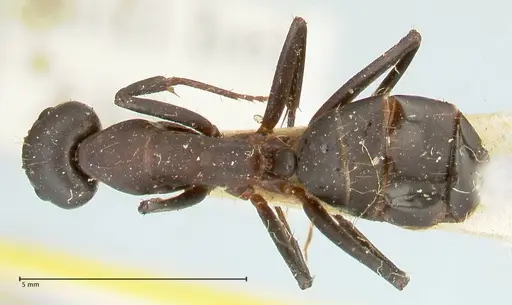
FOCOL2444
View on AntWeb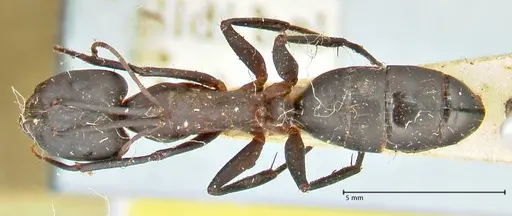
FOCOL2445
View on AntWeb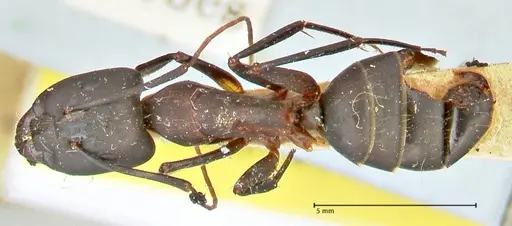
Literature
Loading distribution map...Loading products...