
Cape Mountain Sugar ant
Camponotus emarginatus
- Sci. Name
- Camponotus emarginatus
- Subgenus
- Myrmespera
- Tribe
- Camponotini
- Subfamily
- Formicinae
- Author
- Emery, 1886
- Common Name
- Cape Mountain Sugar ant
- Distribution
- Found in 1 countries
Introduction
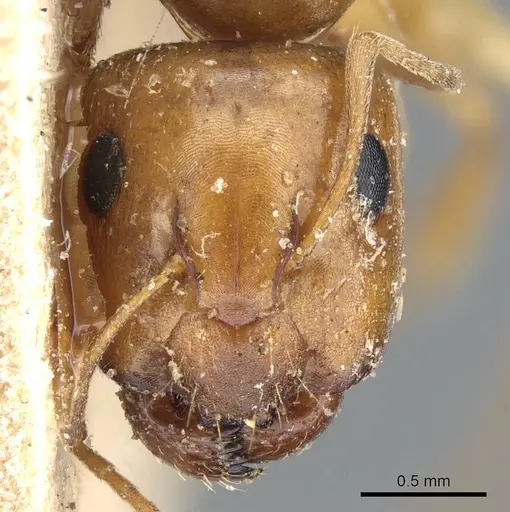
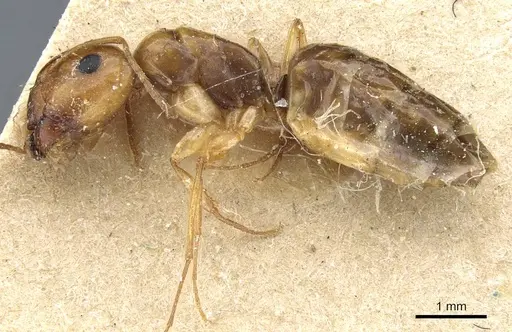
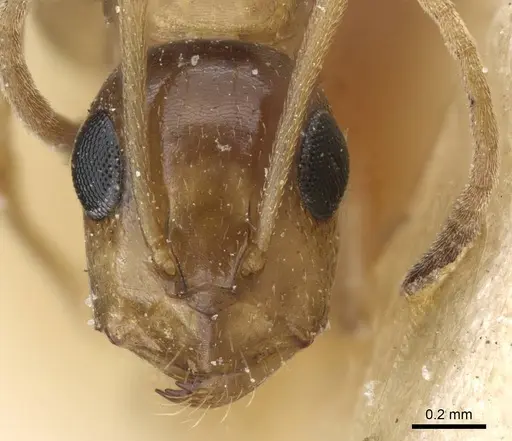
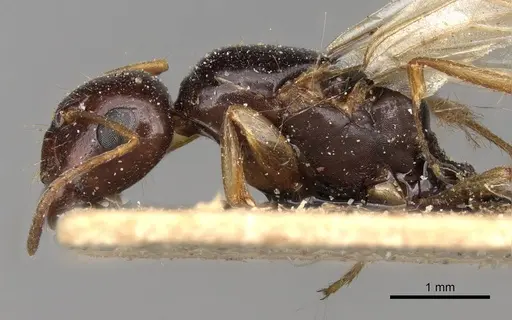
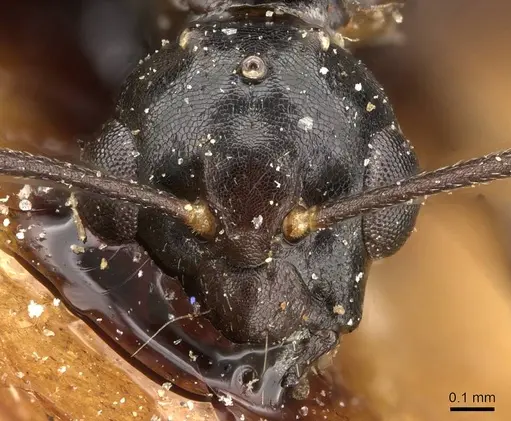
Camponotus emarginatus is a carpenter ant species native to Madagascar . Workers are polymorphic, meaning they come in different sizes - minor workers are slender and smaller, while major workers have larger heads and are built for defense and heavy lifting. Like all carpenter ants in the Formicinae subfamily, they lack a functional sting and instead spray formic acid from their acidopore when threatened. The name 'emarginatus' refers to a notch feature on the ant's body. These ants are moderate-sized for the genus. In the wild, they nest in decaying wood and are important decomposers in Madagascar's forest ecosystems.
Quick Summary
- Difficulty: Easy
- Origin & Habitat: Madagascar, found throughout the island in forested areas, typically nesting in rotting wood and under bark [1]
- Colony Type: Unconfirmed, likely single-queen colonies based on typical Camponotus patterns
- Size & Growth:
- Queen: Size data unavailable, inferred from typical Camponotus queen size (~15-18mm)
- Worker: Size data unavailable, typical for Camponotus genus (~6-14mm polymorphic)
- Colony: Estimated up to 2000 workers at maturity based on genus patterns
- Growth: Moderate
- Development: Estimated 6-10 weeks based on typical Camponotus development at warm temperatures (Development time varies with temperature, warmer conditions speed up development, cooler slows it down)
- Antkeeping:
- Temperature: Keep nest area at 22-26°C. A heating cable on one side creates a temperature gradient so ants can choose their comfort zone.
- Humidity: Moderate humidity around 50-60%. Carpenter ants prefer slightly drier conditions than tropical species. Keep nest substrate moist but not waterlogged.
- Diapause: Unconfirmed, Madagascar has mild seasonal variation. Some keepers simulate a rest period with slightly reduced temperatures, but true diapause may not be required.
- Nesting: Y-tong (AAC) nests work well, or a naturalistic setup with rotting wood pieces. They prefer narrow chambers and tunnels scaled to their size.
- Behavior: Carpenter ants are generally calm and not aggressive toward keepers. Major workers will defend the colony if threatened, but they rely on biting and spraying formic acid rather than stinging. They are nocturnal to crepuscular, becoming most active in evening and night hours. Workers forage individually rather than in trails. They are moderate escape artists, capable climbers but not as small as some tiny species, so standard barrier methods work well.
- Common Issues: mold growth in the nest due to overwatering, keep humidity moderate and ensure good ventilation, queen mortality during founding, ensure she is undisturbed in a dark place, slow first brood development can worry beginners, claustral queens take 4-8 weeks before first workers emerge, this is normal, lack of documented care information for this specific species, much of what is known comes from general Camponotus husbandry, major workers may appear alarming due to size, but they are defensive rather than aggressive
Housing and Nest Setup
Camponotus emarginatus adapts well to various nest types. Y-tong (AAC) nests are popular because they allow you to observe colony activity while maintaining appropriate humidity. Naturalistic setups with rotting wood pieces also work well and mimic their natural carpenter ant behavior. The nest should have chambers scaled to colony size, start with small chambers when the colony is small, expanding as it grows. A formicarium with a connected outworld allows workers to forage while keeping the nest area secure. Ensure the nest has some darkness, carpenter ants prefer dim conditions for their brood chambers.
Feeding and Diet
Like most Camponotus species, these ants are omnivorous. They accept sugar sources readily, honey water, sugar water, or commercial ant nectar. For protein, offer insects like fruit flies, small crickets, mealworms, or frozen insects. In the wild, they forage for honeydew from aphids and scale insects, plus dead insects and nectar. Feed protein 2-3 times per week and keep sugar water available constantly. Remove uneaten prey after 24-48 hours to prevent mold.
Temperature and Seasonal Care
Maintain nest temperatures between 22-26°C for optimal brood development. A simple way to achieve this is using a heating cable placed on top of the nest (not under, to avoid excessive drying). This creates a warm zone while leaving part of the nest at room temperature, allowing ants to regulate their own temperature by moving between areas. Madagascar has mild seasonal variation, so true diapause may not be required. Some keepers simulate a rest period with slightly reduced temperatures during winter months, but this is not well-documented for this species.
Colony Growth and Development
A claustral queen will seal herself in a small chamber and not emerge until her first workers (nanitics) emerge. This founding phase takes 6-10 weeks under optimal conditions. The first brood is typically smaller than normal workers because the queen is alone and cannot provision them well. Once nanitics emerge, the queen stops foraging and focuses entirely on egg-laying. Workers then take over all foraging and brood care. Growth is moderate, expect the colony to reach 50-100 workers within the first year under good conditions. Mature colonies of several thousand workers develop major worker castes that specialize in defense and seed processing.
Behavior and Temperament
These ants are calm colony residents. Major workers, with their enlarged heads, serve as soldiers and defenders, they will emerge if the nest is disturbed but rarely attack. Workers are mostly nocturnal, so you will see more activity in evening hours. They forage individually rather than in organized trails, searching for sugar sources and insects. They are not aggressive toward humans. As Formicinae ants, they lack a functional sting and instead bite and spray concentrated formic acid from their acidopore when threatened. They can climb smooth surfaces but are not exceptional escape artists, standard barrier methods like fluon on container rims work well.
Frequently Asked Questions
How long does it take for Camponotus emarginatus to produce first workers?
Expect 6-10 weeks from egg to first worker (nanitics) under optimal conditions (24-26°C). The founding queen seals herself in and raises the first brood alone. This is a long wait compared to some species, but it is normal for claustral carpenter ants.
Can I keep multiple Camponotus emarginatus queens together?
Not recommended. While some Camponotus species can be polygynous, this is not confirmed for Camponotus emarginatus. Combining unrelated queens typically results in fighting.
What do Camponotus emarginatus ants eat?
They are omnivorous. Offer sugar water or honey constantly, plus protein sources like fruit flies, small crickets, or mealworms 2-3 times weekly. They readily accept both sweet liquids and insects.
Do Camponotus emarginatus need hibernation?
Unconfirmed. Madagascar has mild seasonal variation compared to temperate regions. Some keepers provide a slight rest period with reduced temperatures, but true diapause may not be required for this species.
Are Camponotus emarginatus good for beginners?
Yes, they are considered a good beginner species. They are forgiving of minor temperature and humidity mistakes, accept a wide variety of foods, and are not aggressive. The main challenge is the slow founding phase, beginners need patience during the 6-10 weeks before first workers emerge.
When should I move Camponotus emarginatus to a formicarium?
Keep the colony in a test tube setup for the founding phase. Once you have 20-30 workers and the test tube is becoming crowded, you can move them to a proper nest. A Y-tong or naturalistic setup works well for this species.
How big do Camponotus emarginatus colonies get?
Estimated up to 2000 workers at maturity based on genus patterns. The presence of major workers (large soldiers with enlarged heads) indicates a well-established colony. Growth is moderate, expect 1-2 years to reach 100 workers under good conditions.
Why is my queen not laying eggs?
This is normal during the founding phase. A claustral queen may take 2-4 weeks after sealing herself in before laying eggs. Ensure she is in complete darkness, undisturbed, and not overfed. Some keepers make the mistake of offering food too soon, the queen does not need food while sealed in.
What temperature is best for Camponotus emarginatus?
Keep the nest area at 22-26°C. A gradient is ideal, warm one end (up to 28°C) and leave the other end at room temperature. This allows workers to regulate their own body temperature by moving between zones.
Report an Issue
The current care sheet is based fully on literature. See inconsistencies, or something that's incorrect? Please , it will be resolved after review from an admin. Contributing to the blogs tab also helps providing information, to make us be able to further improve the caresheets. Thank you for your support!
References

This caresheet is licensed under CC BY-SA 4.0 .
Community Blogs
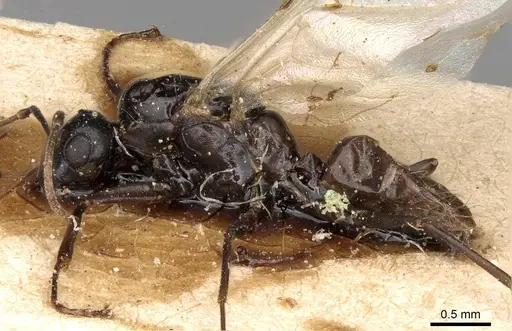
CASENT0905452
View on AntWeb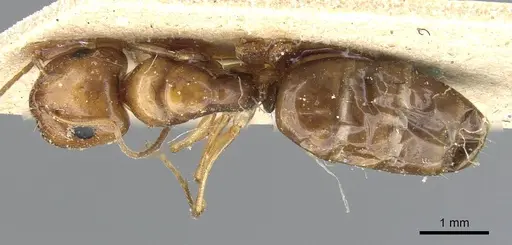
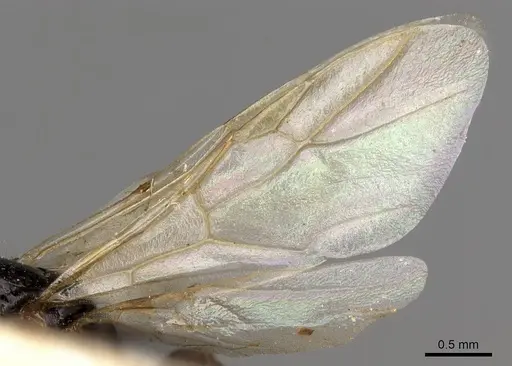
CASENT0905453
View on AntWeb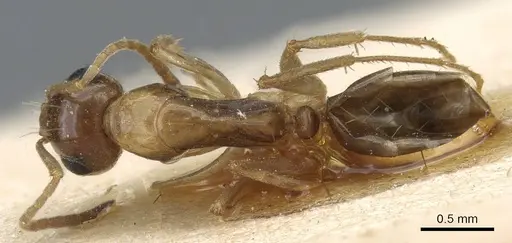
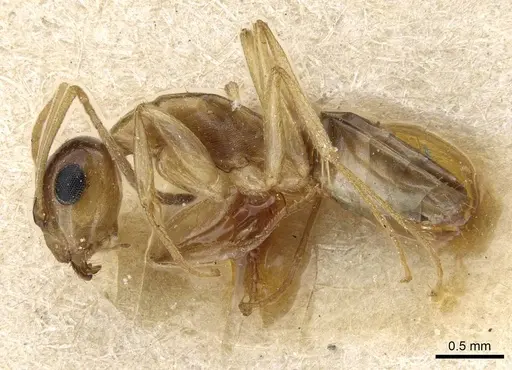
CASENT0906883
View on AntWeb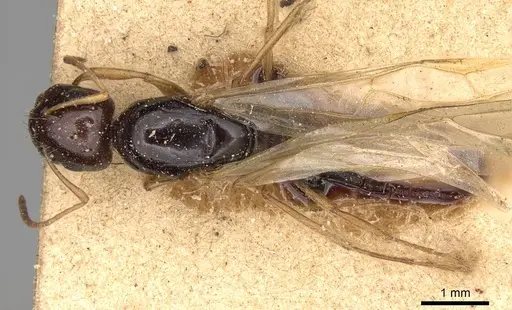
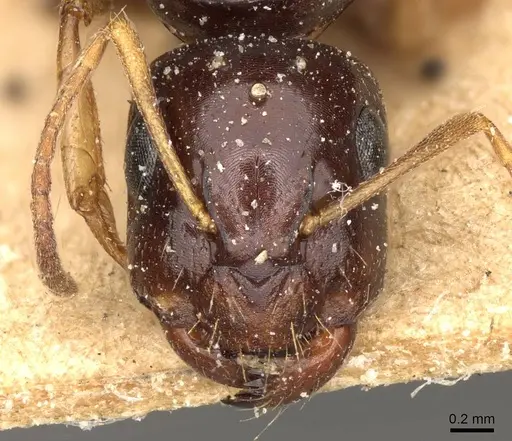
CASENT0906884
View on AntWeb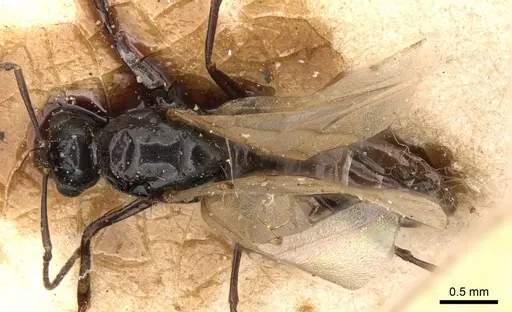
Literature
Loading distribution map...Loading products...