
Camponotus elegans
- Sci. Name
- Camponotus elegans
- Subgenus
- Myrmophyma
- Tribe
- Camponotini
- Subfamily
- Formicinae
- Author
- Forel, 1902
- Distribution
- Found in 1 countries
Introduction
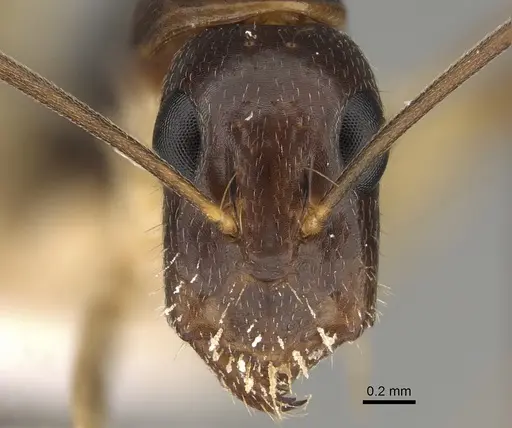
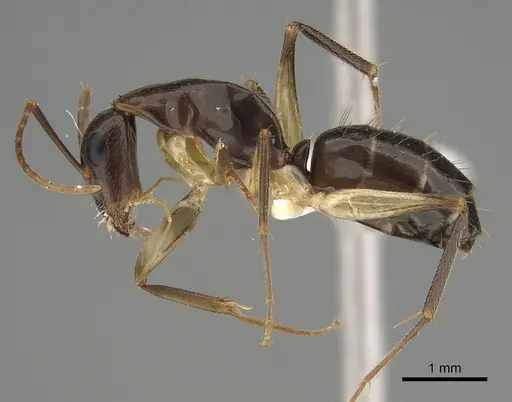
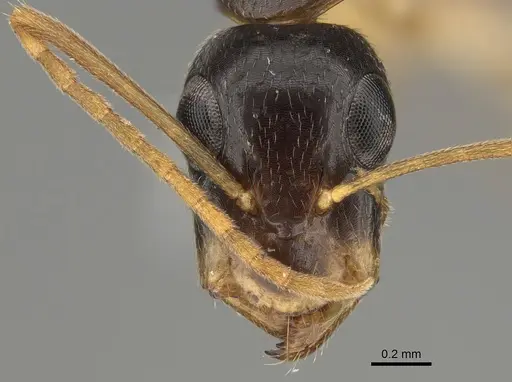
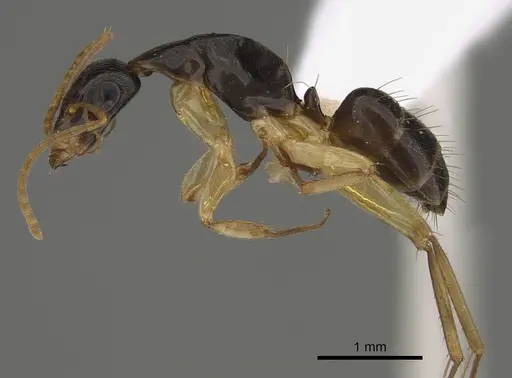
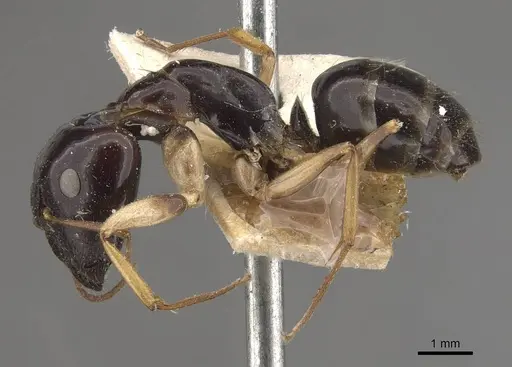
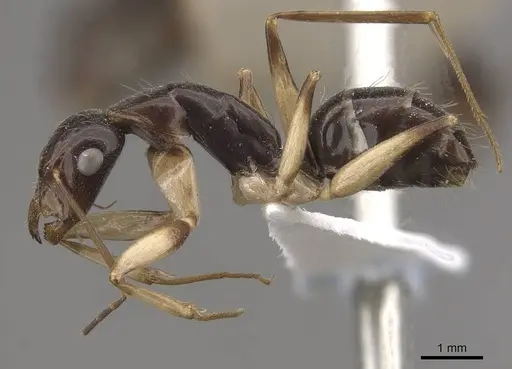
Camponotus elegans is an Australian carpenter ant species with workers measuring 5.5-8.2mm . Their body is mostly black to brown with pale yellow legs and brownish yellow antennae, giving them a distinctive appearance. The mesosoma is more elongate compared to its close relative Camponotus claripes, and minor workers have a distinct clypeal indentation. This species is found throughout eastern and southern Australia, including ACT, NSW, Queensland, South Australia, Tasmania, Victoria, and Western Australia . These ants are generalist foragers that nest in wood or soil cavities. They accept both sugar sources and protein prey, making them straightforward to feed in captivity.
Quick Summary
- Difficulty: Easy
- Origin & Habitat: Australia, found across ACT, NSW, Queensland, South Australia, Tasmania, Victoria, and Western Australia [1]. Inhabits varied Australian environments from temperate to subtropical regions.
- Colony Type: Single-queen colonies, Camponotus elegans is monogyne.
- Size & Growth:
- Queen: size data unavailable, queen measurements not documented for this species
- Worker: 5.5-8.2mm [1]
- Colony: size data unavailable, no specific colony size data in research context
- Growth: Moderate
- Development: estimated 6-8 weeks at optimal temperature based on typical Camponotus development (Development time is temperature-dependent within this range)
- Antkeeping:
- Temperature: Keep at 22-26°C. Australian species can tolerate a range but prefer warmth.
- Humidity: Moderate humidity around 50-70%. They adapt to drier conditions better than many tropical species.
- Diapause: Yes, Australian temperate populations require a winter rest period. Reduce temperature to 15-18°C for 2-3 months during winter.
- Nesting: Use a Y-tong (AAC) nest or test tube setup. Provide a dry nest chamber with access to a water tube. They accept various nest materials.
- Behavior: Generally calm temperament, Camponotus are not aggressive and rarely sting. Workers are moderate foragers, actively searching for sugar sources and prey. Escape risk is moderate due to their medium size, standard barriers work well.
- Common Issues: colonies may stall if temperatures drop too low during development, test tube setups can flood if water reservoirs are overfilled, slow initial growth causes some keepers to overfeed, leading to mold, winter diapause is essential for temperate populations, skipping it can weaken colonies, wild-caught colonies may contain parasites that need treatment
Nest Preferences
Camponotus elegans adapts well to various captive setups. Y-tong (AAC) nests work excellently, they provide the dark, secure environment these ants prefer while allowing you to observe colony activity. Test tube setups are also suitable, especially for founding colonies. The queen will seal herself into a small chamber and remain there while raising her first brood. Once workers emerge, the colony expands into additional chambers. Provide a constant water source via a test tube with a cotton plug. Nest chambers should be relatively dry, these Australian ants handle drier conditions better than many tropical species. [1]
Feeding and Diet
Like most Camponotus species, C. elegans is omnivorous and accepts a varied diet. Offer sugar water or honey regularly, they readily consume sweet liquids for energy. For protein, provide small insects like fruit flies, small crickets, or mealworms. Feed protein 2-3 times per week, adjusting based on colony size. Remove uneaten prey within 24 hours to prevent mold. During founding, the queen does not eat, she survives entirely on stored fat reserves. Once workers arrive, they will forage for food outside the nest.
Temperature and Seasonal Care
Maintain temperatures between 22-26°C for optimal brood development. These ants are native to Australia and prefer warmth, though they tolerate cooler temperatures better than strictly tropical species. A heating cable on one side of the nest creates a temperature gradient that allows ants to self-regulate. During winter, reduce temperatures to 15-18°C to simulate their natural seasonal cycle. This winter rest period is important for colony health. Do not feed heavily during diapause and reduce sugar offerings.
Behavior and Temperament
Camponotus elegans has a calm, non-aggressive temperament. Workers go about their tasks methodically without the nervous activity seen in some smaller ant species. They are not known to sting, making them safe for handling if needed. Workers are moderately good climbers and can scale smooth surfaces, so use standard barrier methods to prevent escapes. Major workers develop in mature colonies and have larger heads for cutting and processing food. [1]
Frequently Asked Questions
How long does it take for Camponotus elegans to raise first workers?
Expect first workers to emerge in 6-8 weeks after the queen lays eggs, assuming temperatures around 24-26°C. This timeline is based on typical Camponotus development patterns.
Can I keep multiple Camponotus elegans queens together?
No, this species is monogyne, meaning single-queen colonies. Multiple queens will fight until only one remains. Always start with one queen per colony.
What temperature range is best for Camponotus elegans?
Keep them at 22-26°C. They can tolerate 18-30°C but grow best in the middle of this range. A slight temperature gradient allows the colony to choose its preferred zone.
Do Camponotus elegans need hibernation?
Yes, Australian temperate populations require a winter rest period. Reduce temperatures to 15-18°C for 2-3 months, typically during Southern Hemisphere winter.
How big do Camponotus elegans colonies get?
Colony size data is unavailable for this species. Under good conditions, expect moderate growth over 1-2 years.
What do Camponotus elegans eat?
They are omnivorous. Offer sugar water or honey for energy, plus small insects for protein. Remove uneaten prey promptly.
Are Camponotus elegans good for beginners?
Yes, they are beginner-friendly. They are calm, do not sting, adapt to various nest types, and have straightforward temperature and humidity needs.
When should I move my colony to a formicarium?
Keep them in a test tube or Y-tong setup until the colony reaches 50+ workers. Moving too early can stress the colony.
Why is my colony not growing?
Check temperature (should be 22-26°C), ensure the queen is still laying eggs, and verify food availability. Slow growth is normal for Camponotus. Avoid overfeeding which causes mold.
Report an Issue
The current care sheet is based fully on literature. See inconsistencies, or something that's incorrect? Please , it will be resolved after review from an admin. Contributing to the blogs tab also helps providing information, to make us be able to further improve the caresheets. Thank you for your support!
References

This caresheet is licensed under CC BY-SA 4.0 .
Community Blogs
CASENT0887692
View on AntWeb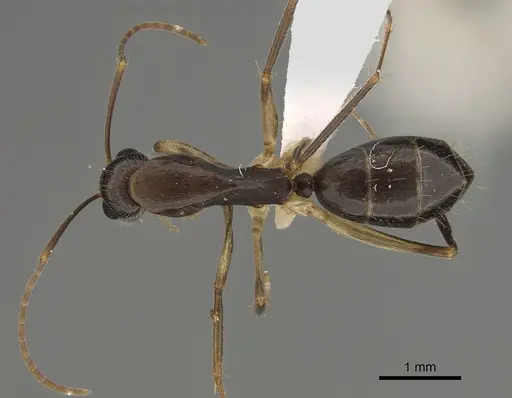
CASENT0887693
View on AntWeb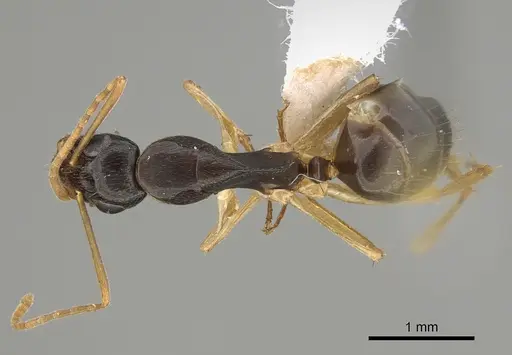
CASENT0910371
View on AntWeb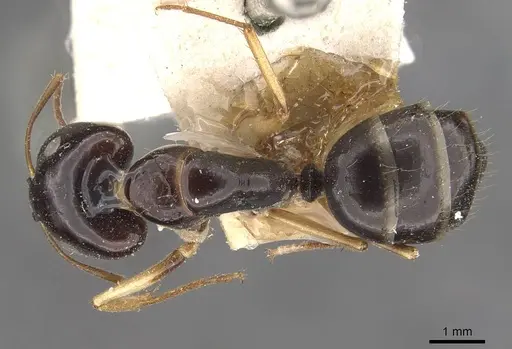
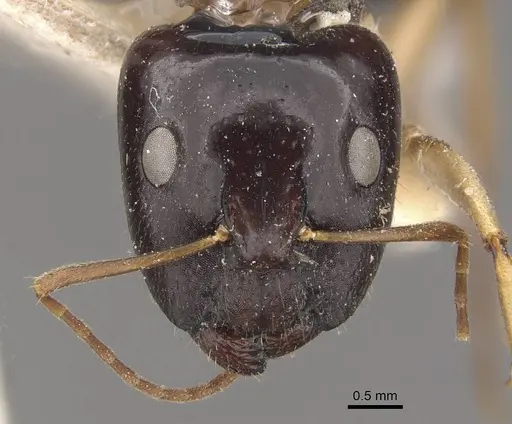
CASENT0910372
View on AntWeb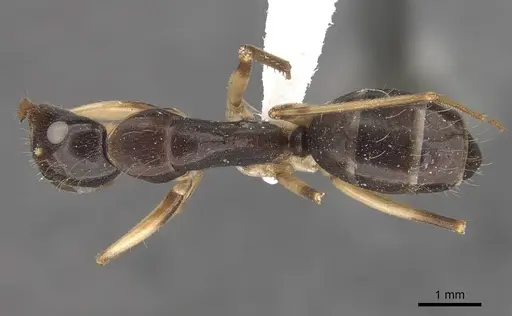

Literature
Loading distribution map...Loading products...