
Camponotus dromedarius
- Sci. Name
- Camponotus dromedarius
- Subgenus
- Myrmonesites
- Tribe
- Camponotini
- Subfamily
- Formicinae
- Author
- Forel, 1891
- Distribution
- Found in 1 countries
Introduction
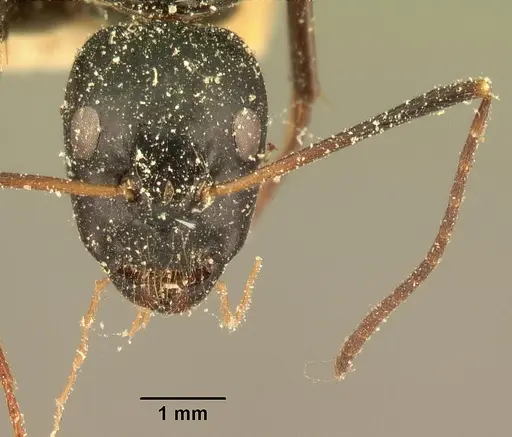
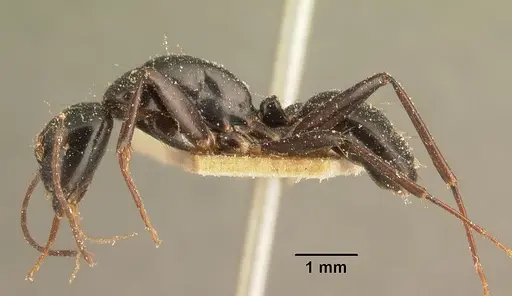
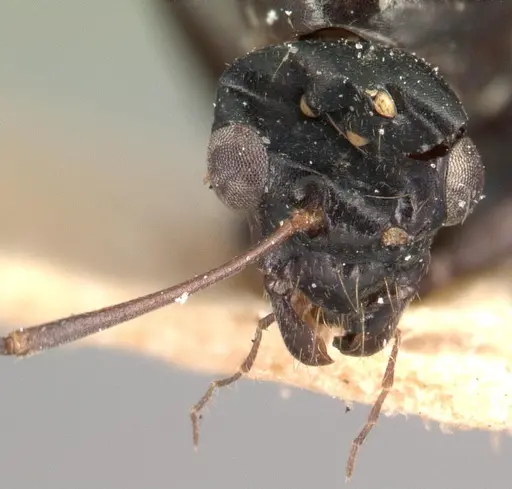
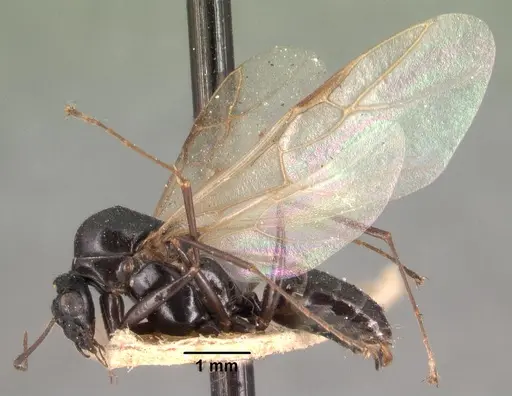
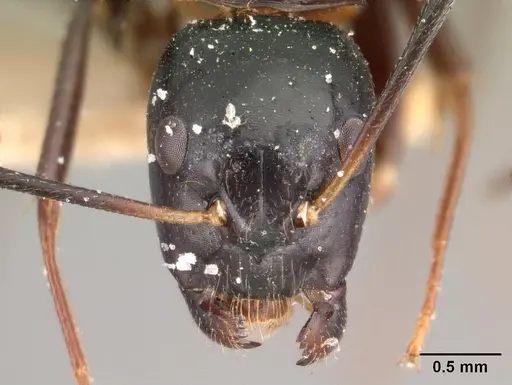
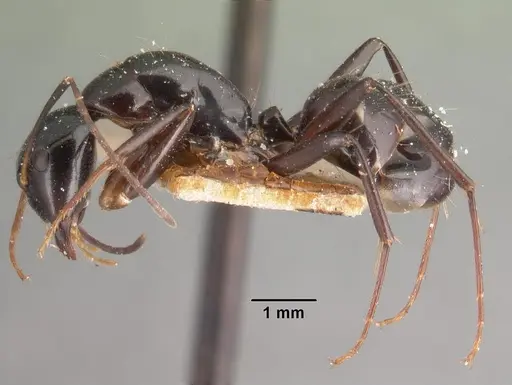
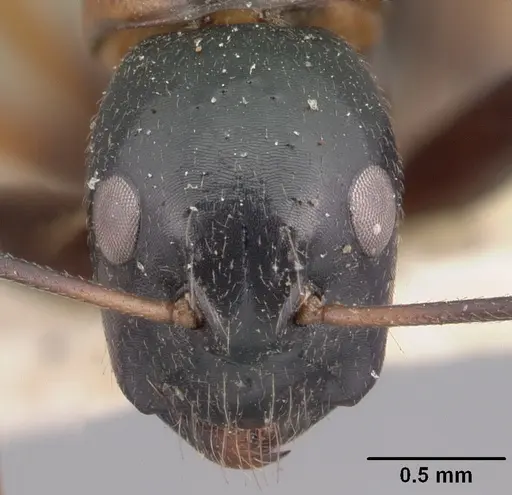
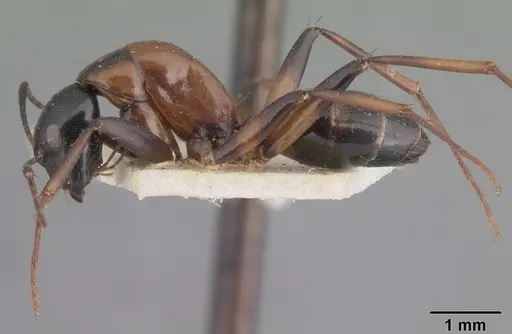
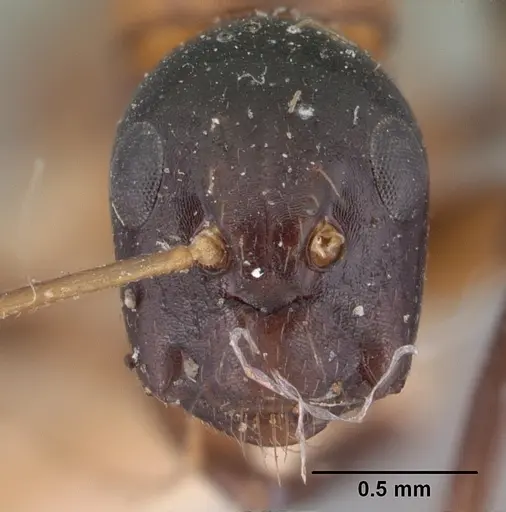
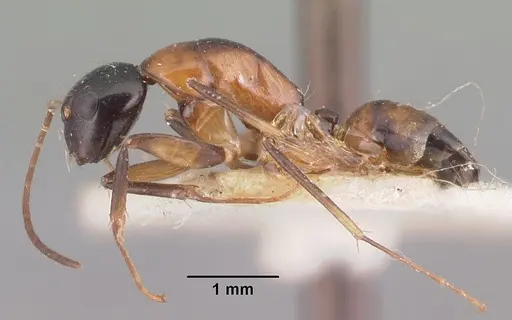
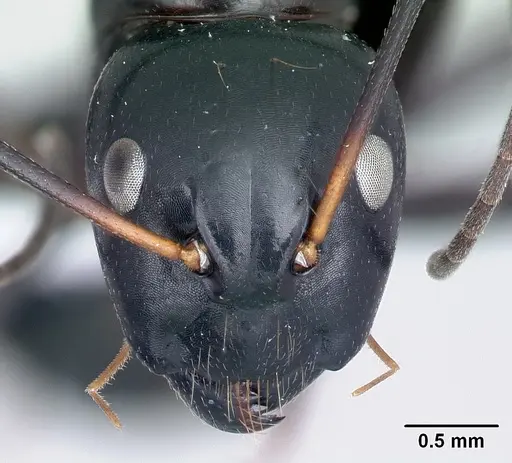
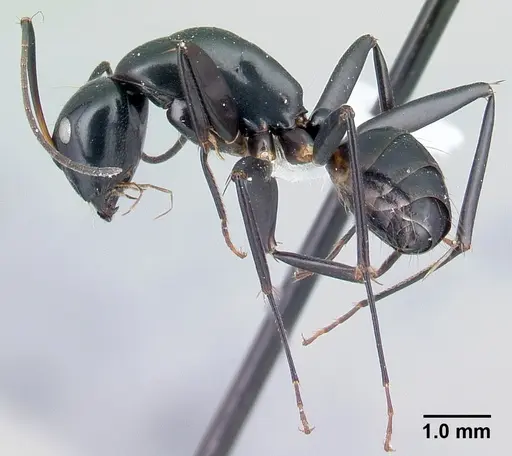
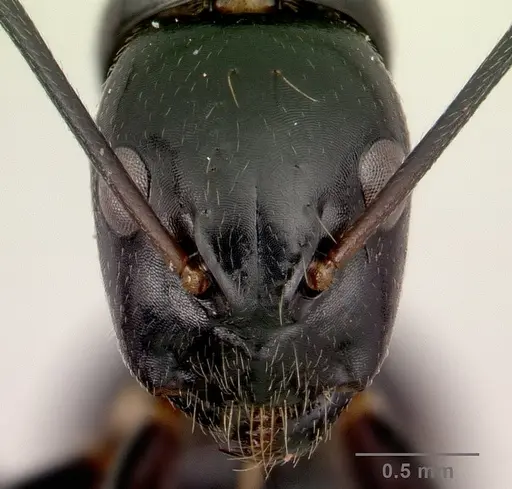
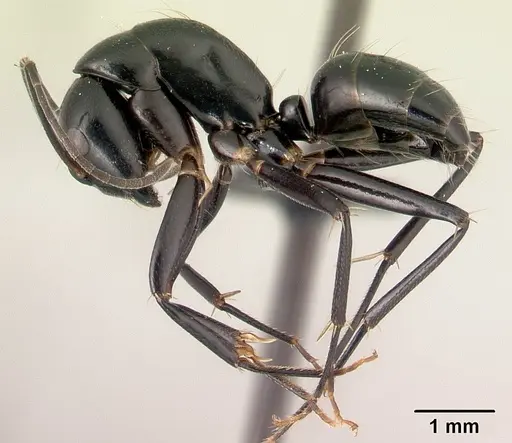
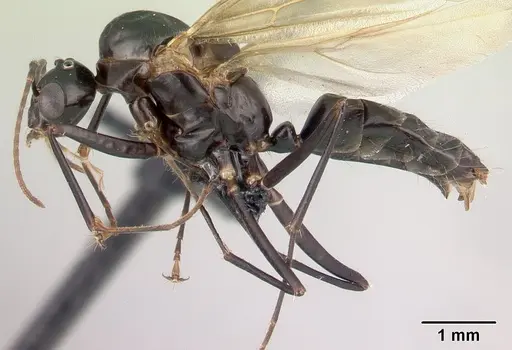
Camponotus dromedarius is a medium-to-large ant species endemic to Madagascar. Workers are polymorphic with distinct minor and major castes - major workers have enlarged heads. The body is generally black, though some specimens show a dark brown mesosoma with orange spots. This species belongs to the subgenus Mayria and has a distinctive dome-shaped mesosoma when viewed from the side. They inhabit montane rainforests at elevations between 800-1400m in central Madagascar, nesting in rotting logs and tree stumps while foraging on the ground and low vegetation [AntWiki].
Quick Summary
- Difficulty: Medium
- Origin & Habitat: Endemic to Madagascar, found in montane rainforests at 800-1400m elevation in the central region. They nest in rotting wood and forager in forest understory [1][2].
- Colony Type: Single-queen colonies, inferred from typical Camponotus behavior
- Size & Growth:
- Queen: ~12-16mm, inferred from Camponotus genus patterns
- Worker: ~6-12mm, inferred from Camponotus genus patterns
- Colony: size data unavailable
- Growth: Moderate
- Development: 6-8 weeks (estimated based on genus patterns) (First workers are smaller than normal workers)
- Antkeeping:
- Temperature: Keep warm, around 24-28°C. Being from tropical Madagascar, they need warmth year-round. A heating cable on one side of the nest creates a temperature gradient.
- Humidity: They naturally nest in rotting wood in humid rainforests. Keep nest substrate moist but not waterlogged.
- Diapause: No, being a tropical species from Madagascar, they do not require hibernation. Keep temperatures stable year-round.
- Nesting: Y-tong (AAC) nests or plaster nests work well. They naturally nest in rotting wood, so provide humid conditions with some wood or bark material.
- Behavior: Generally calm and non-aggressive compared to some other Camponotus species. Major workers often lead foraging expeditions and can dominate food sources, while minor workers handle brood care. They are moderate escape artists, use standard barrier methods like Fluon on test tube rims. Foraging occurs primarily at night and during cooler hours. They accept a wide variety of foods including sugars, proteins, and insects. As Formicinae ants, they lack a functional sting and instead bite and spray formic acid from their acidopore.
- Common Issues: tropical species, temperature drops below 20°C can slow or stop brood development, colonies may decline if humidity drops too low, rotting wood nesters need consistent moisture, major workers can be aggressive toward minor workers when food is discovered, provide multiple feeding stations, slow founding phase, queens may take 2-3 months before first workers appear, patience is essential, wild-caught colonies may harbor parasites that affect captive health
Housing and Nest Setup
Camponotus dromedarius does well in Y-tong (AAC) nests, plaster nests, or acrylic formicariums with water chambers. Since they naturally nest in rotting logs and tree stumps in humid rainforest environments, they need consistent moisture in their nest area. A test tube setup works well for founding colonies, use a second water tube connected to maintain humidity. For mature colonies, provide a nest area with multiple chambers connected by tunnels. Keep the nest substrate slightly moist. Place the foraging area in a location with moderate lighting, these ants prefer darker, more concealed nest areas. Escape prevention is straightforward: standard Fluon barriers on test tube rims work well, and the colony is not particularly prone to escaping when properly fed. [1]
Feeding and Diet
Like other Camponotus species, dromedarius is omnivorous and accepts a wide variety of foods. Offer sugar water or honey as a constant energy source, they will readily take it. For protein, provide insects like fruit flies, small crickets, mealworms, or other small arthropods twice weekly. Major workers often dominate food discovery, so provide multiple feeding stations to reduce competition. They forage on the ground and low vegetation in the wild, so they are accustomed to finding scattered food sources. Remove uneaten prey after 24-48 hours to prevent mold. Fresh fruit can also be offered occasionally. [1]
Temperature and Seasonal Care
Being native to tropical Madagascar, these ants need warm temperatures year-round. Keep the nest area at 24-28°C for optimal brood development. A heating cable placed on top of the nest (never underneath where it can dry out the substrate) creates a gentle warmth gradient. Room temperature around 22-24°C is acceptable, but temperatures below 20°C will slow colony activity and may stop brood development entirely. No hibernation or diapause is required, maintain stable temperatures throughout the year. Avoid sudden temperature fluctuations. If your room temperature is below 24°C, use a small heat source to maintain warmth. [1]
Colony Development and Growth
A newly mated queen will seal herself in a chamber and lay eggs without leaving to forage. She survives on her stored fat reserves while raising the first brood. This founding phase typically takes 6-8 weeks at optimal temperature before the first workers emerge. First workers are smaller than normal minor workers and will immediately begin caring for the next brood and foraging for food. After the first workers arrive, colony growth accelerates. Major workers typically appear after the colony reaches several hundred workers. Growth is moderate, expect 1-2 years to reach moderate colony size. Patience is key during the founding phase.
Behavior and Temperament
Camponotus dromedarius is generally calm and less aggressive than many other Camponotus species. Major workers have enlarged heads and can dominate food sources, while minor workers handle most brood care and nest maintenance. They are not particularly territorial and typically retreat rather than escalate conflicts. Foraging activity is highest during evening and nighttime hours, reflecting their natural behavior in the rainforest understory. They build scent trails to food sources and can recruit nestmates efficiently. The colony will establish defined foraging routes once they settle into your setup. As Formicinae ants, they lack a functional sting, instead they bite the target and spray a stream of concentrated formic acid from an acidopore into the wound. [1]
Frequently Asked Questions
How long does it take for Camponotus dromedarius to get first workers?
Expect 6-8 weeks at optimal temperature (24-28°C) from egg to first worker. The queen seals herself in and raises the first brood alone, so this founding phase requires patience. Some colonies may take slightly longer if temperatures run cooler.
Do Camponotus dromedarius ants need hibernation?
No. Being from tropical Madagascar, they do not require hibernation. Keep temperatures stable at 24-28°C year-round. Temperatures below 20°C can slow or stop colony development.
What do I feed Camponotus dromedarius?
Offer sugar water or honey constantly as an energy source. For protein, provide insects like fruit flies, small crickets, or mealworms twice weekly. They are omnivorous and accept a wide variety of foods. Remove uneaten prey after 24-48 hours.
How big do Camponotus dromedarius colonies get?
Colony size data is unavailable for this species. Based on typical Camponotus patterns, colonies likely reach several thousand workers over 2-4 years.
Are Camponotus dromedarius good for beginners?
They are moderate difficulty. The main challenges are maintaining proper humidity and warmth year-round, plus the slow founding phase requires patience. If you can keep temperatures stable and provide humid conditions, they are rewarding ants to keep.
What size nest do I need for Camponotus dromedarius?
Start with a test tube setup for the founding queen. Once the colony reaches 50+ workers, move to a Y-tong or small formicarium. They need multiple chambers and humid conditions. Scale up as the colony grows.
When should I move my colony to a formicarium?
Move to a formicarium once the test tube becomes crowded or the colony reaches 30-50 workers. Make sure the formicarium has proper humidity control and a connected foraging area.
Can I keep multiple Camponotus dromedarius queens together?
No. This species is likely monogyne, single-queen colonies. Multiple unrelated queens will fight. Only keep one queen per colony.
Why is my colony growing slowly?
Check temperature first, they need 24-28°C for optimal development. Also verify humidity is adequate. Poor nutrition can also slow growth. Ensure they have constant sugar access and regular protein feedings.
Report an Issue
The current care sheet is based fully on literature. See inconsistencies, or something that's incorrect? Please , it will be resolved after review from an admin. Contributing to the blogs tab also helps providing information, to make us be able to further improve the caresheets. Thank you for your support!
References

This caresheet is licensed under CC BY-SA 4.0 .
Community Blogs
CASENT0101107
View on AntWeb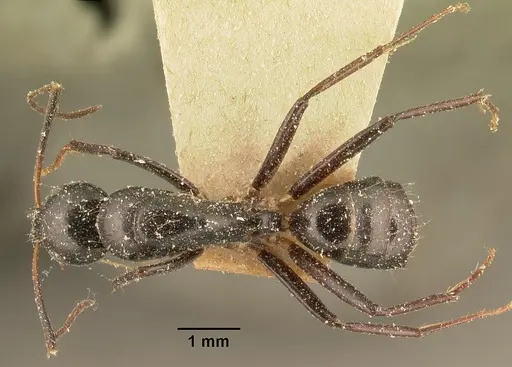
CASENT0101422
View on AntWeb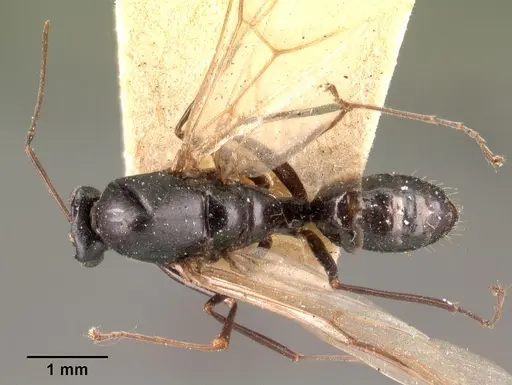
CASENT0101423
View on AntWeb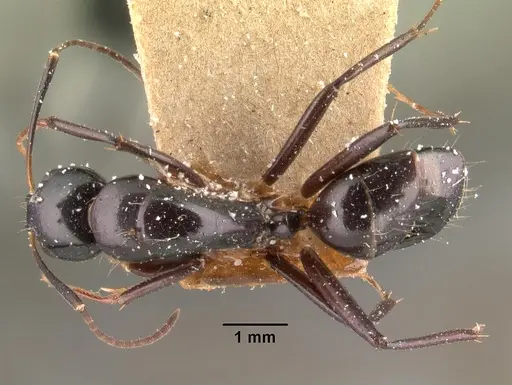
CASENT0101531
View on AntWeb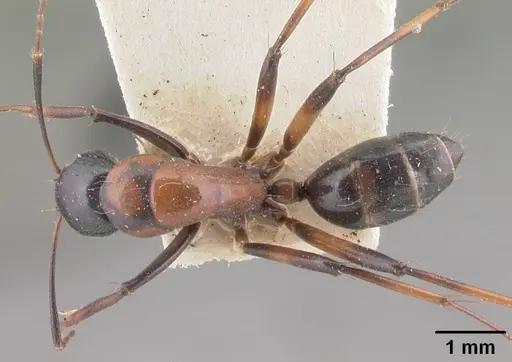
CASENT0101532
View on AntWeb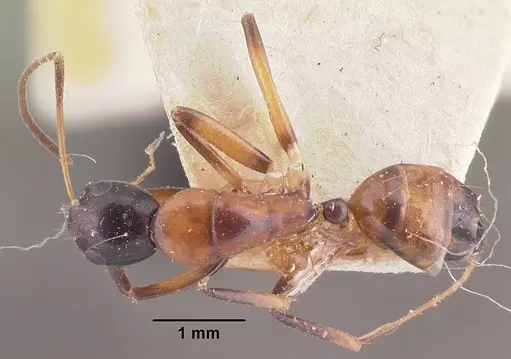
CASENT0101533
View on AntWeb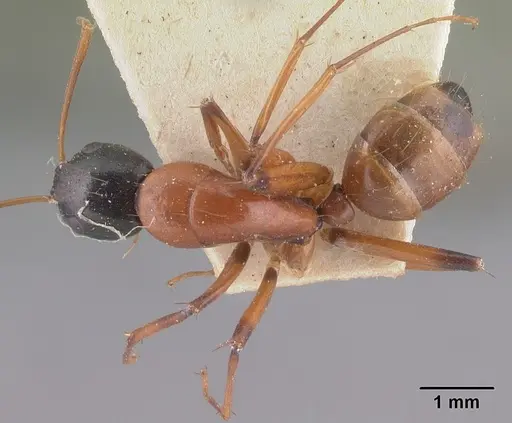
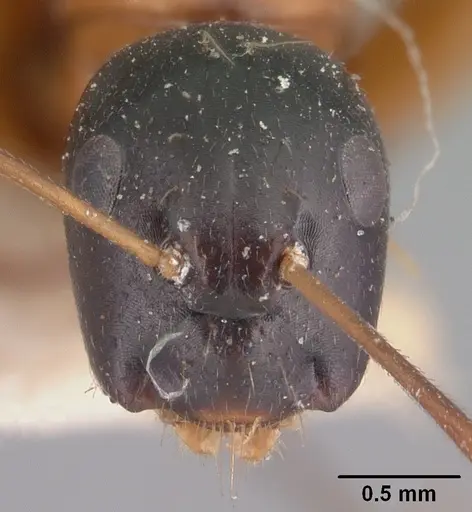
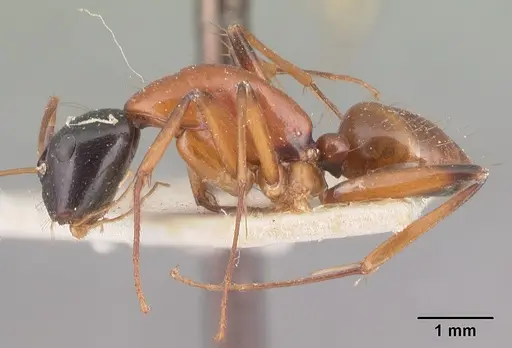
CASENT0101534
View on AntWeb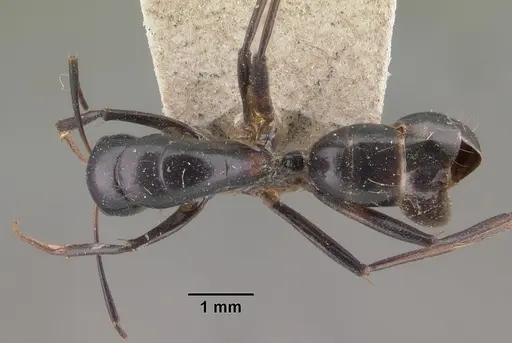
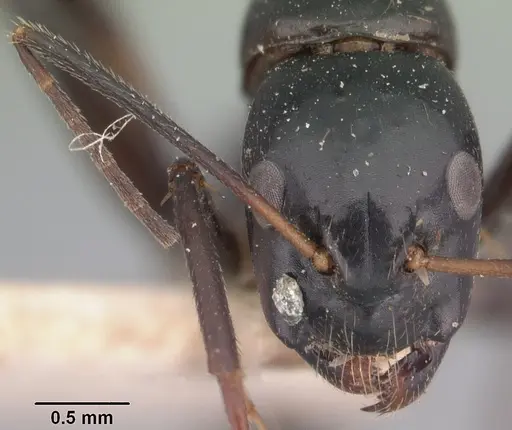
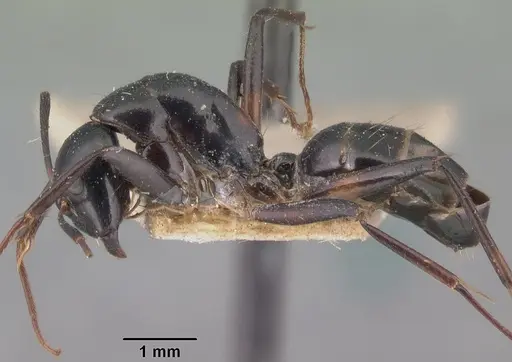
CASENT0101538
View on AntWeb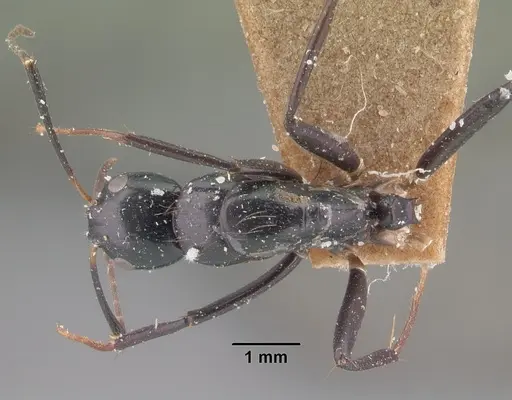
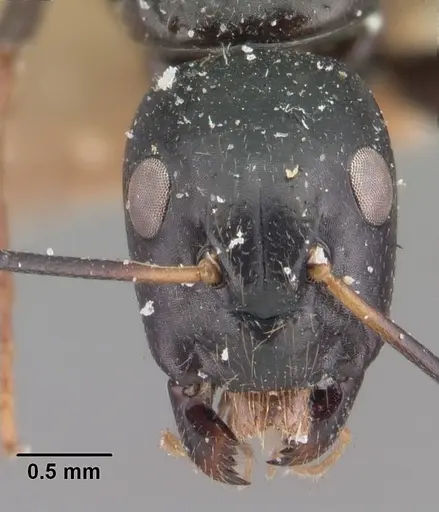
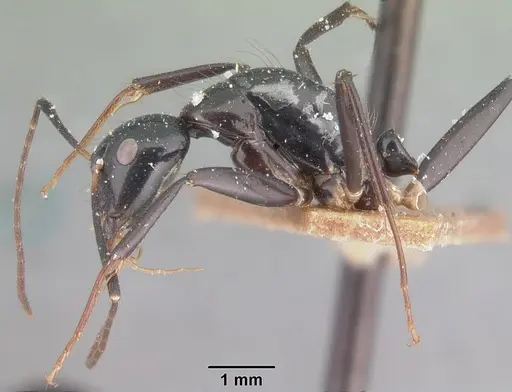
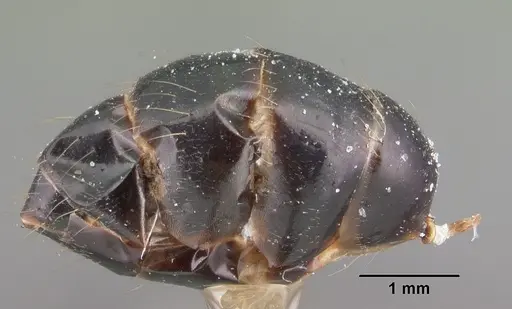
CASENT0179456
View on AntWeb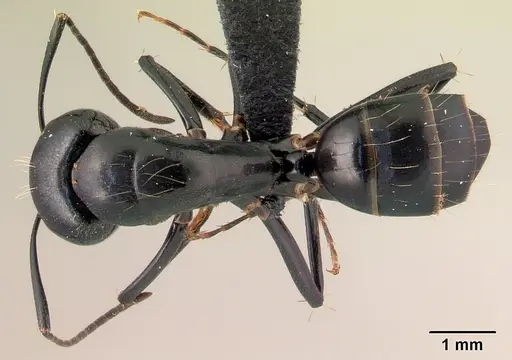
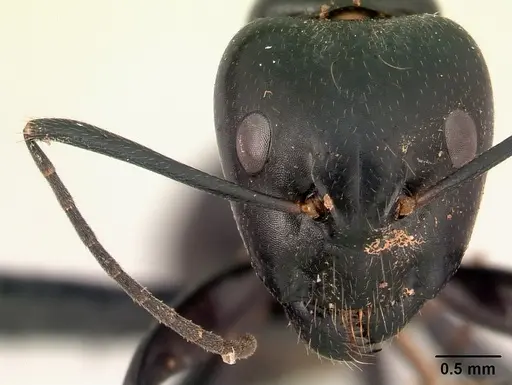
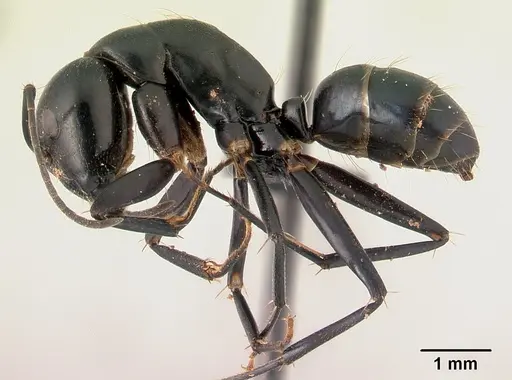
CASENT0191645
View on AntWeb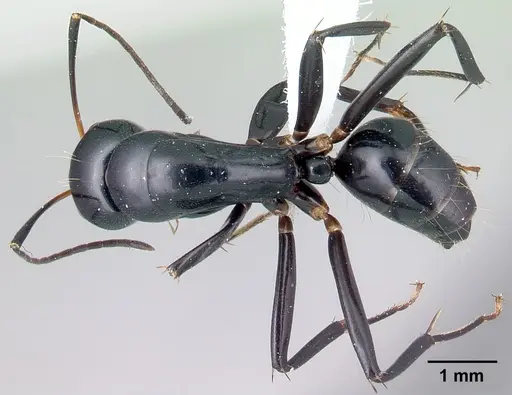
CASENT0496817
View on AntWeb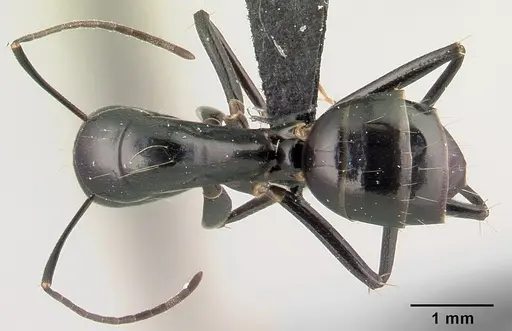
CASENT0496818
View on AntWeb
Literature
Loading distribution map...Loading products...