
Camponotus dolendus
- Sci. Name
- Camponotus dolendus
- Subgenus
- Myrmosericus
- Tribe
- Camponotini
- Subfamily
- Formicinae
- Author
- Forel, 1892
- Distribution
- Found in 2 countries
Introduction
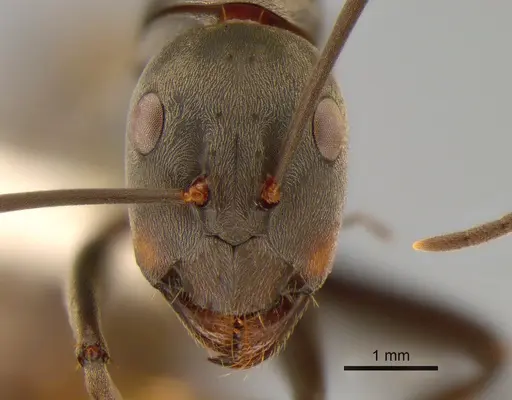
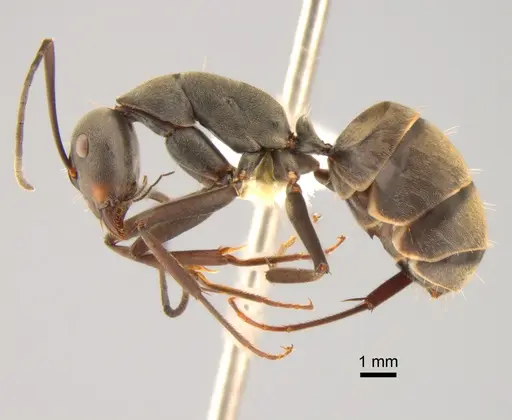
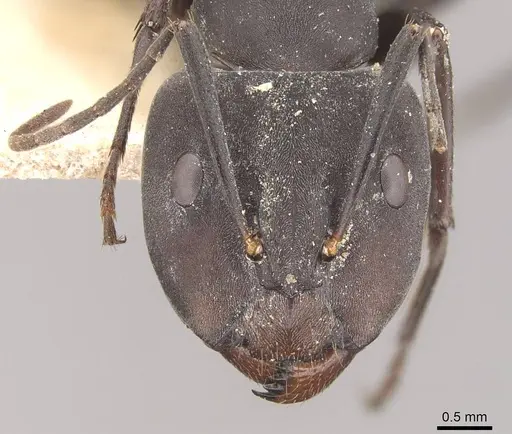
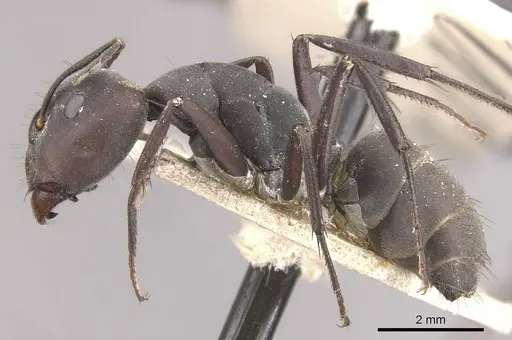
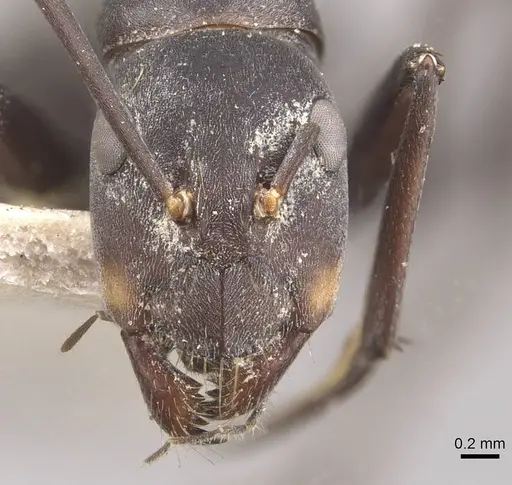
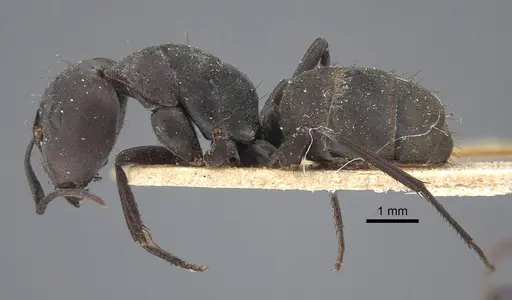
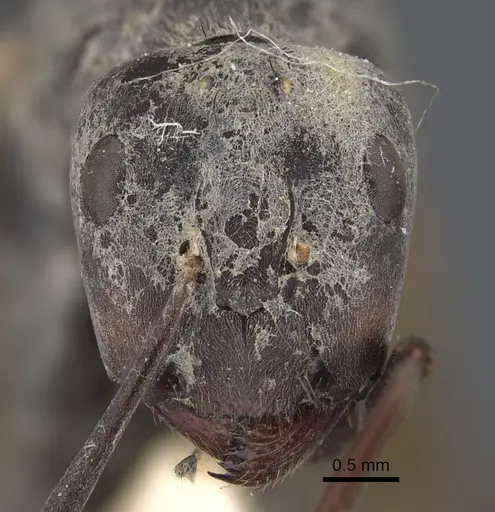
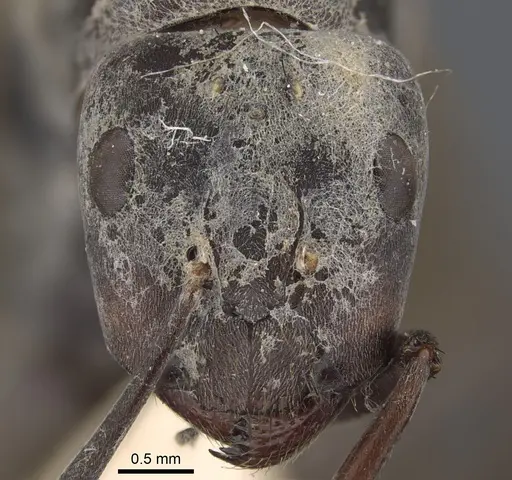
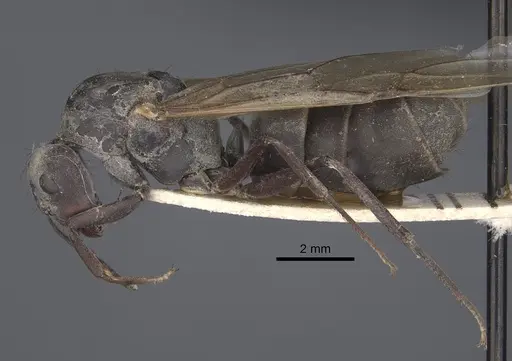
Camponotus dolendus is a carpenter ant species found across South and Southeast Asia, from the Himalayan region through southern China and into Indochina. Workers come in two sizes: major workers reach 7-9mm while minor workers are smaller at 5-7mm . They are predominantly black with reddish-brown (testaceous) mandibles, antennae, legs, and the rear edges of their abdominal segments . This species belongs to the Myrmosericus subgenus and was originally described as a subspecies of Camponotus rufoglaucus before being elevated to full species status. They inhabit mountainous regions up to 1830m elevation in the Himalayas but are also found at lower elevations around 900-1000m in Nepal .
Quick Summary
- Difficulty: Medium
- Origin & Habitat: Native to the Himalayan region and southern China, ranging from India and Nepal through Laos and Vietnam into southern China. Found at elevations from 900-1830 meters in the Himalayas, with populations in the Indomalaya and Palaearctic regions [2][3][4].
- Colony Type: Colony structure is unconfirmed for this species. Most Camponotus species establish single-queen colonies, but specific data for C. dolendus is not available.
- Size & Growth:
- Queen: Size data unavailable, queen size has not been measured for this species
- Worker: Major workers 7-9mm, minor workers 5-7mm [1]
- Colony: Colony size data unavailable for this species
- Growth: Growth rate is unconfirmed, likely moderate based on typical Camponotus patterns
- Development: Development time is unconfirmed for this species (Development timeline is inferred from genus patterns as species-specific data is not available)
- Antkeeping:
- Temperature: Keep at room temperature around 20-24°C. Given their Himalayan and high-altitude distribution, they prefer cooler conditions than many tropical ants. Provide a temperature gradient so ants can choose their preferred spot [2].
- Humidity: Moderate humidity around 50-60%. They tolerate a range of conditions but avoid overly dry or waterlogged substrates. Provide a water tube for drinking moisture.
- Diapause: Yes, likely required given their Himalayan distribution. Provide a winter rest period of 8-12 weeks at 10-15°C during winter months [2].
- Nesting: Use a Y-tong (AAC) nest or plaster formicarium with narrow chambers scaled to their size. They prefer darker nesting areas. In captivity, they do well in test tube setups for founding colonies, then transition to formicaria as colonies grow.
- Behavior: Generally calm and non-aggressive for a large carpenter ant. Workers are active foragers that search for protein and sugar sources. Major workers can deliver a mild bite if threatened but are not particularly defensive. They are moderate escape artists, use standard barrier methods like fluon on the rim of formicaria. They are primarily nocturnal or crepuscular foragers, typical of Camponotus.
- Common Issues: colonies may fail if kept too warm, they prefer cooler temperatures than typical tropical ants, founding colonies are slow to establish, new keepers may lose patience and disturb the queen too often, wild-caught colonies may carry parasites that can decimate captive colonies, larger colonies need plenty of nesting space, cramped quarters can cause stress or abandonment, hibernation failure is common, ensure proper cooling period during winter months
Housing and Nest Setup
Camponotus dolendus does well in standard ant keeping setups. For founding colonies, use a test tube setup with a water reservoir and cotton plug, this provides the dark, humid environment queens prefer while they seal themselves in to raise their first brood. Once the colony reaches 15-20 workers, you can transition them to a Y-tong (AAC) nest or plaster formicarium. These ants prefer narrower chambers rather than wide open spaces, and they do best in darker nesting areas. Avoid placing their nest in direct sunlight or near heat sources that would create uneven temperatures. A small outworld for foraging allows workers to collect food without disturbing the nest chamber. [1]
Feeding and Diet
Like other carpenter ants, Camponotus dolendus is omnivorous. Workers need protein for brood development and sugar for energy. Offer protein sources like small insects (fruit flies, small mealworms, crickets), and provide sugar water, honey, or diluted maple syrup as a constant food source. Feed protein 2-3 times per week, and keep sugar water available at all times. Remove uneaten protein after 24-48 hours to prevent mold. Larger colonies will consume more, adjust feeding frequency based on colony size and consumption rate.
Temperature and Seasonal Care
This species prefers cooler temperatures than many common pet ants. Keep the nest area at 20-24°C during the active season. A heating cable on one side of the nest can create a temperature gradient, allowing workers to regulate their own temperature by moving between warmer and cooler areas. During winter, they require a diapause (hibernation) period of 8-12 weeks at 10-15°C. This rest period is important for colony health and mimics their natural seasonal cycle in the Himalayan region. Reduce feeding during hibernation and keep the colony in a cool, dark location like an unheated garage or basement. [2][3]
Behavior and Colony Development
Camponotus dolendus is a relatively calm species that establishes colonies progressively. The claustral queen seals herself in a chamber and raises her first brood (nanitic workers) entirely on her own body reserves. These first workers are typically smaller than normal workers but quickly begin foraging to support the growing colony. Major workers (soldiers) develop as the colony matures and serve primarily for defense and seed processing. Workers are primarily nocturnal, so you may see more activity in the evening and morning hours. The colony will grow gradually over several years. [1]
Frequently Asked Questions
How long does it take for Camponotus dolendus to raise first workers?
Exact development time is unconfirmed for this species. Expect several weeks to a couple months from egg to first worker at room temperature, typical for Camponotus species.
What temperature do Camponotus dolendus need?
Keep them at 20-24°C during the active season. They prefer cooler conditions than many tropical ants due to their Himalayan distribution.
Do Camponotus dolendus need hibernation?
Yes, they likely require a winter diapause period given their Himalayan distribution. Provide 8-12 weeks at 10-15°C during winter months to maintain colony health.
Are Camponotus dolendus good for beginners?
They are moderate difficulty, more forgiving than some species but requiring attention to temperature and seasonal care. Their slower colony development requires patience.
How big do Camponotus dolendus colonies get?
Colony size data is unavailable for this species. Most Camponotus species reach several thousand workers at maturity.
What do Camponotus dolendus eat?
They need protein (insects like fruit flies or small mealworms) 2-3 times weekly and constant access to sugar sources (honey water or sugar water).
Can I keep multiple Camponotus dolendus queens together?
Colony type is unconfirmed for this species. Most Camponotus species are single-queen (monogyne). Combining unrelated queens is not recommended and typically results in fighting.
When should I move my colony to a formicarium?
Transition from test tube to formicarium once the colony reaches 15-30 workers and the test tube setup becomes cramped.
Why is my Camponotus dolendus colony dying?
Common causes include: too high temperatures (keep below 25°C), improper hibernation, overfeeding leading to mold, or parasites from wild-caught colonies. Ensure proper temperature gradients and seasonal care.
Report an Issue
The current care sheet is based fully on literature. See inconsistencies, or something that's incorrect? Please , it will be resolved after review from an admin. Contributing to the blogs tab also helps providing information, to make us be able to further improve the caresheets. Thank you for your support!
References

This caresheet is licensed under CC BY-SA 4.0 .
Community Blogs
CASENT0882203
View on AntWeb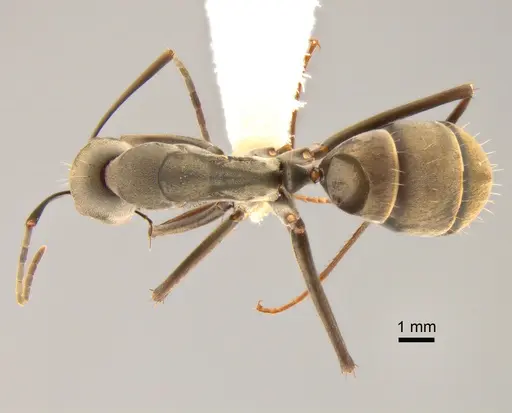
CASENT0910327
View on AntWeb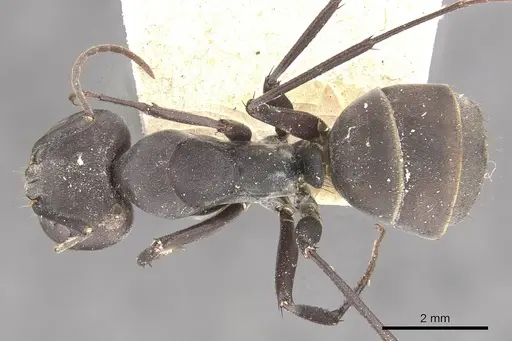
CASENT0910328
View on AntWeb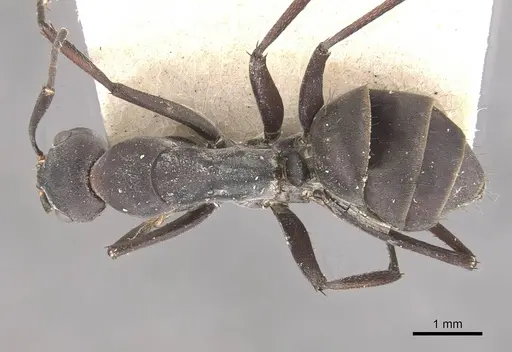
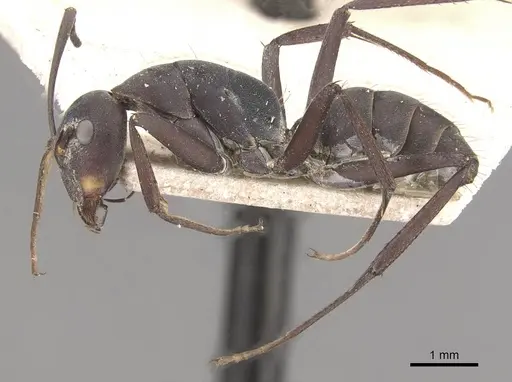
CASENT0917856
View on AntWeb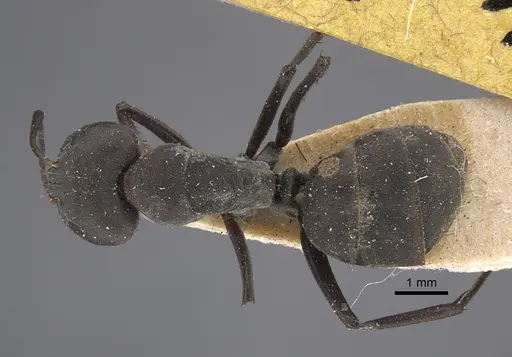
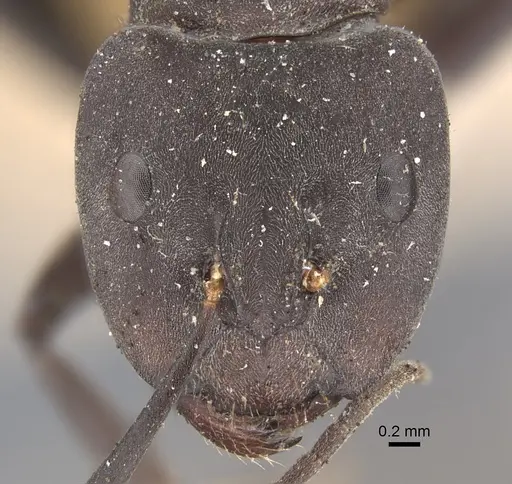
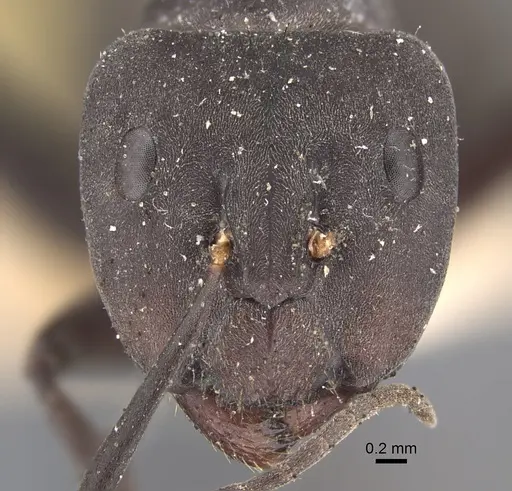
CASENT0917857
View on AntWeb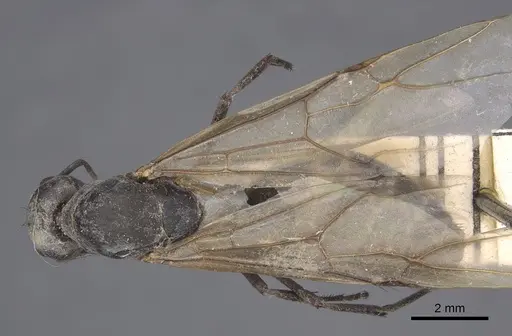
Literature
Loading distribution map...Loading products...