
Camponotus distinguendus
- Sci. Name
- Camponotus distinguendus
- Subgenus
- Tanaemyrmex
- Tribe
- Camponotini
- Subfamily
- Formicinae
- Author
- Spinola, 1851
- Distribution
- Found in 2 countries
Introduction
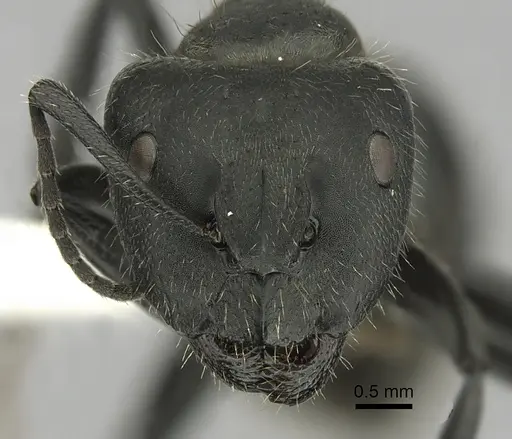
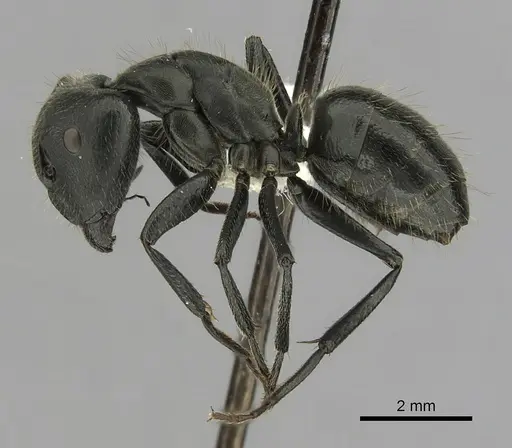
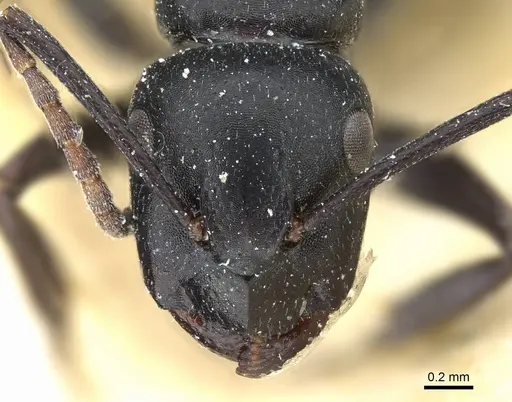
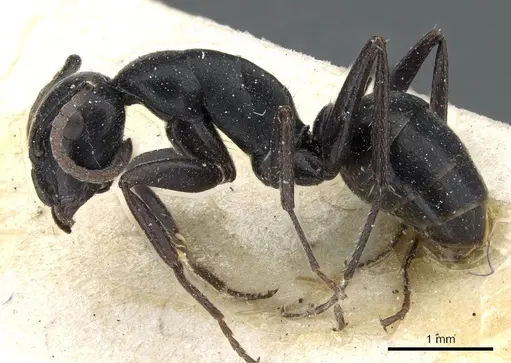
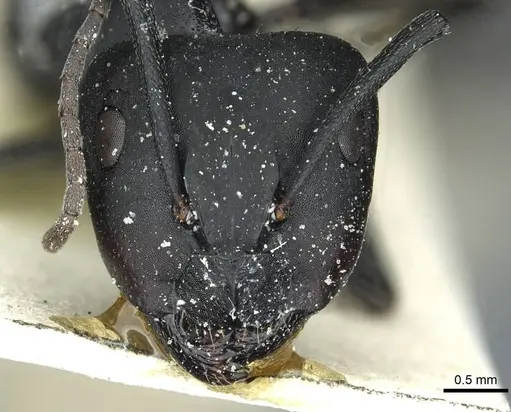
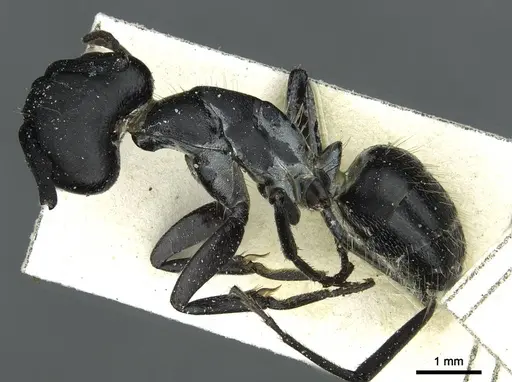
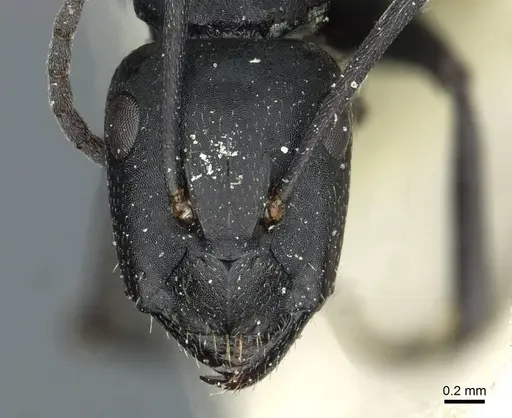
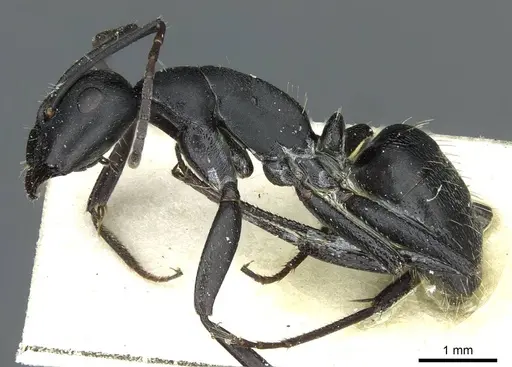
Camponotus distinguendus is a large, striking black ant native to southern South America. Workers are very large and completely black, which distinguishes them from similar Chilean species like Camponotus ovaticeps and Camponotus chilensis, which have golden hairs on the abdomen . This species belongs to the Formicinae subfamily and is currently placed in the subgenus Tanaemyrmex . It is one of the most common ants in central and southern Chile, ranging from Coquimbo to Magallanes . Populations also occur in Argentina's Patagonia region and Peru . In Patagonia, they associate with Nothofagus forests, conifers, and other cool temperate habitats . They are versatile foragers with a generalized diet that includes honeydew from aphids, insects, and spiders .
Quick Summary
- Difficulty: Easy
- Origin & Habitat: Native to southern South America: found from Coquimbo to Magallanes in Chile, with populations in Argentina's Patagonia and records from Peru [1][6][3]. Inhabits Nothofagus forests, conifer woodlands (araucarias, cipreses), and adjacent cool temperate areas [4].
- Colony Type: Monogyne, inferred from typical Camponotus patterns, but direct evidence from research is unavailable. Single-queen colonies are assumed.
- Size & Growth:
- Queen: Size data unavailable, based on Camponotus genus patterns, likely around 14-16 mm (inferred).
- Worker: Size data unavailable in research context, described as 'very large' [1]. Based on Camponotus patterns, major workers may reach ~12 mm (inferred).
- Colony: Unknown, maximum colony size not reported in available research. Inferred from typical Camponotus: likely up to a few thousand workers.
- Growth: Moderate (inferred from typical Camponotus colony development).
- Development: Unconfirmed for this species. Based on typical Camponotus, approximately 6-8 weeks at optimal temperatures (inferred). (Development follows complete metamorphosis (egg, larva, pupa, worker). First workers (nanitics) are smaller than mature workers. Specific timings are not documented for this species.)
- Antkeeping:
- Temperature: Likely prefers cooler temperatures similar to its native Patagonian habitat. Aim for 20-24°C based on typical Camponotus requirements. Provide a gradient so ants can self-regulate. Avoid overheating.
- Humidity: Keep the nest substrate moderately moist but not waterlogged. Provide a moisture gradient, these ants come from forest habitats where humidity varies. Offer a drinking tube for access to fresh water.
- Diapause: Yes, required for long-term health. As a temperate species from Patagonia, expect a winter rest period of 3-4 months at 5-10°C. Reduce feeding and keep in darkness during this time.
- Nesting: Y-tong (AAC), plaster, or soil-based nests all work. Provide spacious chambers and wide tunnels to accommodate their large size. They naturally nest in soil and rotting wood, so a naturalistic setup with substrate is suitable.
- Behavior: Calm and non-aggressive foragers. Workers are active patrollers and are known to tend aphids, protecting them from predators in exchange for honeydew [5]. As a formicine, they lack a functional sting, their primary defense is to bite and spray formic acid from the acidopore. They are not especially aggressive toward keepers but will defend the nest if disturbed. Major workers likely serve as defenders and food processors based on typical Camponotus caste roles. Escape risk is moderate, they are large and strong climbers, so use fluon or similar barriers on smooth surfaces.
- Common Issues: failure to provide winter diapause can stress or kill the colony, they need 3-4 months of cold rest., overheating is more dangerous than underheating, they prefer cooler conditions., growing colonies need consistent protein feeding, lack of protein slows growth., large workers require appropriately sized nest chambers, narrow tunnels may trap majors.
Housing and Nest Setup
For founding, a standard test tube setup works well. Fill a test tube one-third with water, plug with a cotton ball, and place the queen in a dark area. She will start laying eggs. Once the colony reaches about 15-20 workers, you can transfer them to a formicarium. Y-tong (AAC) nests are excellent because they retain humidity and provide dark chambers. Plaster nests or naturalistic setups with soil and rotting wood also work. Because workers are large, ensure tunnels and chambers are wide enough for majors. Always provide an outworld for foraging and feeding.
Feeding and Diet
Camponotus distinguendus has a generalized diet. In the wild, they are opportunists that consume honeydew from aphids, hunt small insects, and scavenge spiders [5]. In captivity, offer a constant supply of sugar water or honey for energy, and protein sources like mealworms, crickets, or other small insects 2-3 times per week. They are often active at dusk, so offering food in the evening may be more effective. Remove uneaten prey after 24 hours to prevent mold.
Temperature and Seasonal Care
These ants evolved in cool Patagonian habitats [4], so they prefer moderate temperatures. Aim for 20-24°C during the active season. Provide a temperature gradient using a low-power heating cable on one side of the nest. More important is a proper winter diapause. From late autumn to early spring, keep the colony at 5-10°C for 3-4 months. Reduce feeding and maintain darkness. Skipping hibernation can shorten colony lifespan.
Growth and Development
Like all Camponotus, this species undergoes complete metamorphosis: egg, larva, pupa, then worker. The queen lays eggs shortly after founding. Larvae grow through several stages before pupating. First workers (nanitics) emerge smaller than normal workers. Specific timelines are undocumented, but typical Camponotus development takes 6-8 weeks at optimal temperatures. Major workers appear once the colony reaches several hundred individuals. Colony growth is moderate.
Behavior and Temperament
Camponotus distinguendus is calm and manageable. Workers actively forage in a defined territory and are known to tend aphids, protecting them from predators [5]. They lack a sting, their main defense is a bite combined with formic acid spray from the acidopore (typical for formicines). Major workers serve as defenders. They are not aggressive toward keepers but may bite if the nest is disturbed. Escape prevention is straightforward with fluon barriers because of their size. Most foraging activity occurs at dawn or dusk.
Frequently Asked Questions
When should I move my colony to a formicarium?
Once the colony has about 15-20 workers, consider transferring from the test tube to a formicarium. The test tube becomes cramped quickly.
Report an Issue
The current care sheet is based fully on literature. See inconsistencies, or something that's incorrect? Please , it will be resolved after review from an admin. Contributing to the blogs tab also helps providing information, to make us be able to further improve the caresheets. Thank you for your support!
References

This caresheet is licensed under CC BY-SA 4.0 .
Community Blogs
CASENT0004625
View on AntWeb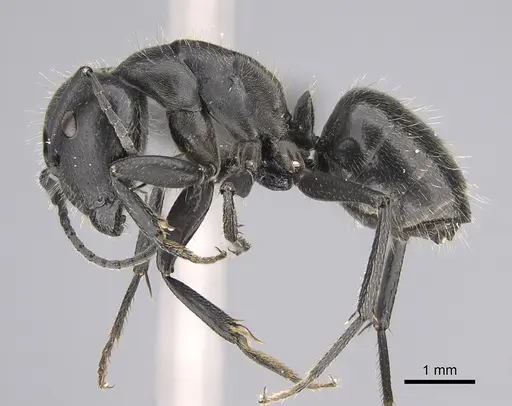
CASENT0217641
View on AntWeb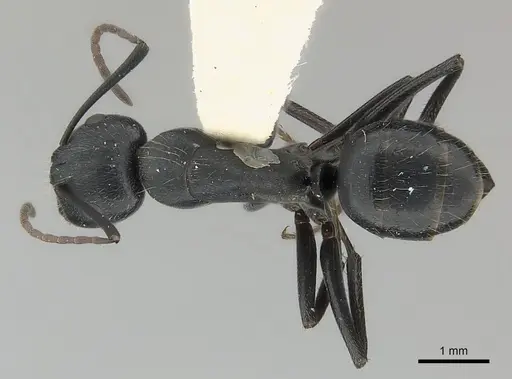
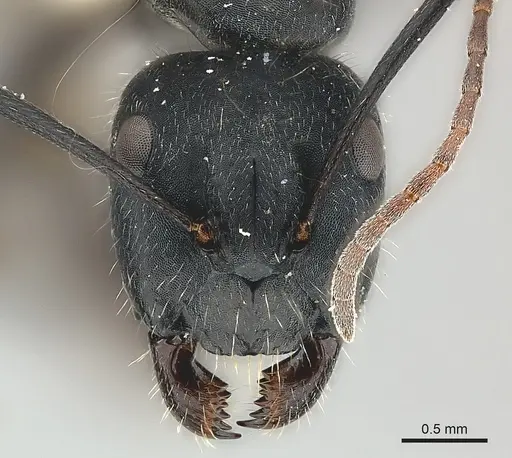
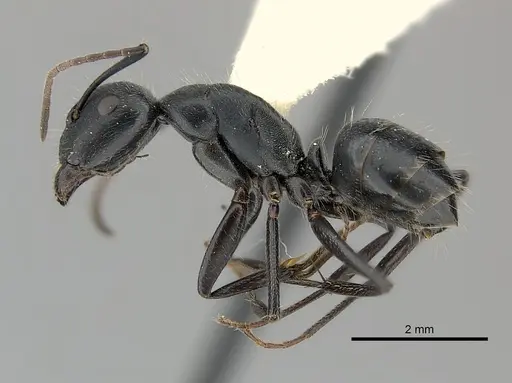
CASENT0280065
View on AntWeb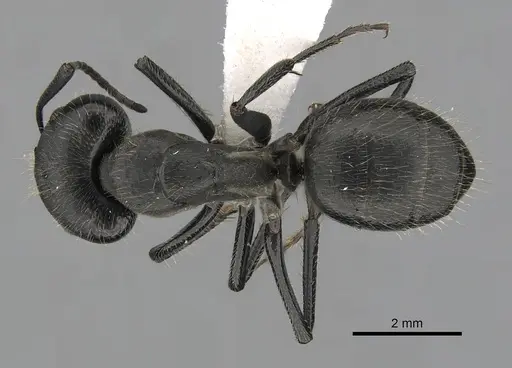
CASENT0905205
View on AntWeb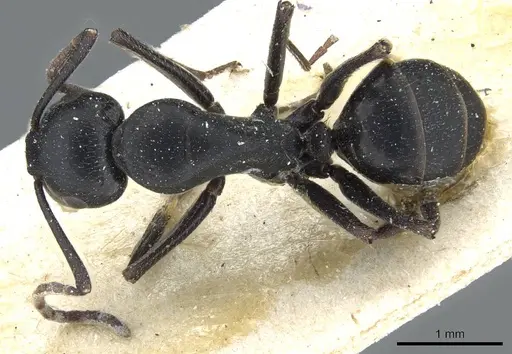
CASENT0911937
View on AntWeb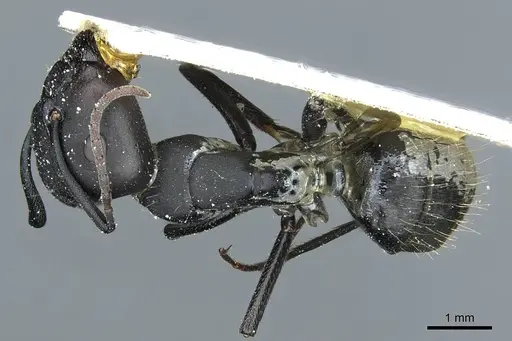
CASENT0911938
View on AntWeb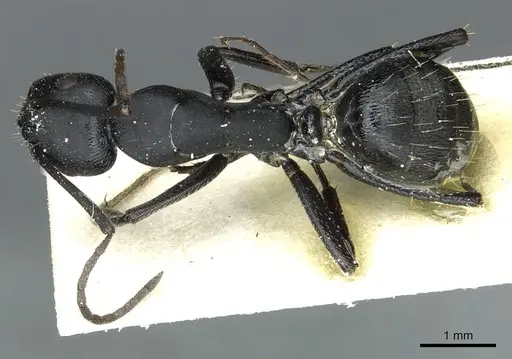
Literature
Loading distribution map...Loading products...