
Camponotus diplopunctatus
- Sci. Name
- Camponotus diplopunctatus
- Subgenus
- Myrmotrema
- Tribe
- Camponotini
- Subfamily
- Formicinae
- Author
- Emery, 1915
- Distribution
- Found in 1 countries
Introduction
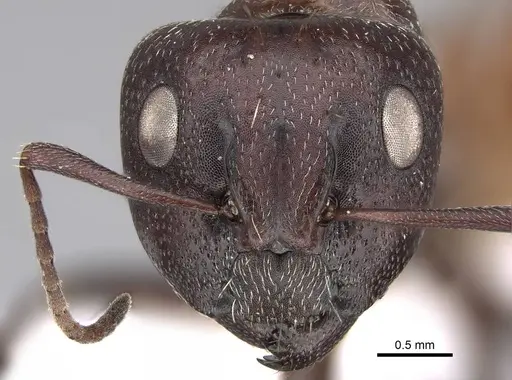
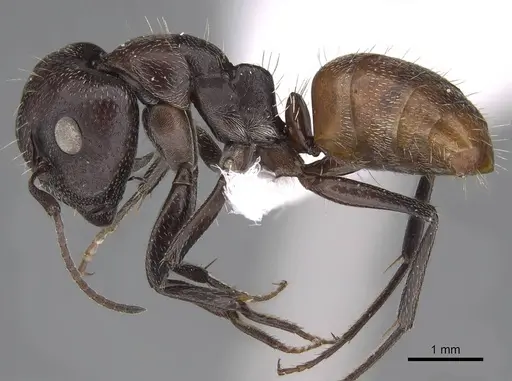
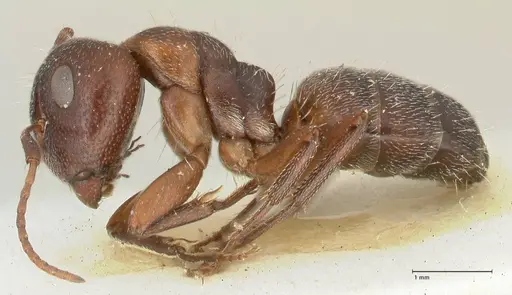
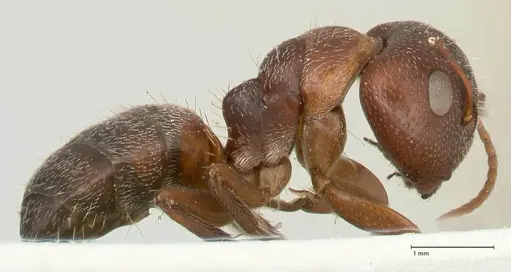
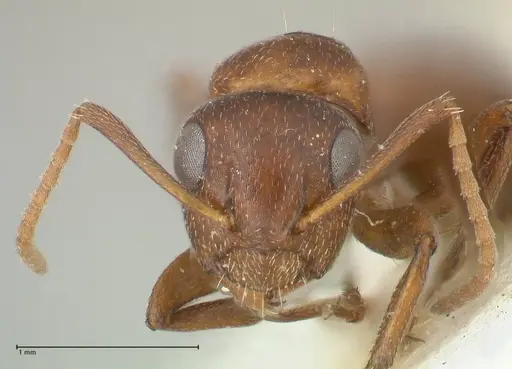
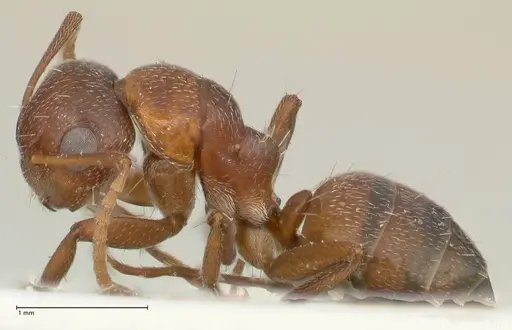
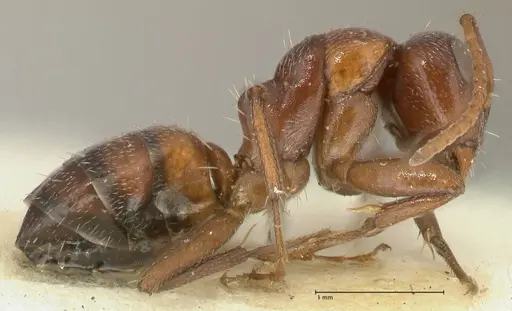
Camponotus diplopunctatus is a medium-sized carpenter ant native to East Africa, found in Eritrea, Ethiopia, Sudan, and Oman . Workers measure approximately 5-10mm, with major workers about 20% larger than minors . The species belongs to the Formicinae subfamily and Myrmotrema subgenus. They have distinctive sparse stiff long setae on the head, propodeum, petiole, and abdominal segments . In their natural habitat, they are often observed climbing the trunks of Vachellia trees . This is a relatively rare species in the antkeeping hobby with limited documented care information.
Quick Summary
- Difficulty: Medium
- Origin & Habitat: East Africa, found in Eritrea, Ethiopia, Sudan, and Oman [1]. They inhabit arid to semi-arid regions and are commonly observed climbing Vachellia trees [2].
- Colony Type: Likely single-queen colonies based on typical Camponotus patterns, though species-specific documentation is limited.
- Size & Growth:
- Queen: Size data unavailable, inferred from typical Camponotus queen size (~12-16mm)
- Worker: 5-10mm (minors ~5mm, majors ~8-10mm) [2]
- Colony: Likely several hundred workers at maturity based on typical Camponotus development patterns
- Growth: Moderate, typical for Camponotus species
- Development: Approximately 6-8 weeks at optimal temperature based on typical Camponotus development (Warmer temperatures within range accelerate development. Species-specific measurements are not available.)
- Antkeeping:
- Temperature: Keep at 24-28°C. As a tropical African species, they prefer warm conditions. Use a heating cable on one side of the nest to create a gentle gradient.
- Humidity: Moderate humidity around 50-60%. This species comes from relatively arid regions, so avoid overly damp conditions. Provide a water tube for drinking access.
- Diapause: No true hibernation required, being a tropical species, they do not need a cold winter rest period. However, a slight reduction in temperature during winter months (down to around 20-22°C) may be beneficial.
- Nesting: In nature, they likely nest in wood or under bark as typical carpenter ants. Y-tong (AAC) nests or wooden formicaria work well. They prefer tight, snug chambers that mimic their natural hollow spaces in trees.
- Behavior: These ants are generally docile and not aggressive toward keepers. As typical Camponotus, they are nocturnal to crepuscular foragers. Workers are moderate in size with good escape prevention requirement, use standard barrier methods. They are not known for stinging but may bite if threatened. They are arboreal in nature, often climbing Vachellia trees to forage for honeydew and small insects [2].
- Common Issues: tropical species may be sensitive to temperatures below 20°C, keep warm, limited availability in the antkeeping hobby means founding colonies can be difficult to acquire, arboreal nature means they may prefer elevated foraging areas in captivity, as a lesser-documented species, colony development data is limited, monitor your colony closely, major workers are significantly larger than minors, ensure nest chambers accommodate size variation
Nest Preferences
Camponotus diplopunctatus is a carpenter ant that in the wild likely nests in decaying wood, under bark, or in hollow tree branches. This aligns with their observed behavior of climbing Vachellia trees in Oman [2]. For captive care, Y-tong (AAC) nests work well because they provide dark, snug chambers that mimic natural hollow spaces. Wooden formicaria are also suitable. Avoid overly large, open spaces, these ants prefer tight-fitting chambers. Ensure the nest has a water reservoir for humidity control, but keep the nesting area relatively dry since this is an arid-region species.
Feeding and Diet
Like most Camponotus species, C. diplopunctatus is omnivorous. They likely feed on honeydew from aphids and scale insects in nature, plus small insects and arthropods. In captivity, offer sugar water or honey as a constant energy source. For protein, provide small insects like fruit flies, small mealworms, or crickets. Feed protein 2-3 times per week. Being an arboreal species, they may prefer foraging in elevated areas, consider providing food dishes at some height in the outworld. Remove uneaten prey after 24-48 hours to prevent mold.
Temperature and Heating
As a tropical East African species, Camponotus diplopunctatus requires warm conditions. Maintain nest temperatures between 24-28°C. A heating cable placed on one side of the nest creates a gentle thermal gradient that allows the colony to self-regulate. Room temperature alone may be insufficient in cooler climates, monitor with a thermometer. Avoid temperatures below 20°C for extended periods, as this species is not adapted to cold conditions. During winter, a slight reduction to around 22°C is acceptable, but no true hibernation is needed.
Colony Founding
Like all Camponotus species, C. diplopunctatus is claustral. The queen seals herself in a small chamber and raises her first workers alone, living entirely on her stored fat reserves. She does not leave to forage during founding. Provide the founding queen with a small test tube setup with a water reservoir. Place the tube in darkness and do not disturb her for 4-6 weeks. The first workers (nanitics) will be smaller than normal workers but will begin foraging once they emerge. Wait until you have 10-15 workers before considering a move to a larger nest.
Behavior and Temperament
This is a generally docile species, typical of many Camponotus. Workers are not aggressive and rarely bite. They are primarily nocturnal or crepuscular, becoming more active in dim light. The species shows arboreal tendencies, climbing trees to forage, in captivity, they may explore vertical spaces readily. Major workers are significantly larger than minors (about 20% larger) [2], so ensure your escape prevention barriers are secure. They communicate through chemical trails and may form foraging columns to food sources. Overall, they are a calm species suitable for observation.
Frequently Asked Questions
How long does it take for Camponotus diplopunctatus to have first workers?
Expect first workers (nanitics) around 6-8 weeks after the queen lays eggs, when kept at optimal temperature (24-28°C). This is based on typical Camponotus development patterns, as species-specific data is not available.
What do Camponotus diplopunctatus ants eat?
They are omnivorous. Offer sugar water or honey as a constant energy source, and protein sources like small insects (fruit flies, small mealworms, crickets) 2-3 times per week.
Do Camponotus diplopunctatus ants need hibernation?
No, they do not require hibernation. Being a tropical African species, they prefer consistent warmth year-round. A slight temperature reduction in winter (to around 22°C) is acceptable but not necessary.
What temperature is ideal for Camponotus diplopunctatus?
Keep them at 24-28°C. Use a heating cable on one side of the nest to create a gradient. Avoid temperatures below 20°C.
Are Camponotus diplopunctatus good for beginners?
This species is rated as medium difficulty. They are docile and do not require hibernation, but being a lesser-documented tropical species, they may be more sensitive to improper conditions than common temperate species. Some antkeeping experience is helpful.
How big do Camponotus diplopunctatus colonies get?
Based on typical Camponotus patterns, colonies likely reach several hundred workers at maturity. Major workers can reach about 8-10mm, with minors at about 5mm.
What type of nest is best for Camponotus diplopunctatus?
Y-tong (AAC) nests or wooden formicaria work well. They prefer snug, dark chambers that mimic natural hollow spaces in trees. Avoid overly large, open spaces.
Can I keep multiple Camponotus diplopunctatus queens together?
This species is likely monogyne (single queen). Combining unrelated foundress queens is not recommended as they would likely fight. Only one queen per colony.
When should I move Camponotus diplopunctatus to a formicarium?
Wait until the colony has 10-15 workers and the test tube setup feels cramped. Moving too early can stress the colony. Ensure the new nest has appropriately sized chambers for the queen and workers.
Report an Issue
The current care sheet is based fully on literature. See inconsistencies, or something that's incorrect? Please , it will be resolved after review from an admin. Contributing to the blogs tab also helps providing information, to make us be able to further improve the caresheets. Thank you for your support!
References

This caresheet is licensed under CC BY-SA 4.0 .
Community Blogs
CASENT0905428
View on AntWeb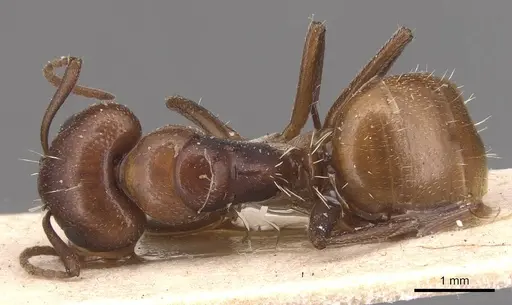
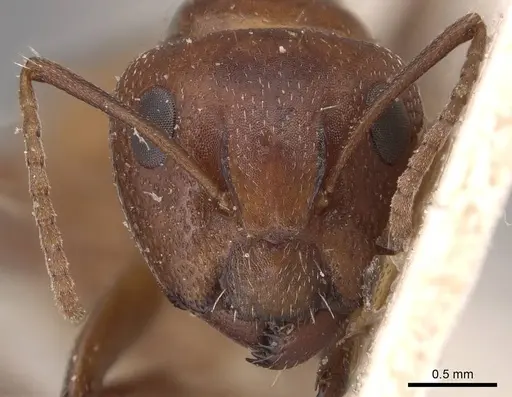
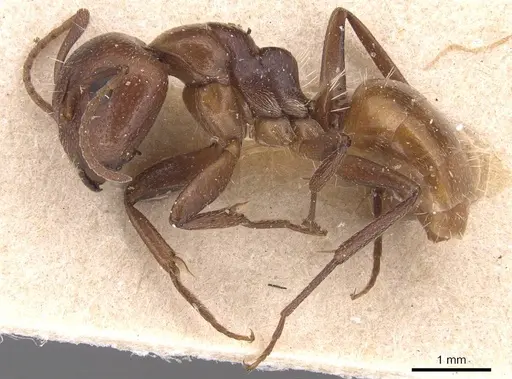
CASENT0922847
View on AntWeb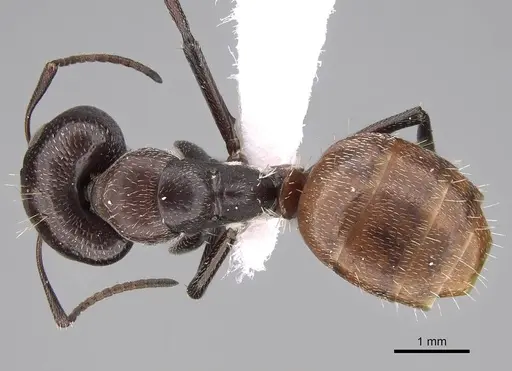
FOCOL2322
View on AntWeb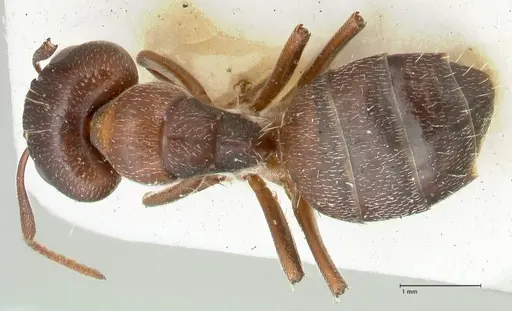
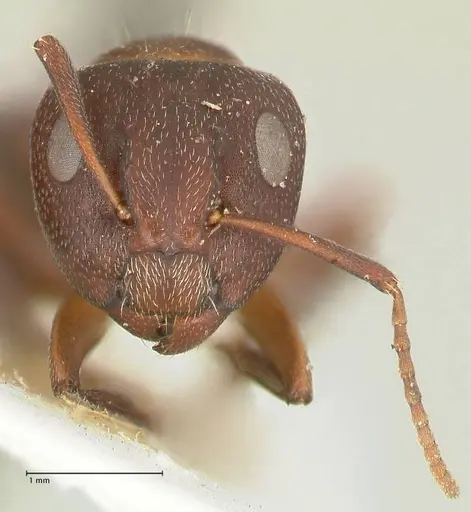
FOCOL2323
View on AntWeb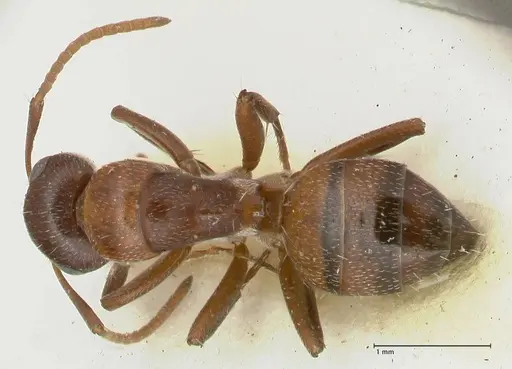
Literature
Loading distribution map...Loading products...