
Dickson's Sugar Ant
Camponotus dicksoni
- Sci. Name
- Camponotus dicksoni
- Subgenus
- Tanaemyrmex
- Tribe
- Camponotini
- Subfamily
- Formicinae
- Author
- Arnold, 1948
- Common Name
- Dickson's Sugar Ant
- Distribution
- Found in 1 countries
Introduction
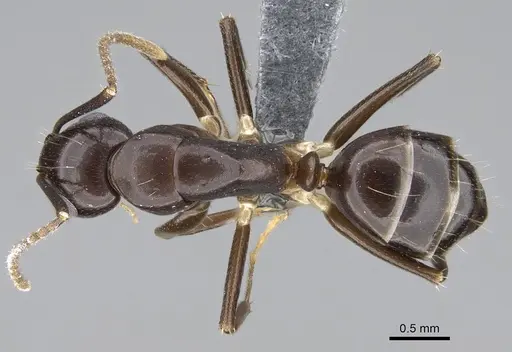
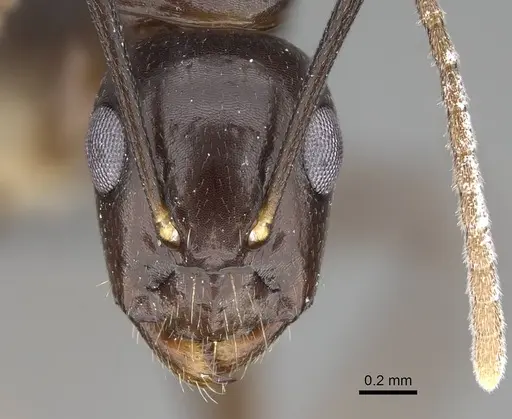
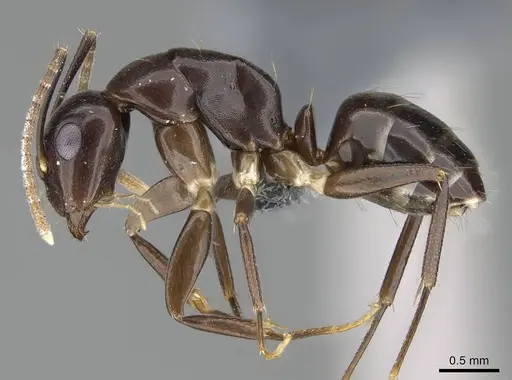
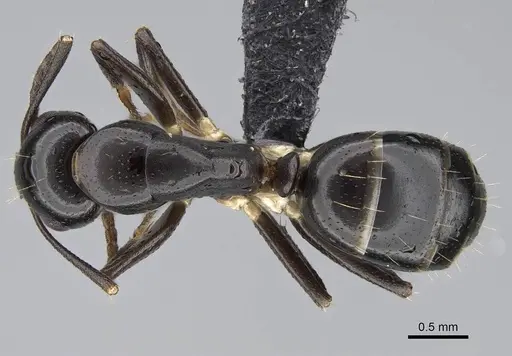
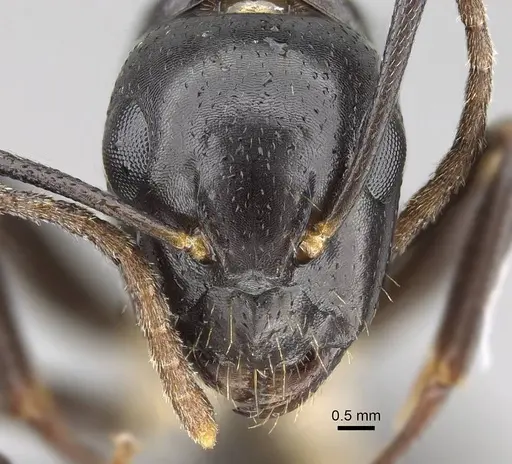
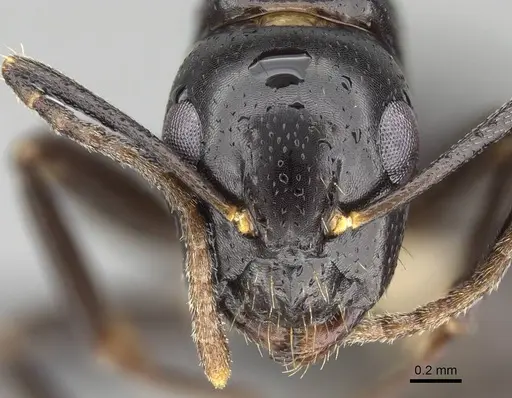
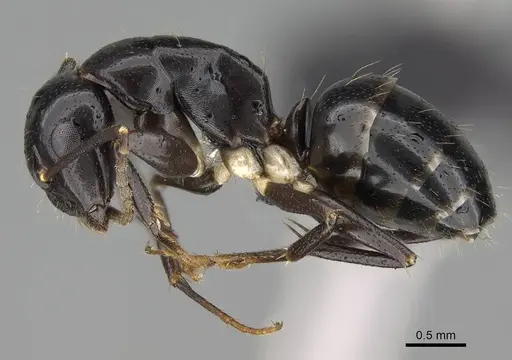
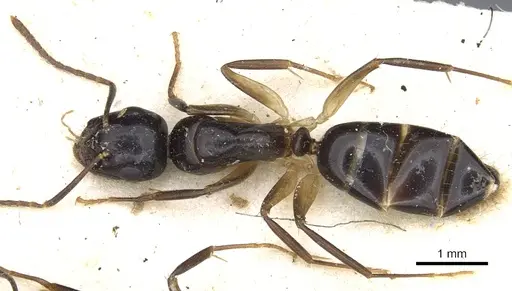
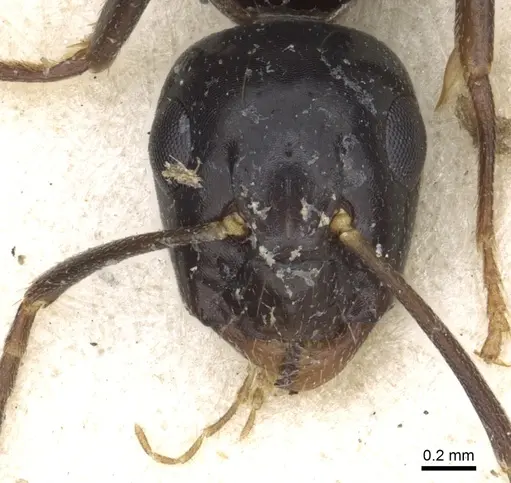
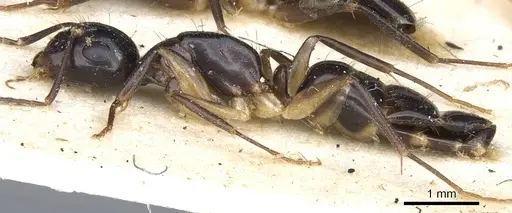
Camponotus dicksoni is a medium-sized African ant species native to the Cape Province region of South Africa, particularly around Cape Town. Workers are polymorphic, with major workers significantly larger than minor workers. The species belongs to the subgenus Tanaemyrmex. They have the typical robust body shape of Camponotus with a rounded thorax and relatively large eyes. The species was described by Arnold in 1948 from specimens collected near Strandfontein. A notable ecological association involves lycaenid butterfly larvae - specifically, it has been documented interacting with the dorsal nectary organ of C. pyroeis caterpillars, though this relationship appears to be facultative rather than obligate .
Quick Summary
- Difficulty: Medium
- Origin & Habitat: South Africa, specifically the Cape Province region around Cape Town. They inhabit the fynbos biome, a fire-prone Mediterranean climate region. In nature, they typically nest in soil or rotting wood.
- Colony Type: Single queen colonies are typical for this genus. Queens seal themselves in a chamber to raise the first brood.
- Size & Growth:
- Queen: size data unavailable, inferred from Camponotus genus patterns (~12-16mm)
- Worker: size data unavailable, inferred from Camponotus genus patterns (minor workers ~6-8mm, major workers ~10-14mm)
- Colony: large colonies, inferred from Camponotus genus patterns (several thousand workers over 3-5 years)
- Growth: moderate, typical for Camponotus
- Development: 6-8 weeks at 24-26°C, inferred from Camponotus genus patterns (Development is temperature-dependent. Nanitic workers are smaller than normal workers and appear first.)
- Antkeeping:
- Temperature: Keep nest area at 22-26°C. A gentle temperature gradient allows ants to regulate their own exposure.
- Humidity: Moderate humidity. Keep the nest substrate slightly moist but allow some drying between waterings.
- Diapause: Yes, South African temperate ants require a winter rest period. Reduce temperature to 10-15°C for 8-12 weeks during winter months.
- Nesting: Y-tong (AAC) nests work well, as do plaster formicariums. They prefer tight, dark chambers. Provide a water tube for humidity.
- Behavior: Workers are moderately active and forage individually. They are not particularly aggressive but will defend the nest if threatened. Major workers serve as soldiers and can crack larger food items. They are primarily nocturnal foragers in the wild. Escape prevention is important, while not tiny, they are strong and can squeeze through small gaps if determined. As Formicinae ants, they lack a functional sting and instead spray formic acid from their acidopore when defending the colony.
- Common Issues: colonies often stall in development if temperatures fluctuate too much, keep conditions stable, queens may abandon broods if disturbed during founding, minimize nest inspections, major workers develop slowly, don't be alarmed if only minors appear for months, winter diapause is essential, skipping it often leads to colony decline the following year, test tube setups can flood if water reservoirs are overfilled, fill only 1/3 to 1/2
Nest Preferences
Camponotus dicksoni nests naturally in soil or rotting wood, typical behavior for the genus. In captivity, they adapt well to various nest types. Y-tong (AAC) nests are popular because they provide darkness, humidity control, and easy observation. Plaster nests also work well. The key is providing appropriately sized chambers, not too large, as ants feel safer in snugger spaces. A water tube attached to the nest helps maintain humidity. For the outworld, a simple foraging area with a sugar water station and protein feeding station is sufficient. Avoid bright lighting near the nest area, as ants prefer dark, quiet spaces for brood-rearing.
Feeding and Diet
Like most Camponotus species, C. dicksoni is omnivorous with a preference for sugar sources and protein. Offer sugar water or honey water at all times. For protein, provide insects like mealworms, crickets, or fruit flies. They particularly enjoy soft-bodied insects. Major workers can tackle larger prey items. Some keepers report they accept fruit and small amounts of seeds, but protein remains the primary need for brood development. Feed protein 2-3 times per week, adjusting based on colony size and brood presence. Remove uneaten prey after 24-48 hours to prevent mold.
Temperature and Seasonal Care
Maintain nest temperatures between 22-26°C for optimal brood development. They can tolerate brief fluctuations, but stable conditions produce the best results. A heating cable placed on one side of the nest creates a natural gradient. During winter, simulate their natural seasonal cycle by reducing temperatures to 10-15°C for 8-12 weeks. This diapause period is important for colony health and typically coincides with reduced activity and no new brood. Resume normal temperatures in spring to trigger renewed growth. South African ants from the Cape have evolved with this seasonal pattern, and skipping diapause often causes problems in subsequent seasons.
Behavior and Colony Dynamics
This species shows typical Camponotus behavior with polymorphic workers. Minor workers handle most foraging and brood care, while major workers defend the colony and process larger food items. Workers are not particularly aggressive toward humans and prefer to flee or retreat when disturbed. They forage primarily at night in the wild. Colonies grow moderately, expect the first nanitic workers 6-8 weeks after founding, with significant growth occurring in the second and third year. Major workers appear as the colony matures. The species has been documented in facultative association with lycaenid butterfly larvae, where ants may tend the caterpillars for honeydew secretions [1]. As Formicinae ants, they lack a functional sting and defend by biting and spraying formic acid from their acidopore.
Frequently Asked Questions
How long does it take for Camponotus dicksoni to produce first workers?
First workers (nanitics) typically appear in 6-8 weeks when kept at 24-26°C. This timeline depends on temperature, cooler conditions slow development. Nanitic workers are smaller than normal workers and the colony will produce larger workers as it grows.
What temperature range is best for Camponotus dicksoni?
Keep the nest at 22-26°C. A slight gradient is ideal, warm on one side, cooler on the other. Room temperature within this range works well. During winter, reduce to 10-15°C for the diapause period.
Can I keep multiple queens together?
No. Camponotus dicksoni is monogyne, single queen colonies. Multiple unrelated queens will fight. Only one queen should be kept per colony.
How often should I feed Camponotus dicksoni?
Provide sugar water constantly, they need a carbohydrate source always available. Feed protein (insects) 2-3 times per week. Adjust frequency based on colony size, larger colonies need more food. Remove uneaten prey after 24-48 hours.
Do Camponotus dicksoni need hibernation?
Yes. As a South African species from a temperate region, they require a winter rest period. Reduce temperature to 10-15°C for 8-12 weeks during winter. This diapause is essential for long-term colony health.
What is the best nest type for Camponotus dicksoni?
Y-tong (AAC) nests work excellently, as do plaster formicariums. They prefer dark, snug chambers. Provide a water tube for humidity. The key is creating a quiet, dark space with appropriate moisture levels.
Are Camponotus dicksoni good for beginners?
They are intermediate in difficulty. They are more forgiving than some species but require attention to temperature stability and seasonal diapause.
How big do Camponotus dicksoni colonies get?
Mature colonies reach several thousand workers over 3-5 years. Growth is moderate, not as fast as some species but substantial over time. Major workers appear as the colony matures.
Why is my colony not growing?
Check three things: temperature (should be stable 22-26°C), food (protein and sugar constantly available), and disturbance (minimize nest inspections). Also ensure they are getting proper winter diapause. Colonies can stall if any of these conditions are suboptimal.
Report an Issue
The current care sheet is based fully on literature. See inconsistencies, or something that's incorrect? Please , it will be resolved after review from an admin. Contributing to the blogs tab also helps providing information, to make us be able to further improve the caresheets. Thank you for your support!
References

This caresheet is licensed under CC BY-SA 4.0 .
Community Blogs
Literature
Loading distribution map...Loading products...