
Camponotus depressus
- Sci. Name
- Camponotus depressus
- Subgenus
- Myrmomalis
- Tribe
- Camponotini
- Subfamily
- Formicinae
- Author
- Mayr, 1866
- Distribution
- Found in 4 countries
Introduction
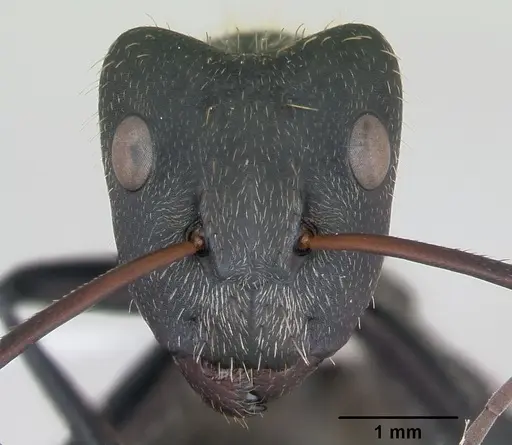
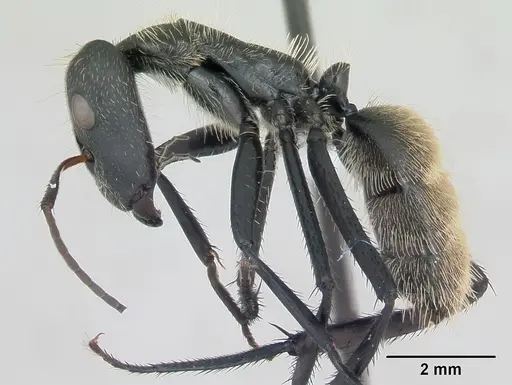
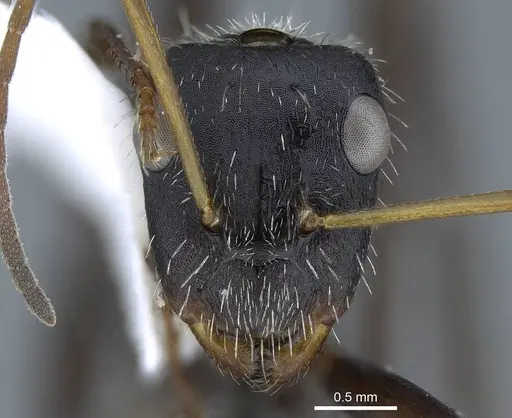
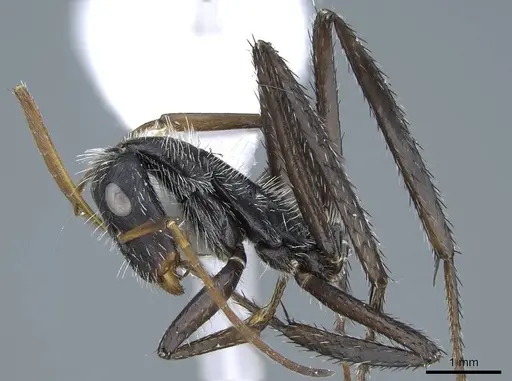
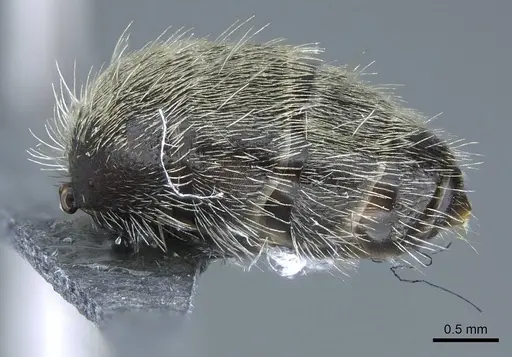
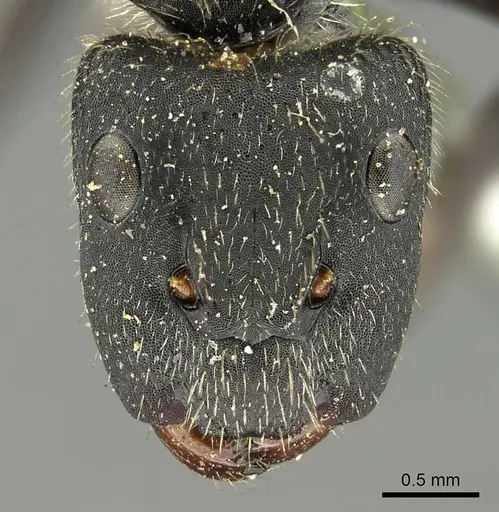
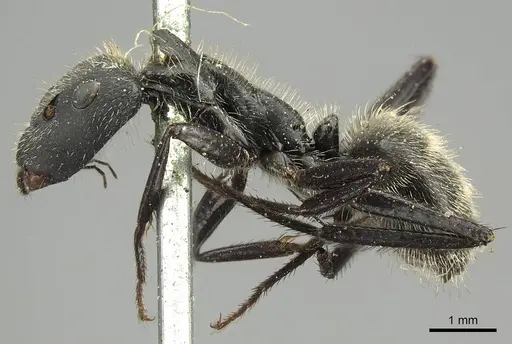
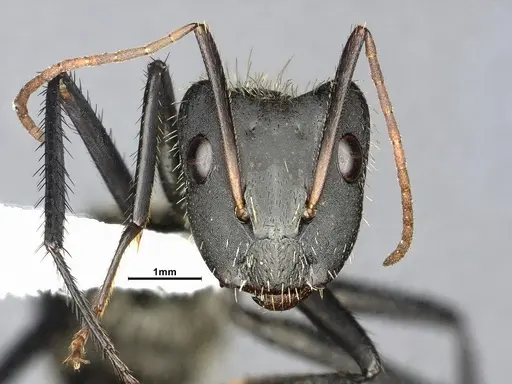
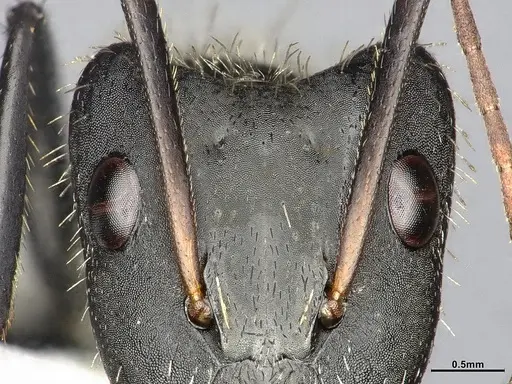
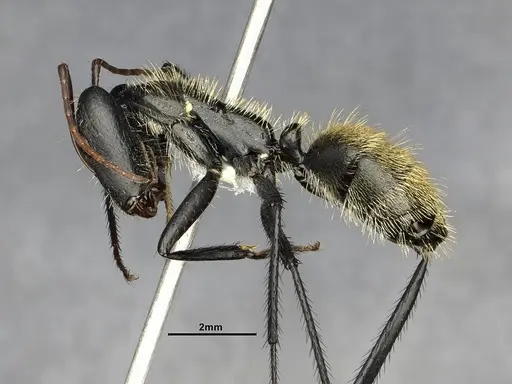
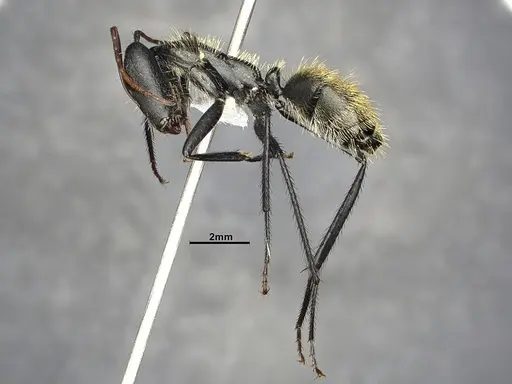
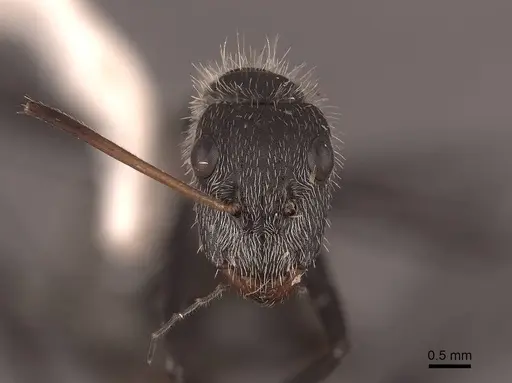
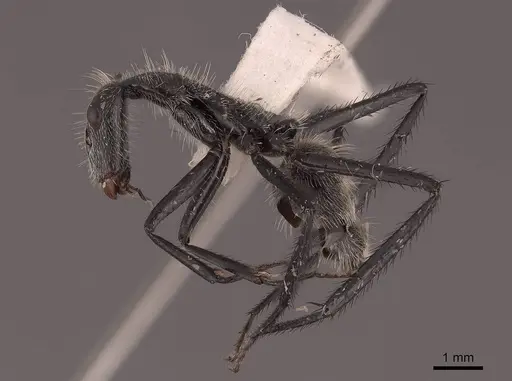
Camponotus depressus is a medium-sized Neotropical ant. Workers measure 8.5 mm in total length . They are mostly black with red mandibles, scape, basal funiculus segment, and tarsi . This species is found in the Neotropical region, including Brazil, Paraguay, Bolivia, and Argentina . They primarily nest in dead bamboo stems in tropical forests . A notable feature is their flattened head and thorax, which may be an adaptation for phragmosis, blocking nest entrances . They are closely associated with bamboo, though not exclusively, as they also nest opportunistically in Cecropia trees .
Quick Summary
- Difficulty: Medium
- Origin & Habitat: Neotropical region, Brazil, Paraguay, Bolivia, and Argentina. Found in dead bamboo stems in tropical forests, typically 2-4 meters above ground [2][3].
- Colony Type: Based on Camponotus patterns, likely monogyne (single queen per colony), but unconfirmed for this species.
- Size & Growth:
- Queen: Size data unavailable, no total length measurements for queens in research context.
- Worker: 8.5 mm [1]
- Colony: Unknown, no specific colony size data available.
- Growth: Moderate, inferred from Camponotus genus patterns.
- Development: Estimated 6-8 weeks at optimal temperature, inferred from Camponotus genus. (Development time may vary with temperature, no species-specific data available.)
- Antkeeping:
- Temperature: Keep warm, around 24-28°C, based on tropical distribution [3][2]. Temperature needs are unclear, start within this range and observe colony activity.
- Humidity: Keep nest substrate consistently moist but not waterlogged, based on nesting preferences [2]. Provide a humidity gradient if possible.
- Diapause: No, tropical species, does not require hibernation, inferred from distribution [3].
- Nesting: Use Y-tong, plaster, or 3D-printed nests with narrow, horizontal chambers to mimic bamboo internodes [2]. Avoid tall vertical spaces.
- Behavior: Workers are generalist foragers with low feeding rates on liquids, spending time manipulating sugars to break surface tension [4]. They recruit massively when finding food [5]. Flattened heads allow phragmosis for defense [4]. Temperament is moderate, not overly aggressive but will defend nest. Escape risk is moderate due to size.
- Common Issues: nesting in narrow chambers requires careful setup to prevent escapes, especially for smaller workers., low feeding rates mean they may not consume large amounts, avoid overfeeding., tropical species may suffer if temperatures drop below 18°C for extended periods., no specific data on founding behavior, queens may require careful observation during claustral founding.
Nest Preferences and Housing
Camponotus depressus nests in dead bamboo stems in the wild, typically 2-4 meters above ground [2]. Dead stems contain more nests than live ones [2]. In captivity, replicate this with narrow, horizontal chambers using Y-tong, plaster, or 3D-printed nests [2]. Avoid acrylic nests, instead, use materials that mimic natural wooden environments. Provide escape barriers as workers can fit through small gaps.
Feeding and Diet
This species is omnivorous with low feeding rates on liquids [4]. Offer sugar water or diluted honey constantly, and protein sources like insects 2-3 times per week [4]. Workers spend time manipulating liquids to break surface tension, so dilute sugars well. Remove uneaten prey to prevent mold.
Temperature and Seasonal Care
As a tropical species, keep temperatures around 24-28°C [3][2]. A temperature gradient allows self-regulation. No diapause is required, but slight cooling in winter may benefit activity. Avoid temperatures below 18°C.
Behavior and Foraging
Workers are generalist patrollers that recruit massively when finding food [5]. Their flattened heads enable phragmosis for defense [4]. Foraging is diurnal, and they prefer liquid sugars. Temperament is moderate, they defend nests but are not aggressive.
Colony Structure and Development
Colonies are likely monogyne, with each bamboo stem containing one queen [2]. Colony growth is moderate, with first workers emerging in 6-8 weeks based on genus patterns. Maximum colony size is unknown.
Frequently Asked Questions
What do Camponotus depressus ants eat?
They are omnivorous. Offer sugar water or diluted honey constantly, and protein sources like insects 2-3 times per week [4]. They have low feeding rates on liquids, so dilute sugar sources well.
How long does it take for Camponotus depressus to produce first workers?
No species-specific data available, estimated 6-8 weeks at optimal temperature based on Camponotus genus patterns.
What type of nest is best for Camponotus depressus?
Use Y-tong, plaster, or 3D-printed nests with narrow, horizontal chambers that mimic bamboo internodes [2]. Avoid tall vertical spaces.
Do Camponotus depressus ants need hibernation?
No, as a tropical species, they do not require hibernation, inferred from distribution [3].
Are Camponotus depressus good for beginners?
They are intermediate in difficulty. Their tropical nature requires warm temperatures, and limited species-specific research means care is based on genus patterns.
How big do Camponotus depressus colonies get?
No specific colony size data is available for this species.
Can I keep multiple Camponotus depressus queens together?
This species is likely monogyne, single queen per colony. Combining unrelated queens is not recommended and has not been documented.
What temperature do Camponotus depressus need?
Keep them warm, around 24-28°C is ideal, based on tropical distribution [3][2]. Avoid temperatures below 18°C for extended periods.
Where is Camponotus depressus found in the wild?
They are native to the Neotropical region, Brazil, Paraguay, Bolivia, and Argentina. They nest in dead bamboo stems in tropical forests, typically 2-4 meters above ground [2].
Report an Issue
The current care sheet is based fully on literature. See inconsistencies, or something that's incorrect? Please , it will be resolved after review from an admin. Contributing to the blogs tab also helps providing information, to make us be able to further improve the caresheets. Thank you for your support!
References

This caresheet is licensed under CC BY-SA 4.0 .
Community Blogs
CASENT0173410
View on AntWeb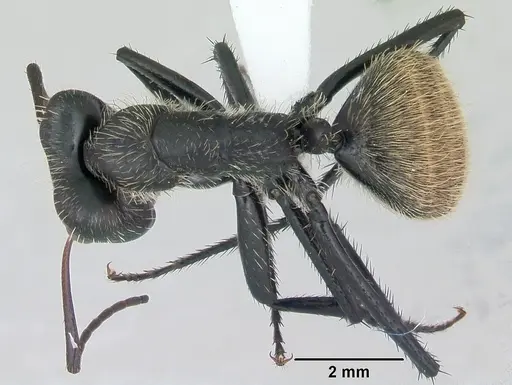
CASENT0173411
View on AntWeb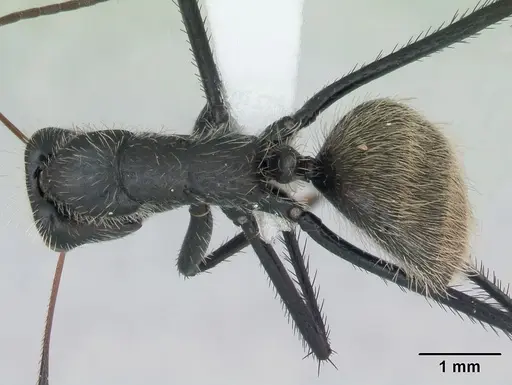
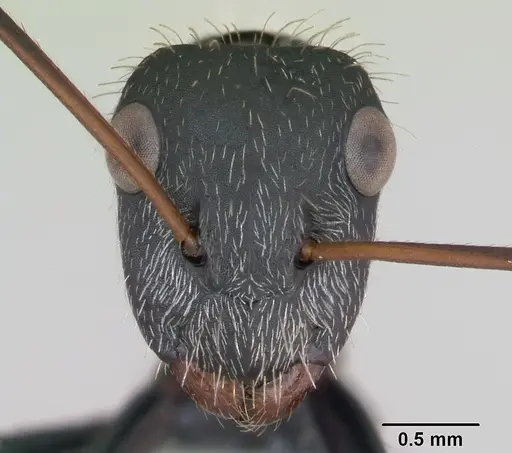
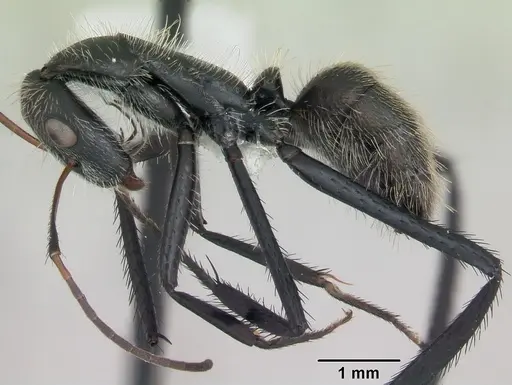
CASENT0914426
View on AntWeb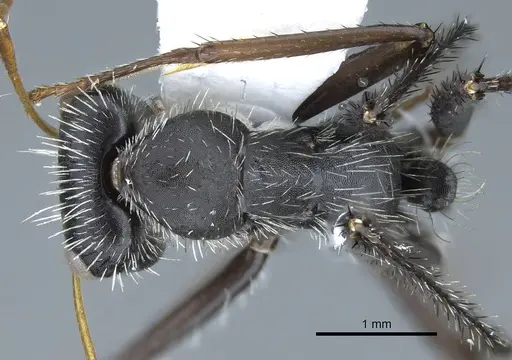
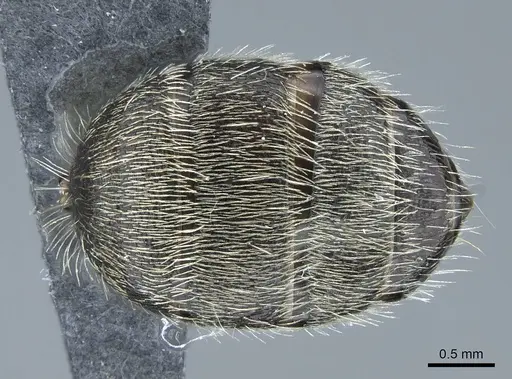
CASENT0915792
View on AntWeb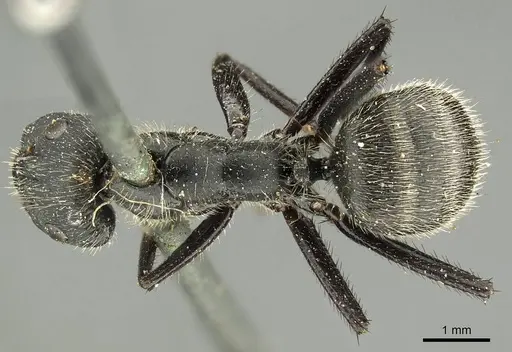
CASENT4032230
View on AntWeb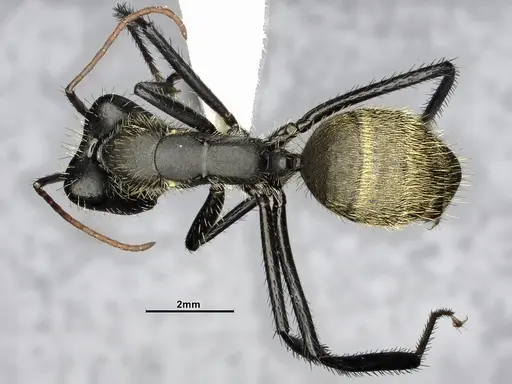
FMNHINS0000062987
View on AntWeb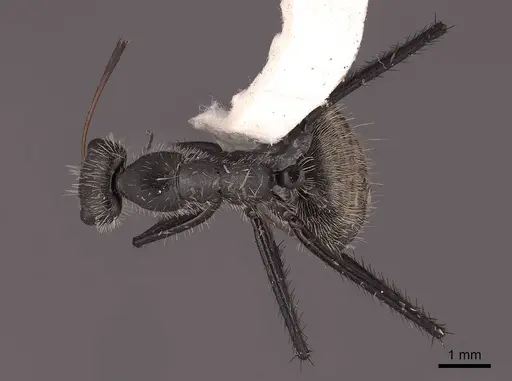
Literature
Loading distribution map...Loading products...