
Camponotus curviscapus
- Sci. Name
- Camponotus curviscapus
- Subgenus
- Pseudocolobopsis
- Tribe
- Camponotini
- Subfamily
- Formicinae
- Author
- Emery, 1896
- Distribution
- Found in 5 countries
Introduction
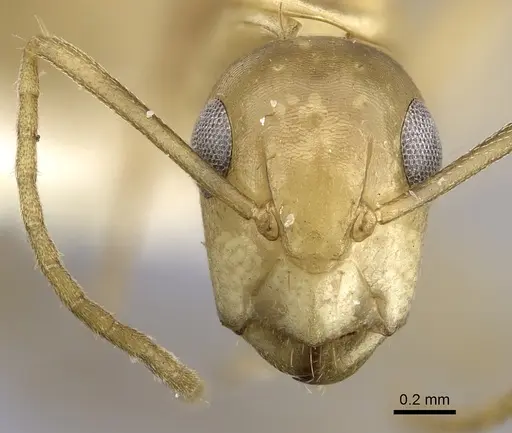
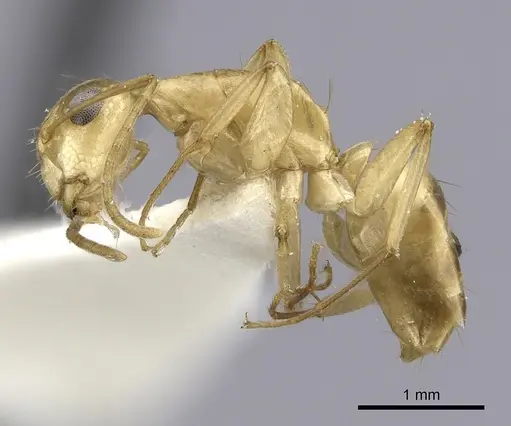
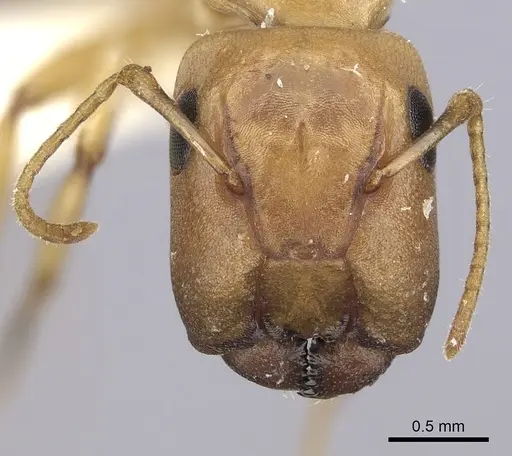
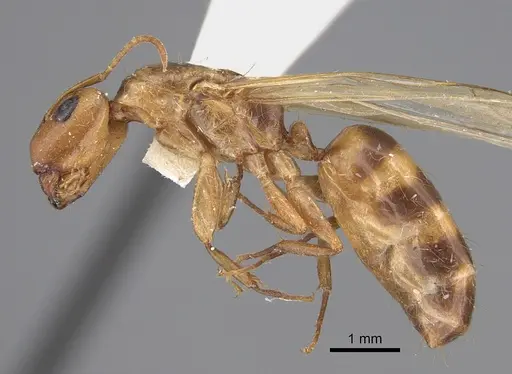
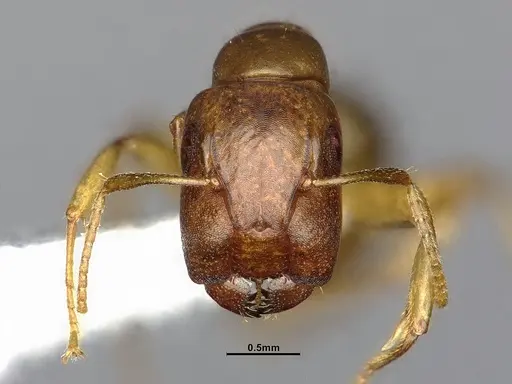
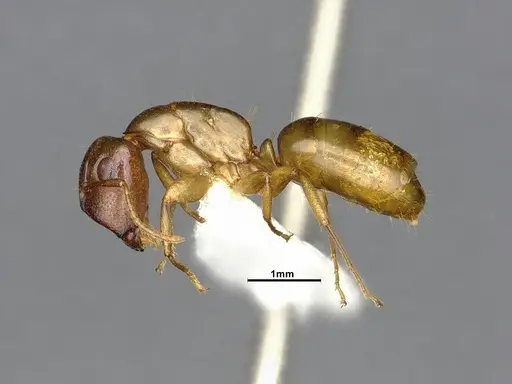
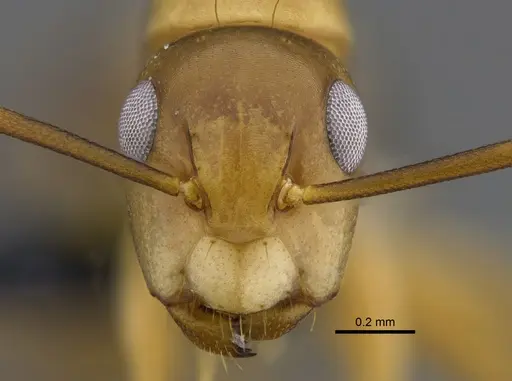
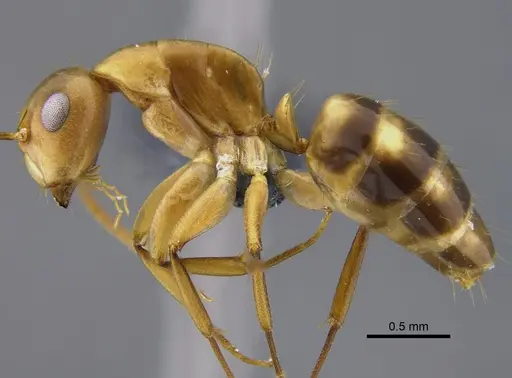
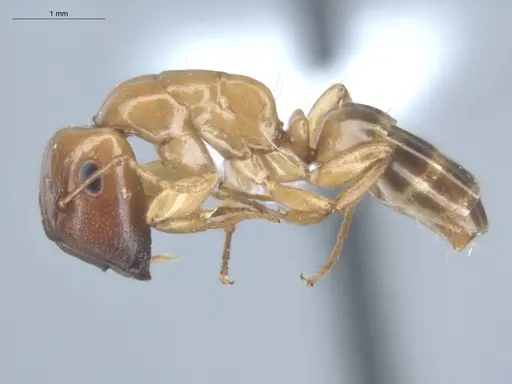
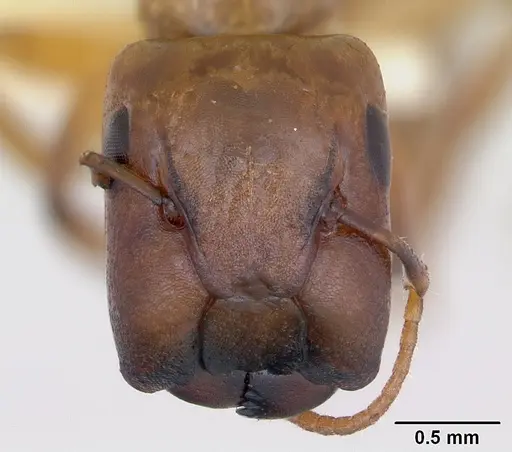
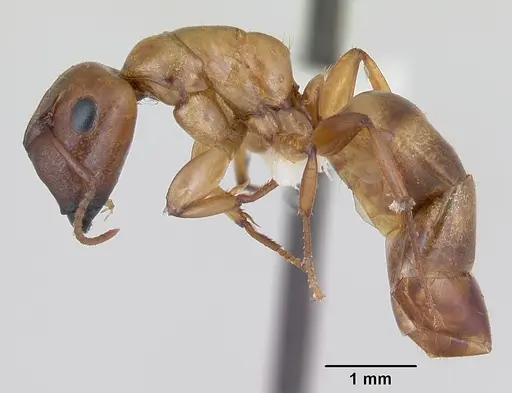
Camponotus curviscapus is a Neotropical ant species belonging to the subgenus Pseudocolobopsis. Workers are polymorphic, with major workers having a distinctive obliquely truncated anterior part of the head and a slightly concave clypeus. The frontal carinae are very wide, and the scape apex forms a mass that barely reaches the posterior lateral corner of the head. This species ranges from Nicaragua through Costa Rica to Bolivia and Colombia, inhabiting tropical dry forests, secondary forests, and agricultural areas. They nest in empty stems and trunks of trees, particularly in Cordia allioroda and orchids, as well as in abandoned acacia spines .
Quick Summary
- Difficulty: Medium
- Origin & Habitat: Neotropical region, found in Costa Rica, Nicaragua, Colombia (Magdalena, Meta), Bolivia, Mexico (Puebla, Veracruz), and French Guiana. Inhabits arboreal vegetation in tropical dry forests to secondary forests [1][3][4].
- Colony Type: Colony structure is unconfirmed. Based on typical Camponotus patterns, likely single-queen (monogyne) colonies.
- Size & Growth:
- Queen: Size data unavailable, no direct measurements in available literature
- Worker: Polymorphic, major and minor workers described [1]
- Colony: Unknown, not directly documented in research
- Growth: Moderate, inferred from genus patterns
- Development: Estimated 6-8 weeks at optimal tropical temperatures based on typical Camponotus development (Development timeline is not directly studied for this species. As a tropical species, development may be faster than temperate Camponotus.)
- Antkeeping:
- Temperature: Keep at 24-28°C, this is a tropical species requiring warm conditions year-round. Room temperature within this range works well.
- Humidity: Moderate humidity. Being arboreal nesters, they prefer somewhat drier conditions than ground-nesting ants. Provide a water tube and occasional misting of the outworld.
- Diapause: No, being a tropical species, they do not require hibernation or winter rest. Maintain consistent temperatures year-round [1].
- Nesting: Arboreal species, they nest in hollow twigs, stems, and branches. In captivity, they do well in Y-tong (AAC) nests or acrylic formicariums with narrow chambers. Avoid overly damp substrates. Provide twigs or bamboo sections if using a naturalistic setup.
- Behavior: Generally calm and non-aggressive for a Camponotus species. Workers are moderate foragers and will search the outworld for food. They are generalist feeders, accepting both sugar sources and protein. Escape risk is moderate, use standard Camponotus escape prevention (Fluon on container edges). This species lacks a functional sting, instead, they bite and spray formic acid from their acidopore, which is the typical defense mechanism for Formicinae ants.
- Common Issues: tropical species requires consistent warmth, cold drafts or temperatures below 20°C can stress colonies, arboreal nesting means they prefer drier conditions, overhumid nests can cause mold problems and colony decline, slow colony growth typical of Camponotus, beginners may lose patience and overfeed, leading to mold, limited distribution data means exact requirements are estimated from genus patterns, wild-caught colonies may have parasites or be stressed from collection, quarantine and monitor closely
Nest Preferences and Housing
Camponotus curviscapus is an arboreal species that naturally nests in empty stems, twigs, and trunks of trees. They show a strong preference for narrow cavities, particularly in Cordia allioroda trees and orchids, as well as in abandoned acacia spines [1][2]. In captivity, Y-tong (AAC) nests work exceptionally well because they provide the tight, dry chambers these ants prefer. Acrylic formicariums with narrow tunnels are also suitable. Avoid setups with large, open water reservoirs or overly damp substrates, these arboreal ants prefer drier conditions than their ground-nesting cousins. If using a naturalistic setup, provide bamboo sections or artificial twig setups. The nest should be kept in a warm area of your setup, as this tropical species thrives with consistent heat.
Feeding and Diet
As generalist foragers, these ants accept a wide variety of foods. Offer sugar water, honey, or diluted maple syrup as a constant carbohydrate source. For protein, provide small insects like fruit flies, small crickets, mealworms, or other appropriately sized prey. In the wild, they forage in arboreal vegetation and likely tend aphids or collect honeydew [5]. Feed them protein 2-3 times per week, removing any uneaten prey after 24 hours to prevent mold. Sugar water should be available continuously but replaced every few days. Fresh fruit can occasionally be offered as a sugar source. Observe your colony's preferences, some colonies are more enthusiastic about certain foods than others.
Temperature and Seasonal Care
Being a Neotropical species from Costa Rica to Bolivia, C. curviscapus requires warm temperatures year-round. Maintain the nest area at 24-28°C for optimal brood development [1]. Room temperature within this range is often sufficient. If your room is cooler, use a heating cable on one side of the nest to create a gentle gradient, place it on top of the nest, not underneath, to avoid excessive drying. Unlike temperate ant species, these ants do NOT require hibernation or diapause. They remain active throughout the year when kept warm. Avoid cold drafts, air conditioning vents, or any temperature drops below 20°C, as this can stress the colony and slow or stop brood development. Consistent warmth is key to keeping this species healthy and growing.
Colony Founding
Like other Camponotus species, C. curviscapus is likely claustral, the queen seals herself in a chamber and raises her first workers entirely on stored fat reserves without foraging. After mating, the queen finds a suitable cavity (in nature, this would be a hollow stem or twig) and seals the entrance. She remains inside, laying eggs and tending the brood until the first nanitic workers emerge. This process typically takes 6-8 weeks depending on temperature. During founding, the queen needs complete darkness and minimal disturbance. Do not feed the founding queen, she has sufficient energy reserves. Once the first workers emerge (nanitics, which are smaller than normal workers), you can begin offering tiny amounts of sugar water and small prey items near the nest entrance.
Behavior and Temperament
This species is generally calm and less aggressive than many other Camponotus. Workers are moderately active foragers that will search the outworld for food. They are arboreal by nature but will forage at ground level as well, as evidenced by leaf litter captures in Colombia [6]. Major workers have the distinctive truncated head shape characteristic of the Pseudocolobopsis subgenus, which gives them a somewhat unusual appearance. They are not known for being particularly defensive. This species lacks a functional sting, instead, they bite and spray formic acid from their acidopore, which is the typical defense mechanism for ants in the subfamily Formicinae. Escape prevention should be standard, apply Fluon or similar barrier to the edges of the outworld. Their moderate size and calm temperament make them suitable for antkeepers who have some experience with tropical species.
Frequently Asked Questions
How long does it take for Camponotus curviscapus to have first workers?
First workers (nanitics) typically emerge 6-8 weeks after the queen lays eggs, assuming optimal temperatures of 24-28°C. This is an estimate based on typical Camponotus development patterns.
What do Camponotus curviscapus ants eat?
They are generalist feeders. Offer sugar water, honey, or maple syrup as a constant carbohydrate source. For protein, provide small insects like fruit flies, small crickets, or mealworms. Feed protein 2-3 times per week.
Do Camponotus curviscapus ants need hibernation?
No. As a tropical Neotropical species from Costa Rica to Bolivia, they do not require hibernation or winter rest. Keep them warm year-round at 24-28°C.
What type of nest is best for Camponotus curviscapus?
Y-tong (AAC) nests or acrylic formicariums with narrow chambers work best. This is an arboreal species that prefers dry, tight cavities. Avoid overly damp setups.
Are Camponotus curviscapus good for beginners?
They are rated as Medium difficulty. While not as challenging as some exotic species, they do require consistent warm temperatures year-round and prefer drier nest conditions than ground-nesting ants. Some prior antkeeping experience is helpful.
How big do Camponotus curviscapus colonies get?
Colony size is not directly documented in available research. Based on typical Camponotus patterns, mature colonies likely reach several hundred workers.
Where is Camponotus curviscapus found in the wild?
They range from Nicaragua through Costa Rica to Bolivia and Colombia. They inhabit tropical dry forests and secondary forests, nesting arboreally in empty stems and twigs of trees, especially Cordia allioroda.
Can I keep multiple Camponotus curviscapus queens together?
This has not been documented. Based on typical Camponotus behavior, single-queen colonies are most likely. Combining unrelated queens is not recommended.
Why is my Camponotus curviscapus colony not growing?
Check temperature first, they need 24-28°C for optimal development. Also ensure the nest is not too damp, arboreal species prefer drier conditions. If the colony is still small after several months, verify food quality and quantity.
Report an Issue
The current care sheet is based fully on literature. See inconsistencies, or something that's incorrect? Please , it will be resolved after review from an admin. Contributing to the blogs tab also helps providing information, to make us be able to further improve the caresheets. Thank you for your support!
References

This caresheet is licensed under CC BY-SA 4.0 .
Community Blogs
CASENT0173553
View on AntWeb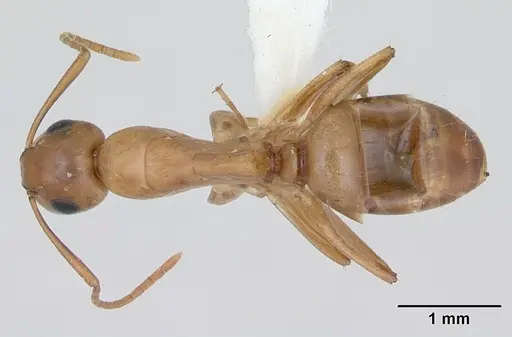
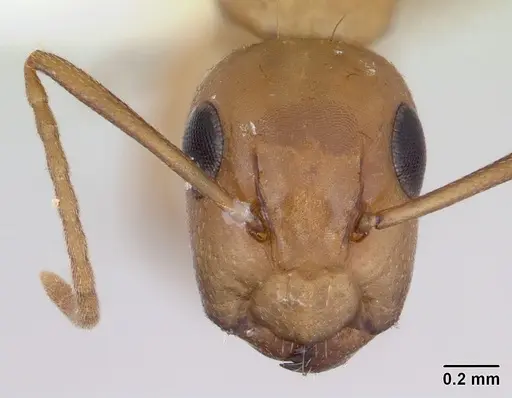
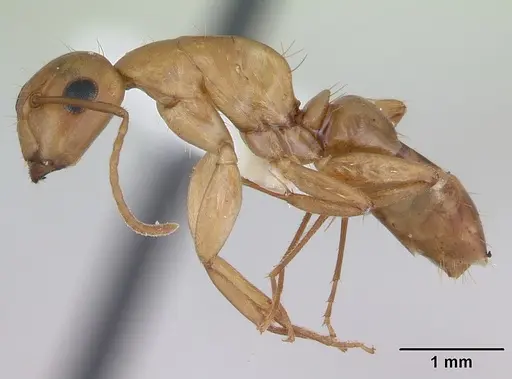
CASENT0249390
View on AntWeb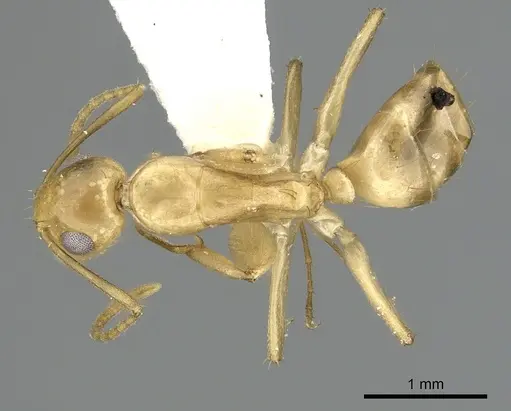
CASENT0249391
View on AntWeb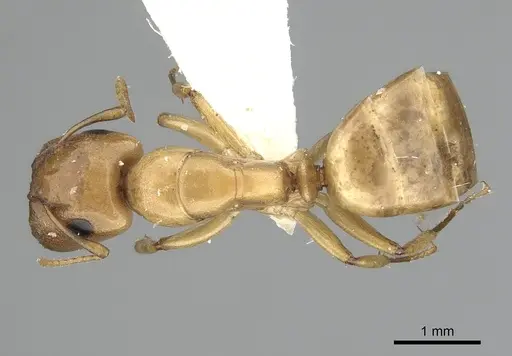
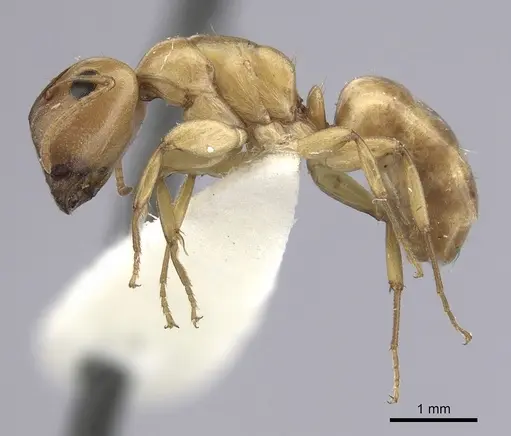
CASENT0886716
View on AntWeb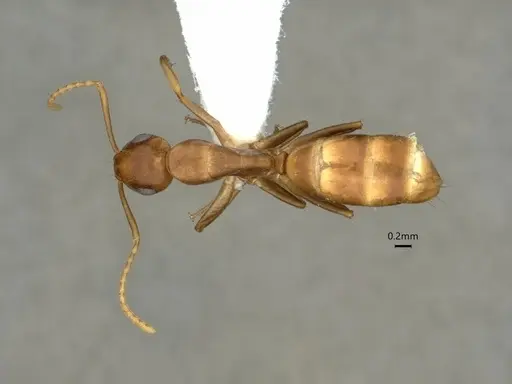
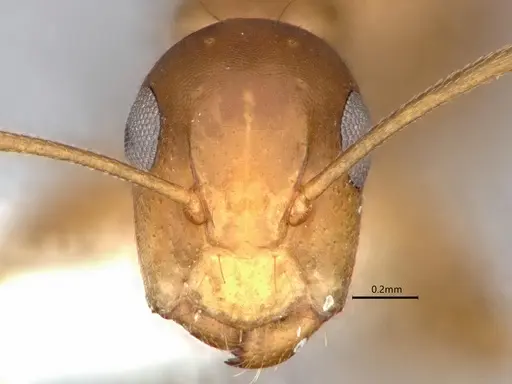
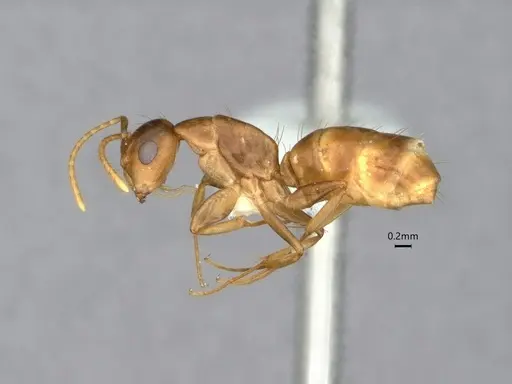
CASENT0905496
View on AntWeb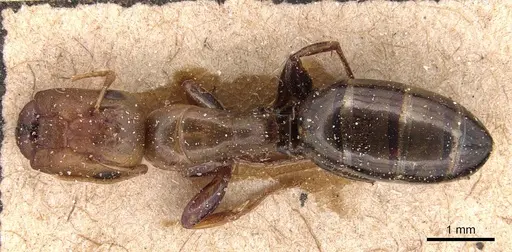
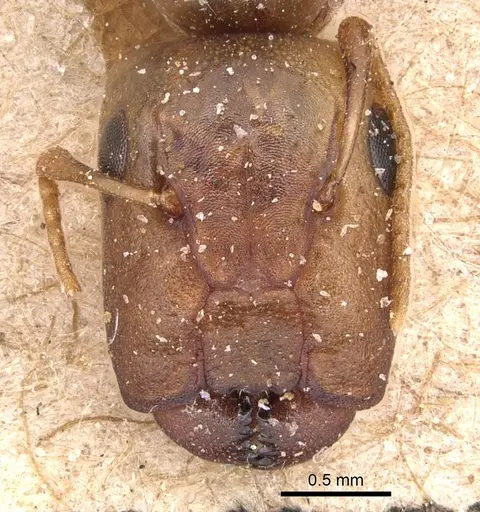
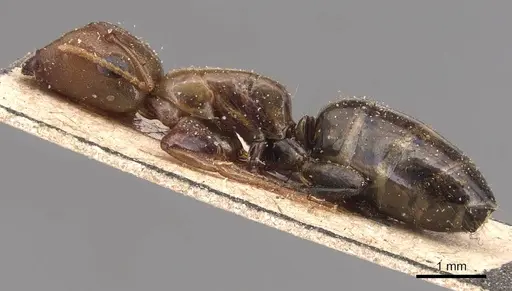
CASENT0905497
View on AntWeb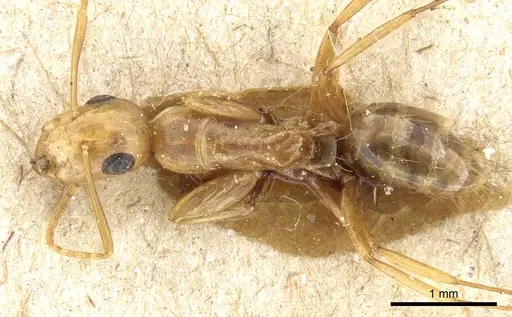
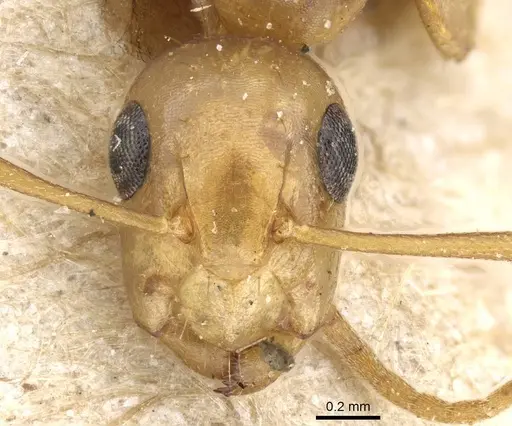
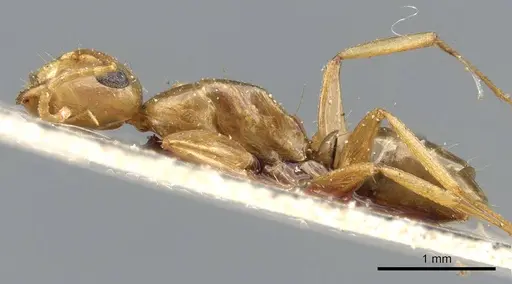
CASENT0923530
View on AntWeb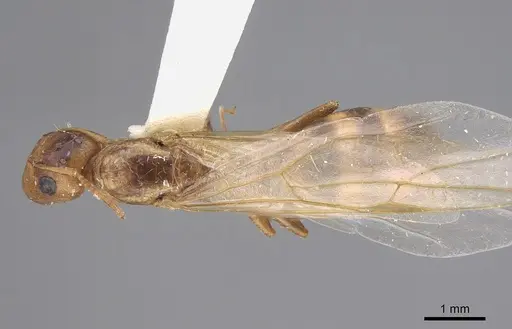
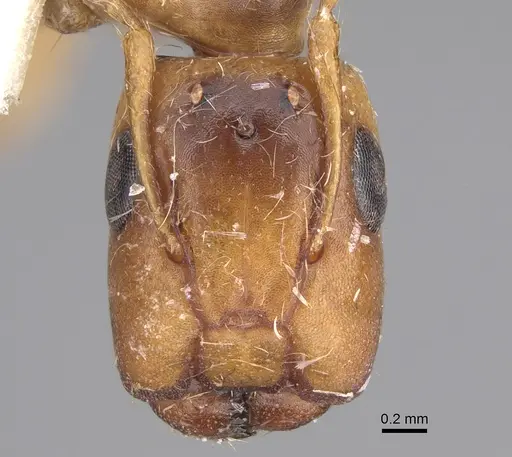
CASENT4032229
View on AntWeb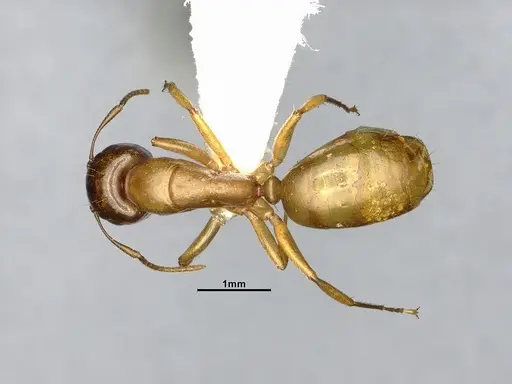
CBUMAGENT41822
View on AntWeb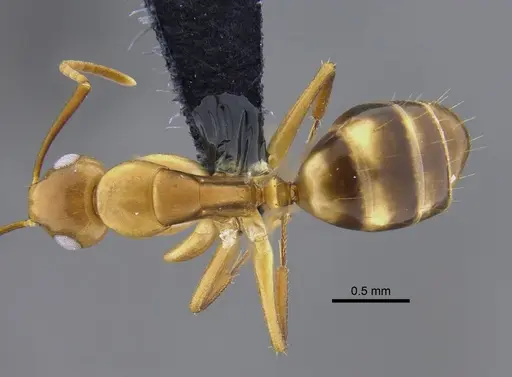
CBUMAGENT41823
View on AntWeb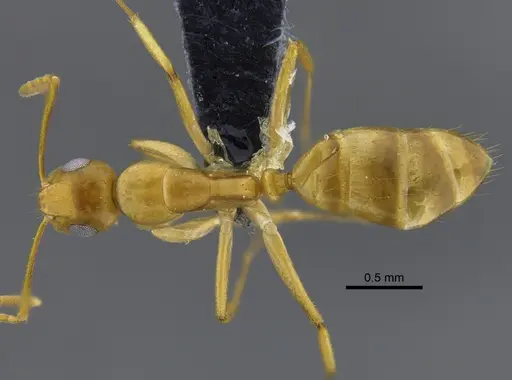
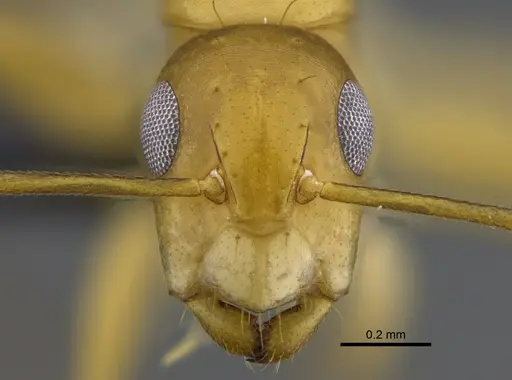
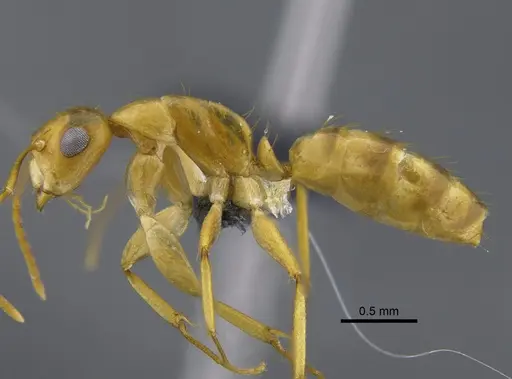
ECOFOG-SOL22-0137-01
View on AntWeb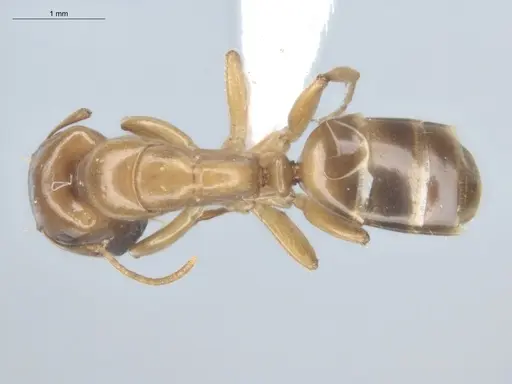
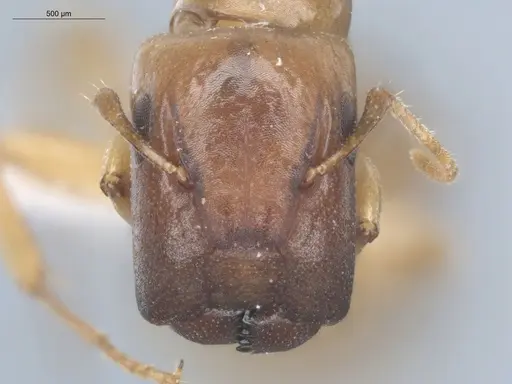
INBIOCRI002280590
View on AntWeb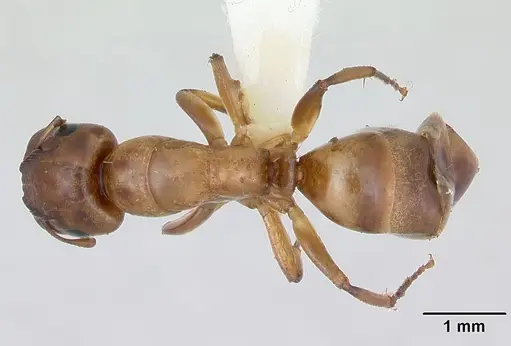
Literature
Loading distribution map...Loading products...