
Camponotus cuneidorsus
- Sci. Name
- Camponotus cuneidorsus
- Subgenus
- Myrmobrachys
- Tribe
- Camponotini
- Subfamily
- Formicinae
- Author
- Emery, 1920
- Distribution
- Found in 6 countries
Introduction
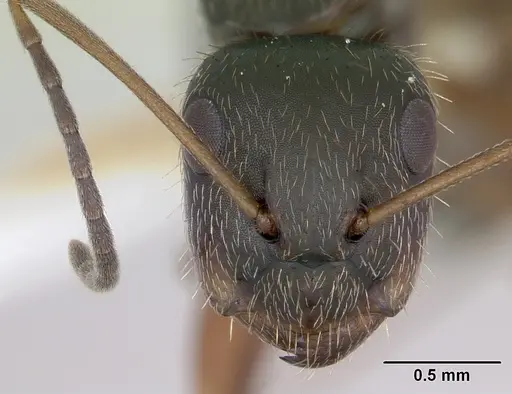
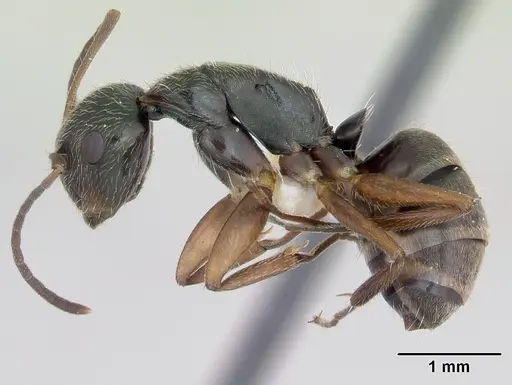
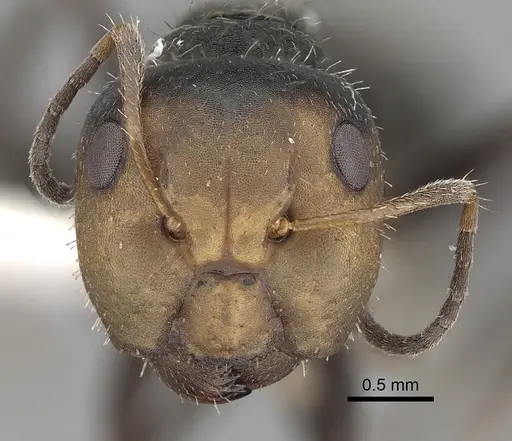
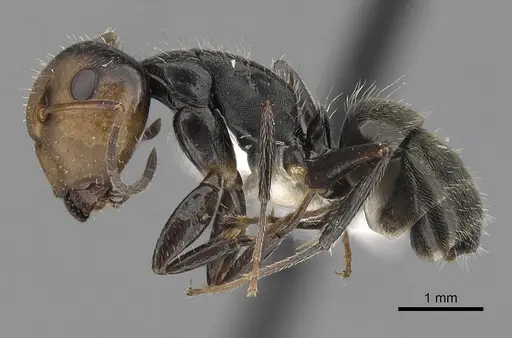
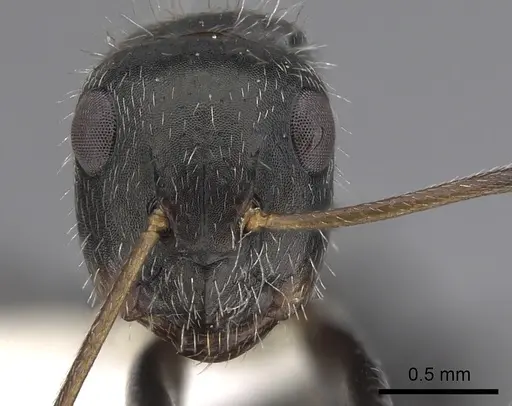
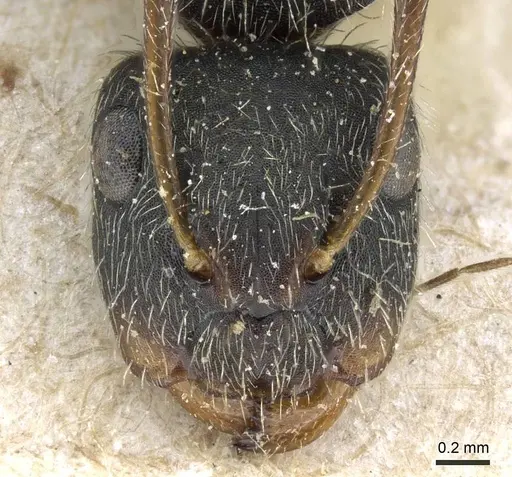
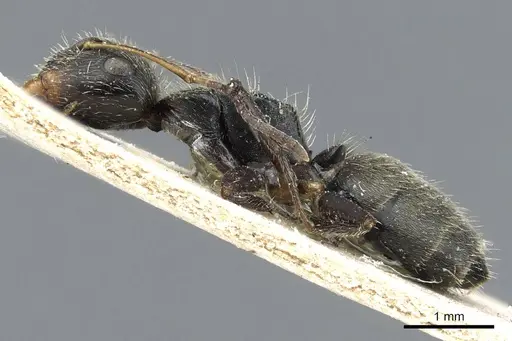
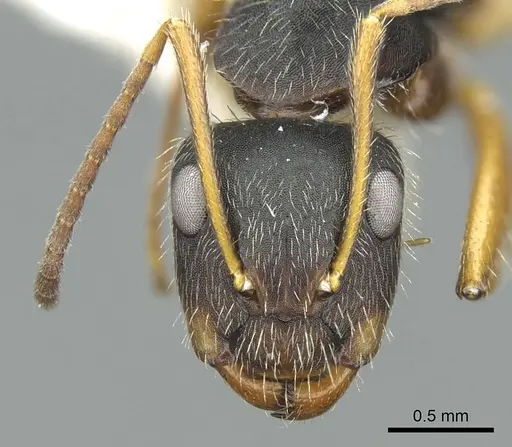
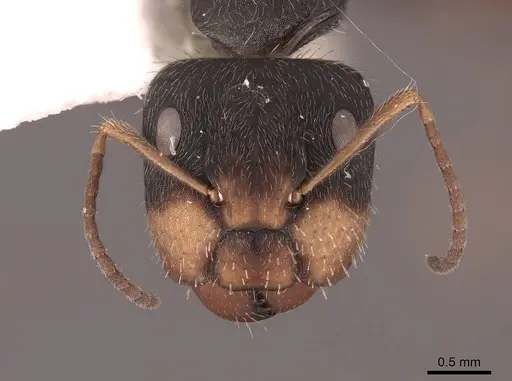
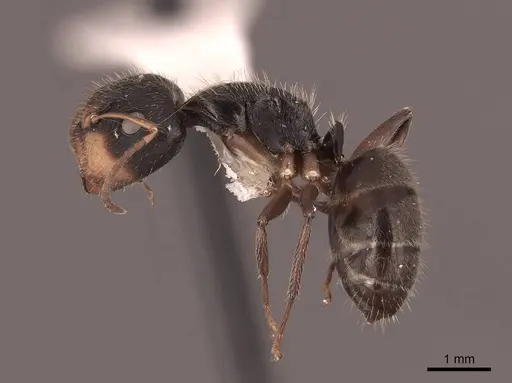
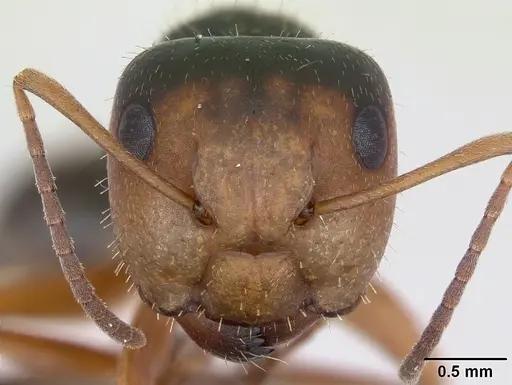
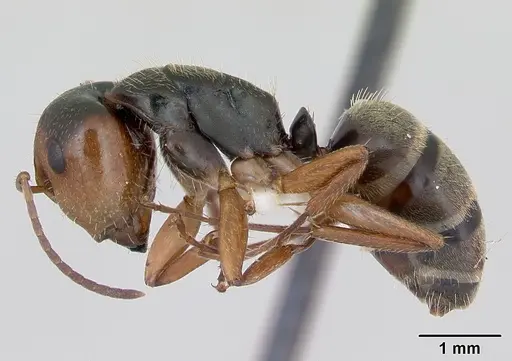
Camponotus cuneidorsus is a Neotropical carpenter ant belonging to the subgenus Myrmobrachys. Workers are polymorphic with majors reaching around 8-10mm and minors at 5-6mm. They have a distinctive appearance: the mandibles and cheeks are yellow to pale brown, while the rest of the head and body are dark brown. Their body is covered in erect hairs, and the gaster has fine yellow pubescence. These ants are found from Costa Rica to Peru, including Colombia's Chocó and Valle del Cauca regions, living in humid mountain forests where they nest in the ground . This species is part of the Myrmobrachys group, which are known for their relatively peaceful temperament compared to some other Camponotus. They are ground-dwelling ants that nest in existing cavities in soil or rotting wood. Their slow colony development makes them a longer-term project, but they are rewarding ants to watch as they develop majors over time.
Quick Summary
- Difficulty: Medium
- Origin & Habitat: Central and South America, found in Costa Rica, Guatemala, Honduras, Mexico, Peru, and Colombia (Chocó and Valle del Cauca regions). They inhabit humid mountain forests at ground level [1][2][4].
- Colony Type: Likely monogyne (single queen colonies) based on typical Camponotus patterns. No specific research on colony structure for this species.
- Size & Growth:
- Queen: Size data unavailable, no measurements in available literature
- Worker: Minors 5-6mm, majors 8-10mm [1]
- Colony: Colony size data unavailable for this species
- Growth: Slow, Camponotus species typically take months for first workers and years to reach large colonies
- Development: Development time unconfirmed for this species, expect several months based on typical Camponotus patterns (First workers (nanitics) are smaller than normal workers. Colony growth is slow.)
- Antkeeping:
- Temperature: Keep at 24-28°C. A heating cable on one side of the nest creates a temperature gradient they can choose from. Avoid temperatures above 32°C.
- Humidity: Moderate humidity (50-70%). These forest floor ants prefer consistent moisture but not waterlogged conditions. Keep the nest substrate moist but allow some drying between waterings.
- Diapause: Not required, being a tropical species, they don't need hibernation. However, a slight temperature reduction during winter months (down to 20-22°C) may be beneficial if your room temperature drops significantly.
- Nesting: Ground-nesting species that prefers moist substrate. Y-tong (AAC) nests, plaster nests, or naturalistic setups with soil work well. They do well with multiple connected chambers rather than one large open space.
- Behavior: Generally peaceful temperament, they are not aggressive and rarely bite. When threatened, they may spray formic acid rather than chase attackers. Workers are moderate foragers, actively searching for protein and sugar sources. Escape risk is moderate, they are not particularly small but can squeeze through small gaps. Use standard barrier methods. Majors develop slowly and are primarily used for defense and seed processing rather than regular foraging.
- Common Issues: slow growth can frustrate beginners, colonies take years to reach impressive sizes, humidity control is critical, too wet causes mold, too dry causes brood death, wild-caught colonies may have parasites that are difficult to treat in captivity, test tube setups can flood if water reservoirs are too large, use proper founding setups, majors develop late, don't be alarmed if your colony stays minor-worker only for months
Housing and Nest Setup
Camponotus cuneidorsus does well in several captive setups. For founding colonies, a standard test tube setup works well, fill the tube one-third with water, plug with cotton, and place the queen in the dark portion. The cotton should be tight enough to prevent flooding but allow moisture to diffuse through. Once the colony reaches 20-30 workers, consider moving to a Y-tong (AAC) nest, plaster nest, or naturalistic setup.
These ants prefer tight, enclosed spaces rather than open areas. In a formicarium, provide multiple connected chambers scaled to their size. The nest material should retain moisture well, plaster, soil-filled setups, or acrylic nests with water reservoirs work. Avoid completely dry nests as they need humidity to raise brood. A water test tube connected to the formicarium allows workers to drink without drowning. [1]
Feeding and Diet
Like most Camponotus, this species is omnivorous. They accept sugar sources readily (honey water, sugar water, ripe fruit) and need regular protein. Offer protein foods like mealworms, small crickets, freeze-dried shrimp, or other insect matter every 3-5 days. Remove uneaten protein within 24 hours to prevent mold.
Workers will forage actively once the colony is established. For smaller colonies, cut prey into tiny pieces or offer pre-killed insects. They do not need feeding every day, a good schedule is sugar water constantly available (on a cotton ball or in a test tube) and protein offered 2-3 times weekly. As the colony grows, you can increase feeding frequency. Majors will eventually help process harder foods like seeds.
Temperature and Seasonal Care
Being a Neotropical species from humid forests, C. cuneidorsus prefers warm, stable conditions. Keep the nest area at 24-28°C for optimal brood development. Temperatures below 20°C slow growth significantly, while anything above 32°C can be harmful. A simple way to achieve this is placing the nest on a heating cable set to low, or using a heat mat on one side of the enclosure to create a gradient.
Unlike temperate species, they do not require true hibernation. However, if your room temperature drops significantly in winter, a slight reduction to 20-22°C is acceptable. Avoid keeping them in cold rooms for extended periods. They are active year-round when kept warm, so maintain consistent temperatures throughout the year. [1]
Behavior and Colony Dynamics
This species is known for being relatively peaceful, they are not aggressive and typically avoid conflict when possible. When threatened, workers may spray formic acid as a defense rather than engaging in direct attacks. This makes them suitable for keepers who want to observe their ants without frequent escape attempts or defensive behavior.
Colony development follows typical Camponotus patterns: the queen seals herself in a chamber and raises the first brood alone. These first workers (nanitics) are smaller than normal workers. Over time, the colony produces larger majors that serve as defenders and help process harder foods. The growth is slow, expect the first workers around several months, and the colony may take years to reach several hundred workers. Patience is key with this species.
Frequently Asked Questions
How long does it take for Camponotus cuneidorsus to have first workers?
First workers (nanitics) typically appear in several months after the queen lays eggs, assuming optimal temperature (24-28°C). This is slower than many common ant species, so patience is required.
What do Camponotus cuneidorsus eat?
They are omnivorous. Offer sugar sources constantly (honey water, sugar water) and protein 2-3 times weekly (mealworms, crickets, other insects). Remove uneaten protein within 24 hours.
What temperature do Camponotus cuneidorsus need?
Keep them at 24-28°C. Use a heating cable or heat mat on one side of the nest to create a gradient. Avoid temperatures above 32°C or below 20°C for extended periods.
Are Camponotus cuneidorsus good for beginners?
They are medium difficulty. The main challenge is their slow growth, it takes years to build large colonies. They are rewarding but require patience. Their peaceful temperament makes them easier to handle than some species.
Do Camponotus cuneidorsus need hibernation?
No, they do not require hibernation. As a tropical species, they are active year-round when kept warm. A slight temperature reduction in winter (to around 20-22°C) is fine if your room gets cold, but true hibernation is not necessary.
How big do Camponotus cuneidorsus colonies get?
Colony size data is unavailable for this species. However, growth is slow, it may take years to reach a few hundred workers. Full maturity takes several years.
What humidity level do Camponotus cuneidorsus need?
Maintain moderate humidity around 50-70%. Keep the nest substrate moist but not waterlogged. Allow some drying between waterings to prevent mold issues.
When should I move Camponotus cuneidorsus to a formicarium?
Move from the founding test tube to a formicarium once the colony reaches 20-30 workers. Moving too early can stress the colony. Ensure the new setup has appropriately sized chambers.
Can I keep multiple Camponotus cuneidorsus queens together?
This species is likely monogyne (single queen). Combining unrelated queens is not recommended as they likely will fight. Only keep one queen per colony.
Report an Issue
The current care sheet is based fully on literature. See inconsistencies, or something that's incorrect? Please , it will be resolved after review from an admin. Contributing to the blogs tab also helps providing information, to make us be able to further improve the caresheets. Thank you for your support!
References

This caresheet is licensed under CC BY-SA 4.0 .
Community Blogs
CASENT0173552
View on AntWeb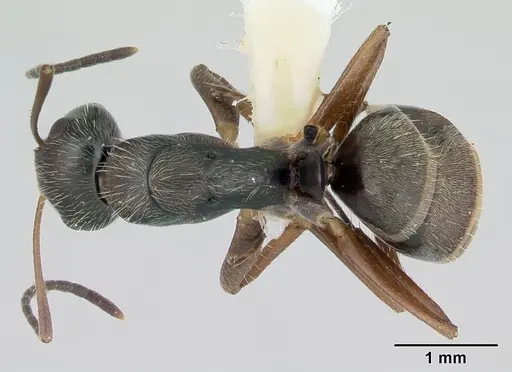
CASENT0280074
View on AntWeb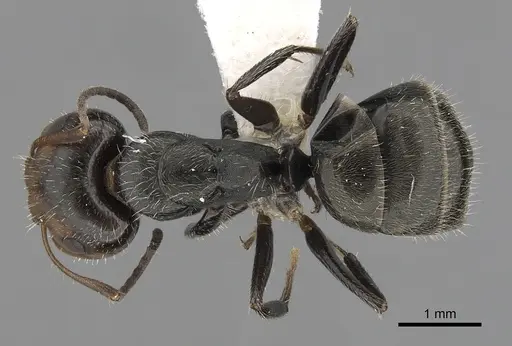
CASENT0280075
View on AntWeb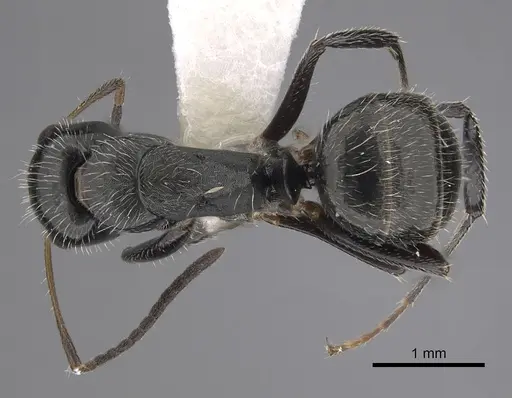
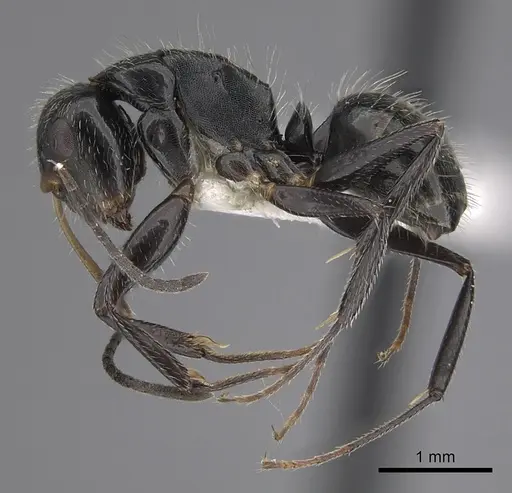
CASENT0280076
View on AntWeb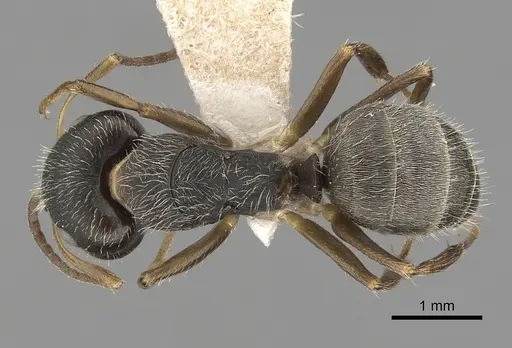
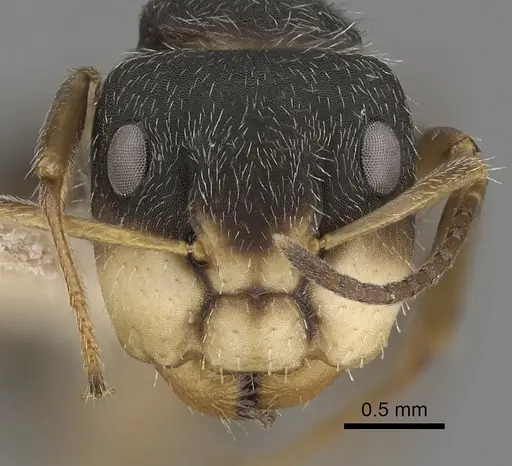
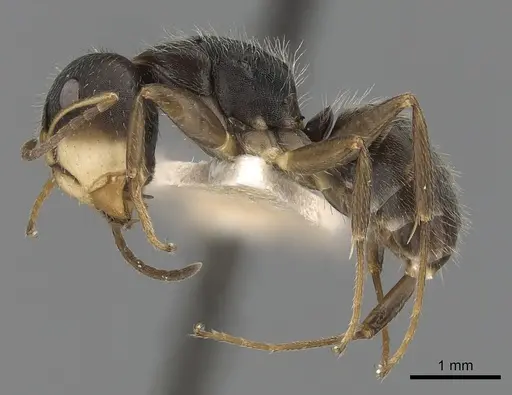
CASENT0882122
View on AntWeb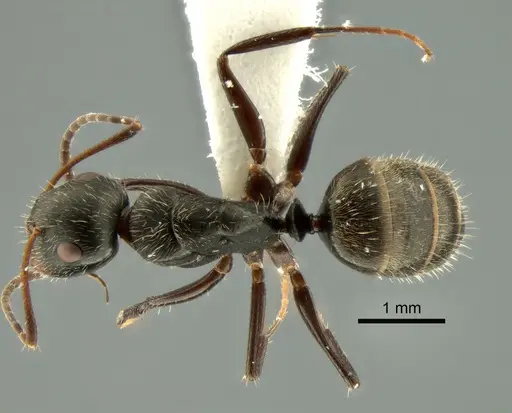
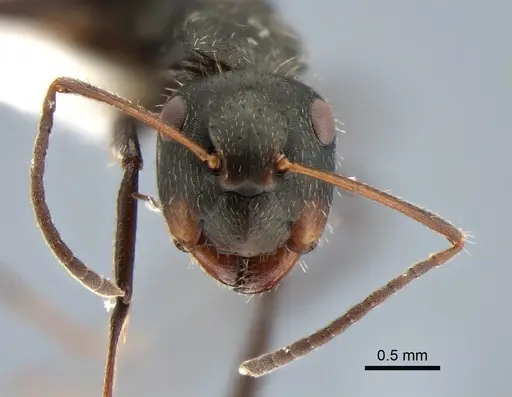
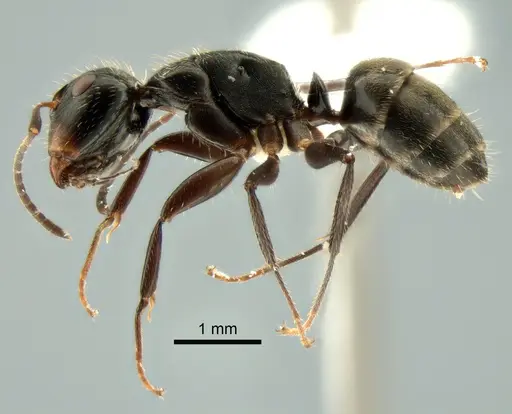
CASENT0905519
View on AntWeb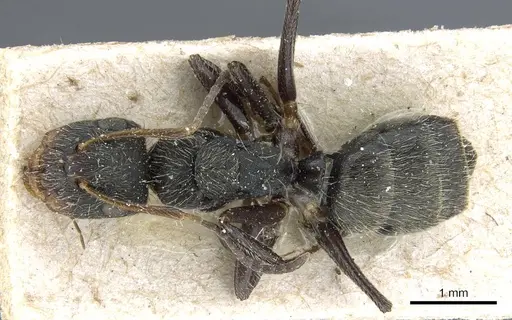
CASENT0914431
View on AntWeb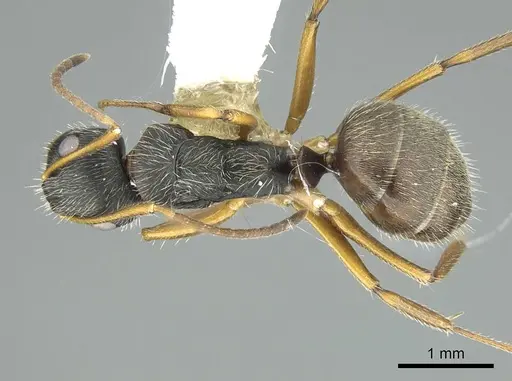
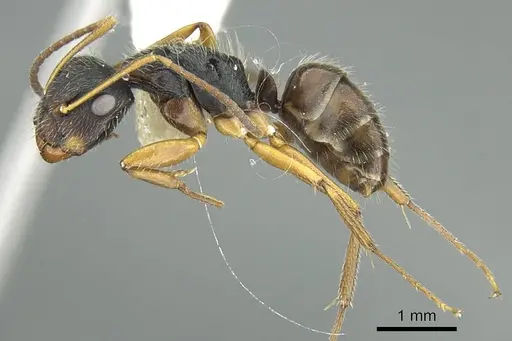
CBUMAGENT41816
View on AntWeb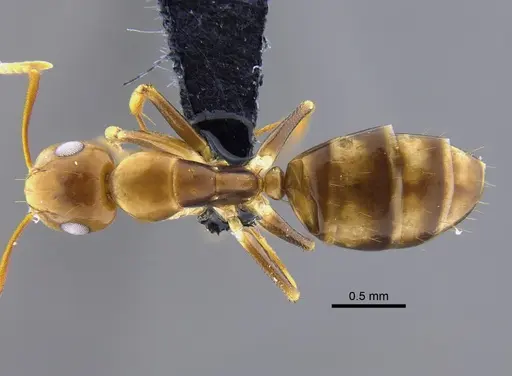
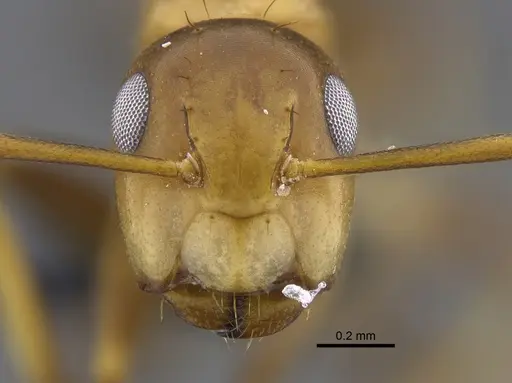
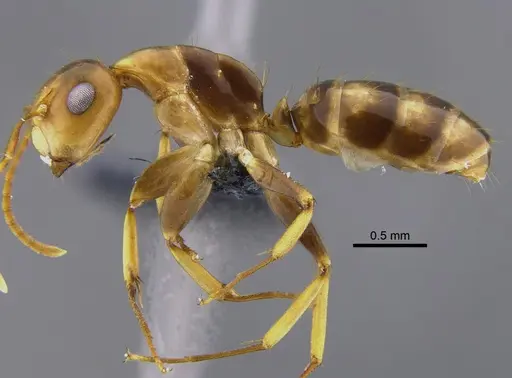
FMNHINS0000062972
View on AntWeb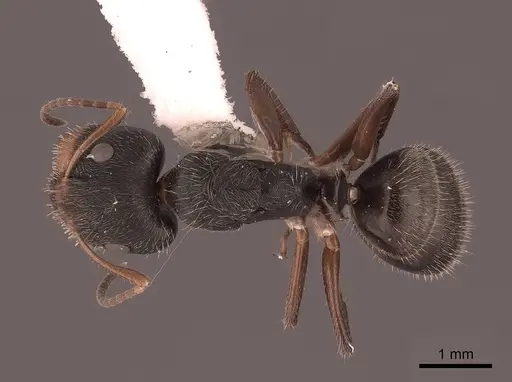
INBIOCRI002280965
View on AntWeb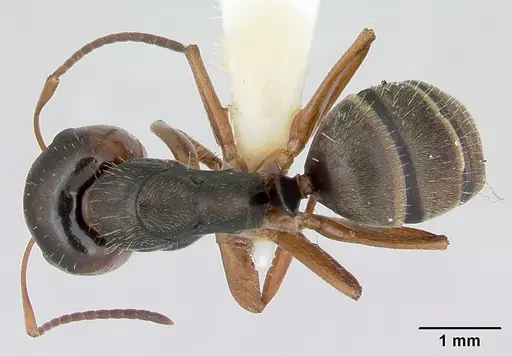
Literature
Loading distribution map...Loading products...