
Camponotus cuauhtemoc
- Sci. Name
- Camponotus cuauhtemoc
- Subgenus
- Myrmentoma
- Tribe
- Camponotini
- Subfamily
- Formicinae
- Author
- Snelling, 1988
- Distribution
- Found in 2 countries
Introduction
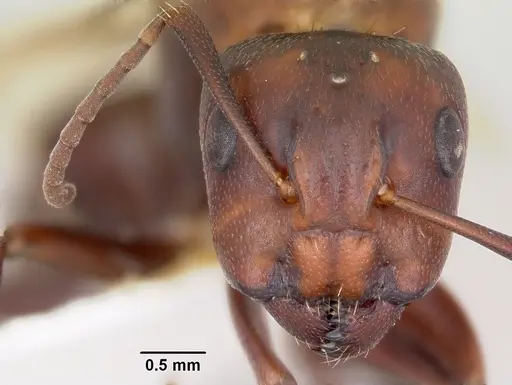
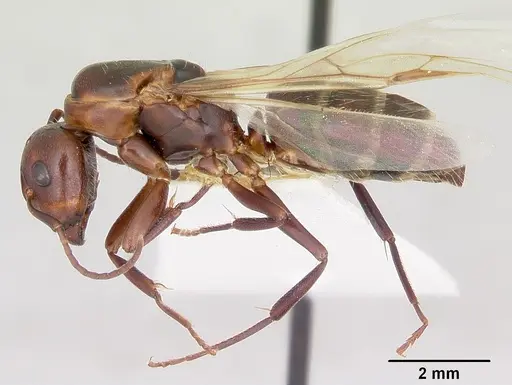
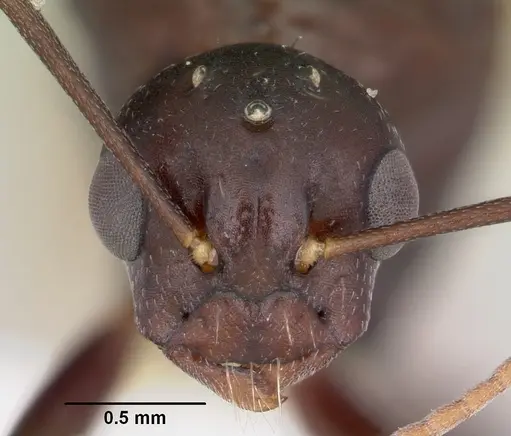
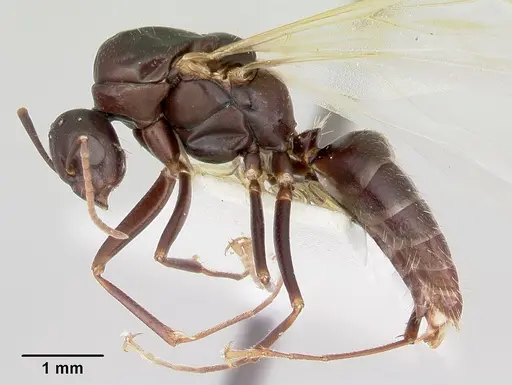
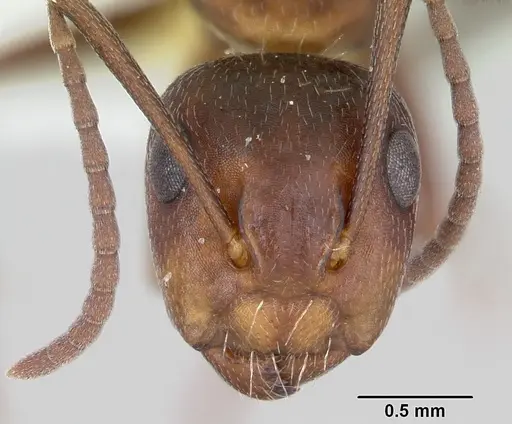
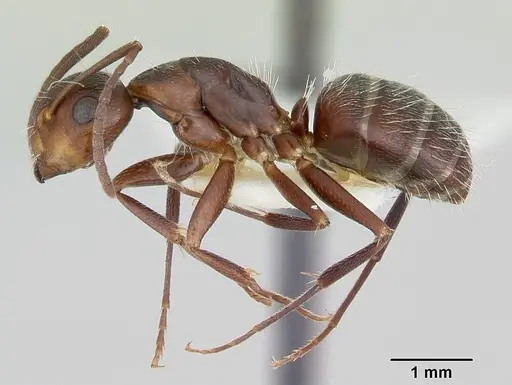
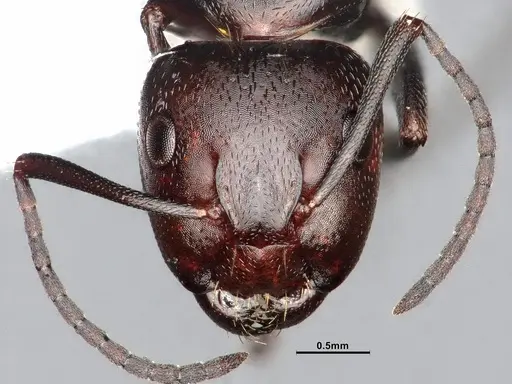
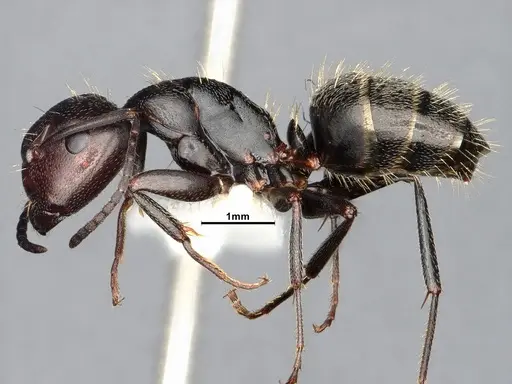
Camponotus cuauhtemoc is a carpenter ant species native to northern Mexico, specifically documented in Chihuahua state . As a Camponotus species, they are relatively large ants with a robust build. Workers vary in size with major workers being significantly larger than minors. The genus is known for excavating wood for nesting sites - they don't eat the wood but tunnel it to create galleries for their colony. These ants are typically dark in coloration, common among carpenter ants. The species name honors Cuauhtémoc, the last Aztec emperor, reflecting its Mexican origin.
Quick Summary
- Difficulty: Medium
- Origin & Habitat: Northern Mexico, specifically recorded in Chihuahua state [1]. The region features a varied climate ranging from desert to mountainous areas. They likely nest in natural cavities, rotting wood, or under stones in their native habitat.
- Colony Type: Likely monogyne (single queen) based on typical Camponotus patterns, though colony structure has not been specifically documented for this species.
- Size & Growth:
- Queen: ~15-18mm, inferred from typical Camponotus queen size ranges
- Worker: ~5-15mm (minor workers 5-8mm, major workers 10-15mm), inferred from typical Camponotus worker size ranges
- Colony: Likely several thousand workers at maturity, typical for Camponotus genus
- Growth: Moderate, typical for carpenter ants
- Development: ~6-8 weeks under optimal conditions, inferred from typical Camponotus development (Development time varies with temperature, warmer conditions accelerate development while cooler temperatures slow it down)
- Antkeeping:
- Temperature: Keep at 24-27°C for optimal brood development. A temperature gradient allows ants to self-regulate. Room temperature (20-24°C) is acceptable but may slow growth.
- Humidity: Moderate humidity. Carpenter ants prefer nest areas that are slightly drier while having access to moisture. Provide a water tube for drinking.
- Diapause: Likely minimal or no true diapause given their subtropical origin. Some reduced activity during cooler months may occur.
- Nesting: Y-tong (AAC) nests work well for their size. They also do well in naturalistic setups with rotting wood or cork bark. Avoid overly wet substrates, they prefer slightly drier nesting conditions than many ants.
- Behavior: Typical carpenter ant behavior, workers are active foragers that search for honeydew and insect prey. They are not particularly aggressive but will defend the colony if threatened. Major workers can deliver a mild sting if handled roughly. Escape prevention is important but not as critical as for tiny ants, they are large enough that standard barriers work well.
- Common Issues: colonies may stall if temperatures drop too low, keep warm, wild-caught colonies may have parasites that cause issues in captivity, queens can be difficult to locate as they often nest in concealed locations, slow initial growth during founding phase can lead to overfeeding or disturbance, large size requires appropriately sized enclosures to prevent workers from getting trapped in small spaces
Housing and Nest Setup
Camponotus cuauhtemoc does well in Y-tong (AAC) nests scaled to their large size. The chambers should be appropriately sized, large enough for the colony to move through comfortably but not so large that workers feel exposed. Naturalistic setups with cork bark or properly cured rotting wood also work well. These ants are not particularly humidity-demanding, so a dry nest area with a separate water source is ideal. Ensure the outworld (foraging area) is spacious enough for their large workers to move around easily.
Feeding and Diet
Like other carpenter ants, Camponotus cuauhtemoc is omnivorous. They readily accept sugar sources including honey water, sugar water, and ripe fruit. Protein is important for brood development, offer insects such as mealworms, crickets, or other appropriately sized arthropods. In nature, they also consume honeydew from aphids and scale insects. Feed protein 2-3 times per week and keep sugar water available at all times. Remove uneaten prey after 24-48 hours to prevent mold.
Temperature and Seasonal Care
Maintain temperatures between 24-27°C for optimal colony health and growth. This species originates from northern Mexico where temperatures are warm for much of the year. A heating cable on one side of the nest creates a temperature gradient allowing ants to choose their preferred zone. They likely do not require true hibernation, but may show reduced activity during winter months if your room temperature drops significantly. If this occurs, simply reduce feeding and allow them to slow down naturally.
Colony Founding and Early Development
Queens are likely claustral, they seal themselves in a chamber and survive entirely on stored body fat until their first workers (nanitics) emerge. This process typically takes 6-8 weeks under warm conditions. During founding, disturb the queen as little as possible. Once the first workers emerge, you can begin offering tiny amounts of sugar water and small protein items. The colony will grow gradually at first, then accelerate once the worker force reaches 10-20 individuals.
Behavior and Handling
These ants are generally calm and not overly aggressive toward keepers. Workers are active foragers that will readily explore the outworld in search of food. Major workers have the ability to sting, though the sting is mild and rarely felt by humans. They are not escape artists in the same way tiny ants are, standard barrier methods work well. However, their large size means they can be damaged if they fall from height or get crushed. Handle gently if you need to move them.
Frequently Asked Questions
How long does it take for Camponotus cuauhtemoc to produce first workers?
Expect first workers (nanitics) to emerge in 6-8 weeks under optimal warm conditions (24-27°C). This timeline may be longer if temperatures are cooler.
What do Camponotus cuauhtemoc ants eat?
They are omnivorous. Offer sugar water or honey constantly, and provide protein (insects like mealworms or crickets) 2-3 times per week. They will also accept fruit and other sweet substances.
What temperature is best for Camponotus cuauhtemoc?
Keep them at 24-27°C. A temperature gradient is ideal so they can choose their preferred zone. Room temperature (20-24°C) is acceptable but may slow growth.
Is Camponotus cuauhtemoc good for beginners?
They are intermediate in difficulty. Their large size makes them easier to observe than tiny ants, but they require warm conditions and proper feeding. Not the easiest species but manageable for those with some antkeeping experience.
How big do Camponotus cuauhtemoc colonies get?
The exact maximum is unknown for this species, but Camponotus colonies typically reach several thousand workers at maturity over several years.
Do Camponotus cuauhtemoc need hibernation?
Likely no true hibernation is required given their subtropical Mexican origin. They may reduce activity in cooler winter months, but simply lowering feeding is sufficient.
What type of nest is best for Camponotus cuauhtemoc?
Y-tong (AAC) nests work well, or a naturalistic setup with cork bark. Avoid overly moist substrates, they prefer slightly drier nesting conditions than many ants.
Can I keep multiple queens together?
This has not been documented for this species. Based on typical Camponotus behavior, single-queen colonies are most common. It is not recommended to house multiple unrelated queens together.
Why is my colony not growing?
Check temperature first, they need warmth (24-27°C) for proper brood development. Also ensure you are providing adequate protein and sugar. Disturbing the nest too frequently can also stress the colony and slow growth.
Report an Issue
The current care sheet is based fully on literature. See inconsistencies, or something that's incorrect? Please , it will be resolved after review from an admin. Contributing to the blogs tab also helps providing information, to make us be able to further improve the caresheets. Thank you for your support!
References

This caresheet is licensed under CC BY-SA 4.0 .
Community Blogs
CASENT0103415
View on AntWeb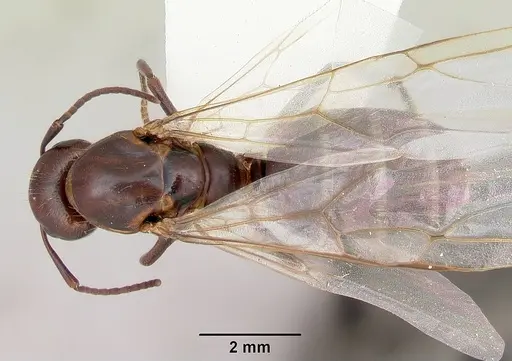
CASENT0103416
View on AntWeb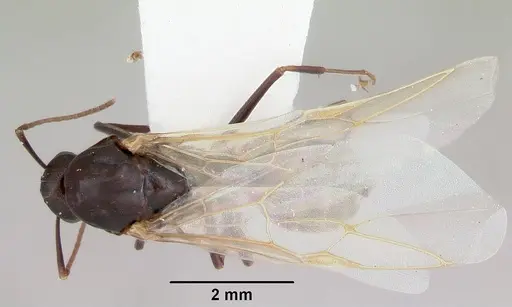
CASENT0103417
View on AntWeb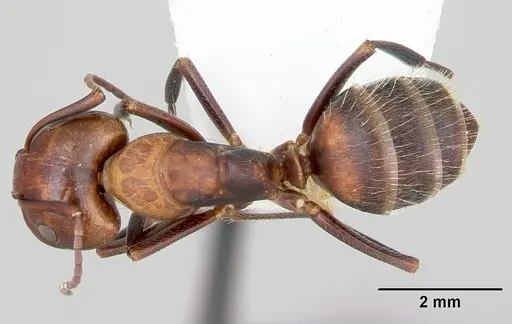
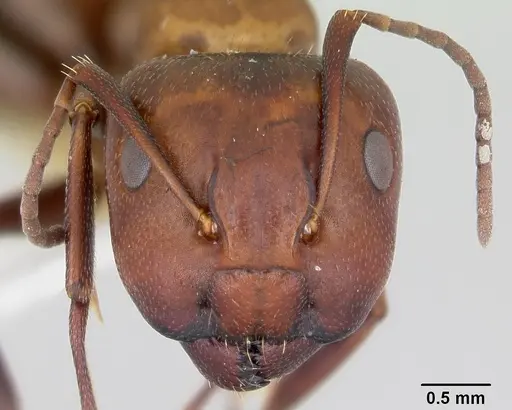
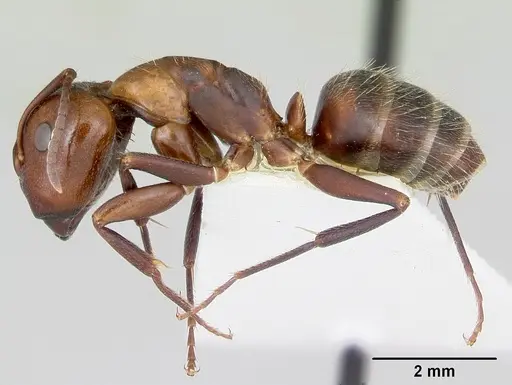
CASENT0103418
View on AntWeb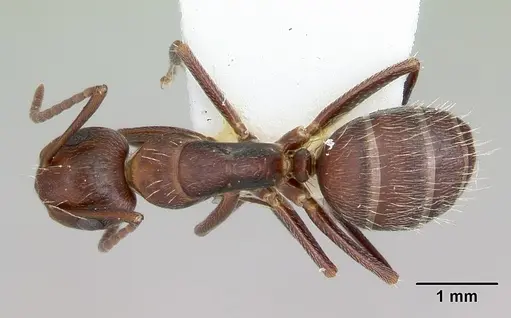
CASENT4031318
View on AntWeb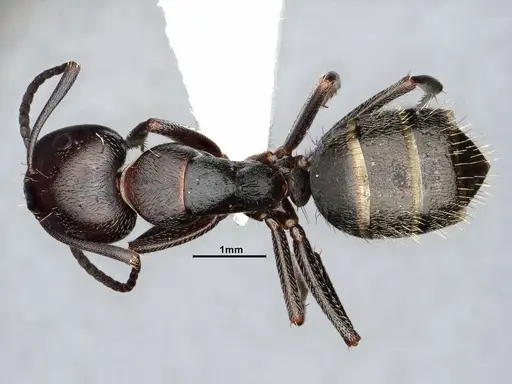
Literature
Loading distribution map...Loading products...