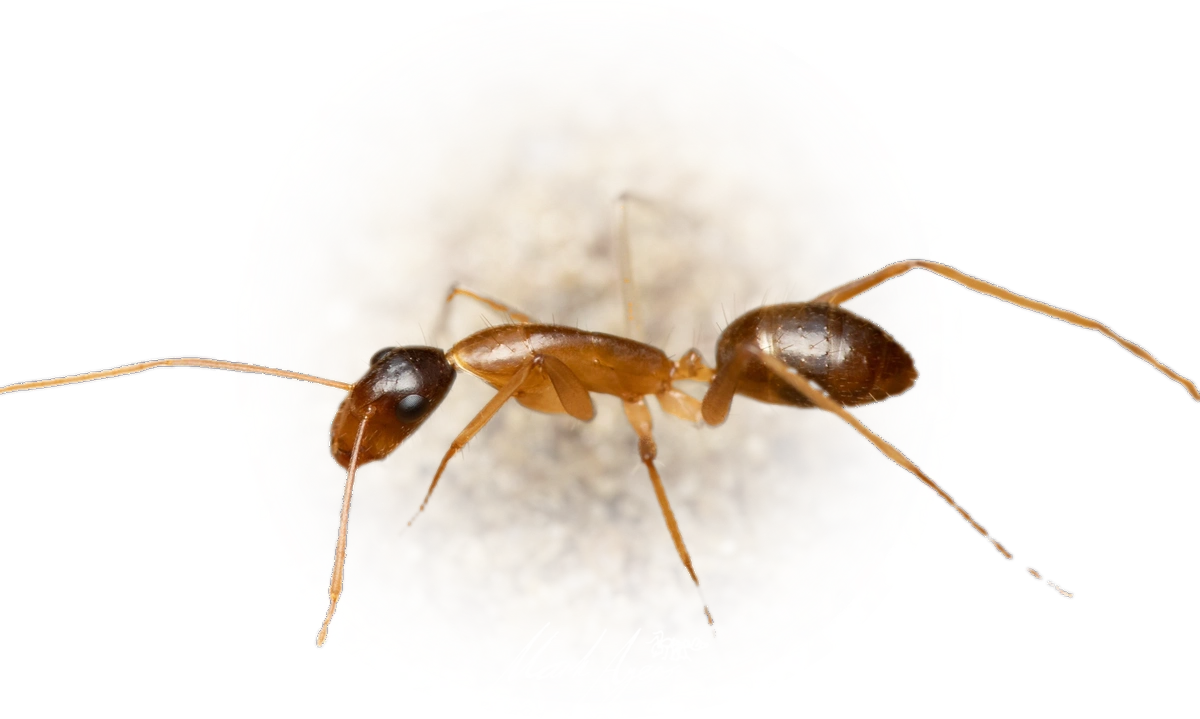
Camponotus crozieri
- Sci. Name
- Camponotus crozieri
- Tribe
- Camponotini
- Subfamily
- Formicinae
- Author
- McArthur & Leys, 2006
- Distribution
- Found in 2 countries
Introduction
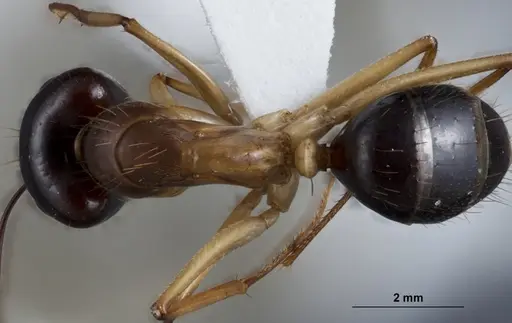
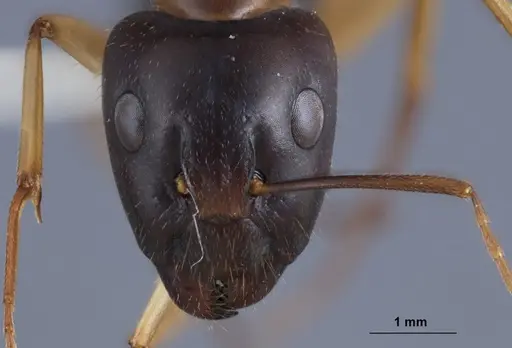
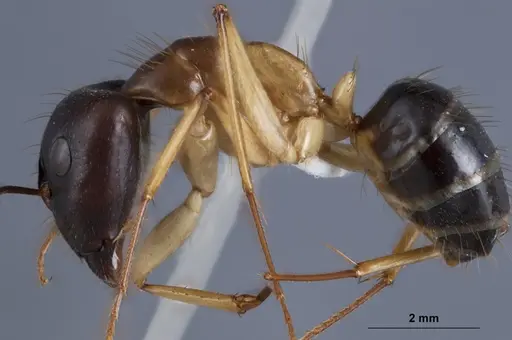
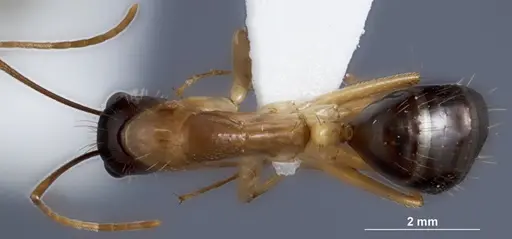
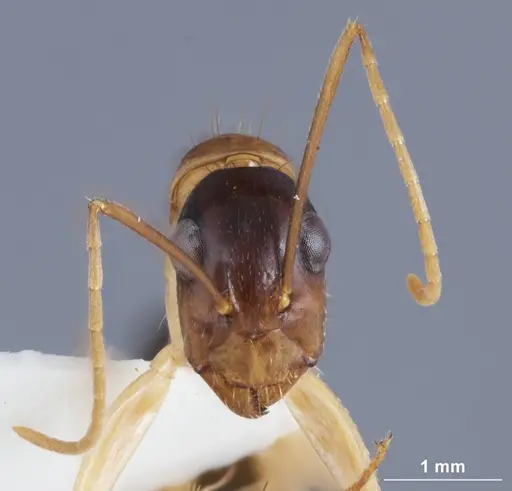
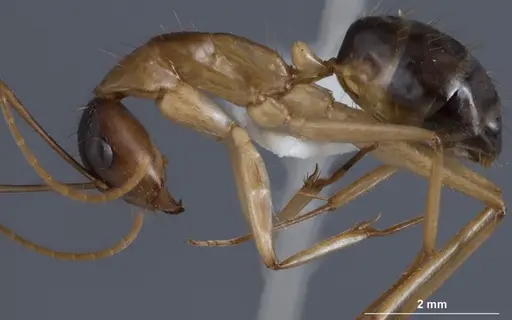
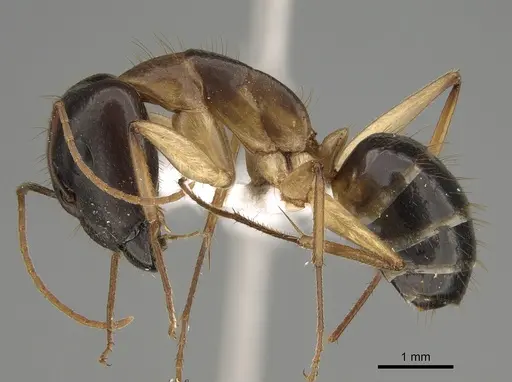
Camponotus crozieri is a nocturnal carpenter ant native to northern Australia, found across Queensland, Northern Territory, and Western Australia. Workers show strong dimorphism with distinct major and minor castes, and minor workers have a distinctive occipital carina on the head . The species is brown with raised hairs on legs and antennae . It belongs to the Camponotus maculatus species complex, which is known for nocturnal habits, clay-soil nesting, and attraction to sweet foods .
Quick Summary
- Difficulty: Medium
- Origin & Habitat: Northern Australia (Queensland, Northern Territory, Western Australia) in tropical and subtropical regions, associated with sandstone habitats and part of the Australian wet tropics fauna [3][1]. They nest in clay soil with well-hidden entrances [2].
- Colony Type: Unconfirmed, no species-specific data on queen number or social structure.
- Size & Growth:
- Queen: Size data unavailable, inferred from Camponotus genus as typically 10-15mm
- Worker: Size data unavailable, inferred from Camponotus genus as typically 4-8mm
- Colony: Unknown, but estimated up to several hundred workers based on related species
- Growth: Moderate
- Development: 6-10 weeks (estimated based on Camponotus genus development) (Development time varies with temperature, warmer conditions speed up development)
- Antkeeping:
- Temperature: Keep warm, roughly 22-28°C, with a temperature gradient. Specific needs are unclear from research, so observe worker behavior for adjustments.
- Humidity: Keep nest substrate consistently moist but not waterlogged, as they nest in clay soil in the wild [2].
- Diapause: No diapause required, as they are from tropical Australia.
- Nesting: Use Y-tong or plaster nests with moist substrate. Avoid sandy substrates, as they prefer clay-like conditions [2].
- Behavior: Nocturnal and generally calm. They spray formic acid for defense, not sting, and quickly scatter when disturbed by bright light [2]. Escape risk is moderate, use smooth surfaces and barriers for prevention.
- Common Issues: colonies may fail if kept too dry, they need moist nesting material, they are nocturnal so activity is low during daylight hours, wild-caught colonies may have parasites that can devastate captive colonies, slow initial growth during founding is normal, avoid overfeeding, they escape easily from test tube setups, use proper barriers
Housing and Nest Setup
Camponotus crozieri does well in Y-tong or plaster nests that can hold moisture. The key requirement is keeping the nesting area moist, these ants naturally nest in clay soil and avoid sandy substrates [2]. Use a test tube setup for founding colonies with a water reservoir. Once the colony grows, move to a formicarium with humid chambers. Provide a connected outworld for foraging. Since they're nocturnal, place the nest where natural light cycles allow adjustment to nightfall.
Feeding and Diet
C. crozieri is omnivorous with strong attraction to sweet foods, especially at night [2]. Offer sugar water or honey water regularly. For protein, provide insects like mealworms or fruit flies. Place sweet foods in the evening and check the next morning. A varied diet supports colony health. Remove uneaten prey after 24-48 hours to prevent mold.
Temperature and Heating
As a tropical species, C. crozieri prefers warm conditions. Use a heating cable on one side of the nest to create a gradient, allowing workers to self-regulate. Room temperature may suffice in warm climates, but heating ensures optimal development. Specific temperature data is unavailable from research, so monitor worker activity.
Colony Development
Colony growth follows typical Camponotus patterns. The queen raises the first brood alone, but founding type is unconfirmed. First workers appear after 6-10 weeks depending on temperature. Growth accelerates as more workers help with foraging and brood care. Strong dimorphism means distinct major and minor workers develop over time. [1]
Behavior and Observation
These ants are primarily nocturnal, with most activity in evening and night hours [2]. They spray formic acid for defense and quickly scatter when disturbed by bright light. Use red or dim lighting for observation. They show dominance in their ecosystem as part of the Subordinate Camponotini group [3].
Frequently Asked Questions
How long does it take for Camponotus crozieri to produce first workers?
Expect first workers after 6-10 weeks at optimal temperature, estimated based on Camponotus genus development [1].
Can I keep Camponotus crozieri in a test tube setup?
Yes, test tubes work well for founding colonies. Keep the cotton moist but not flooded, and provide a dark cover. Once the colony grows, consider moving to a formicarium.
What do Camponotus crozieri eat?
They accept sugar water, honey, and insect prey like mealworms and fruit flies, with strong attraction to sweet foods at night [2].
Are Camponotus crozieri good for beginners?
They are intermediate in difficulty due to temperature and humidity needs, but their nocturnal habits and straightforward diet make them manageable for experienced keepers.
Do Camponotus crozieri need hibernation?
No, they do not require hibernation as they are from tropical Australia.
When should I move my colony to a formicarium?
Move when the test tube becomes crowded or the water reservoir runs low. Ensure the formicarium has humid nesting chambers before transferring.
Why are my Camponotus crozieri dying?
Common causes include too-dry nesting material, temperatures outside 22-28°C range, mold from overfeeding, or parasites from wild-caught colonies. Check humidity first [2].
Can I keep multiple queens together?
Not recommended, as queen number is unconfirmed. Combining unrelated queens typically results in fighting.
Why is my colony inactive during the day?
This is normal, Camponotus crozieri is nocturnal [2]. They rest during daylight and become active in evening.
Report an Issue
The current care sheet is based fully on literature. See inconsistencies, or something that's incorrect? Please , it will be resolved after review from an admin. Contributing to the blogs tab also helps providing information, to make us be able to further improve the caresheets. Thank you for your support!
References

This caresheet is licensed under CC BY-SA 4.0 .
Community Blogs
Literature
Loading distribution map...Loading products...